
Forecasters are watching for a minor geomagnetic storm that could paint the northern sky over parts of the United States this week. A glancing blow from material that left the Sun on November 14 could add to the show. Here is what space weather forecasters expect, when to look and where the activity came from.
Read next on Morning Overview: Arizona’s governor declared a statewide emergency after Flagstaff logged its wettest Nov. 1 on record
G1 storm watch: A Minor Storm Watch
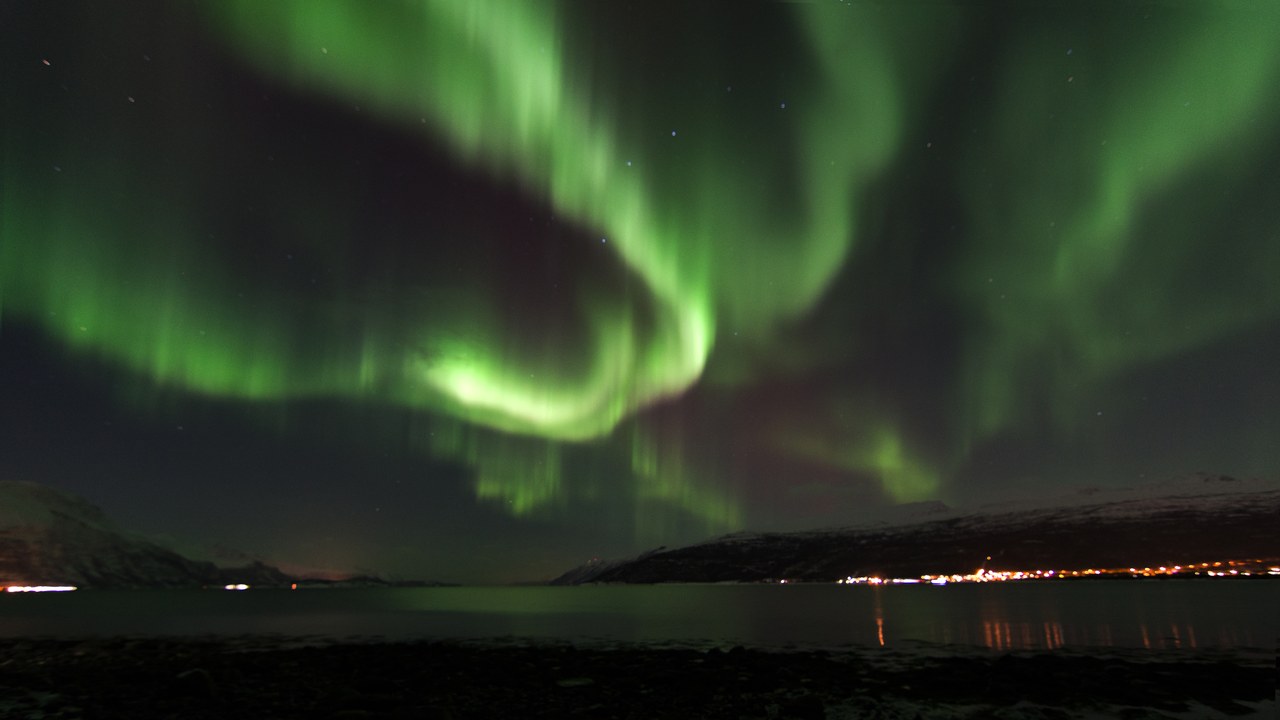
NOAA’s Space Weather Prediction Center has a G1, or minor, geomagnetic storm watch in effect for November 17 and 18, according to the agency’s alerts and watches feed. The watch was first issued on November 15, and SWPC had flagged G1 conditions for those dates in earlier outlooks as well.
At G1 levels, SWPC says weak power grid fluctuations can occur and minor impacts on satellite operations are possible. The most visible effect for the public is the aurora, which can push farther south than usual during a storm. Minor storms are common and rarely cause problems on the ground, but they can produce memorable displays for skywatchers in the right places.
November 14 coronal mass ejection: A Glancing Blow From the Sun
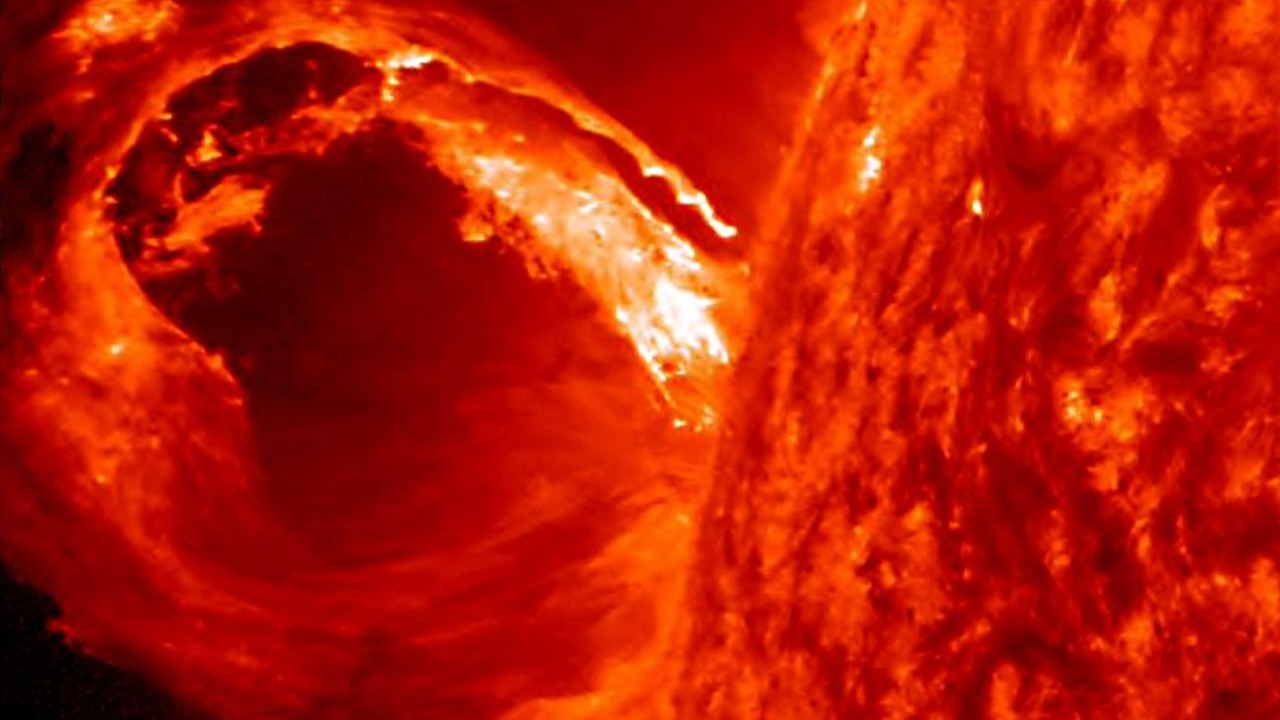
A coronal mass ejection that left the Sun on November 14 may deliver a glancing blow to Earth, though forecasters have low confidence in that arrival, according to Watchers, which summarized SWPC’s forecast discussion. The CME may arrive late on November 17 or early on November 18.
At the same time, a high-speed stream of solar wind is moving into a position where it can affect Earth’s magnetic field. A coronal mass ejection is a huge cloud of magnetized plasma thrown off by the Sun. When one strikes Earth’s magnetic field even at an angle, it can stir up the field and boost auroral activity well beyond its usual range.
Kp 4.67: Kp Index Near 4.67
The planetary Kp index, which measures geomagnetic disturbance on a scale from 0 to 9, is expected to reach about 4.67 late on November 17 into November 18 UTC, according to Watchers’ report on SWPC’s three-day forecast.
A Kp of 5 marks the threshold for a G1 storm, so the forecast sits right at the edge of minor storm conditions. Watchers notes that the latest forecast adds that specific Kp timing and the low-confidence glancing CME to the G1 outlook SWPC had already flagged. Small shifts in the arrival time can make a big difference in who sees the lights.
Northern Michigan and Maine: Auroras Over Michigan and Maine

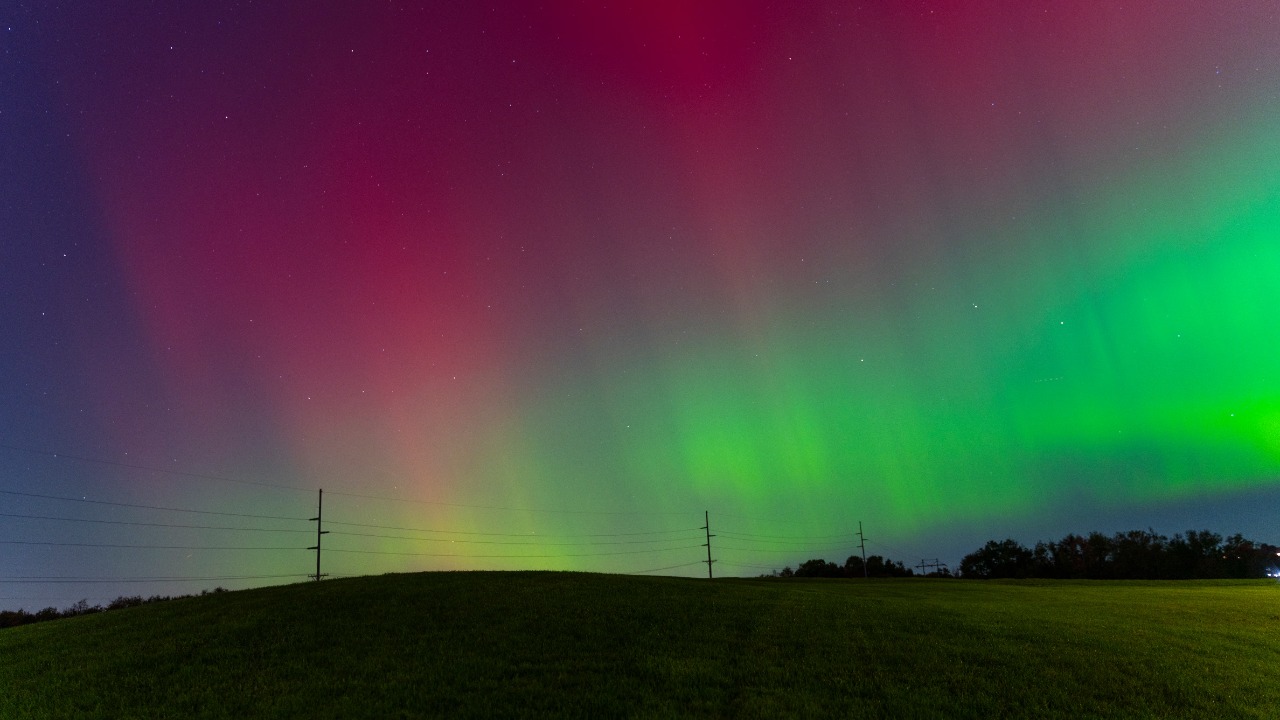
During G1 conditions, the aurora may be visible at high latitudes, including the northern tier of the United States, such as northern Michigan and Maine, according to the Space Weather Prediction Center’s watch notice.
Skywatchers in those areas should look north after dark, away from city lights, especially in the hours around local midnight. Clear skies are essential, and phone cameras can often pick up faint auroral colors that are hard to see with the naked eye. Because the CME forecast carries low confidence, the display could be stronger, weaker or delayed. Checking the latest SWPC updates before heading out is the best way to time a look.
Sunspot AR4566: The Sunspot Behind the Activity
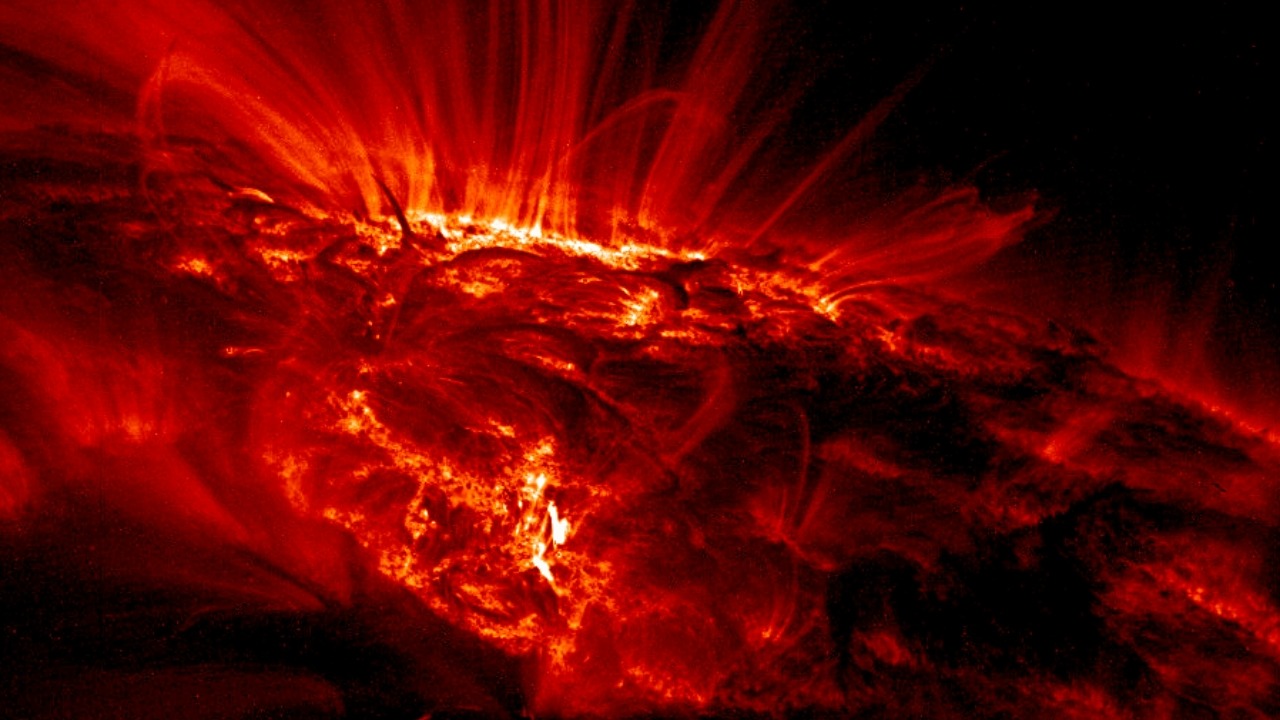
The recent burst of solar activity came from a sunspot region called AR4566. Over one 24-hour stretch earlier this month, it fired off 20 solar flares, including three M-class flares, according to Watchers.
NOAA numbered the region when it appeared on November 2, and within a week it had grown into the largest and most complex sunspot group on the visible Sun. Forecasters gave it a 60 percent daily chance of M-class flares and a 15 percent daily chance of an X-class flare between November 8 and 11. No X-class flare was reported before it began rotating toward the Sun’s western edge.
More from Morning Overview
- A handful of car transmissions are so tough that mechanics say they almost never die
- Melting permafrost is setting off a newly identified kind of catastrophic landslide, scientists say
- Cadillac cut the price of its cheapest EV, which goes up to 317 miles on a charge
- Winter weather advisories cover I-80, I-70 and the Bighorns with up to 15 inches of snow
