
Buyer’s remorse in a driveway usually has less to do with styling than with the two things nobody test-drives: the repair invoice and the trade-in offer. Depreciation curves and early-life reliability records separate a smart purchase from an expensive lesson long before the factory warranty runs out. Here are ten cars that tend to sour on their owners fast.
1. Fiat 500L: The Retro Idea That Soured
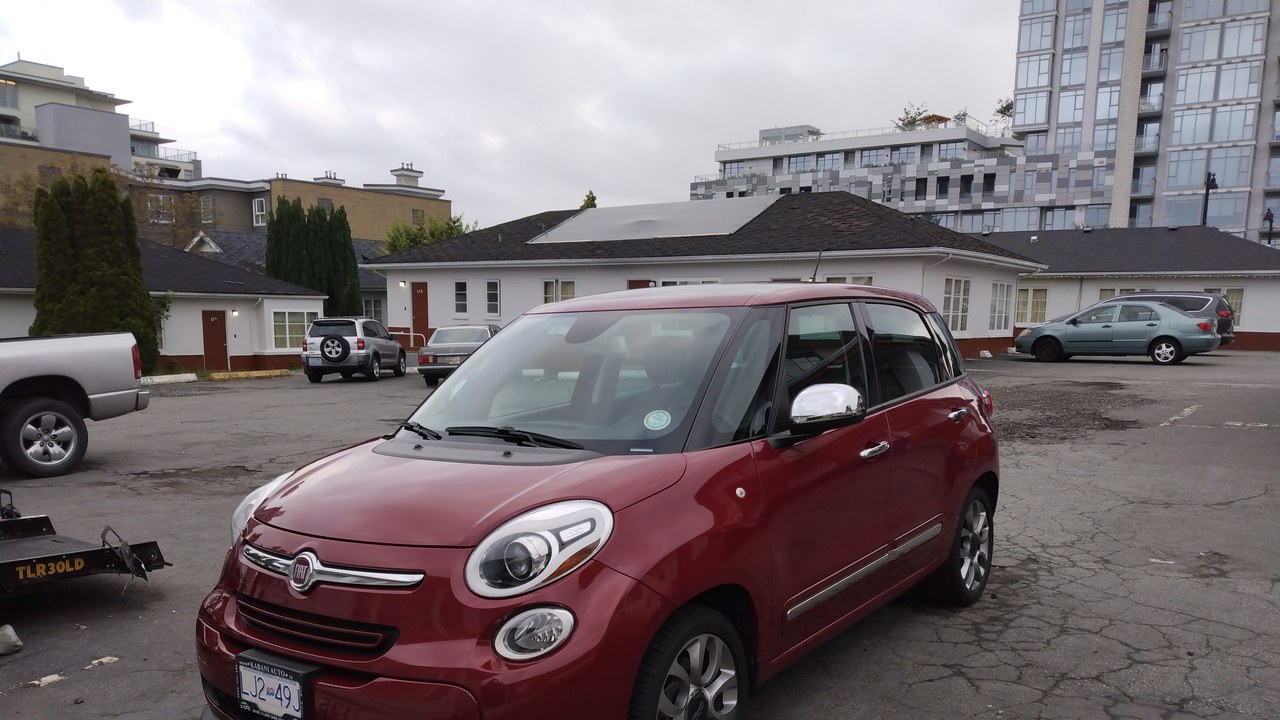
The 500L stretched the retro Fiat 500 into a boxy five-door with far more space and far less charm, and American shoppers noticed within a season or two. Built in Serbia on Fiat’s Small Wide platform, it drew persistent complaints about its gearboxes, its electronics and its interior trim. Fiat’s tall hatchback lasted only a handful of model years in the United States before the brand withdrew it.
A discontinued nameplate with a thin service network and a reputation for niggling faults finds very few second owners, which is how a bargain sticker becomes a bad trade. Out-of-warranty electrical work belongs in the budget of anyone shopping one used.
2. Mitsubishi Mirage: Cheap To Buy, Cheaper To Sell
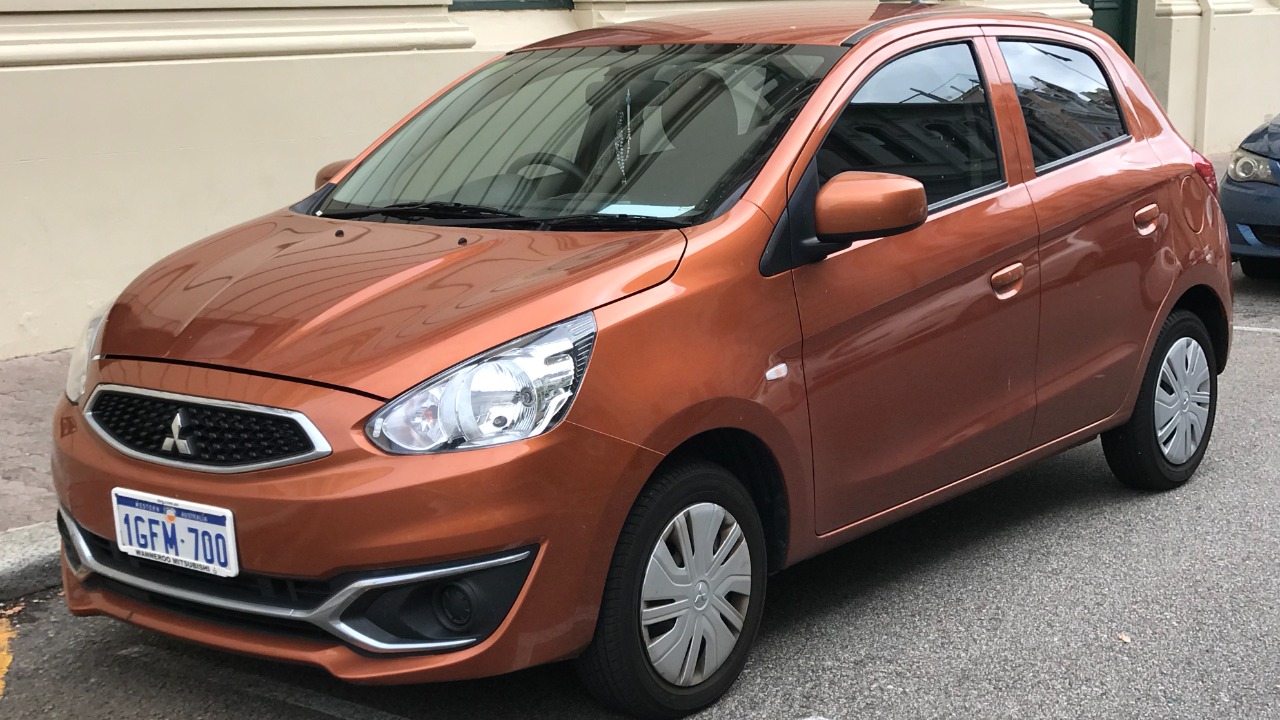
Mitsubishi’s smallest offering wins on price and fuel economy and loses almost everywhere else. A 1.2-liter three-cylinder engine making under 80 horsepower, tied to a continuously variable transmission, put the subcompact Mirage hatchback among the slowest new cars on sale in America. Mitsubishi has since ended North American sales of the model, leaving it without a current-generation successor to prop up values.
Regret here arrives on the on-ramp rather than in the service bay, since the mechanicals are simple and the factory warranty unusually long. The trouble is that a car chosen purely on monthly payment gives almost nothing back at trade-in time.
3. Nissan Versa: The Transmission Question
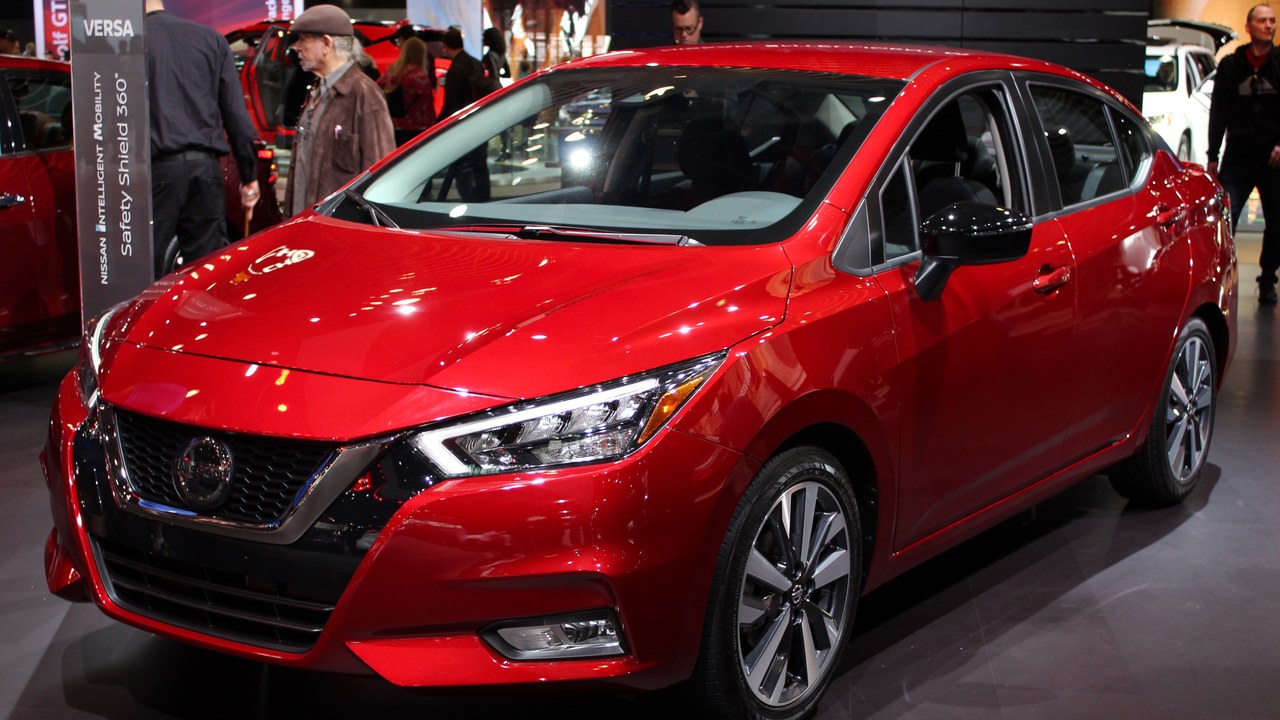
Sticker price is the entire argument. Nissan’s entry-level sedan has spent years as one of the least expensive new cars on the American market, and the 2020 redesign finally added standard driver-assist equipment to that pitch. The catch sits under the floor, where an Xtronic continuously variable transmission drives the front wheels, carrying the reputation that Nissan’s CVT family earned through years of owner complaints and class-action claims.
Resale reflects that anxiety more than any single defect, because used shoppers discount a car whose priciest component has a contested record. Documented fluid changes and whatever powertrain coverage remains do more for an appraisal than trim level ever will.
4. Jeep Compass: Slow Where It Counts
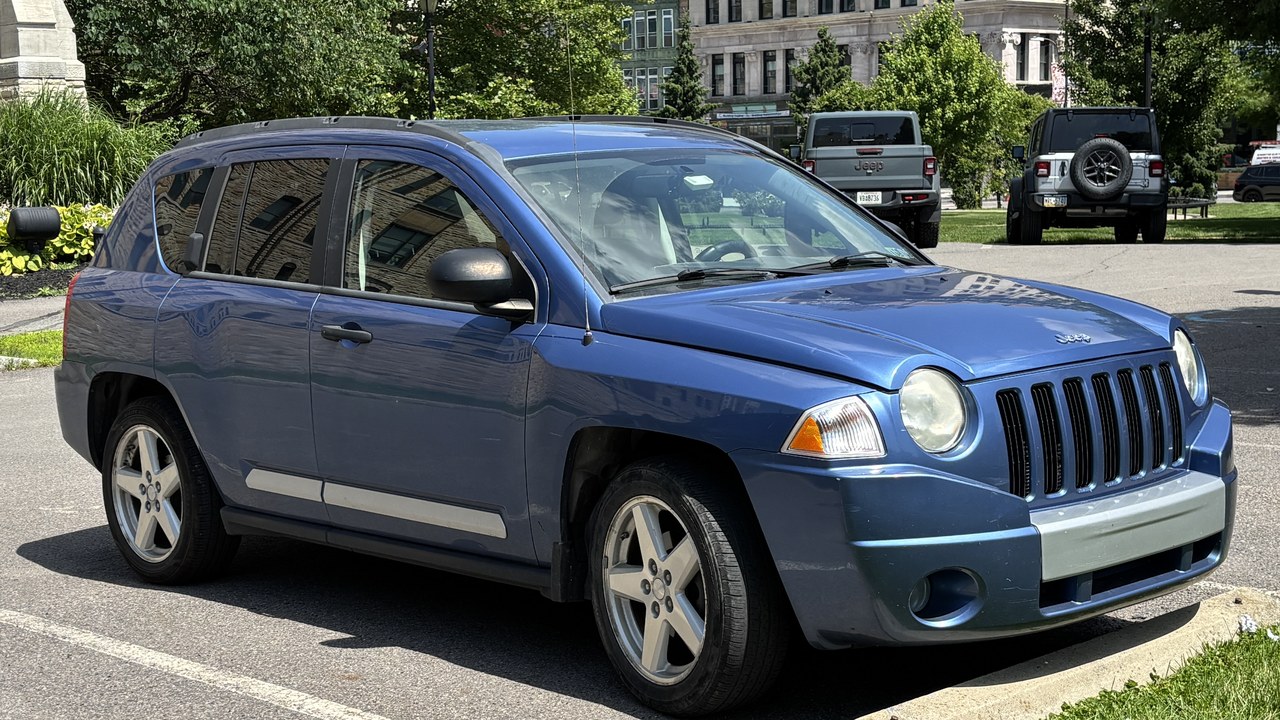
The Compass has trailed its class for most of its life. Recent versions paired a 2.4-liter Tigershark four with a nine-speed automatic and finished at the back of the compact-crossover field for acceleration, while the original leaned on a car-based platform that undercut the badge’s off-road promise. Jeep’s compact crossover has also placed near the bottom of mainstream reliability rankings through much of that run.
None of that shows up on a showroom floor, but all of it shows up two years later, when the badge has stopped being novel and the repair file has not. Volume-spec examples routinely trail their Japanese and Korean rivals on trade-in day.
5. Dodge Journey: A Decade Without A Redesign
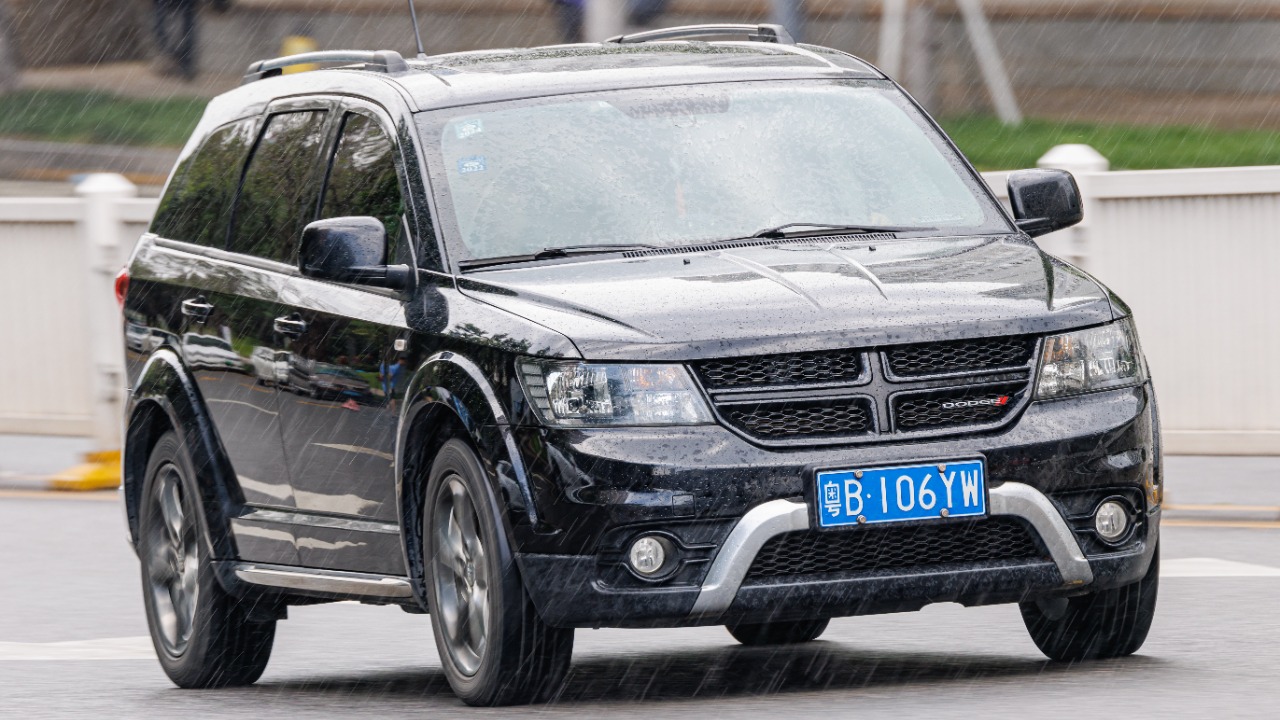
Few modern vehicles stayed on sale this long without a redesign. Launched for 2009 and built until 2020 on essentially the same underpinnings, Dodge’s three-row crossover kept a base 2.4-liter four and a four-speed automatic long after rivals had moved to six, eight and nine ratios. Rental fleets and deep discounts, not merit, sustained the volume.
Fleet saturation and an obsolete drivetrain make a poor foundation for residual value, and the nameplate’s retirement removed the floor that a current model provides. The third row is genuinely small, and the cabin plastics aged badly even by the standards of the era.
6. Chrysler 300: The Last Of Its Kind
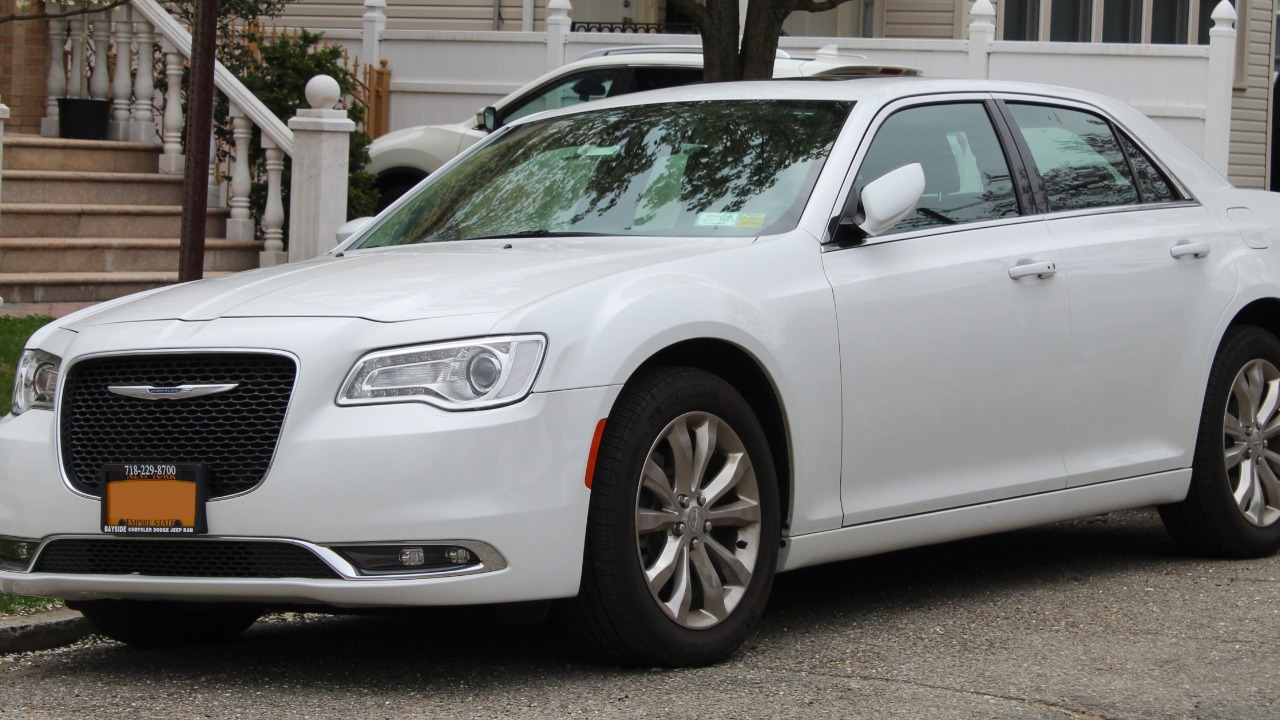
Chrysler’s full-size sedan spent its final decade on an LX platform whose bones trace to the mid-2000s and to borrowed Mercedes-Benz engineering. Rear-wheel drive and an available Hemi V8 kept it characterful, yet the interior, infotainment and fuel economy fell steadily behind the market until production stopped in 2023. Large sedans already depreciate faster than almost any other body style, and heavy fleet volume deepened the drop.
The V8 that sells the car also brings the running costs, from premium fuel to accelerated tire and brake wear. Now out of production, the 300 competes for parts and dealer attention within a Chrysler lineup that has shrunk to a handful of models.
7. Nissan Rogue: Volume Without Confidence
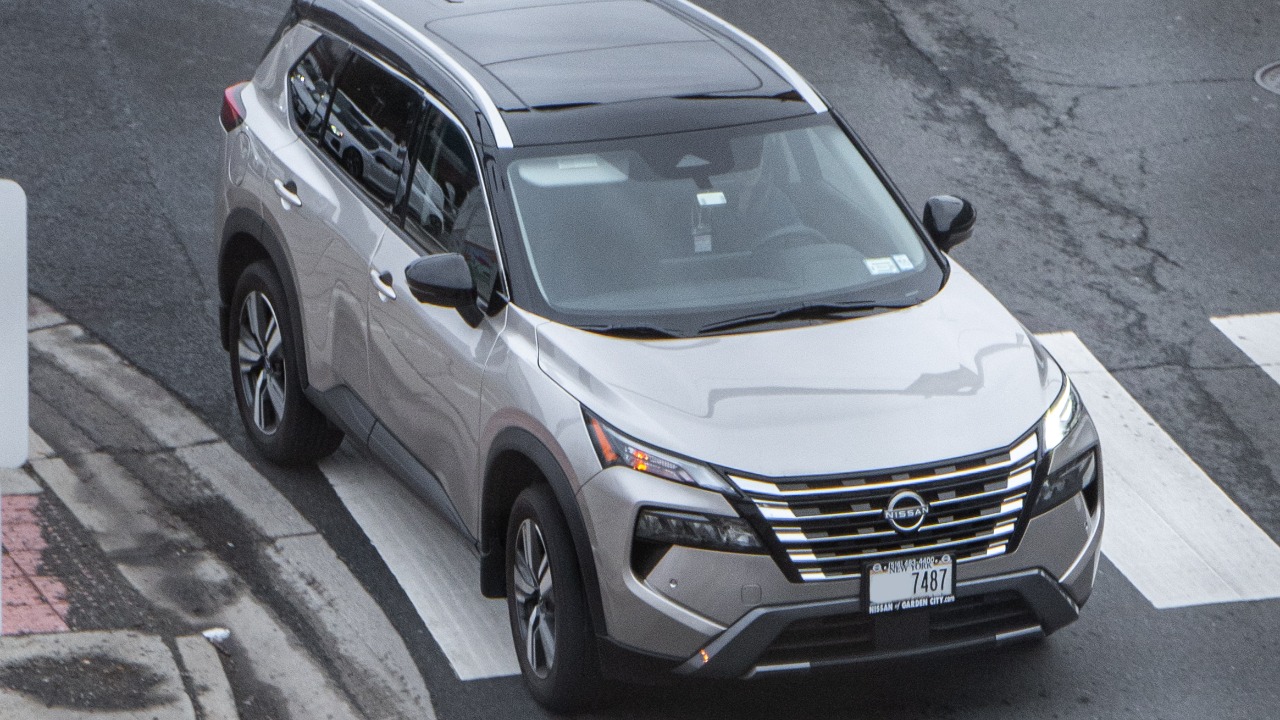
Scale is both the strength and the weakness. Nissan’s compact crossover sells in enormous numbers, which keeps used supply plentiful and prices soft, and every version routes power through the Xtronic continuously variable transmission that generated so many complaints across earlier Nissan model lines. The current generation adds a 1.5-liter variable-compression turbo three-cylinder, an unusual design with a short field record.
Neither trait is a defect on its own, but together they explain why a two-year-old example so often appraises below expectation. Extended powertrain coverage and a documented service history are the practical hedge for keeping one past the factory term.
8. Land Rover Discovery Sport: Prestige With A Service Bill
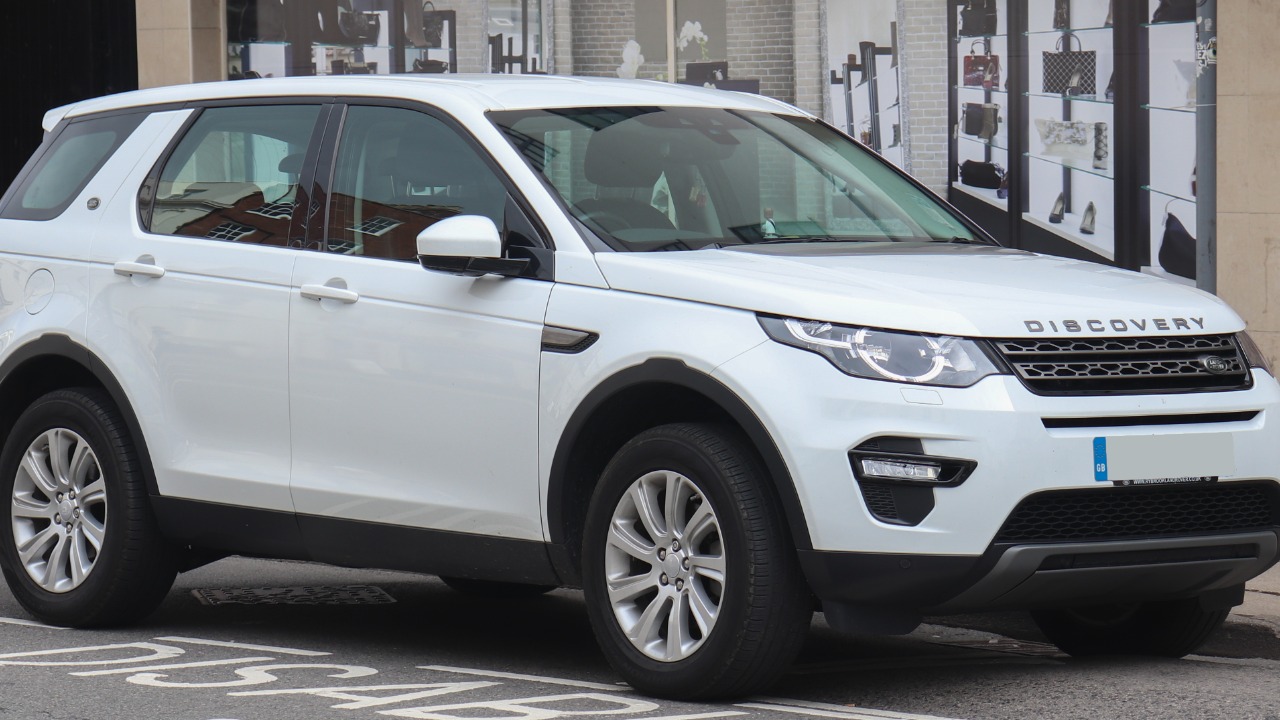
Land Rover’s entry SUV replaced the Freelander in 2014 and packaged the brand’s off-road image into a compact, family-priced shape. It also inherited Jaguar Land Rover’s dependability record, which has sat at or near the bottom of major reliability surveys for most of the past decade, with electrical and infotainment faults among the most frequent complaints. First out-of-warranty repairs therefore tend to arrive early.
Luxury-badge parts and specialist labor turn ordinary maintenance into an expensive event, and steep segment depreciation compounds the damage. A well-kept example can be a genuine bargain on the used market, which is precisely why the original owner rarely recovers the purchase price.
9. BMW 7 Series: Flagship Money, Fast Erosion
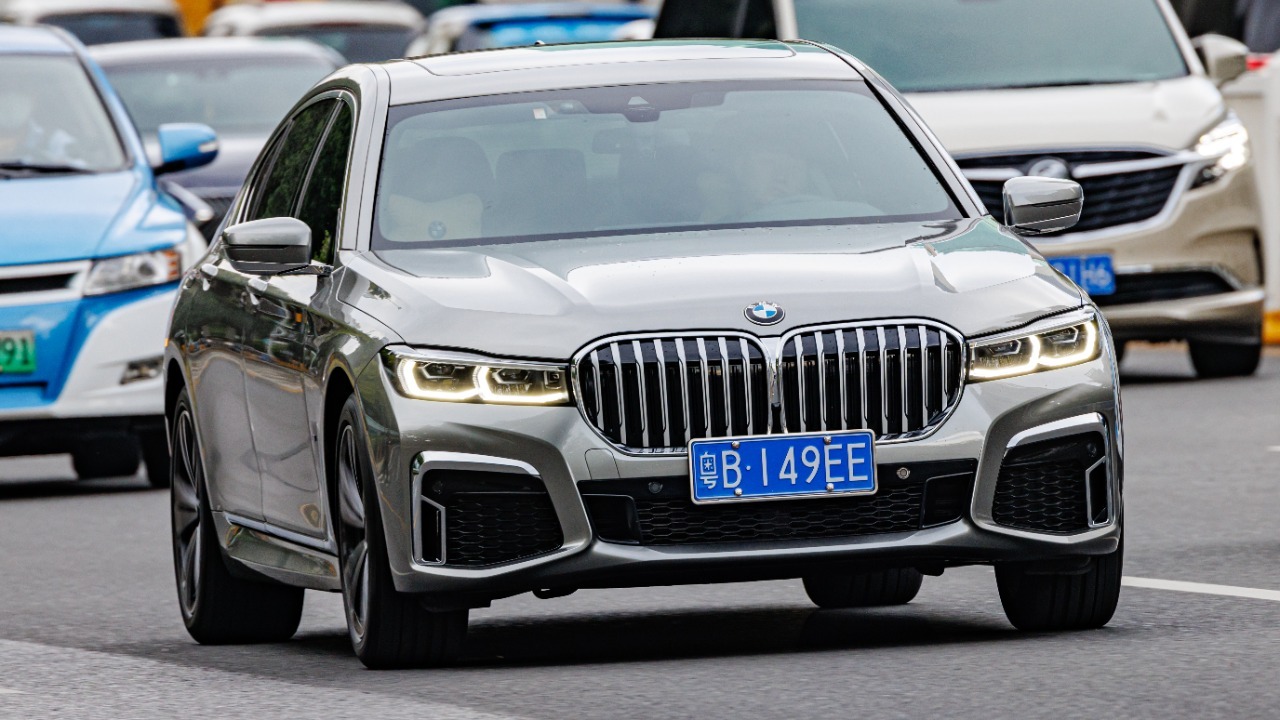
Nothing sheds money quite like a technology flagship. Since 1977 the 7 Series has carried BMW’s newest and most complex hardware, from air suspension and active roll control to V12 engines and, more recently, the fully electric i7. BMW’s full-size flagship arrives at a price the used market simply refuses to honor, and it lands near the top of industry depreciation studies with grim regularity.
The second bill follows the first, because air struts, adaptive dampers and dense electronics all reach replacement age around the moment factory coverage lapses. That is why later owners buy these sedans for a fraction of the original sticker and still spend heavily to keep them on the road.
10. Maserati Ghibli: Exotic Badge, Familiar Parts Bin
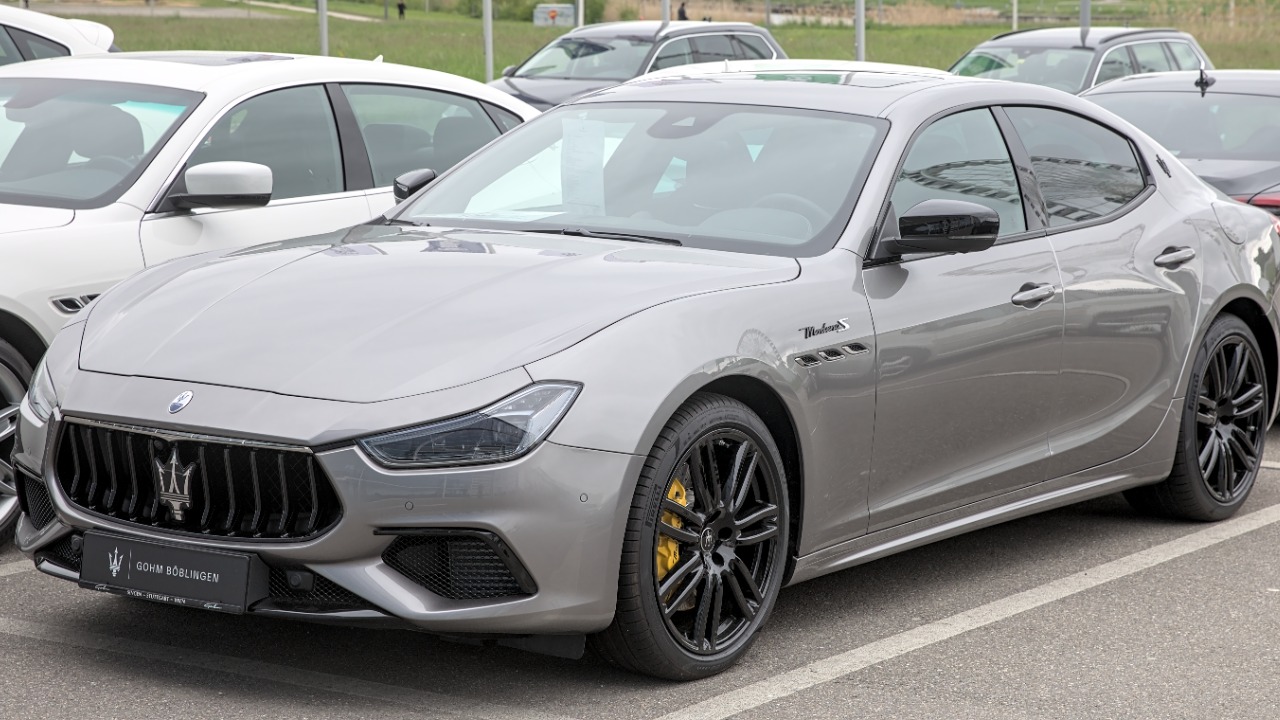
Revived in 2013 as a smaller, cheaper alternative to the Quattroporte, Maserati’s mid-size sedan paired twin-turbo V6 engines built at Ferrari’s Maranello plant with a ZF eight-speed automatic. Owners also found switchgear and electronics shared with far cheaper Fiat Chrysler products, a thin dealer network, and one of the harshest depreciation curves in the luxury class before production ended in 2024.
Scheduled servicing continues at exotic-brand rates no matter what the car is worth, and a single specialist repair can consume a serious share of the remaining value. The Ghibli drives well enough to justify the badge, which is exactly the trap: the experience holds up better than the invoice.
More from Morning Overview
