
Every repair bay keeps a short mental list of vehicles it would rather send down the road. The reasons are seldom about brand loyalty: air suspension, buried engines, sealed control modules and dealer-only diagnostic software turn a routine job into a gamble on labor hours. Here are eleven sport-utility vehicles that independent technicians tend to decline.
1. Land Rover Discovery: The Air Suspension Gamble
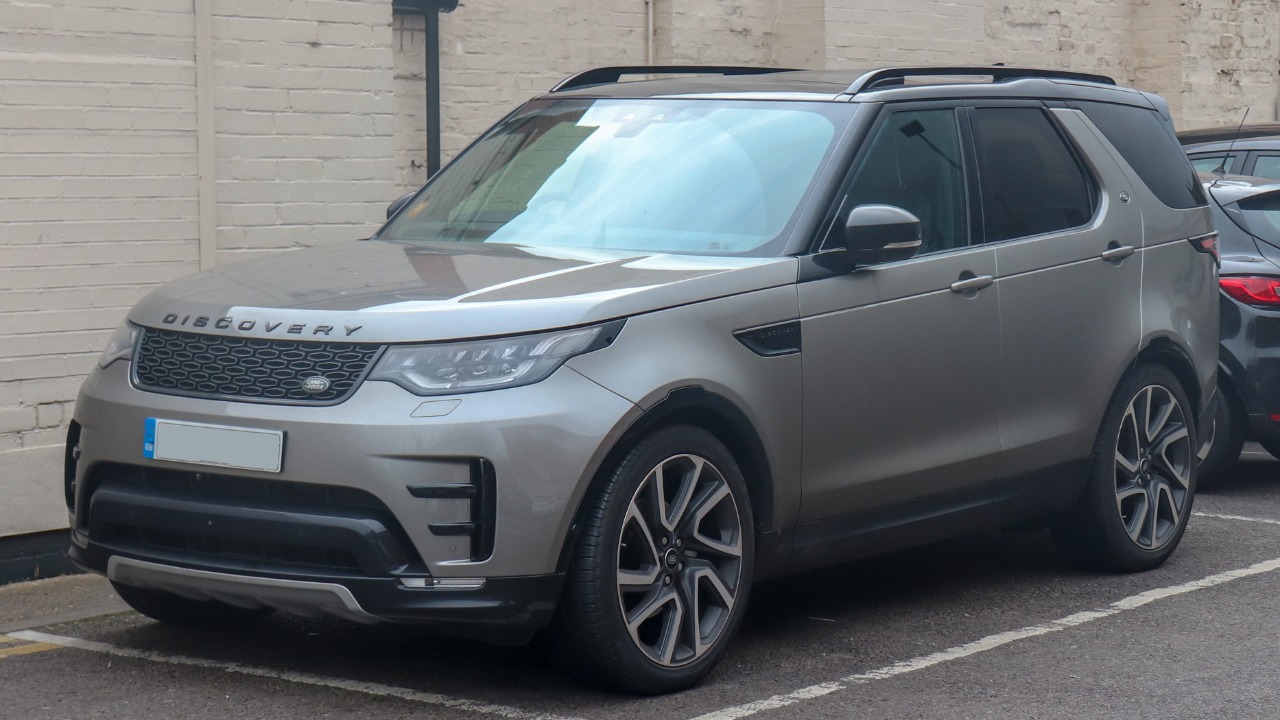
The Discovery has carried height-adjustable air suspension across several generations, and the compressors, valve blocks and rubber springs behind it are what most often strand a shop mid-job. Diagnosis runs through the vehicle’s own control modules rather than a mechanical inspection, so one sagging corner can implicate any of a half-dozen components. The full-size Land Rover Discovery also buries body electronics behind trim panels, turning modest faults into long teardowns.
Quotes swing wildly between shops, and dealer-level diagnostic access often decides who can finish the job. Converting to conventional coil springs is a common workaround, though it permanently disables the ride-height features the original buyer paid for.
2. Range Rover Evoque: Early Gremlins And Tight Packaging
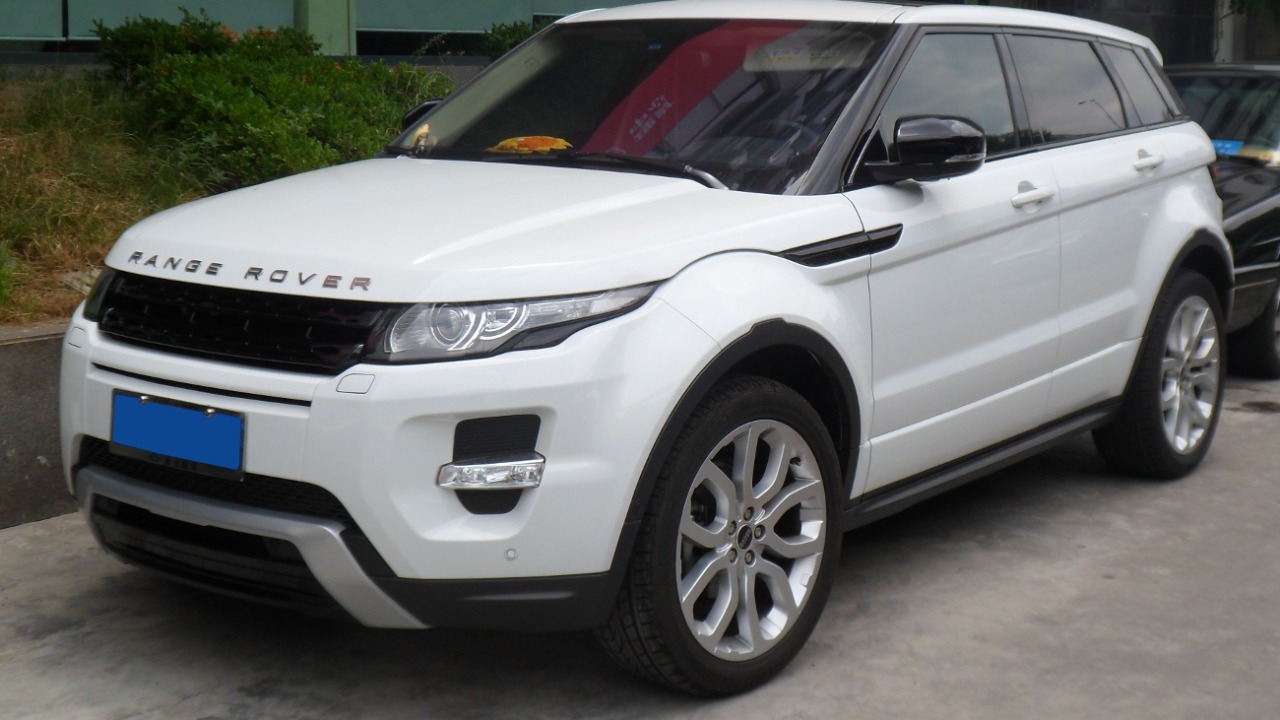
Land Rover squeezed a transverse drivetrain, a nine-speed automatic and a dense electrical architecture into a short wheelbase, and early build years drew complaints about infotainment faults, sensors and driveline shudder. Reaching ordinary wear items on the compact Range Rover Evoque means pulling apart more of the front end than flat-rate labor time assumes. Much of the hardware is shared with larger models that have far more engine-bay room.
Budgeting for diagnostic hours matters more than budgeting for parts, because chasing an intermittent fault routinely outruns the price of the component. A marque specialist usually costs less than a general bay working by trial and error.
3. BMW X5: Labor Hours Buried In The Bay
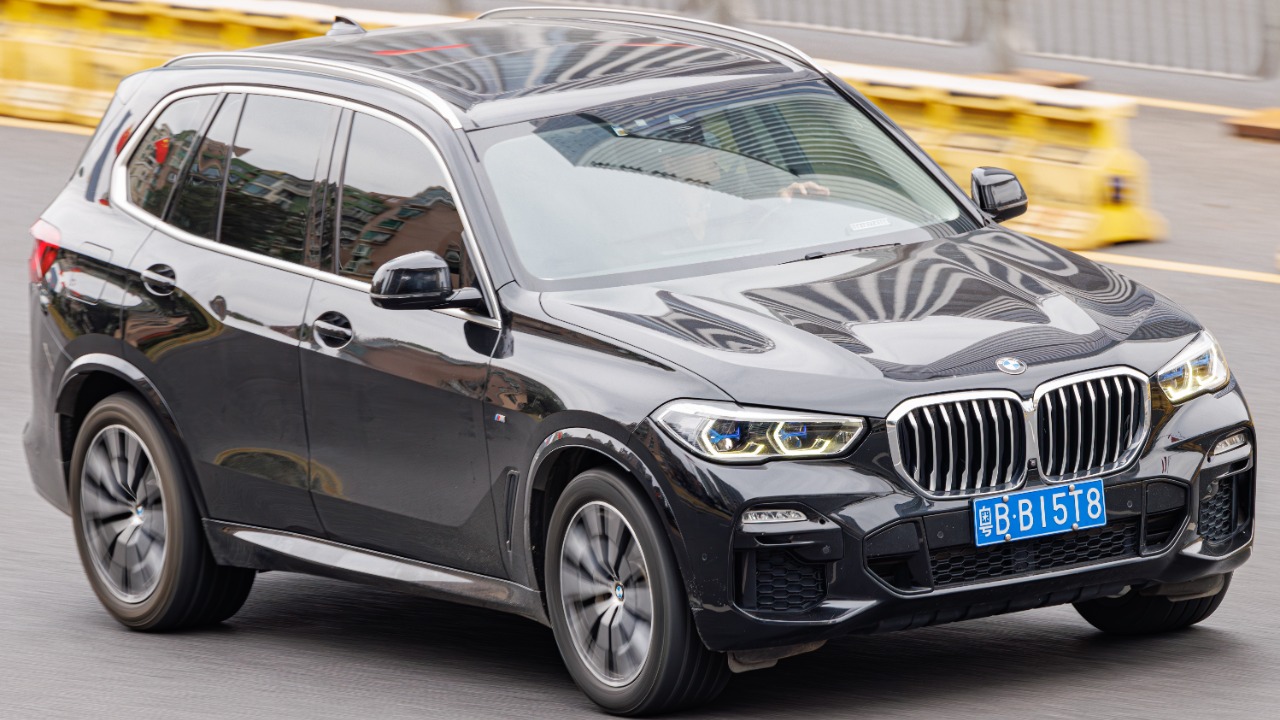
Inline-sixes, V8s and plug-in hybrid drivetrains have all been offered here, and every one adds cooling, emissions and control hardware layered tightly around the block. Valve-cover leaks, cooling-system parts and electric water pumps are familiar failures, but on the BMW X5 sport-utility they sit behind intake plumbing and covers that must come off first. Book time alarms small shops before a single part gets priced.
Access, not components, is what fills the invoice: a modest gasket can carry several hours of labor. Shops lacking factory-level scan capability also cannot perform the adaptation resets many of these repairs require afterward.
4. Mercedes-Benz GLE: Air Ride And Sealed Modules
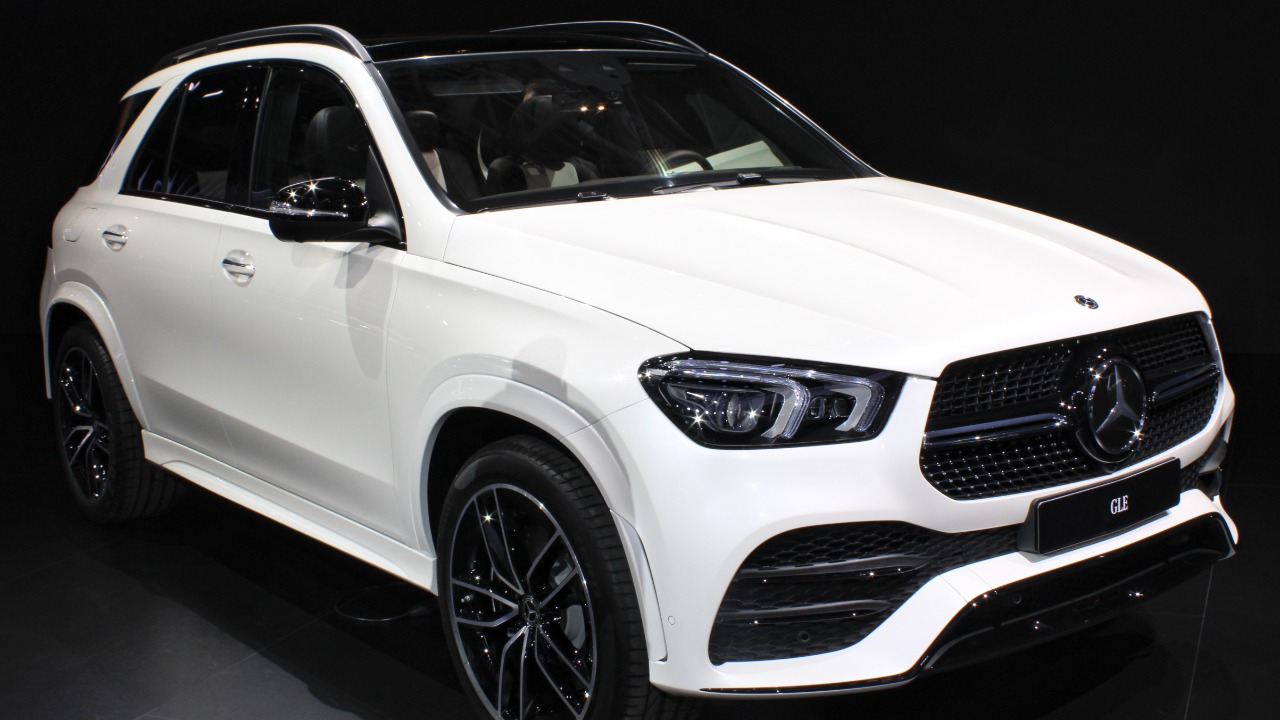
Airmatic air suspension and, on some versions, active anti-roll hardware are governed by control units that expect any replacement part to be coded before it will function. A failed strut or compressor on the Mercedes-Benz GLE-Class is rarely a bolt-in repair, since the vehicle will otherwise refuse to hold ride height. Driver-assistance sensors add still more units needing calibration.
That coding requirement is the genuine barrier. Without factory software a shop can install the correct component perfectly and still return a vehicle sitting on its bump stops, which pushes many jobs back to a dealer regardless of who supplied the labor.
5. Audi Q7: A Bay With No Room To Work
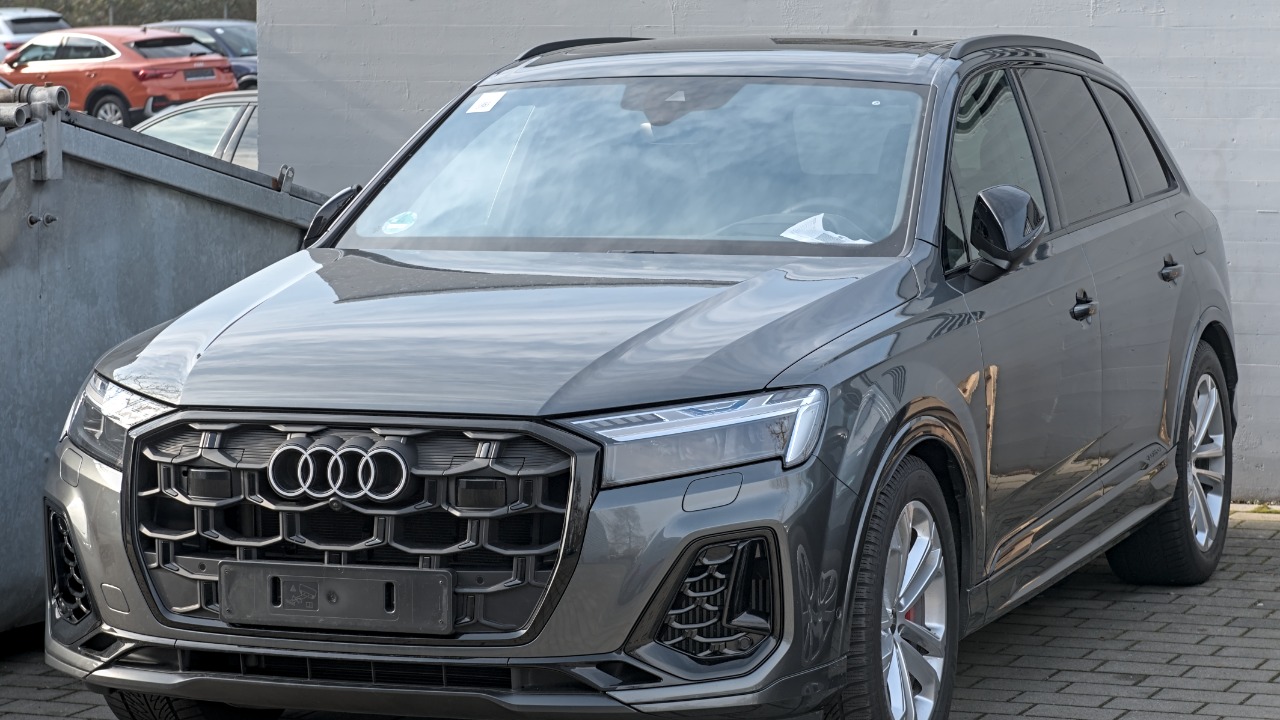
A longitudinal six, its forced-induction plumbing and a deep cooling stack all occupy a nose engineered around crash structure rather than service access. Timing components sit at the rear of the engine on several versions, and the front clip is designed to slide forward into a service position, a step plenty of independents decline outright. Work on the full-size Audi Q7 begins with disassembly rather than repair.
Small failures consequently arrive attached to large quotes, and a water pump can cost what a transmission does in another brand. Owners keeping one well past warranty tend to settle on a single specialist rather than shopping each job.
6. Jaguar F-Pace: Parts Priced Like Its Badge
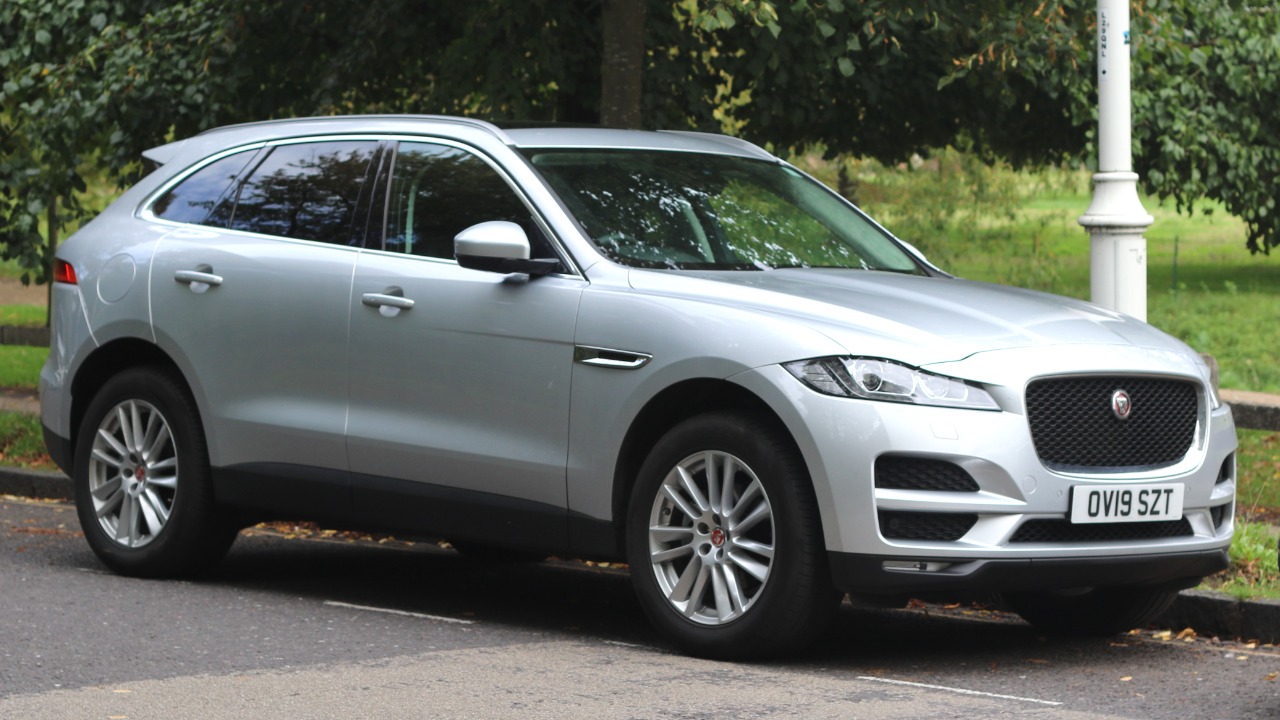
An aluminium-intensive architecture shared with Jaguar’s sedans brings model-specific fasteners plus riveted and bonded panels that ordinary collision shops are not certified to repair. Mechanical access is tight, and the Jaguar F-Pace crossover relies on low-volume components that seldom have an affordable aftermarket equivalent. Parts supply, rather than technician skill, is what turns most independent bays away.
A tempting used price deserves a check on what a headlight, a control arm and a scheduled service actually cost first. The bonded aluminium structure also shortens the list of body shops legitimately able to put one back together.
7. Cadillac Escalade: Big Truck, Bigger Labor Bill
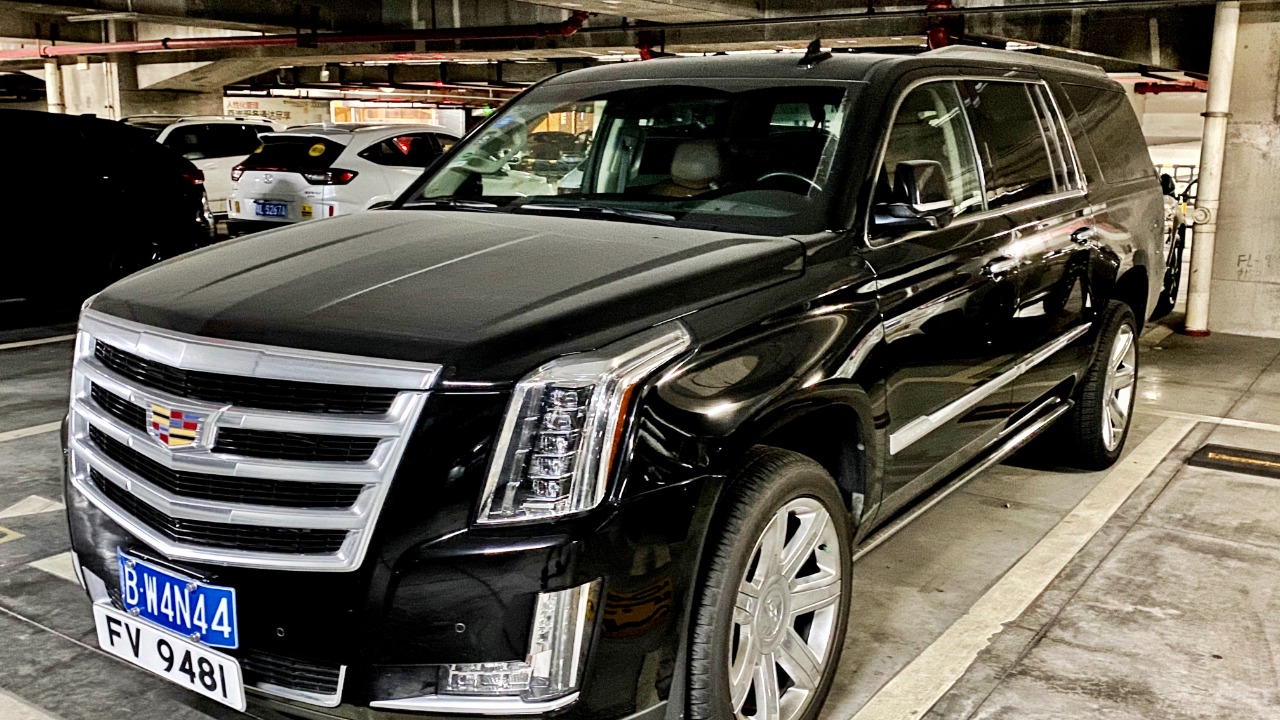
Body-on-frame construction on General Motors’ full-size truck platform brings magnetic-ride dampers, rear air leveling and a long roster of powered convenience features. Sheer size limits which lifts and bays can take it, and the Cadillac Escalade full-size SUV pairs truck-scale mechanical components with luxury electronics that an ordinary truck shop has no software to configure.
The mechanical bones are durable; the expensive failures cluster in dampers, control modules and the motors running seats, running boards and the power liftgate. On those jobs the part number drives the invoice far more than the difficulty does.
8. Jeep Grand Cherokee: The Recurring Electrical Headache
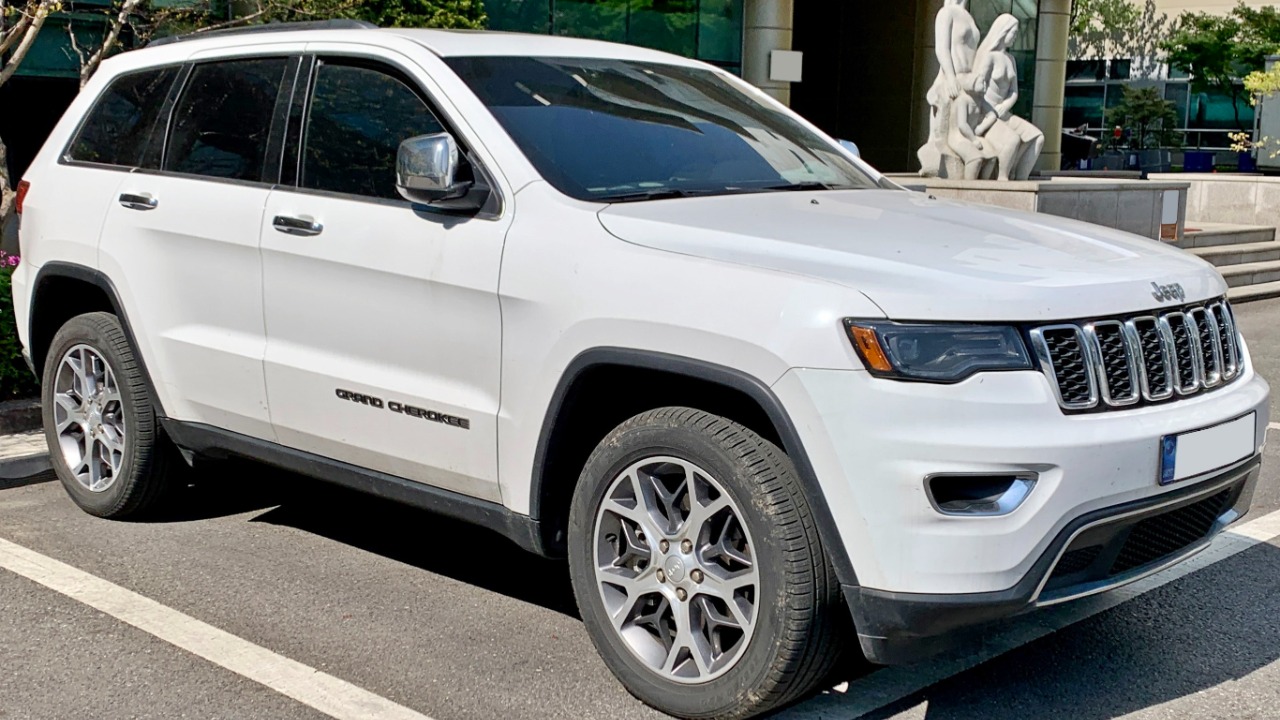
Successive generations have drawn repeated complaints and recall activity involving body-control electronics, wiring harnesses and shifter software, and faults of that kind are intermittent by nature. A technician who accepts a parasitic drain or a cascade of warning lights on a Jeep Grand Cherokee can burn hours with no billable part at the end. Air suspension on upper trims opens another failure path.
Discipline is the defence for an owner: a written test plan and an agreed hourly cap beat an open-ended chase. Any outstanding recall work should be checked at a dealer first, because that portion costs nothing.
9. Volvo XC90: Specialty Tools Required
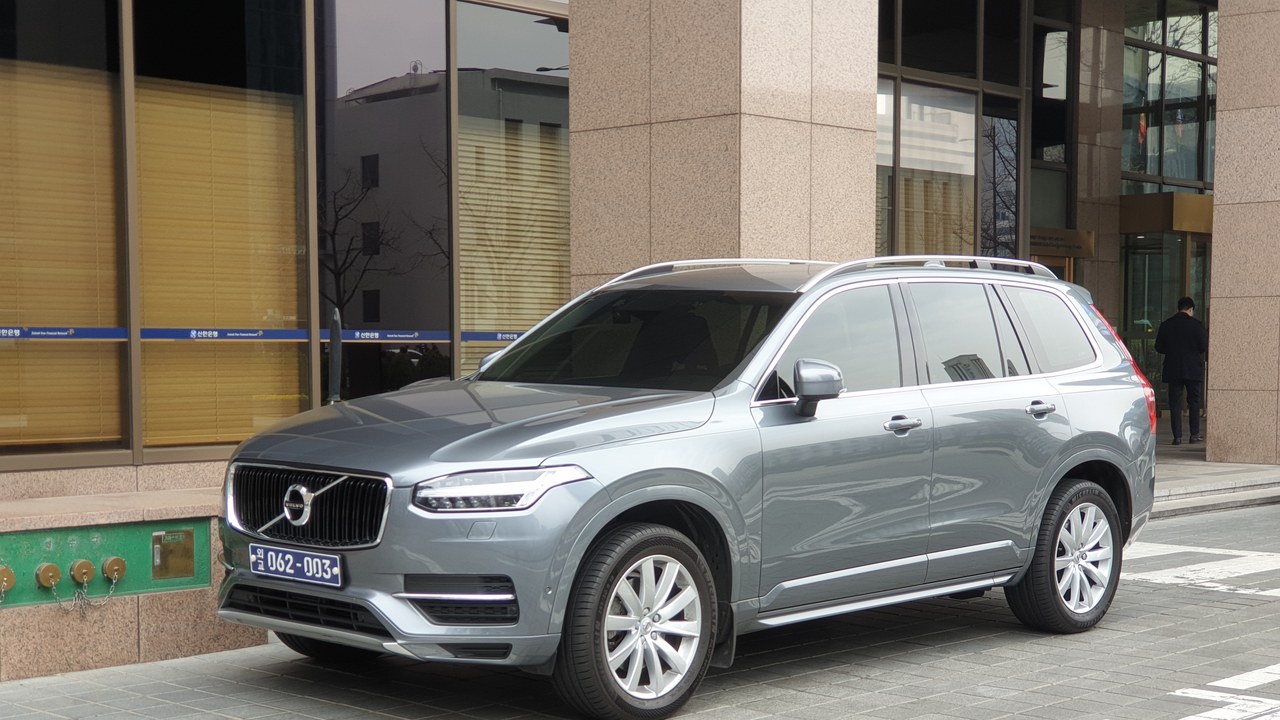
Volvo built this one around small four-cylinder engines that are turbocharged, supercharged or plug-in hybrid, which puts a remarkable amount of hardware into a compact bay. Many published procedures for the Volvo XC90 sport-utility call for brand-specific tools and the manufacturer’s own diagnostic software, while hybrid versions add high-voltage isolation steps that only certified technicians may perform.
Uncertified shops refuse the work rather than risk the battery system, narrowing the realistic choice to dealers and marque specialists. Routine servicing stays reasonably priced; anything touching the electrified driveline decidedly does not.
10. Porsche Cayenne: Precision Priced By The Hour
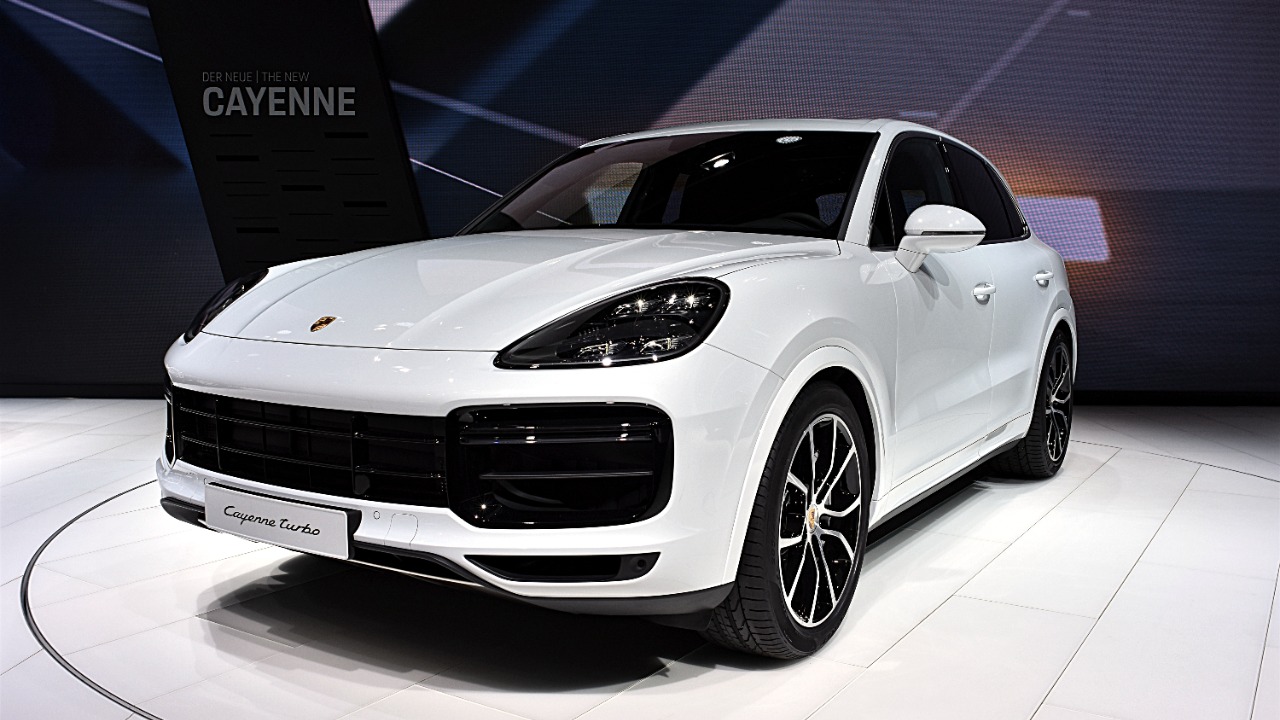
Underpinnings are shared with Volkswagen Group’s large sport-utilities, but the brakes, adaptive dampers, air springs and torque-vectoring hardware are specific to the badge and to the version. Tolerances and torque specifications on the Porsche Cayenne leave no room for approximation, and coolant-pipe, carrier and suspension jobs are notorious for how deep they run.
Steep depreciation followed by new-car repair pricing is exactly where second-hand buyers get caught out. A pre-purchase inspection at a marque specialist remains the cheapest money anyone spends on one of these.
11. Maserati Levante: Exotic Parts, Thin Support
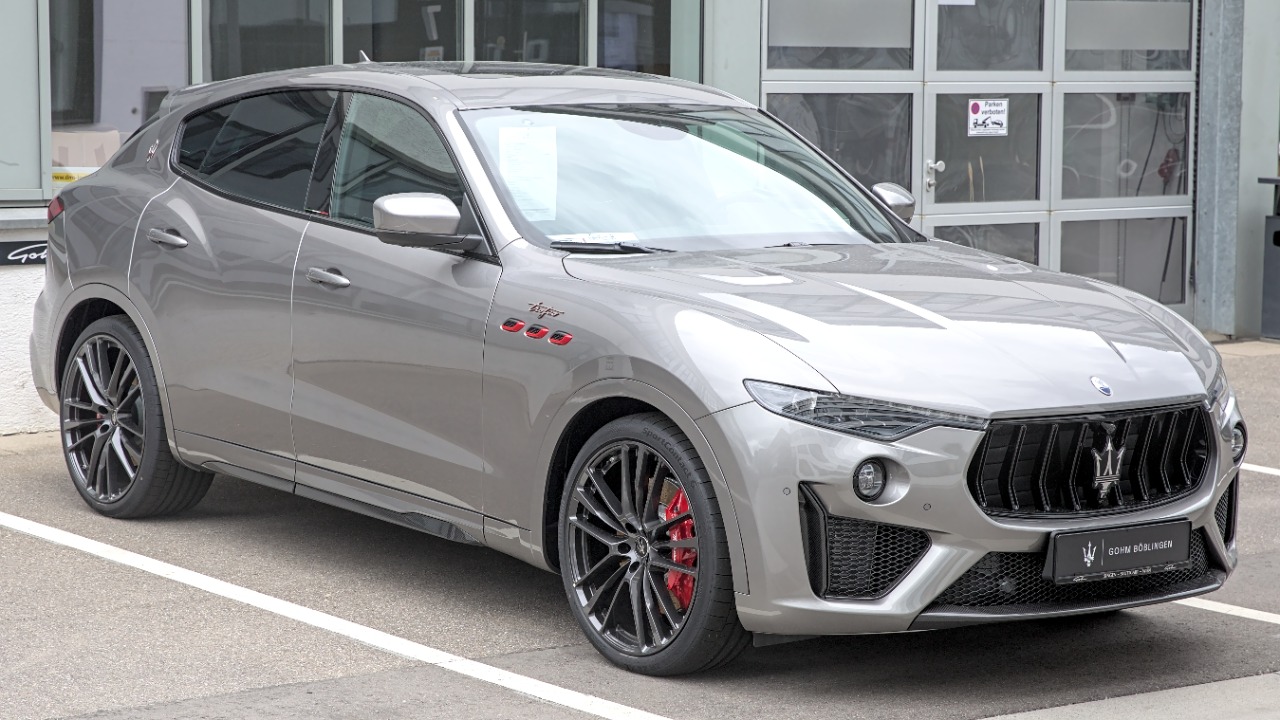
Maserati’s first sport-utility rides on a Fiat Chrysler platform yet carries Ferrari-built engines, an air-suspension system and low-volume trim components made in tiny numbers. Authorized dealer coverage is sparse across much of the country, and a back-ordered part for the Maserati Levante can hold a service bay hostage for weeks, which is precisely why most independents decline it.
Low resale figures reflect that support gap rather than any shortfall in the driving experience. Confirming the location of the nearest authorized service point belongs before a purchase, not after the first warning light.
More from Morning Overview
- The NSA is again telling phone owners to switch off one location setting
- A handful of car transmissions are so tough mechanics say they almost never fail
- A handful of SUVs keep hitting 300,000 miles, and they share one engine trait
- Supplements now rank as the fifth-leading cause of death from liver disease.
