
Road trips expose the gap between a spacious cabin and genuinely usable cargo room. The measure that matters is volume behind a raised third row, because that is the space left once every seat is occupied. Here are eight SUVs whose published cargo numbers hold up when the family, the cooler and the luggage all come along.
1. Chevrolet Suburban: The Full-Size Benchmark
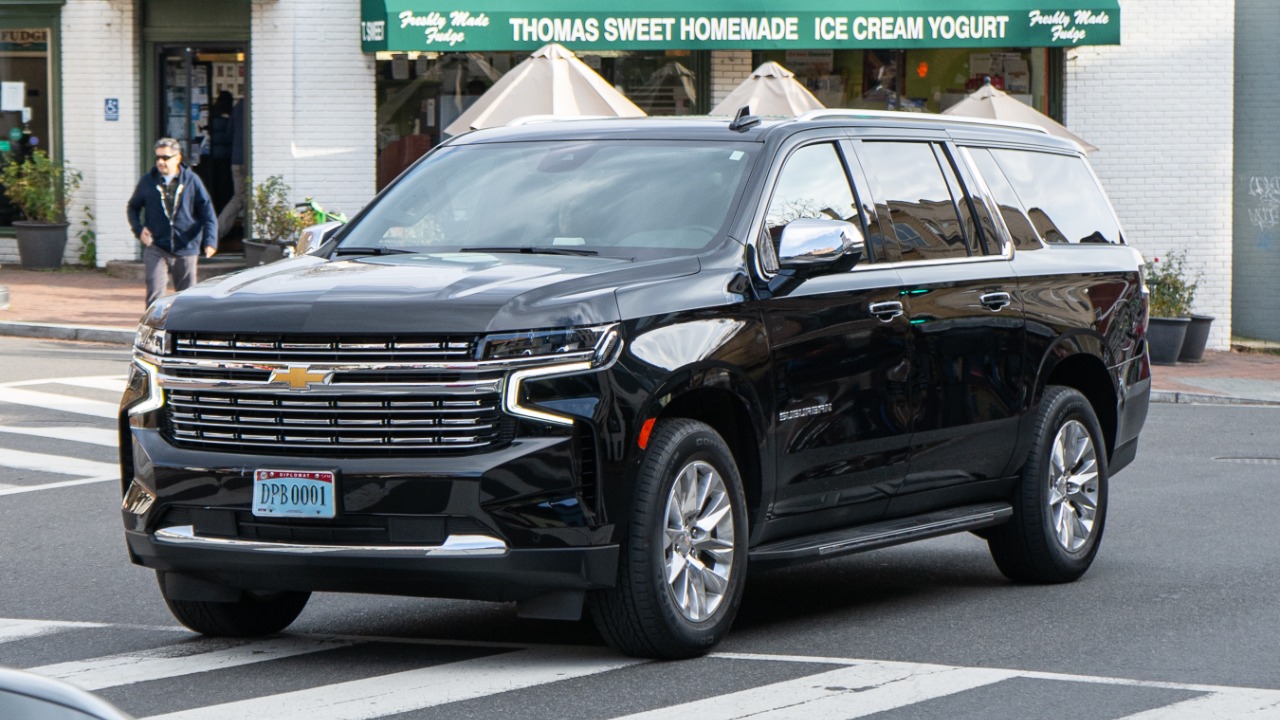
Chevrolet has stretched the Suburban over a long-wheelbase truck frame since 1935, and the current twelfth-generation model converts that length into 41.5 cubic feet of cargo room behind a raised third row. Folding both rear benches opens roughly 144.7 cubic feet, the deepest hold offered by any mainstream three-row SUV.
An independent rear suspension adopted in 2021 dropped the load floor, so tall coolers and upright suitcases fit without stacking. All of that arrives attached to a vehicle more than 18 feet long that drinks fuel accordingly, and a typical garage may not close behind it. For families whose luggage is measured in bins rather than bags, the compromise usually pays.
2. Ford Expedition Max: The Stretched Body Advantage
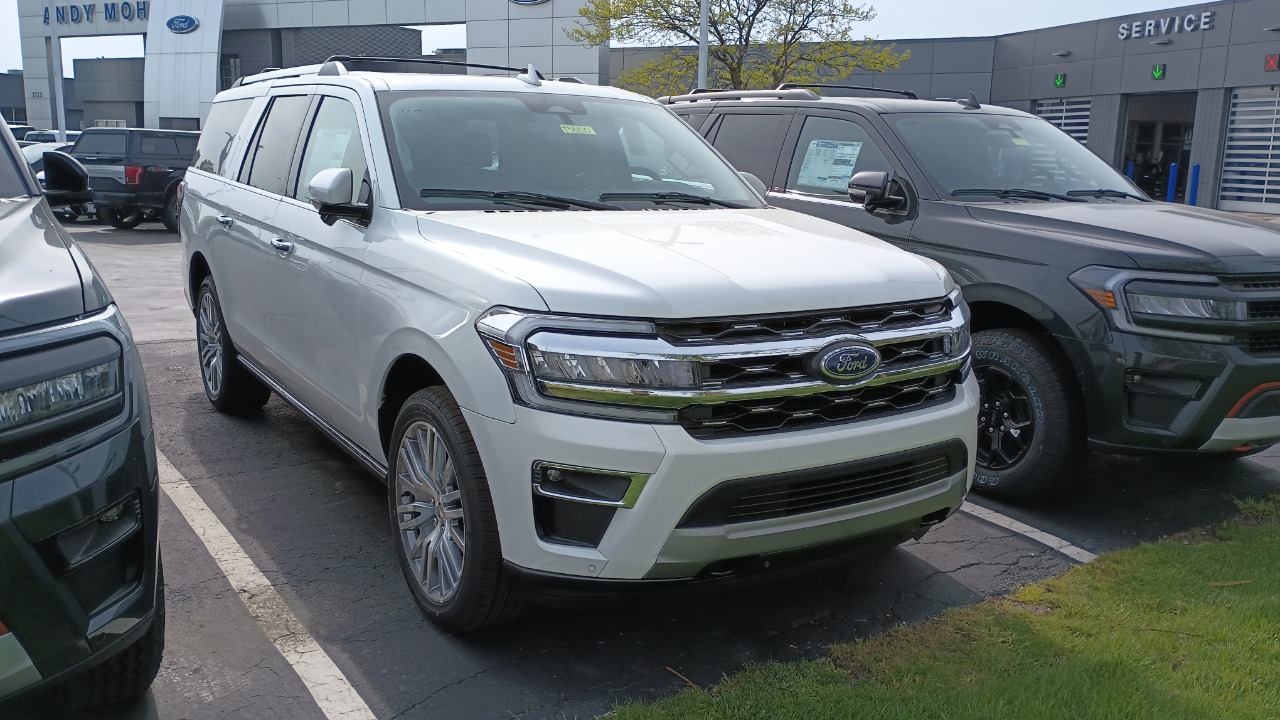
Ford builds the Expedition in standard and extended lengths, and the extended MAX body adds close to a foot of sheetmetal behind the rear axle. The payoff is roughly 36 cubic feet behind the third row and about 121 cubic feet once the second and third rows drop flat.
Because the fourth-generation Expedition wraps an aluminum body around an independent rear suspension, the cargo floor stays low and level from tailgate to front seatbacks. The standard-wheelbase version surrenders roughly fifteen cubic feet behind row three, the difference between a week of luggage and a weekend of it. Anyone shopping the nameplate for space should confirm the badge reads MAX.
3. GMC Yukon XL: Same Bones, Different Badge
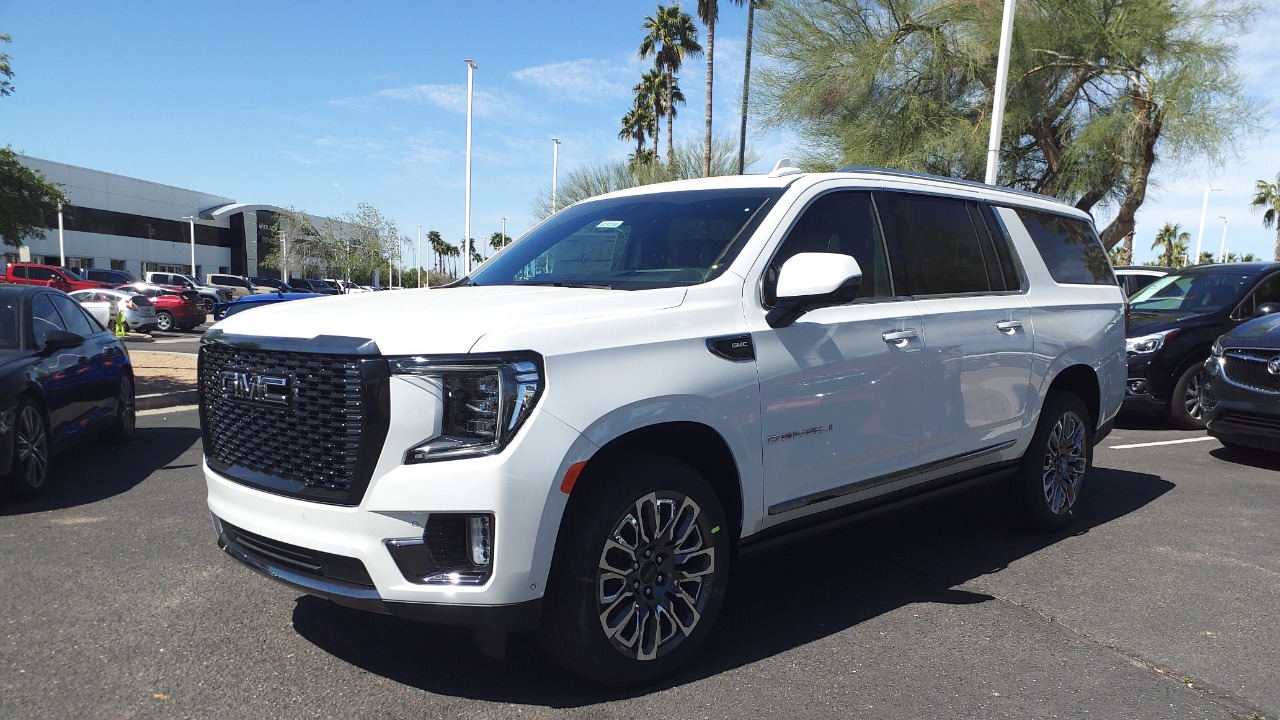
Sharing the long-wheelbase General Motors platform that underpins the Suburban, the Yukon XL posts the same 41.5 cubic feet behind its third row and about 144.7 cubic feet with both rear rows folded away.
What separates the two is trim rather than architecture: Denali and Denali Ultimate pile on leather, a heavier equipment list and a price that climbs well past the Chevrolet. The short-wheelbase Yukon, by contrast, gives up close to a third of that maximum volume, so the XL suffix is the part that matters on a long trip. Cargo figures, not badges, should settle the choice.
4. Toyota Sequoia: A Full-Size Hold, Then a Rethink
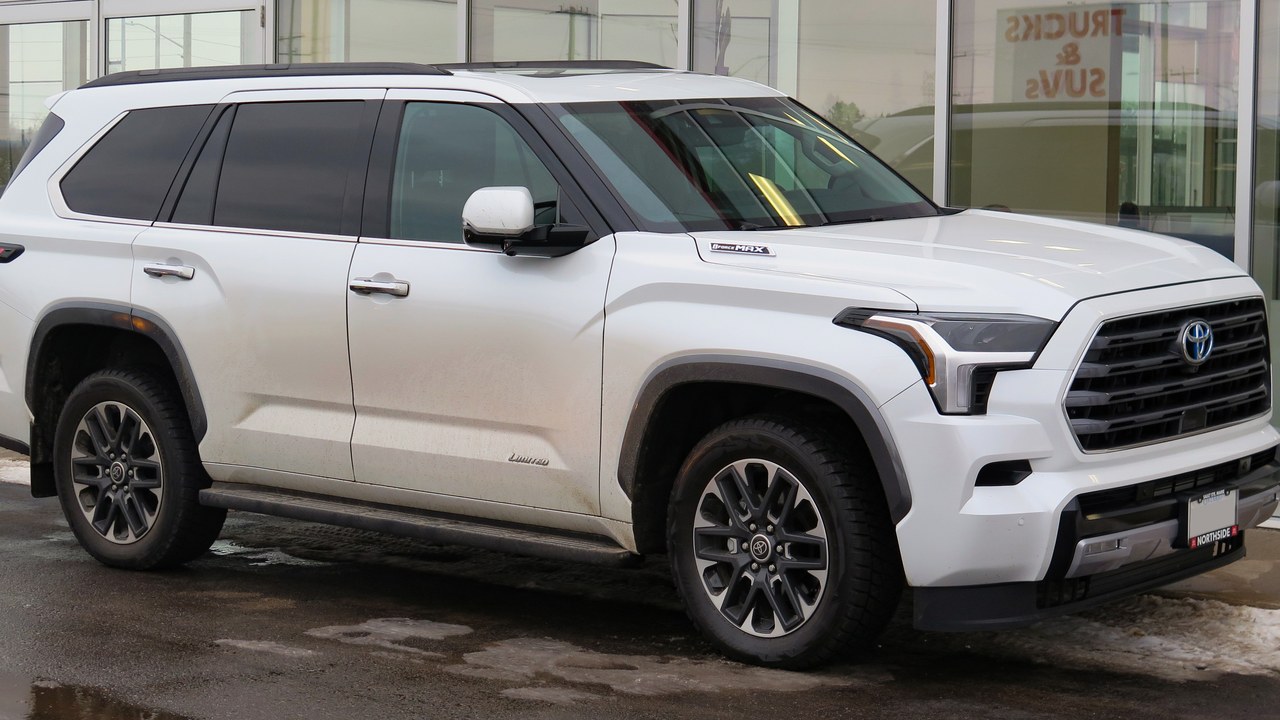
Sold from 2008 through 2022, the second-generation Sequoia carried roughly 120 cubic feet of maximum cargo volume on a body-on-frame chassis shared with the Tundra. Its third row folded down into the floor rather than stacking on top of it, which kept the load bay square and genuinely usable.
The 2023 redesign moved to a new frame and a standard hybrid powertrain, and packaging the battery cost space: maximum volume fell to about 87 cubic feet, with a sliding third row and an adjustable cargo shelf clawing back part of it. Shoppers chasing outright capacity are better served by the older truck, which remains plentiful on the used market.
5. Jeep Wagoneer: The Long-Wheelbase Option
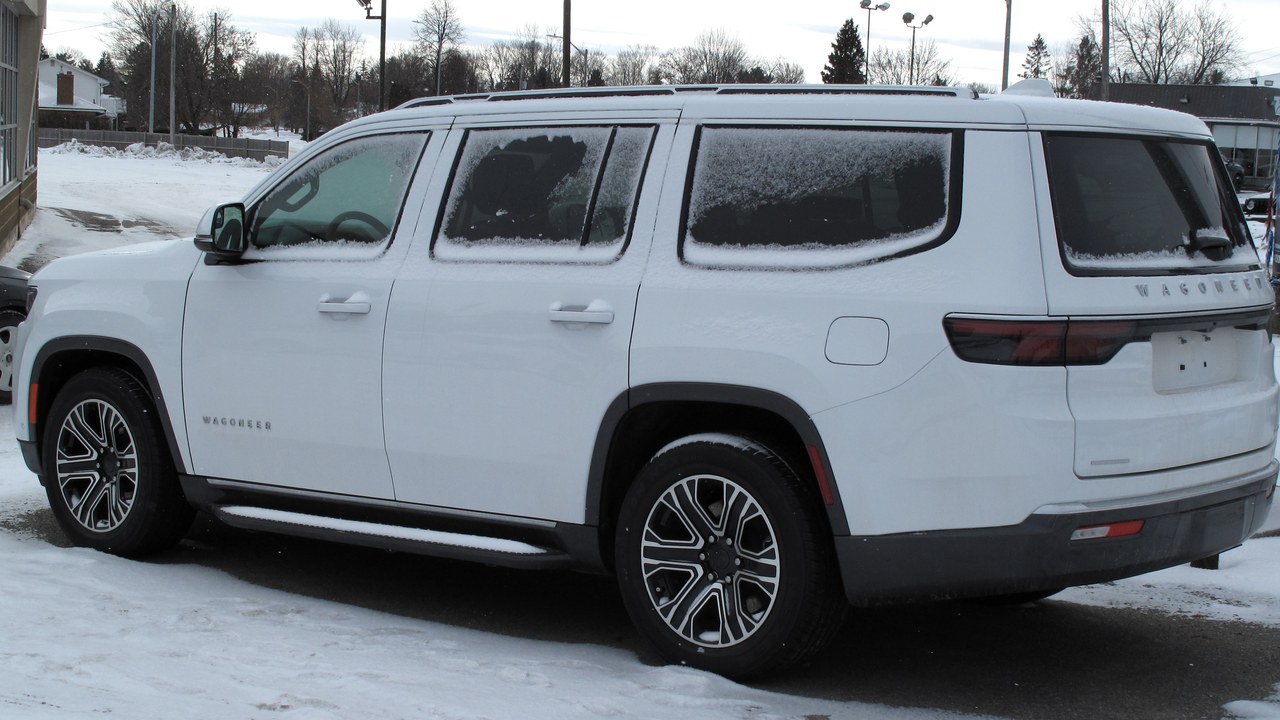
Arriving in 2022 as a body-on-frame flagship, the revived Jeep Wagoneer holds 27.4 cubic feet behind its third row and about 116.7 cubic feet in total. The stretched Wagoneer L adds roughly a foot of length, lifting those figures to 44.2 and close to 130 cubic feet.
That extension sits entirely behind the rear wheels, so it feeds luggage rather than legroom, and the third row seats adults comfortably either way. Mass is the tradeoff: the Wagoneer weighs close to 6,000 pounds and its fuel economy reflects every one of them. On a long highway run, extra fuel stops are the price of the extra cubic feet.
6. Honda Pilot: The Disappearing Middle Seat
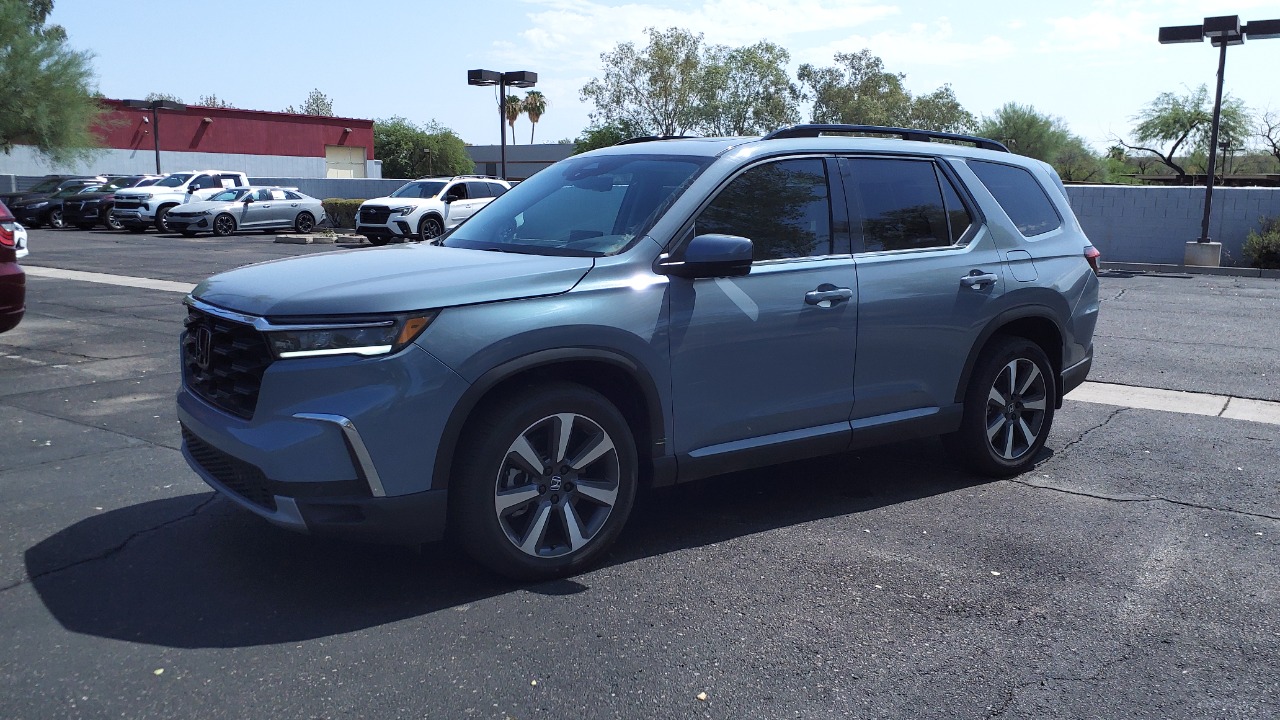
Introduced for 2023, the fourth-generation Honda Pilot carries 18.6 cubic feet behind its third row and about 87 cubic feet with everything folded, though its real trick is a removable second-row center seat that stows in a well beneath the cargo floor.
Pulling that seat converts the middle bench into captain’s chairs without leaving hardware behind in a garage, a piece of packaging most rivals cannot match. As a unibody midsize, the Pilot never approaches the truck-framed entries on outright volume, and its tow rating lands well below theirs. What it offers instead is a flat, low load floor that makes the space easy to fill.
7. Kia Telluride: Boxy by Design
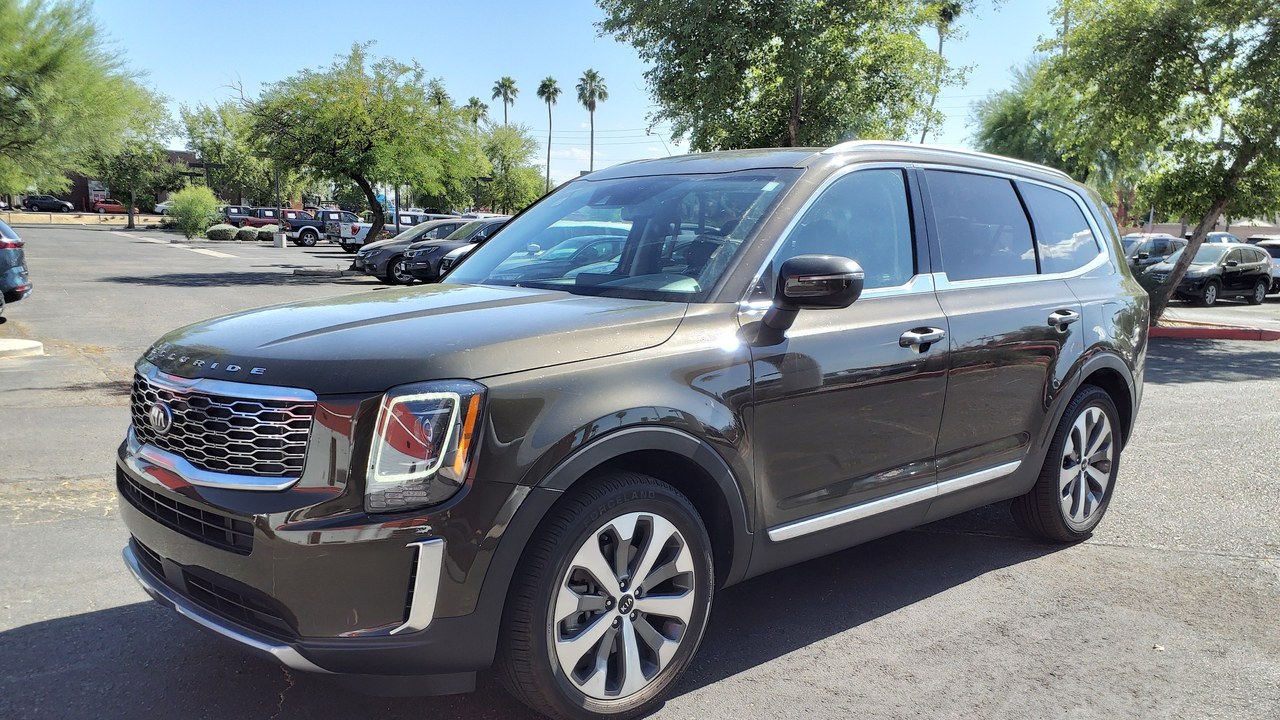
Geometry does the work here: the Kia Telluride wrings 21 cubic feet out of the area behind its third row and about 87 cubic feet with the rear seats down, numbers that come from a near-vertical tailgate and a flat roofline rather than sheer length.
Squared-off proportions mean published volume behaves like usable volume, because suitcases stack instead of wedging into a tapering hatch. The Telluride is a front-drive-based unibody, so payload and towing trail the body-on-frame machines above it. For a trip measured in duffel bags rather than trailers, that limit rarely surfaces.
8. Volkswagen Atlas: Built Around the Third Row
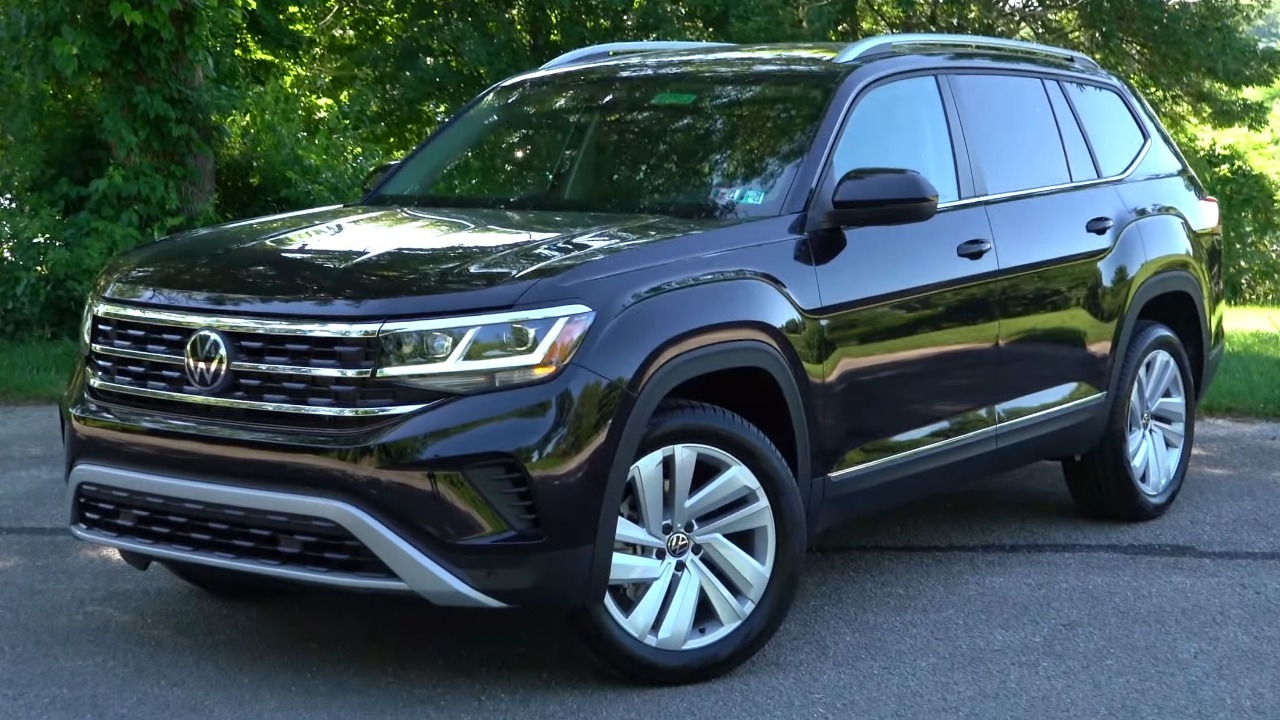
Engineered around American interior expectations, the three-row Volkswagen Atlas holds 20.6 cubic feet behind its third row, 55.5 behind the second and roughly 96 cubic feet in total, figures that beat several nominally larger rivals.
The catch is what moves it: the range has leaned on a turbocharged four-cylinder since 2024, and tow ratings stay modest by full-size standards. Space remains the Atlas argument, delivered in precisely the part of a vehicle that a road trip taxes hardest. Third-row access also stays easy with a child seat fitted to the second row.
More from Morning Overview
