
Battery packs add hundreds of pounds to a vehicle, and electric motors deliver full torque the instant the accelerator moves. Both forces land on four contact patches roughly the size of a hand, and the rubber absorbs the difference. Here are eight electric vehicles whose weight, output or tire specification tends to shorten the interval between replacements.
1. Tesla Model S Plaid: A Thousand Horsepower On Staggered Rubber
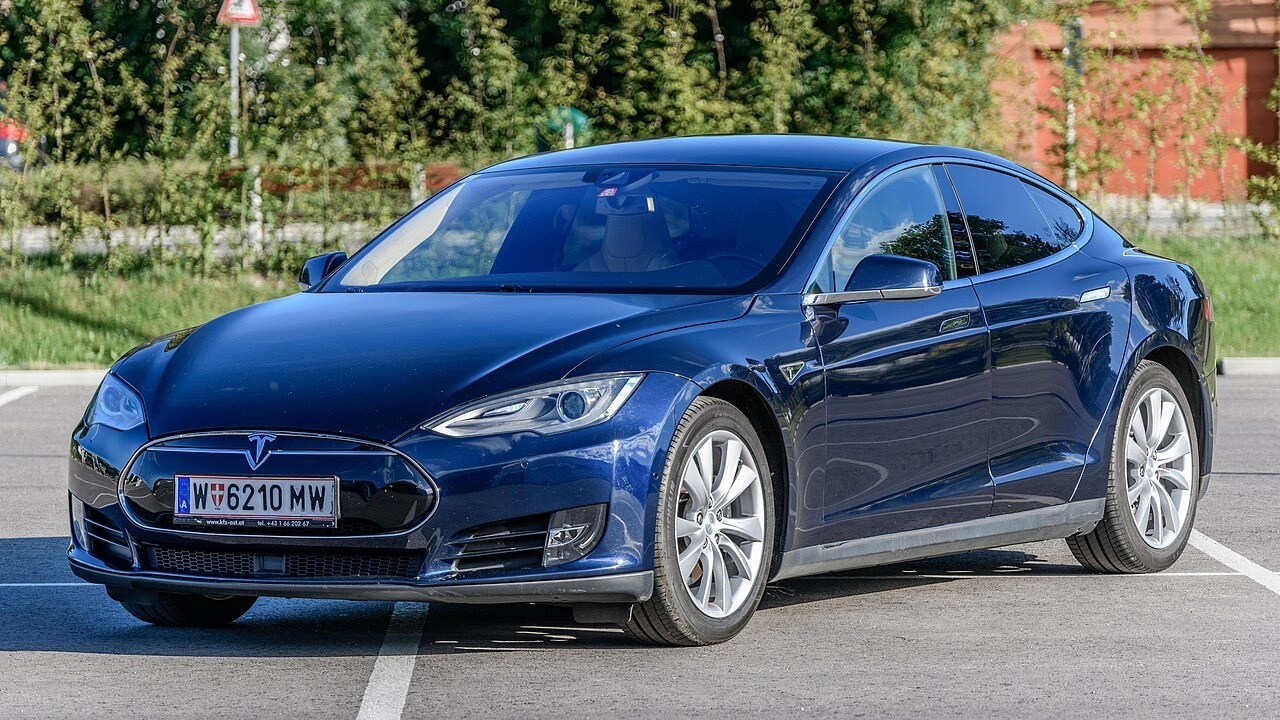
The Model S Plaid draws roughly 1,020 horsepower from three motors and reaches 60 mph in about two seconds, with two of those motors driving the rear axle alone. The 21-inch wheel option wraps that output in a staggered fitment, 265/35 at the front and 295/30 at the rear, using soft summer compounds selected for grip rather than mileage. Repeated full-power launches in a Model S Plaid round off the rear shoulders quickly.
Wear tracks how often the torque is actually used, so a gently driven example lasts far longer than the reputation suggests. Replacement still stings, because a staggered setup cannot be rotated front to rear.
2. Rivian R1T: Seven Thousand Pounds On All-Terrains
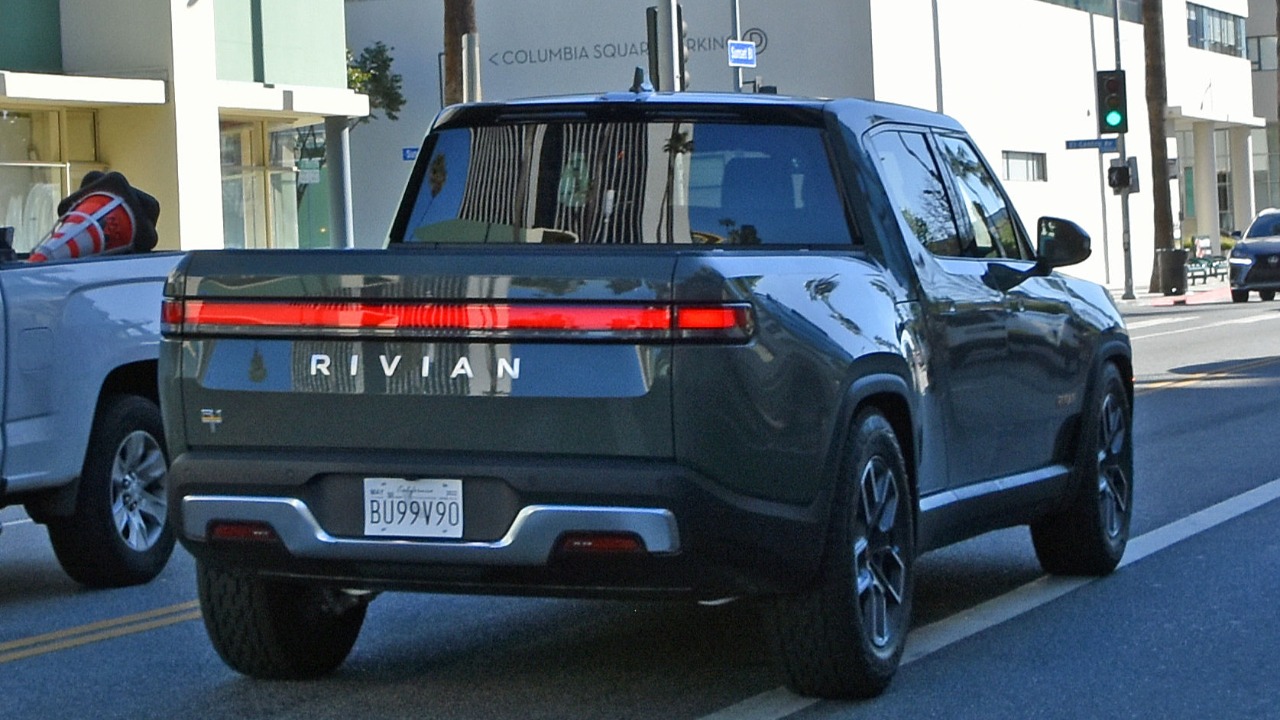
A quad-motor Rivian R1T weighs close to 7,000 pounds, several hundred more than a comparable gas midsize pickup, and its four motors combine for roughly 835 horsepower and 908 pound-feet. Most trucks leave the factory on 20-inch all-terrain tires, a tread pattern that already trades service life for traction on loose surfaces. Pairing that aggressive tread with heavy mass and immediate torque abrades the blocks faster than the same tire would wear under a lighter body-on-frame truck.
Rivian also offers a road-biased all-season on 21- and 22-inch wheels that lasts noticeably longer, so the choice made at order time matters more than the powertrain does.
3. GMC Hummer EV: Nine Thousand Pounds Of Curb Weight
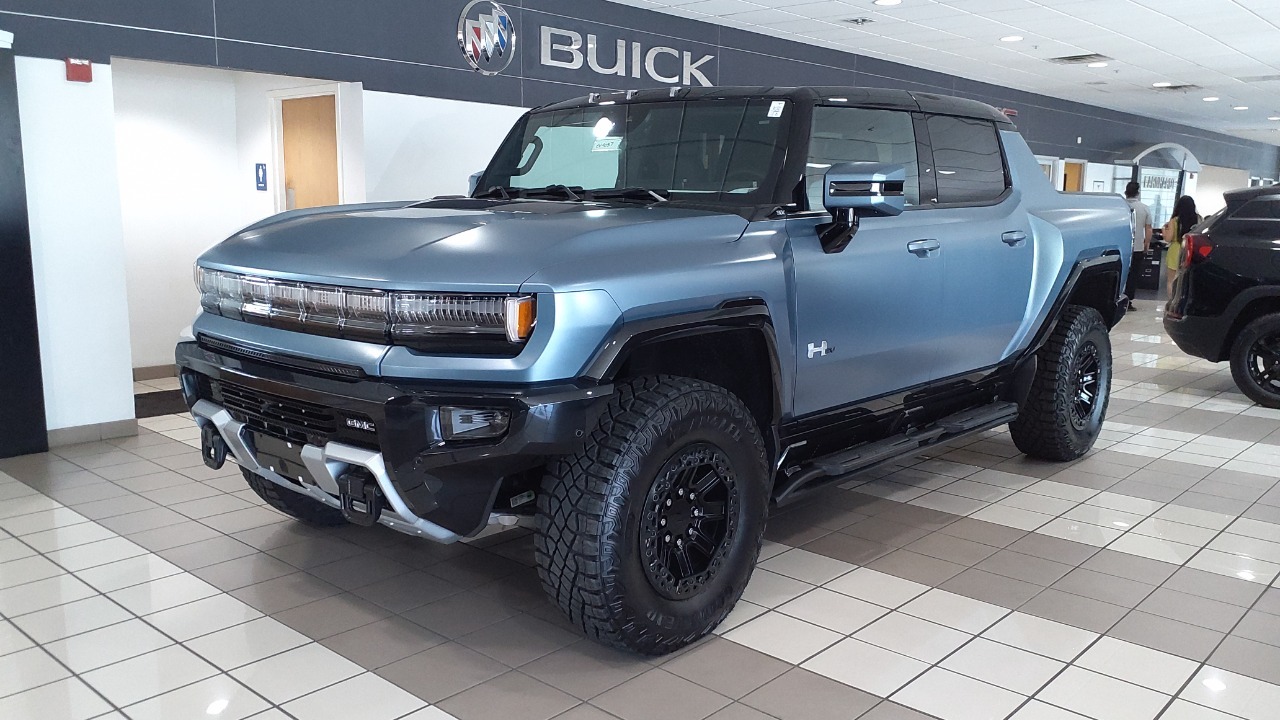
The Edition 1 pickup version of the GMC Hummer EV scales in near 9,000 pounds, with its 212.7-kWh battery pack accounting for roughly 2,900 pounds of that on its own. All of it rides on 35-inch Goodyear Wrangler Territory mud-terrain tires, and the truck’s 1,000-horsepower rating means each contact patch absorbs the launch as well as the mass. Chunky off-road blocks squirm and abrade under that combination.
Cost compounds the problem: 35-inch light-truck tires in the sizes GM specifies sit among the priciest fitments offered on any factory pickup. Diligent rotation and correct pressures matter more here than on almost anything else on the road.
4. Ford F-150 Lightning: A Ton Of Battery Above The Axles
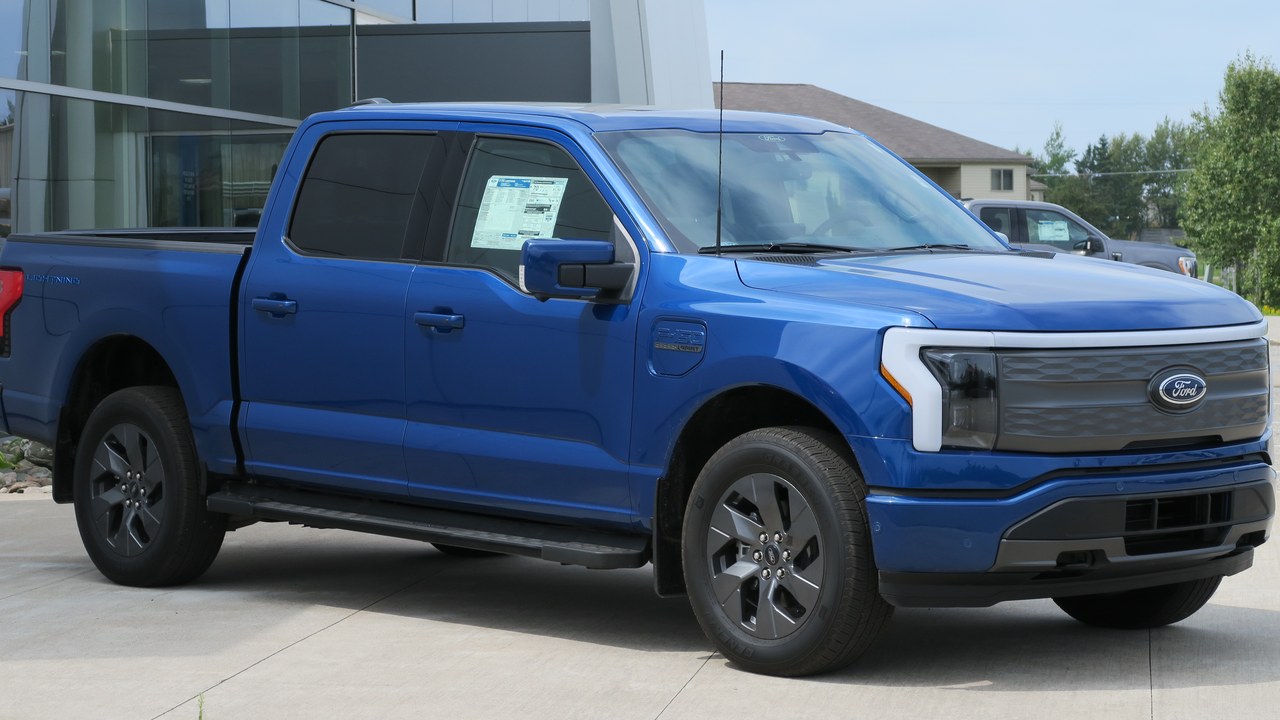
Ford’s extended-range battery pushes the F-150 Lightning to roughly 6,500 pounds, some 1,600 pounds beyond a comparably equipped gas F-150, while the dual-motor drivetrain serves up 775 pound-feet from rest. The factory fits low-rolling-resistance all-seasons to protect the range figure, a construction tuned for efficiency rather than for carrying three-quarters of a ton of additional weight.
Towing stacks the two effects, since trailer tongue load lands on an axle already carrying part of the pack. Switching to a tougher all-terrain restores durability but costs range, so the tradeoff runs in both directions.
5. Tesla Model X: A Heavy SUV On Low-Profile Rubber
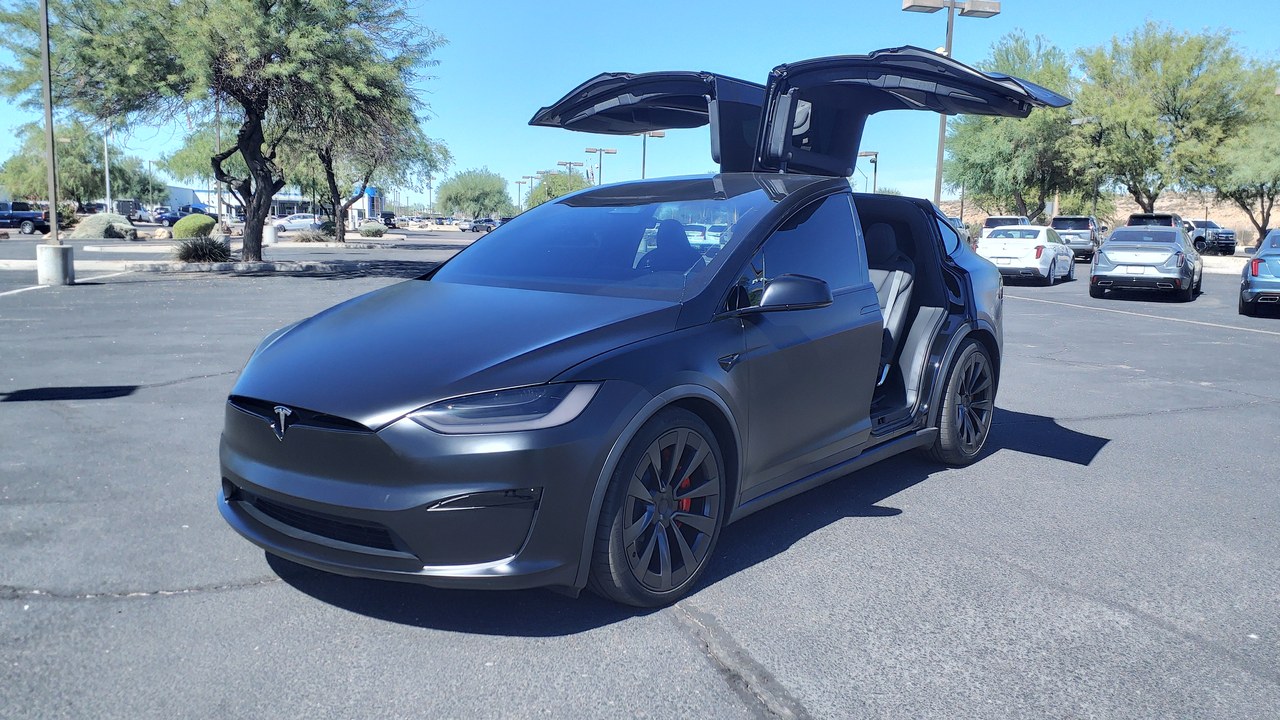
At roughly 5,200 pounds empty, the Tesla Model X carries several hundred pounds more than a similarly sized gas SUV, and the Plaid variant layers a third motor and a 1,020-horsepower rating on top of that. Optional 22-inch wheels leave a thin sidewall to absorb impacts, pushing more of the load into the tread face and less into sidewall flex.
The smaller 20-inch fitment is the durability choice, and the gap between the two wheel sizes can exceed the gap between this SUV and a gas rival. Heavier vehicles also demand higher load-index tires, which raises the price of every set.
6. Porsche Taycan: Summer Compounds Under A Two-Ton Sedan
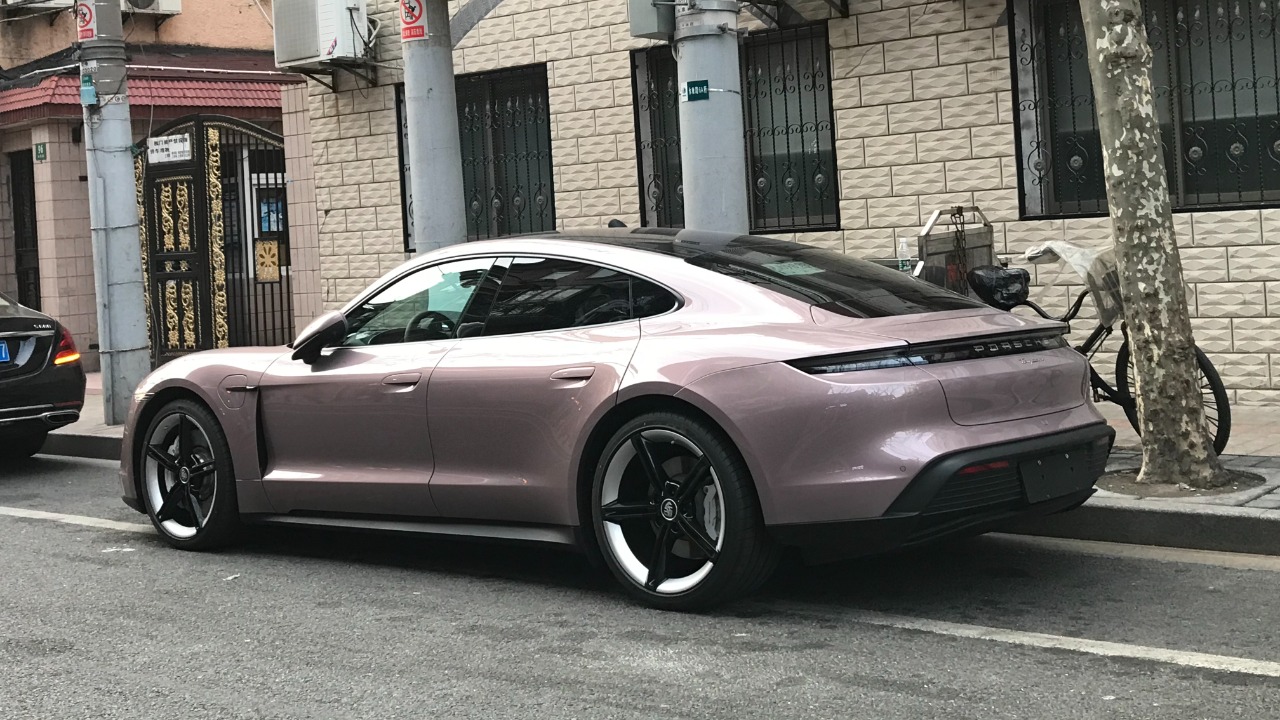
Porsche quotes a little over 5,100 pounds for the Turbo S, which produces up to 750 horsepower in overboost and rides on 21-inch summer performance tires developed specifically for the Porsche Taycan. Those approved compounds are engineered around grip, noise and rolling resistance rather than tread life, and a two-speed rear transaxle keeps torque arriving hard well past the initial launch.
Track sessions consume a set in a fraction of the mileage a road-driven car would cover. The compensation is braking and cornering behaviour that no long-life all-season can match, which is precisely what buyers of the fastest variants are paying for.
7. Audi e-tron: Mass Without The Sporting Excuse
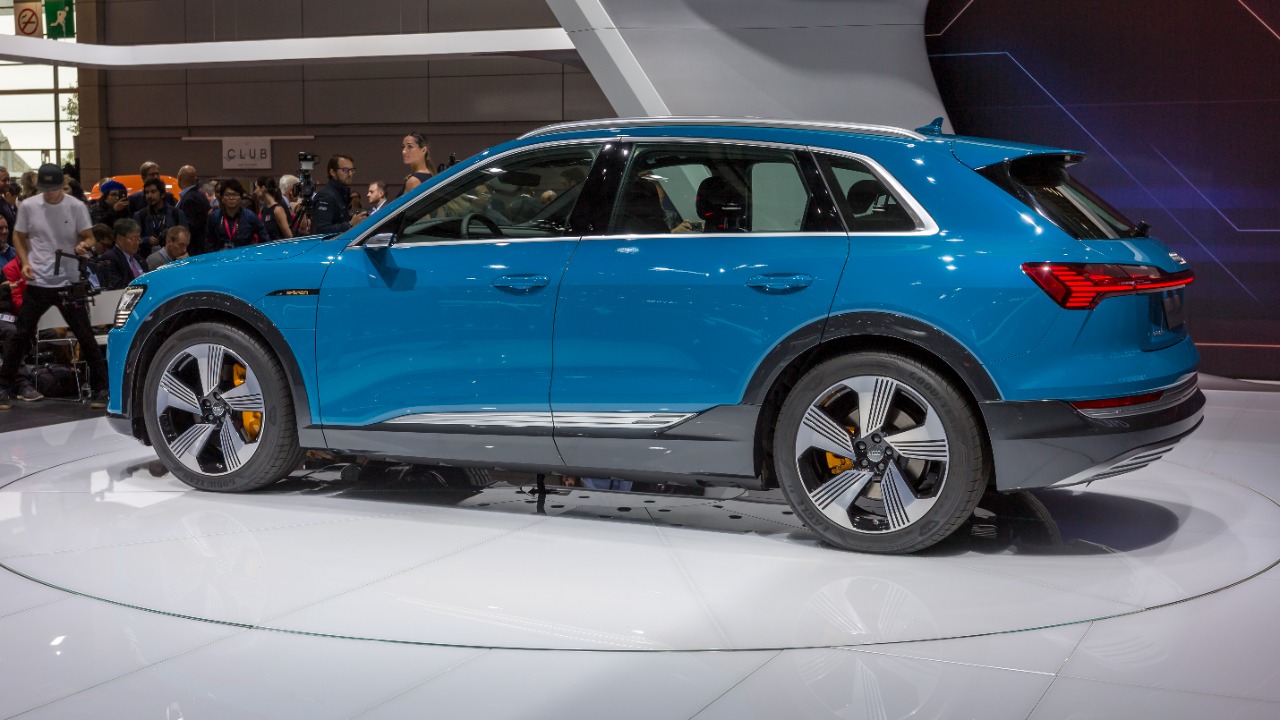
Weighing close to 5,700 pounds, the Audi e-tron carries a 95-kWh pack, later enlarged to 114 kWh in the Q8 e-tron, plus the extensive sound insulation Audi uses to keep the cabin quiet. Peak output runs to about 402 horsepower with 490 pound-feet available instantly, so even routine traffic-light starts load the tread hard.
None of that weight is offset by a sporting purpose, which makes the shortened replacement interval harder to justify than on an outright performance car. Specifying the smallest available wheel and an all-season rated for higher loads recovers part of the difference.
8. Lucid Air: Twelve Hundred Horsepower In A Sedan
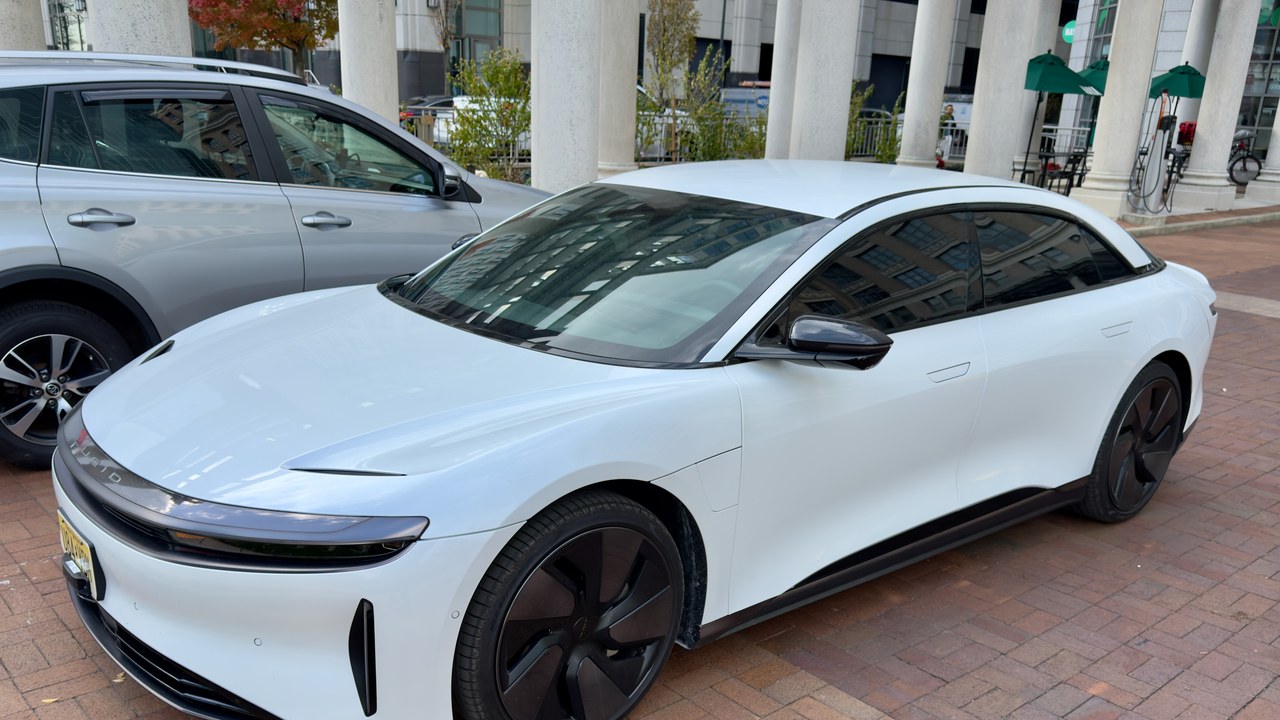
Sapphire versions of the Lucid Air are rated at 1,234 horsepower and clear 60 mph in roughly two seconds, while an ordinary Grand Touring still makes 819. Curb weight sits near 5,200 pounds, and 21-inch staggered performance tires convert that output into traction using compounds chosen for adhesion rather than for a long service life.
Efficiency supplies the twist. The Air travels further per kilowatt-hour than most rivals, so its odometer climbs faster between charges and the wear limit arrives sooner in calendar terms. Staggered sizing again rules out front-to-rear rotation.
More from Morning Overview
- Long-term use of common heartburn pills is tied to kidney and dementia risk
- A California supervolcano has bulged upward about two and a half feet since 1978
- The FTC is warning about a scam quietly draining thousands from victims
- The NSA is again telling phone owners to switch off one location setting
