
Insurance blacklists rarely arrive with an announcement. They show up as a declined application, a comprehensive premium that doubles overnight, or a carrier that quietly stops writing new business in a given ZIP code, and theft data drives most of it. Here are twelve vehicles that insurers have pushed to the edge of what they will cover.
1. Hyundai Elantra: The Most-Stolen Car in America
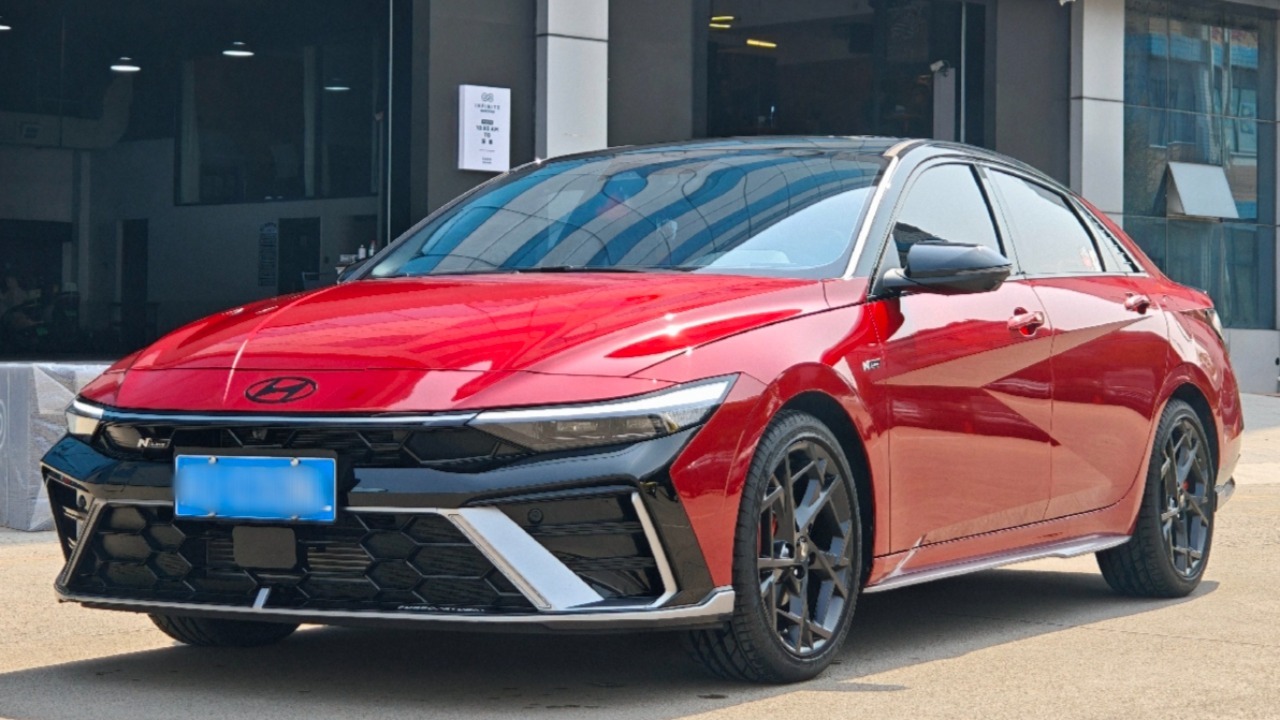
The National Insurance Crime Bureau has ranked the Hyundai Elantra as the most-stolen passenger car in the country, a distinction earned after a wiring shortcut turned key-start models into an easy target. Cars built without an engine immobilizer can be started with a stripped cable, and video tutorials spread the method until thefts of the compact Hyundai sedan ran into the tens of thousands a year.
Underwriters treat that record as a pricing problem rather than a nuisance. Comprehensive premiums on affected model years rose sharply, and in several metros carriers stopped accepting new business on the car until a security software patch was installed.
2. Kia Optima: Declined at the Application Stage
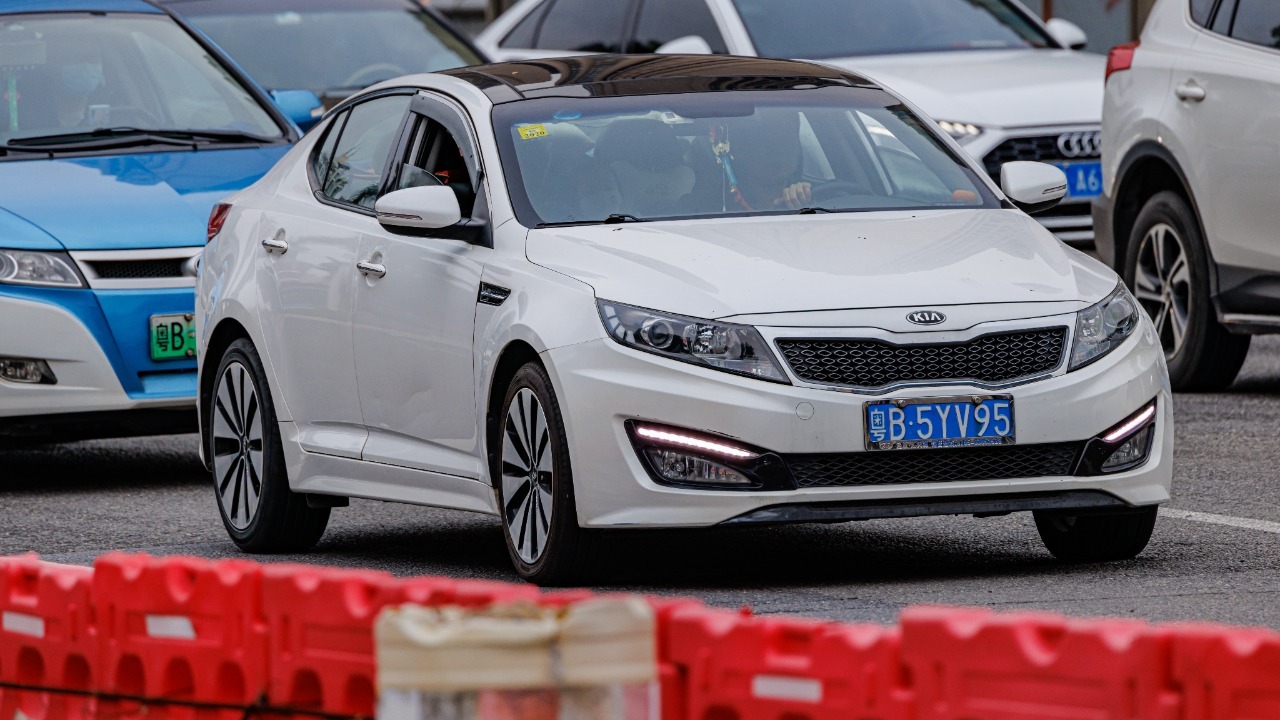
Kia built the Optima on the same cost-saving assumption as its corporate sibling: that a mid-size sedan aimed at value buyers did not need an immobilizer. That decision left the mid-size Kia sedan open to the same forced-ignition method, and theft claim frequency on those model years climbed far above the average for its class.
The insurance response was blunt. Two of the largest national carriers stopped writing new policies on specific Kia and Hyundai model years in selected cities during 2023, leaving some owners to shop regional insurers or accept liability-only coverage.
3. Dodge Charger: Theft Claims Off the Chart
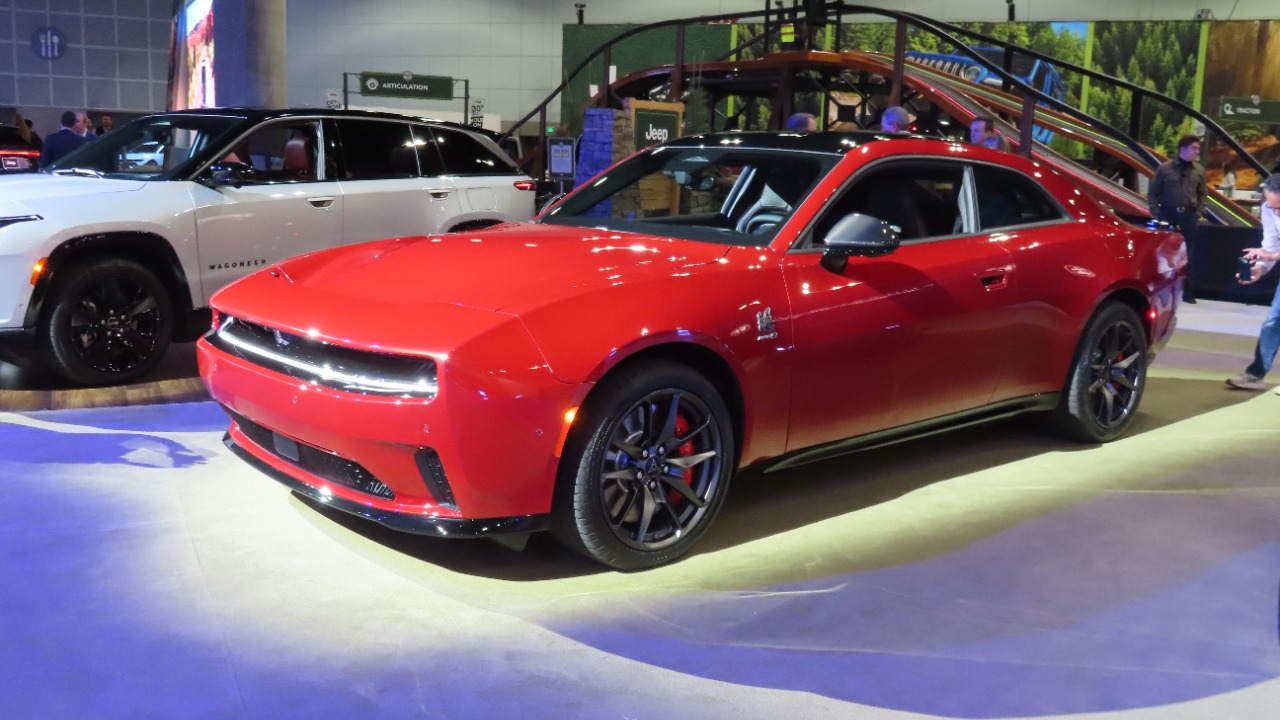
Highway Loss Data Institute figures place the supercharged versions of the Charger in a category of their own, with whole-vehicle theft claims running at many times the rate recorded for an average car. Organized crews target the Hellcat and Scat Pack trims of the full-size Dodge sedan for their engines, which move quickly through the parts market.
That data flows straight into rating tables. High-output trims draw theft surcharges that can exceed the comprehensive premium on an entire economy car, and some carriers require a garaged, alarmed parking arrangement before binding a policy.
4. Dodge Challenger: The Supercharged Trim Problem
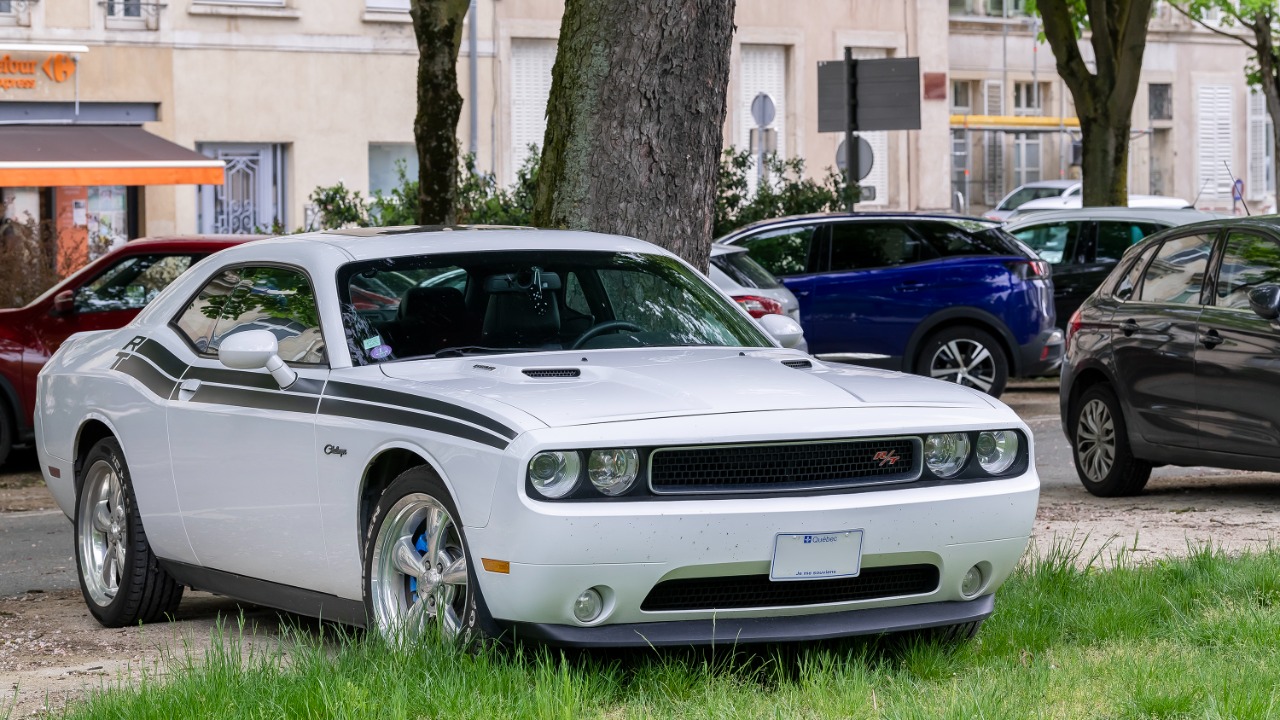
Sharing a platform and a drivetrain catalog with the Charger left the Challenger with a nearly identical loss profile: elevated theft frequency on the highest-output trims, plus collision severity driven by more than 700 horsepower. Repair bills on the retro Dodge coupe run high because aluminum panels and performance brakes push claim costs past those of ordinary coupes.
Insurers rarely refuse the base V6 outright. The supercharged variants are a different matter, and several carriers apply performance-vehicle rules that limit young drivers, cap agreed value, or decline the trim altogether.
5. Chevrolet Camaro: The Young-Driver Penalty
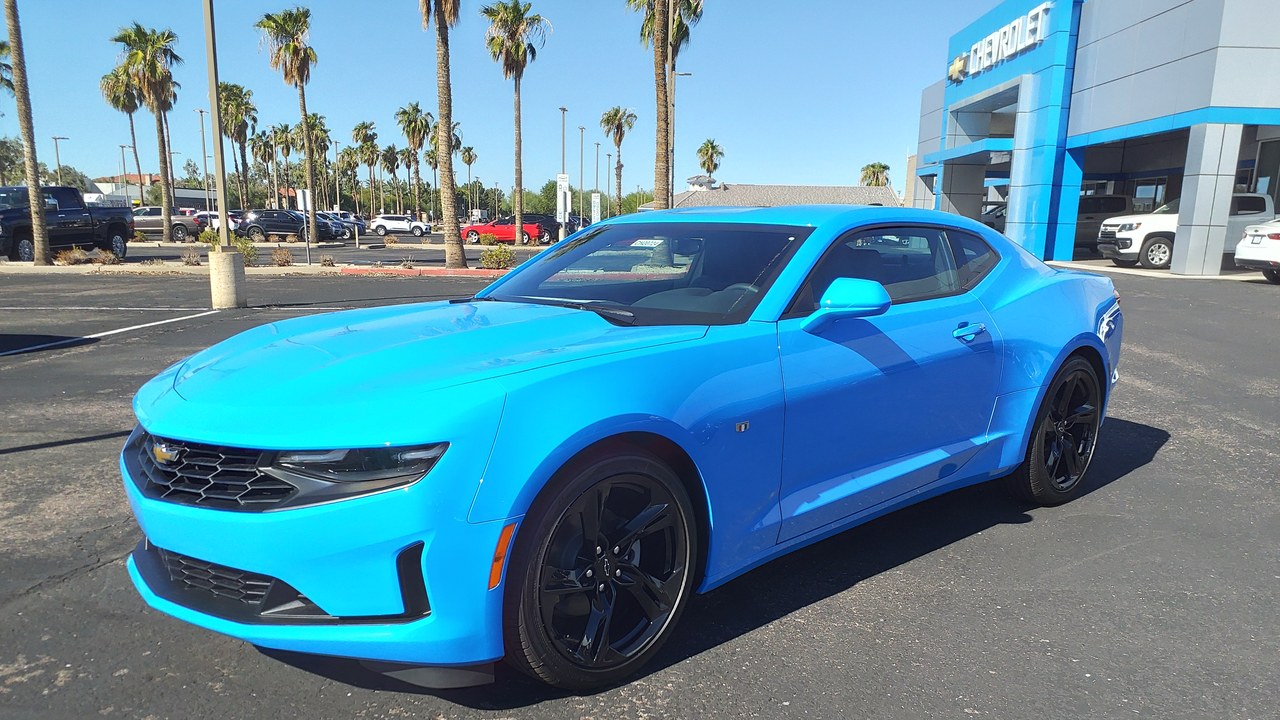
Loss data on the Camaro is dominated by collisions rather than thieves. Claim frequency for the coupe skews heavily toward drivers under twenty-five, and severity climbs with the V8 trims, a combination that keeps the Chevrolet performance coupe among the more expensive mainstream cars to insure in nearly every state.
The practical result is a rating penalty rather than an outright refusal. Adding a teenage driver to a Camaro policy can cost more than the vehicle’s annual depreciation, and some companies decline to write it as a first car.
6. Kia Sportage: A Crossover on the Muscle-Car List
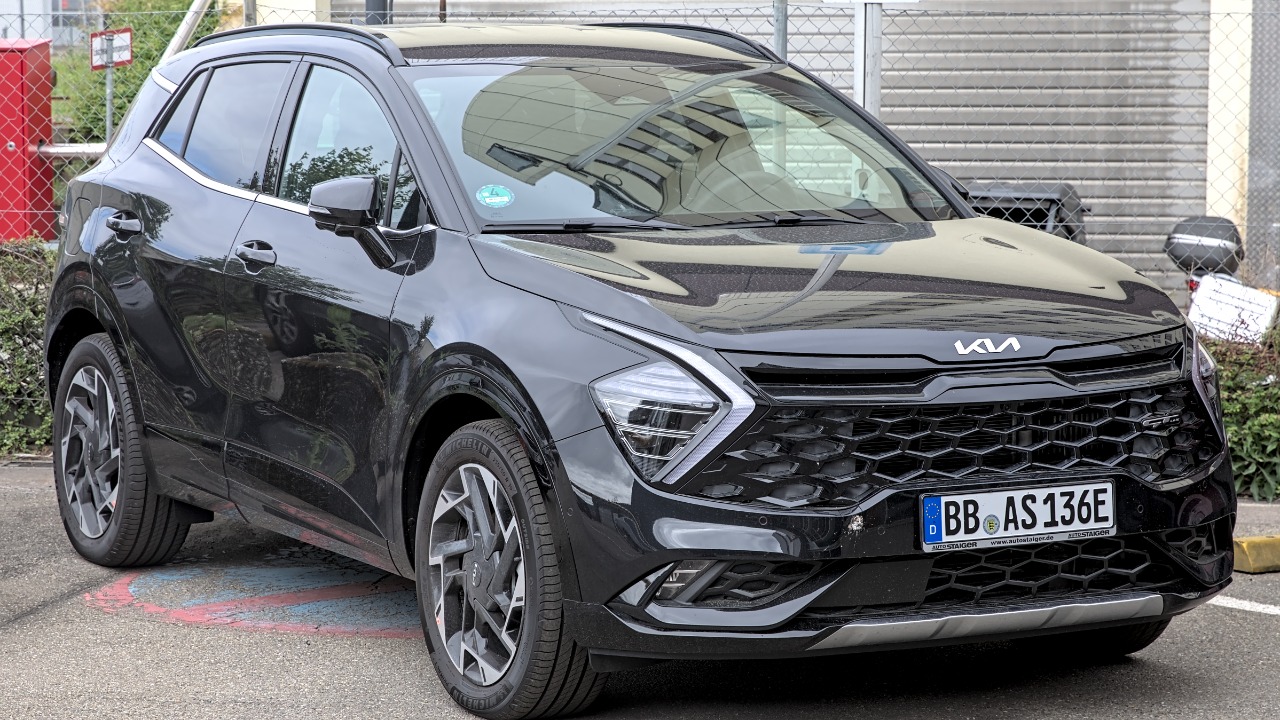
The Sportage carried the same ignition design as Kia’s sedans, so a compact crossover with no performance reputation ended up on theft-loss charts beside muscle cars. Recovery helped little, because many stolen examples were crashed or stripped before police located them, and repair estimates on the Kia compact crossover often exceeded book value.
Total losses at that frequency are what push a model onto an underwriting exclusion list. Owners in affected cities reported declined applications and non-renewals until dealers completed the free anti-theft software update.
7. Hyundai Sonata: A Viral Tutorial’s Favorite Target
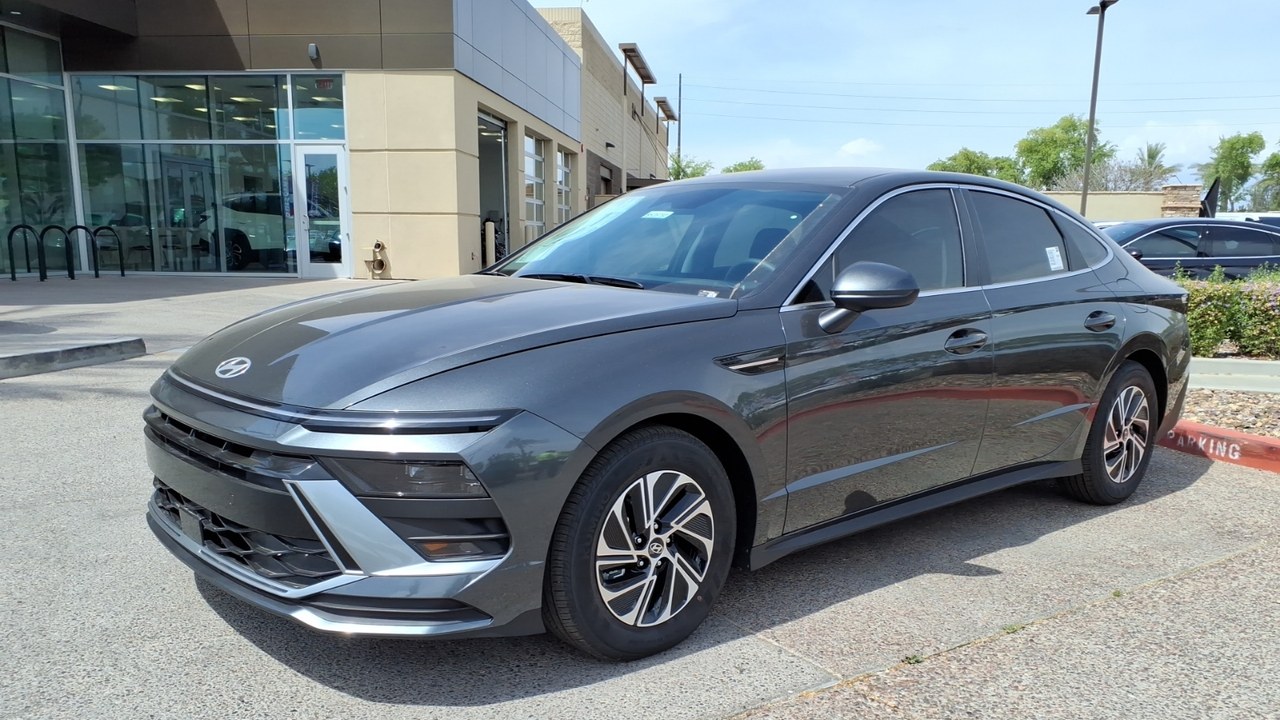
A short clip demonstrating how to defeat a Sonata’s ignition traveled further than any recall notice. Thefts of the mid-size Hyundai sedan multiplied in cities where the video circulated, and several municipalities eventually sued the manufacturer over the burden the wave placed on police departments.
Claims data followed the same curve, and carriers priced it accordingly. Comprehensive coverage on unpatched examples became difficult to obtain in the worst-affected markets, an unusual position for a family sedan with an otherwise unremarkable record.
8. Honda Accord: Worth More in Pieces
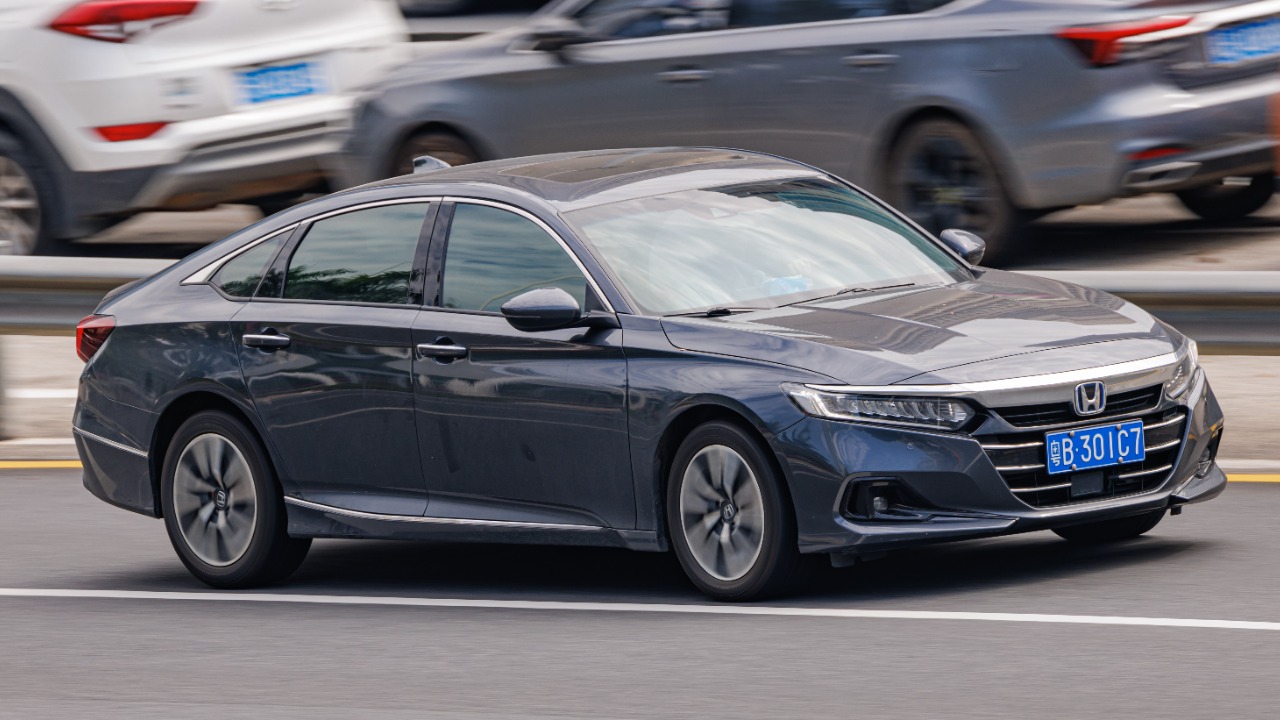
Age works against the Accord. Older generations remain among the most frequently stolen vehicles in the United States because their parts fit millions of cars still on the road, and steady demand for used engines, doors and airbags makes the Honda mid-size sedan worth more disassembled than intact.
Newer examples with immobilizers are far harder to steal, but comprehensive rating often reflects the nameplate’s aggregate record. Owners of clean, late-model cars can pay a theft-driven premium that traces back to vehicles built two decades earlier.
9. Honda Civic: The Chop-Shop Benchmark
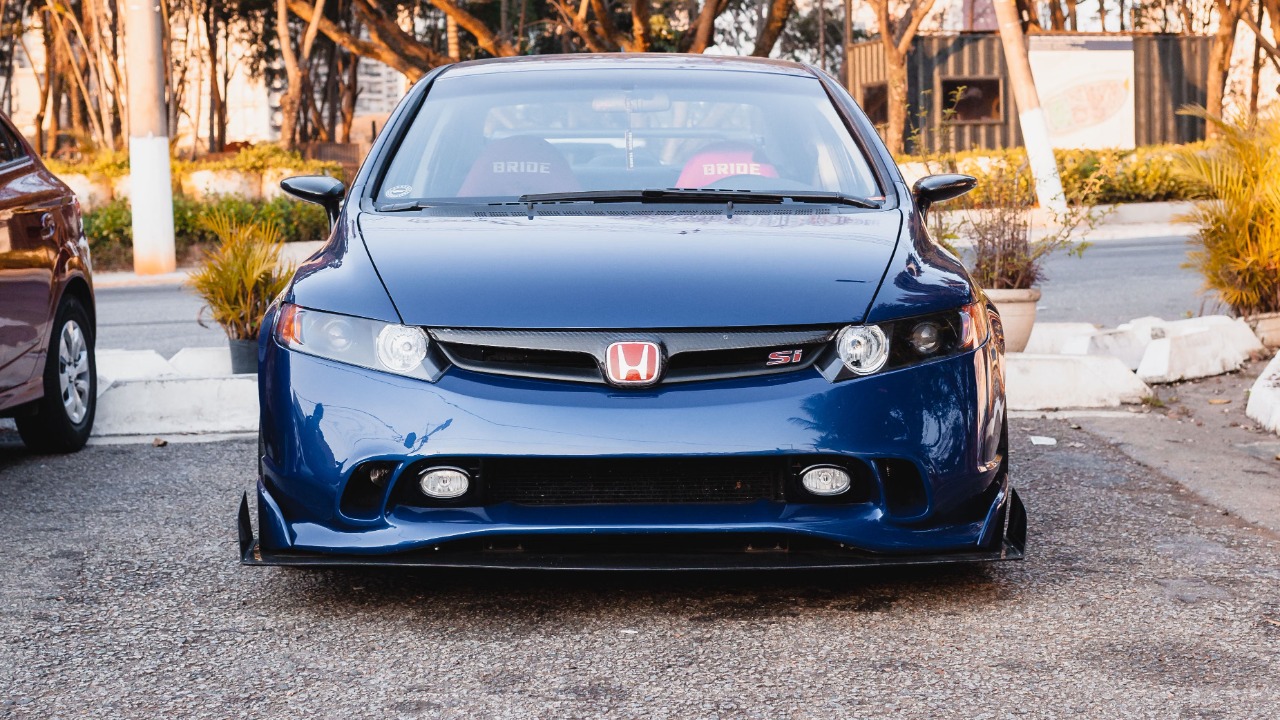
Civics have appeared on national most-stolen lists for so long that crime-prevention groups treat the model as a benchmark. The aftermarket for its components is enormous, and a stolen Honda compact car can be broken down and sold in pieces within hours of disappearing from a driveway.
Modified examples compound the problem. Cars carrying engine swaps, aftermarket wheels or body kits attract both thieves and claim disputes, and several insurers exclude non-factory equipment or refuse to write a modified Civic on a standard policy.
10. Chevrolet Silverado: Stolen by the Piece
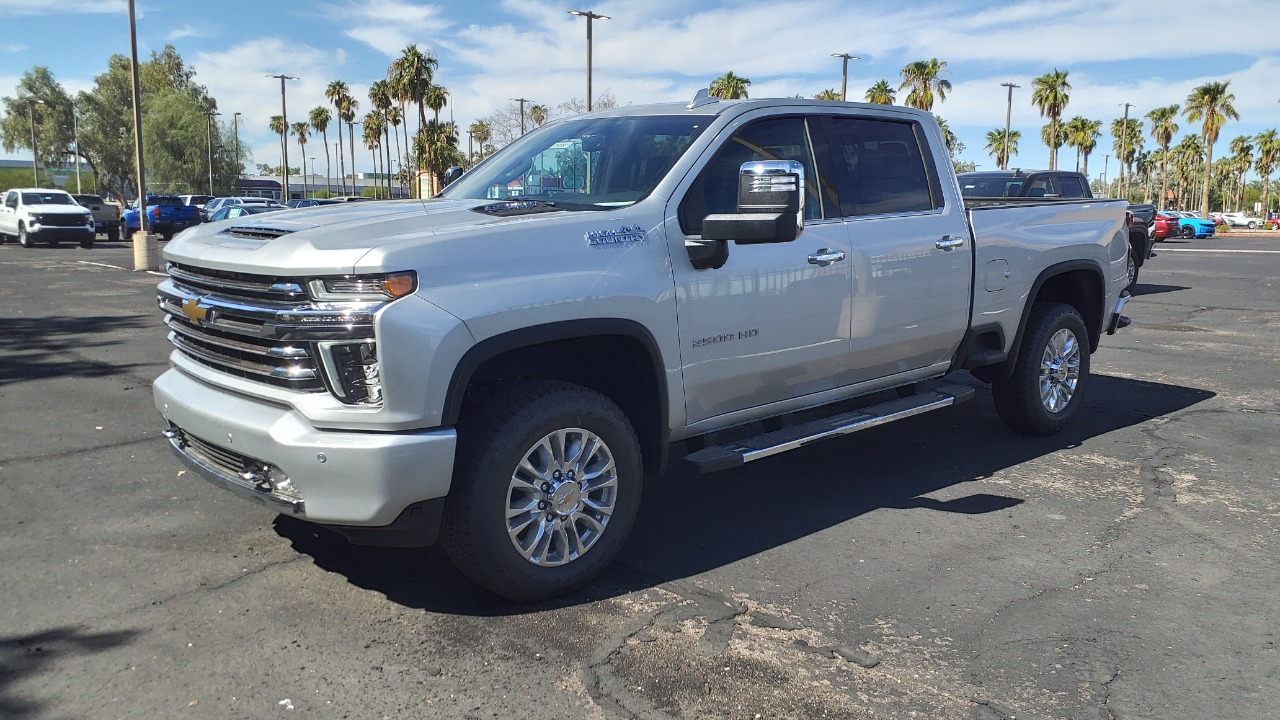
Full-size pickups sit at the top of theft-volume charts by raw count, and the Silverado trades that position with its Ford rival year after year. Beyond whole-vehicle theft, the Chevrolet full-size pickup generates a steady stream of claims for stolen tailgates, catalytic converters and tool-filled beds, each a separate payout.
Replacement cost sharpens the effect. A loaded crew cab can sticker well above sixty thousand dollars, so one total loss costs an insurer roughly what three compact sedans would, and comprehensive pricing reflects it.
11. Ford F-150: Best-Seller, Biggest Target
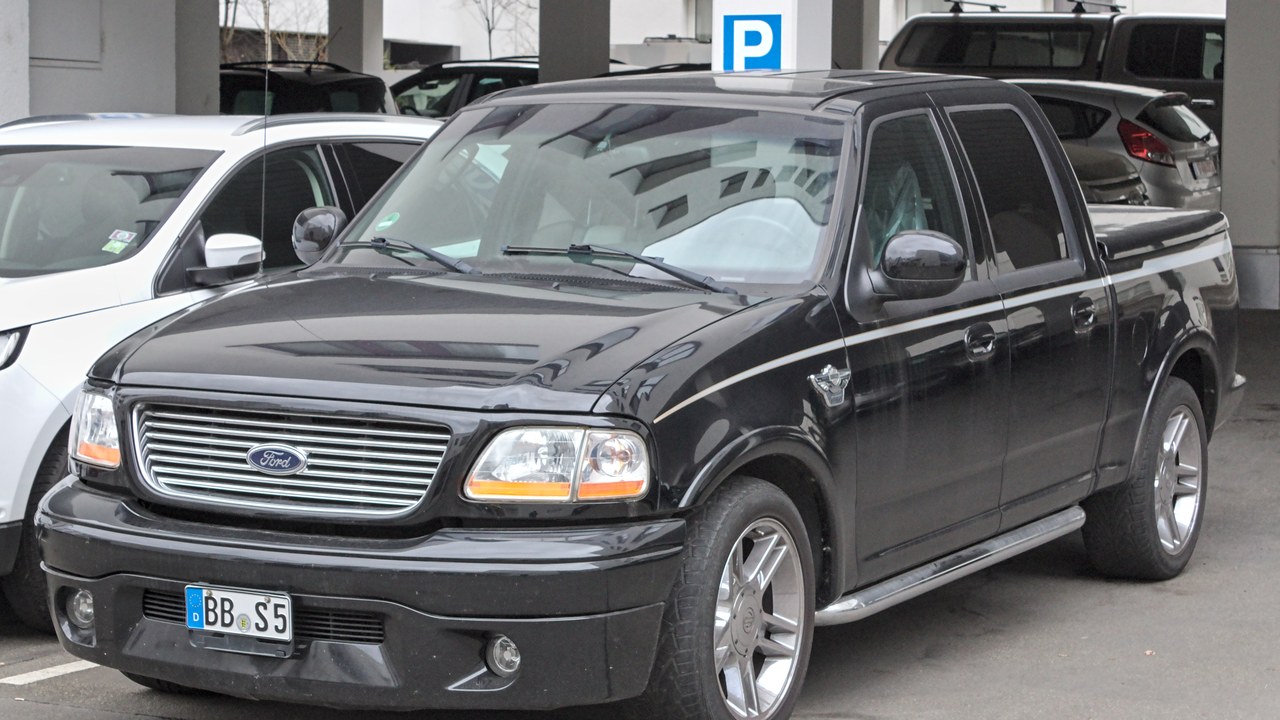
Decades as America’s best-selling vehicle gave the F-150 an unrivaled installed base, and thieves follow volume. National crime figures consistently place the Ford full-size pickup at or near the top of the most-stolen list, helped by a huge market for used parts and by trucks that spend nights parked at job sites rather than in garages.
Higher trims raise the stakes further. Raptor and Platinum models combine a large payout with strong resale demand, and some carriers add theft-device requirements or higher deductibles before covering them in metropolitan areas.
12. Nissan Altima: Volume, Fleets and Total Losses
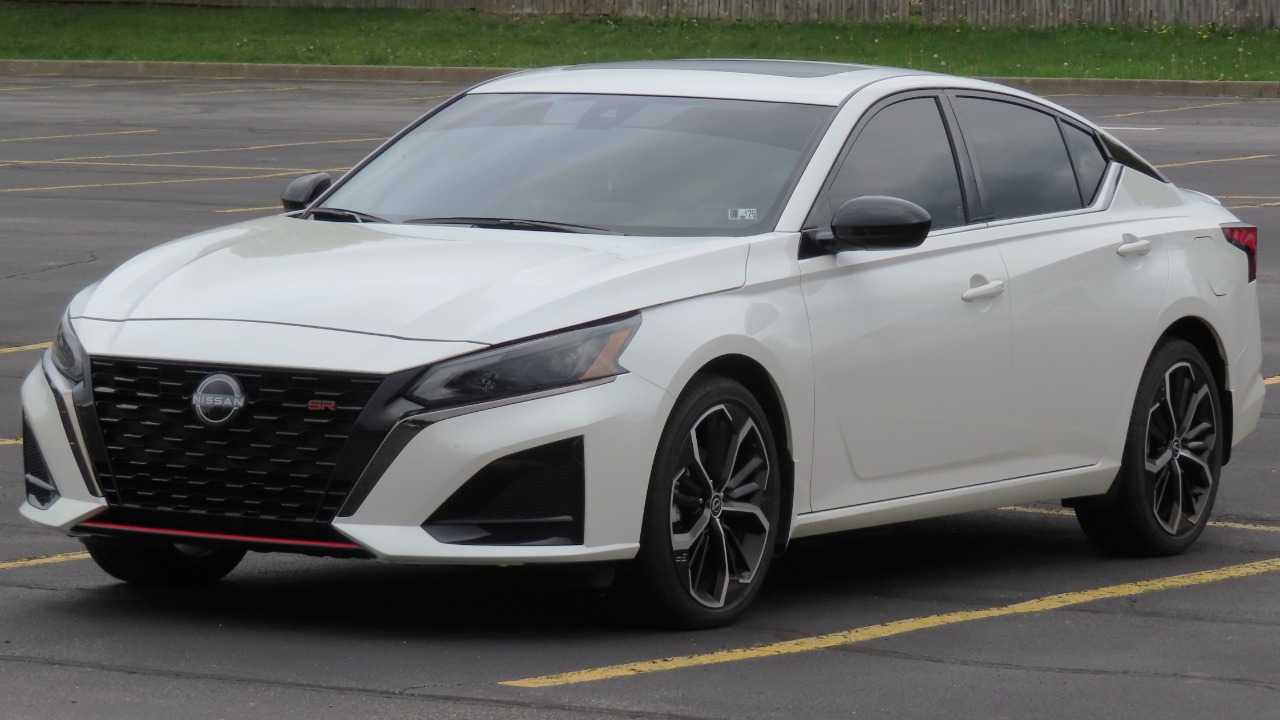
The Altima’s problem is arithmetic. Nissan sold the sedan in enormous numbers to retail buyers, rental fleets and rideshare drivers, and that population produces both a high absolute theft count and a heavy accident record, which together keep the Nissan mid-size sedan on insurer watch lists.
Rideshare work is the quiet aggravator, since commercial mileage on a personal policy is grounds for denial or cancellation at several companies. Combined with frequent total losses, the model draws tighter underwriting than its bland reputation suggests.
More from Morning Overview
