
A feature that dazzles on a spec sheet does not always survive contact with a real driveway. Some arrived with fanfare, drew warranty claims and owner complaints, and quietly began disappearing from options lists. Here are ten car features that automakers have spent years walking back.
1. Touchscreen controls: Menus Where Knobs Used To Be
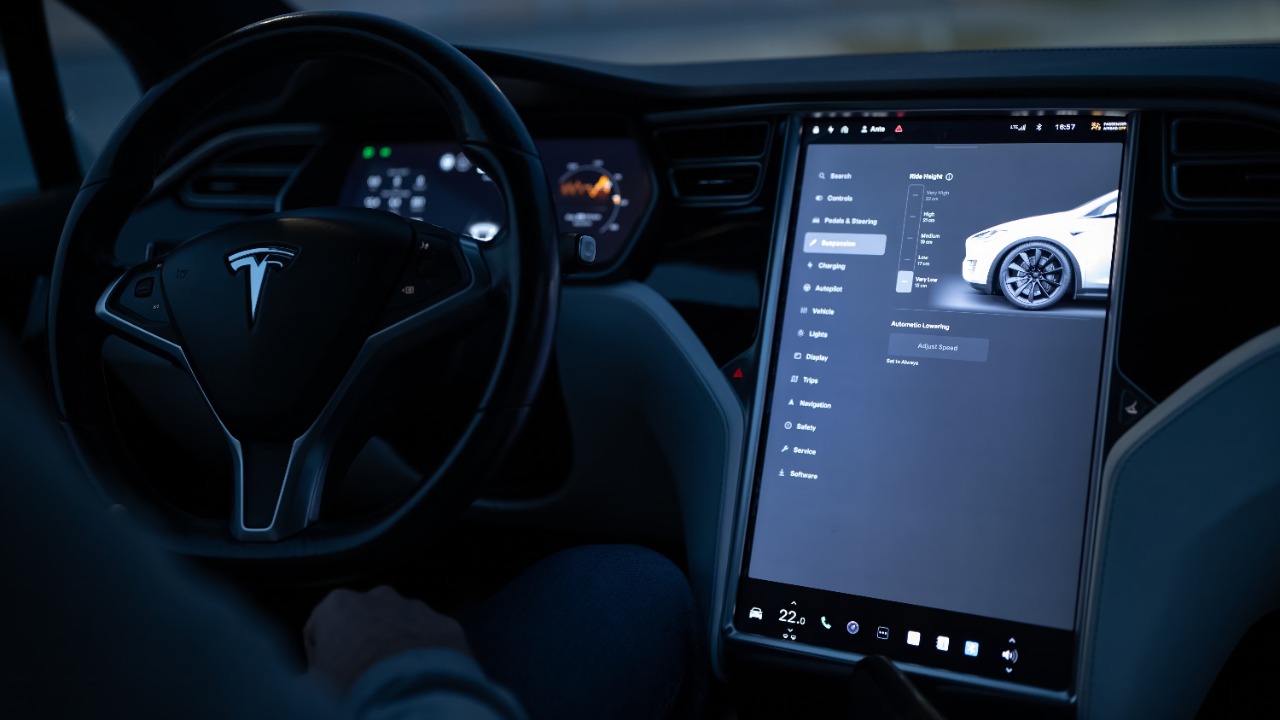
Climate, audio and even glovebox releases migrated into menus once a single display replaced the switchgear. A glass panel offers no fixed landmark, so touchscreen interfaces require a glance to confirm each press, and a task once done by feel becomes a two-step menu dive.
Owners notice it most in cold weather and in traffic, when defroster and temperature settings sit behind an icon rather than under a hand. Resale adds a second sting: one cracked or delaminated display can control most of the cabin, and replacing it costs far more than the knobs it removed.
2. Automatic engine stop-start: The Button Drivers Press First
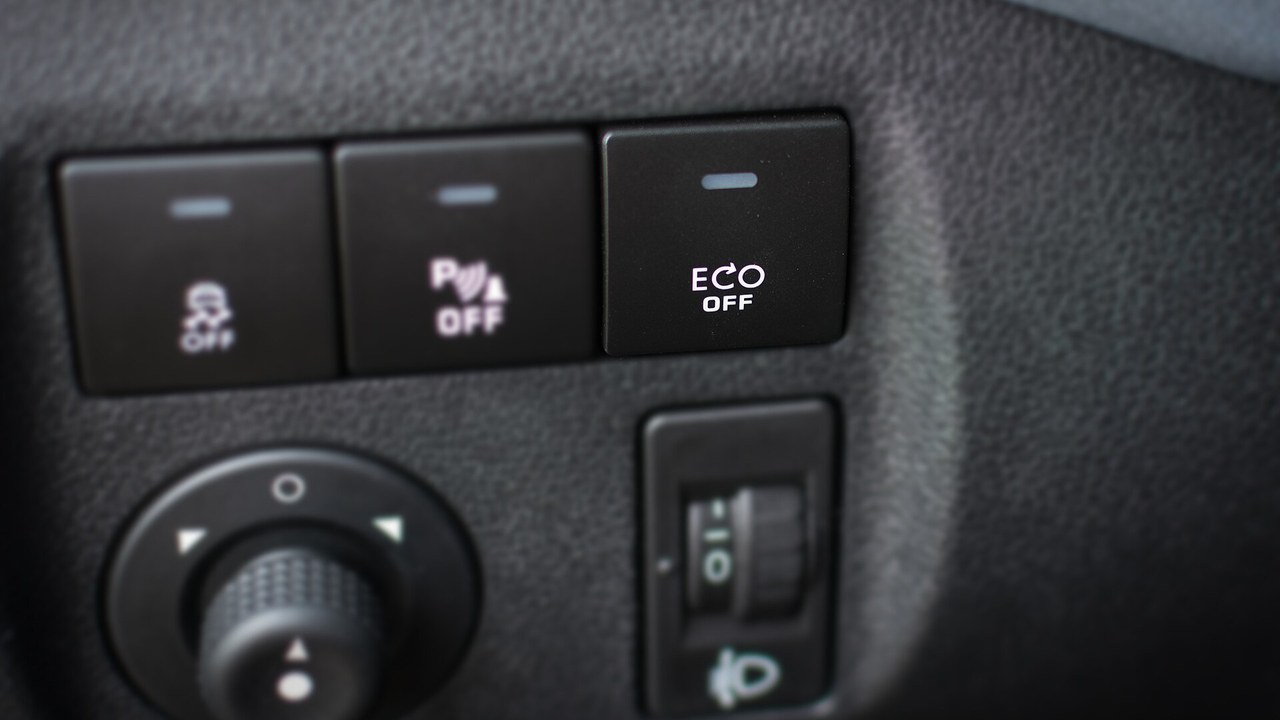
Fuel is saved by shutting the engine down at a standstill and firing it again when the brake pedal releases. In practice, start-stop systems add a shudder and a beat of hesitation at the moment a driver wants to move, and they load the starter and battery with thousands of extra cycles.
The hardware answer was heavier-duty starters and absorbent glass mat batteries, both dearer to replace than the parts they superseded. Because the off switch usually forgets its setting at the next ignition cycle, the defeat button became the first control many owners touch.
3. Continuously variable transmission: The Drone That Sank A Reputation
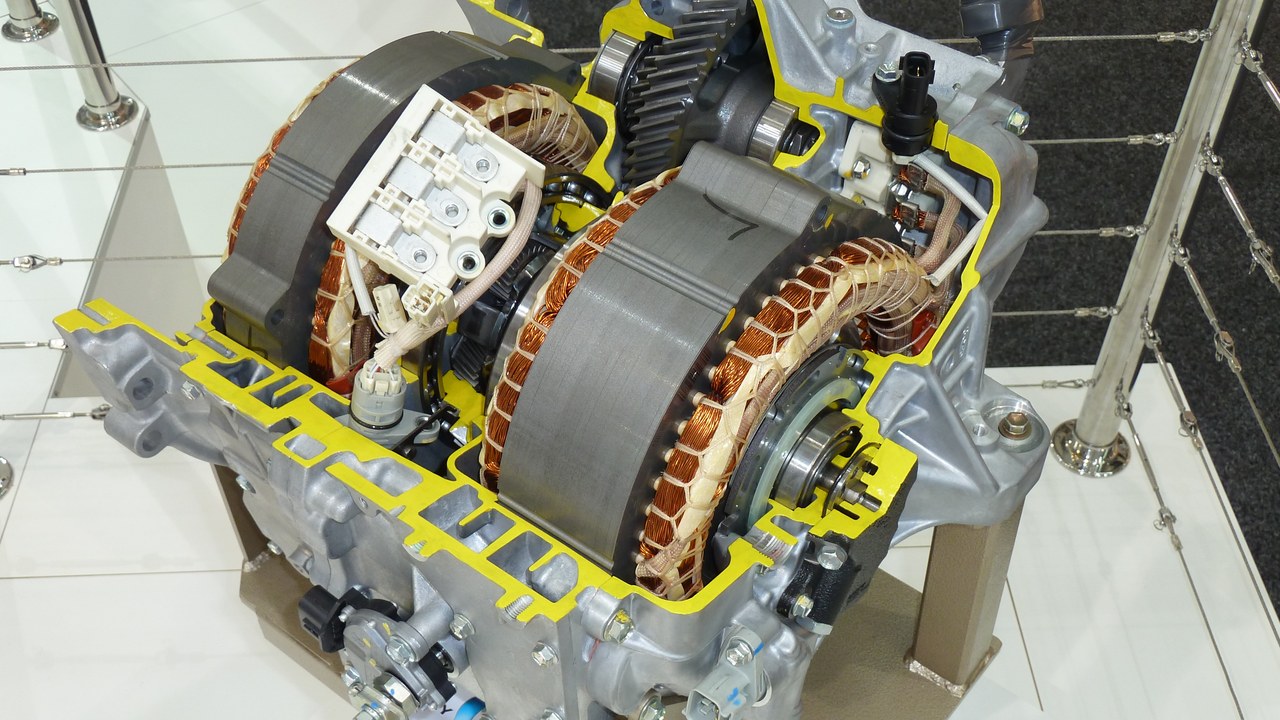
Instead of fixed gears, a belt and variable pulleys hold the engine near its most efficient speed. That efficiency is real, but continuously variable transmissions break the link between engine note and acceleration, producing the flat drone that owners describe as a slipping clutch even when nothing is wrong.
Early units also wore belts and pulley surfaces faster than the marketing suggested, and a failed unit is usually replaced rather than rebuilt. Manufacturers responded by programming artificial stepped ratios so the box imitates the gearshifts it was designed to eliminate.
4. Panoramic sunroof: Glass Roofs And Wet Carpets
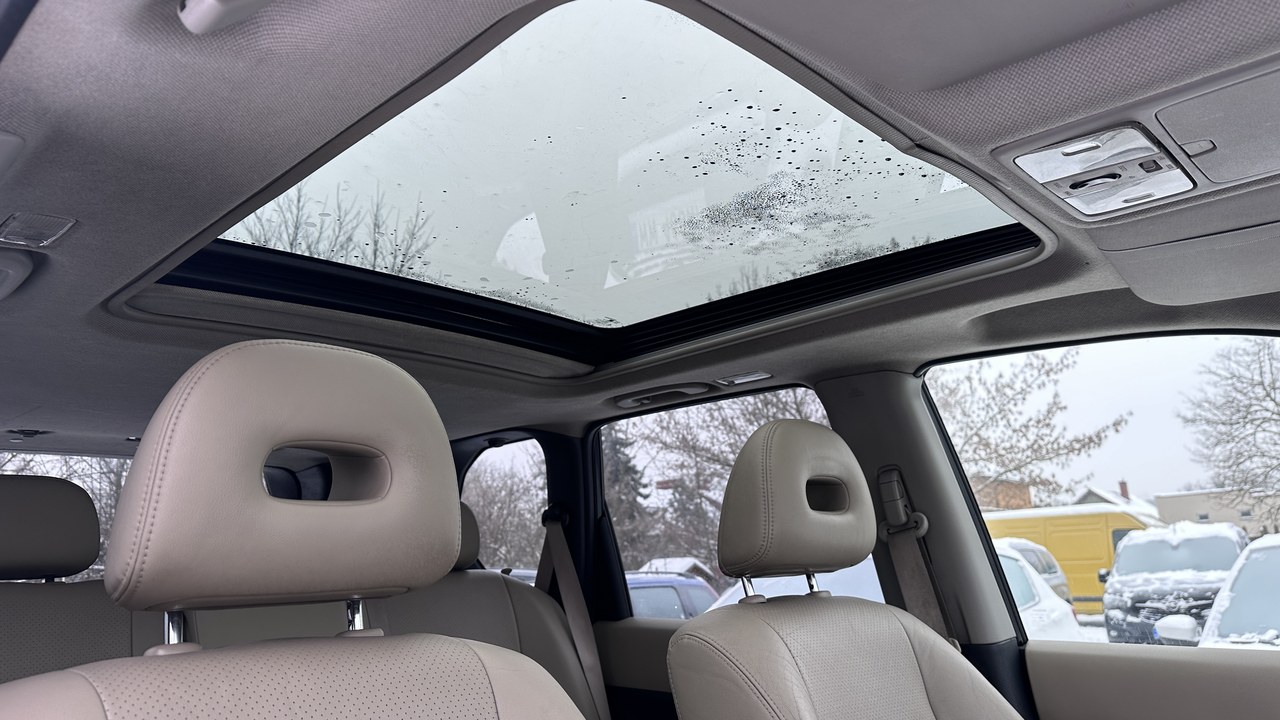
Replacing a steel roof panel with a large glass assembly moves the weatherproofing job to a set of rubber seals and narrow drain tubes routed down the pillars. When those tubes clog with leaf litter, panoramic roof panels send water into the headliner and carpet instead of onto the pavement.
The glass also adds weight at the highest point of the body, trims headroom, and brings motors and shades that rattle as the structure ages. Replacement panels and cassettes are dealer-priced, which is why an aging panoramic roof is often sealed shut or simply left inoperative.
5. Run-flat tires: Stiff Sidewalls And Stiff Bills

Reinforced sidewalls let a deflated tire carry the car a limited distance at reduced speed, which allowed engineers to delete the spare wheel and reclaim the well beneath the trunk floor. The same rigidity that holds run-flat tires up without air also transmits expansion joints and potholes straight into the cabin.
Punctures compound the problem, because a tire run flat is frequently condemned rather than patched, and fewer shops stock the sizes. Owners then pay a premium for a replacement on a car that carries no spare, no jack and no way to limp further than the sidewall allows.
6. Capacitive touch buttons: Panels That Never Push Back
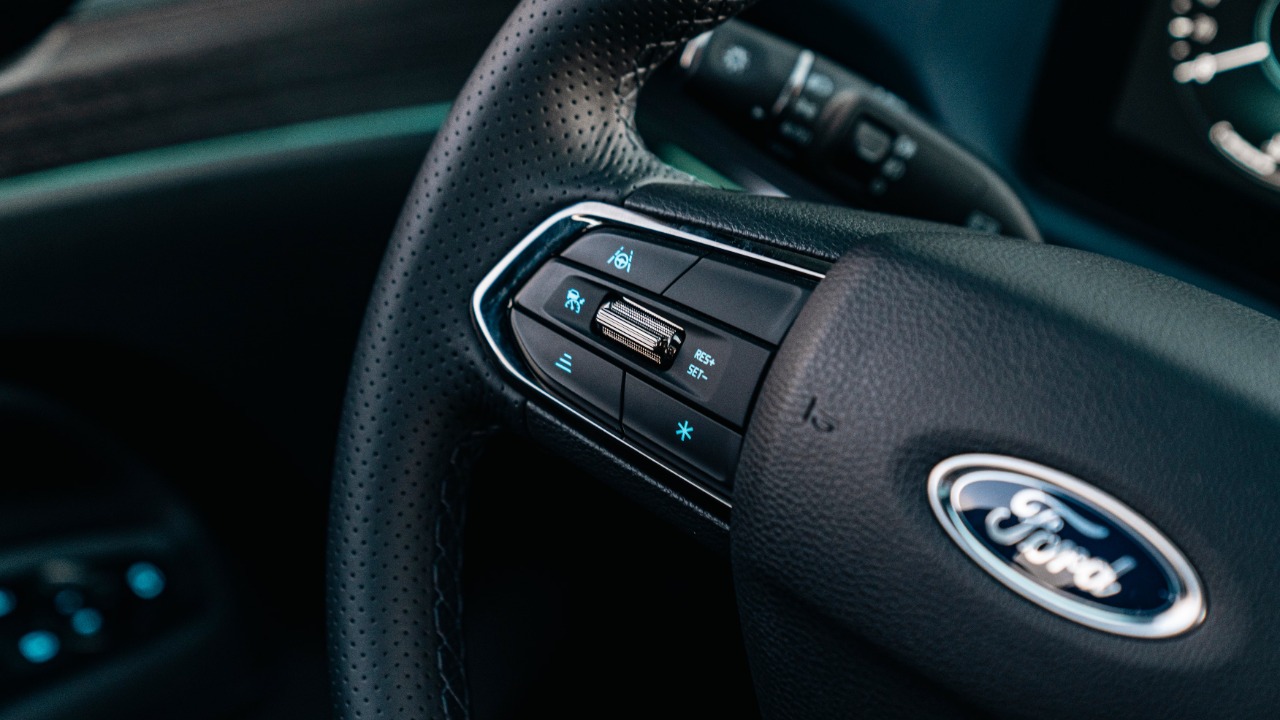
A capacitive panel registers the charge a fingertip carries through a solid surface, which lets a designer draw a seamless gloss slab with no moving parts behind it. Because capacitive sensing has no detent and no travel, nothing confirms a press except the result, and gloves, rain and a resting palm all confuse it.
Steering-wheel pads drew the loudest complaints, since a thumb resting on a rim can trigger volume or cruise settings unintentionally. Several manufacturers have since restored clicking switches to wheels and climate rows, an unusually public reversal of a styling decision.
7. Gesture control: Waving At A Camera

An infrared camera watches a narrow volume of air above the center console and matches hand movements against a stored library of commands. Gesture recognition has to separate a deliberate twirl for volume from a passenger talking with their hands, and the margin between those two motions is thin at highway speed.
The result was a control that answered gestures nobody made and ignored the ones intended for it, while a physical dial did the same job in one movement. It became a showroom party trick that seldom survived the first week of ownership, and the option now appears on few configurators.
8. Fake engine noise: Speakers Playing The Engine
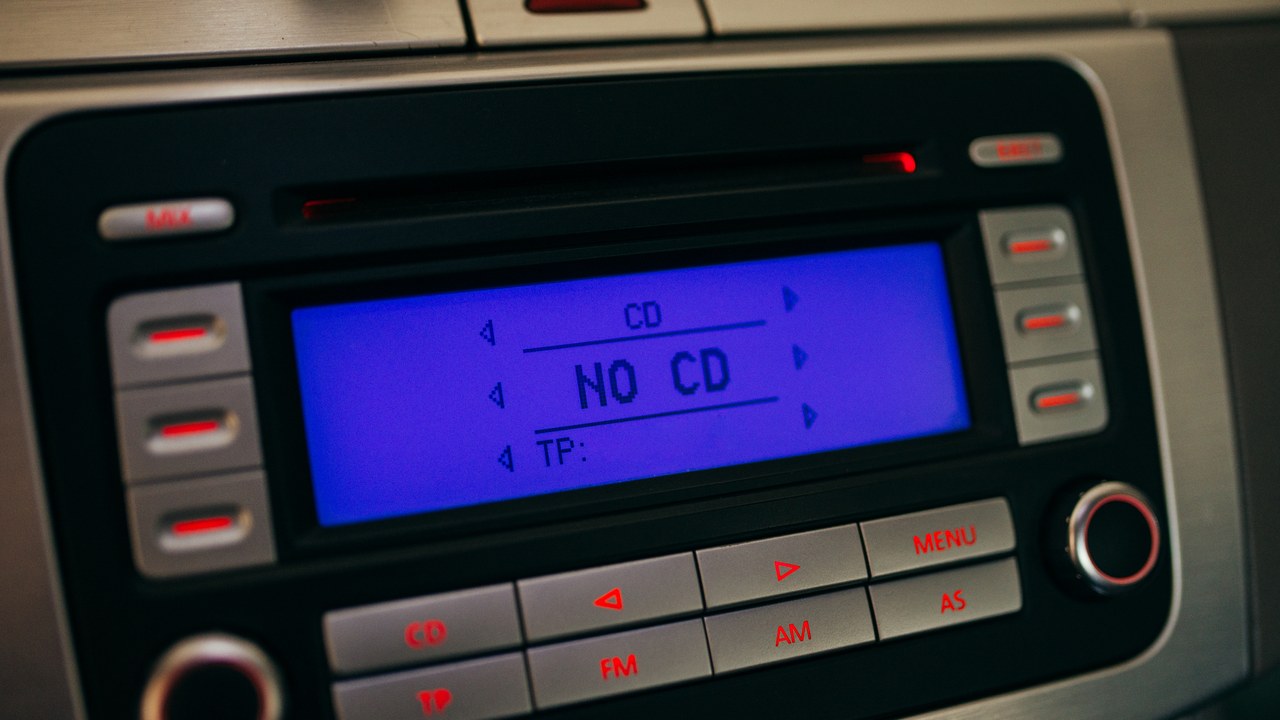
The same microphones and door speakers that make active noise control work, sampling cabin drone and playing it back inverted, can just as easily add sound instead of removing it. Manufacturers used that hardware to synthesize an engine note tied to throttle position and revs, filling in for downsized turbo engines that no longer made an interesting one.
Enthusiasts treated the piped-in soundtrack as an admission rather than a feature, and instructions for disabling it circulate widely among owners. The awkward part is durability: the speakers keep performing the same note long after the engine underneath has aged out of matching it.
9. Automatic parking: Slower Than Doing It Manually
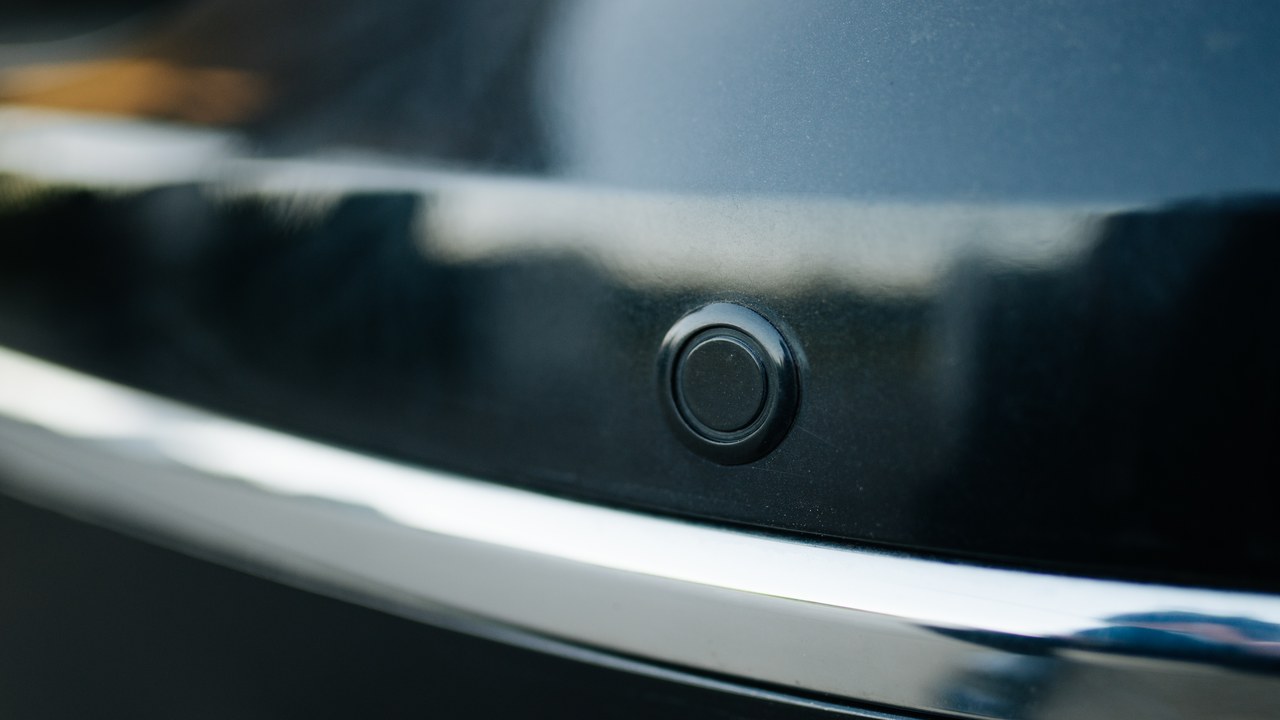
Ultrasonic sensors measure a gap as the car rolls past it, then software takes the wheel while the driver still works the pedals and watches for pedestrians. Automatic parking needs a bay of a particular length, clean sensors and traffic patient enough to wait through a multi-point sequence that a practiced driver completes in one movement.
Systems that abort mid-maneuver, or refuse a space that plainly fits, teach drivers not to trust them at all. Cheap reversing cameras and clear beeping sensors delivered most of the benefit for a fraction of the hardware, and self-parking became a demonstration feature rather than a habit.
10. Digital gauge cluster: Screens Where Needles Were
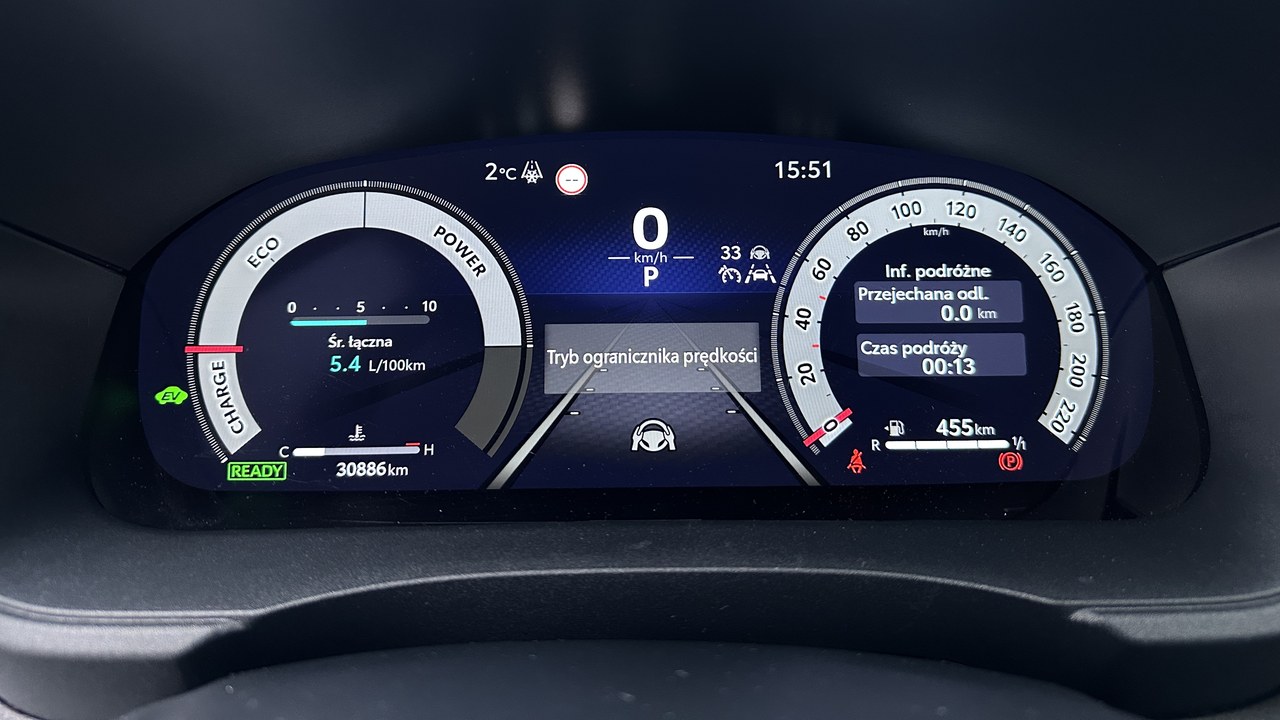
An LCD panel replaces mechanical needles with pixels, so the same hardware can show a tachometer, a map or nothing at all depending on the drive mode. The trade is that digital instrument clusters boot up with the car, can stutter or blank while software loads, and depend on backlight brightness to stay legible in direct sun.
One failure now takes the speedometer, fuel gauge and warning lamps with it, where a dead analog gauge once cost only its own reading. Replacement means a screen assembly and a programming session at a dealer, an expense that arrives long after the novelty of a reconfigurable dial has worn off.
More from Morning Overview
- A California supervolcano has bulged upward about two and a half feet since 1978
- The FTC is warning about a scam quietly draining thousands from victims
- The NSA is again telling phone owners to switch off one location setting
- A handful of car transmissions are so tough mechanics say they almost never fail
