
Some vehicles cost far more to keep than to buy, and the gap widens the moment the factory warranty expires. Repair shops see the same badges roll through the bays again and again, usually for air suspension, electronics or transmissions that were never cheap to fix. Here are nine that technicians repeatedly warn used buyers away from.
1. Land Rover Range Rover: The Air Suspension Tax
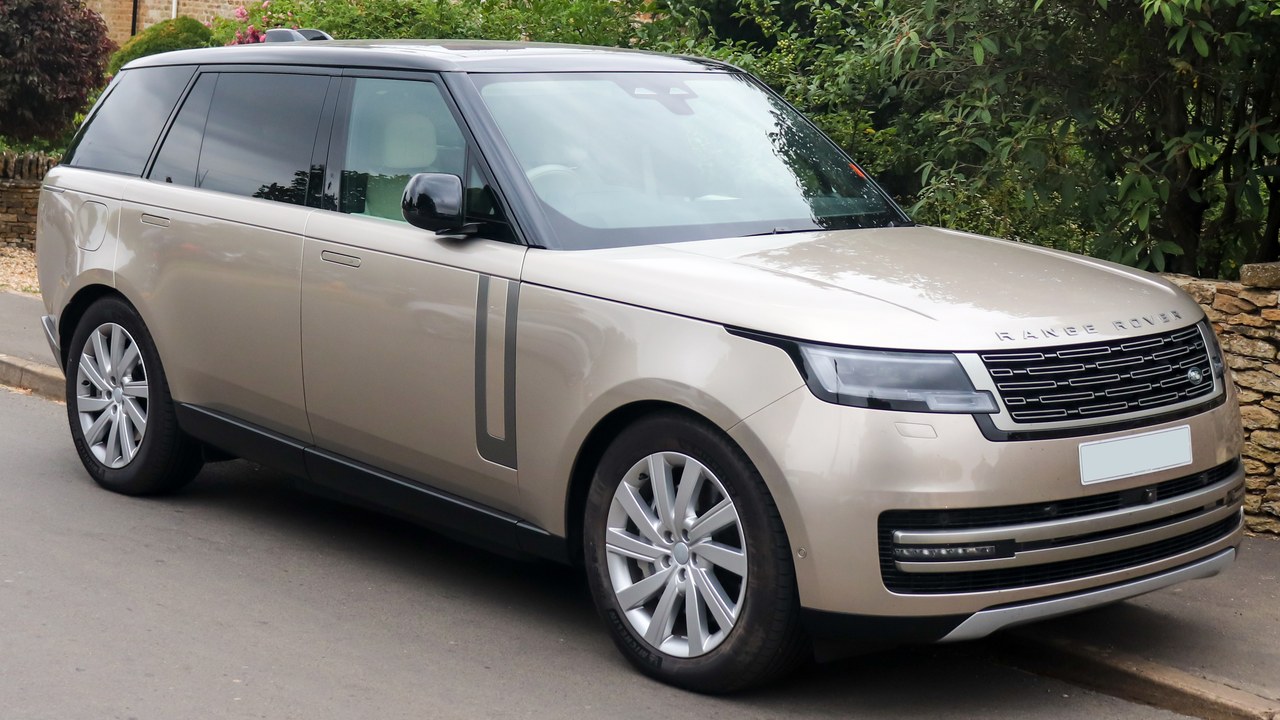
Range Rover ownership has long carried a suspension surcharge, because every full-size generation since the 1990s has ridden on air springs fed by a compressor and governed by ride-height sensors, all of them wear items. On the L322 generation, built while BMW controlled Land Rover, those parts sat alongside an unusually dense electronic architecture, and a sagging corner typically means several failed together.
Drivetrain history complicates the used market further, since the L322 ran BMW engines until 2005 and Jaguar-sourced V8s afterward, so parts supply differs between trucks that look nearly identical. Steep depreciation keeps drawing buyers in, and one suspension or electrical repair can eclipse what the vehicle is worth.
2. BMW 7 Series: Flagship Technology, Flagship Bills

Every generation of BMW’s full-size flagship debuts hardware that later trickles down the range, and the E65 launched in 2001 with iDrive, an electronic parking brake and active roll stabilization before any of it was proven. Those systems age into failures that demand dealer-level diagnostics, and the modules behind them stay priced as flagship parts long after the car itself has become a bargain.
Depreciation is the trap. A decade-old example can cost less than a new compact while its cooling system, valve-lift hardware and suspension carry their original prices, and many independent shops decline the work outright.
3. Audi A8: Aluminum Only Specialists Weld
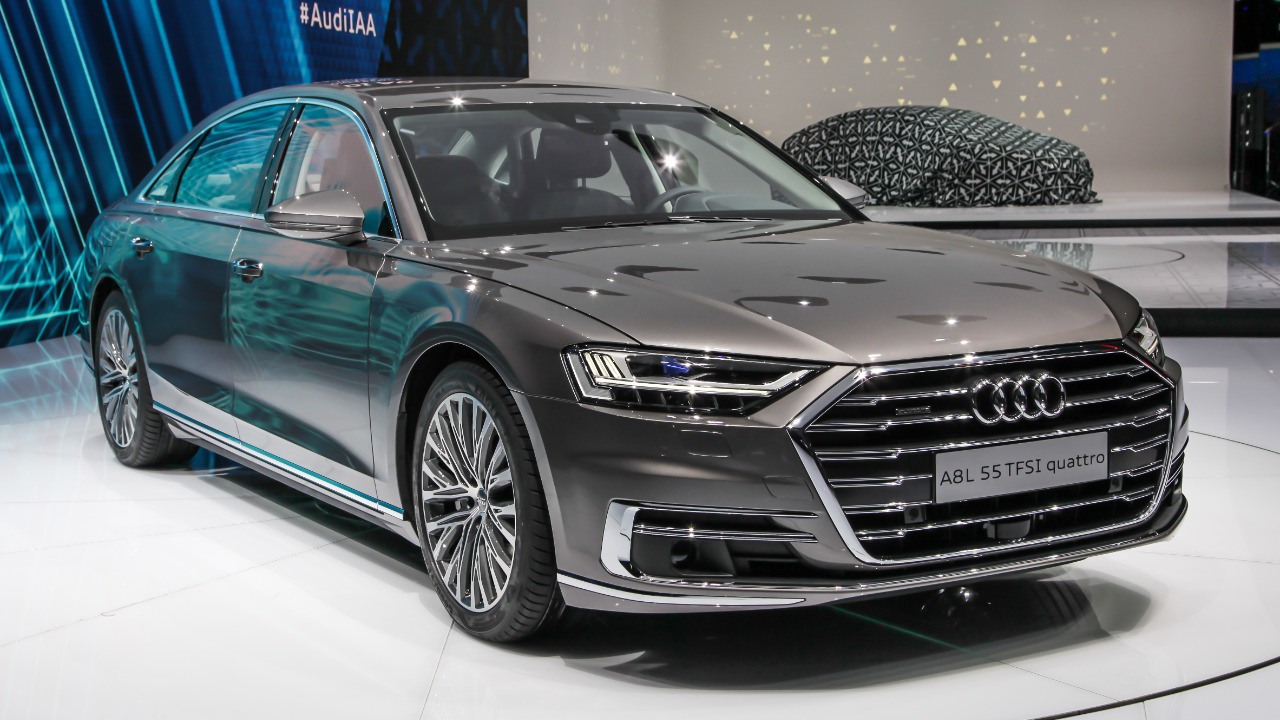
Audi built its flagship sedan around the Audi Space Frame, an aluminum structure that saves weight but cannot be repaired with the steel-panel techniques most body shops use. Certified aluminum work requires separate tooling, a segregated bay and trained technicians, so even moderate collision damage routes the car to a short list of approved shops.
The mechanical side follows the same pattern, with adaptive air suspension, all-wheel drive hardware and a long roster of control modules. What trades cheaply as a used sedan still bills like the six-figure car it once was.
4. Chrysler 200: A Nine-Speed Reputation
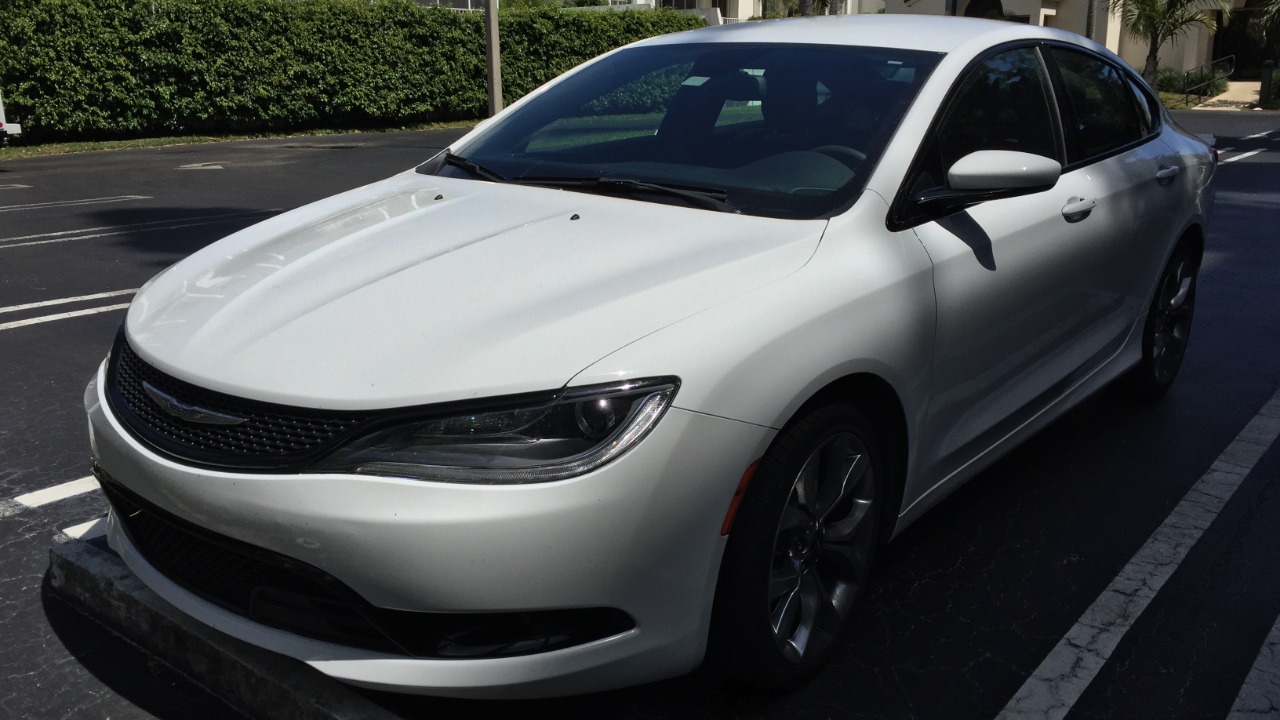
Fiat Chrysler relaunched the Chrysler 200 for 2015 as one of the first mainstream sedans fitted with a nine-speed automatic, and the gearbox drew complaints about hesitation and harsh shifts almost immediately. Software revisions followed, but the transmission defined the car and remains the first component shops inspect when one arrives.
Production ended in 2016 when the Sterling Heights plant was converted to build trucks, leaving a short-lived nameplate with no successor. Orphaned models shed value quickly, so a major repair can exceed the trade-in figure within a few years.
5. Nissan Armada: Fuel Bills On Every Trip
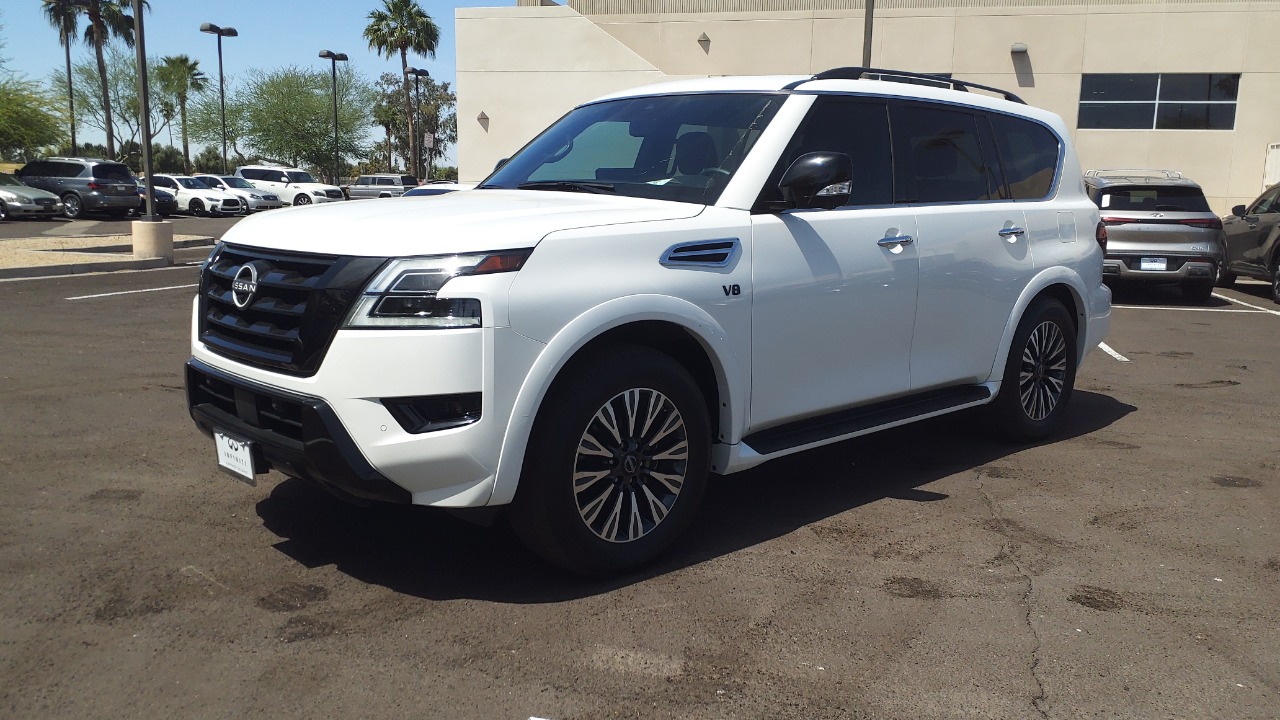
Nissan’s full-size SUV pairs a body-on-frame chassis with a 5.6-liter V8, a combination that delivers towing capacity and very little economy. The Armada line moved from a Titan-based platform to the global Patrol architecture for 2017, yet the thirsty V8 carried straight over.
Fuel is only the opening entry in the ledger. Three-row trucks of this size wear through large-diameter tires, heavy brake components and loaded suspension parts far faster than the sedans many owners traded in, and every one of those repairs is priced to match the hardware.
6. Cadillac Escalade: Luxury Stacked On A Truck
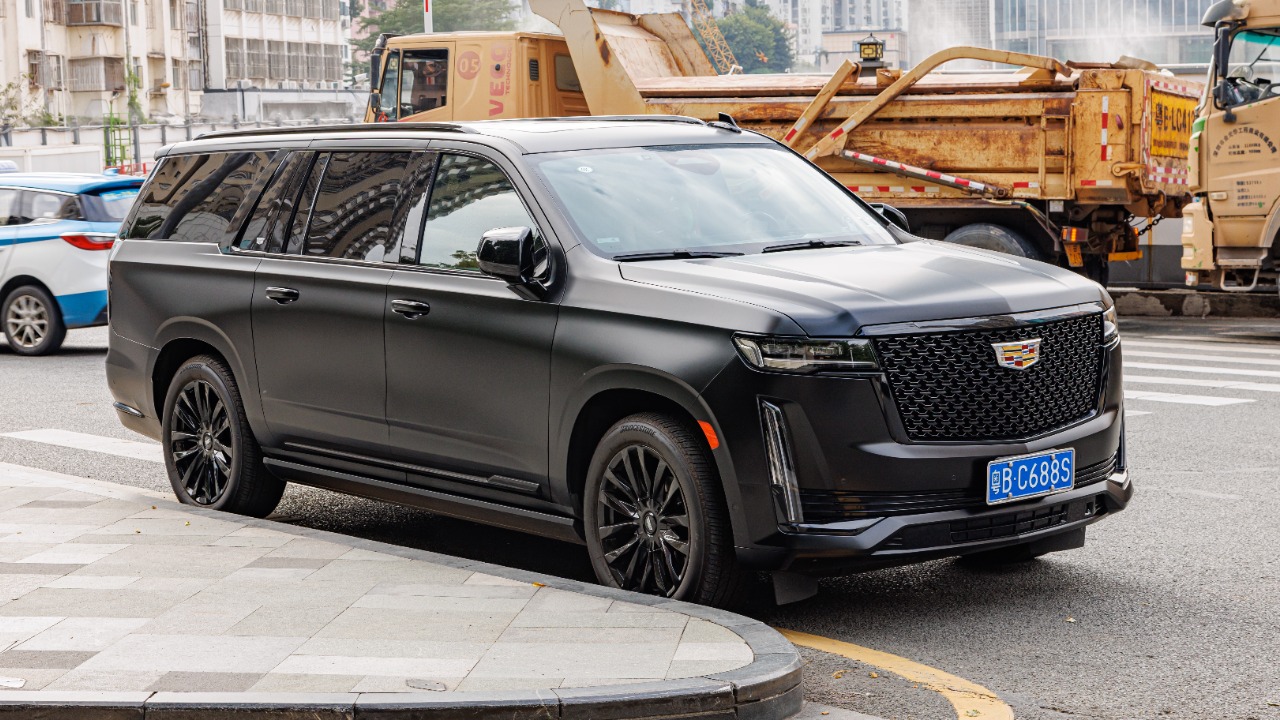
Underneath the badging, Cadillac’s full-size SUV is a Chevrolet Tahoe with a longer options list, and that list is where the money goes. Magnetic ride dampers, air-leveling rear suspension, oversized alloy wheels and a screen-heavy cabin all carry Cadillac part numbers even though the truck beneath them is shared with far cheaper GM models.
The mechanical basics are durable, which is exactly why so many high-mileage examples stay on the road and keep consuming those expensive extras. Priced like a mid-size crossover, one still bills like a flagship whenever a damper or a module quits.
7. Volkswagen Passat: Turbo Wear Meets Cheap Resale
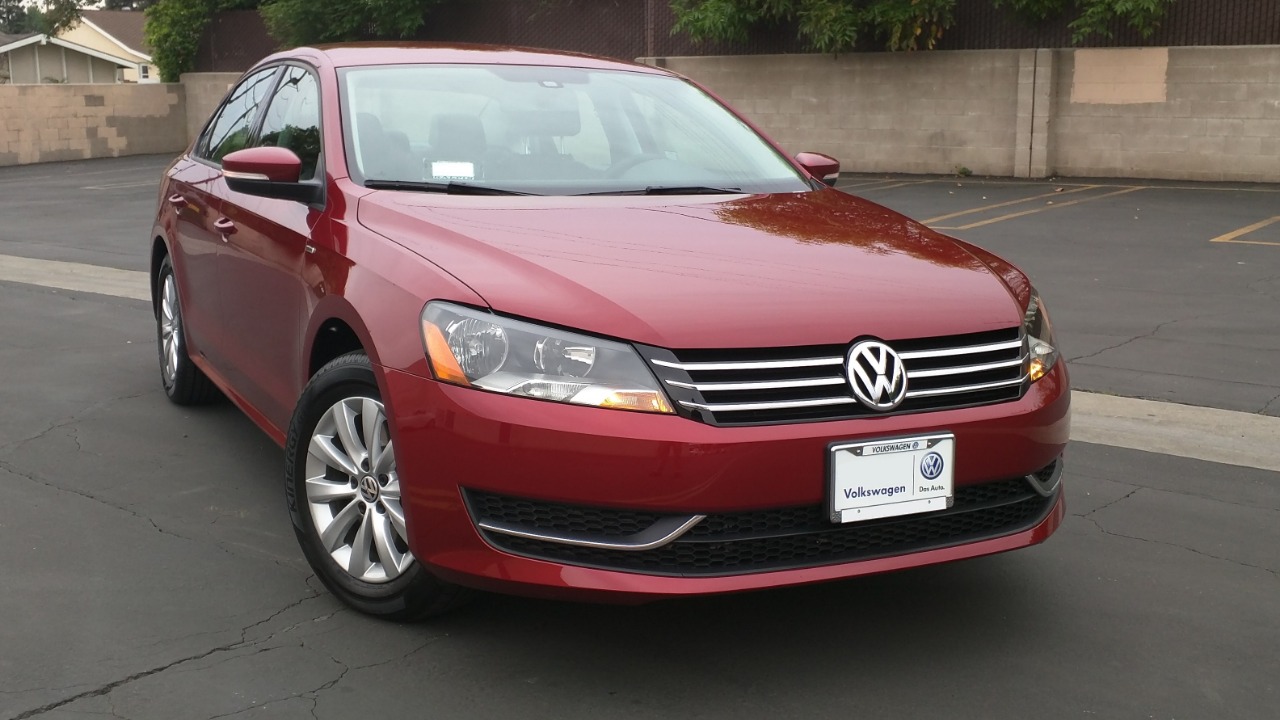
Sold across eight generations, the Volkswagen Passat has spent most of its life offering turbocharged four-cylinder engines and, in many markets, a dual-clutch automatic. Both are dependable on a strict service schedule and unforgiving without one, with turbochargers, timing components and mechatronic units heading the list of out-of-warranty jobs.
European engineering wrapped in mainstream used-car pricing is the core problem. Once resale value settles into economy-car territory, a single gearbox or turbocharger repair can cost more than the car will ever return, which is why tidy high-mileage examples get traded away rather than fixed.
8. Jeep Grand Cherokee: Air Springs And Recall History
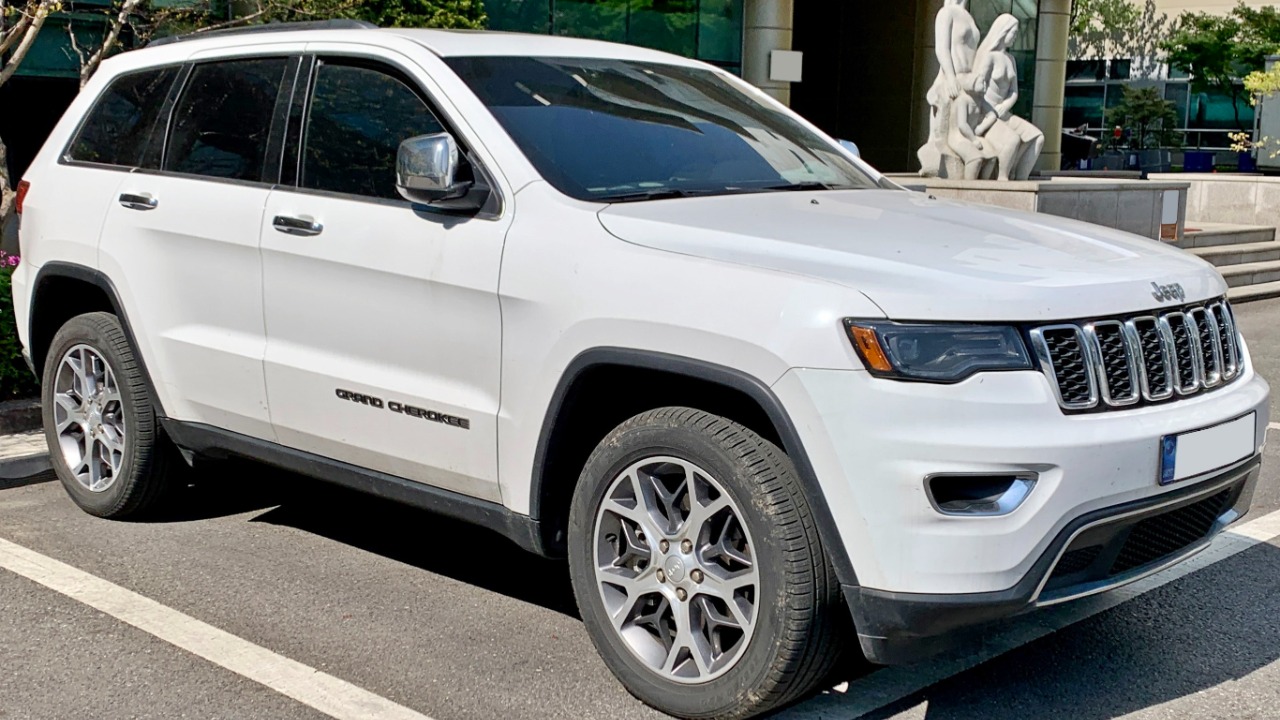
Higher trims of the Jeep Grand Cherokee use the Quadra-Lift air suspension system, which raises and lowers the body on air springs fed by an electric compressor. A leaking spring or a failed compressor drops the vehicle onto its bump stops, and the repair usually involves both the air hardware and the control module governing it.
Electrical trouble has shadowed the model as well, most publicly the monostable rotary gear selector behind a 2016 recall covering more than a million vehicles. Confirming recall completion comes first when shopping one; budgeting for the suspension comes second.
9. Maserati Ghibli: Exotic Service, Ordinary Resale
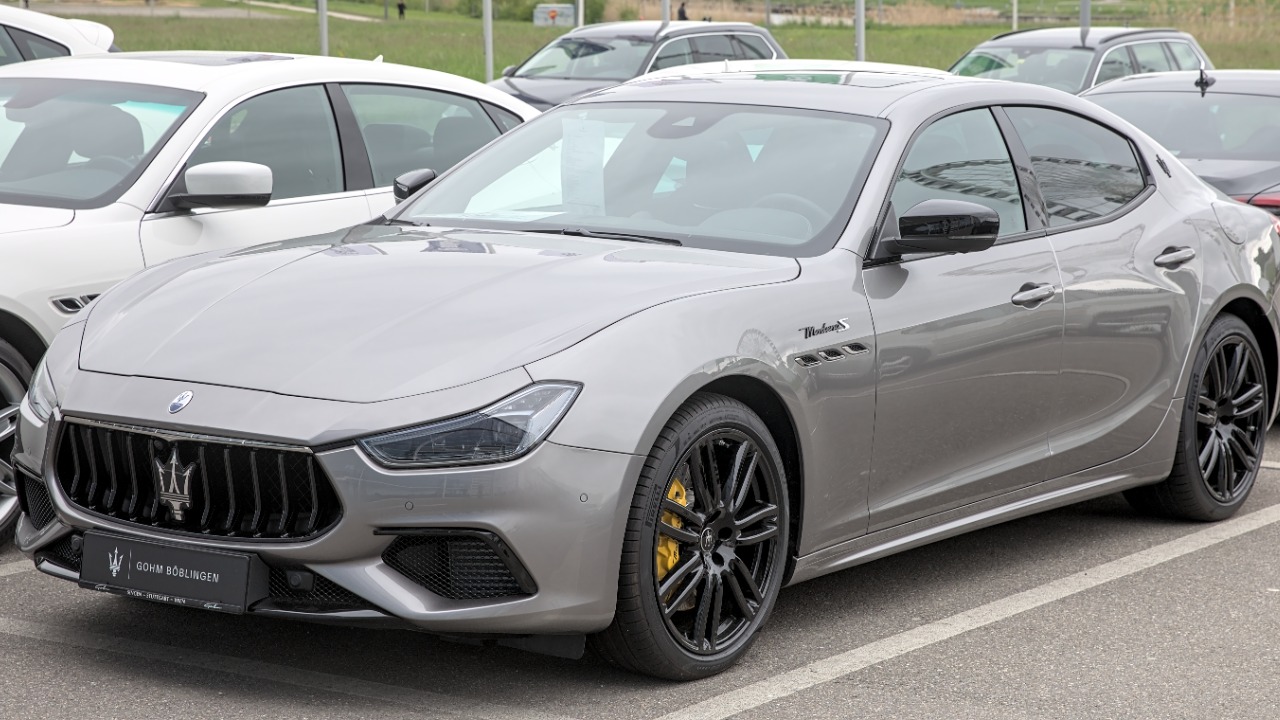
The modern Maserati Ghibli sedan shares its platform and much of its switchgear with Fiat Chrysler models while carrying a twin-turbocharged V6 built by Ferrari in Maranello. That split explains ownership: familiar parts fail on an ordinary schedule, then get serviced through a thin dealer network at exotic labor rates.
Depreciation compounds it. A used example can trade for a fraction of its original price while needing the same fluids, brakes and diagnostic hours as a new one, and deferred maintenance simply transfers to whoever buys it next.
More from Morning Overview
