
Full-size pickups have grown heavier, faster and far more powerful, and the fuel bill has followed them up. Even with cylinder deactivation, turbocharging and hybrid assistance on offer, the thirstiest configurations still post combined figures that would embarrass a much larger vehicle. Here are ten pickups whose engines drain a tank faster than almost anything else on the road.
1. Ram 1500 TRX: The Hellcat With a Bed
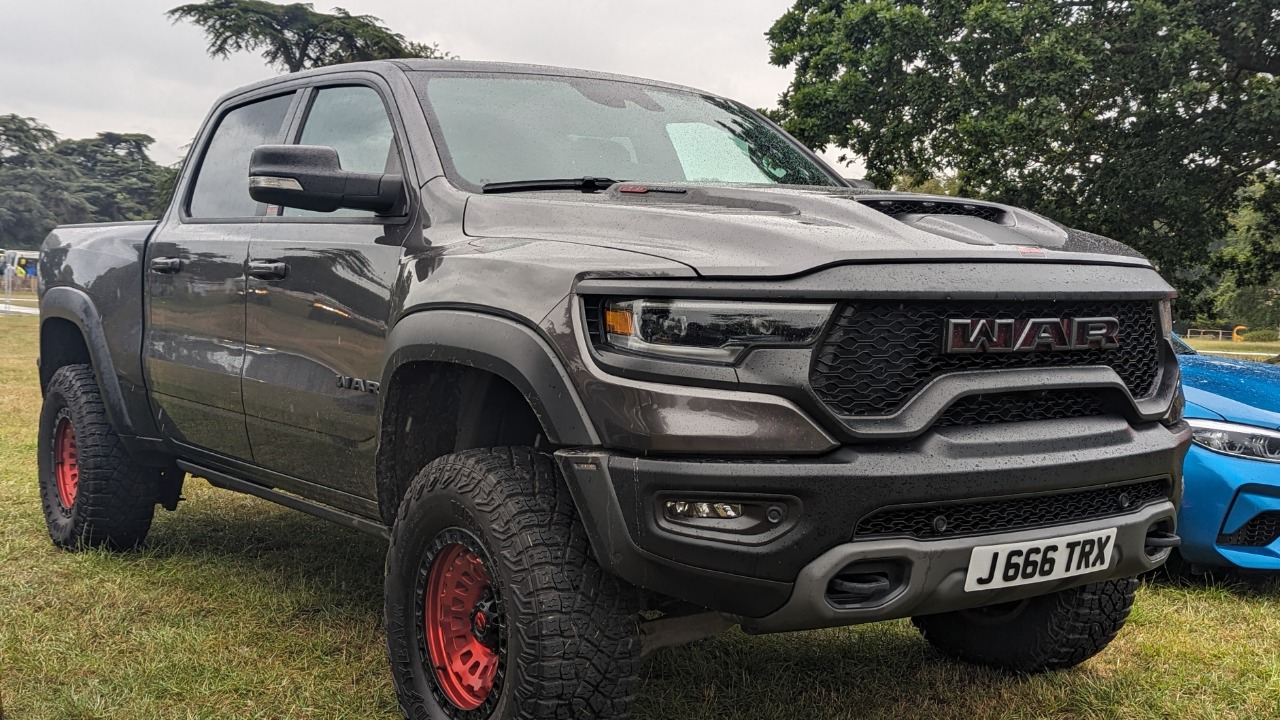
The TRX drops the supercharged 6.2-liter Hellcat V8 from Dodge’s muscle-car catalogue into a half-ton pickup, where 702 horsepower arrives alongside an EPA rating of roughly 10 mpg in town and 14 on the highway. Ram fitted a 33-gallon tank, which reads less like range than like an attempt to make the refuelling interval bearable.
Premium fuel is recommended for the supercharger, so the true running cost sits above what the mpg figure alone implies. Ram ended production of the V8 version after the 2024 model year.
2. Ford F-150 Raptor: Twin-Turbo Thirst
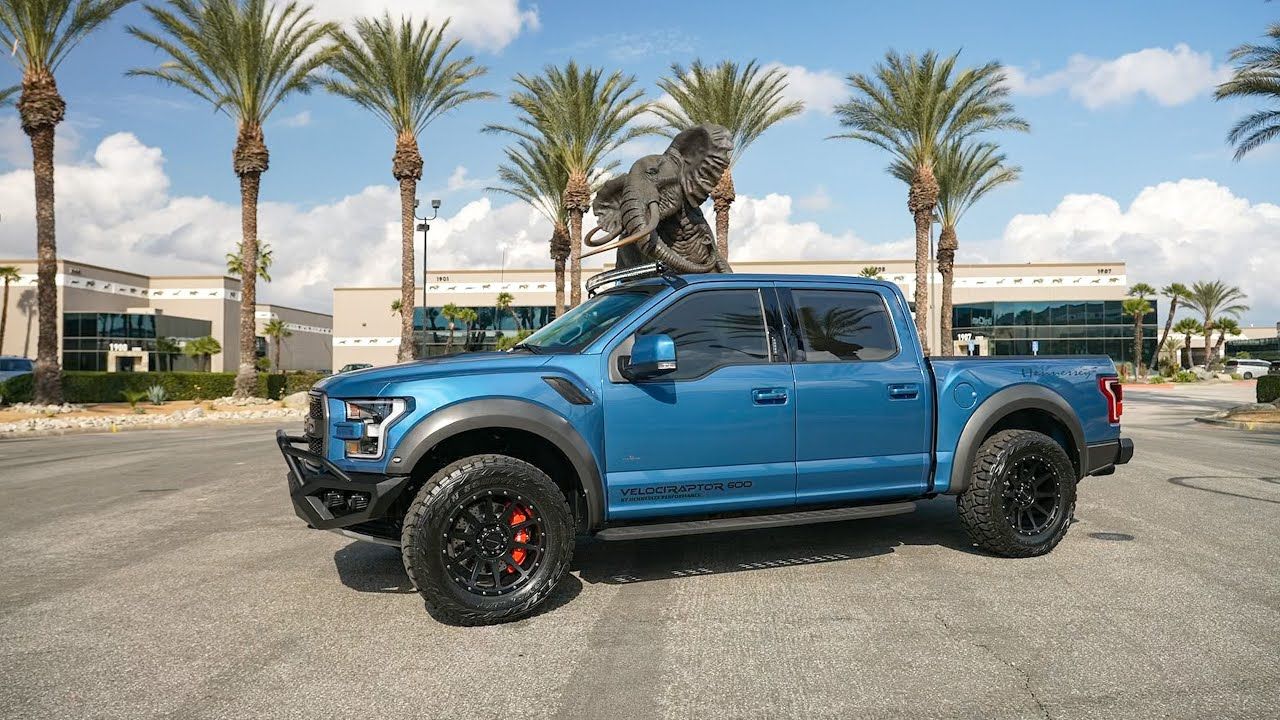
Ford’s high-output 3.5-liter EcoBoost V6 in the Raptor makes 450 horsepower, and the twin-turbo layout that produces it also punishes economy, with combined ratings around 16 mpg and considerably worse returns at full throttle. Wide fenders and 35-inch all-terrain tires pile aerodynamic and rolling drag on top of the engine’s appetite.
The Raptor R, powered by a supercharged 5.2-liter V8, is thirstier again. The penalty is structural rather than incidental: the long suspension travel and tire package that define the truck are exactly what keep it out of the efficient column.
3. GMC Sierra 1500: Full-Size V8, Full-Size Bill
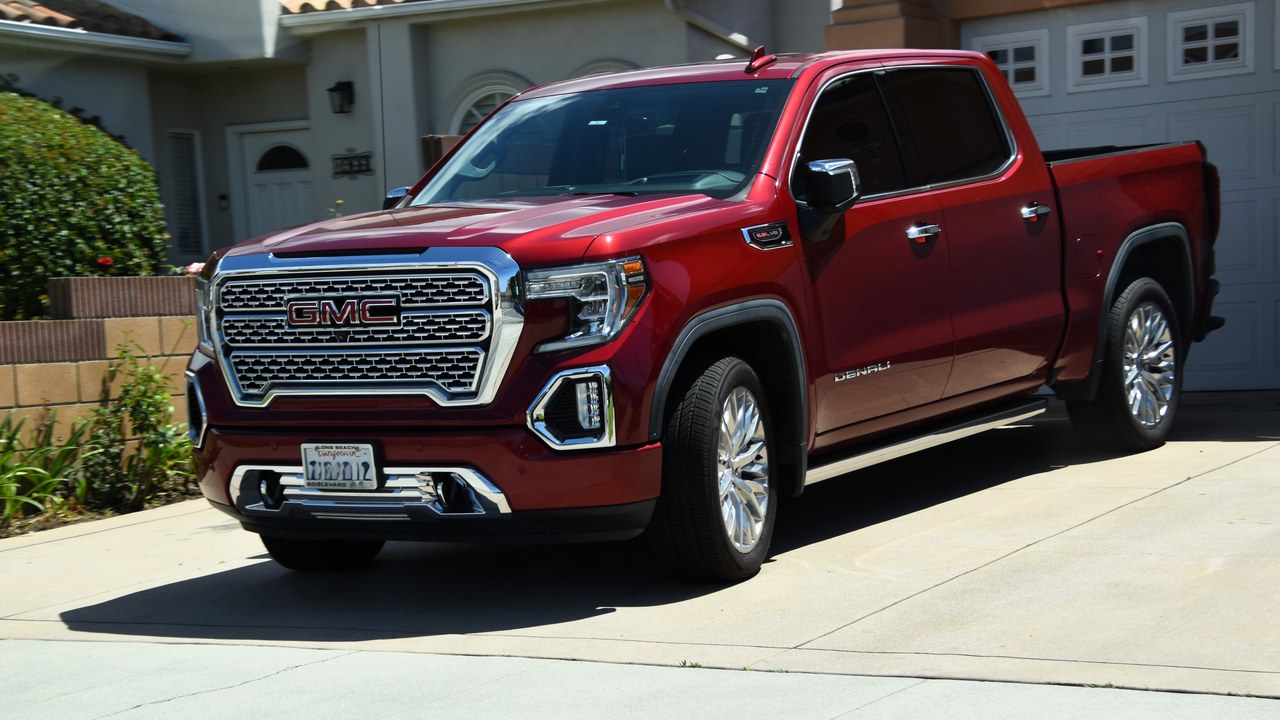
Trim for trim, the Sierra 1500’s 6.2-liter V8 posts combined figures in the mid-teens, and four-wheel drive shaves more off that. Cylinder deactivation shuts down half the engine under light throttle, but towing or hauling keeps all eight cylinders working and sends consumption straight back up.
Denali and AT4 versions compound matters with extra weight, larger wheels and taller suspension, and real-world economy on those trims commonly lands under the sticker number. The gap matters most for owners who drive a truck every day rather than every weekend.
4. Chevrolet Silverado 1500: The V8 Tax
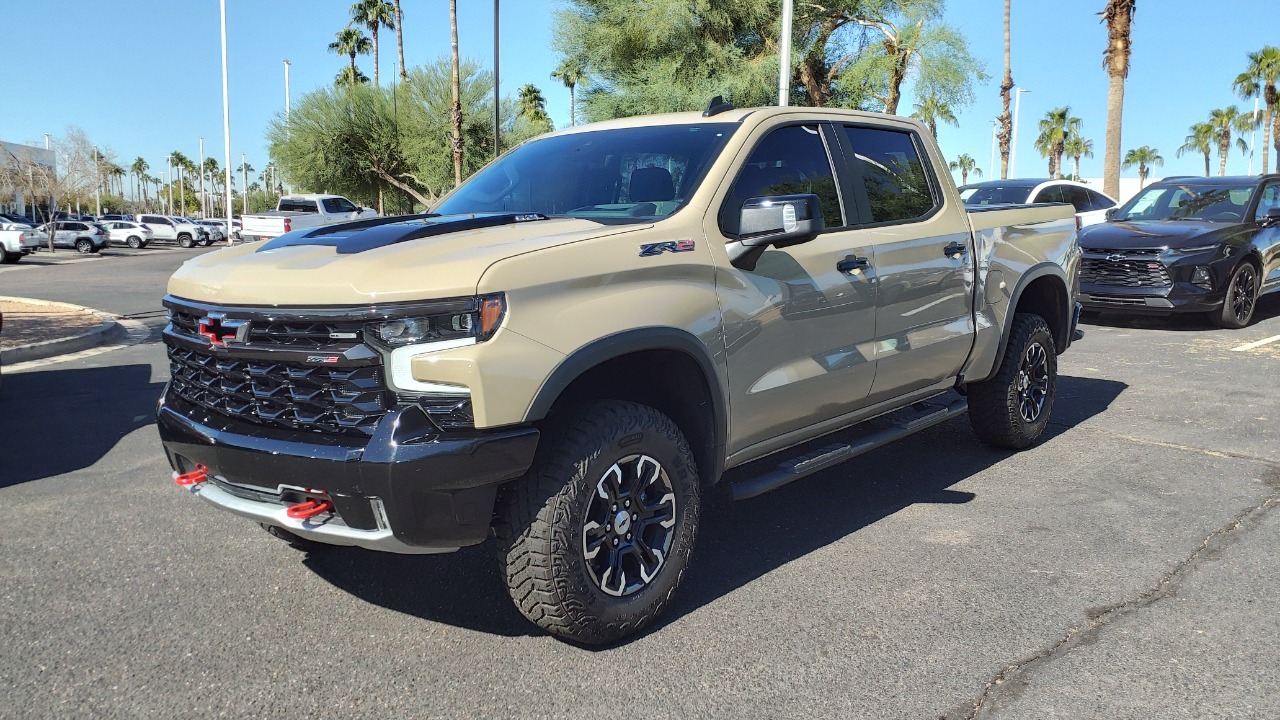
Mechanically the Silverado shares its powertrains with the Sierra, so the same 5.3- and 6.2-liter V8s settle near the bottom of the full-size economy tables, with combined ratings in the mid-teens and lower still on four-wheel-drive off-road packages. The optional 3.0-liter Duramax diesel is far more frugal and remains a minority choice.
Across a typical ownership period that spread can amount to several thousand dollars in fuel. Buyers who tow only occasionally end up paying, tank after tank, for capability the truck almost never uses.
5. Toyota Tundra: Downsized on Paper Only
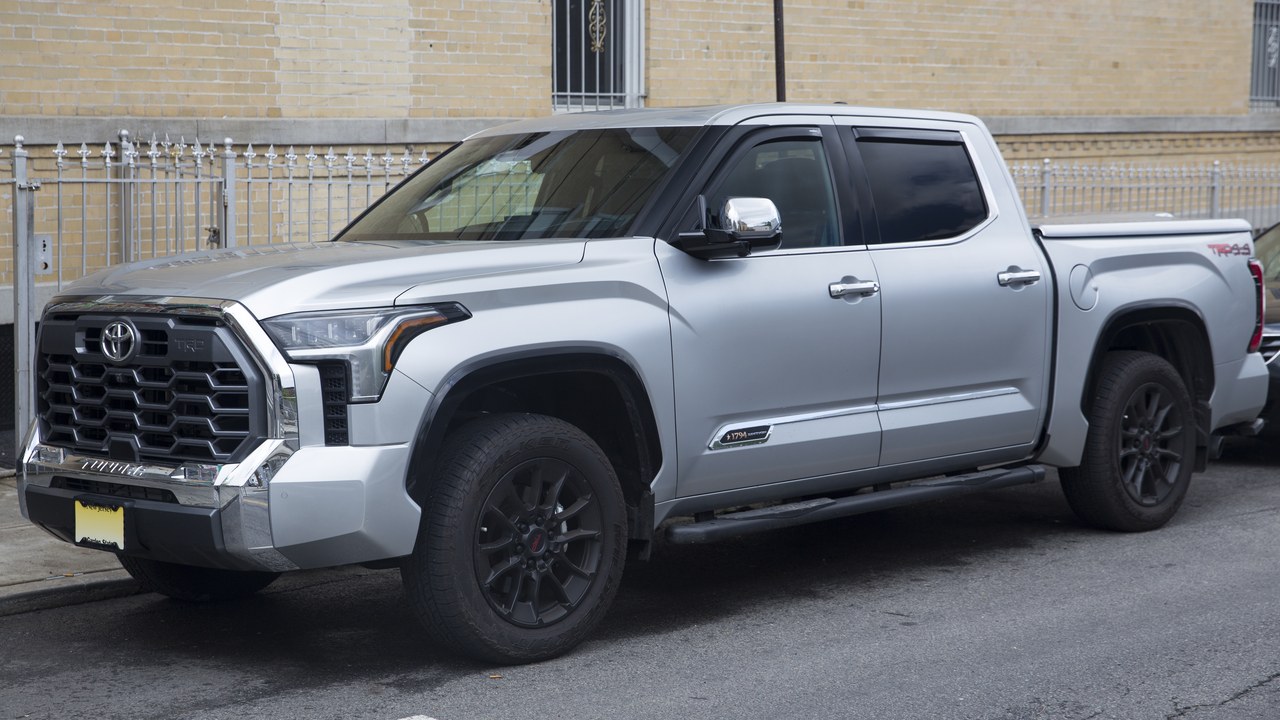
Toyota retired the 5.7-liter V8 and replaced it with a twin-turbocharged 3.5-liter V6, yet the i-FORCE Tundra still returns combined ratings in the high teens at best, and less whenever the bed or a trailer is loaded. Downsizing looked decisive on the spec sheet; under load the turbochargers erase much of the advantage.
The i-FORCE MAX hybrid slots an electric motor between engine and transmission, which buys torque rather than meaningful economy. On a truck sold largely on durability, fuel consumption stays the weakest line in the specification.
6. Nissan Titan: The Last V8 Holdout
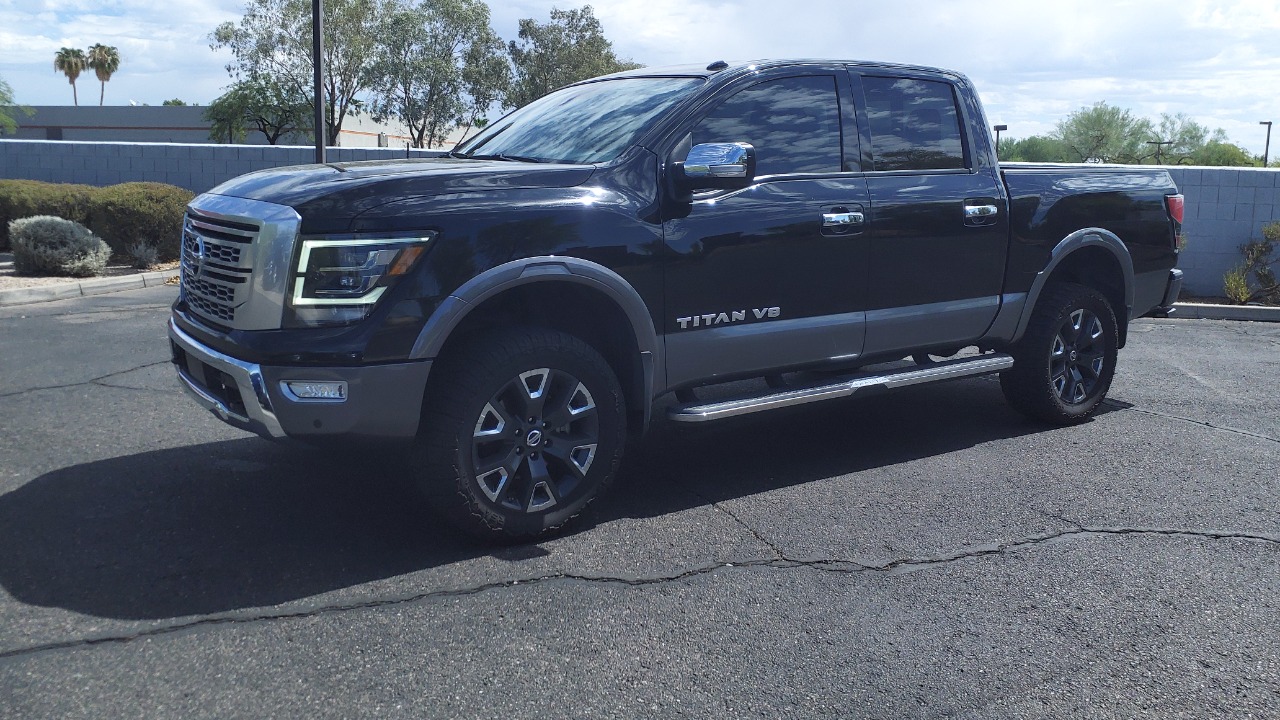
One engine carried the Titan to the end: a 5.6-liter Endurance V8, with no turbocharged six, no diesel and no hybrid available to pull the average down. Combined ratings hovered in the mid-teens while rivals moved to smaller forced-induction engines, and the truck’s age showed nowhere more plainly.
Nissan wound up Titan production for the American market in 2024, undone by slow sales rather than any single defect. On the used market, the fuel bill is the running cost that offsets an otherwise modest purchase price.
7. Ford F-250 Super Duty: Beyond the EPA’s Reach
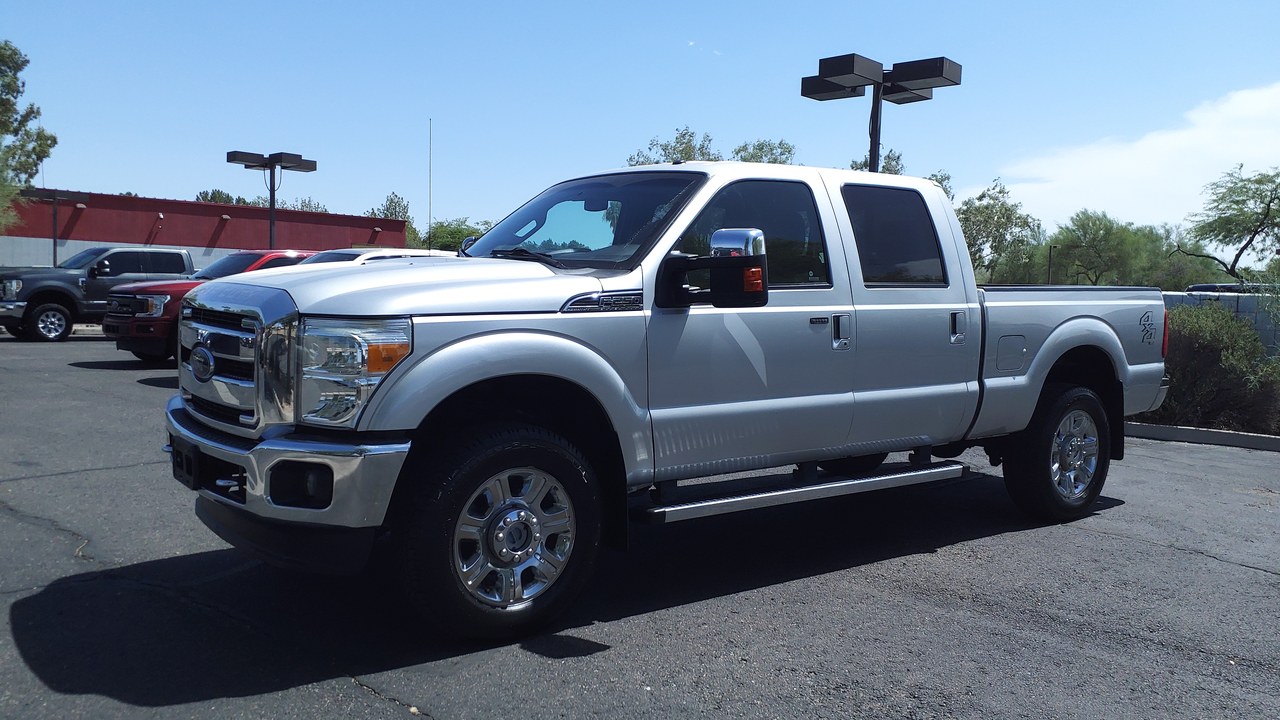
Pickups rated above 8,500 pounds gross vehicle weight are exempt from federal fuel-economy labelling, so an F-250 Super Duty reaches the showroom with no window-sticker mpg figure at all. Owners of the 7.3-liter gasoline V8 generally report high single digits to low double digits; the 6.7-liter Power Stroke diesel does better but costs more per gallon.
That missing rating is the point. Nothing forces the number into public view before the sale, and it is discovered afterwards, one fill-up at a time. Hitch a fifth-wheel trailer and the figure can halve again.
8. Ram 2500: Cummins Weight, Cummins Cost
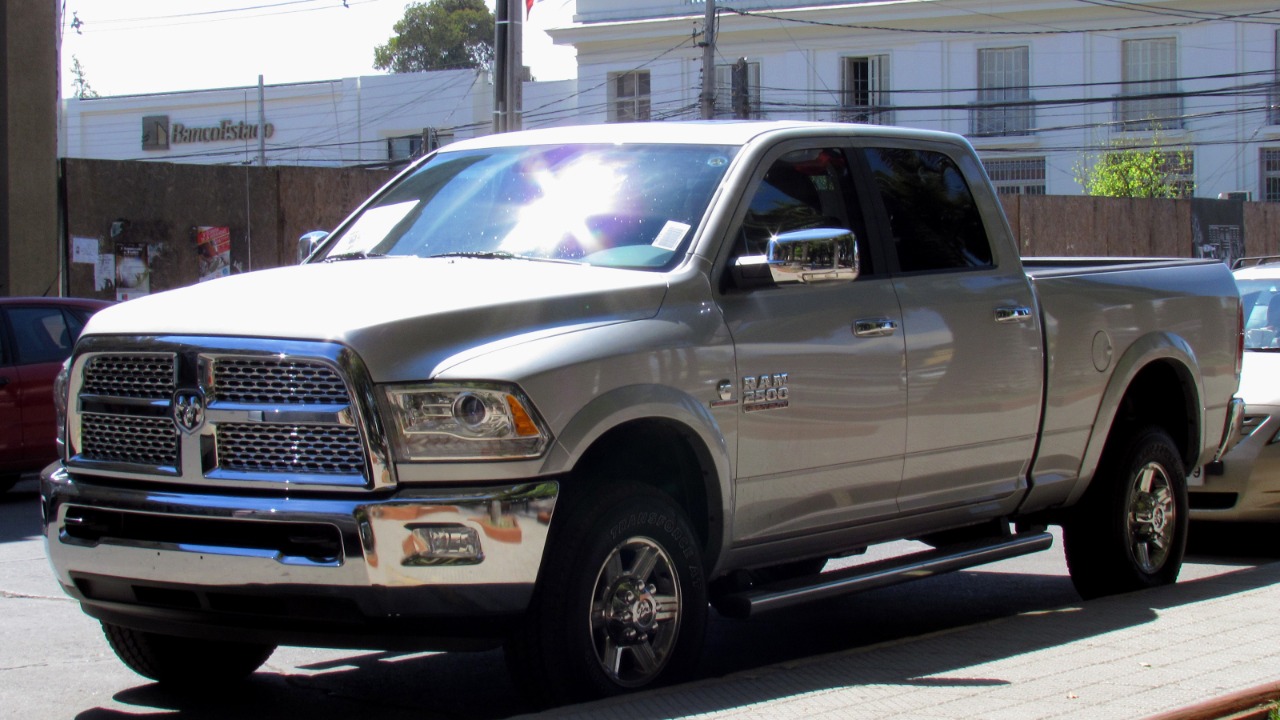
A 6.7-liter Cummins inline-six is efficient for its output, but in the Ram 2500 pickup it hauls a three-quarter-ton chassis whose curb weight passes 7,000 pounds, and heavy-duty trucks carry no EPA rating to disclose the result. The alternative 6.4-liter gasoline Hemi is thirstier still and is the cheaper way in.
Diesel exhaust fluid, higher pump prices for diesel and costlier scheduled maintenance stack on top of raw consumption. The arithmetic only works for someone towing often enough to use the capability being carried around empty.
9. Jeep Gladiator: Aerodynamics of a Brick

Wrangler styling and a pickup bed give the Jeep Gladiator a near-vertical windshield, a removable roof and a slab-sided body, a combination whose drag is far worse than a conventional truck’s. Combined ratings from the 3.6-liter Pentastar V6 land in the high teens, poor for a mid-size pickup and behind several larger rivals.
Solid axles, knobby all-terrain tires and a short wheelbase widen the deficit while delivering the off-road ability that sells the truck. The trade is deliberate, but it is paid on every tank rather than only on the trail.
10. GMC Hummer EV: Electric, Not Efficient
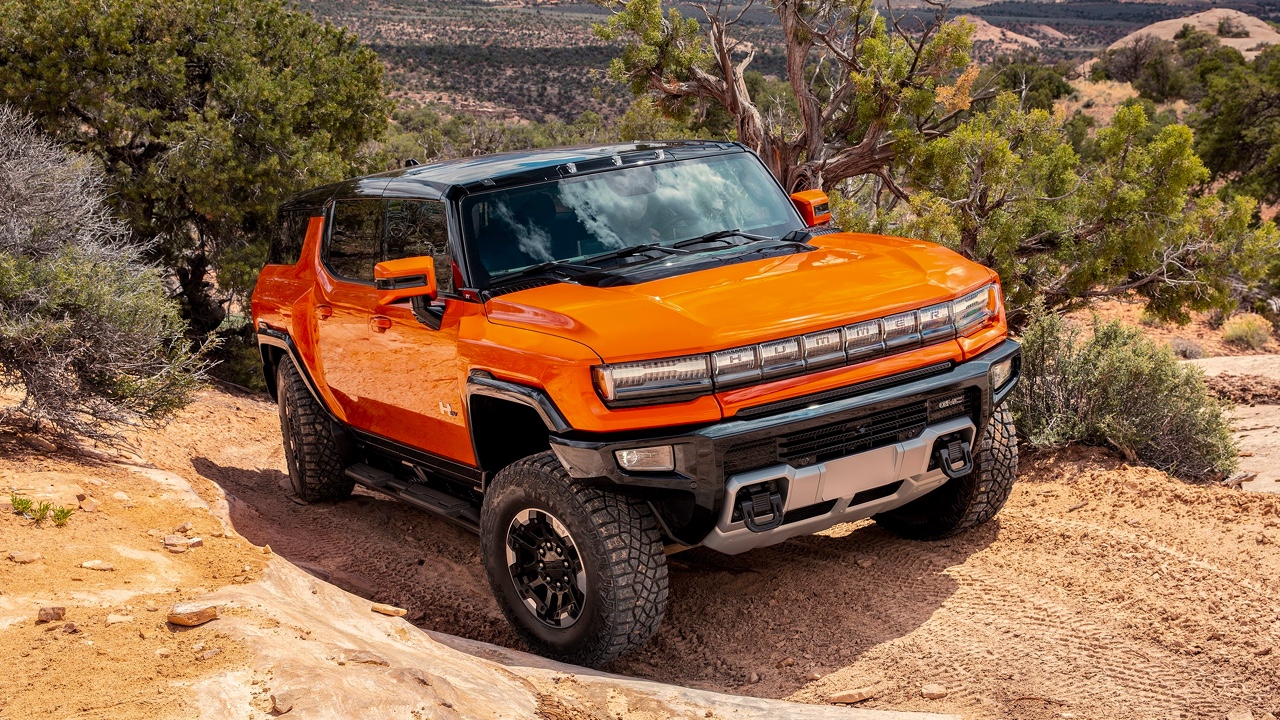
Swapping the pump for a plug did nothing to curb the appetite. The Hummer EV’s Ultium battery pack runs to roughly 200 kilowatt-hours, about double what a typical electric car carries, because the truck weighs more than 9,000 pounds. An efficiency rating near 47 MPGe places it among the least efficient electric vehicles on sale.
Consumption that heavy shows up as long charging sessions and steep electricity bills instead of gas-station receipts, and public fast charging is billed by the kilowatt-hour. Range also collapses under a trailer, the same weakness the gasoline trucks here reveal at the pump.
More from Morning Overview
