
The midsize pickup segment promises full-size utility in a friendlier footprint, and the marketing leans hard on that idea. What arrives in the driveway is often a compromise: prices that brush against half-ton territory, cabins built to a budget, and capability that stops short of the brochure. Here are nine midsize pickups whose trade-offs surprise the people who buy them.
1. Nissan Frontier: The Truck That Stood Still
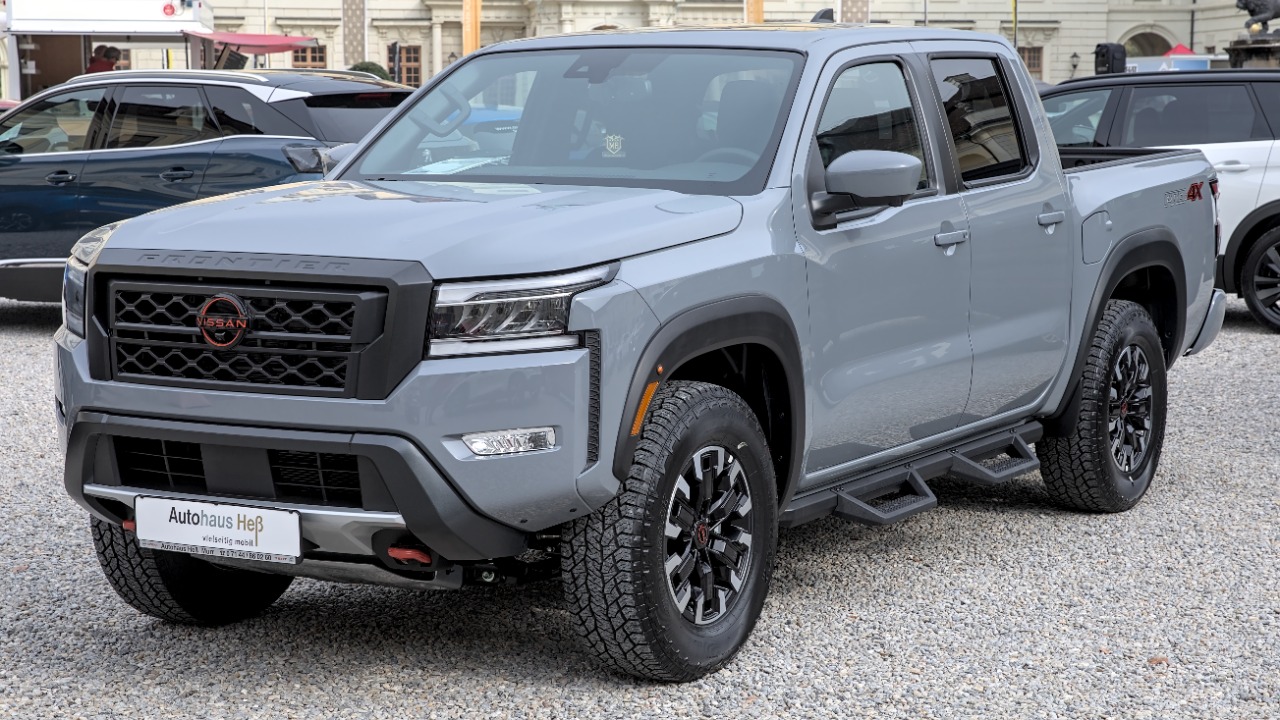
Nissan sold essentially the same second-generation pickup in North America for roughly 17 model years, a run almost unheard of in a modern showroom. Buyers of a late-run Nissan Frontier paid current-day prices for a cabin, infotainment system and driver-assistance kit drawn up in the mid-2000s, hauled around by a thirsty 4.0-liter V6.
The replacement reset less than the fresh sheet metal implied, carrying over a revised version of the same body-on-frame architecture and a familiar naturally aspirated V6. The result is a better cabin rather than a fundamentally different vehicle, and fuel economy still sits near the bottom of the segment.
2. Jeep Gladiator: Trail Hardware At A Premium

Strip away the bed and the Jeep Gladiator is a Wrangler, which means solid axles front and rear, a roof and doors designed to come off, and a body that generates real wind noise at highway speed. It also lands with one of the highest entry prices in the class, and its 3.6-liter V6 drinks more like a full-size truck than a midsize one.
The diesel option that once softened the towing and mileage math was discontinued, narrowing the range back to a single gasoline engine. Weekend trail users generally get what they paid for; anyone who expected a quiet daily commuter with a cargo bed discovers the trade is far steeper than the showroom suggested.
3. Chevrolet Colorado: One Engine, One Body Style
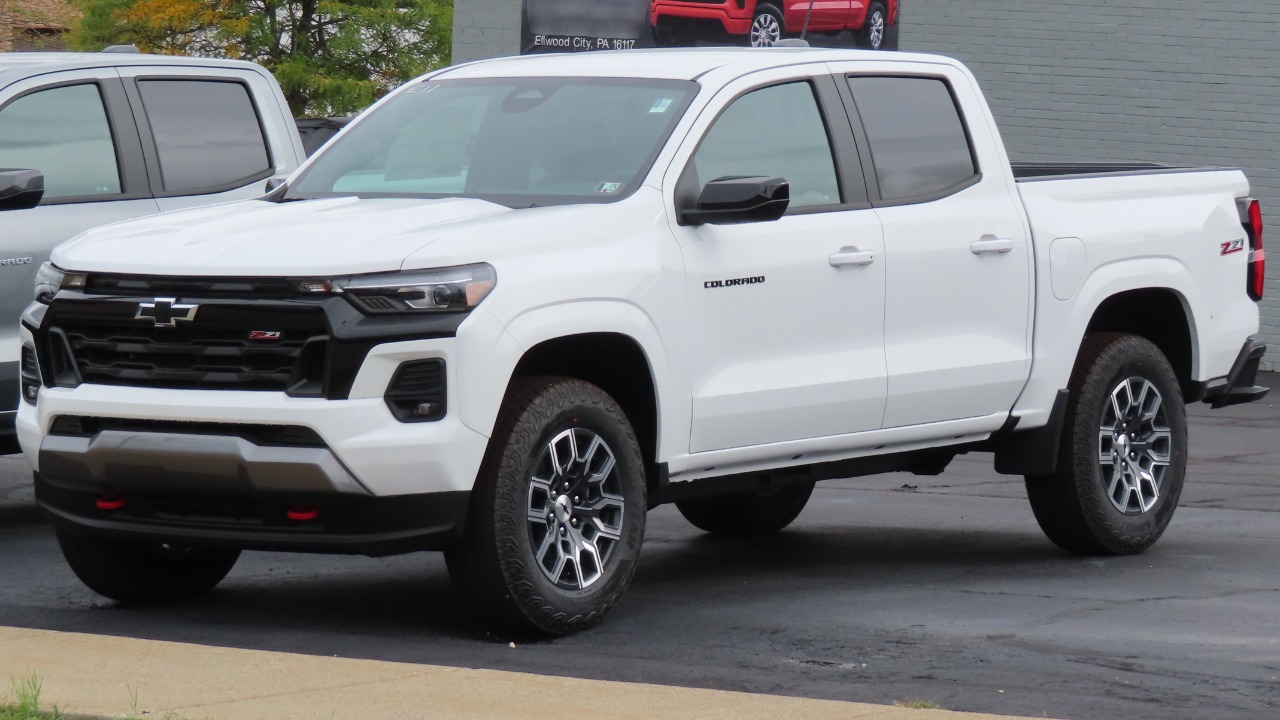
With the current generation, the lineup collapsed to a single powertrain, a 2.7-liter turbocharged four-cylinder, after both the V6 and the well-regarded diesel were dropped. Every Chevrolet Colorado is now a crew cab with a short bed, so the extended cab and longer box that earlier buyers could order have disappeared from the order sheet entirely.
Standardizing on one turbo four simplifies the factory but leaves nothing for a shopper who wanted six cylinders or diesel torque. Nor is efficiency the compensation many assumed it would be, because a small forced-induction engine moving a two-ton truck spends much of its working life under boost.
4. GMC Canyon: The Same Truck With A Bigger Sticker
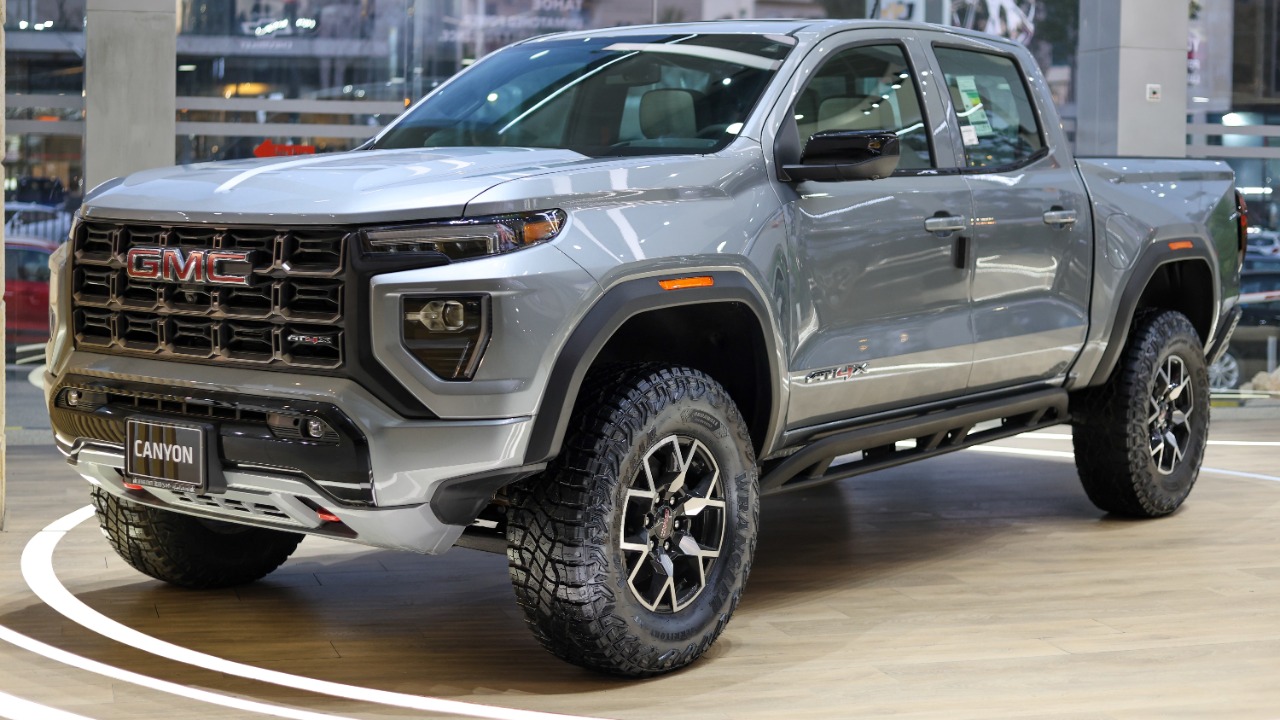
Mechanically this is the Chevrolet: identical platform, identical bed, identical 2.7-liter turbocharged four, separated by badges, grille treatment and trim materials. What the GMC Canyon does not carry over is the price, since it starts higher and its upper trims climb toward the money a well-equipped half-ton commands.
Badge engineering only disappoints when the premium buys little, and the hardware underneath is unchanged. A Denali badge inherits every limitation of its corporate twin, from the sole cab configuration to the sole engine, while the monthly payment reflects the nameplate rather than any additional capability.
5. Hyundai Santa Cruz: A Crossover Wearing A Bed
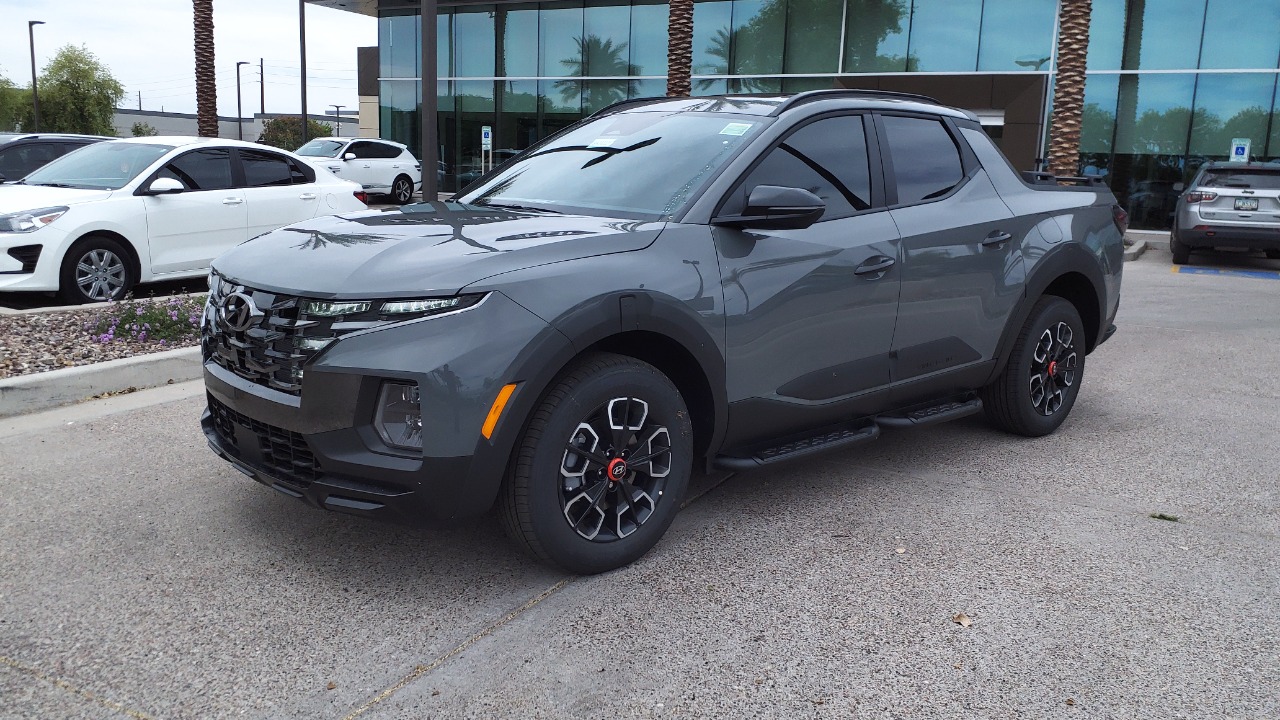
Underneath the pickup styling sits the unibody platform of the Tucson crossover, with independent rear suspension and no low-range transfer case anywhere in the driveline. The Hyundai Santa Cruz comes in one configuration, and its bed measures a little over four feet, which rules out an eight-foot sheet of plywood and most of the hauling duty the silhouette advertises.
Towing tops out well beneath what a body-on-frame competitor manages, and the turbocharged version routes power through a dual-clutch transmission that trades low-speed smoothness for efficiency. As a comfortable commuter with occasional cargo duty it works; as a substitute for a pickup it runs out of ability quickly.
6. Ford Ranger: Midsize In Name Only
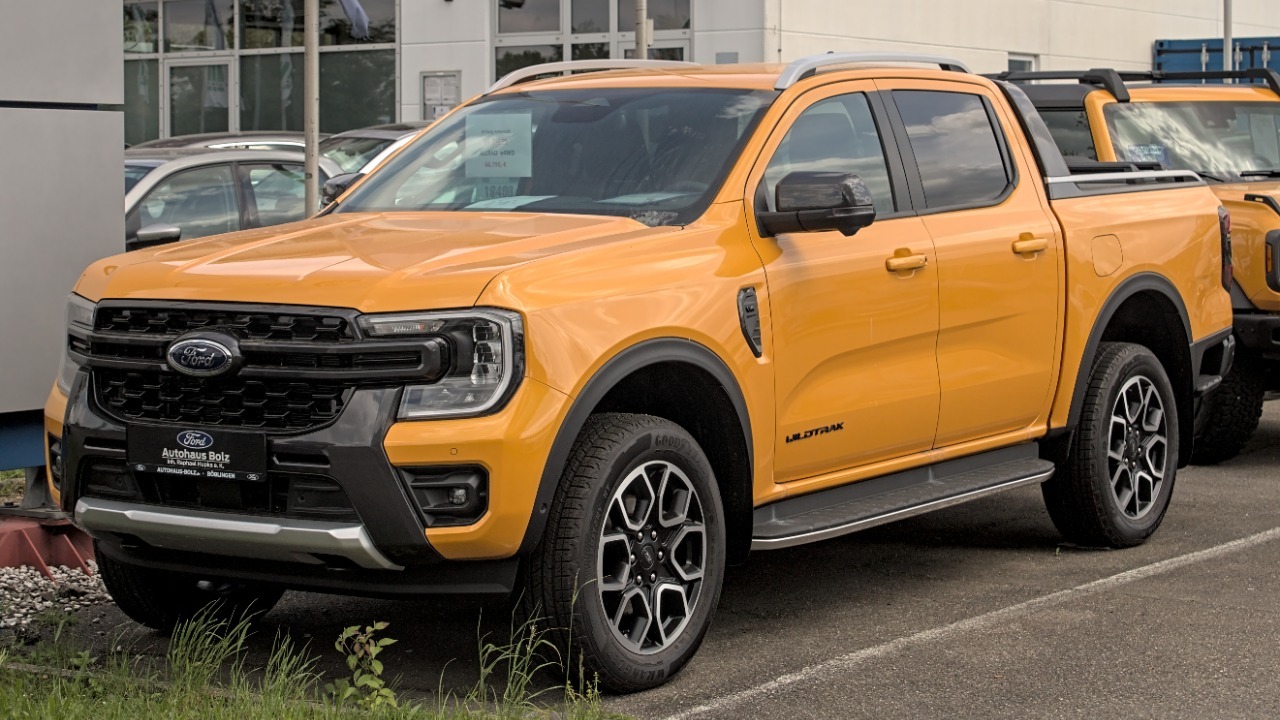
The nameplate returned to North America roughly the size of a 1990s full-size pickup, riding a global platform with a leaf-sprung live rear axle and, at first, nothing but a 2.3-liter turbocharged four. Anyone recalling the compact Ford Ranger of the 1990s meets a truck that parks like an F-150 and, once options are added, costs about as much.
Rear seating in the extended cab stays an occasional-use space, and the reward for the smaller footprint is slim in fuel-economy terms. A later redesign brought a larger optional engine and a far better interior, yet the underlying problem persists: the size advantage over a half-ton has nearly evaporated.
7. Ford Maverick: The Bargain That Stopped Being One
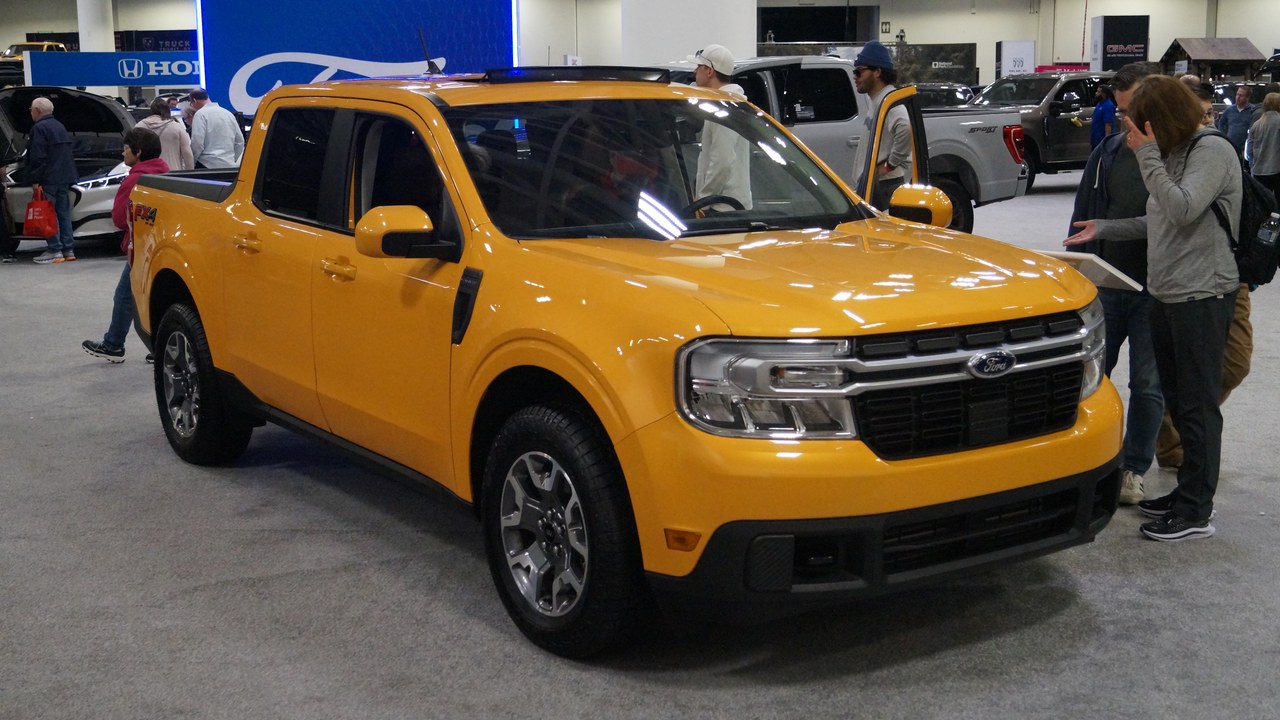
Introduced at a headline price near $20,000 with a standard hybrid drivetrain, the Ford Maverick generated waiting lists that ran for months. The catch was configuration: the hybrid launched front-wheel drive only, so buyers who wanted all-wheel drive had to take the turbocharged gasoline engine and surrender the fuel economy that created the queue.
It remains the least expensive new pickup on sale in the United States, and the compact unibody chassis borrowed from a crossover delivers precisely the modest bed and payload that implies. The letdown is expectation rather than engineering, since a truck sold on affordability has frequently been unavailable at an affordable transaction price.
8. Honda Ridgeline: Capability Capped By Design
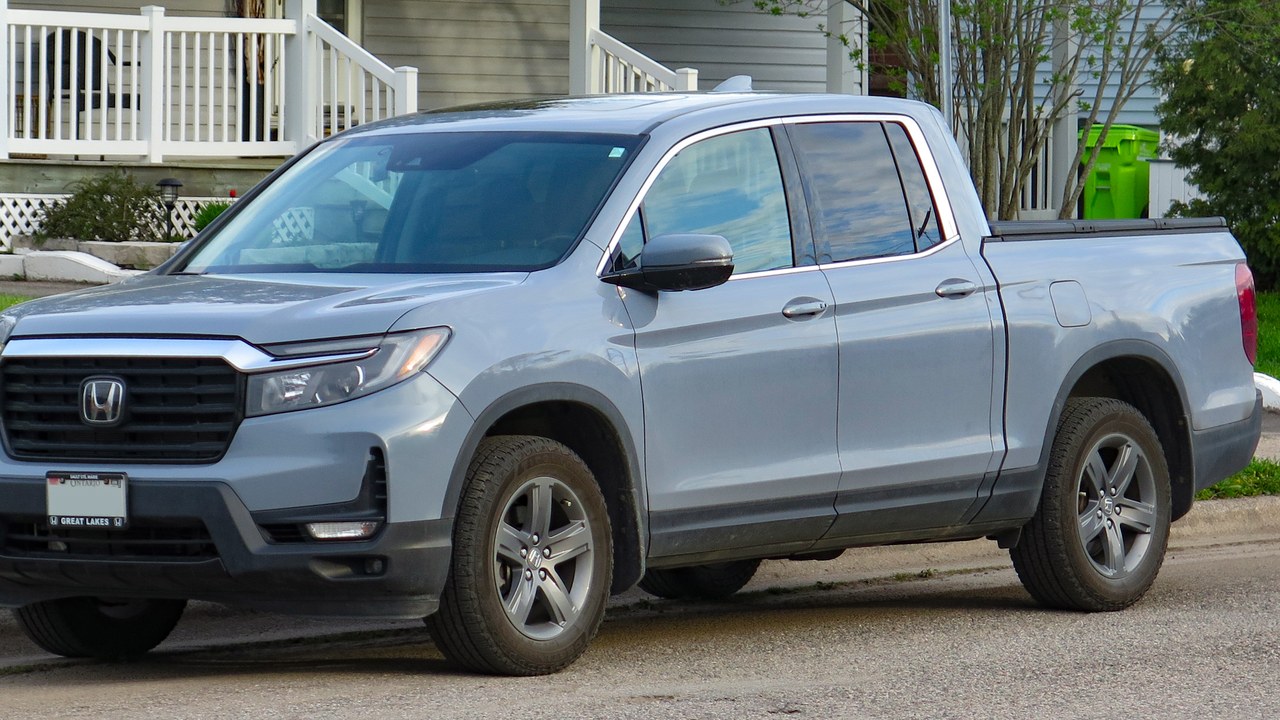
Honda built its pickup on the unibody structure that underpins the Pilot, which buys a car-like ride, an unusually clever lockable trunk beneath the bed floor, and no low-range gearing at all. Towing in the Honda Ridgeline is capped at 5,000 pounds, under what several body-on-frame rivals manage, and one cab-and-bed layout is the entire range.
Those choices are deliberate and the truck is genuinely refined, which is exactly why the ceiling stings. There is no diesel, no heavy-duty variant and no second bed length to grow into, so an owner who later needs a bigger trailer or serious trail hardware has to buy a different vehicle outright.
9. Toyota Tacoma: Reliability With An Ergonomic Catch
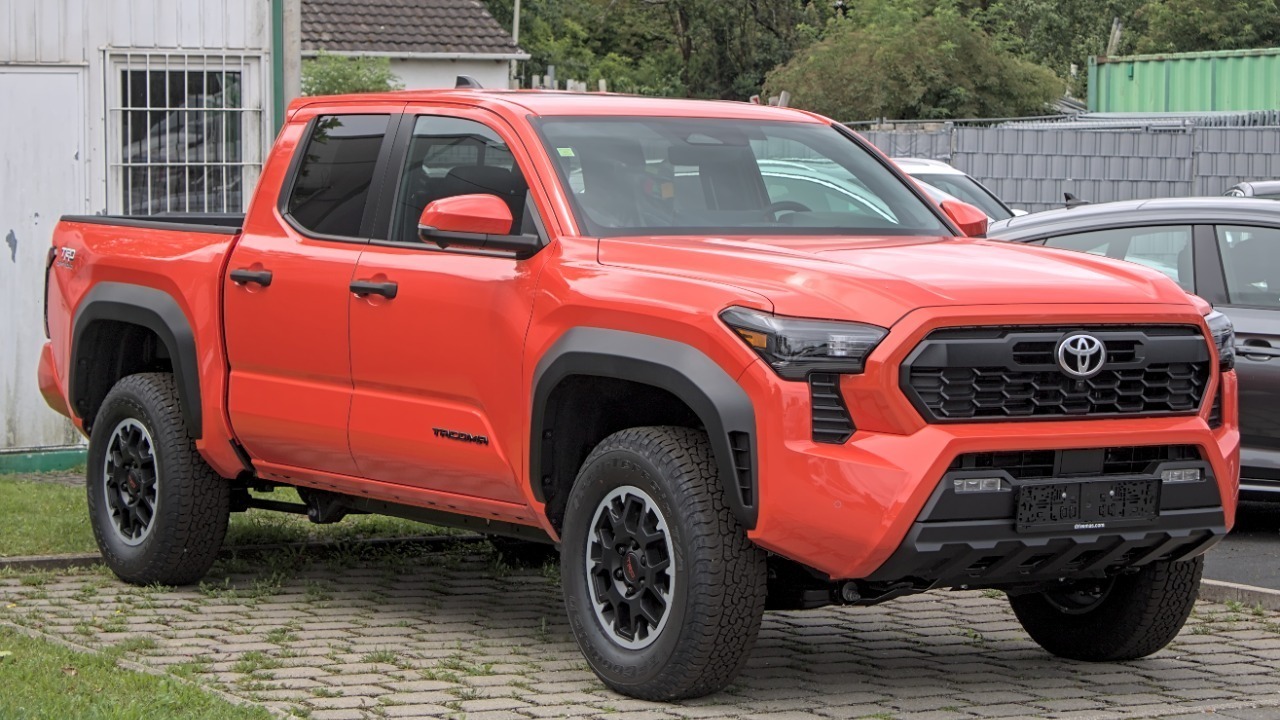
The segment sales leader earns its reputation on durability and resale value, yet the previous generation shipped with a low, knees-up driving position and a steering wheel that tilted without telescoping. Drivers who simply do not fit the Toyota Tacoma tend to find out after the paperwork is signed, and the six-speed automatic behind its 3.5-liter V6 hunted for gears in ordinary traffic.
Ride quality from the leaf-sprung rear stayed firm and busy with an empty bed, an awkward trait in a truck bought overwhelmingly for commuting. A full redesign addressed the seating and the powertrain, but the most trusted nameplate in the class spent years coasting on reputation while asking owners to adapt to it.
More from Morning Overview
- The FTC is warning about a scam quietly draining thousands from victims
- The NSA is again telling phone owners to switch off one location setting
- A handful of car transmissions are so tough mechanics say they almost never fail
- A handful of SUVs keep hitting 300,000 miles, and they share one engine trait
