
Speed limits on city streets rarely climb past a few dozen miles per hour, which puts several wild animals comfortably ahead of the traffic around them. The figures come from published speed rankings and National Park Service pages, and they span big cats, grazers, a bird and a marsupial. Here are ten animals that could keep ahead of a moving car.
1. Cheetah: Sprint Champion
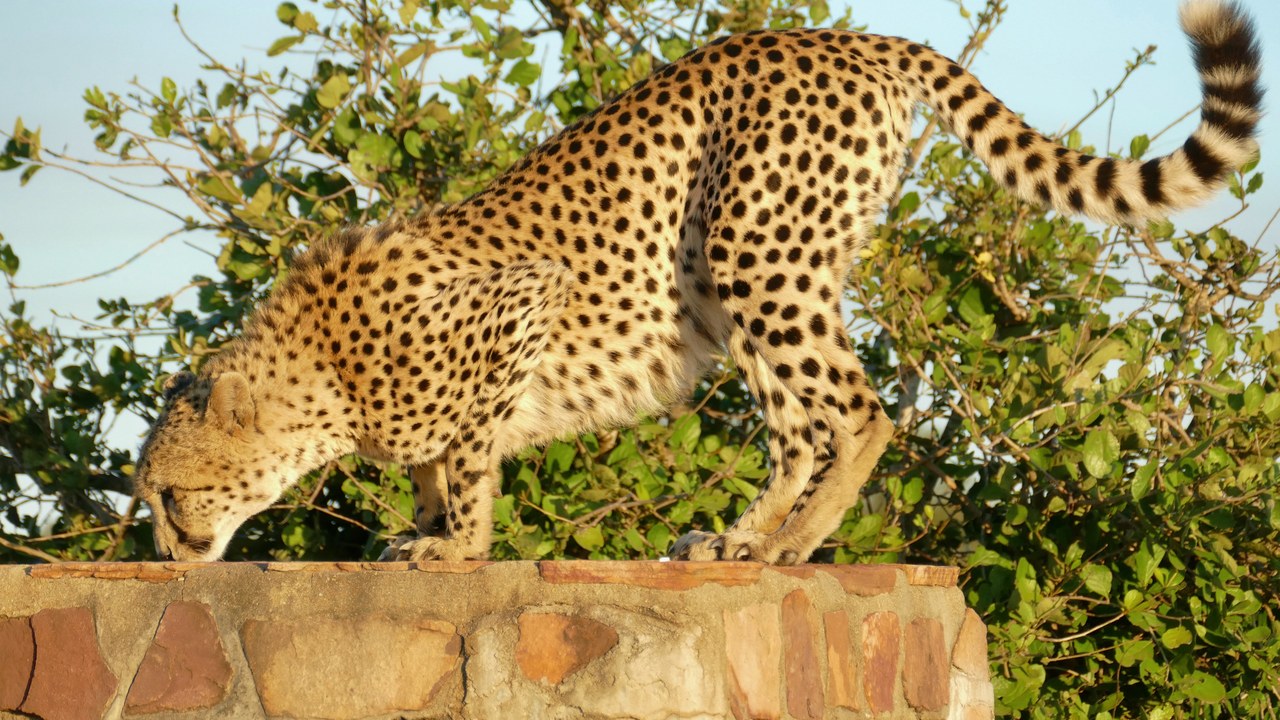
The cheetah tops every list of land speedsters, with WorldAtlas speed ranking putting its peak at 75 mph (121 km/h), the fastest of any land animal. That pace comes from a lightweight frame, a flexible spine and long legs built for short, explosive bursts rather than distance.
Urban speed limits sit far below that figure, so a cheetah in full flight would pass any car on a city street. The catch is stamina: the sprint lasts only a few hundred meters before the animal must stop and recover.
2. Springbok: Leaping Antelope
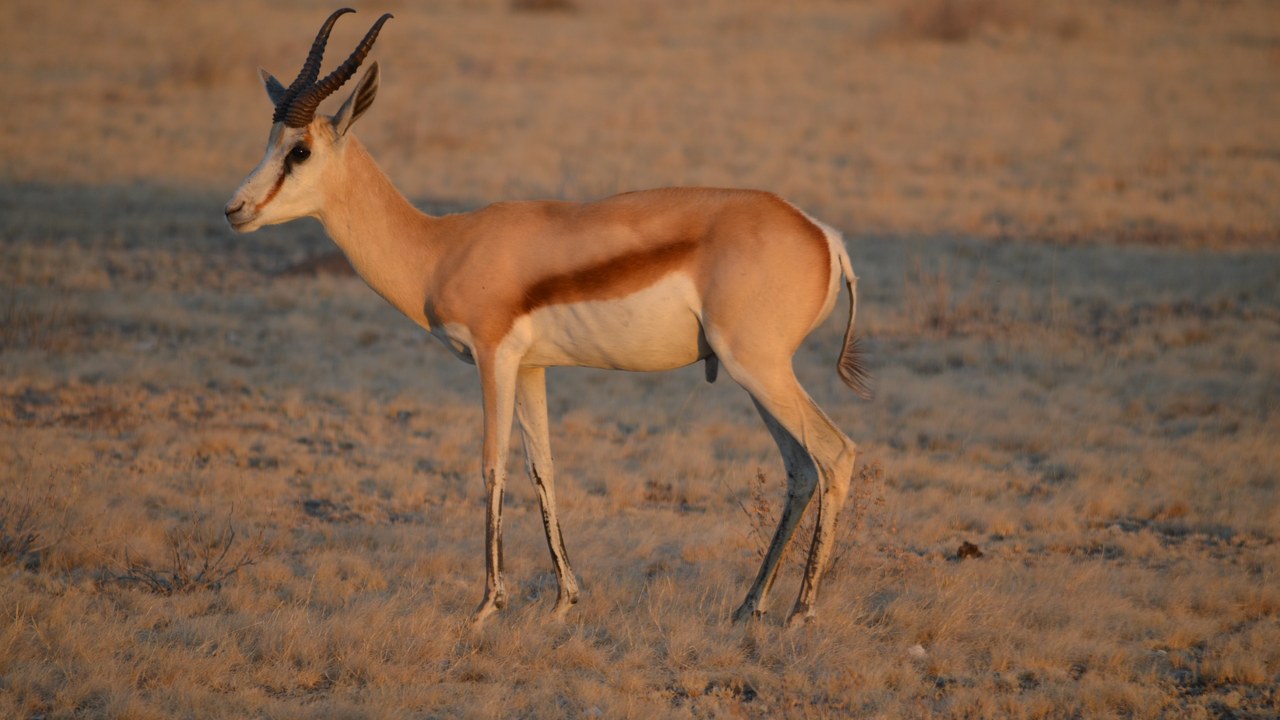
Among African antelopes, the springbok is clocked at 55 mph (89 km/h), according to a worldwide speed list. That is well beyond the pace of ordinary city driving and fast enough to leave most vehicles behind on an open road.
The species is also known for pronking, a stiff-legged bounding leap, though the sustained speed is what earns its place here. Few animals outside the big cats can hold a pace like that across open grassland. Open ground suits the species well, since its long legs and light build favor flat-out running over any attempt to hide or fight.
3. Blue wildebeest: Migrating Grazer
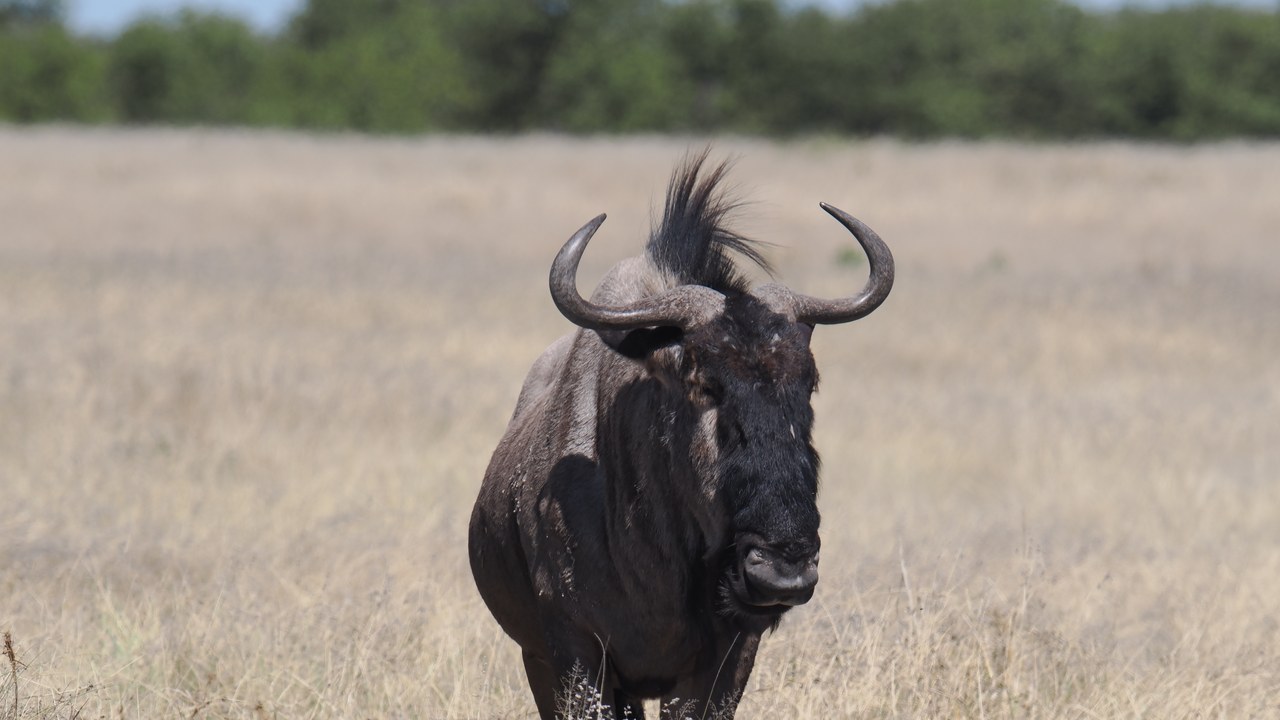
Heavy-shouldered and unassuming, the blue wildebeest still reaches 50 mph (80 km/h), a figure given by WorldAtlas’s fastest animals. It covers ground at that rate while moving in large herds across the African plains.
Fifty miles per hour is roughly double a typical urban speed limit, so a stampeding herd would outpace traffic with ease. The speed is a survival tool, since predators regularly target the herd’s slower members. Calves are on their feet and moving within minutes of birth, a trait that lets the young keep up when the herd bolts from danger.
4. Lion: Pride Hunter
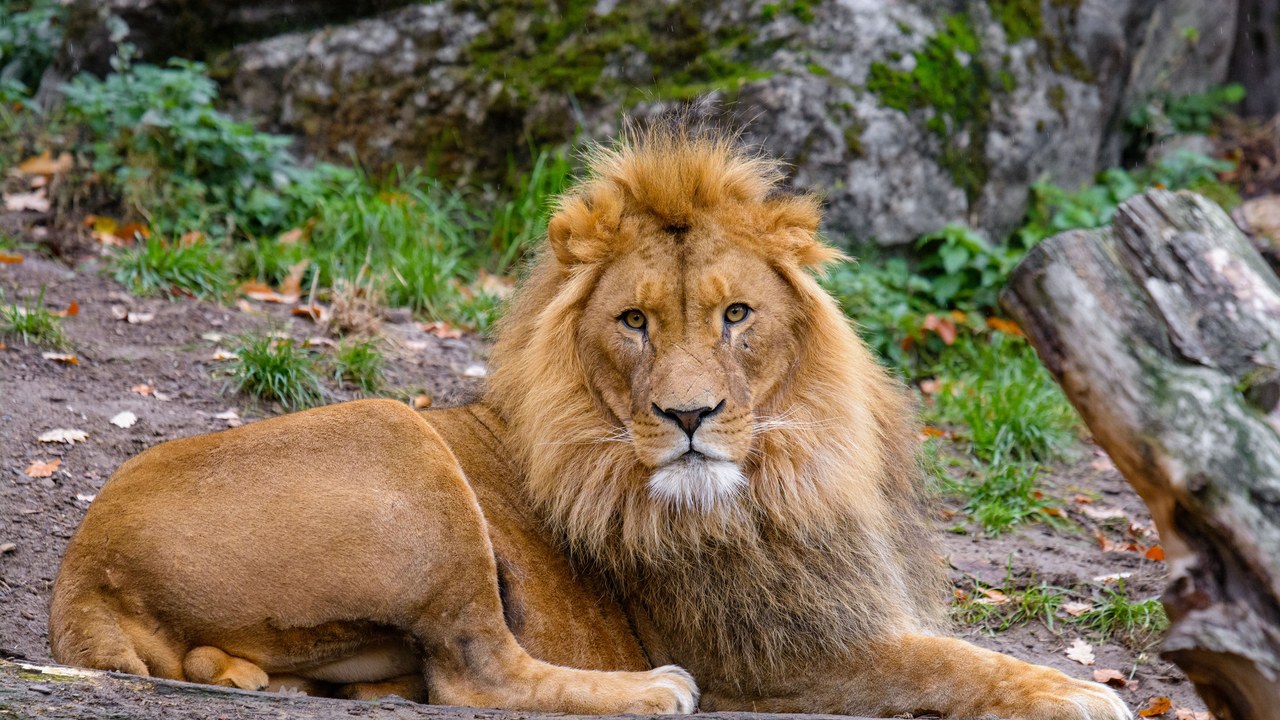
The lion shares its 50 mph (80 km/h) top speed with the wildebeest, as this animal speed guide reports. For a predator that heavy, the figure is notable, though it applies only to short rushes toward prey.
Lions rely on ambush and teamwork instead of long chases, so the speed rarely lasts more than a brief dash. Even so, a sprinting lion could keep pace with a car moving at highway speed for a short stretch. Males carry a heavy mane and females do most of the hunting, so the fastest sprints in a pride usually come from the lionesses closing on prey.
5. Cougar: Silent Ambusher
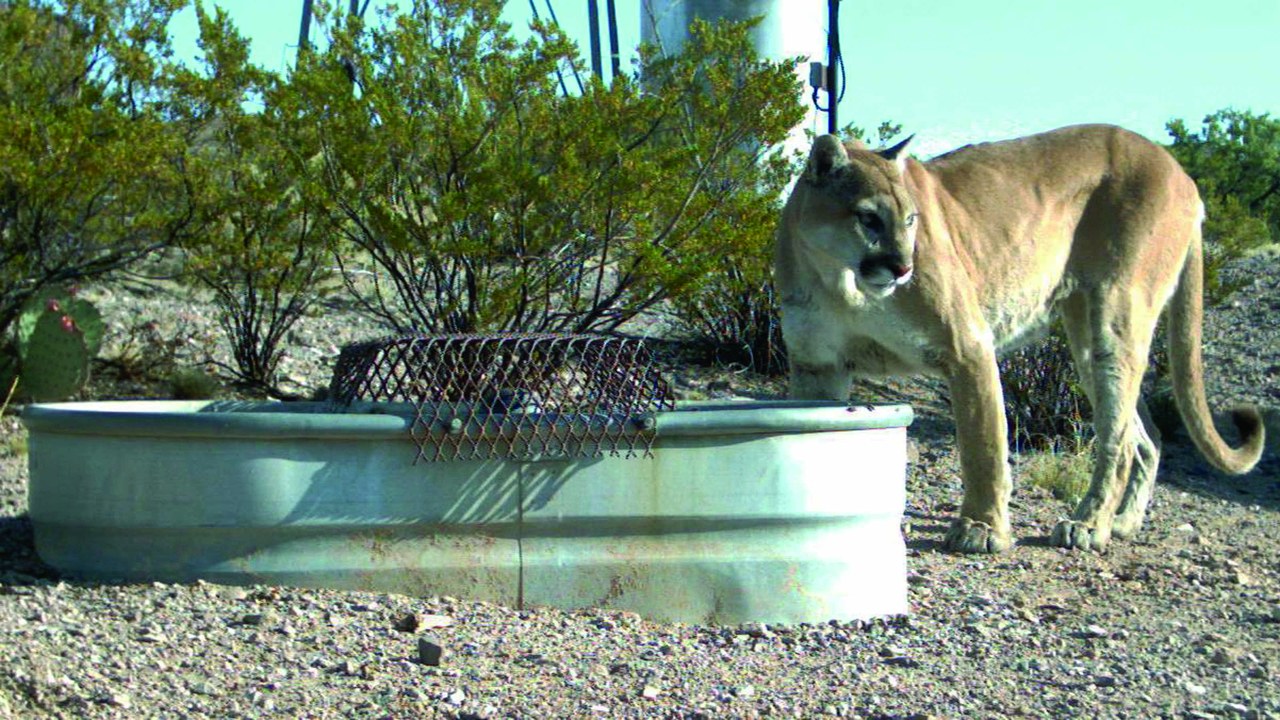
The cougar reaches a maximum speed of 80 km/h (50 mph), according to Active Wild’s land-speed rankings. The big cat ranges widely across the Americas and relies on stealth, powerful hind legs and a sudden burst to close on prey.
The figure matches the lion’s, which is striking for an animal that often hunts alone in forest and mountain terrain. In practice, cougars rarely run in the open, preferring to ambush from cover rather than pursue. The animal’s long, heavy tail aids balance during sharp turns, which matters more in broken, wooded country than outright straight-line speed does.
6. Pronghorn: Plains Runner
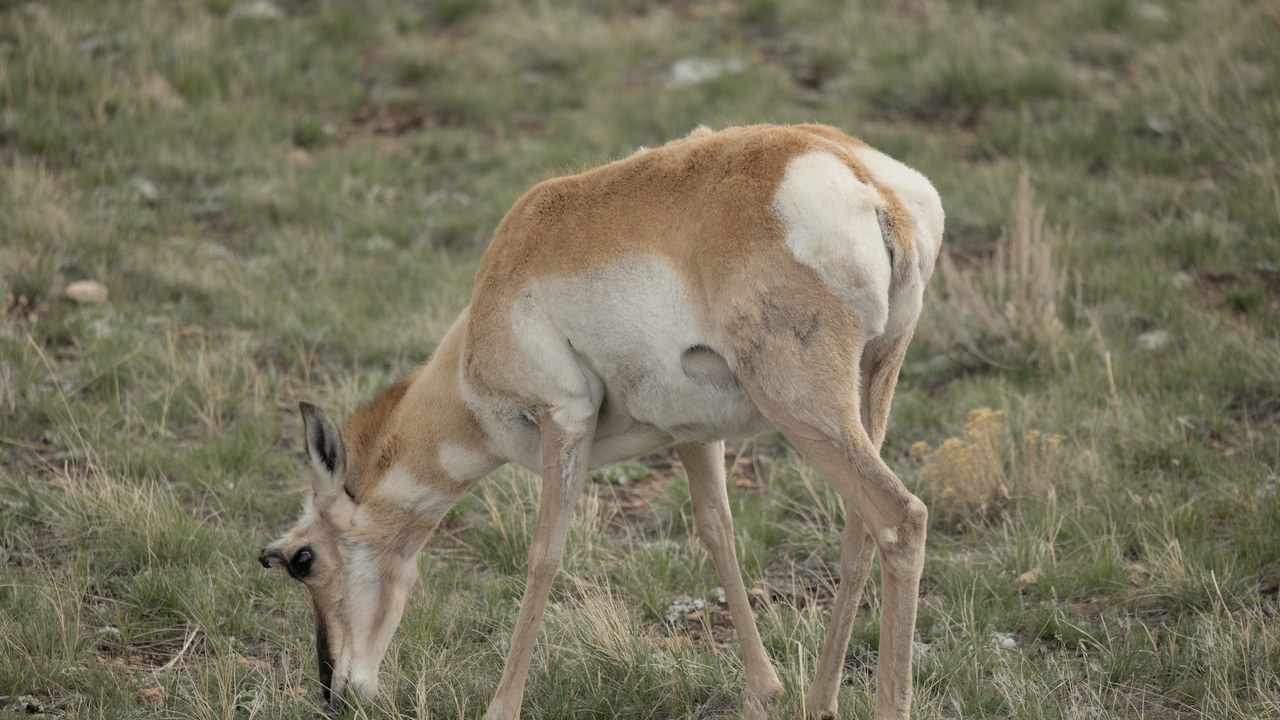
Pronghorn are built for distance as well as speed, and Yellowstone’s herds, in the Park Service’s words, can sustain sprints of 45–50 mph. Park materials tie that ability to an adaptation for outrunning an extinct cheetah that once hunted North American grasslands.
Few animals anywhere can hold sprints in the 45 to 50 mph range, and the pronghorn does it with no predator left to justify it. The result is a living reminder of an ancient chase that shaped the animal. Wide lungs, a large heart and long, slender legs support the effort, so a pronghorn can keep moving long after a faster animal has tired.
7. Ostrich: Flightless Sprinter
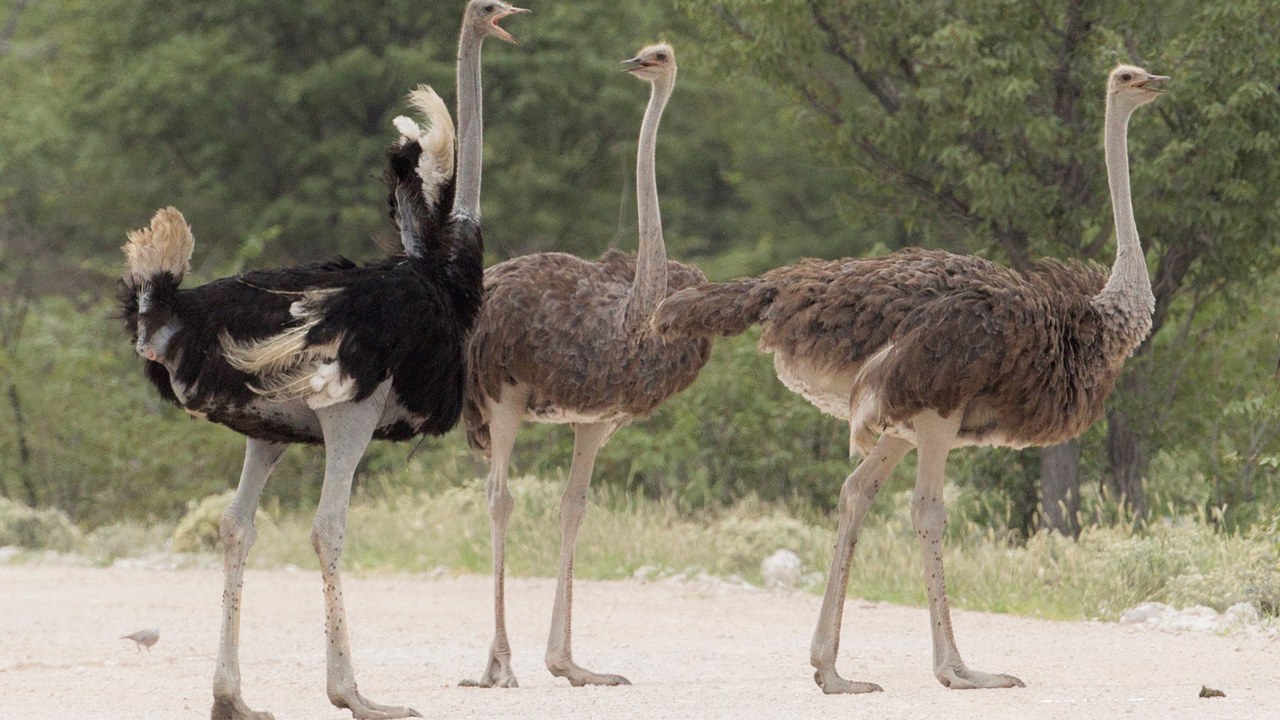
The ostrich cannot fly, but Active Wild’s ranking gives it a maximum speed of 70 km/h (43.5 mph), making it the fastest bird on land. Long, powerful legs and two-toed feet let it cover enormous strides.
That speed beats typical limits on neighborhood and downtown streets, so a running ostrich would outpace cars there. The bird’s endurance is also strong, letting it hold a fast pace far longer than most mammals can. Its legs are also a weapon, delivering a kick strong enough to deter predators, which makes the bird as formidable as it is fast.
8. Kangaroo: Hopping Marsupial
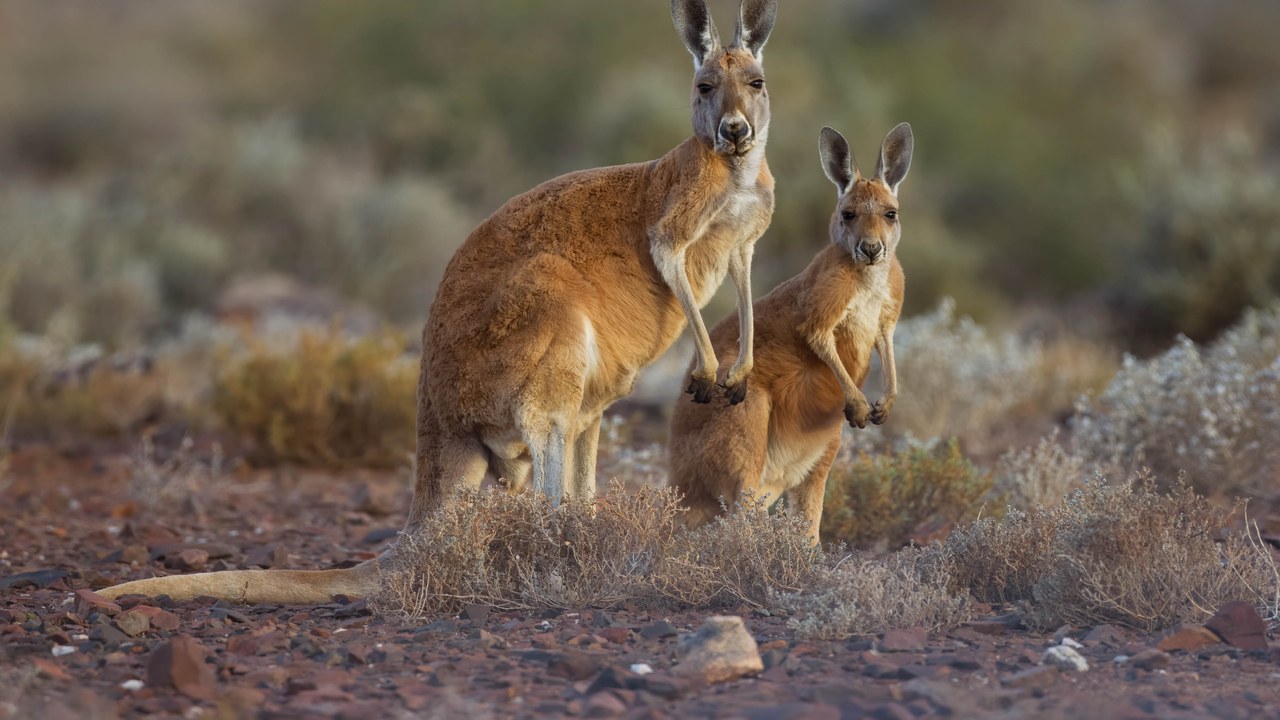
The kangaroo is rated at a maximum speed of 70 km/h (43.5 mph) by this land-speed list. It travels by bounding on powerful hind legs, with the tail acting as a counterbalance.
That hopping gait is unusually efficient, storing energy in the tendons with each landing. The result is a speed above most urban limits, and animals this size have been reported keeping up with moving vehicles on rural roads. Larger males stand tall enough to cover several meters in a single bound, which explains how the animal travels so far with so little effort.
9. Plains zebra: Striped Galloper
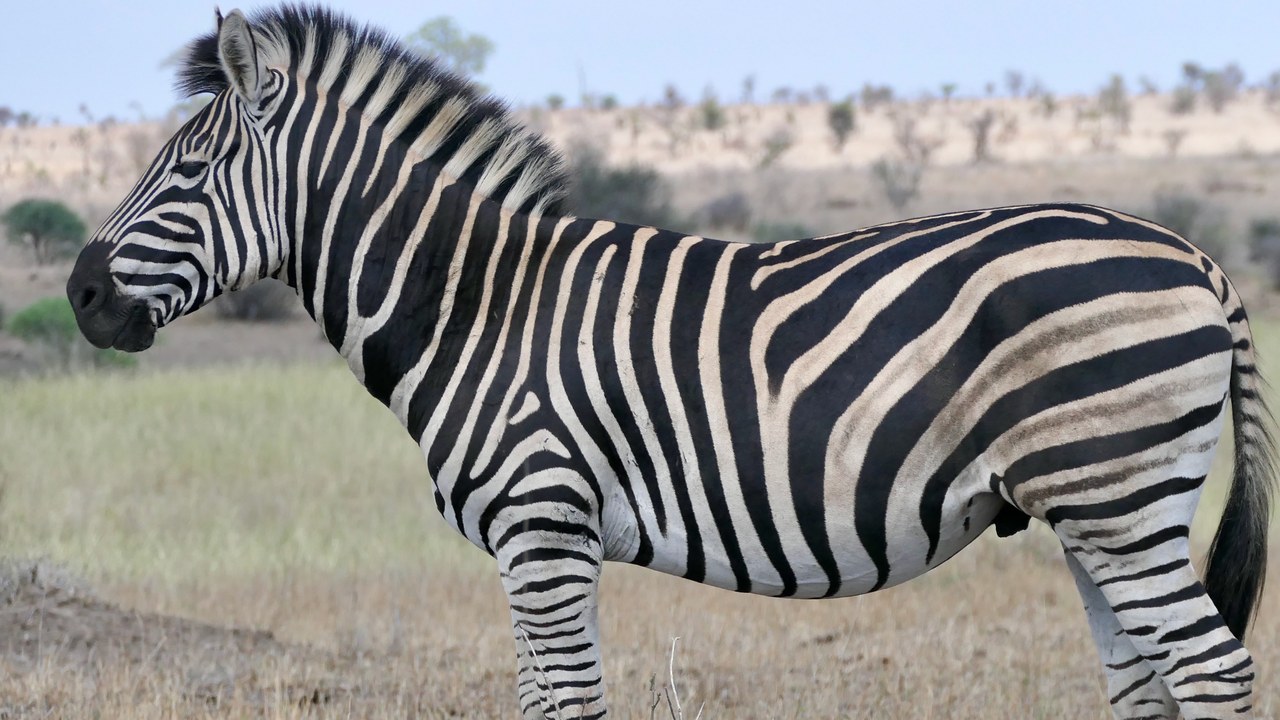
The plains zebra matches the ostrich and kangaroo at 70 km/h (43.5 mph), according to a fastest-animals chart. Its speed is a main defense on the open savanna, where lions and other predators hunt it.
Herds also confuse predators by running together, and the striped pattern makes individual targets hard to isolate. At that pace, a galloping zebra would pass cars moving at the usual speeds of city streets. Stamina counts as much as raw speed for the species, which migrates long distances alongside wildebeest and must keep moving to find fresh grass.
10. American bison: Heavyweight Runner
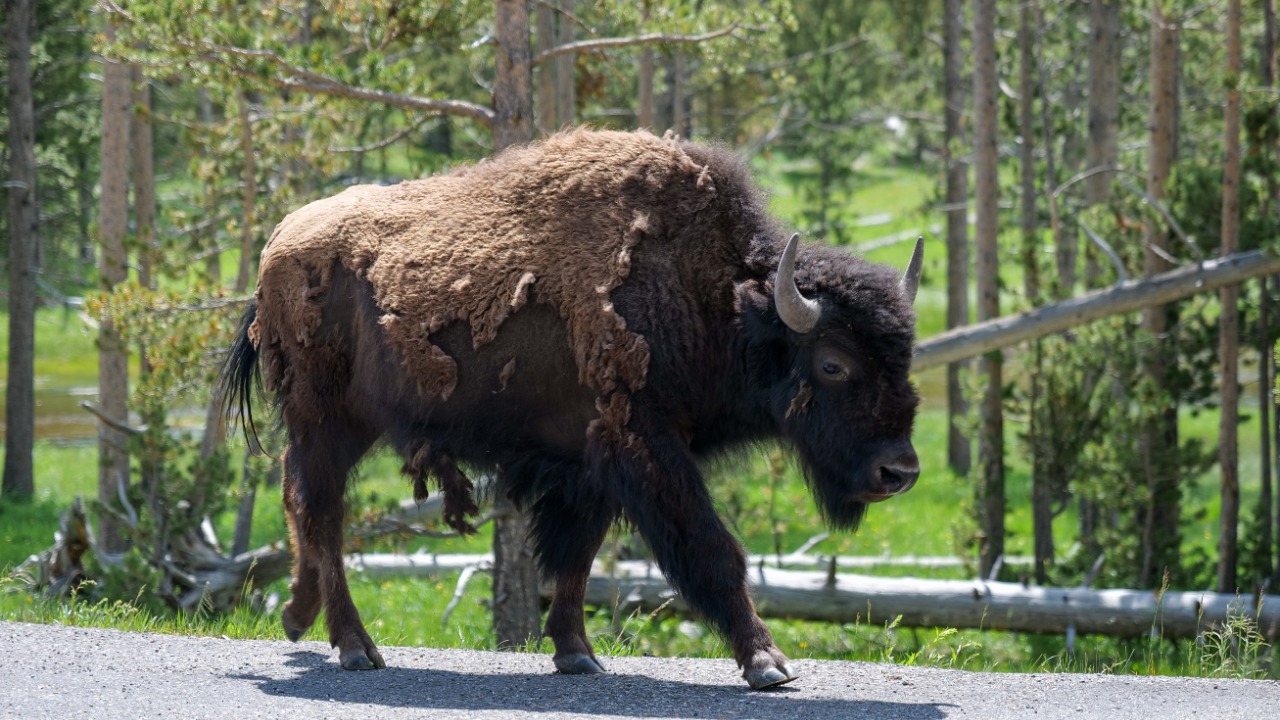
The American bison weighs up to 2,000 pounds, yet the Park Service says it can run 35 miles per hour (55 kph). That makes it surprisingly agile for an animal of such bulk.
A 35 mph burst is faster than most speed limits in residential areas, so a charging bison would overtake slow traffic. The Park Service’s warning is practical: visitors who treat the animal as docile risk misjudging its speed and temper. Males and females alike bring that mass into a gallop, and the sheer momentum involved explains why rangers insist on keeping a wide distance.
More from Morning Overview
- The NSA says three phone features should be off whenever you aren’t using them
- Hurricane Hunter radar shows four warning signs that a tropical cyclone is about to strengthen, a University of Miami study found
- Tropical Storm Rachel is dumping up to 12 inches on four Mexican states on its way to major hurricane strength
- The FTC says Lens.com doubled the price shoppers saw in Google ads
