
In the Soviet Arctic, scientists spent two decades drilling a hole more than 7 miles straight down, deeper than anyone had gone before or has gone since. They did not stop because they ran out of ambition. The rock at the bottom had become too hot, and this is the story of that hole and the other deep places humans have reached.
Read next on Morning Overview: The FAA wants $2.39 million from a flight school it says flew a Cessna about 280 times with an unapproved part
Kola Superdeep Borehole: The Deepest Hole on Earth
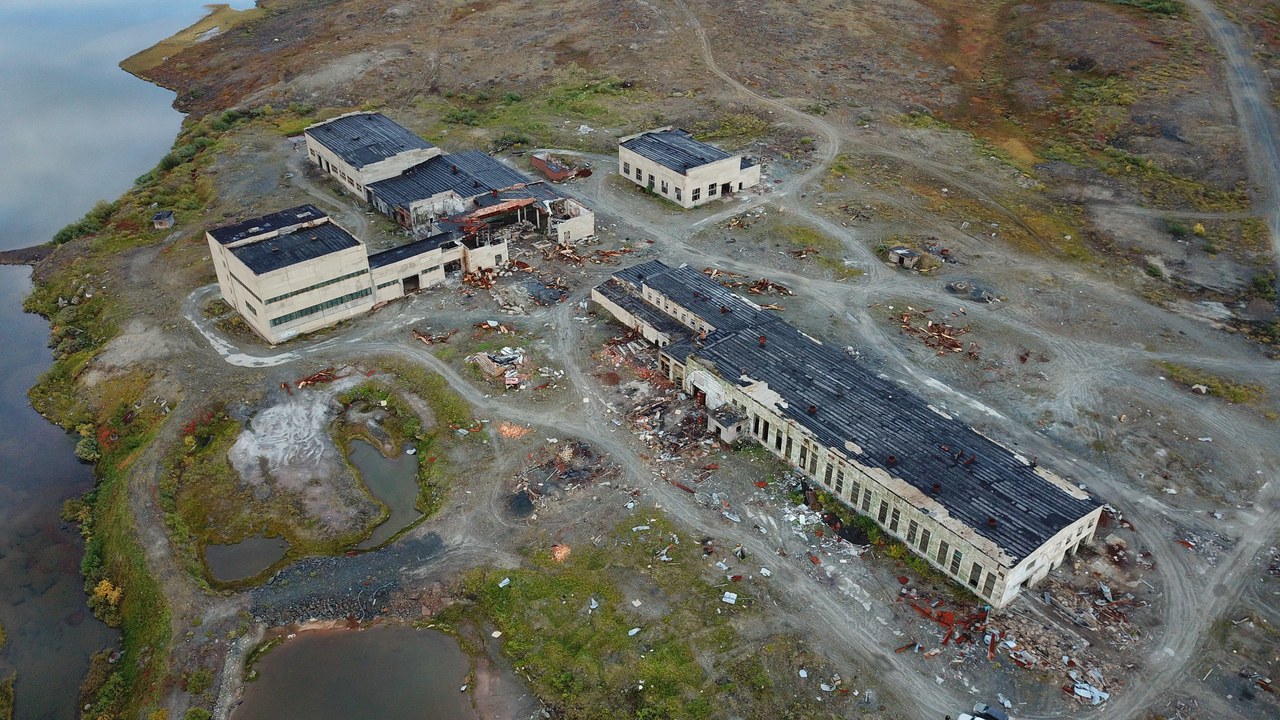
The Kola Superdeep Borehole reached a true vertical depth of 12,262 meters, about 40,230 feet, in 1989 and has been the deepest human-made hole on Earth since 1979. It was a Soviet scientific effort to drill as deeply as possible into the Earth’s crust.
The hole was not one straight shaft but several branches. Drilling of the fourth branch began in January 1991 and was stopped in 1992 at 11,882 meters because of higher-than-expected temperatures of 180 degrees Celsius, or 356 degrees Fahrenheit. Drilling ended in 1995 for lack of funding, and the borehole was later welded shut.
Kola Peninsula: Drilling for Knowledge, Not Oil
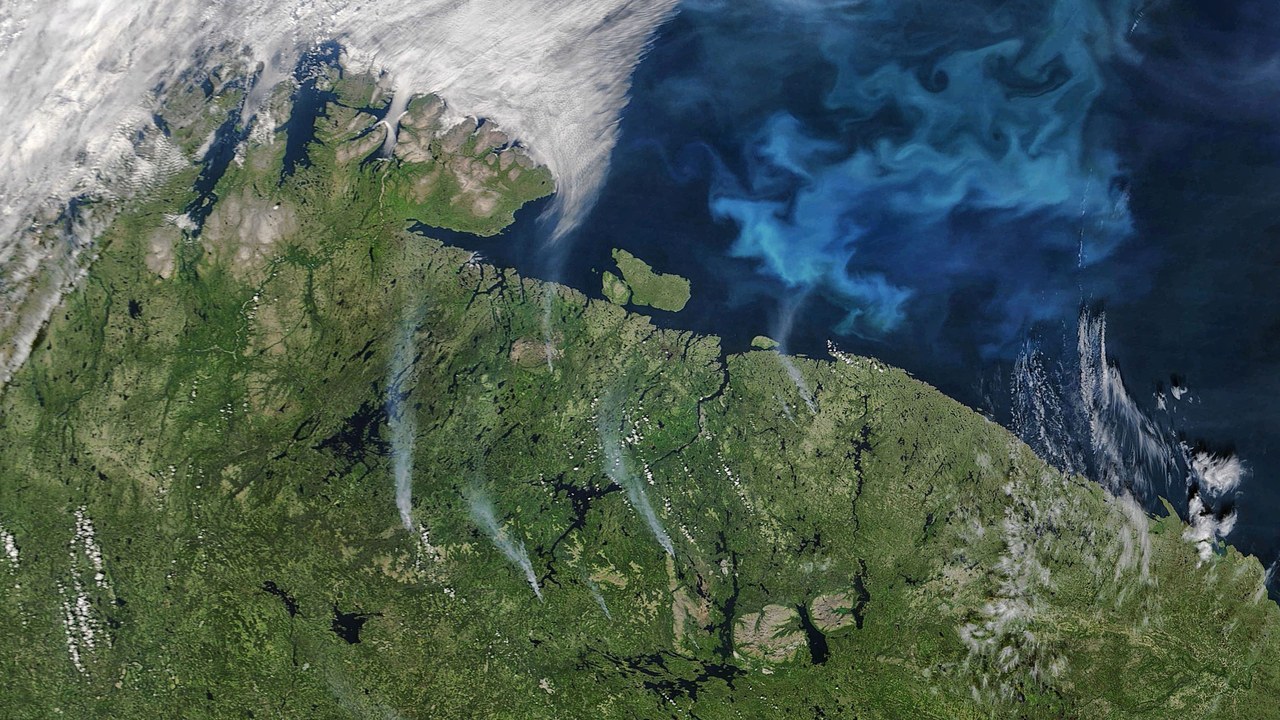
Guinness World Records lists the Kola hole as the deepest penetration into the Earth’s crust. Its goal was not oil or gas but first-hand knowledge of the planet’s interior, in particular a “zone of discontinuity” that geophysicists had detected in seismic waves.
Scientists had thought the zone marked where granite met basalt. Instead, the researchers found it was the base of a band of fractured metamorphic rock, about 6 miles down, saturated with liquid water, something never previously suspected to exist so deep. Microscopic plankton fossils were also found about 3.7 miles below the surface.
Zapolyarny: The Arctic Town Next Door
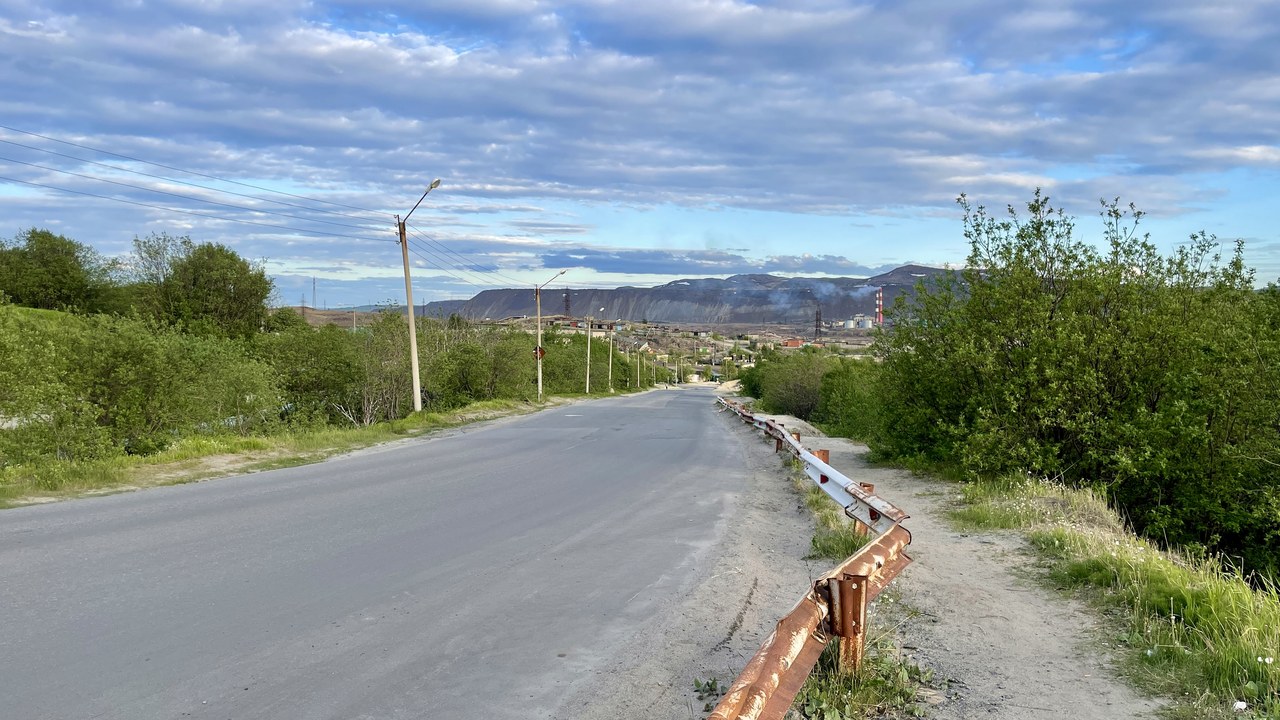
The borehole sits near Zapolyarny, an Arctic town in the Pechengsky District of the Kola Peninsula, close to Russia’s border with Norway. According to Guinness, work on the hole began on May 24, 1970, in the Soviet Union’s far northwest.
The project broke the world depth record on June 6, 1979, beating the Bertha Rogers hole in Oklahoma, which had reached 9,583 meters. Kola’s first branch hit 11,662 meters in October 1982. Guinness puts the temperature of the rocks at the bottom at about 210 degrees Celsius, or 410 degrees Fahrenheit.
Continental Deep Drilling Programme (KTB), Germany: Germany’s Answer in Bavaria
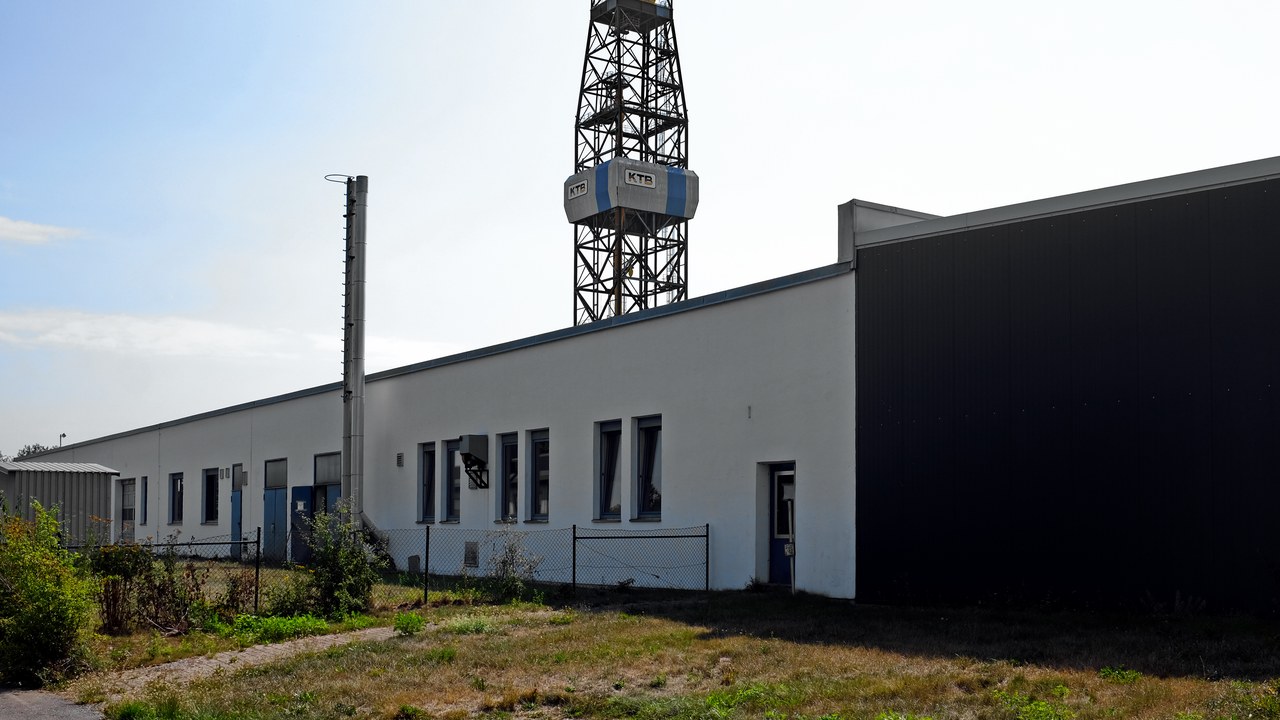
Germany ran its own superdeep project. The KTB borehole, part of the German Continental Deep Drilling Programme from 1987 to 1995 at Windischeschenbach in northern Bavaria, was drilled to a depth of 9,101 meters, about 29,860 feet.
Heat stopped it far short of Kola’s depth. The German hole reached temperatures of more than 260 degrees Celsius, or 500 degrees Fahrenheit, and its measuring program used high-temperature logging tools upgraded specifically for the project. The program wound down in 1995, the same year Kola’s drilling ended.
Empire Mine: A Gold Rush Mine Gone Quiet
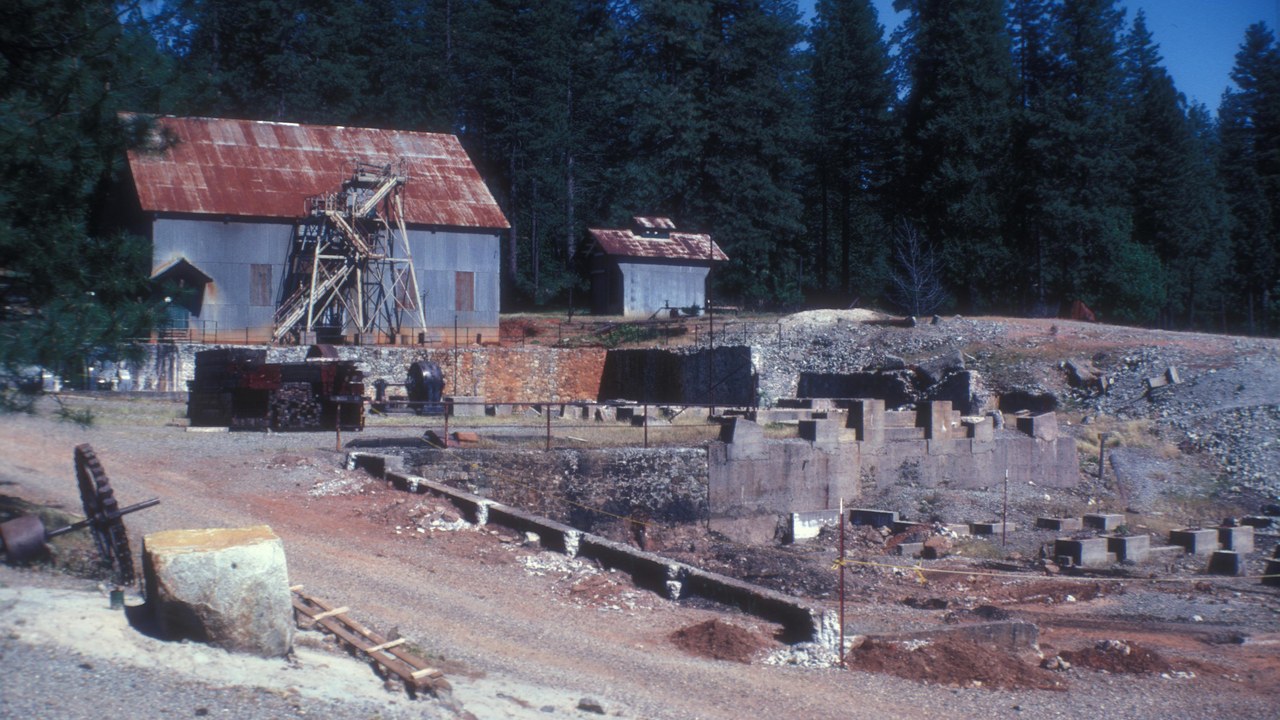
The deepest mines are far shallower than these boreholes. A 2026 ranking by Engineering News of the world’s deepest mines lists California’s Empire Mine, a 19th-century Gold Rush relic, among them, though it closed as far back as 1956.
Of the ten mines on the list, six remain active. India’s Kolar Gold Fields, once one of the oldest and most productive in the world, shut in 2001 when falling gold prices made its depth uneconomical even though gold was still in the rock. The only non-South African active mine in the top ten is LaRonde in Quebec, at 3.26 kilometers.
Mponeng Gold Mine: The Deepest Mine Ever Dug
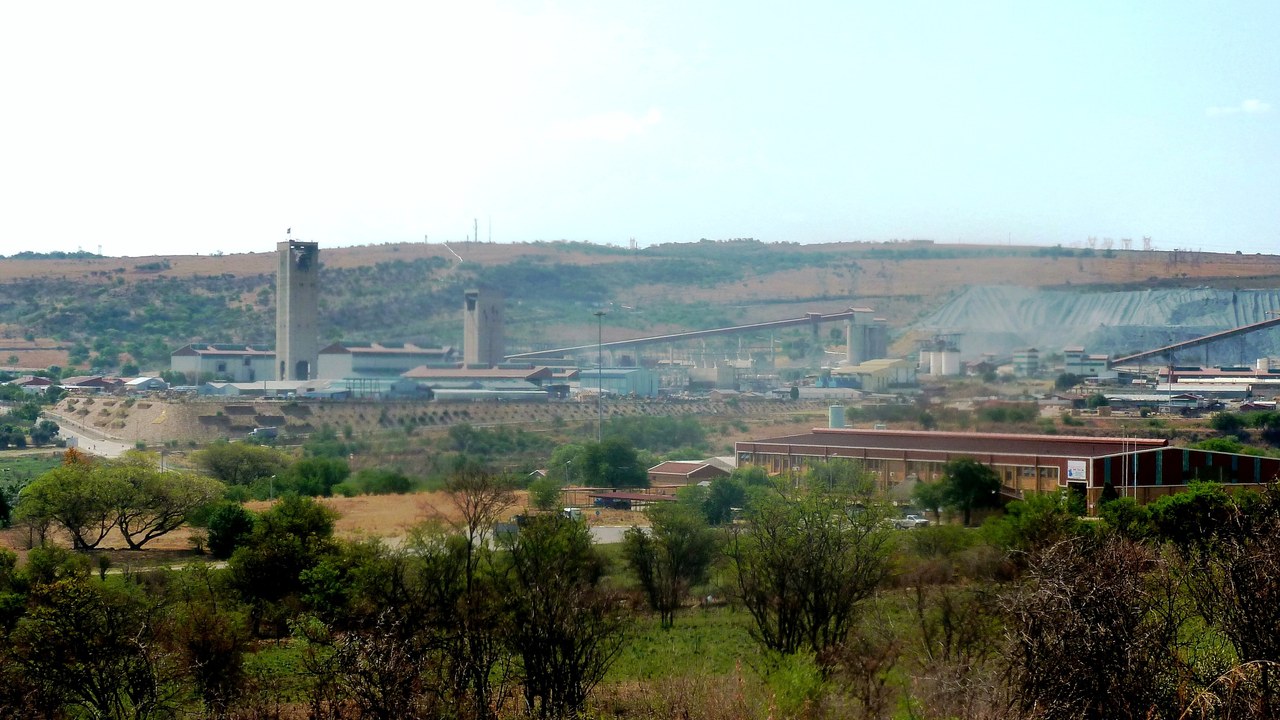
South Africa’s Witwatersrand gold basin claims seven of the ten spots on the list of the world’s deepest mines. Mponeng Gold Mine in Carletonville holds the record at 4 kilometers below the surface, about 2.5 miles.
Engineers there have chased ever-thinner reef seams buried beneath ancient rock, boring deeper than anywhere else on Earth. Even so, the deepest mine reaches only about a third of the depth of the Kola hole, which shows how much farther a narrow drill bit can travel than a working mine where people must go.
Sea of Okhotsk: A Frozen Sea Full of Oil
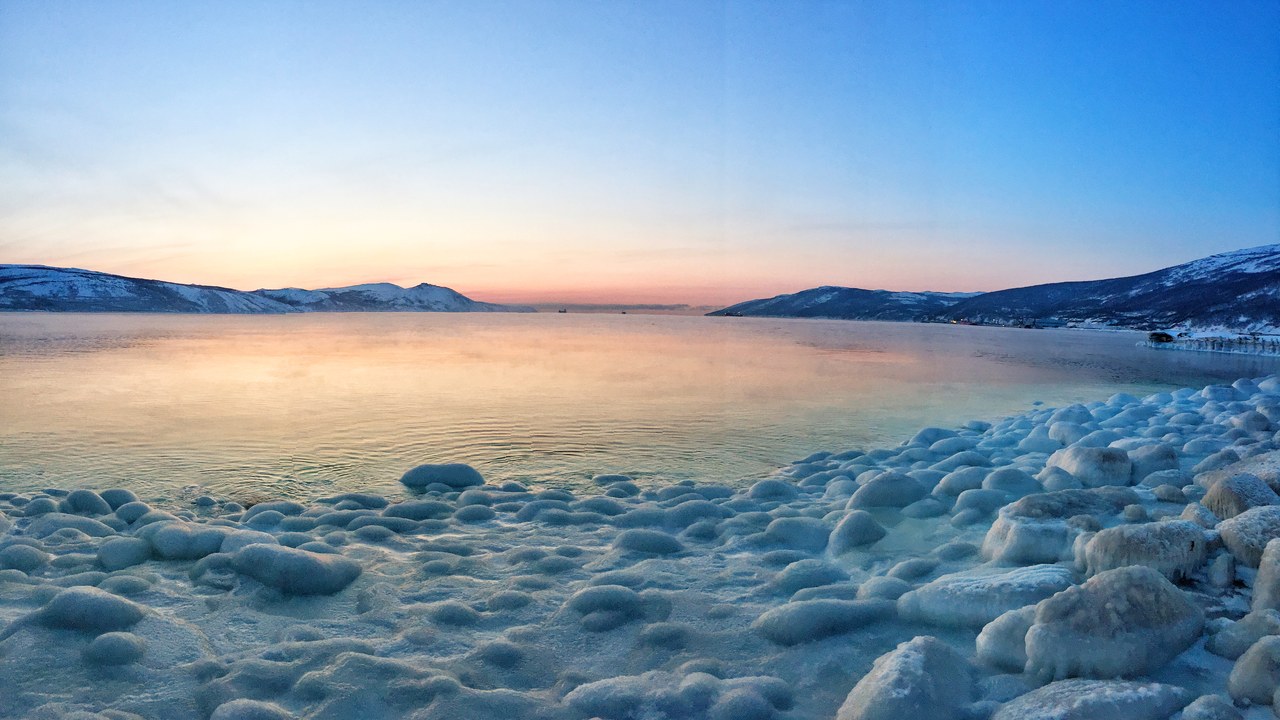
Off Russia’s Pacific coast, the Sakhalin-I consortium operates three fields in the Sea of Okhotsk: Chayvo, Odoptu and Arkutun-Dagi. The sea is frozen about four months of the year, which forced the project to drill some wells from land out under the water.
Its first rig, Yastreb, is described as the most powerful land rig in the world, standing 171 feet high and designed to drill more than 20 extended-reach wells about 6.2 miles horizontally out under the sea. ExxonMobil’s unit ran the project until it withdrew in March 2022 after Russia’s invasion of Ukraine.
Sakhalin-I (Chayvo field): The Longest Well, Drilled Sideways
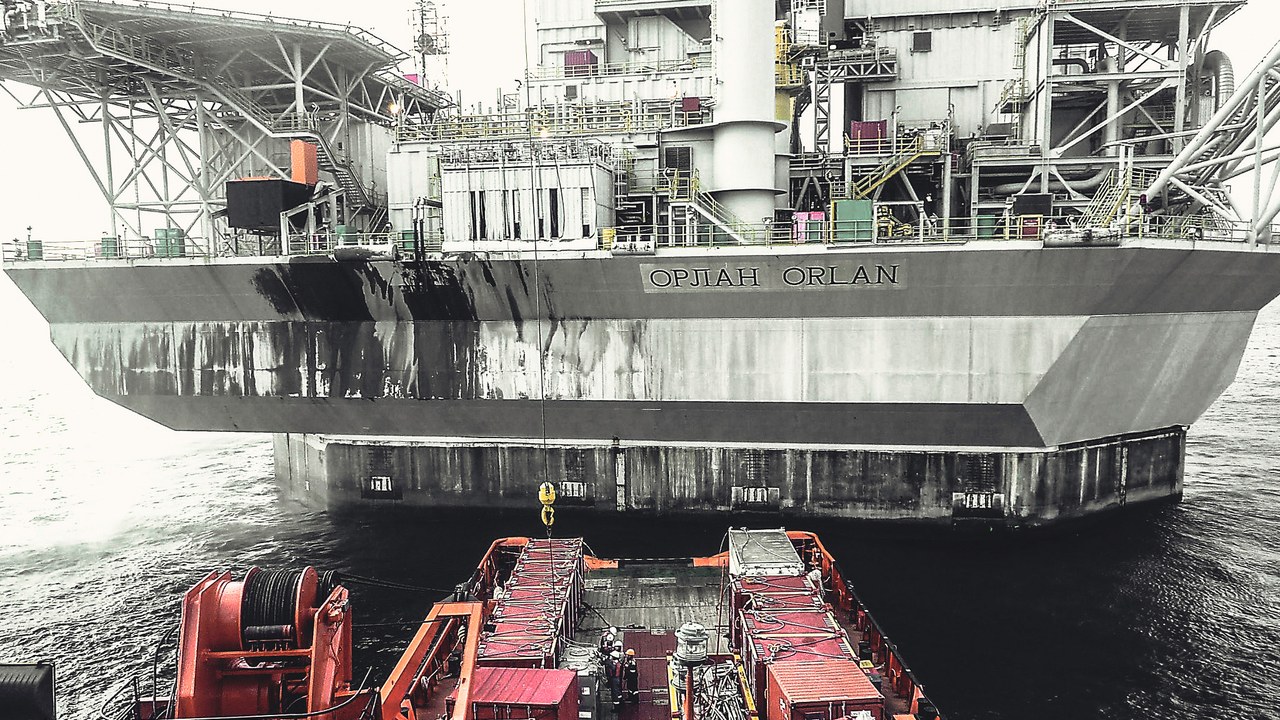
On Aug. 27, 2012, the operator completed the Z-44 Chayvo well, which reached a measured length of 12,376 meters, making it the longest well in the world at the time and longer than the Kola hole, though most of it ran sideways rather than straight down.
The project kept pushing. In November 2017, a record well reached 15 kilometers long, and from 2003 to 2017 Sakhalin-I drilled nine of the 10 longest wells in the world. Kola still holds the record for depth, because nobody has drilled straight down as far.
More from Morning Overview
- Arizona’s governor declared a statewide emergency after Flagstaff logged its wettest Nov. 1 on record
- Zero Motorcycles unveiled an electric motorcycle targeted at under $8K and a street-legal dirt bike at EICMA
- New FCC rules on how people can stop robocalls and texts take effect Nov. 25
- Neanderthals in Spain carved a wooden object that matches nothing archaeologists have ever found
