
For decades a crater in Turkmenistan’s desert has burned day and night, drawing tourists to a sight nicknamed the Door to Hell. Now the government is drilling to starve the fire of gas, and infrared images show the flames fading. Here is that story, along with the other places on Earth where the ground itself has been burning for years.
Read next on Morning Overview: A $1 billion gas plant planned for Superior, Wisconsin, has been abandoned
Darvaza gas crater: The Crater That Burned for Decades
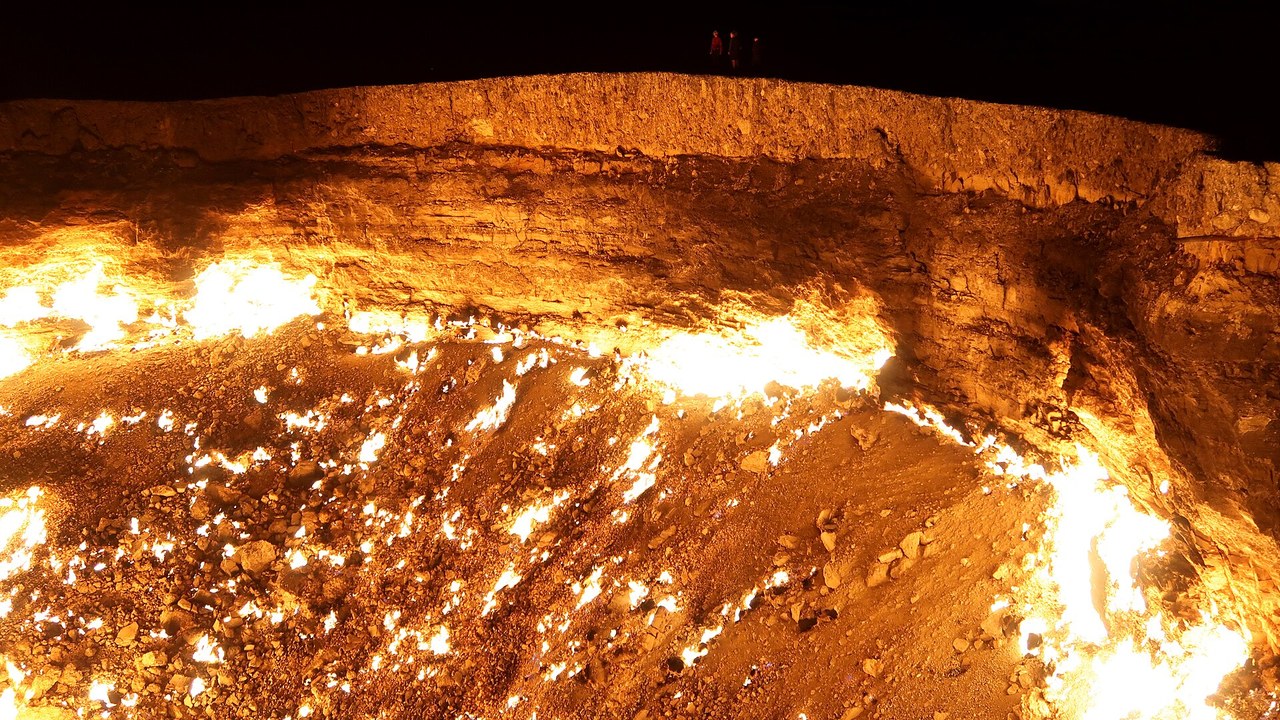
The Darvaza gas crater sits near the village of Darvaza in the Karakum Desert, about 160 miles north of the capital, Ashgabat. It measures 200 to 230 feet across and about 98 feet deep, and it has been burning since 1971, by the most common account.
The usual theory is that drilling punctured a natural gas cavern whose roof collapsed, and engineers lit the gas to stop poisonous fumes from spreading. In January 2022, President Gurbanguly Berdimuhamedow announced plans to put the fire out. Infrared images taken in 2026 show the fires declining, with heat intensity down more than 75% over three years, according to the monitoring firm Capterio.
Karakum Desert: A Tourist Draw Losing Its Glow
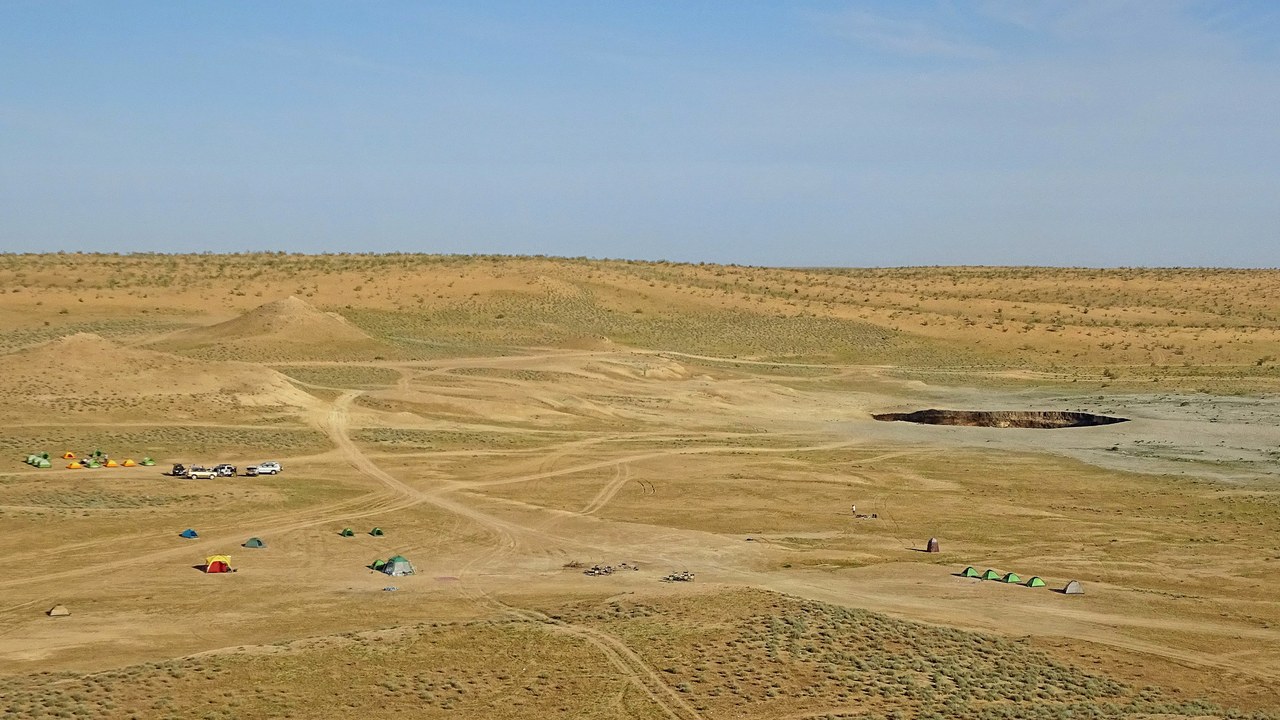
Tour operators say the crater is the most popular tourist site in Turkmenistan, and the site in the surrounding desert has been fitted with helipads, tourist yurts and its own guesthouse. But visitors have been left cold by its feeble flames, and photos from 2025 show only a few tongues of fire where countless gas jets once hissed.
On Dec. 28, 2025, the national gas company Turkmengaz described drilling a new well to divert gas from the crater’s source and “completely eliminate uncontrolled gas emissions.” A natural gas engineering expert told RFE/RL it may still not be possible to stop every leak, and that such a well could cost millions of dollars.
Centralia mine fire: America’s Own Underground Fire
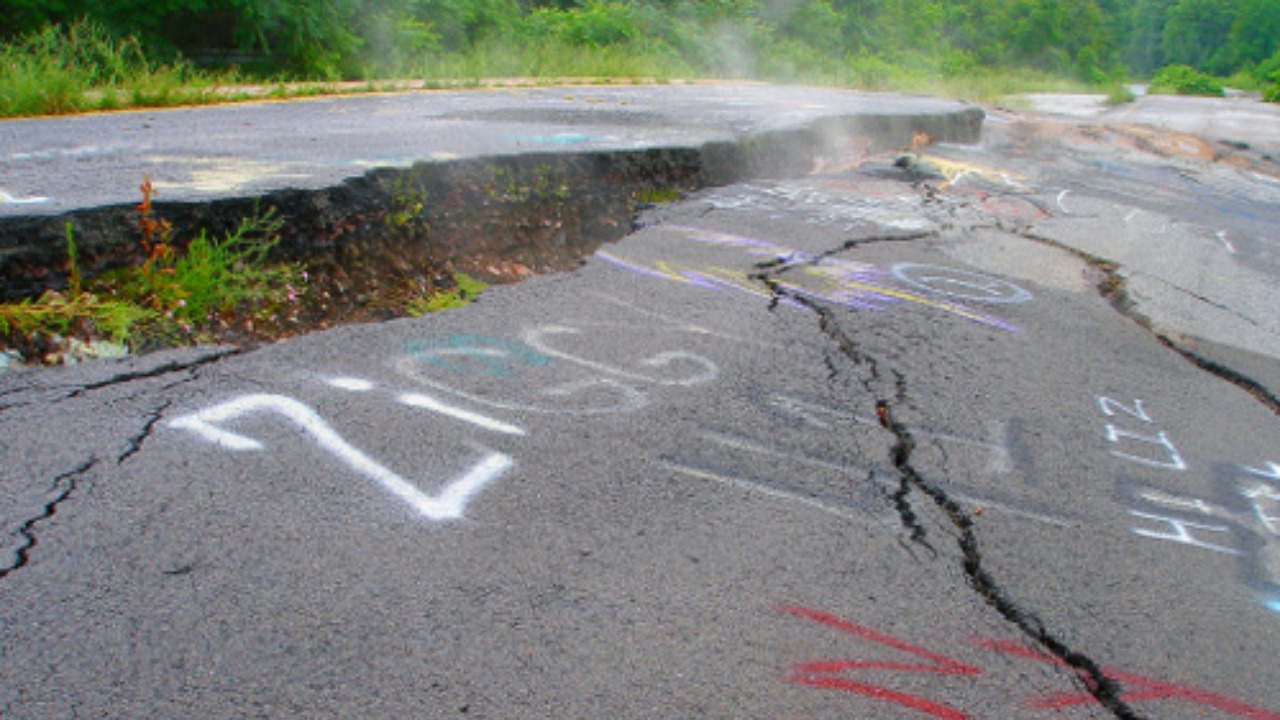
Pennsylvania has a burning landmark of its own. The Centralia Mine Fire has been burning in the abandoned deep mine workings of the Buck Mountain Coal Bed since May 1962, according to the state Department of Environmental Protection.
The state’s warning is blunt. The area is extremely dangerous, dangerous gases are present and the ground is prone to sudden and unexpected collapse, so walking or driving in the immediate area could result in serious injury or death. The department strongly discourages anyone from visiting the site of the fire.
Centralia, Pennsylvania: The Town Above the Fire
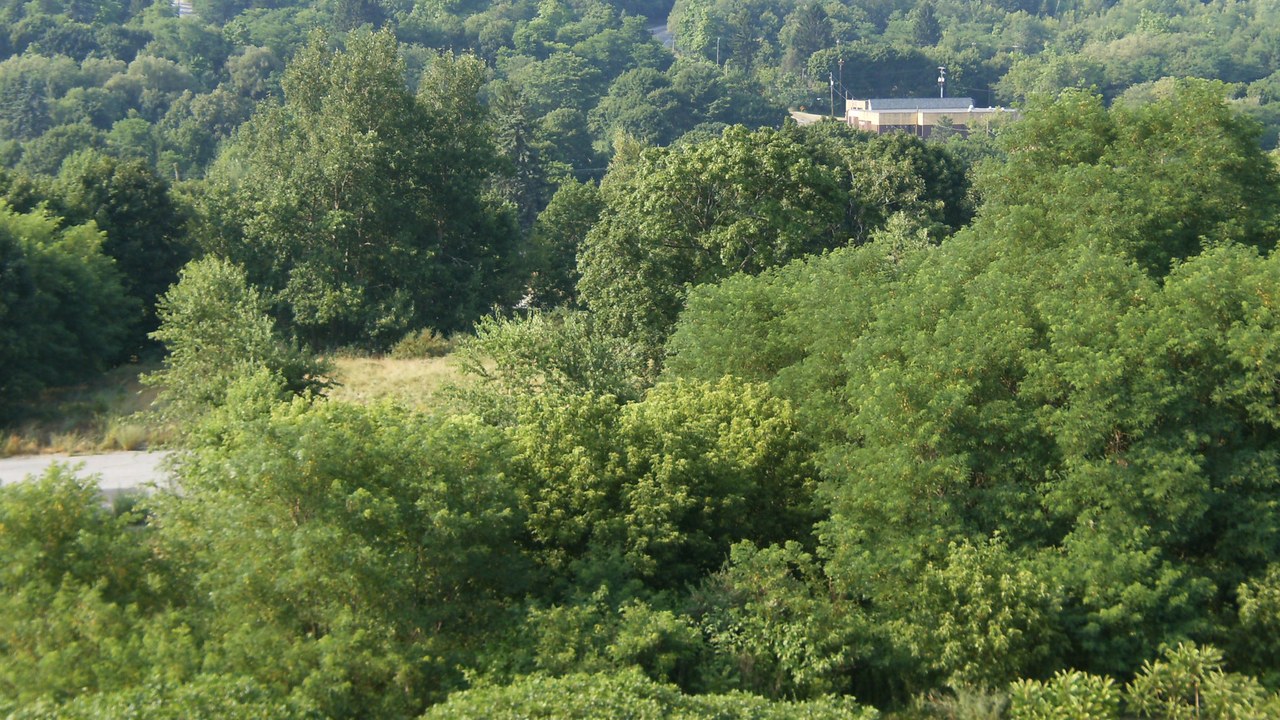
Centralia began as a settlement called Bull’s Head, later Centreville, in 1811. Coal was first mined there in 1842, the Centralia Colliery opened in 1862, and the borough was incorporated in February 1866, according to the state.
The fire reportedly began as an intentional, controlled burn of residential trash in an abandoned strip pit about 75 feet wide and 50 feet deep that had been left open after it was dug around 1935. Officials believe the lack of a proper fireproof barrier let the trash fire spread to nearby coal refuse and then to old mine workings.
Yanar Dag: The Burning Mountain of Azerbaijan
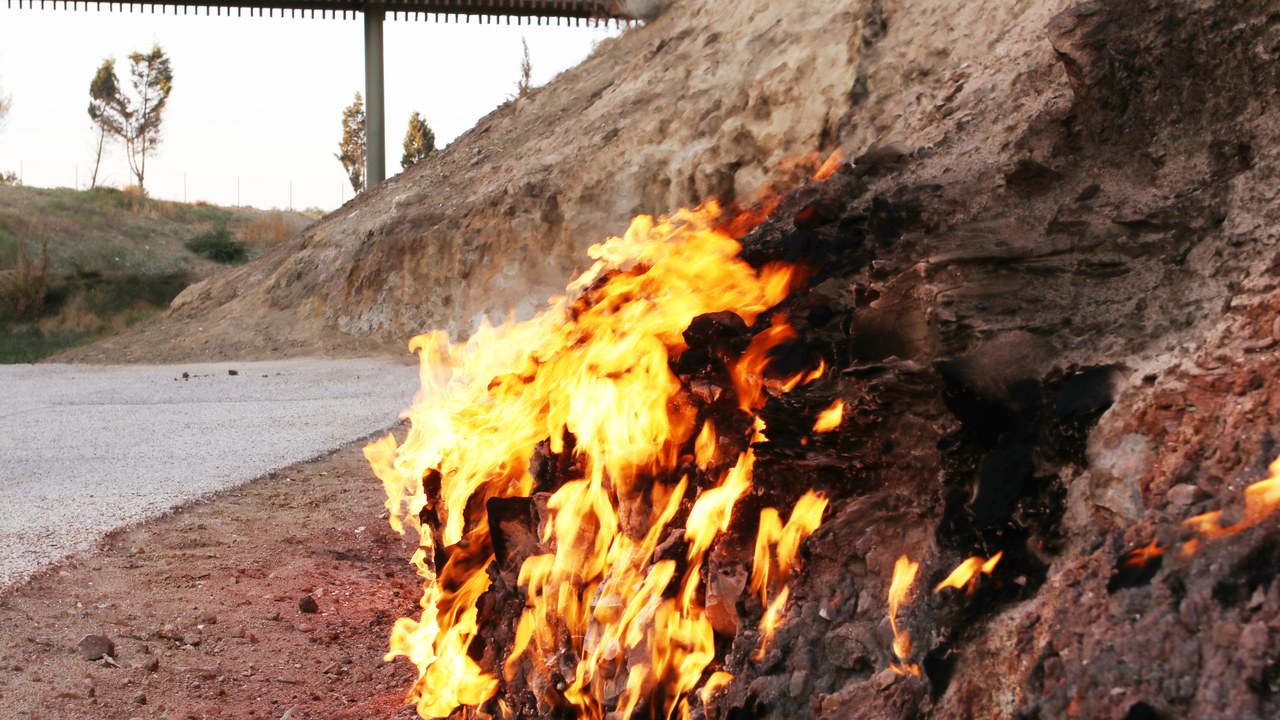
Yanar Dag, whose name means “burning mountain,” is a natural gas fire that burns perpetually on a hillside on the Absheron Peninsula near Baku. Flames rise up to about 10 feet from vents in a thin, porous layer of sandstone at the base of a small scarp.
Unlike the nearby mud volcanoes, the site produces no mud or liquid, only a steady seep of gas. A state reserve was created on the site by presidential decree on May 2, 2007, and after a renovation between 2017 and 2019, a museum and a cromlech stone exhibition opened there.
Absheron Peninsula: A Peninsula Full of Gas
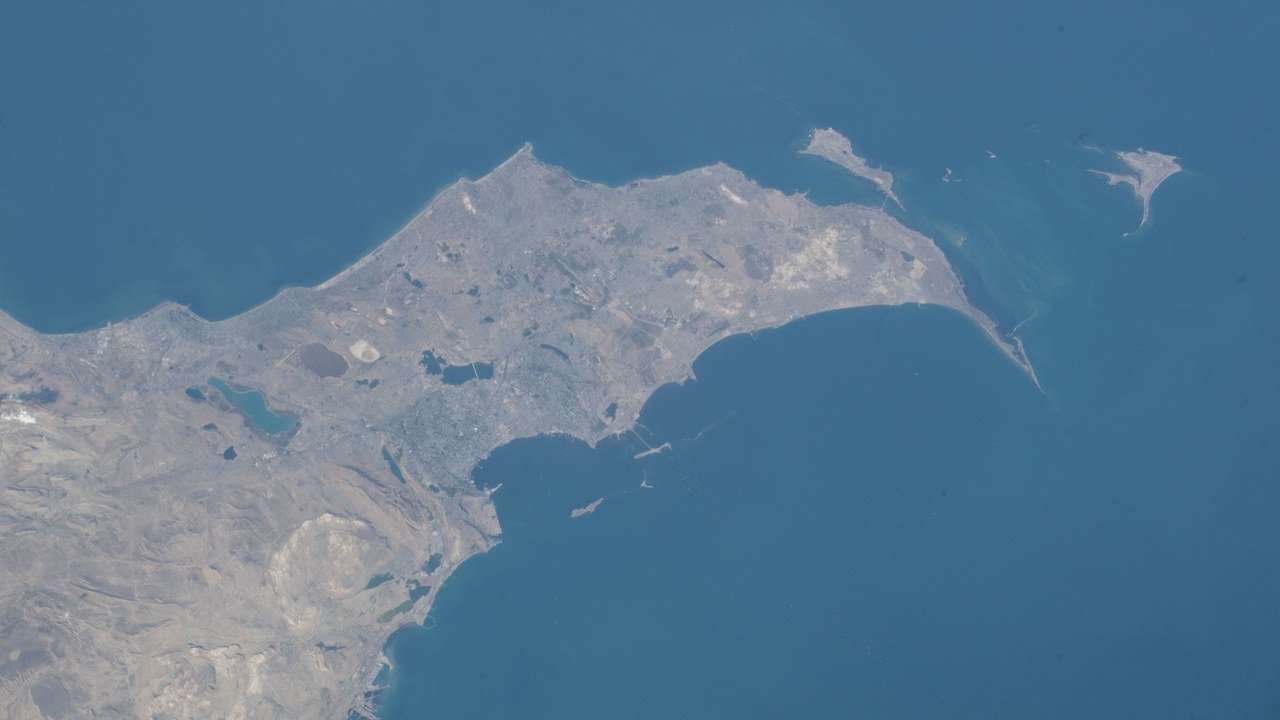
The fires on the Absheron Peninsula are caused by hydrocarbon gases escaping from layers beneath the surface. The high concentration of natural gas under the peninsula has sustained natural flames throughout history, and they were documented by historical figures such as Marco Polo.
Natural fires were once common in Azerbaijan, a country known as the Land of Fire, but only a few remain today, and Yanar Dag is the most notable. Another well-known site of similar fire is the Ateshgah, or “temple of fire,” near Baku, which holds significance in fire-worship traditions.
Eternal Flame Falls: A Flame Behind a Waterfall
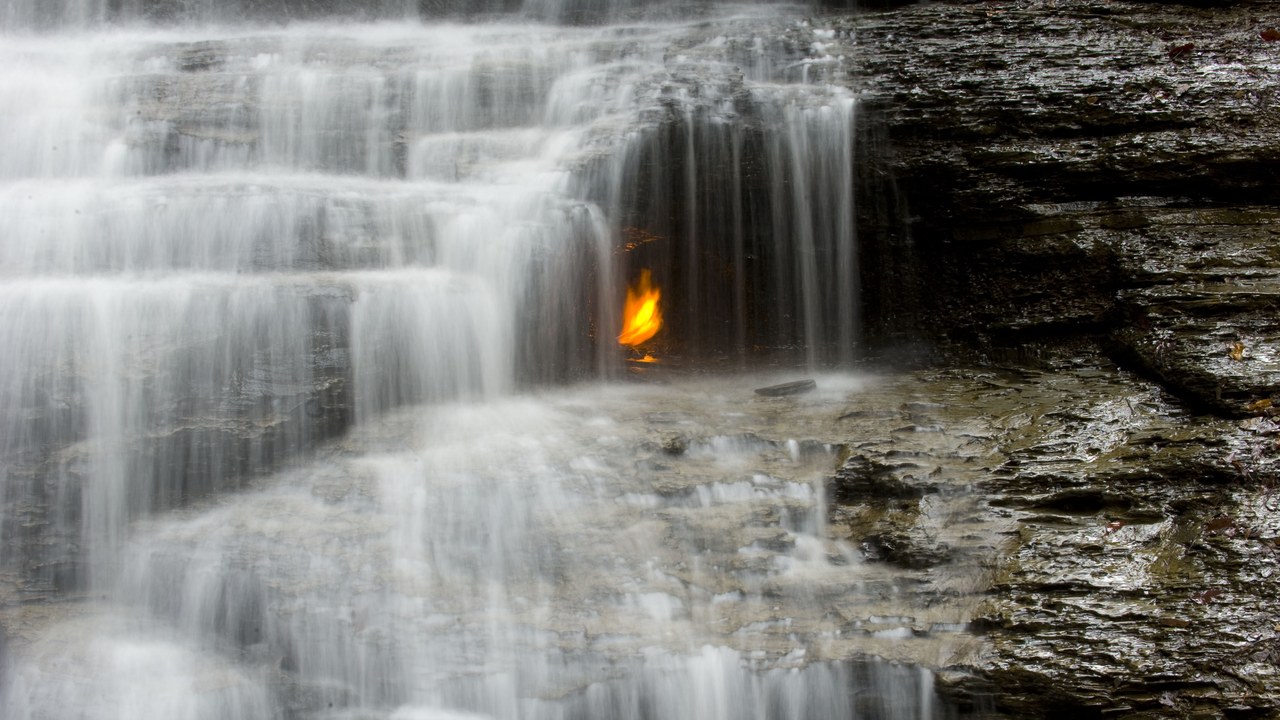
In western New York, a small fire burns uninterrupted behind a waterfall at Eternal Flame Falls. The small blaze grows up to 8 inches tall, protected from spray and wind by the walls of a little grotto, according to Live Science.
The gas comes from decomposing organic matter in the Hanover Shale, a formation dating to the Devonian period, roughly 419 million to 359 million years ago. Seeps around the falls release methane and hydrogen sulfide, giving the air a rotten egg smell, and the biggest seep sits directly beneath the flame.
Chestnut Ridge Park: The Park That Hides the Falls
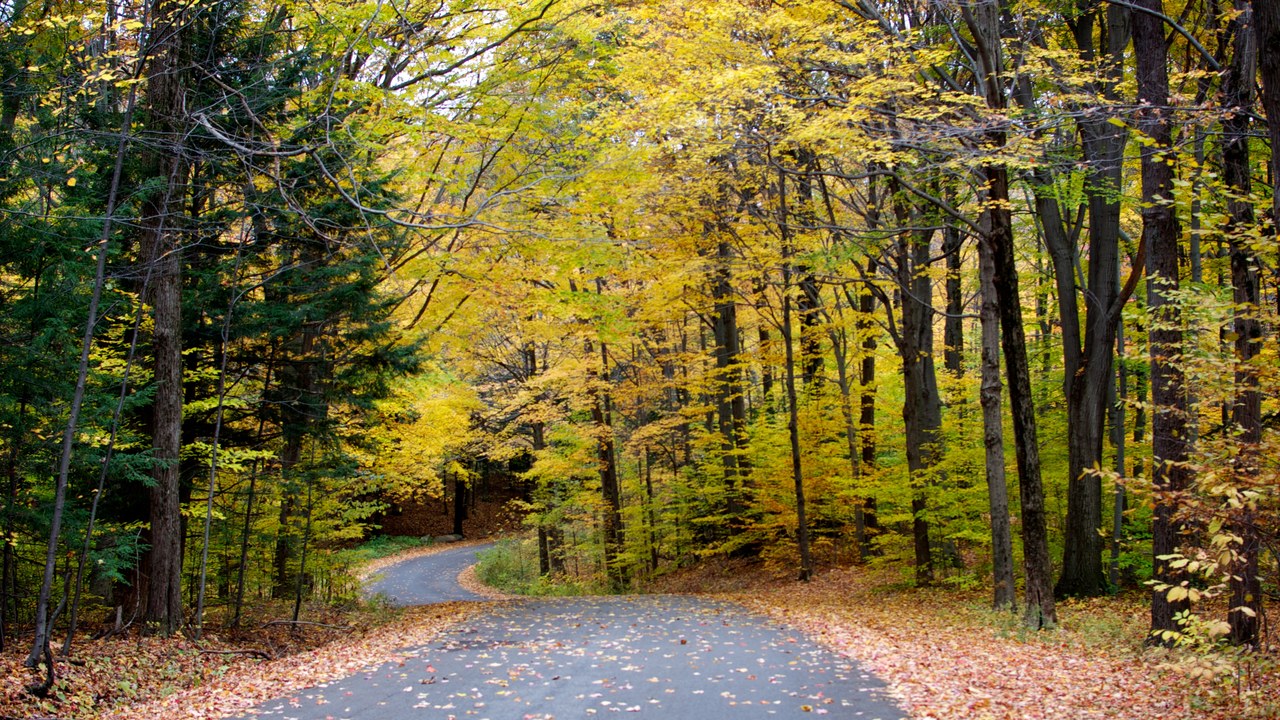
The falls sit inside Chestnut Ridge Park in Erie County, New York, where the cascade, also known as Chestnut Ridge Falls, drops about 30 feet in two tiers over an outcrop of shale, a rock made of compacted clay, silt, mud and organic matter.
Gases like methane are highly flammable, and because the grotto shelters the seep from wind and spray, the escaping gas can be lit with a match or lighter and keep burning. Other seeps near the falls sometimes collect in small pools, where the gas can be seen bubbling up.
More from Morning Overview
- Zero Motorcycles unveiled an electric motorcycle targeted at under $8K and a street-legal dirt bike at EICMA
- New FCC rules on how people can stop robocalls and texts take effect Nov. 25
- Neanderthals in Spain carved a wooden object that matches nothing archaeologists have ever found
- The FAA wants $2.39 million from a flight school it says flew a Cessna about 280 times with an unapproved part
