
Central Command said it downed two Iranian one-way attack drones on November 13, while Iran’s Revolutionary Guard claimed a strike on an American radar in Bahrain. The two accounts conflict, and the details here come from statements by each side. This story walks through the place, the radar claim, the air defenses and the carriers that frame the confrontation.
Read next on Morning Overview: Winter weather advisories cover I-80, I-70 and the Bighorns with up to 15 inches of snow
Naval Support Activity Bahrain: The Base At The Center
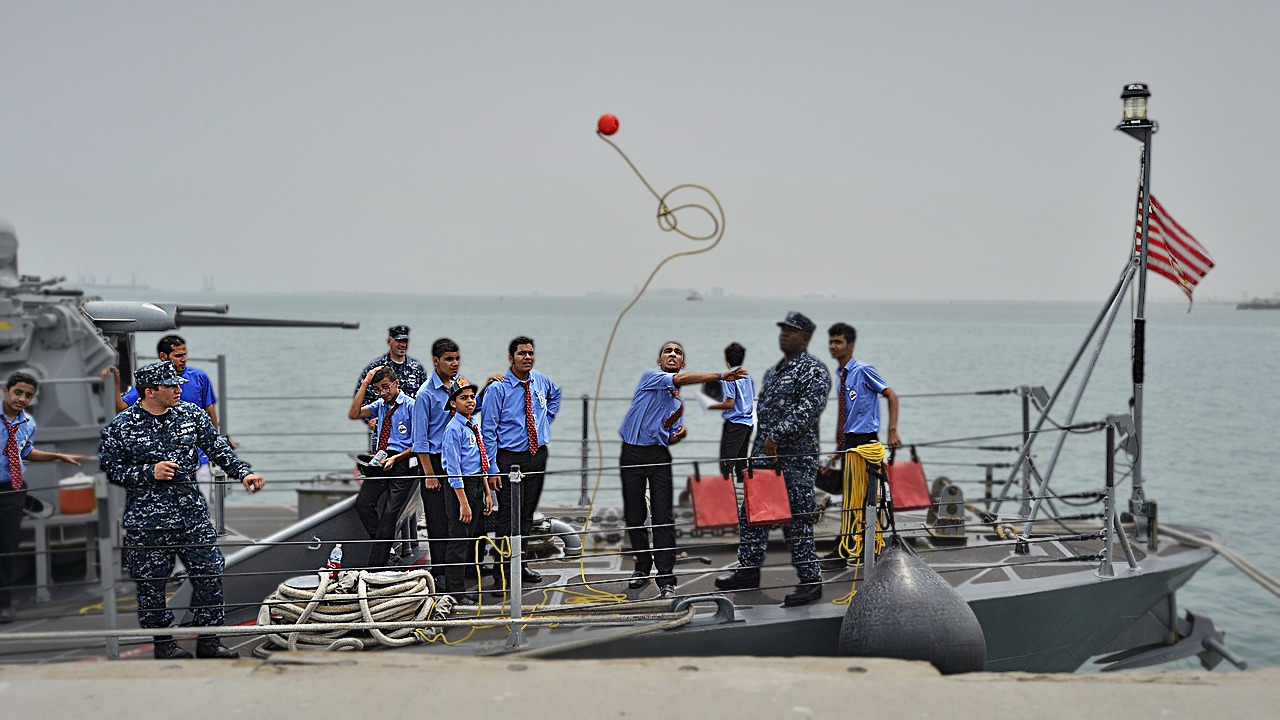
According to Al Jazeera and Reuters reporting, CENTCOM said it shot down two one-way attack drones launched by the Islamic Revolutionary Guard Corps on Friday, November 13. The command said no injuries or damage were caused, which is the American account of the day’s events.
Naval Support Activity Bahrain is the U.S. Navy installation in the Gulf kingdom and anchors the American presence there. One-way attack drones are built to fly to a target and detonate, so an interception is the clearest measure of whether such a launch failed, and CENTCOM’s statement rests on exactly that. Any independent confirmation of the interceptions had not appeared in the reporting.
Early-warning radar: A Radar Claim Disputed

The Revolutionary Guard, via Iranian media, said it had “targeted and destroyed” a U.S. early-warning radar installation in Bahrain, as Al Jazeera’s account relays. CENTCOM denied that any radar was hit and repeated that no injuries or damage resulted.
The competing statements are the only public accounts in the reporting, so the radar’s fate rests on which version later evidence supports. An early-warning radar matters because it gives defenders advance notice of incoming missiles and drones, which makes it an attractive claimed target for either side’s messaging. Readers should treat each claim as one party’s statement until verified. A confirmed hit or miss would change how each side’s later statements are read.
MIM-104 Patriot: Missile Defense On Station
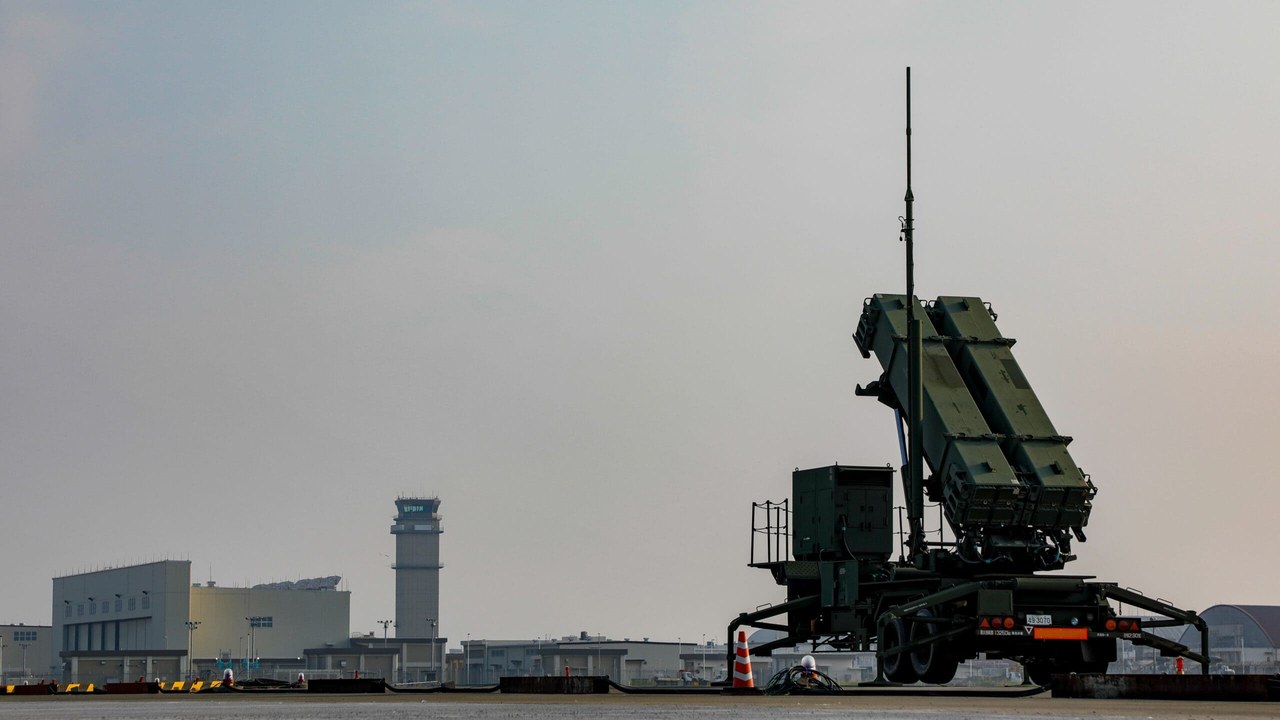
The Israeli think tank INSS counts 7 to 9 Patriot batteries in the region, including new sites in Israel, Saudi Arabia and Qatar, in its situation report covering November 1 to 7. The MIM-104 Patriot is a long-standing surface-to-air system used against aircraft and missiles.
The figure is an outside estimate, not an official U.S. count, so it signals scale rather than an exact order of battle. Spread across several host countries, those batteries form the lower layer of the defensive screen that sits beneath the longer-range systems described next. Such batteries are usually positioned to protect bases, airfields and population centers.
Terminal High Altitude Area Defense: The High-Altitude Layer
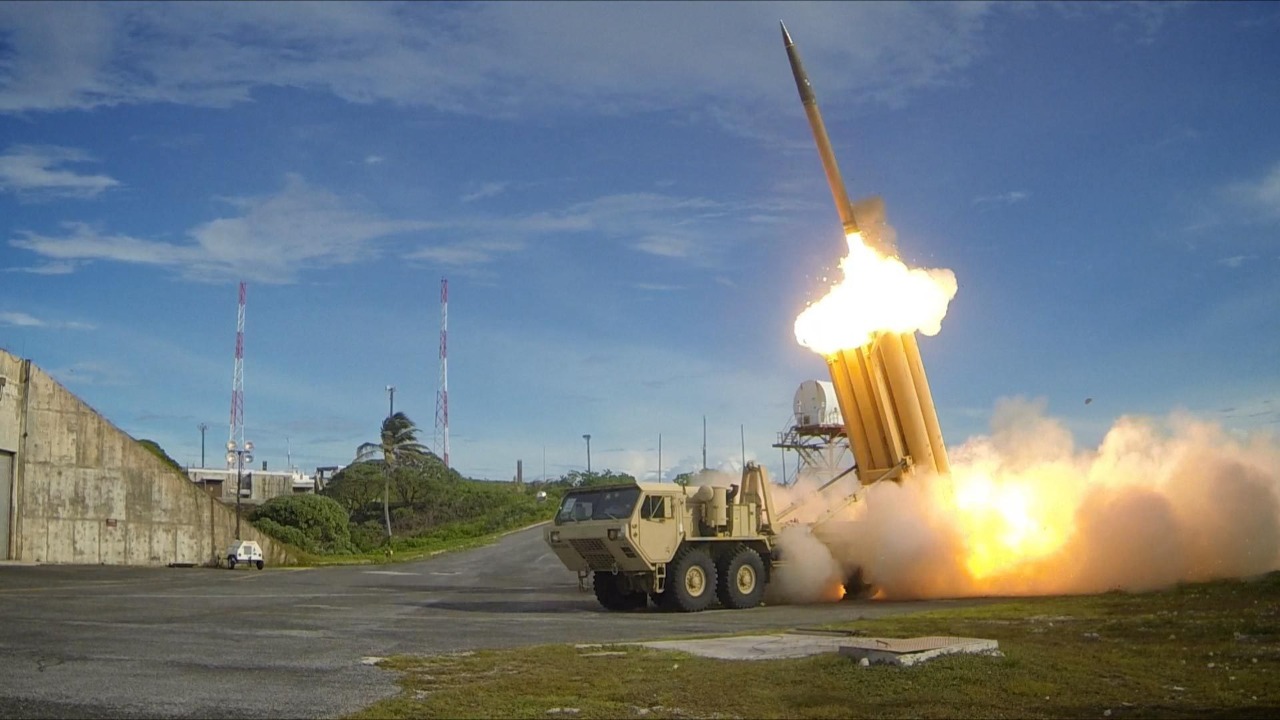
INSS estimates 2 to 3 Terminal High Altitude Area Defense batteries, at least one in Israel and one in Jordan, and says more than 24,000 counter-drone systems were sent to CENTCOM in 2026, as its regional force estimate sets out. THAAD is designed to intercept ballistic missiles late in their flight.
The counter-drone figure is the more relevant number for an episode involving one-way attack drones, since those systems target small, slow aircraft that larger interceptors are not built for. As with the Patriot count, the numbers are an analyst’s estimate rather than a published inventory. Together the two systems cover different threats at different altitudes.
USS George H.W. Bush: A Carrier In The Arabian Sea
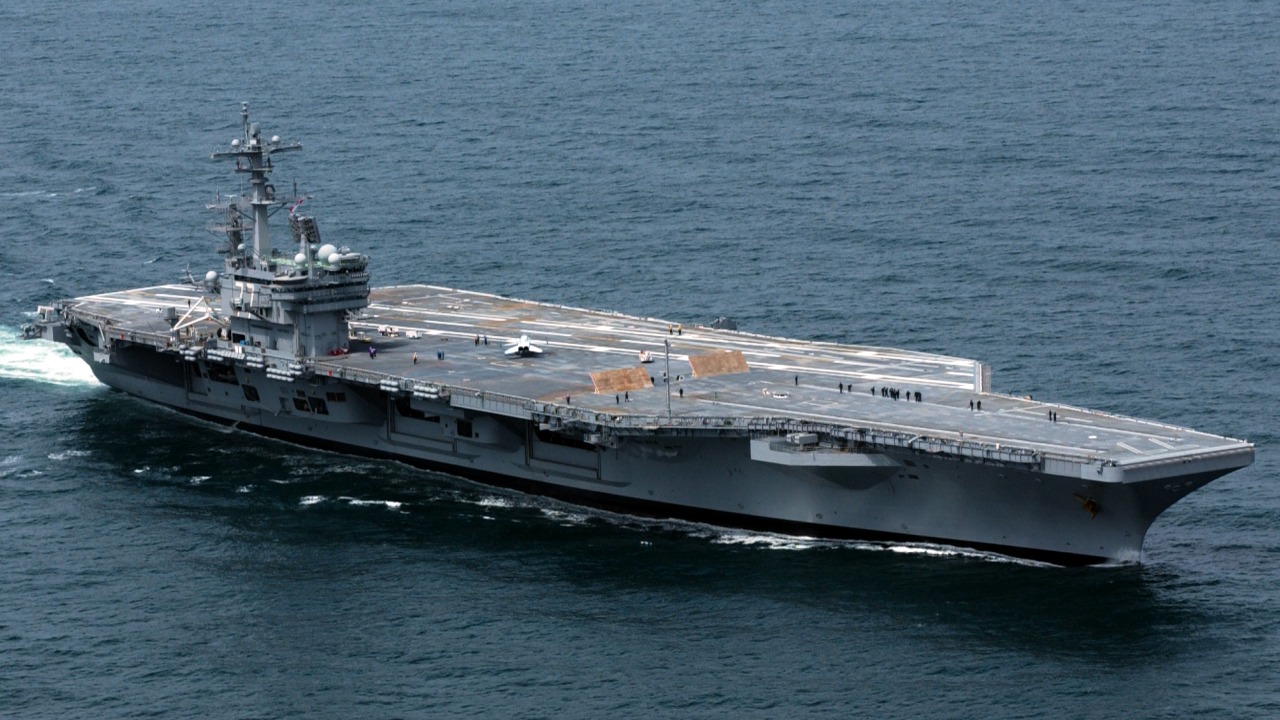
Newsweek reported on November 3 that the carrier USS George H.W. Bush remains in the Arabian Sea, according to Newsweek’s carrier report. The ship is a Nimitz-class aircraft carrier, which carries an air wing and sails with escorts that add to regional air and missile defense.
The report predates the November 13 drone episode by ten days, so it describes the posture beforehand and not any response to it. The article’s wider subject is carrier availability across theaters, which is why this single ship’s position carries weight in the broader picture. Carriers are also the most visible symbol of American commitment to a region.
USS Theodore Roosevelt: The Next Carrier Heading In
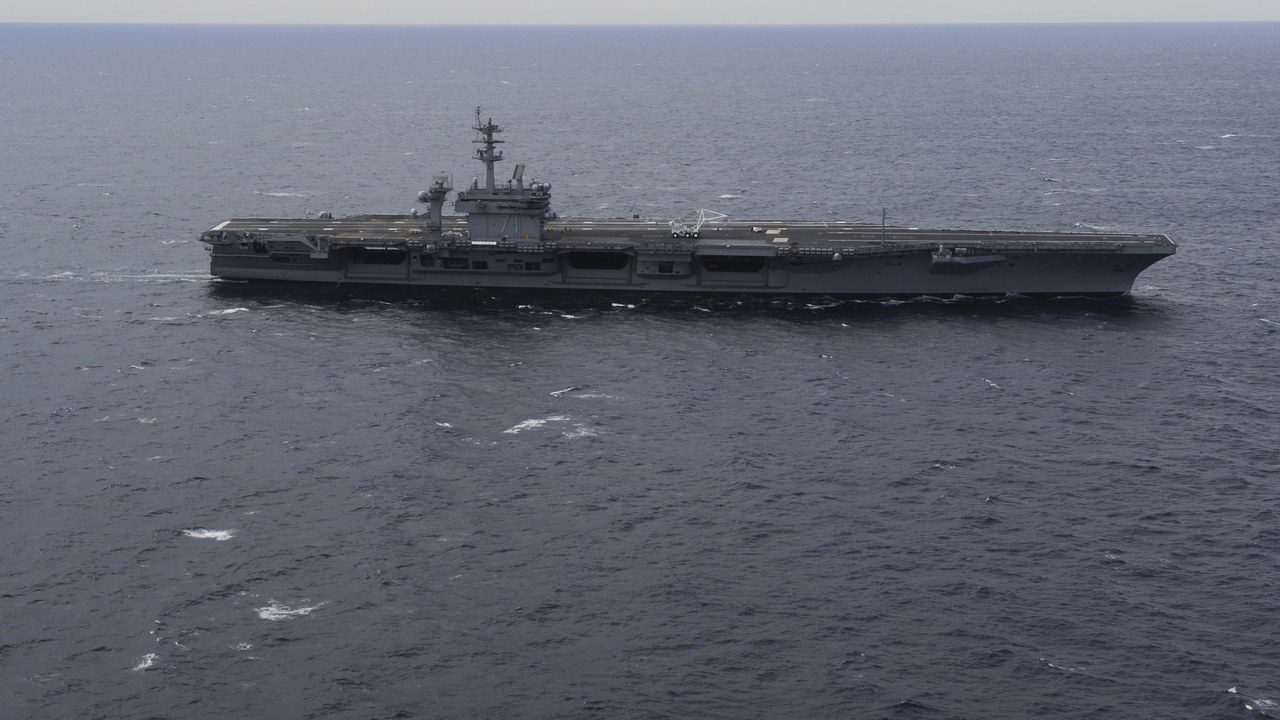
USS Theodore Roosevelt was steaming toward the Indian Ocean and was expected to become the fifth U.S. carrier sent to the Middle East in the Iran war, per the same Newsweek article. The ship is designated CVN-71.
Its arrival would add another carrier to a region already holding the Bush, several Patriot and THAAD batteries and thousands of counter-drone systems. What to watch next is whether that buildup deters further launches, or whether more drones and competing claims of success follow in the coming days. The article gives the heading but no arrival date, so timing remains open. Readers will want to follow official Navy and Pentagon statements for confirmation.
More from Morning Overview
- Two Kentucky residents died when a small plane crashed at Missouri’s Lake of the Ozarks, and the NTSB is investigating
- A handful of car transmissions are so tough that mechanics say they almost never die
- Melting permafrost is setting off a newly identified kind of catastrophic landslide, scientists say
- Cadillac cut the price of its cheapest EV, which goes up to 317 miles on a charge
