
For decades, reactors that burn fuel packed into graphite balls the size of tennis balls looked like a dead end, after troubled prototypes in Germany and the United States shut down in the late 1980s. On November 9, 2026, federal regulators approved construction of a four-reactor pebble-bed plant in Texas. It is the first American construction permit for this reactor type in nearly 60 years.
Read next on Morning Overview: Over 20 trillion gallons of rain fell on the Four Corners states and Nevada in two weeks
X-energy: A First in Nearly 60 Years
The Nuclear Regulatory Commission issued a construction permit for the Long Mott Generating Station in Calhoun County, Texas, on Nov. 9, 2026, the first for a high-temperature gas-cooled reactor in nearly 60 years. The plant is designed around four X-energy Xe-100 reactors.
It is the NRC’s first approval of a multi-module advanced reactor plant, its first for a pebble-bed core and its first for a design that refuels while running. The permit allows construction only: the company must still obtain a separate operating license before loading fuel. NRC staff finished the safety evaluation a month ahead of the 18-month schedule.
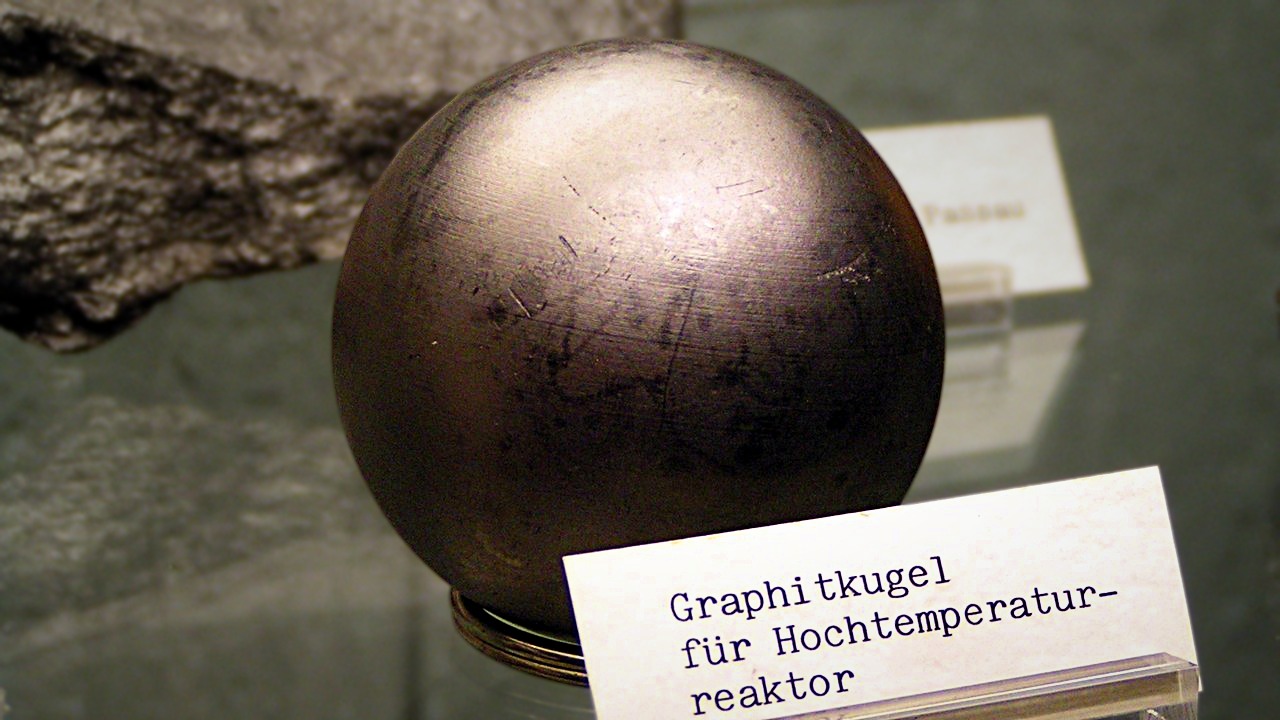
Pebble-bed reactor: Fuel Shaped Like Tennis Balls

A pebble-bed reactor holds its nuclear fuel inside a bed of graphite spheres, with the graphite also slowing neutrons. The pebbles are about 2.6 inches across, roughly tennis-ball size, and each contains thousands of tiny TRISO fuel particles. Most designs are helium-cooled and can be refueled while operating.
The design is passively safe: it can cool by natural circulation and survive accidents that push the core to about 1,600 degrees Celsius. The idea dates to Farrington Daniels in the 1940s and reached commercial development in West Germany in the 1960s, but the technology was abandoned there before China revived it.
TRISO: The Particle That Holds the Fuel
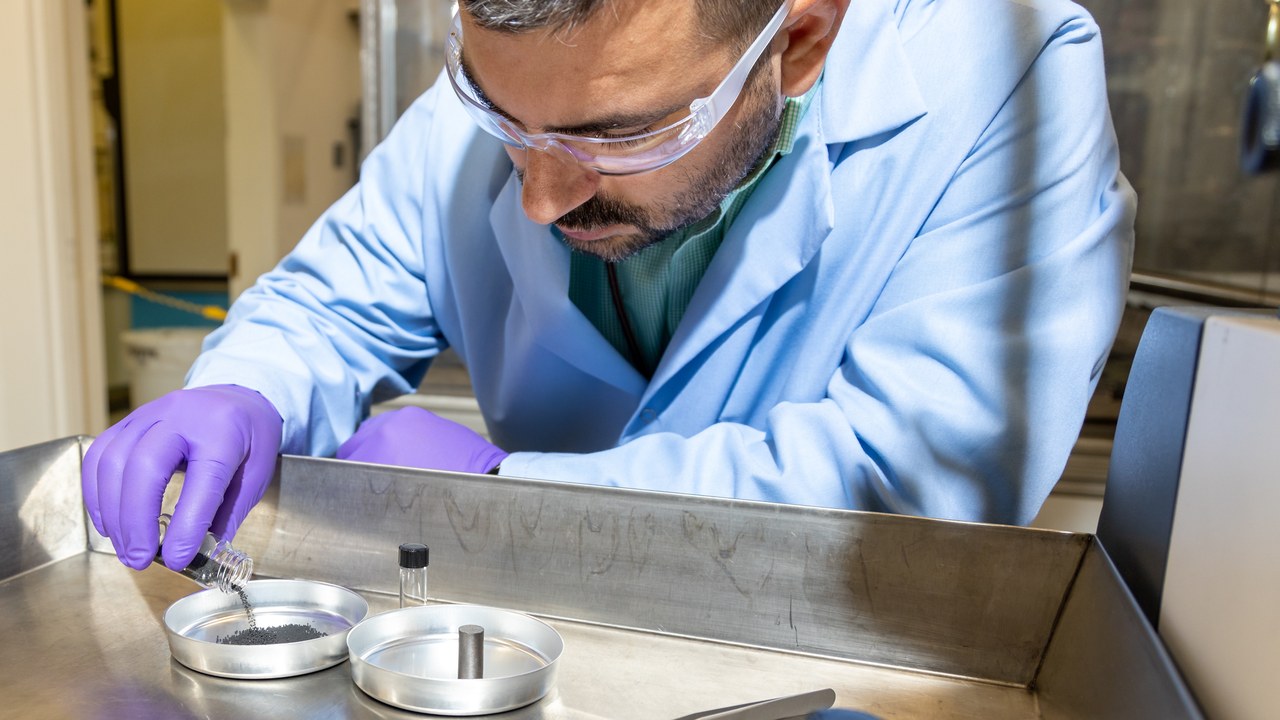
TRISO fuel is a micro-particle nuclear fuel: a kernel of uranium dioxide or other ceramic fuel wrapped in four ceramic layers, including a tough shell of silicon carbide. The particles are designed not to crack below 1,600 degrees Celsius, so they hold in radioactive products even in severe accidents.
The finished particles are embedded in graphite, forming pebbles or blocks. TRISO has been used in high-temperature gas-cooled reactors since the Dragon reactor, and the first commercial plant to use it was Fort St. Vrain in Colorado. As of 2026, it fuels experimental reactors in China and Japan and China’s commercial HTR-PM.
Next Generation Nuclear Plant: The Plan That Stalled
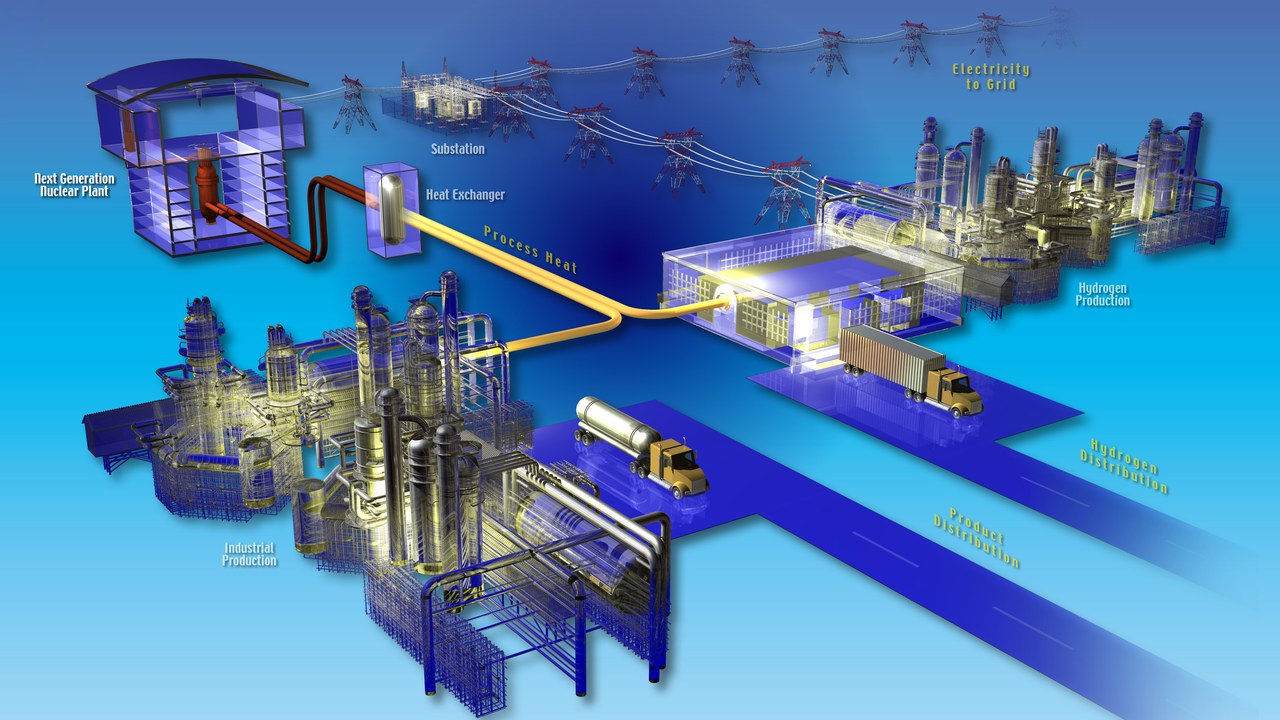
The U.S. tried before. A Next Generation Nuclear Plant was a proposed generation IV very-high-temperature reactor that could be paired with a hydrogen production plant, while also generating electricity and supplying process heat.
Its helium-cooled, graphite-moderated design used TRISO fuel, and up to 30 percent of its heat could have gone into producing hydrogen. The project was developed from 2005 to 2011 but never advanced to detailed design or licensing. Meanwhile, China built and connected its own pebble-bed plant, the HTR-PM, which began commercial operation in late 2023.
AVR reactor: The Prototype Nicknamed Shipwreck
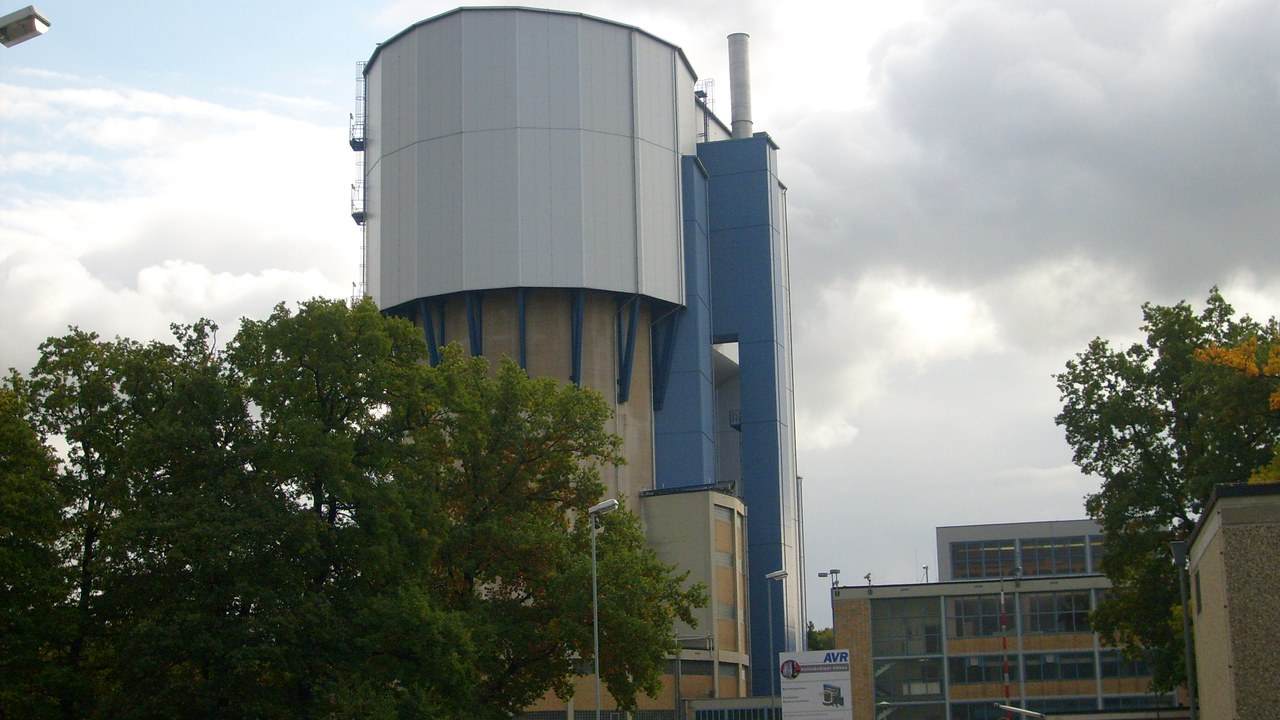
The AVR was a prototype pebble-bed reactor next to the Jülich Research Centre in West Germany, built starting in 1960, connected to the grid in 1967 and shut down in 1988. The 15-megawatt test reactor was used to develop fuels and machinery.
Its many accidents earned it the nickname Shipwreck, and a 2014 expert report described serious problems, including operators who in 1978 bypassed shutdown controls for six days during an accident. Decommissioning has been exceptionally difficult and costly. Yet its technology was licensed to China and became the basis for the HTR-10 and HTR-PM.
THTR-300: Germany’s Expensive Second Try
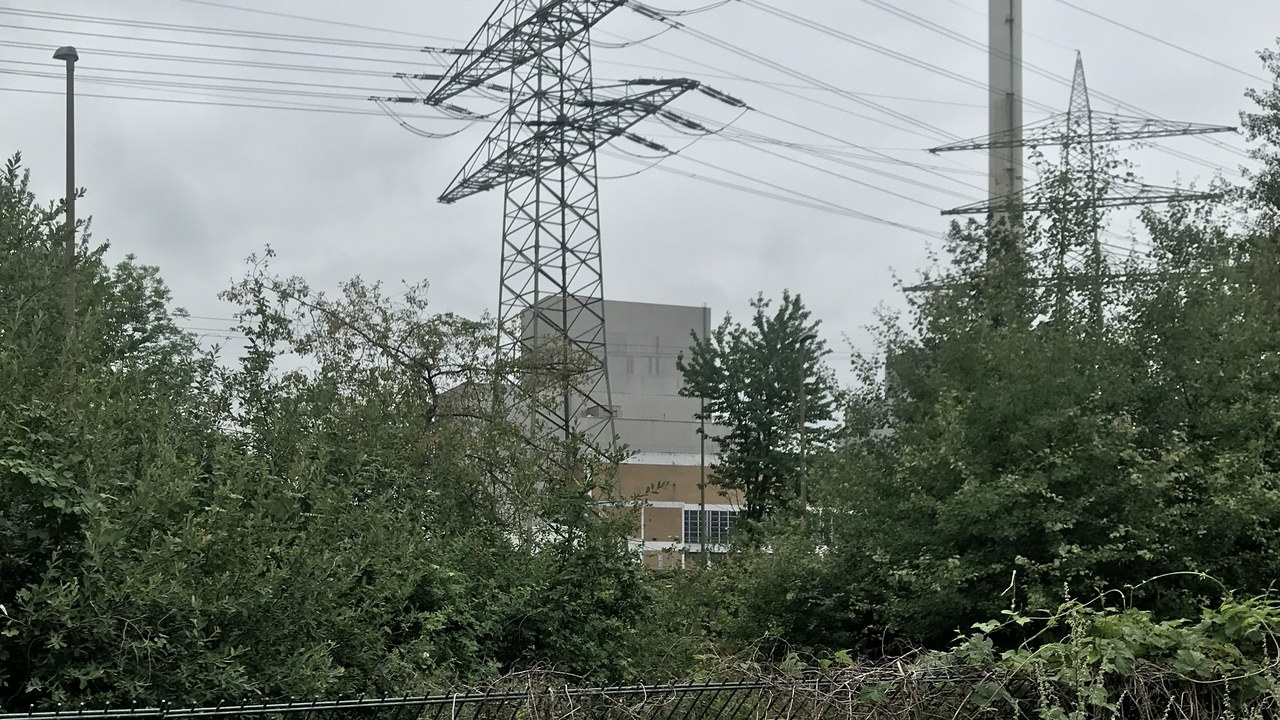
The THTR-300 was a 300-megawatt thorium-cycle high-temperature reactor in Hamm-Uentrop, West Germany. It started operating in 1983, reached full power in February 1987 and was shut down on September 1, 1989.
It used a helium-cooled pebble bed of about 670,000 fuel spheres, each 2.4 inches across, holding uranium-235 and thorium-232 in graphite. The reactor cost €2.05 billion, with a further €425 million projected for decommissioning and related costs through 2009. It ran at full power for barely two and a half years before closing.
Fort St. Vrain Generating Station: Colorado’s Only Nuclear Plant
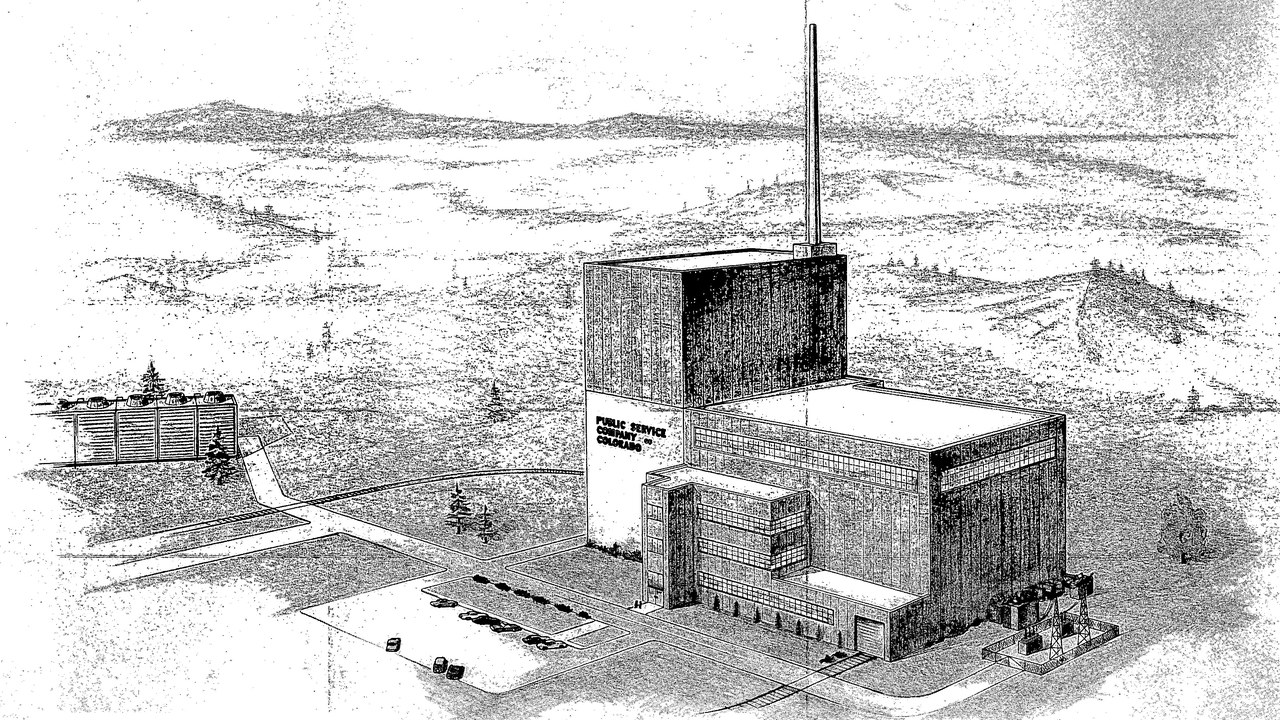
The Fort St. Vrain Nuclear Power Plant near Platteville, Colorado, ran a 330-megawatt high-temperature gas-cooled reactor from 1979 until 1989. It was the state’s first and only nuclear plant.
It was the second U.S. helium-cooled HTGR power reactor, after Peach Bottom Unit 1, and its design used prestressed concrete around the core. It was also the first commercial power station to use TRISO fuel particles. The plant was decommissioned between 1989 and 1992 and converted in 1996 to burn natural gas.
Peach Bottom Nuclear Generating Station: America’s First Attempt
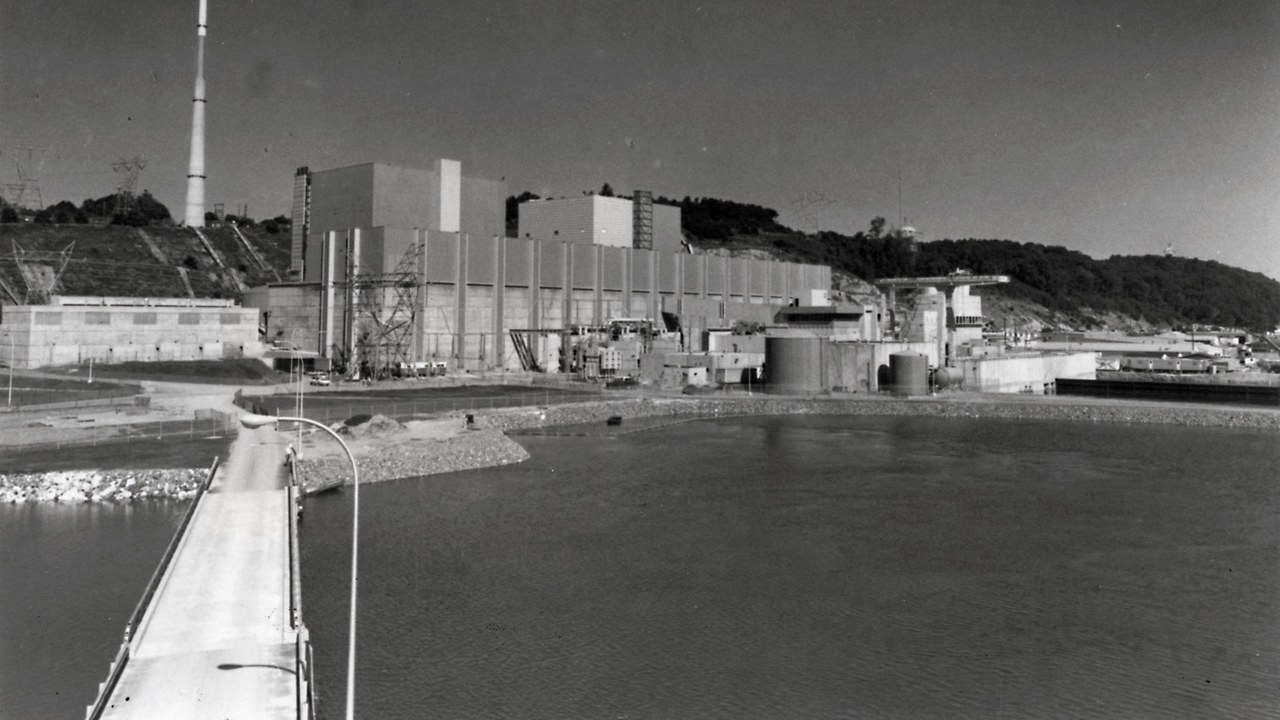
The U.S. history of this technology starts in Pennsylvania. Peach Bottom, 35 miles northeast of Baltimore, was home to Unit 1, an experimental helium-cooled, graphite-moderated reactor ordered by the Philadelphia Electric Company in 1958.
Fueled by a mix of thorium and uranium, Unit 1 ran from 1966 to 1974. It was the first of only two high-temperature gas-cooled power reactors the United States built before the Long Mott permit. The site, three miles north of the Maryland border on the Susquehanna River, later added Units 2 and 3.
Very-high-temperature reactor: Hotter Than Ordinary Reactors
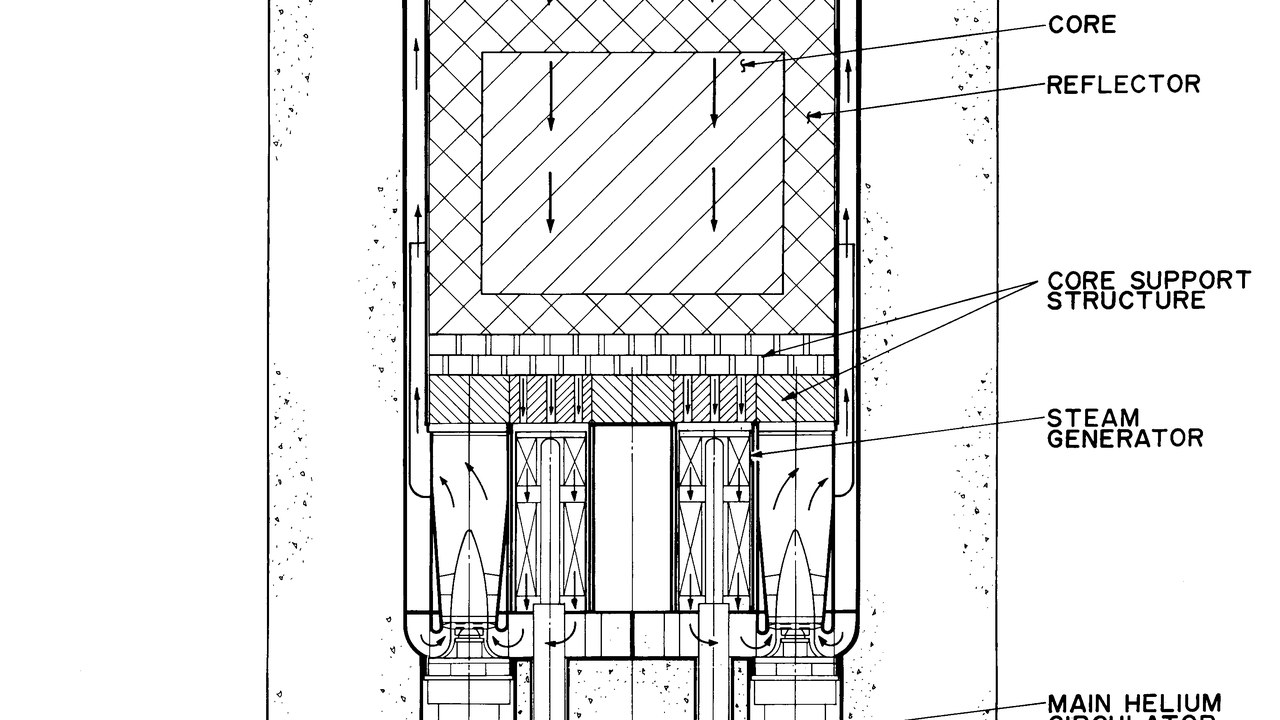
A high-temperature gas-cooled reactor uses uranium fuel and graphite moderation to reach very high core temperatures, about 700 to 950 degrees Celsius. All existing ones are helium-cooled, with cores built either from prismatic blocks or from pebbles.
Those temperatures open uses beyond electricity, such as industrial process heat or hydrogen production. China Huaneng Group now operates the HTR-PM, a 250-megawatt plant with two pebble-bed reactors in Shandong province. A more advanced Generation IV version, the very-high-temperature reactor, has been proposed.
Dow Chemical Company: The Customer: A Chemical Giant
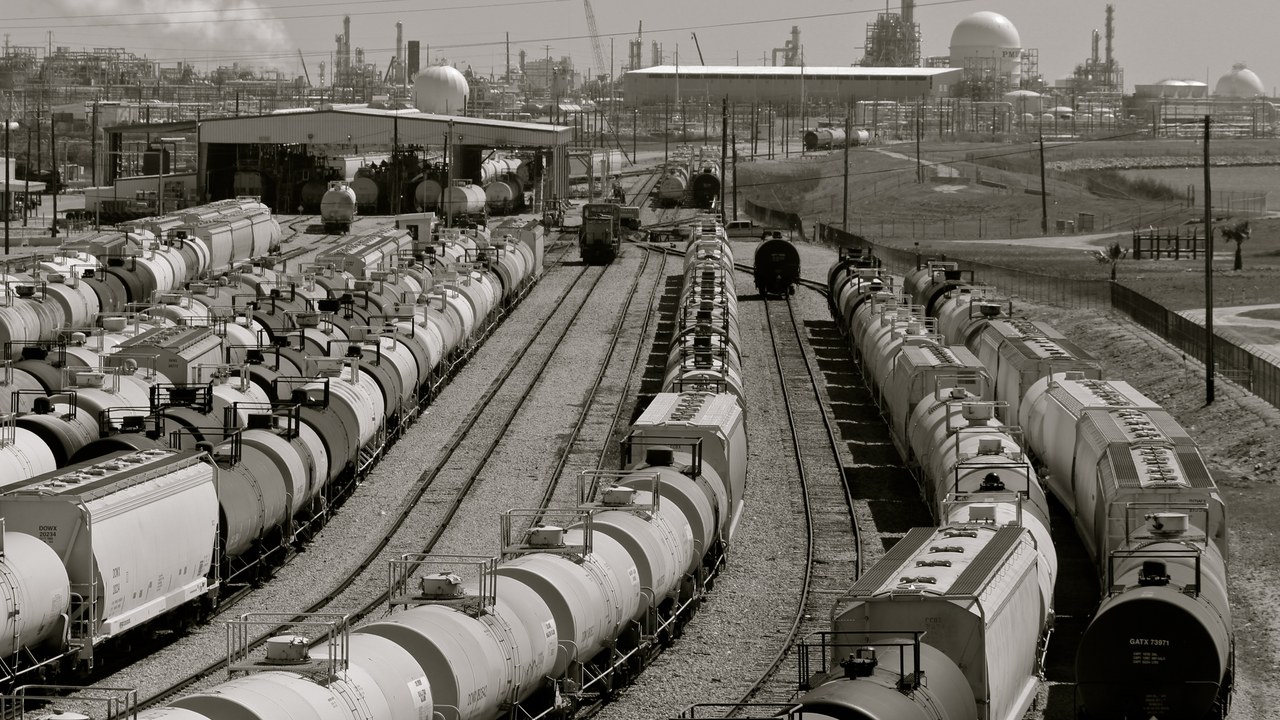
The Dow Chemical Company, headquartered in Midland, Michigan, was among the three largest chemical producers in the world in 2021. It is often called the chemical companies’ chemical company because it sells mainly to other industries.
That matters for Long Mott. According to the NRC, the four reactors will mainly generate high-temperature steam for industrial use at the Dow Seadrift Operations site, with excess electricity exported to the grid. That makes Dow the industrial customer at the center of the first pebble-bed plant the NRC has approved for construction.
Nuclear Regulatory Commission: The Regulator That Approved It
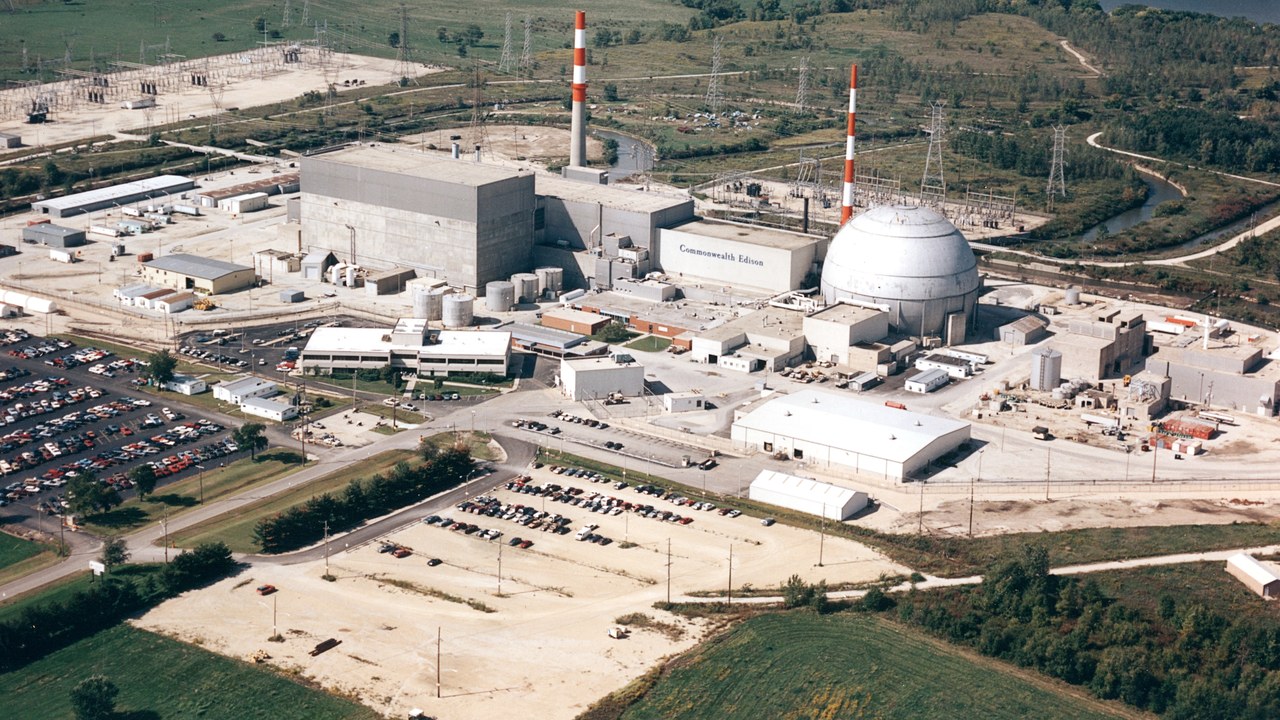
The Nuclear Regulatory Commission is the U.S. agency tasked with protecting public health and safety related to nuclear energy. Created by the Energy Reorganization Act of 1974, it began operations on January 19, 1975, as a successor to the Atomic Energy Commission.
It licenses and oversees reactors. Long Mott was its third advanced-reactor construction permit of 2026 and its first review of a high-temperature gas-cooled reactor under its newer risk-informed licensing framework. “We delivered on the 18-month schedule,” NRC Chairman Ho K. Nieh said.
Calhoun County, Texas: Where the Reactors Will Rise
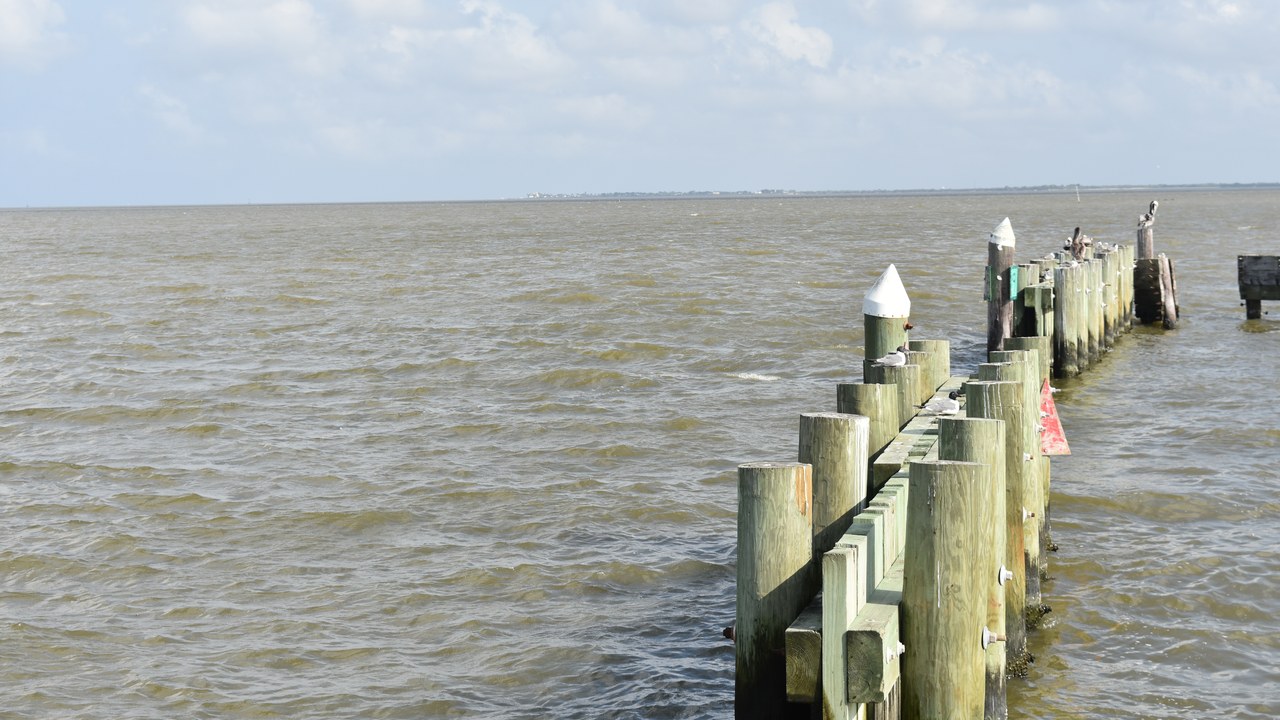
Calhoun County, on the Texas Gulf Coast, had 20,106 residents in the 2020 census, with Port Lavaca as its county seat. It is part of the Victoria-Port Lavaca combined statistical area.
The NRC permit places the Long Mott Generating Station in this county, at Dow’s Seadrift Operations site near the small bayside city of Seadrift. The permit covers four Xe-100 units, making it the NRC’s first approval of a multi-module advanced reactor facility. Construction can begin, but no fuel can be loaded until the company wins a separate operating license.
More from Morning Overview
- The FAA wants $2.39 million from a flight school it says flew a Cessna about 280 times with an unapproved part
- A $1 billion gas plant planned for Superior, Wisconsin, has been abandoned
- Shaq spent $1.3 million on three Rolls-Royce Phantoms to prove a point to a salesman
- The Justice Department asked courts to undo approvals for three offshore wind farms, one already making power
