
Federal regulators have approved construction of a new kind of nuclear plant in Texas for the first time in a generation. The project would pair four small reactors with a giant chemical complex on the Gulf Coast. Here is what the Nuclear Regulatory Commission approved, how the reactors work and why the plant is not cleared to run yet.
Read next on Morning Overview: Neanderthals in Spain carved a wooden object that matches nothing archaeologists have ever found
First HTGR permit in nearly 60 years: First Permit in Nearly 60 Years
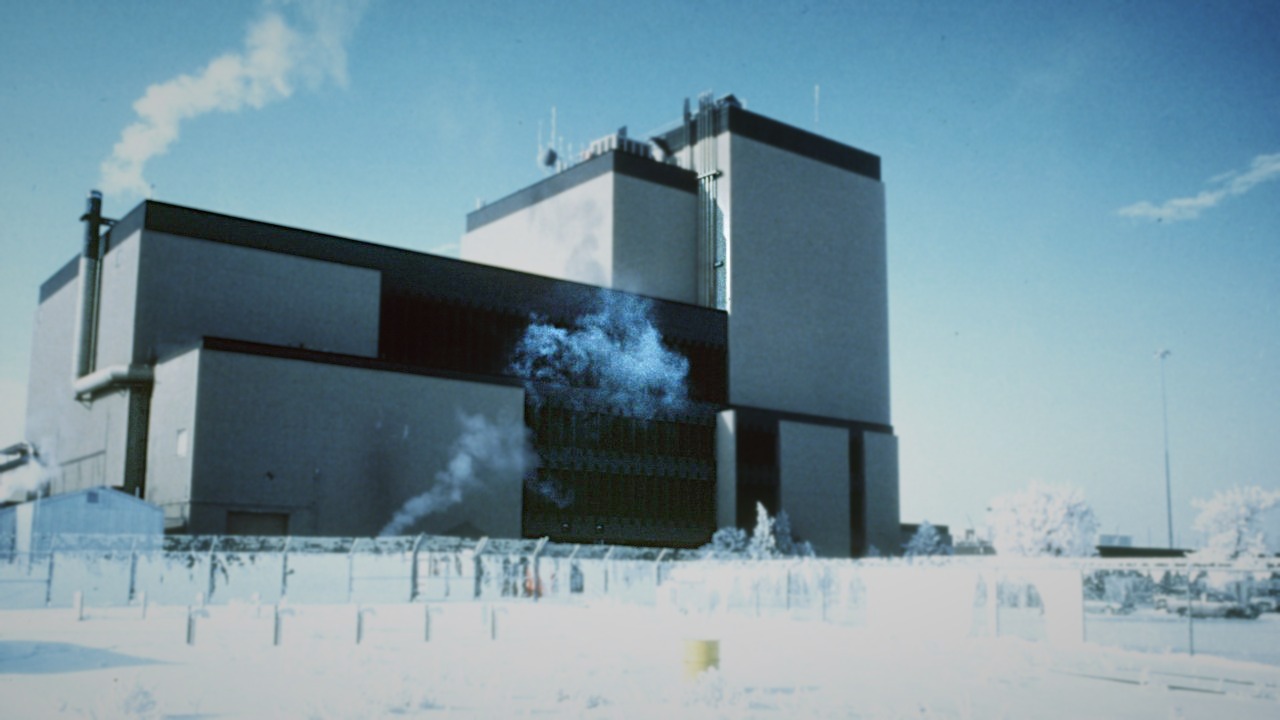
The Nuclear Regulatory Commission has issued a construction permit for the Long Mott Generating Station in Calhoun County, Texas. According to the NRC’s announcement, it is the first construction permit for a high-temperature gas-cooled reactor in nearly 60 years and the third advanced reactor construction permit the agency has issued this year.
The permit marks several regulatory firsts for the NRC, including its first approval of a multi-module advanced reactor facility, its first approval of a reactor with a pebble-bed core and its first approval of a design with online refueling. NRC Chairman Ho Nieh said the agency delivered on an 18-month review schedule. The last US gas-cooled power reactor, Fort St. Vrain in Colorado, dates to that earlier era.
Four Xe-100 reactors: Four Small Reactors at a Chemical Site
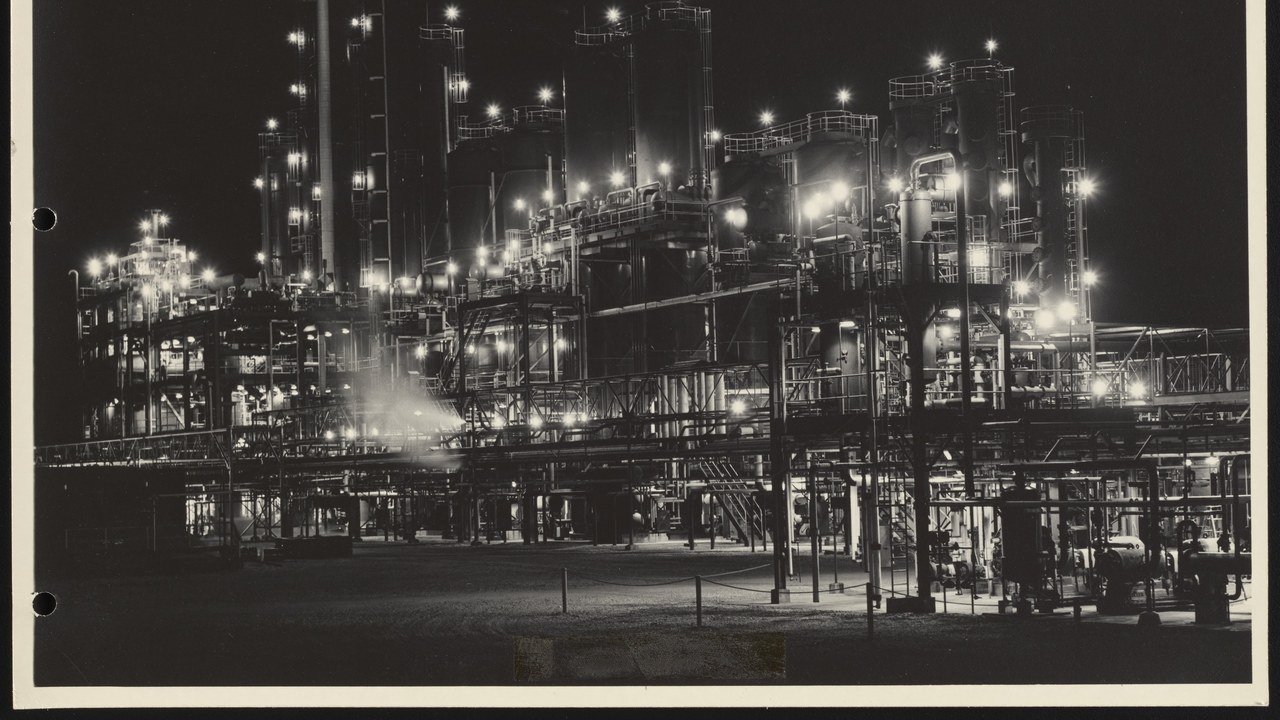
The plant would be built at Dow’s Seadrift Operations site and use four X-energy Xe-100 small modular reactors, according to World Nuclear News. It is being developed by Dow subsidiary Long Mott Energy with X-energy under the Department of Energy’s Advanced Reactor Demonstration Program.
Dow signed a joint development agreement with X-energy in 2023, and the construction permit application followed in March 2025. The partnership is meant to show that advanced reactors can supply industrial customers directly, not just the electric grid. Members of Congress joined the companies and the NRC to mark the permit’s issuance. Dow also joined other major energy users in March 2025 in signing a pledge supporting the goal of at least tripling global nuclear capacity by 2050.
80 megawatts each: Pebble Fuel and 80 Megawatts Each

Each Xe-100 is rated at 80 megawatts of electricity and 200 megawatts of heat and burns TRISO-X fuel, according to World Nuclear News. Together the four units would form a roughly 320-megawatt plant.
TRISO fuel packs uranium into tiny particles coated in layers of carbon and ceramic, which are formed into pebbles that flow through the reactor core. The coatings are designed to hold in radioactive material at very high temperatures, and helium gas carries heat away from the core. That high-temperature design is what makes the reactors useful for industrial steam as well as electricity. The NRC review also covered the design’s ability to refuel while the reactors keep running.
Steam for a chemical plant: Steam for a Chemical Plant
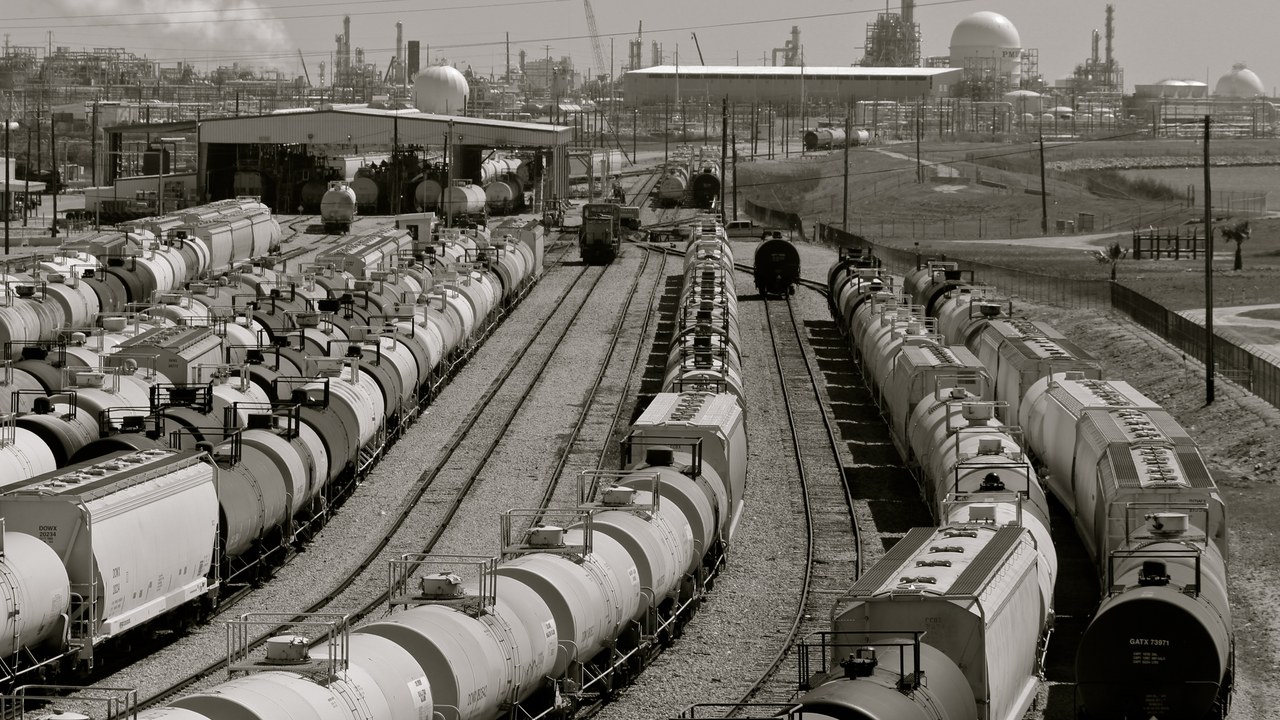
The facility will mainly generate high-temperature steam for industrial use at Dow’s Seadrift operations, with excess electricity exported to the grid, according to the NRC.
Chemical plants consume enormous amounts of heat, which today usually comes from burning natural gas. Using nuclear steam instead could cut emissions at a single large industrial site. The NRC notes that this is the facility’s primary purpose, which sets it apart from conventional nuclear plants built mainly to sell power. Pairing a reactor with a single industrial customer is a model that other energy-hungry manufacturers are watching closely as they look for ways to cut fuel costs and emissions.
Not cleared to run yet: Not Cleared to Run Yet

The permit allows construction only. Before loading fuel or operating the reactors, the company must obtain a separate operating license from the NRC, according to the American Nuclear Society. Dow’s preliminary investment decision is expected in 2027.
If Dow’s board approves the project, construction could begin later this decade, with commercial operation targeted for the early 2030s. Dow has not yet made a final decision to proceed, and further engineering and design work must be finished first. The companies say the permit still lets them begin maturing the supply chain for long-lead components and materials. Dow called the permit a testament to a thorough and efficient review by the NRC.
More from Morning Overview
- Winter weather advisories cover I-80, I-70 and the Bighorns with up to 15 inches of snow
- Arizona’s governor declared a statewide emergency after Flagstaff logged its wettest Nov. 1 on record
- Zero Motorcycles unveiled an electric motorcycle targeted at under $8K and a street-legal dirt bike at EICMA
- New FCC rules on how people can stop robocalls and texts take effect Nov. 25
