
In November 2026, archaeologists announced that they had uncovered part of the original floor of the Great Church of Jesus, the largest medieval cathedral in Nubia. The building stood in Old Dongola, capital of the Christian kingdom of Makuria on the Nile in what is now Sudan. This story follows the find through the city, its rulers and its painted walls.
Read next on Morning Overview: A Learjet crash in a Florida neighborhood leads a grim month of FAA incident reports
Old Dongola: The Capital on the Nile
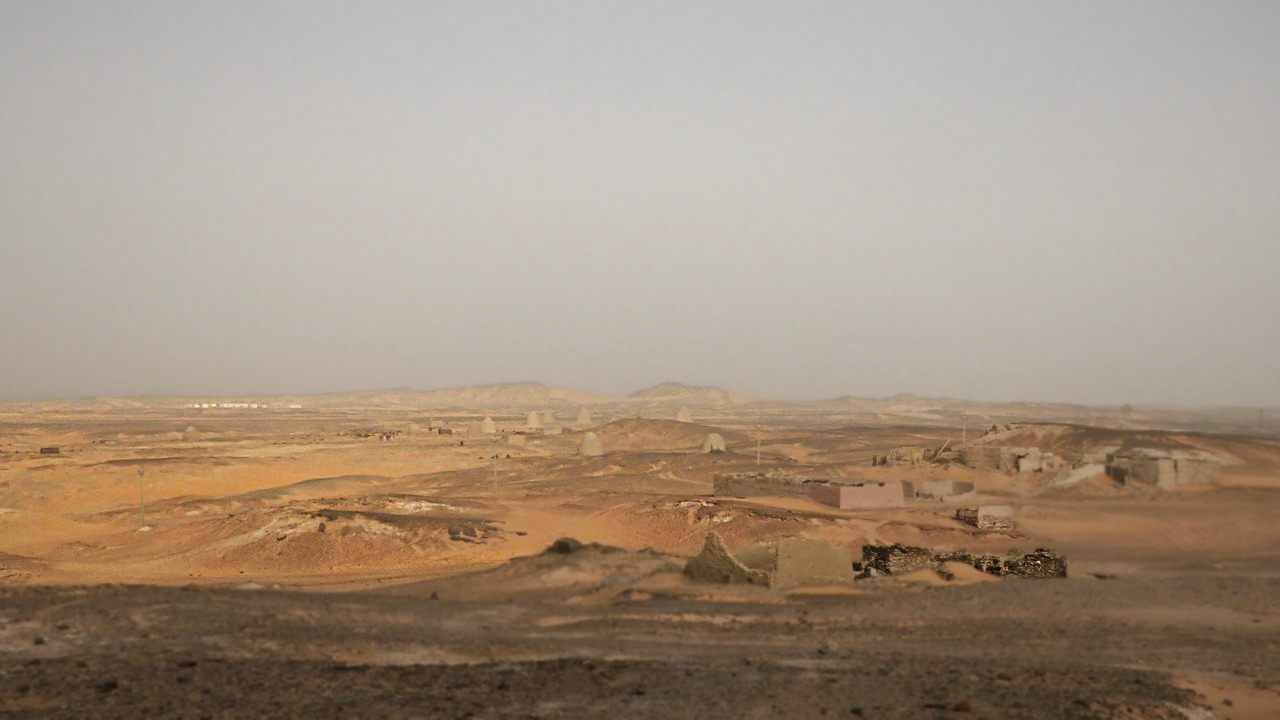
Excavations in northern Sudan have uncovered something no one had seen before. Inside the medieval Great Church of Jesus at Old Dongola, a team found a section of the original cathedral floor, reported by Archaeology magazine in November 2026, along with the base of a vast staircase.
Old Dongola was the capital of Makuria, a Nubian kingdom that converted to Christianity in the sixth century A.D. The work was a joint effort of the Polish Centre of Mediterranean Archaeology at the University of Warsaw and Sudan’s National Corporation for Antiquities and Museums. The floor is where medieval worshippers once walked.
Great Church of Jesus: Six Stories of Brick and Faith
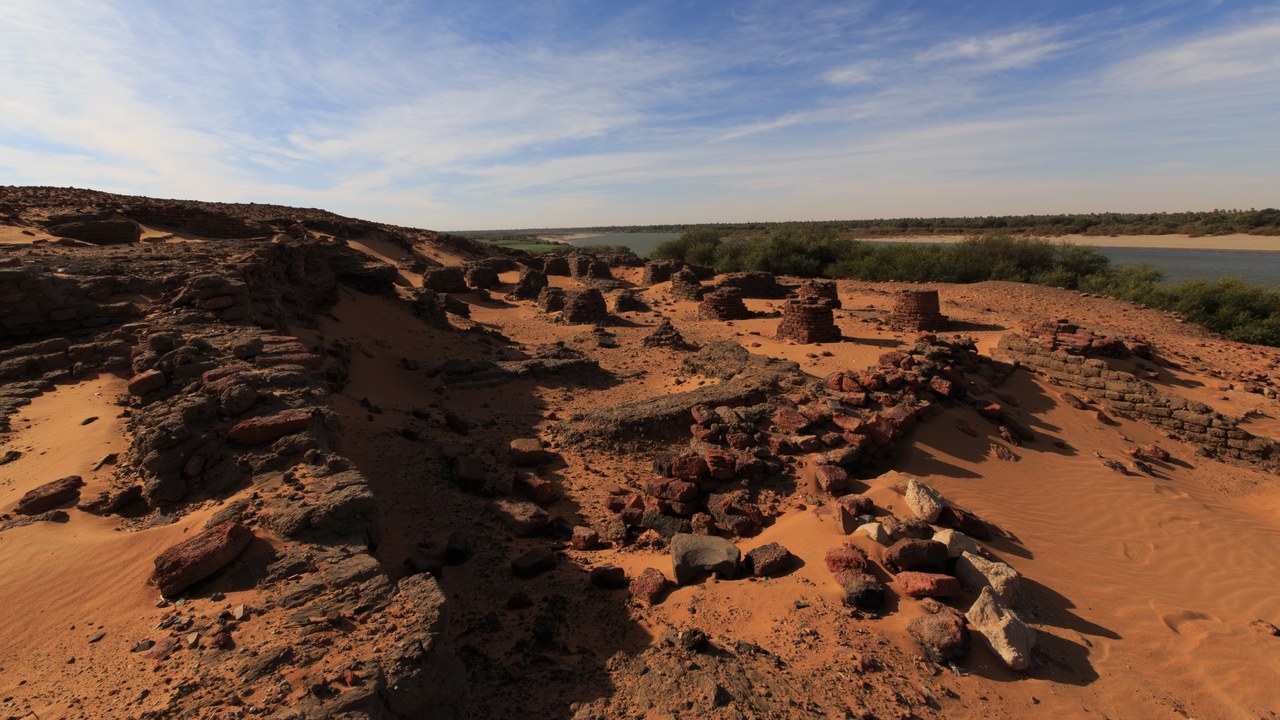
The building at the center of the find is enormous by any medieval standard. According to the Archaeology report, the Great Church of Jesus measured 154 feet wide and 187 feet long and stood over six stories high.
It was one of the most monumental and important Christian buildings in Nubia, and it likely served as the seat of the Bishop of Dongola, one of the most senior Christian figures in medieval sub-Saharan Africa. The cathedral once dominated the ancient metropolis around it, the capital of a kingdom that lasted for centuries.
Throne Hall of Dongola: A Palace Turned Mosque
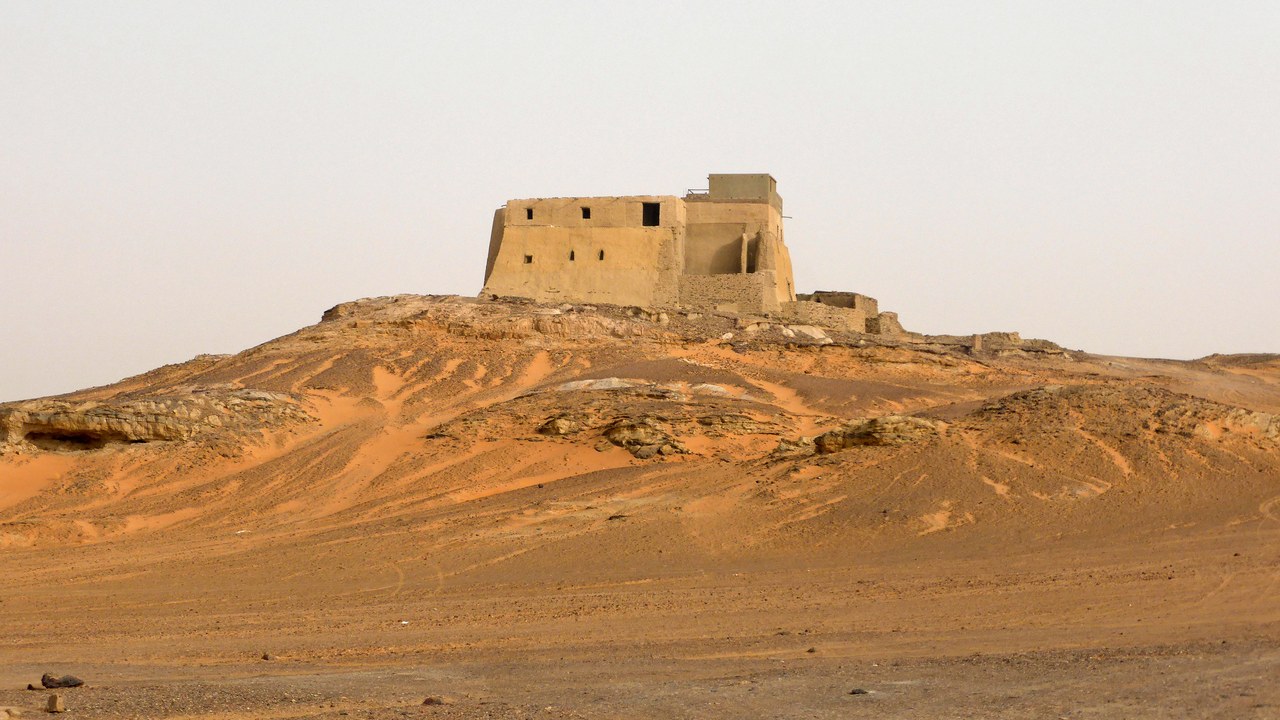
Another landmark of Old Dongola still stands on a rocky hill above the town. The Throne Hall of Dongola is a two-storey brick building that measures 12 metres high, 28 metres long and 18 metres wide, built in the 9th century as the richly adorned showpiece of the Makurian kings.
In 1317, during the period of Makurian decline, it was converted into a mosque, an event preserved in a foundation inscription. It served that purpose until 1969, when it was closed and made a historic monument. Polish archaeologists began excavating the building shortly afterwards.
Nubia: A Christian Kingdom Takes Shape
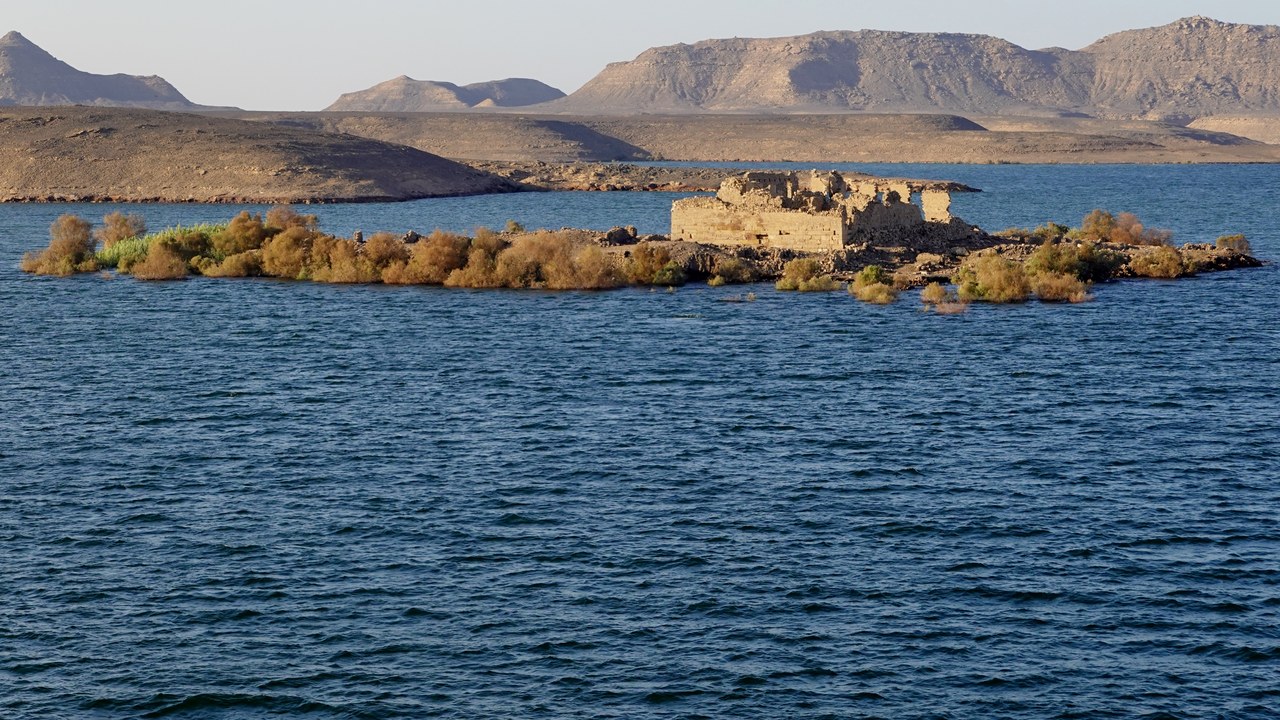
Makuria was not always the sole power on this stretch of the Nile. As the history of Makuria records, the kingdom annexed its northern neighbour Nobatia in the 7th century, uniting Christian Nubia under one crown.
After the union, Makuria extended as far north as Philae near the first cataract. Two new cathedrals styled after the basilica of Dongola were built in Faras and Qasr Ibrim. The great cathedral at the capital belongs to the centuries of that unified kingdom.
Cathedral of Faras: Paintings Preserved by Sand
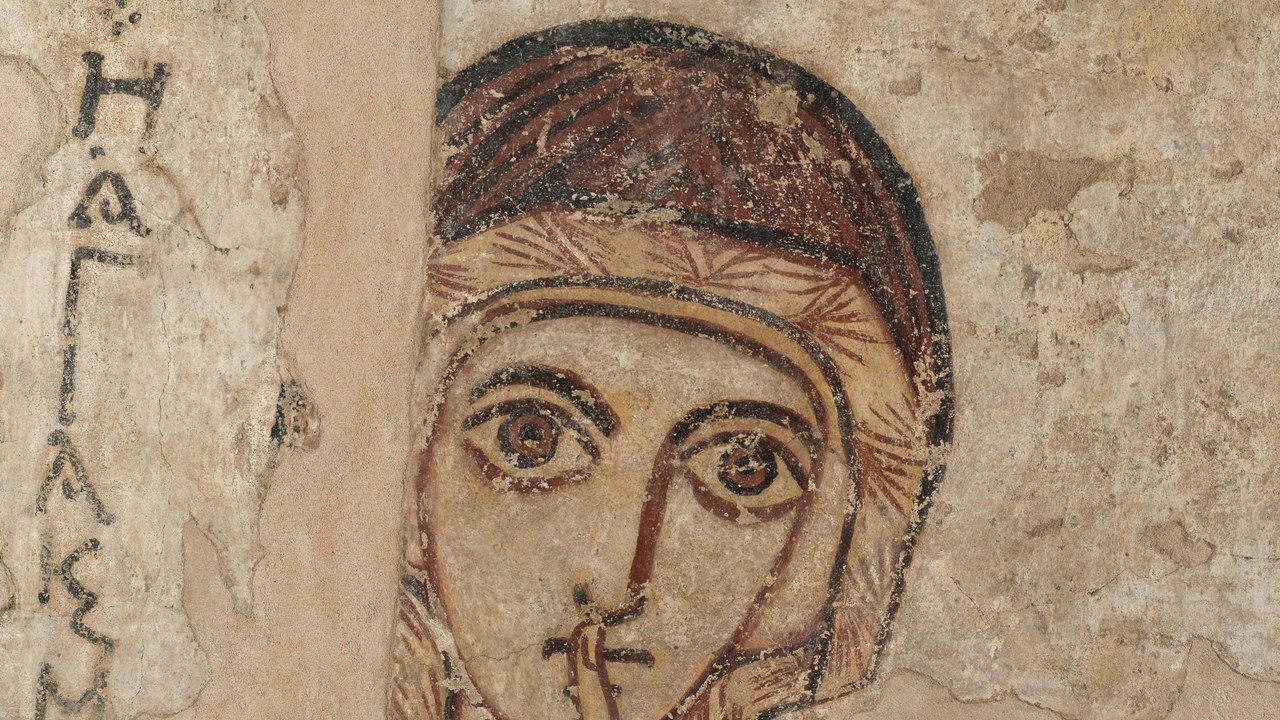
The best-known window into Nubian Christianity was opened before Dongola’s cathedral drew attention. Rescue excavations ahead of the flooding of Lower Nubia in the 1960s turned up the Cathedral of Faras, one of the most important discoveries of that rushed work.
The large building had been completely filled with sand, which preserved a series of wall paintings. Similar but less well preserved paintings have been found at several other sites in Makuria, including palaces and private homes. Together they give an impression of how Makurian Christians decorated their churches and halls.
Hagia Sophia: The Trendsetter Comparison
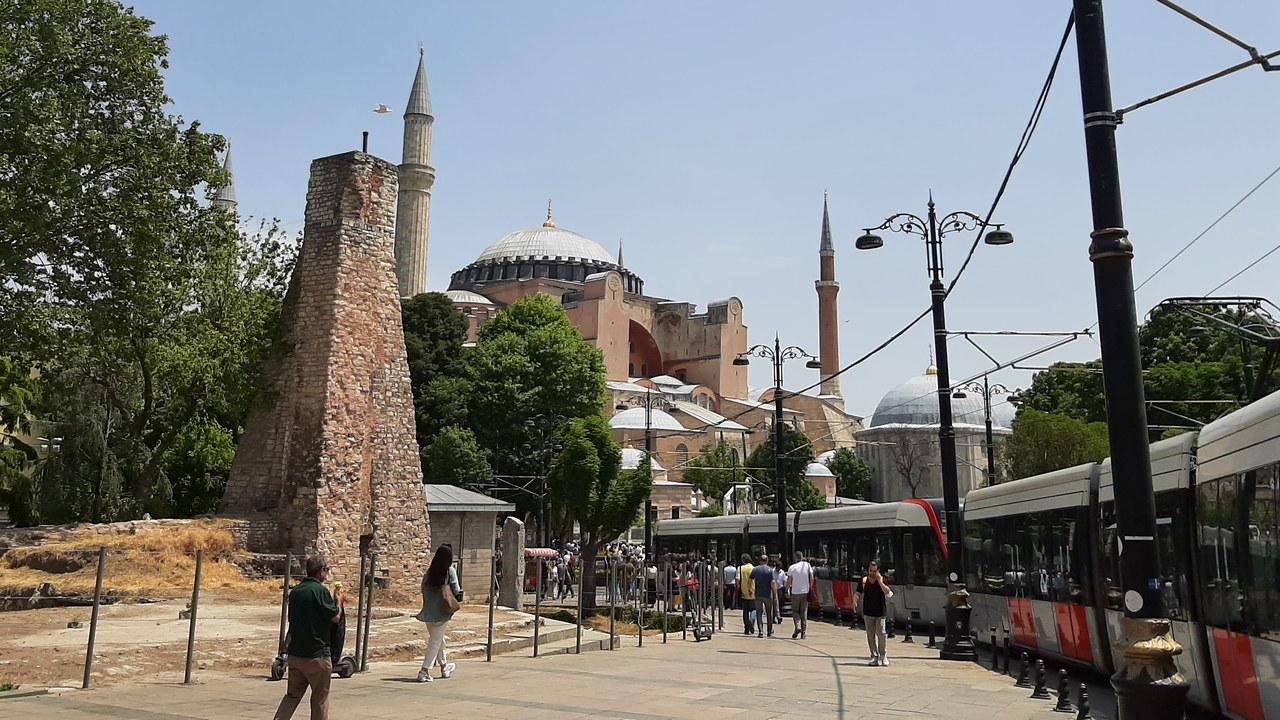
The archaeologists leading the dig reach for a famous yardstick. Artur Obluski, the expedition director from the University of Warsaw, said in the Archaeology magazine report that certain buildings become trendsetters in the history of architecture, and that Hagia Sophia in Constantinople is certainly one such example.
In his view, the Great Church of Jesus appears to be a natural candidate for such a role in Nubia, and perhaps even in this part of Africa. The comparison rests on the building’s scale and importance rather than on any claim that the two churches were alike in design.
Apostle murals of Dongola cathedral: Apostles on the Apse Wall
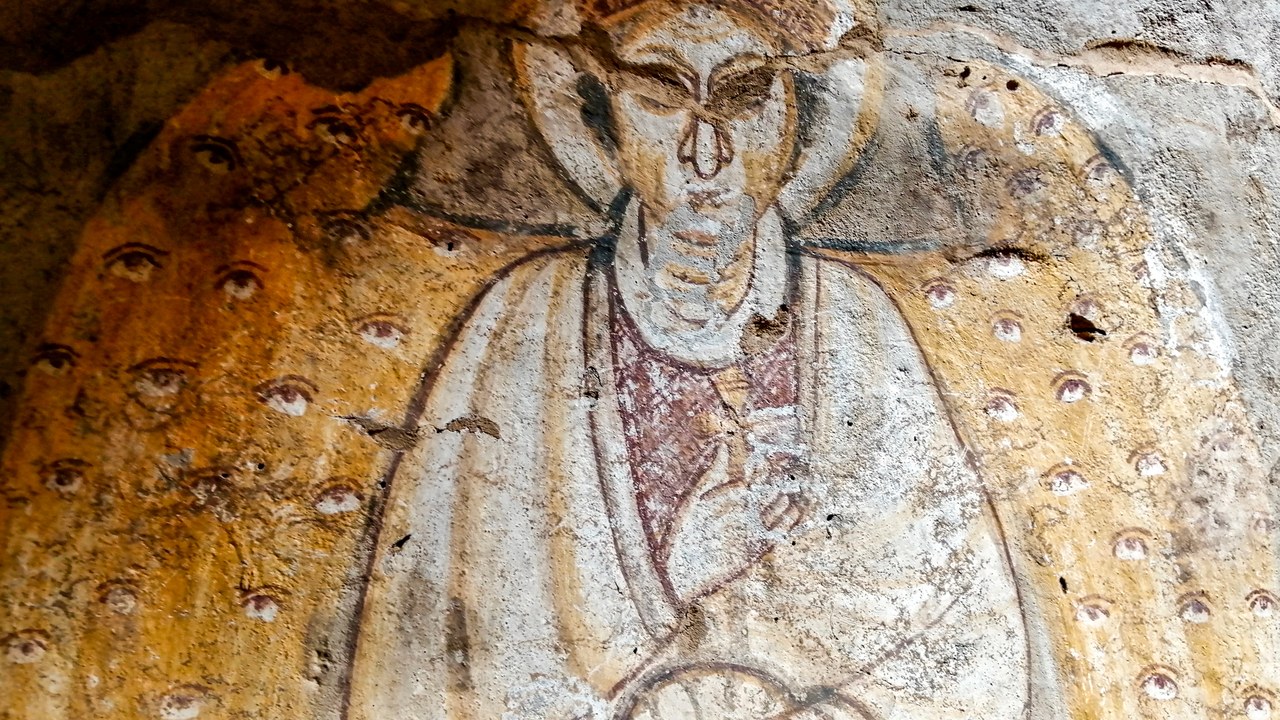
Painted decoration is a recurring theme at Old Dongola. A cathedral found there and reported by Smithsonian magazine in 2021 had apse walls painted in the 10th or early 11th century with portraits believed to represent the Twelve Apostles.
The apse is the most sacred part of a church, which makes such imagery fitting. The team found that site in February 2021 with the help of remote sensing technology, and had expected a town square rather than a church. Its layout mirrors that of the Cathedral of Faras, linking the two Nubian cities.
Baghdad and Makuria: Georgios Goes to Baghdad
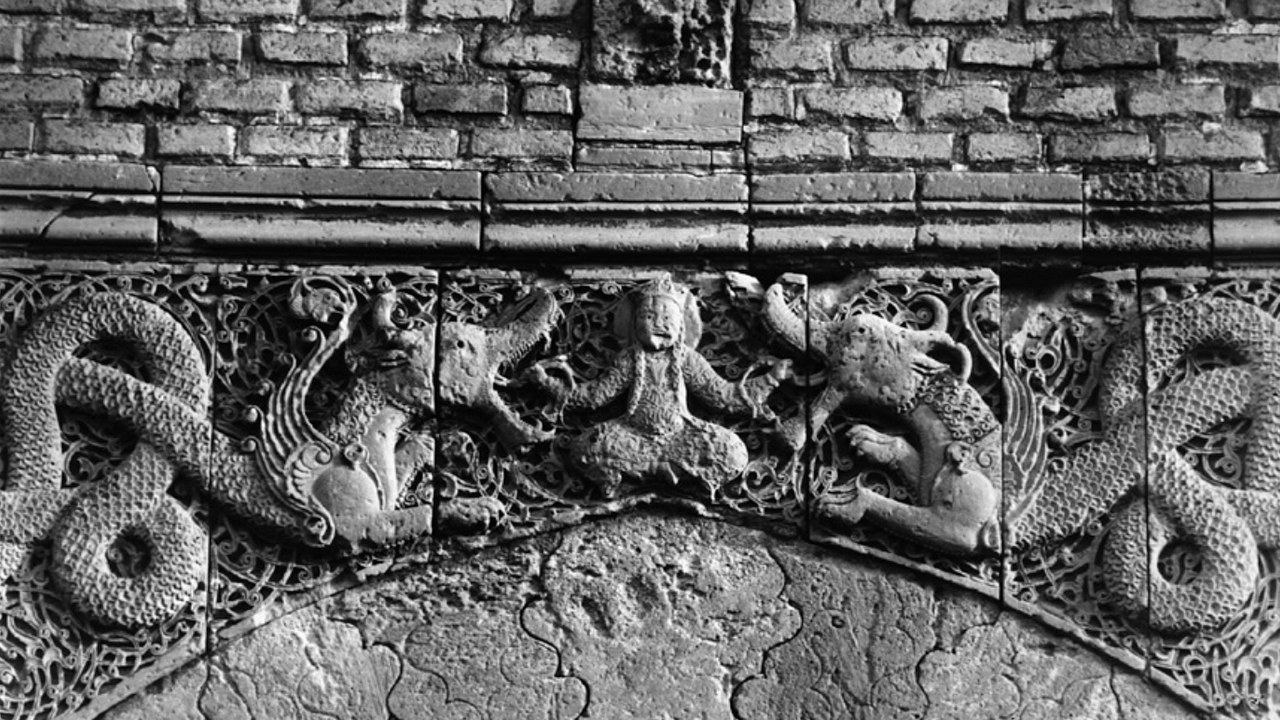
Makuria’s reach extended well beyond the Nile. When the Abbasid caliph in Baghdad pressed for overdue payments under the Baqt treaty, King Zakharias III had his son Georgios I crowned and sent him to negotiate. The arrival of Georgios and his entourage in Baghdad was vividly described by the 12th-century historian Michael Rabo.
The young king, described as educated and well-mannered, managed to convince the caliph to remit the Nubian debts and to reduce the Baqt payments to a three-year rhythm. Georgios returned to Nubia in 836 or early 837, and a new church was built in Dongola after his return.
More from Morning Overview
- USS Michael Murphy is finally home after a grueling 346-day deployment
- Michigan’s shut-down Palisades nuclear plant is supposed to restart within weeks, the Energy Secretary says
- The Bay Area’s highest king tides in 18 years are colliding with a Thanksgiving-week storm
- The sub that hit an undersea mountain has a new bow dome, but won’t sail until summer
