
Homo erectus, one of the longest-lived members of the human family tree, has long been pictured on open grasslands and woodland savannas. Two Nature papers published on November 18 place the species in dense tropical rainforest in southern China as recently as 184,000 years ago. This gallery follows the story through the forests of Guangxi and the sites across Asia and Africa that frame it.
Read next on Morning Overview: Toyota is sweetening its 375-horsepower bZ Woodland electric SUV with 0% financing
Guangxi rainforest: A Forest Diet

Teeth from Baxian and Naxian caves, two sites in the karst country of Guangxi in southern China, place Homo erectus in dense tropical rainforest between 324,000 and 184,000 years ago. Carbon isotopes in tooth enamel from animals in both caves indicated diets drawn entirely from shaded forest plants, with no sign of grassland vegetation.
Three Homo erectus teeth from Naxian Cave gave similar signals, at the boundary between dense forest and more open woodland. Researchers had suggested that expanding rainforest may have helped drive the last populations to extinction, but the team argues the species was not excluded from rainforest, though it may not have been its ideal habitat.
Trinil: Where the Name Began
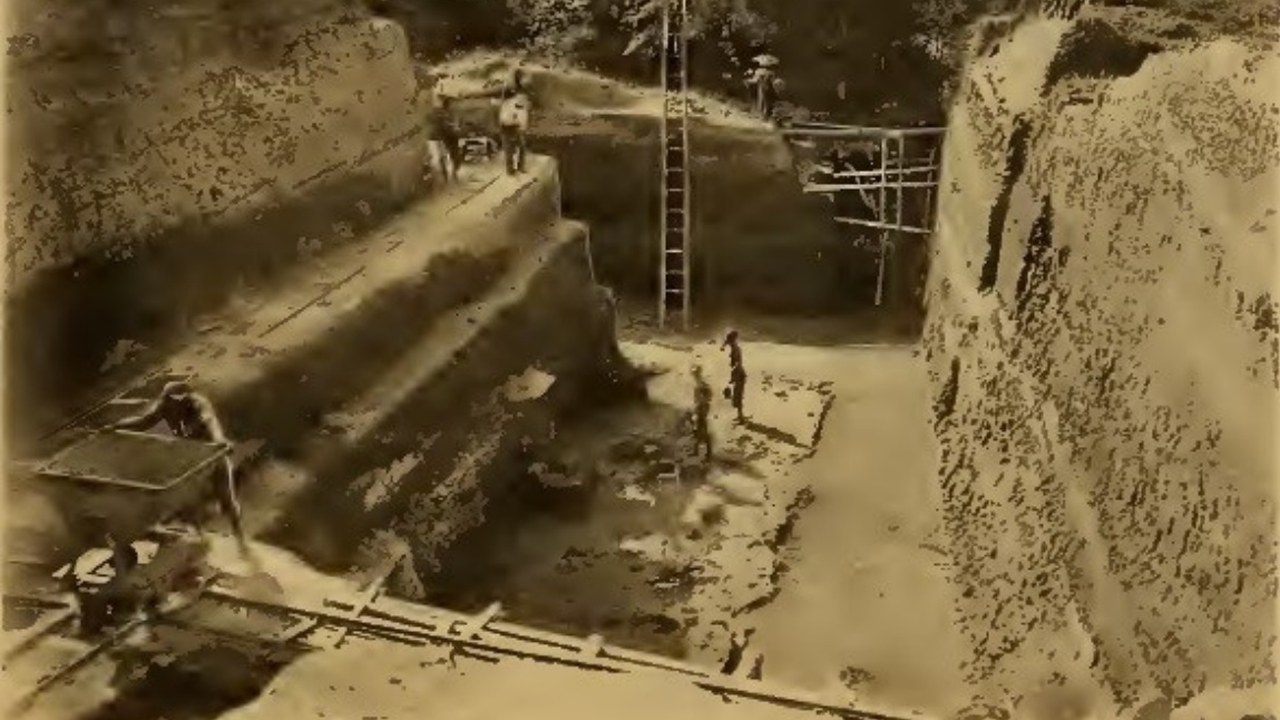
The first fossils classified as Homo erectus were found by Eugène Dubois at the site of Trinil on Java in the 1890s. The species later turned up across Asia, and the Guangxi study now sets its rainforest record against that Javan starting point.
Animal isotopes at Trinil and at Sangiran point to more open habitats than those of the Guangxi caves. That fits the traditional picture of a species that spread from Africa across Asia, as far as China and Java, through grasslands and woodland savannas rather than dense forest.
Sangiran: Open Ground

Animal teeth from the Javan sites of Sangiran and Trinil carry carbon-isotope signals that point to more open habitats than those of the Guangxi caves. The comparison is part of how the researchers reconstructed the environment the Chinese Homo erectus lived in.
The contrast matters because the species is usually associated with grasslands and woodland savannas. At Baxian and Naxian, human and animal teeth alike indicated dense tropical rainforest, which the authors say challenges assumptions about how well Homo erectus could adapt to changing environments.
Ngandong: The Old Last Record
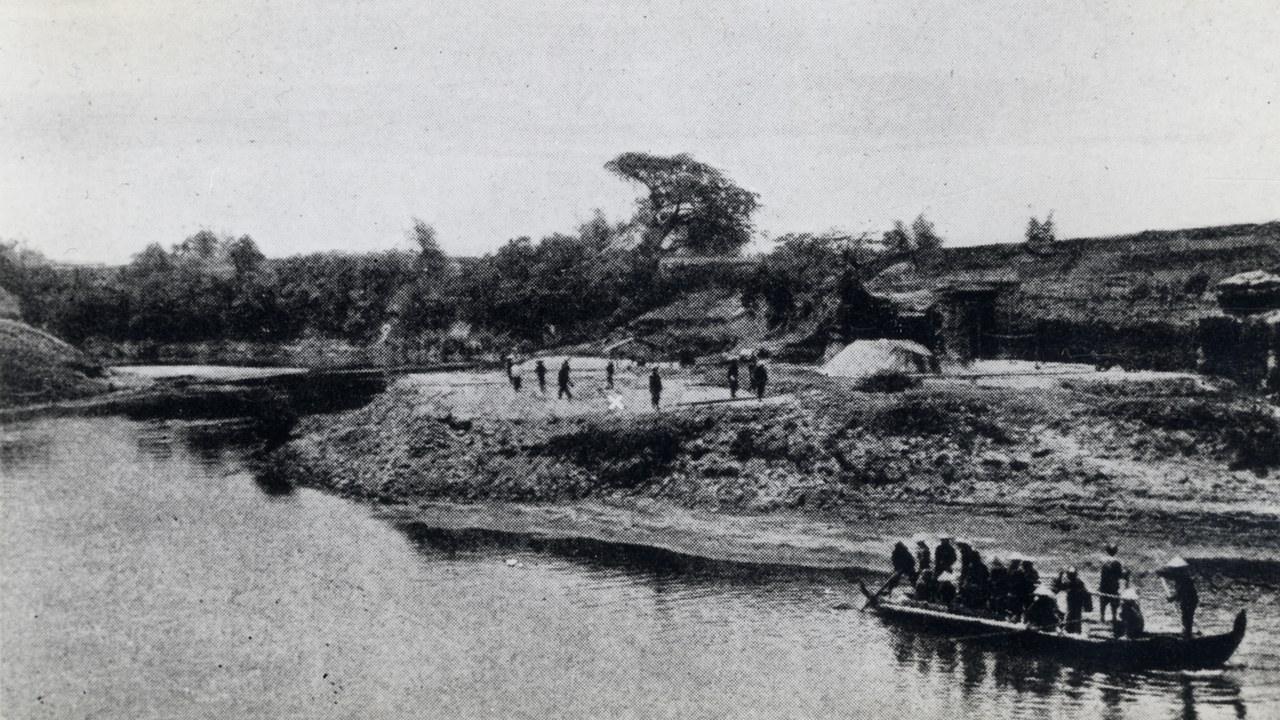
Until the Guangxi results, the last members of the species were thought to have lived on the island of Java, where the youngest known Javan fossils, from Ngandong, date to 117,000 to 108,000 years ago. No securely dated Homo erectus fossils from mainland Asia were younger than about 400,000 years.
The Baxian fossils, at 324,000 to 184,000 years ago, are older than Ngandong, but they are the youngest reliably dated evidence of the species in China and the first with firm dating from the south. Kira Westaway of Macquarie University said the finding has huge implications for the timeline as researchers try to understand the causes of its extinction.
Zhoukoudian: Peking Man
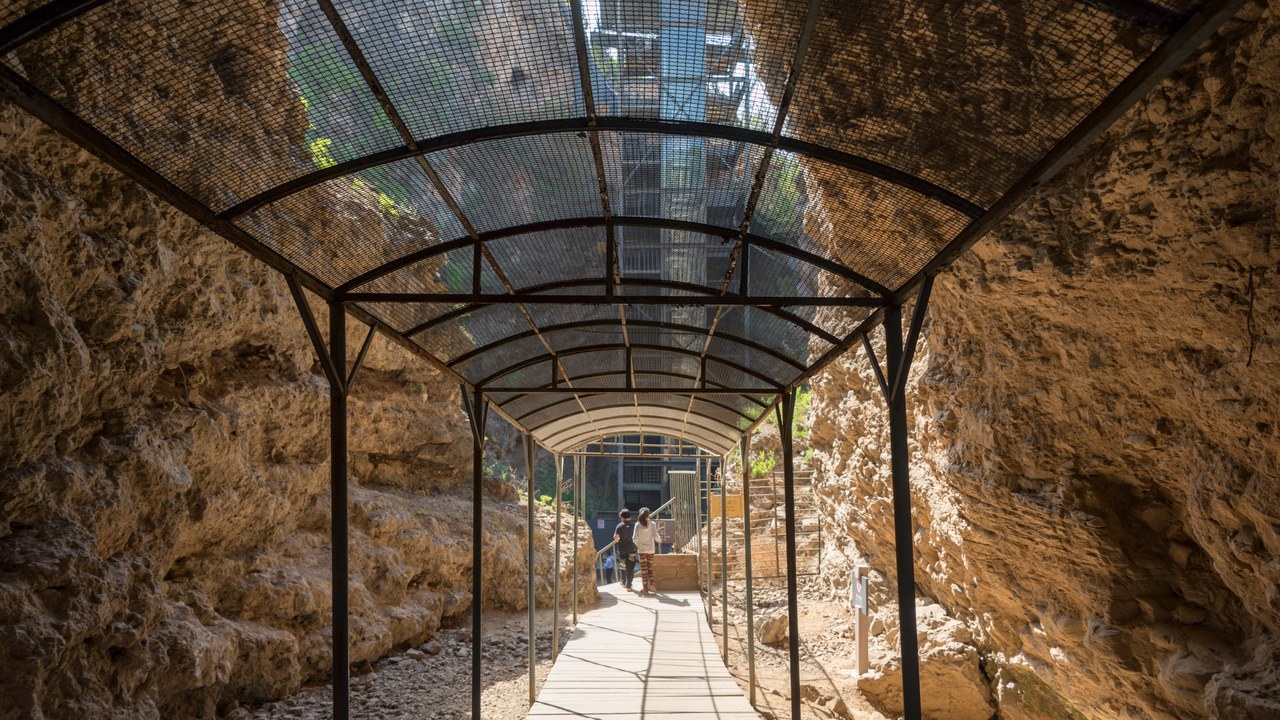
Remains found at Zhoukoudian by Davidson Black became popularly known as Peking man. The name remains one of the best-known labels for Homo erectus in China, and the Guangxi teeth now add a far younger chapter to the story of the species there.
Ancient proteins from five Guangxi teeth show an amino acid change in a protein called ameloblastin that had previously been seen only in Homo erectus fossils from China dated to about 400,000 years ago. The teeth lacked a second change found in those older specimens, suggesting a population not sampled molecularly before.
Dmanisi: Out of Africa Early
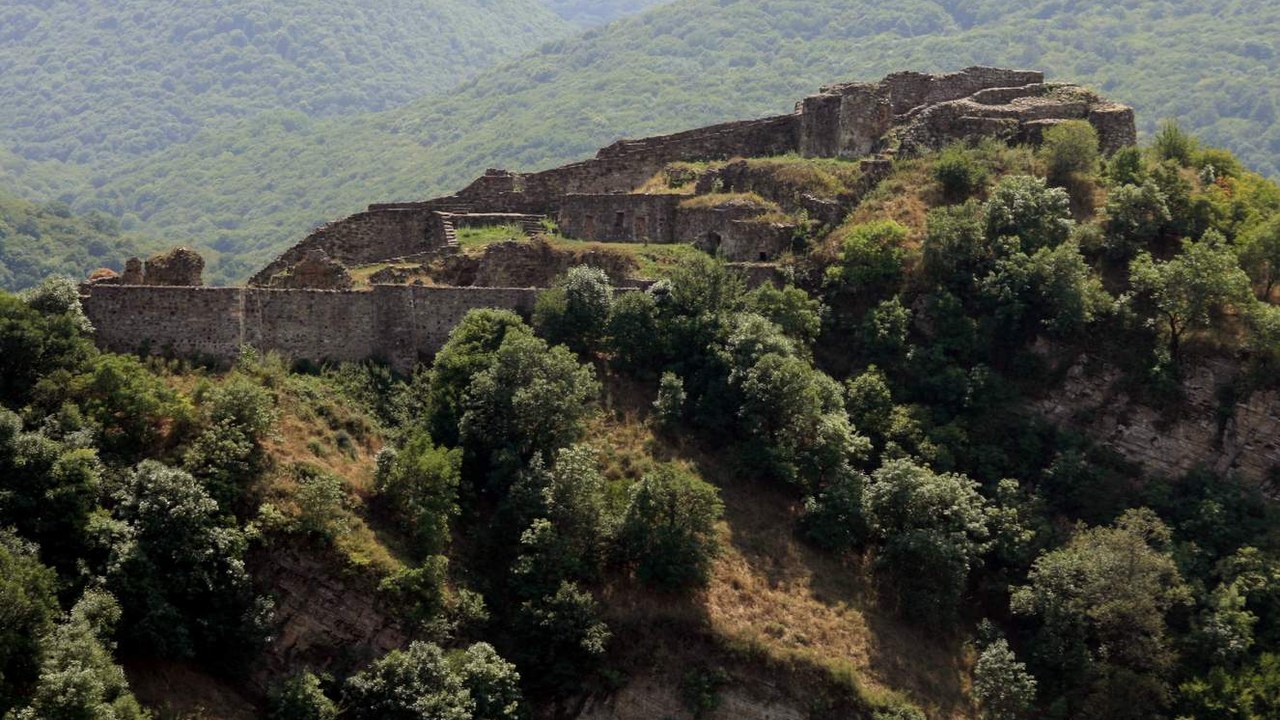
The Dmanisi hominins in Georgia are dated to about 1.7 million years ago, and the Dmanisi hominins are among the oldest known outside Africa. They mark an early point on the route by which the species reached Asia.
From there Homo erectus spread across Asia as far as China and Java, and it survived for nearly two million years, far longer than Homo sapiens has existed. The Guangxi finding extends that long record in southern China to as recently as 184,000 years ago.
Koobi Fora: Lake Turkana’s East Shore
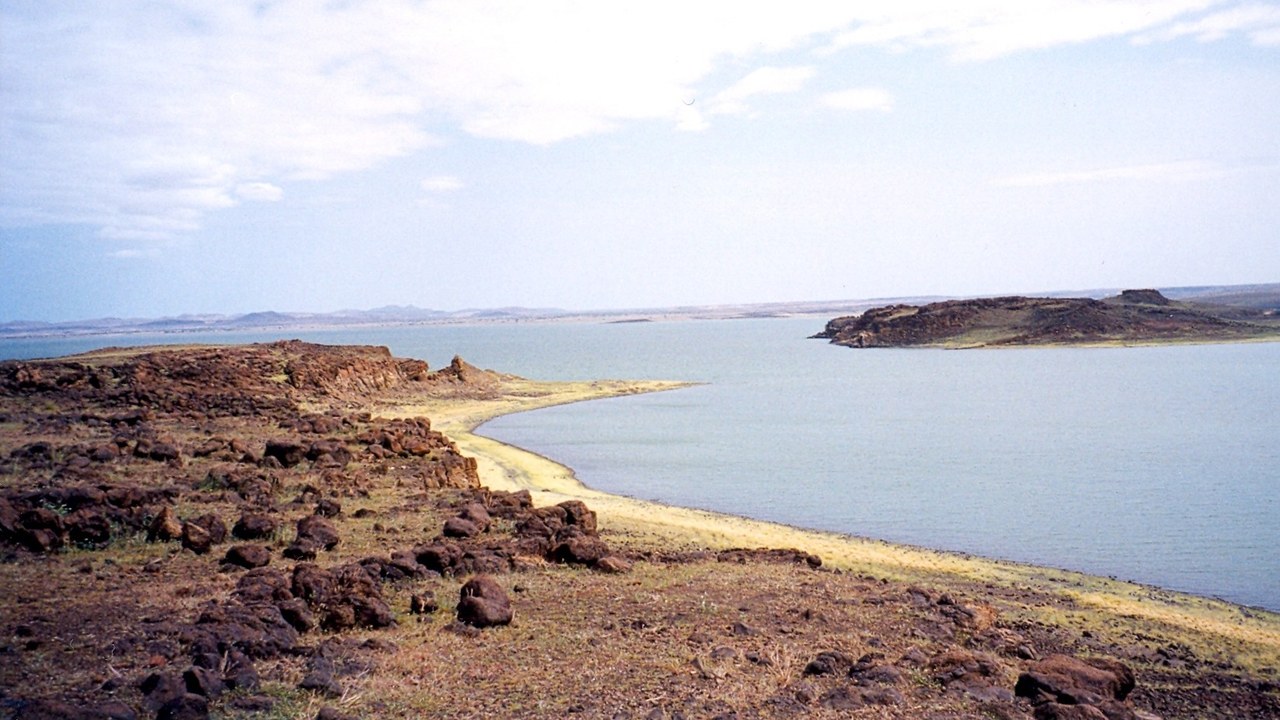
Sites on the eastern shore of Lake Turkana, including Koobi Fora in Kenya, have yielded Homo erectus fossils about 1.7 million years old since 1970. They are among the key African records for the species.
That age matches the Dmanisi hominins in Georgia. Set beside the Baxian teeth, the Kenyan fossils span more than 1.5 million years of the species’ history, from its early African record to the last dense-forest populations of southern China. The researchers behind the Guangxi work describe the species as one of the longest-lived members of the human family tree.
Olduvai Gorge: Leakey’s Braincase
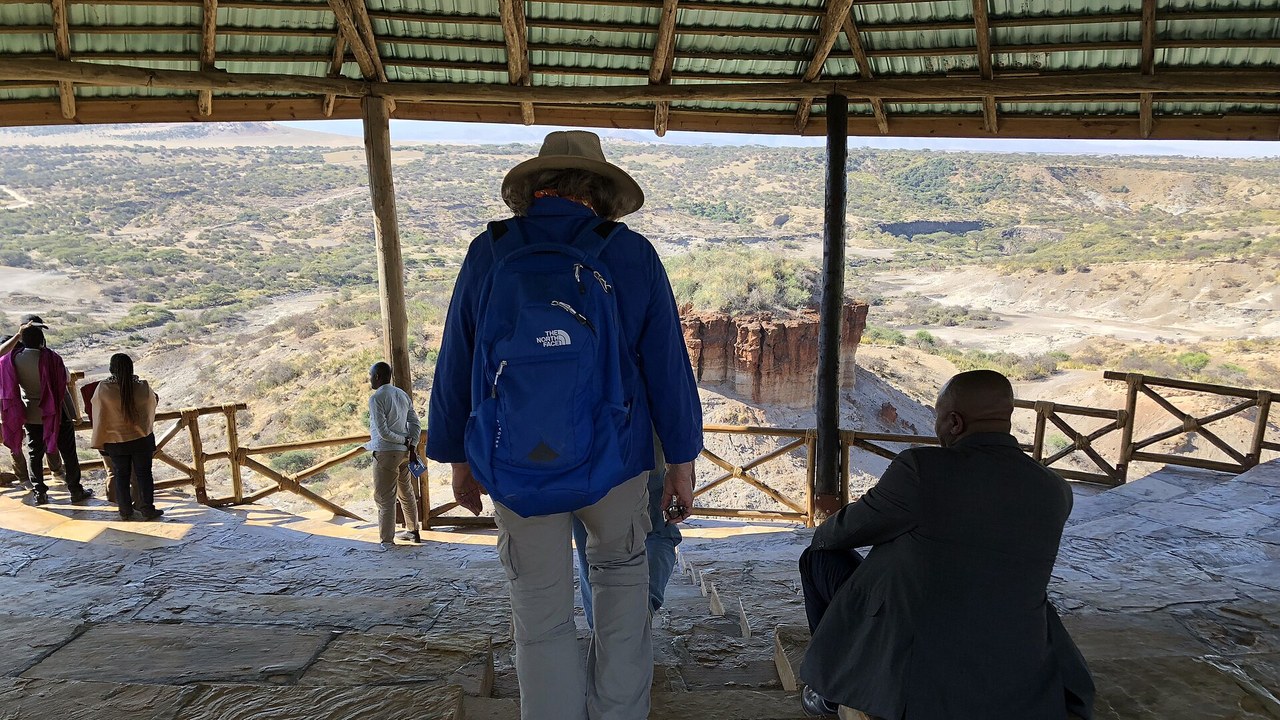
Louis Leakey excavated a partial braincase at Olduvai Gorge in Tanzania in 1960. It is probably about 1.2 million years old, placing it between the early African fossils and the much younger Chinese teeth.
Olduvai belongs to the African side of the species’ story, from which Homo erectus spread across Asia. The Guangxi papers by contrast rest on nine human teeth and thousands of other fossils recovered from two neighbouring caves about 15 kilometres apart. The Guangxi teeth were dated with 43 radiometric ages from five techniques, including luminescence dating of sediments and uranium-series dating of teeth and mineral deposits.
Acheulean: First Hand-Axes
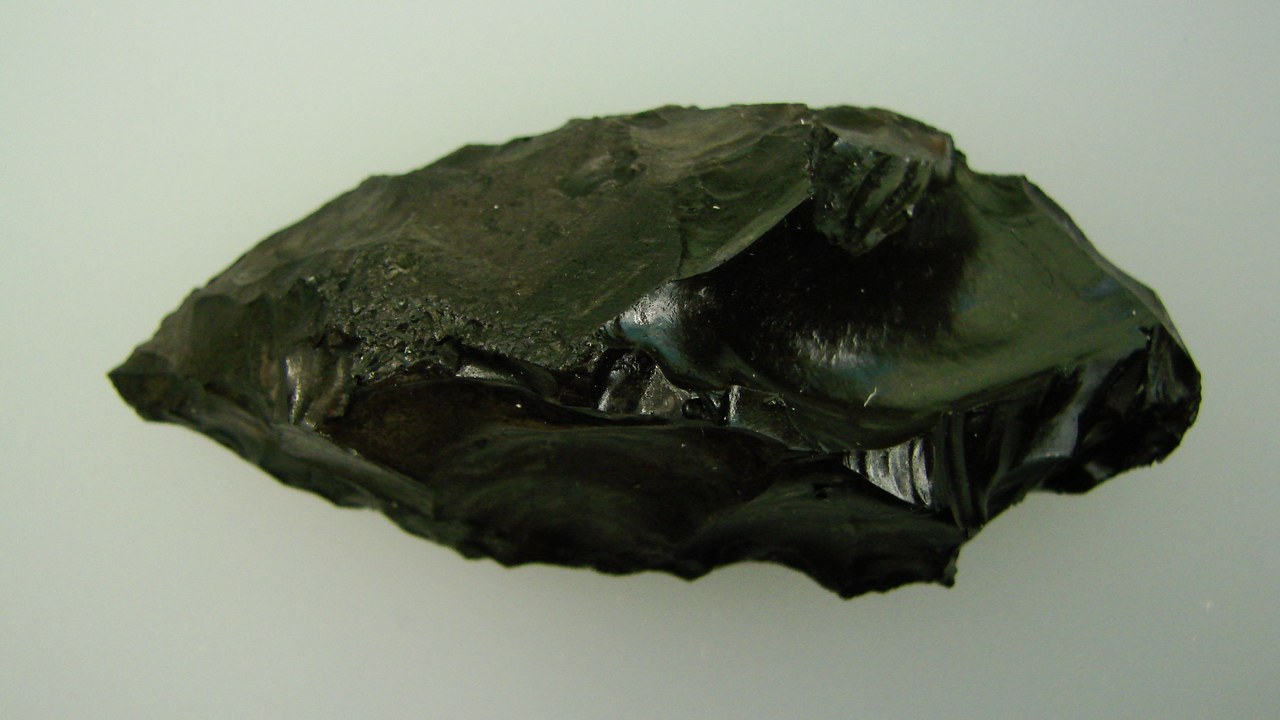
Homo erectus is often connected with the creation of the very first hand-axes, the Acheulean tools. The tool pictured is an Acheulean example from Syria, held at the University of Zurich.
Stone tools are not the focus of the Guangxi papers, which rest on teeth, dating and tooth chemistry. Strontium isotopes in the enamel of four teeth suggest some individuals moved between geological regions, possibly as far as 250 kilometres away toward northern Vietnam. CT scans showed that eight of the nine teeth matched Homo erectus in shape and structure, unlike Neanderthals, Denisovans and modern humans.
Denisova Cave: A Tooth That Did Not Fit
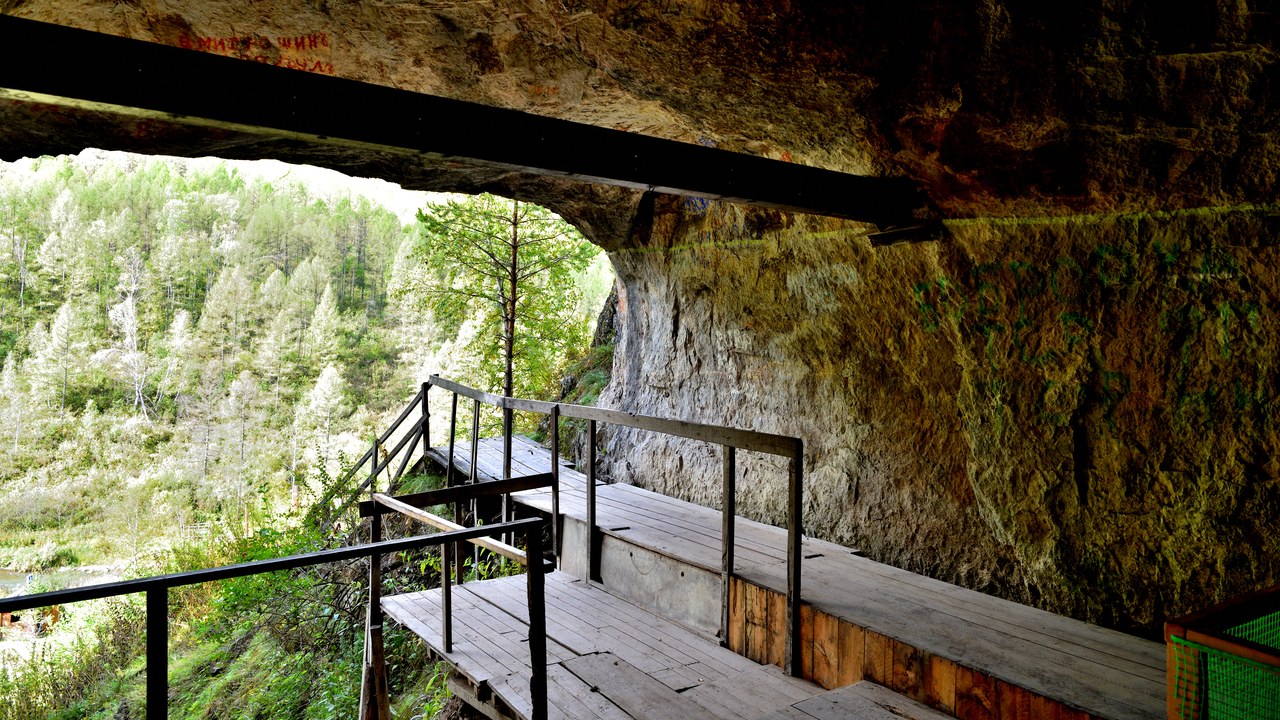
One hominin tooth from Baxian Cave, labelled PA1796, did not fit Homo erectus. According to the study, it may belong to a Denisovan, an enigmatic group known mostly from fossils and DNA in Siberia, Tibet, Taiwan and Laos, or possibly to another population.
Frido Welker of the University of Copenhagen said the tooth did not belong to Homo erectus with a high degree of confidence, but its species cannot yet be determined. That, he said, shows that at least two different human groups lived side by side in the region.
More from Morning Overview
- A dangerous flash flood warning hit Broward County after an overnight deluge
- El Niño has hit +2.5°C, and a strong-to-very-strong winter event now looks likely
- The biggest grid drop in PJM history came from data centers, and now they may have to pay
- Back-to-back California quakes, and what the USGS says about the risk of a bigger one
