
Beneath the domed church that has dominated Istanbul’s skyline for nearly fifteen centuries, archaeologists are clearing a buried system of Roman tunnels. The work links the building to a wider hidden city of cisterns and aqueducts that once moved water across Constantinople. This story follows the dig, the underground structures around it and the plans to show the results to the public.
Read next on Morning Overview: Older Teslas mostly keep their batteries, and here’s what wears out instead
Hagia Sophia: The Dig Below the Dome
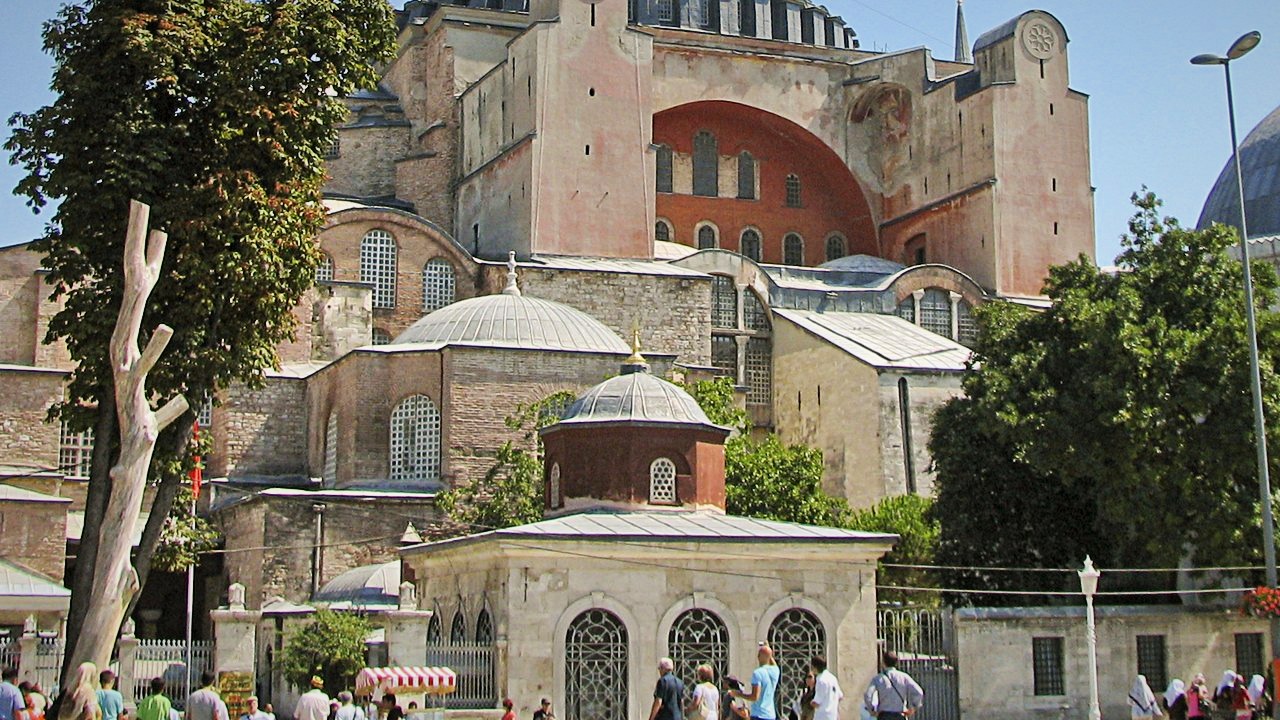
Excavators working under Hagia Sophia have removed about 3,000 metric tons of mud and debris since February 2025, according to a Daily Sabah report on a talk by Professor Hasan Fırat Diker, a member of the building’s scientific committee. The tunnels form an intricate network that Diker likened to a subway system.
Diker said the Romans designed the infrastructure around 1,600 years ago to channel rainwater from the street into the sea. Reporting published on 24 November 2026 puts the cleared tunnel network at 420 meters, while the team has cleared 170 meters of a main Roman road that ran from Sarayburnu toward Little Hagia Sophia, work never before attempted on this scale.
Basilica Cistern: The Largest Cistern Nearby
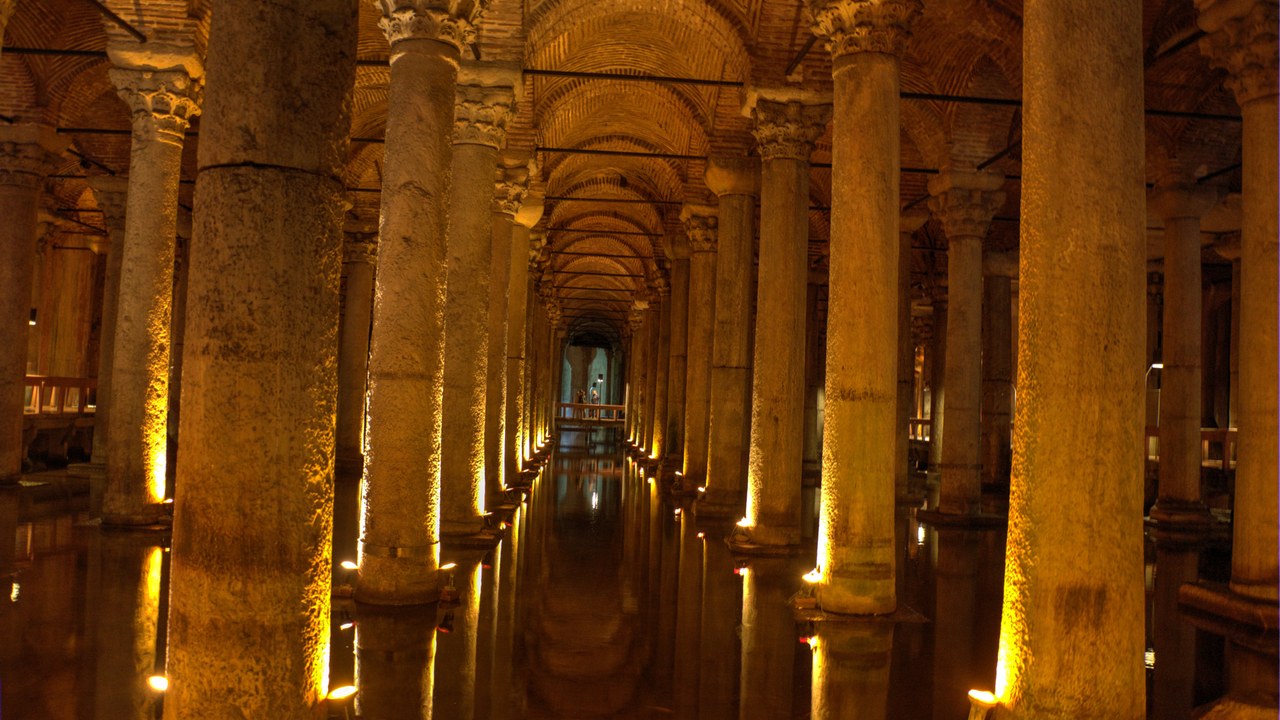
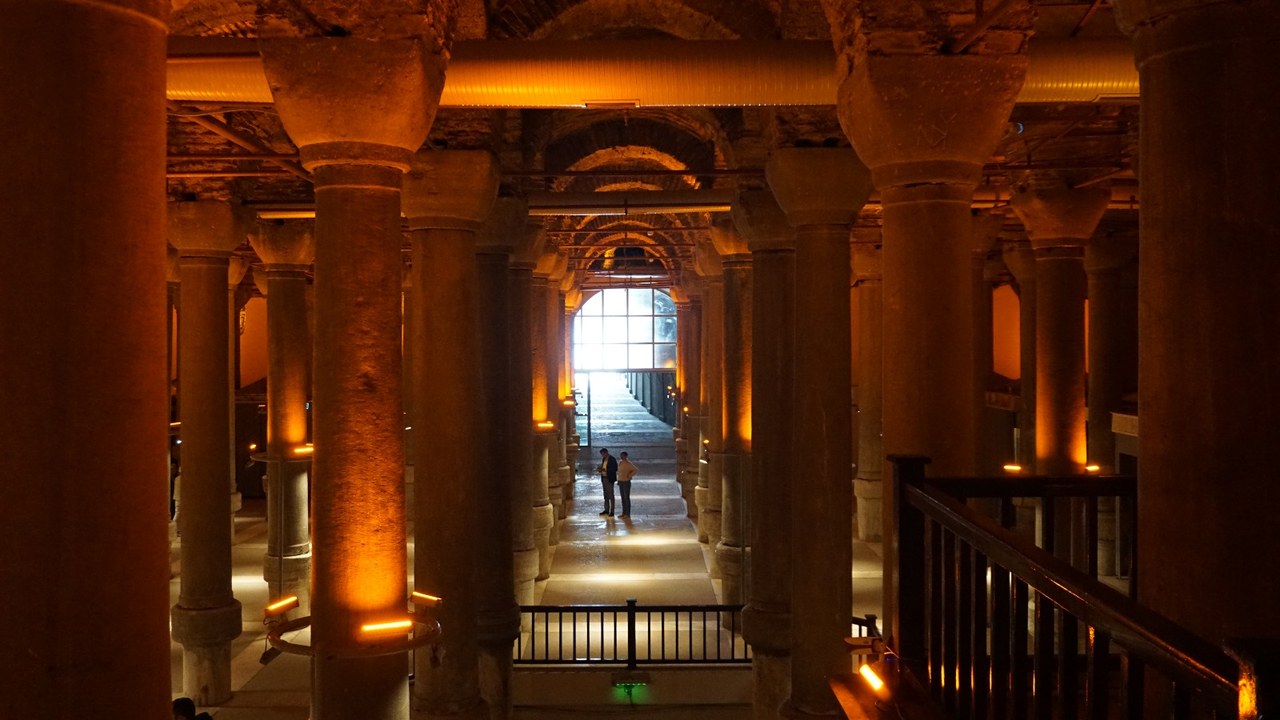
The Basilica Cistern, built in the 6th century under Byzantine emperor Justinian I, lies about 150 meters southwest of Hagia Sophia and is the largest of several hundred ancient cisterns beneath Istanbul, according to its Wikipedia entry. The underground chamber measures roughly 138 by 65 meters.
Its ceiling rests on 336 marble columns, each 9 meters high, arranged in 12 rows of 28. The chamber could hold about 80,000 cubic meters of water, which traveled from the Belgrad Forest, 19 kilometers north of the city, partly by way of the Valens Aqueduct. After a major restoration in the 1980s, it opened to the public as a museum in 1987.
Medusa heads of the Basilica Cistern: Two Faces at the Base
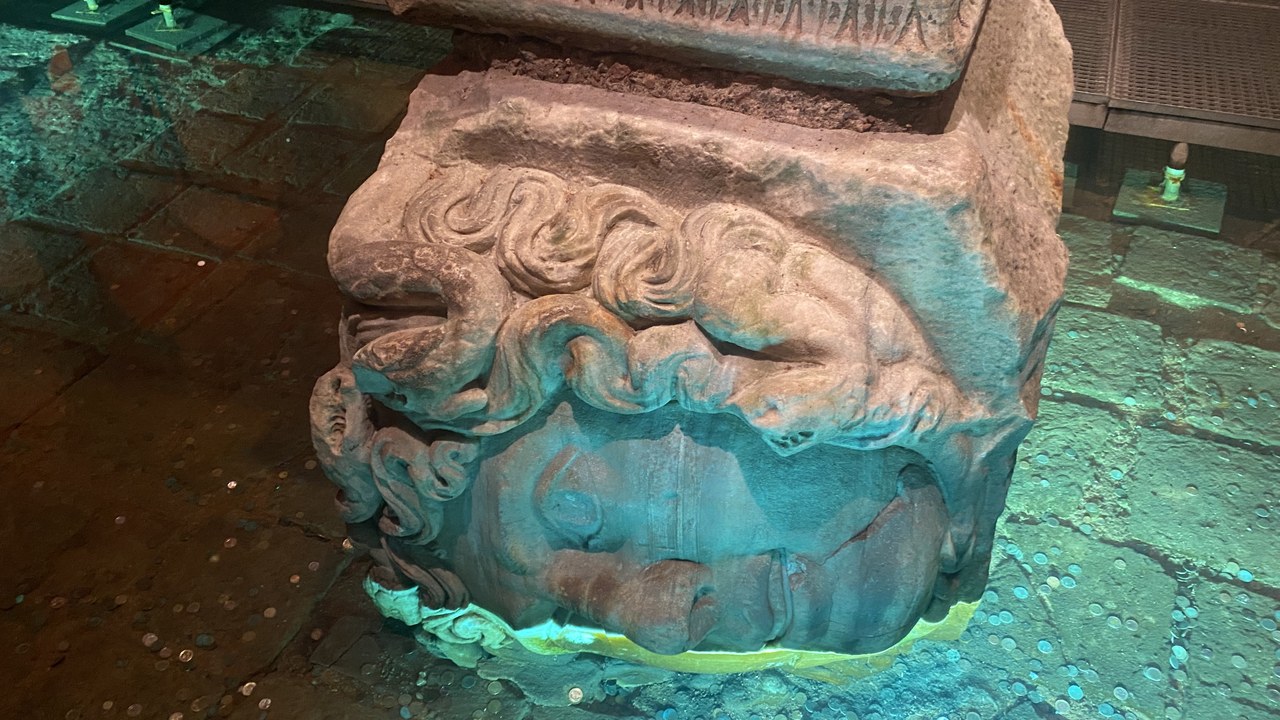
Two columns in the northwest corner of the Basilica Cistern stand on bases that reuse blocks carved with the face of Medusa, as the cistern’s Wikipedia page records. The heads were uncovered during the 1985 to 1987 restoration, when more than 50,000 tons of silt were removed from the reservoir.
The origin of the two heads is unknown. They are thought to have been brought to the cistern after being removed from a building of the late Roman period, though there is no evidence that they were previously used as column bases. The inverted Medusa pillar later featured in Dan Brown’s 2013 novel Inferno and its 2016 film adaptation.
Theodosius Cistern: A Second Cistern, Found Again
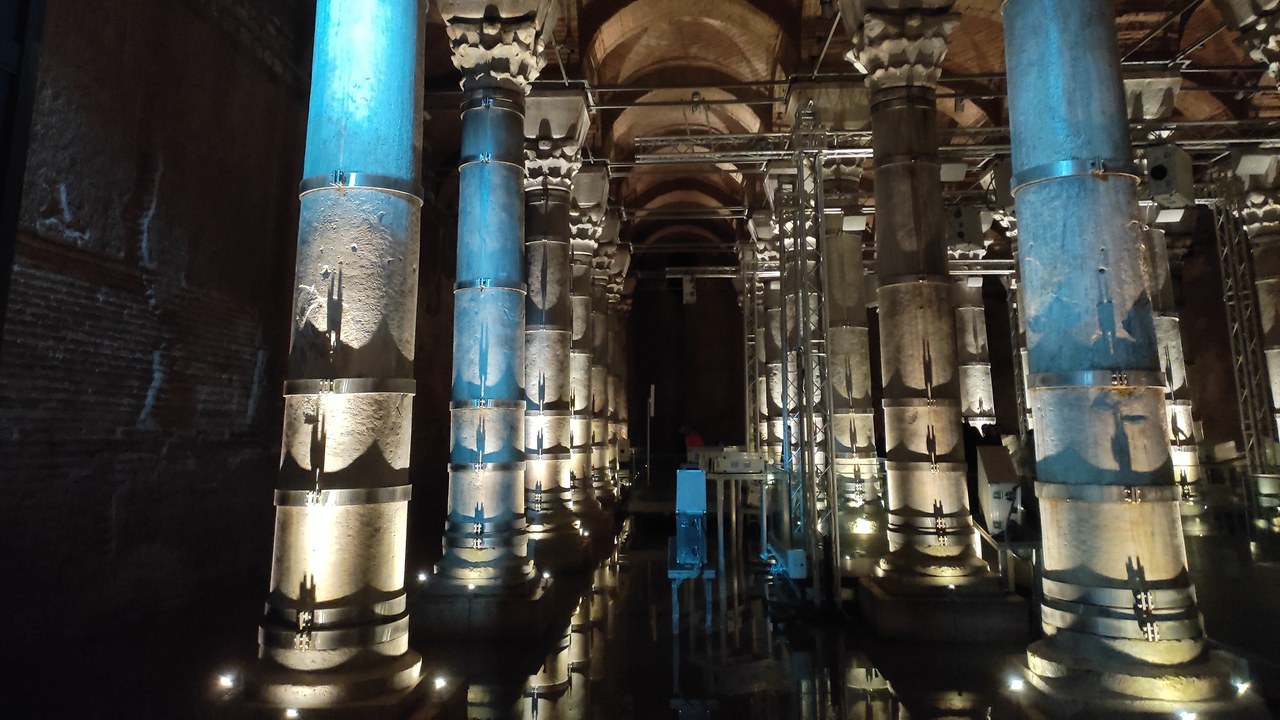
Another of Constantinople’s many cisterns, the Theodosius Cistern, was built by Roman Emperor Theodosius II between 428 and 443 to store water supplied by the Valens Aqueduct. It covers about 20 by 40 meters, and its roof of 45 sail vaults is supported by 32 marble columns about 11 meters high.
Water from the aqueduct was redistributed from here to the Nymphaeum, the Baths of Zeuxippus and the Great Palace of Constantinople. The cistern was rediscovered in 2010 under a building after Istanbul’s metropolitan municipality demolished an annex, though that account is tagged as disputed on its Wikipedia page. Locally it is known as the Şerefiye Cistern, after its neighborhood.
Valens Aqueduct: A Fourth-Century Lifeline
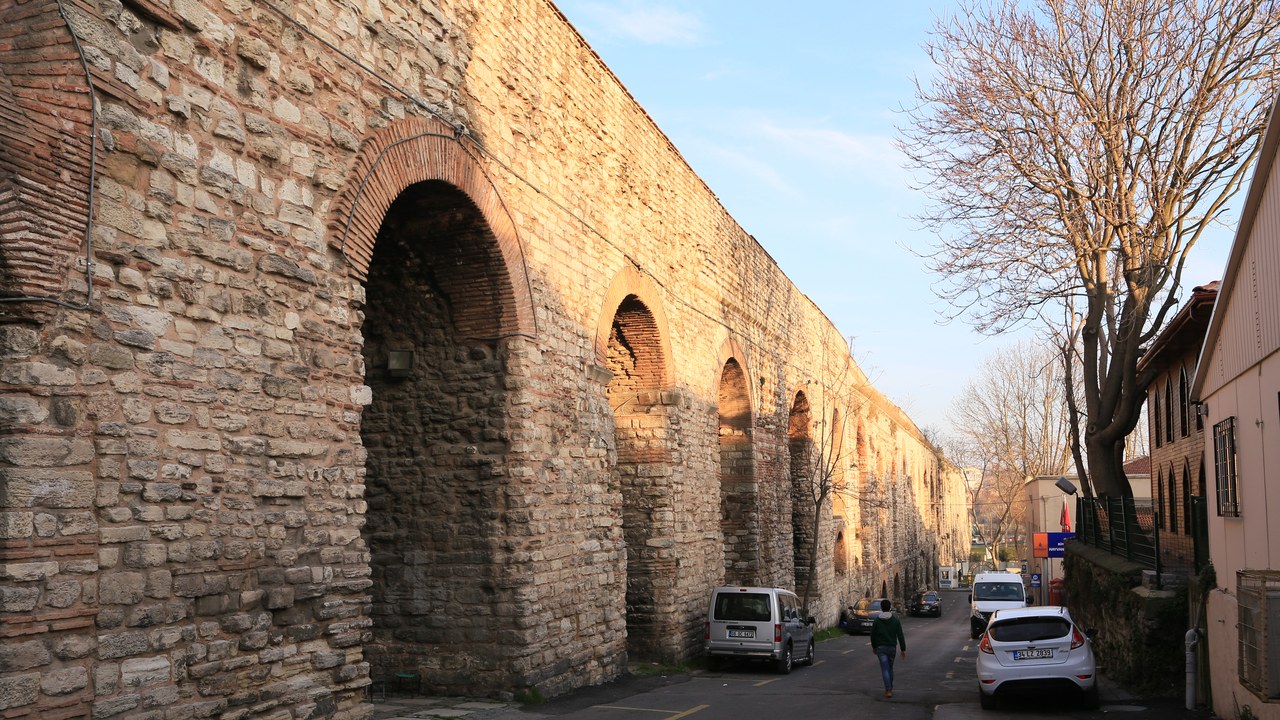
The surviving section of the Aqueduct of Valens is 921 meters long, about 50 meters less than the original length. It is a remnant of a water system inaugurated under Emperor Valens, whose 4th-century first phase was 268 kilometers long.
A second, 5th-century phase added a further 451 kilometers of conduits that drew water from Vize, 120 kilometers away. The aqueduct supplied the cisterns of the old city, including the Theodosius Cistern, which redistributed its water onward to the Great Palace of Constantinople.
Cistern of Philoxenos: The End of the Line
The main reservoir terminus fed by the aqueduct was probably the Cistern of Philoxenos, according to the aqueduct’s Wikipedia article. The system it served began at springs at Danımandere and Pınarca, whose channels met at Dağyenice before running on to Constantinople.
That detail shows how the city’s hidden water works were linked: a long conduit from distant springs ended in vaulted underground storage, and water was then redistributed onward. The Roman infrastructure beneath Hagia Sophia, which Professor Diker described as a hub for distributing the city’s water supply, belongs to the same culture of underground engineering.
Hagia Sophia’s dome: Built Above the Dig
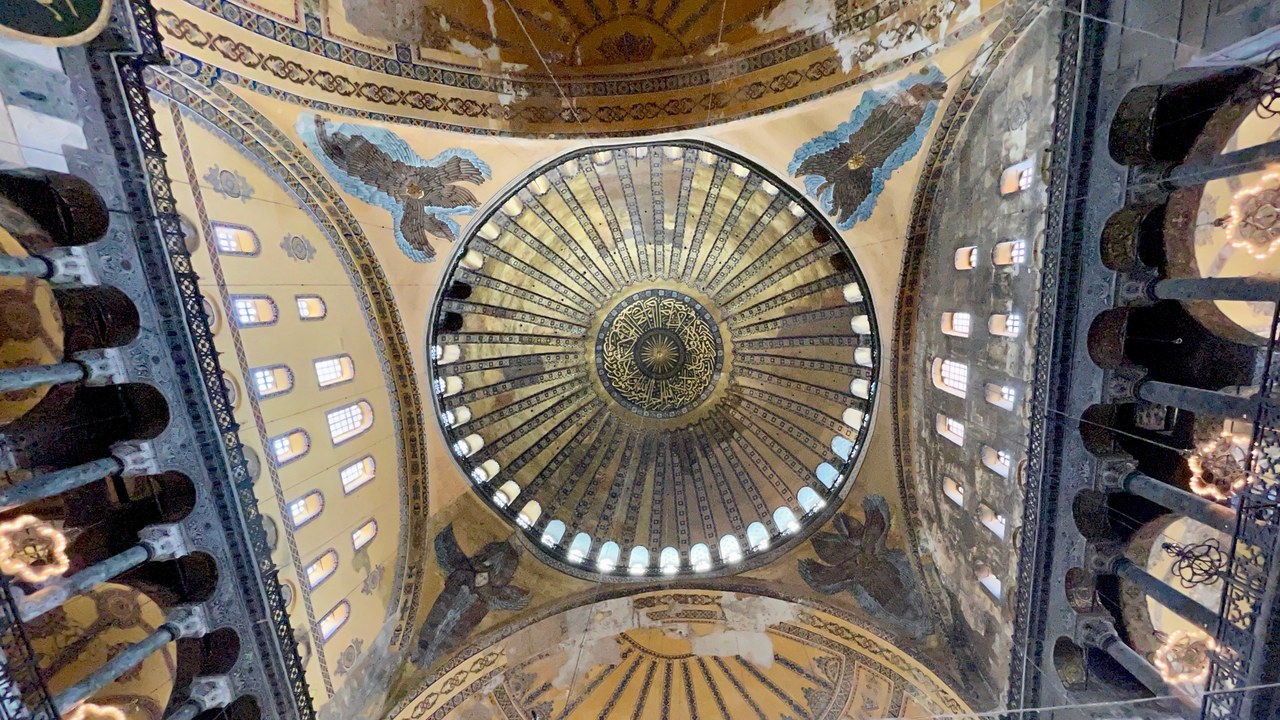
The central dome of Hagia Sophia is over 31 meters across and 48.5 meters high, according to the Met Museum essay on the building. Architects Anthemios of Tralles and Isidoros of Miletos designed it, and contemporary commentators often interpreted it as the dome of heaven itself.
The dome’s weight is carried by four great arches that rest on tympana and semi-domes, a technically complex system of vaults. Below that structure, the dig is reaching far older layers. In 1946 a hypogeum, an underground burial chamber of four adjoining rooms, was found on the northeastern side, and the team went another 1.5 meters below it into a section that predates Hagia Sophia itself.
Justinian’s third Hagia Sophia: Rebuilt in Under Six Years
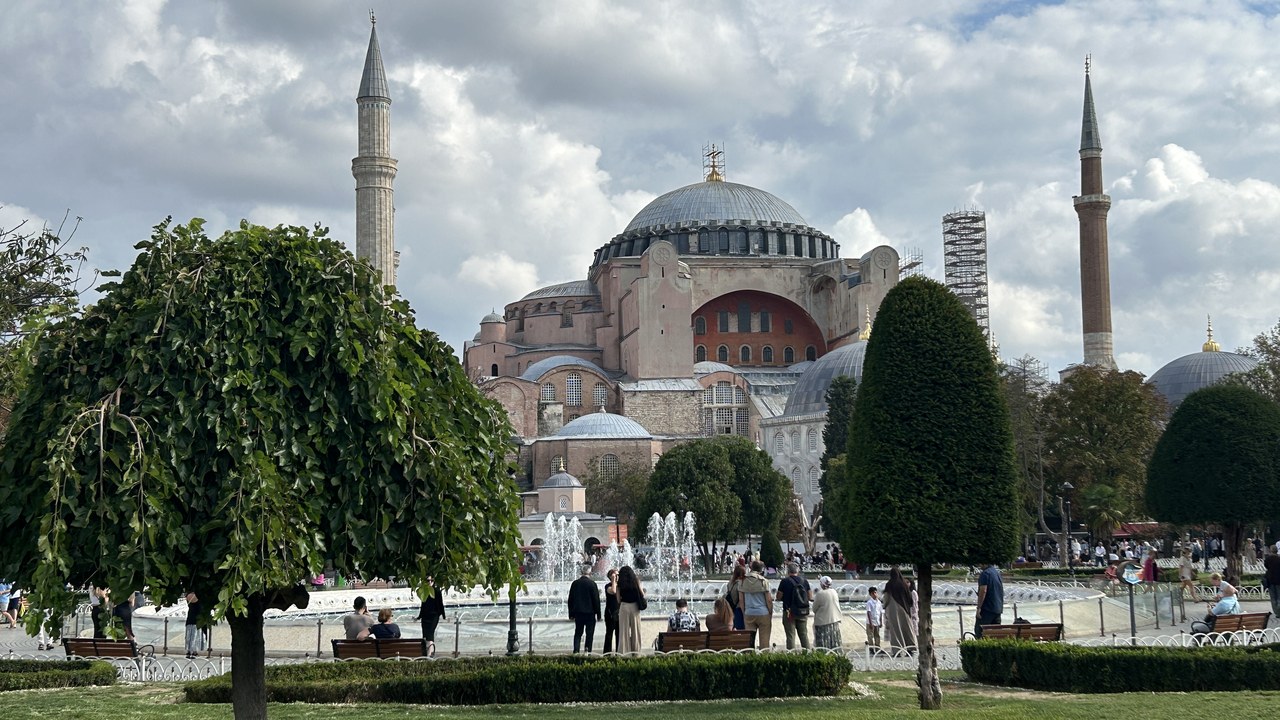
The second Hagia Sophia was burnt to the ground on 13 to 14 January 532 during the Nika Revolt, which had begun nearby in the Hippodrome. Justinian and Patriarch Menas inaugurated the third church on 27 December 537, five years and ten months after construction started.
Isidore of Miletus and Anthemius of Tralles designed the building. Professor Diker said the first church on the site lies about 2.3 meters below the current structure, because the city was built layer upon layer, with the ruins of earlier structures gradually buried beneath new construction.
What happens next at Hagia Sophia: A Public Exhibition
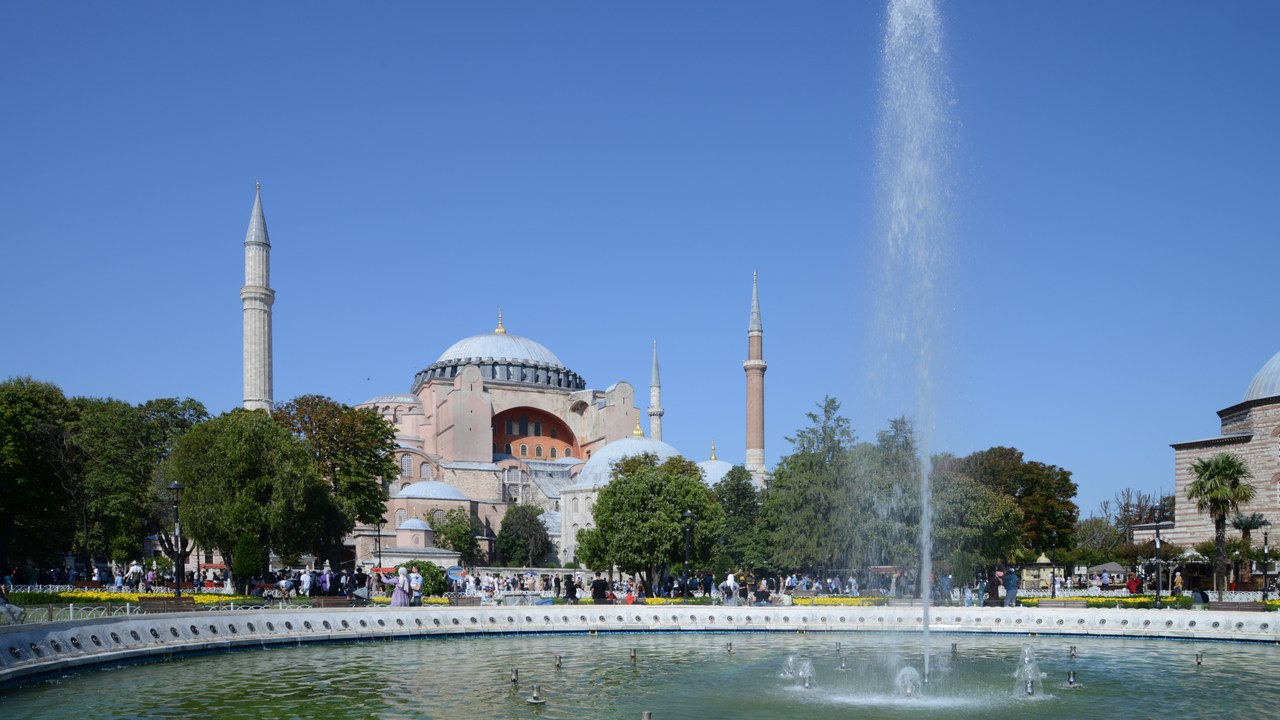
The scientific committee is carrying out meticulous work to make larger sections of the underground infrastructure accessible to visitors, Diker said in his October talk. The team also plans to develop an exhibition project to present its findings to the public.
Work in the tunnels was still ongoing at the time of the 16 October 2026 talk, and the lower section of the Roman street was the committee’s current task. Diker called it a continuation of work Atatürk initiated 90 years ago, after excavations in 1935 and 1936 by the German Archaeological Institute and a US team, and said he hoped it would be brought to completion. The reports give no opening date for an exhibition.
More from Morning Overview
- The FCC cut eight phone companies off the network for ignoring robocall traces
- Three atmospheric rivers are lining up to drench the Pacific Northwest this week
- Thousands of bottles of a combination blood pressure pill are recalled nationwide
- The Honda Pilot has quietly overtaken every model in blown-engine complaints
