
South Africa’s Cradle of Humankind holds a cluster of caves where fossils of early human relatives have been found since the 1930s. A study published on 20 November 2026 returned attention to Sterkfontein, while a Nature paper on the Taung Child raised fresh questions about how many species lived in the region. Here are eight sites that show how the area earned its reputation.
Read next on Morning Overview: Back-to-back California quakes, and what the USGS says about the risk of a bigger one
Sterkfontein: The Jaw Under Study
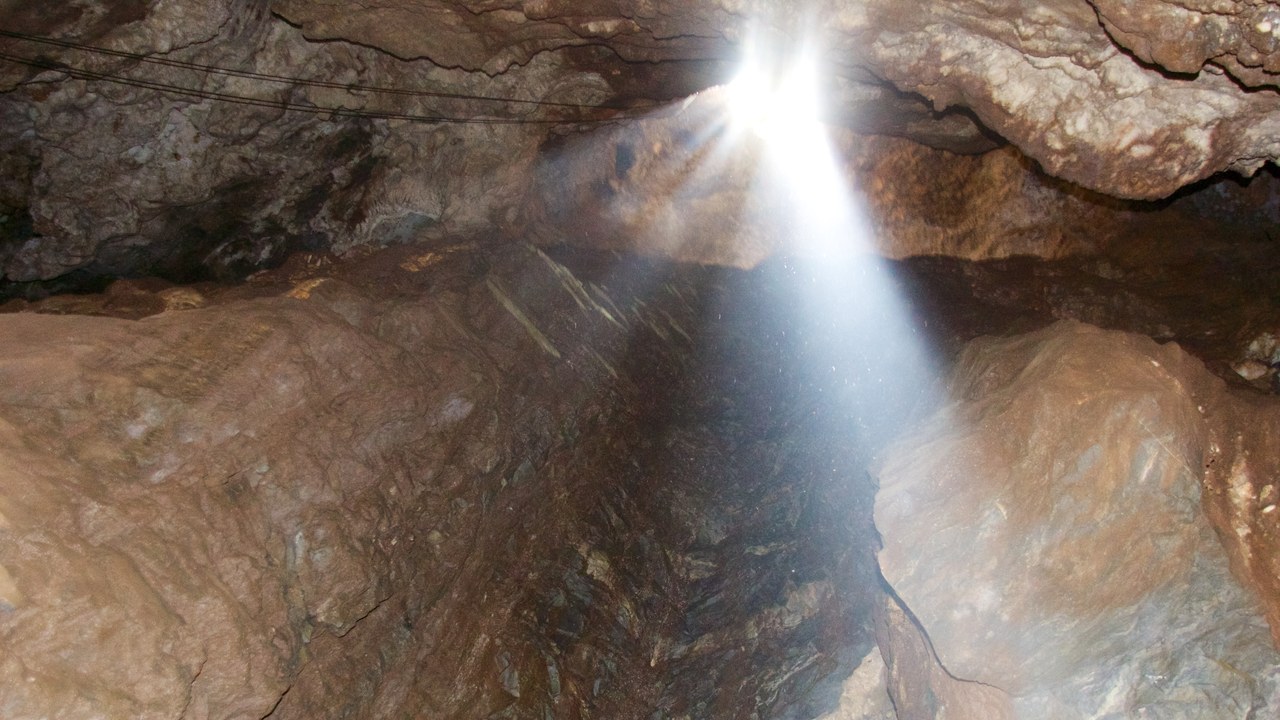
A study published in Evolutionary Human Sciences on 20 November 2026 turned attention back to Sterkfontein, where a fossil known as Sts 52b was recovered. La Trobe University researchers found a pronounced mandibular torus in the jaw, a harmless bony ridge on the inside of the lower jaw that many people have today. The fossil belonged to a sub-adult Australopithecus africanus and dates to between 2.8 and 2.1 million years ago.
Lead researcher Luca Morris-Obst said no other juvenile fossil of its kind shows the ridge. Paranthropus robustus, despite extremely robust jaws, has not shown it in known specimens either, which suggests heavy chewing alone cannot explain the feature. Its cause remains unknown, but the finding pushes evidence of the trait back more than two million years.
Cradle of Humankind: A World Heritage Landscape
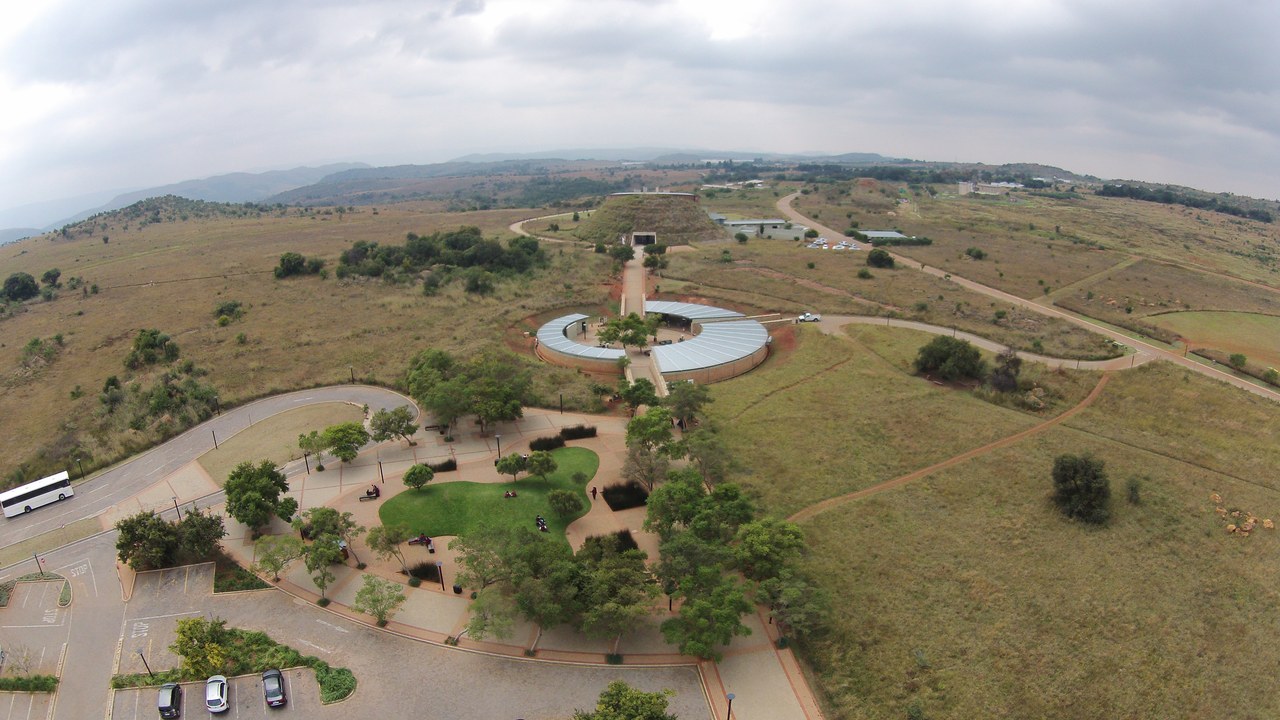
Sterkfontein is only one point in a much larger fossil landscape. The Cradle of Humankind lies about 30 miles from Johannesburg and covers about 180 square miles. It is a landscape of limestone caves and open grassland, with the remains of early hominids that range from about 2 to 3.3 million years old.
South African History Online reports that Unesco declared the area a World Heritage Site in 1999. Thousands of fossils showing human evolution over the past 3.5 million years have been found there since 1936, and the same entry notes evidence of early, middle and later Stone Age people as well as Iron Age and modern ones. About 25 further sites could still be excavated.
Mrs. Ples: The Skull Broom Nicknamed
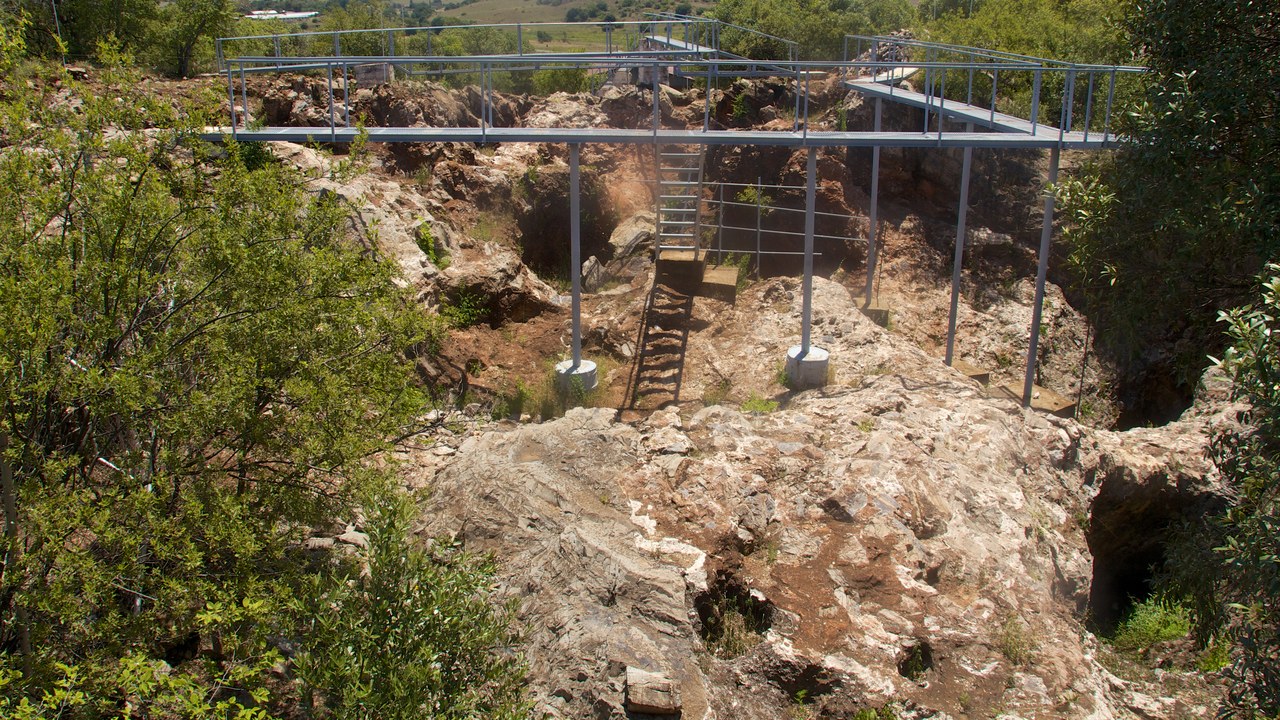
Among the best-known finds at Sterkfontein is the one Robert Broom nicknamed Mrs. Ples, a skull he uncovered in 1947. It is an Australopithecus africanus that lived between about 2.5 and 2.8 million years ago. The photograph shows the cave’s excavation area, where work on the fossil-bearing deposits has continued for generations.
According to South African History Online, the longest dig in the area began in 1966 and was still continuing when the entry was written. Philip Tobias, Ron Clarke and Alun Hughes recovered about 500 more hominids and roughly 9,000 stone tools there. The caves sit on the Isaac Edwin Stegmann Reserve, about 10 kilometres from Krugersdorp, and part of the site is open to the public.
Kromdraai: First of the Ape-Man Finds
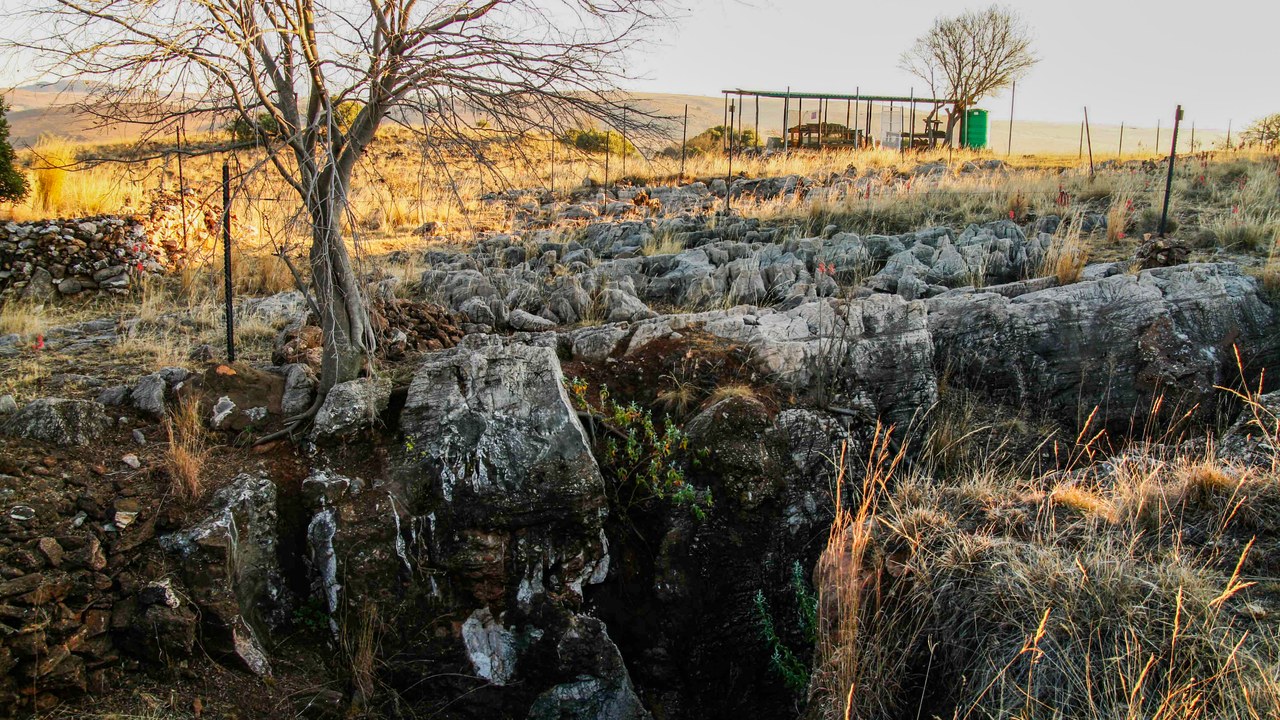
Kromdraai holds an early place in the region’s story. The first strong, healthy ape-man fossils were found there in 1938, only two years after fossils were rediscovered at Sterkfontein by students working under Raymond Dart and Robert Broom. The site is listed among the Cradle of Humankind’s Unesco-recognised fossil locations.
Nearby sites added to the picture. Coopers B yielded part of the face of an ape-man, and Drimolen, described as the newest of the sites in that entry, has produced 30 examples of ape-men. Together they show how a cluster of small caves within one valley can each preserve a different slice of the same long story.
Malapa Fossil Site: Where Sediba Surfaced
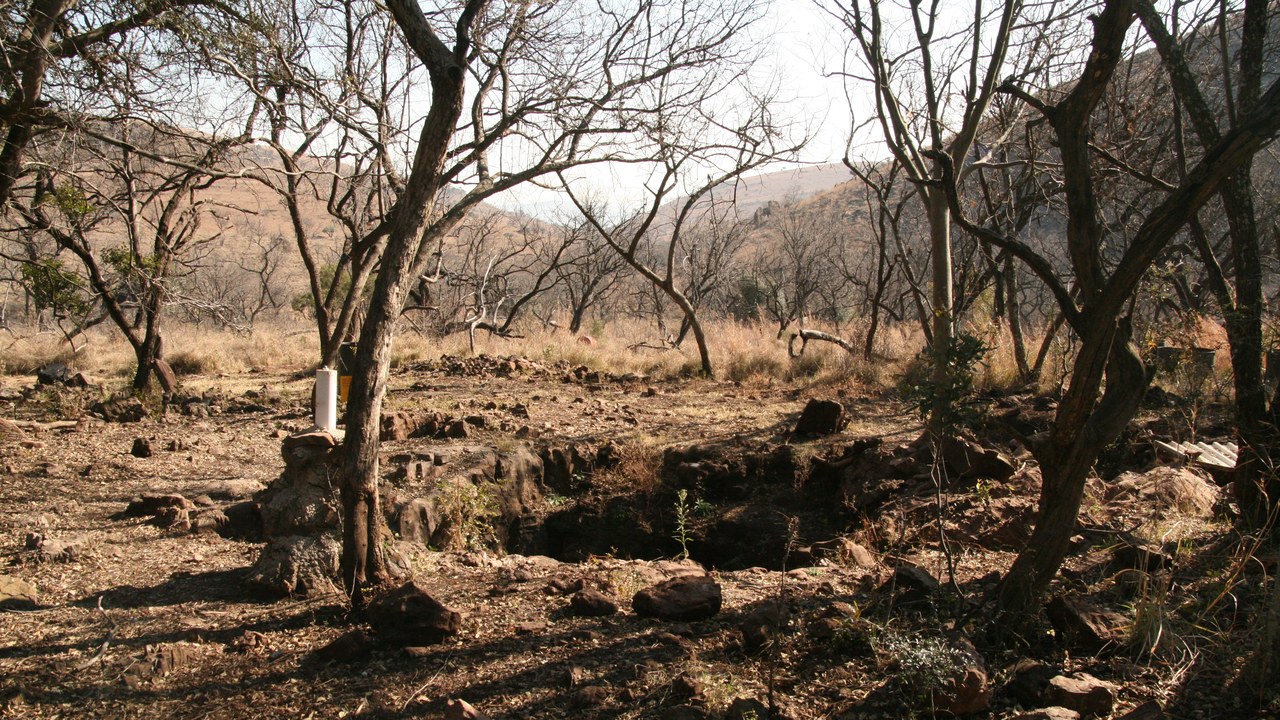
Malapa gave the Cradle a newer species name. In 2008, a jawbone and a collarbone found outside Malapa Cave led to the identification of Australopithecus sediba. The discovery brought a different early human relative into a region already known for Australopithecus africanus and Paranthropus robustus.
The pattern matters for the larger question the fossils raise. A Nature study reported in November 2026 argues that several distinct hominin species lived alongside or after one another in the Sterkfontein region, and sites like Malapa add names to that crowded picture. Each new cave tends to widen the list rather than settle it, which is why researchers keep returning to the same sites.
Rising Star Cave: The Cave of Many Fossils
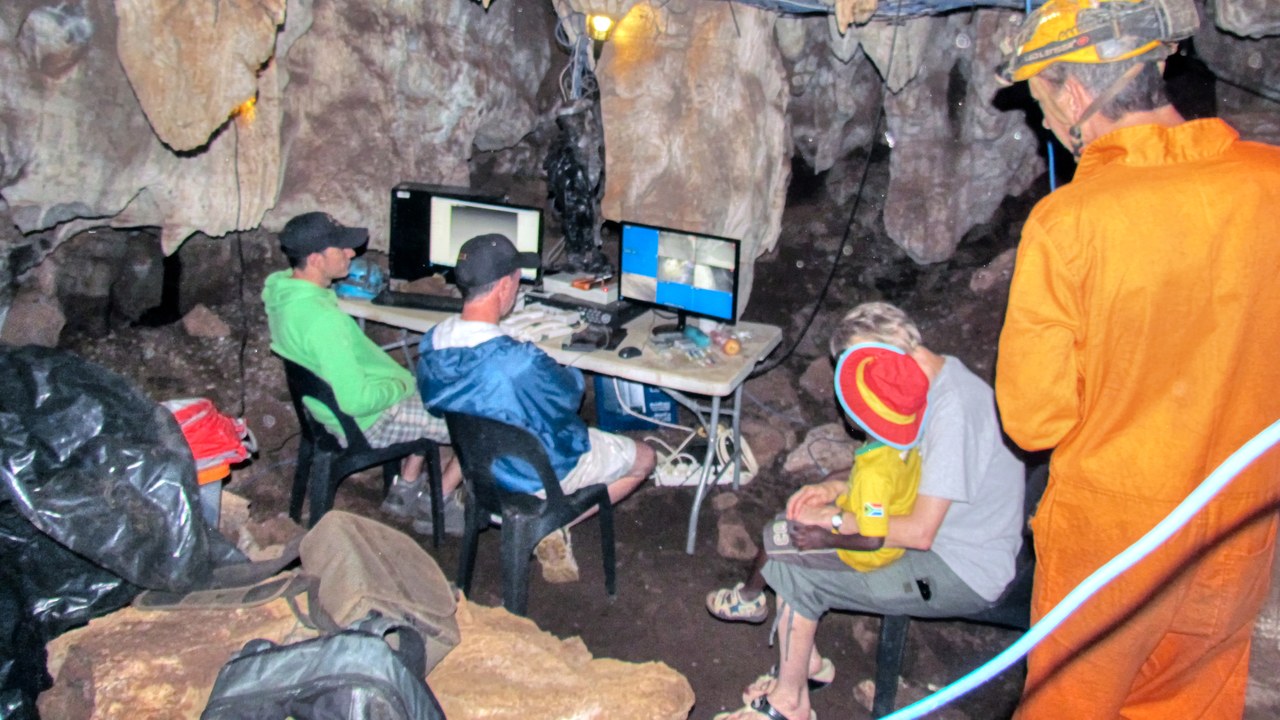
Rising Star is a cave system rather than a single chamber, and it changed the count of the region’s fossils. The Rising Star cave system yielded more than 1,500 Homo naledi fossils, dated to between 335,000 and 236,000 years ago. The picture shows explorers working at a monitoring station inside the cave.
That age range is far younger than the australopithecine remains at Sterkfontein and Taung, which run from roughly 2 to 3 million years. It places Homo naledi in a much later period, and the sheer number of specimens makes the system a major source of human-relative fossils in the region.
Gondolin Cave: Ninety Thousand Fossils
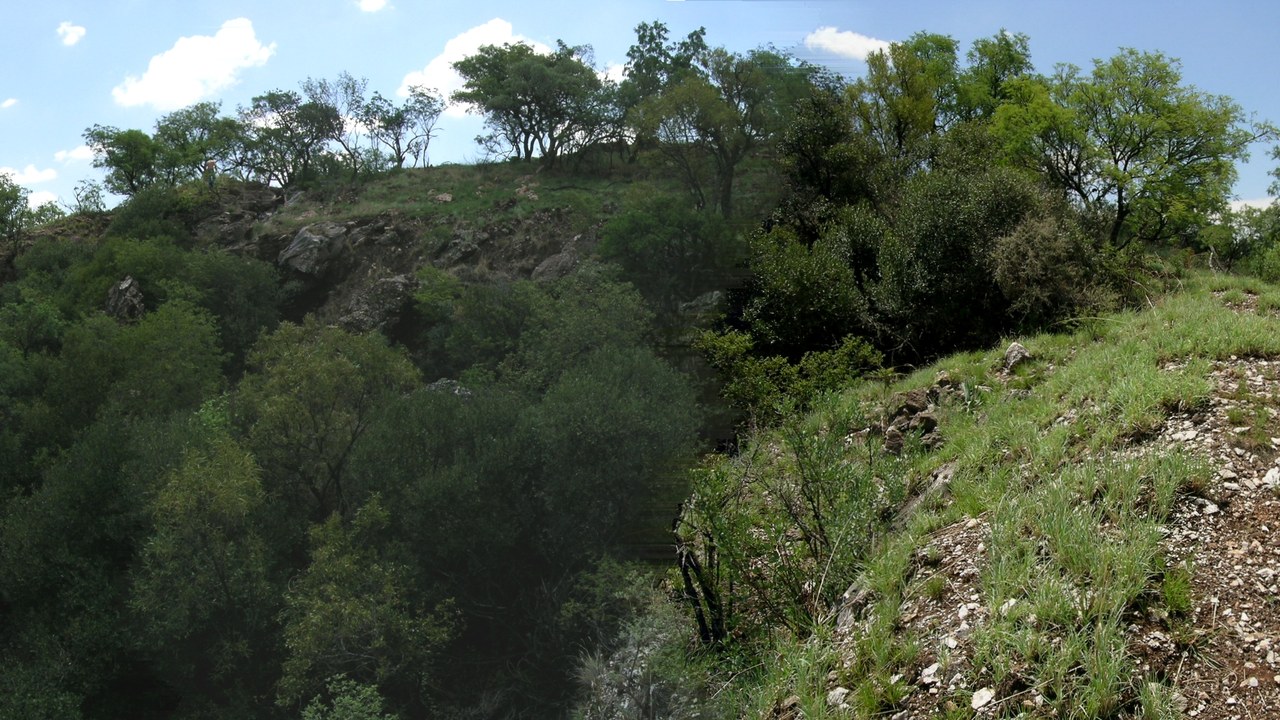
Gondolin appears in the record as a prolific rather than a famous site. About 90,000 fossils have been found there since 1979, according to South African History Online. The entry lists Gondolin among the cave sites included in the World Heritage listing for the Cradle of Humankind.
Other sites in the same entry fill in the animal side of the story. Haasgat has monkey fossils about 2.8 million years old, Plover’s Lake holds a large quantity of animal remains around one million years old, and Bolt’s Farm has produced microfauna older than 4.5 million years. Such animal fossils help show what lived alongside early hominins and what their surroundings were like.
Maropeng: The Gateway to the Cradle
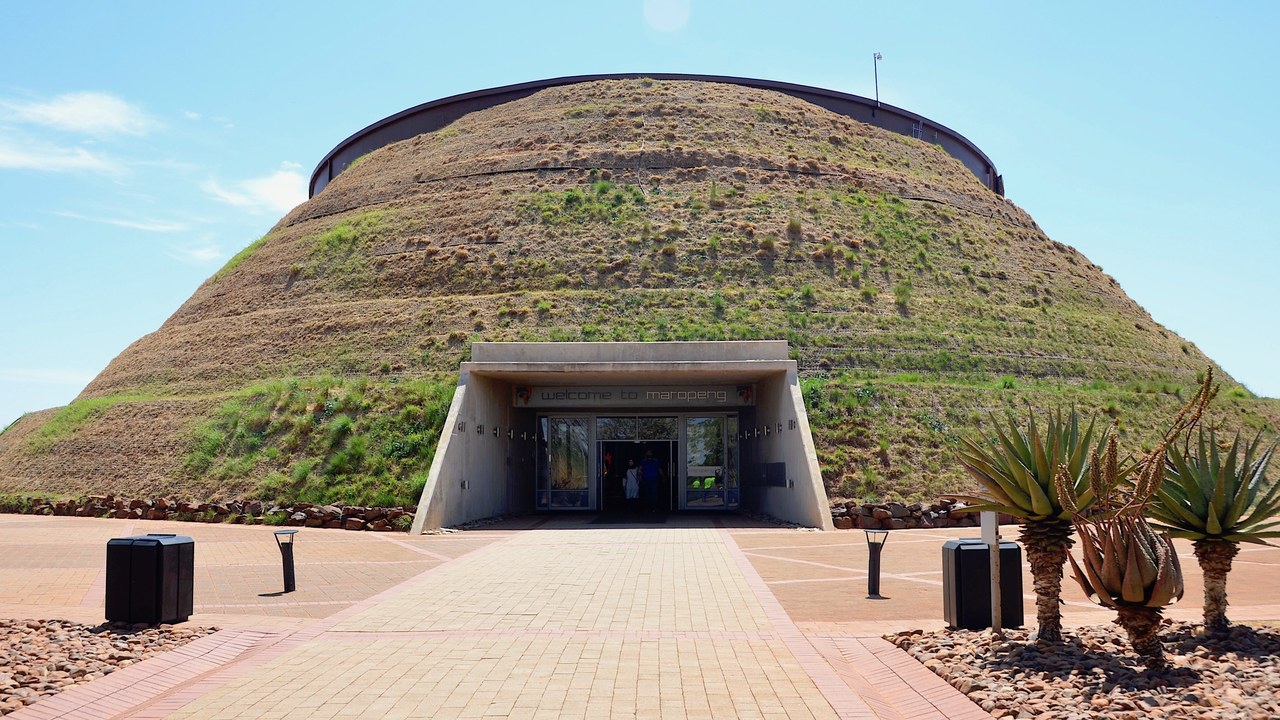
Maropeng is the visitor centre for the Cradle of Humankind, and the fossils it interprets keep prompting new questions. A Nature study covered in a news release dated the Taung Child to between 2.96 and 3.03 million years old. The study also found differences in brain development that point to multiple distinct hominin species in the Sterkfontein region.
The release says fossilised pollen shows the Taung Child lived in a significantly wetter, forested environment than modern South Africa. Professor Gabriele Macho, who led the research, described the human family tree as a tangled bush driven by climate shifts rather than a neat trunk. A century after its 1924 discovery, the Taung Child remains the only fossil definitively linked to Australopithecus africanus.
More from Morning Overview
- Florida’s St. Johns River just topped its worst flood on record near Cocoa
- A dangerous flash flood warning hit Broward County after an overnight deluge
- El Niño has hit +2.5°C, and a strong-to-very-strong winter event now looks likely
- The biggest grid drop in PJM history came from data centers, and now they may have to pay
