
A six-ton sandstone slab at the heart of Stonehenge still has no confirmed home, and geologists are no closer to naming the quarry. A study published in November 2026 tested the leading Scottish theory and found that none of the locations examined shared the stone’s full set of characteristics. Here are eleven stones and places that show how the puzzle fits into the wider monument.
Read next on Morning Overview: Refiners are making less gasoline and more diesel, and here’s why
Altar Stone: A Slab With No Address
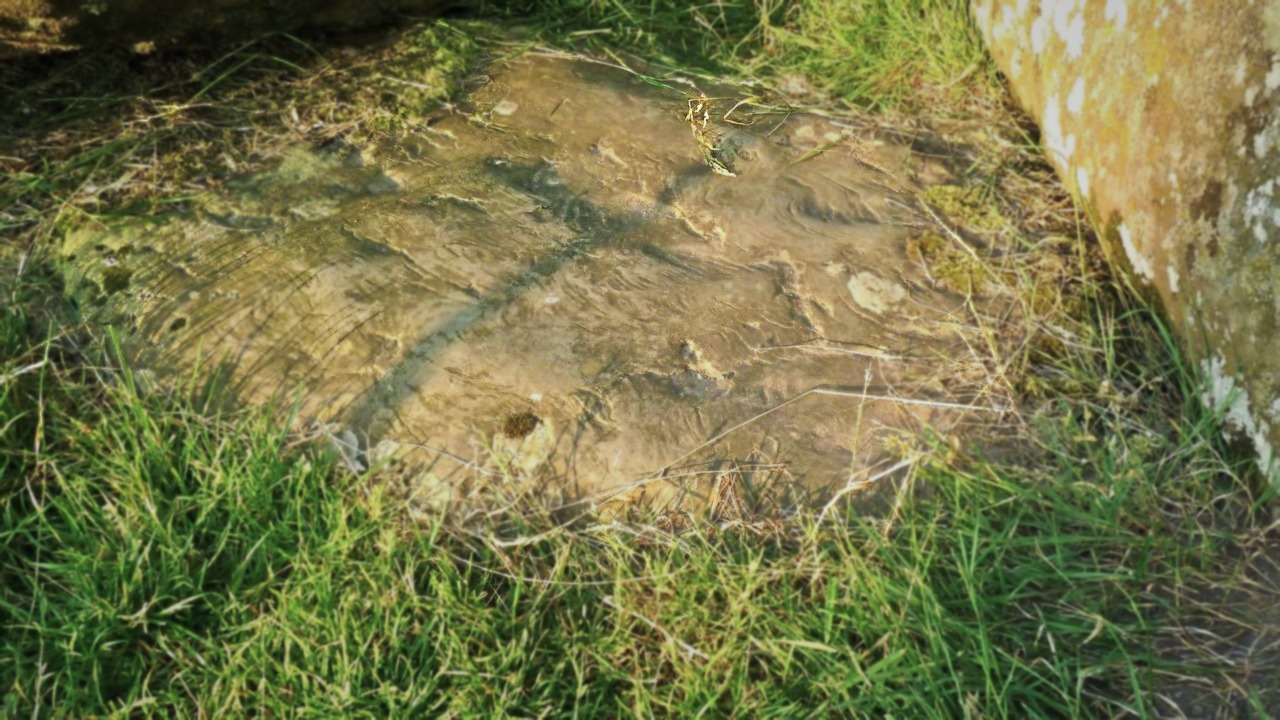
At the center of the monument lies a roughly 4.9-meter slab of sandstone weighing an estimated six tons, mostly buried beneath two fallen sarsen stones. A new geological analysis led by Professor Duncan Pirrie of the University of South Wales, published in November 2026, found that none of the locations examined has the same set of characteristics as the stone.
English Heritage calls it the largest of the non-sarsen stones and describes it as a slab of greenish Old Red Sandstone. The study undercuts the leading Scottish theory but does not rule Scotland out, so the question of where the stone began its journey stays open.
Great Trilithon: Where the Stone Lies
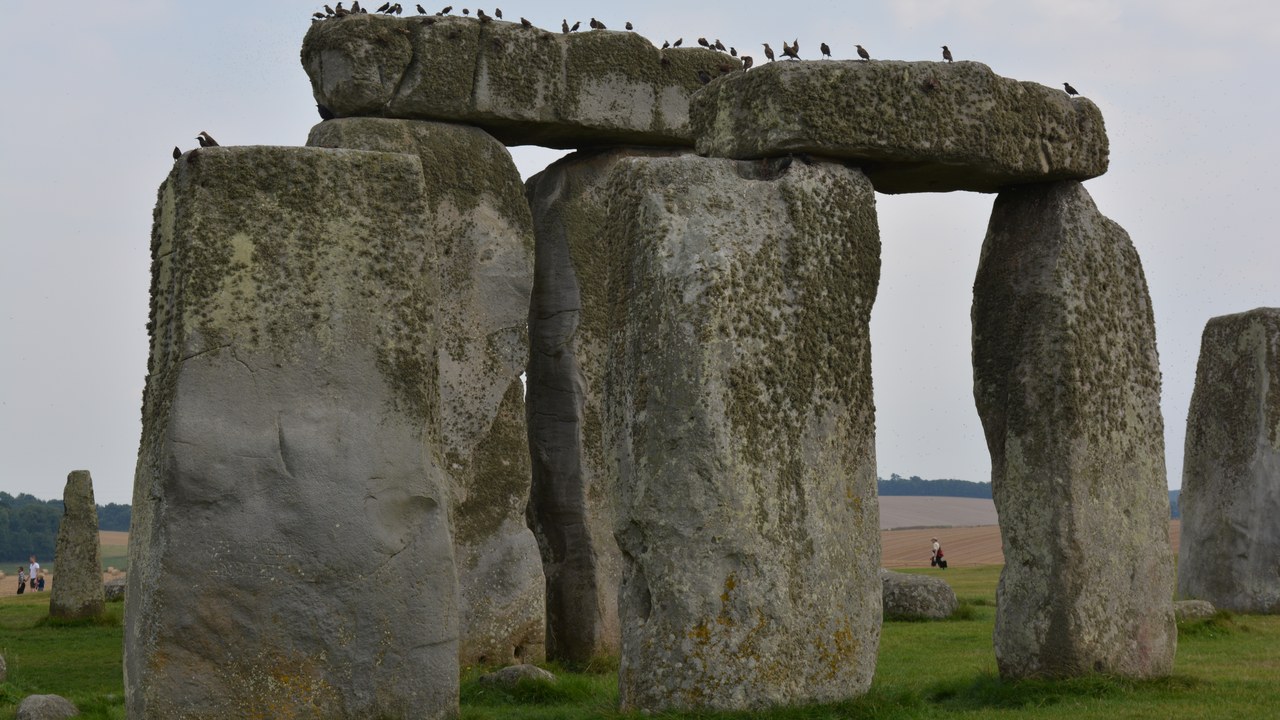
Most of the Altar Stone is hidden from view. According to the Sci.News report, it lies flat on the ground, sunk into the grass beneath the collapsed upright of the Great Trilithon and its lintel.
English Heritage identifies Stone 56 as the tallest of the sarsens at Stonehenge and the only remaining upright of the tallest trilithon, at the head of the inner horseshoe. Because the Altar Stone itself cannot be sampled, the researchers worked from eight museum fragments linked to it, along with portable X-ray measurements of the three small patches that are exposed.
Orcadian Basin: The Scottish Theory
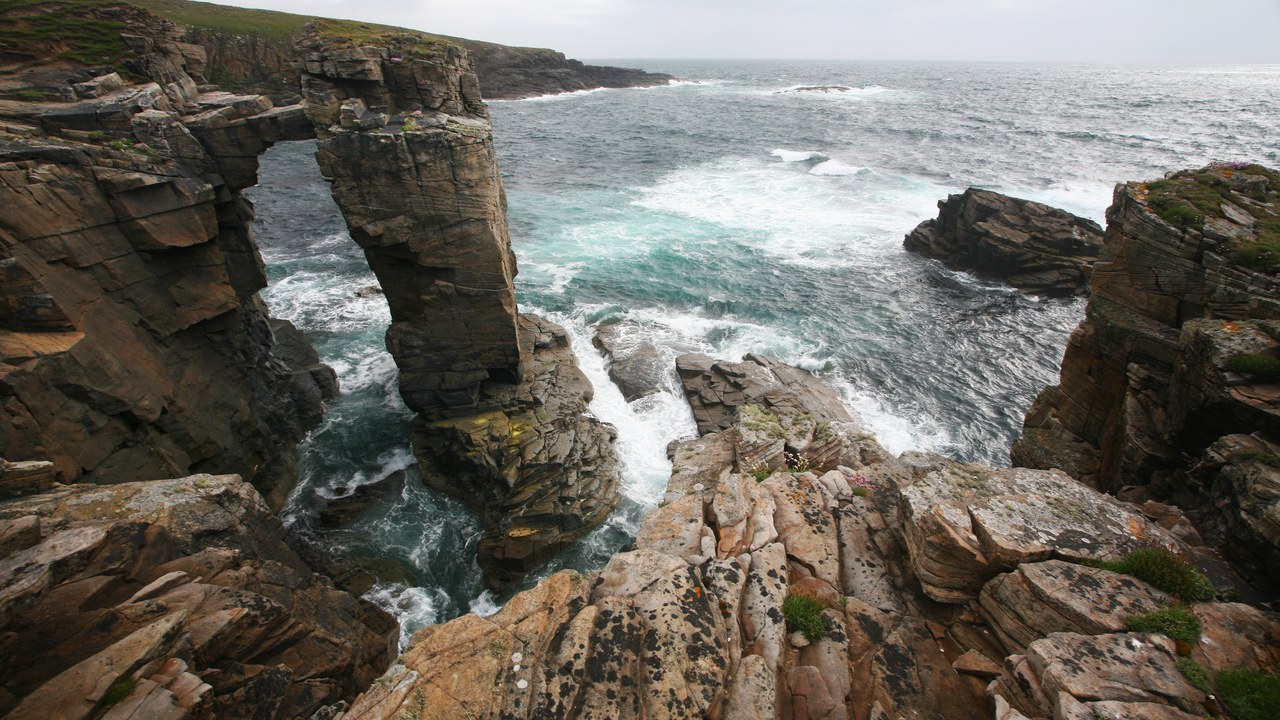
In 2024, a team led by Curtin University researcher Anthony Clarke used the ages of tiny mineral grains in fragments of the stone to conclude that it came from the Orcadian Basin of northeastern Scotland, a journey of some 700 km or more.
The 2026 study did not dispute that dating work, which points to ancient crust associated with the Scottish Highlands. It argued that age data alone are not enough. Chrome spinel in the stone is scarce in Old Red Sandstone from much of the basin, including Orkney, Caithness, the Moray Firth and Shetland, and clay measurements from Caithness and Orkney would exclude those areas.
Sarsen stones: The Known Quarry
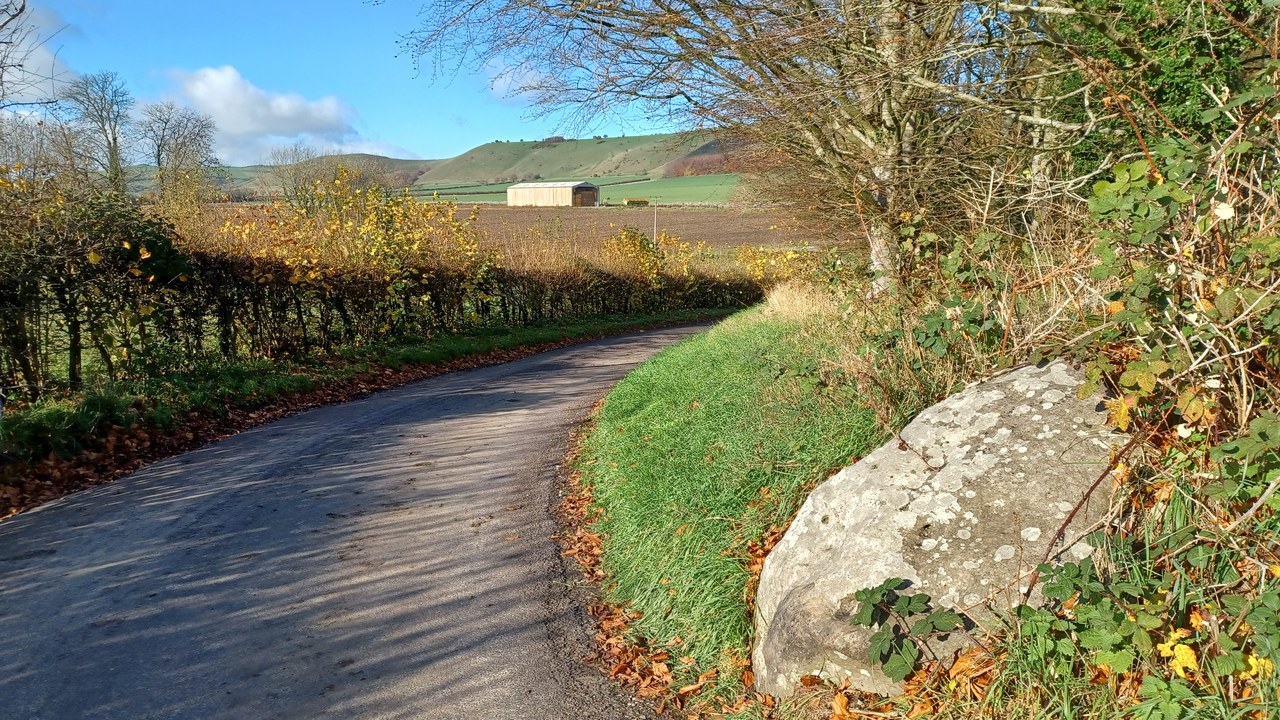
The picture is far clearer for the monument’s biggest stones. English Heritage says the source of most sarsens is generally accepted to be the Marlborough Downs, some 19 miles to the north, although new research on their origin is underway.
The outermost setting was planned as a circle of 30 upright sarsens capped by lintels. When freshly worked, their surfaces would have appeared much brighter and whiter than the grey stones seen today. A 2020 study found the large sarsens to be a direct chemical match to stones at West Woods near Marlborough, which makes the Altar Stone’s unresolved origin stand out all the more.
Preseli Hills: Wales, Not the Whole Story
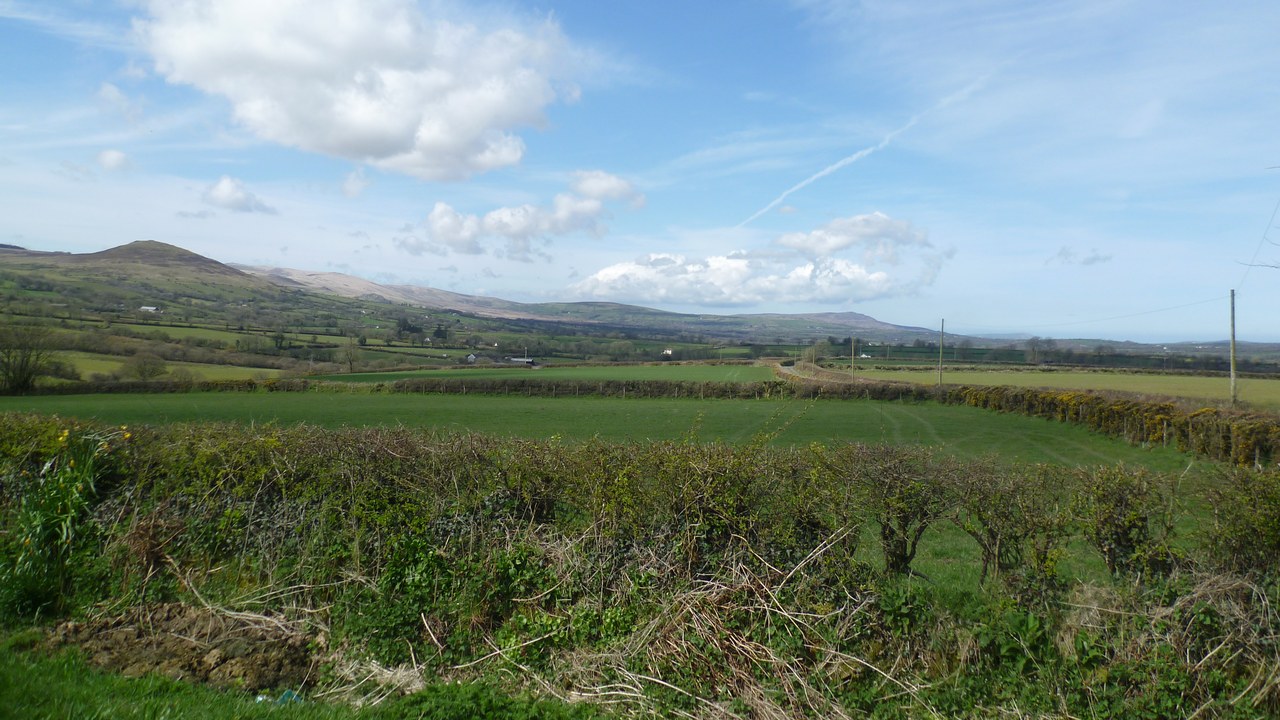
The smaller bluestones have a documented Welsh connection. English Heritage states that up to 80 bluestones were brought from the Preseli Hills in south-west Wales to Stonehenge.
For almost a century, the prevailing view was that the Altar Stone came from west Wales as well, according to Professor Richard Bevins of Aberystwyth University. Geologists showed in 2020 that this was wrong. Wales therefore accounts for the bluestones but not for the largest of the non-sarsen stones, which sets the Altar Stone apart from them.
Bluestones: Stones With a Welsh Home
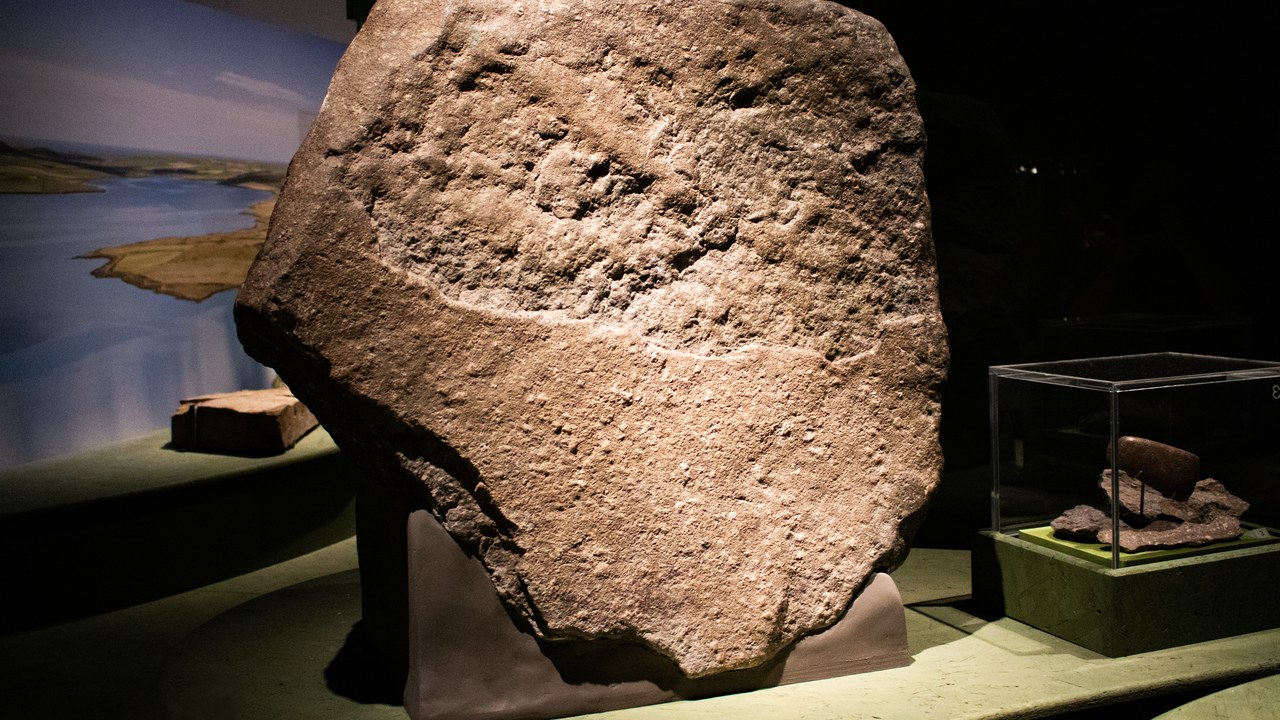
The igneous bluestones appear to have come from the Preseli hills of southwestern Wales, about 140 miles from the monument. In 2011, a megalithic quarry was discovered at Craig Rhos-y-felin, near Crymych in Pembrokeshire, the most probable source of some of the stones.
English Heritage says some bluestones show no signs of working, while others, like Stone 68, are elegantly grooved, probably so they could be jointed to another stone with a matching tongue. That shaping suggests the stone was relocated after earlier use in some other arrangement, perhaps the double bluestone arc. The Altar Stone, by contrast, has no confirmed quarry.
Heel Stone: The Outlier
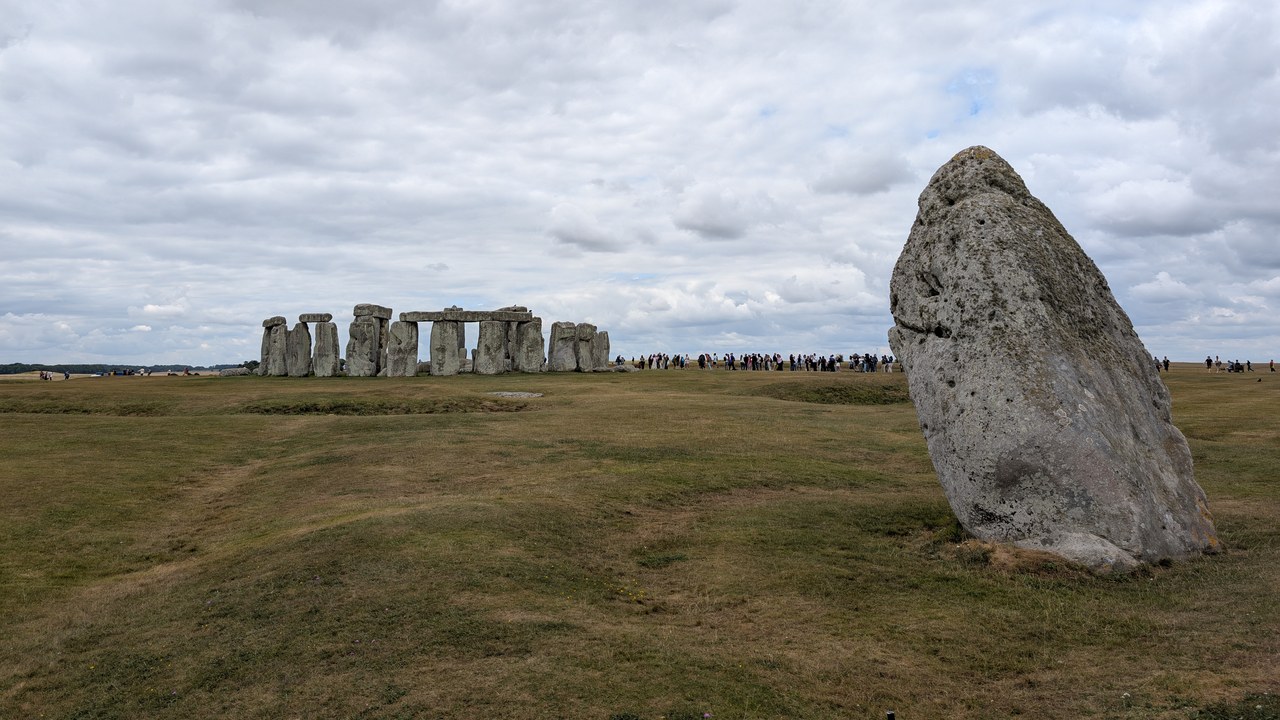
Standing apart from the circle is the Heel Stone, a huge unshaped boulder of hard sarsen stone surrounded by a small circular ditch. English Heritage says it weighs more than 36 tonnes.
In 1979, the hole for another stone of similar size was discovered next to it, which may have been the Heel Stone’s original position. Alternatively, there may once have been a pair of upright sarsens just outside the entrance to the earthwork enclosure. Wikipedia places it northeast of the sarsen circle, beside the end of Stonehenge Avenue, leaning in towards the circle.
Slaughter Stone: A Name Invented by Victorians
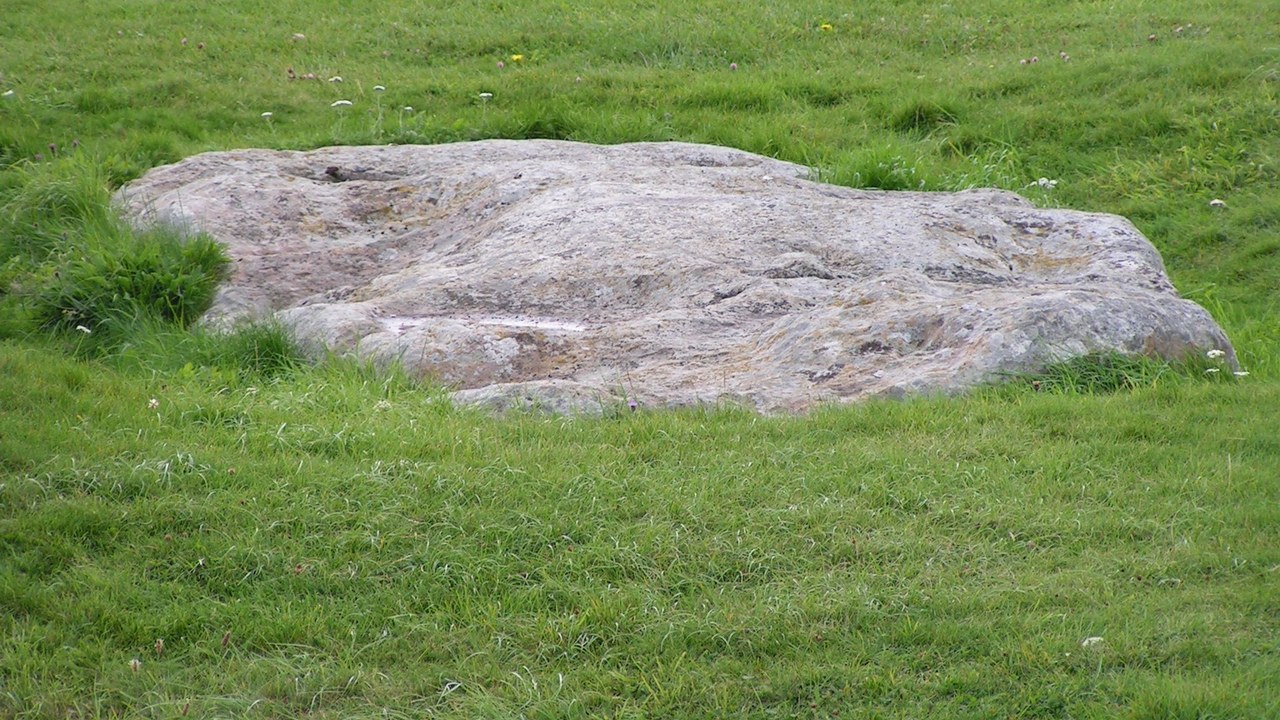
The Slaughter Stone is a large sarsen that gets its gruesome name from the over-active imagination of the Victorians, according to English Heritage. It originally stood upright at the entrance to Stonehenge, flanked by additional stones that are now missing, and the surviving stone lies horizontally.
Shallow depressions on its surface collect rainwater, which reacts with iron in the stone and turns a rusty red. That red water may have inspired the lurid but inaccurate name. Wikipedia gives its length as 16 feet, or 4.9 meters, and counts it as the only remaining one of two or possibly three large portal stones set up just inside the north-eastern entrance.
Stonehenge Avenue: The Road to the River
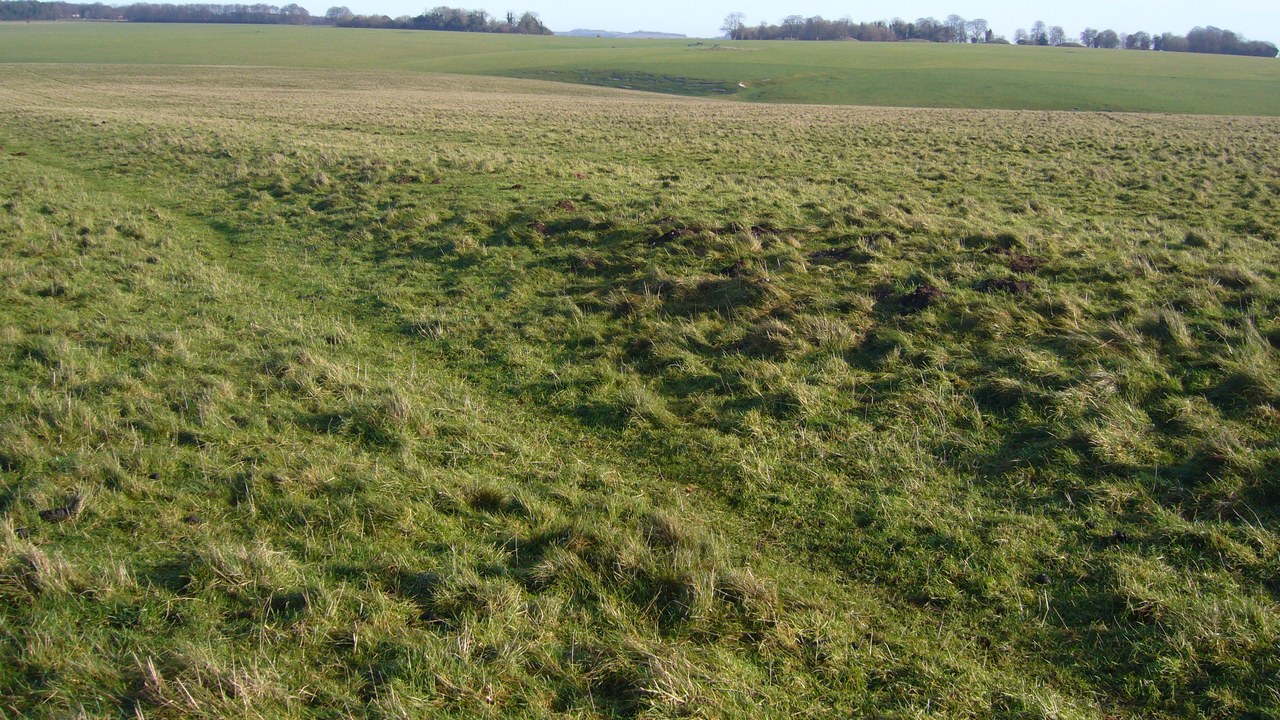
Beyond the stones, the monument is tied to the landscape by the Avenue, a parallel pair of ditches and banks leading two miles (3 km) to the River Avon.
The Heel Stone lies beside the end portion of the Avenue. Wikipedia reports that the great trilithon, the horseshoe of five central trilithons, the Heel Stone and the embanked Avenue are aligned to the winter solstice sunset and the opposing summer solstice sunrise. Excavation at the point where the Avenue meets the river also revealed a previously unknown circular area that probably housed four additional stones.
Durrington Walls: The Builders’ Camp
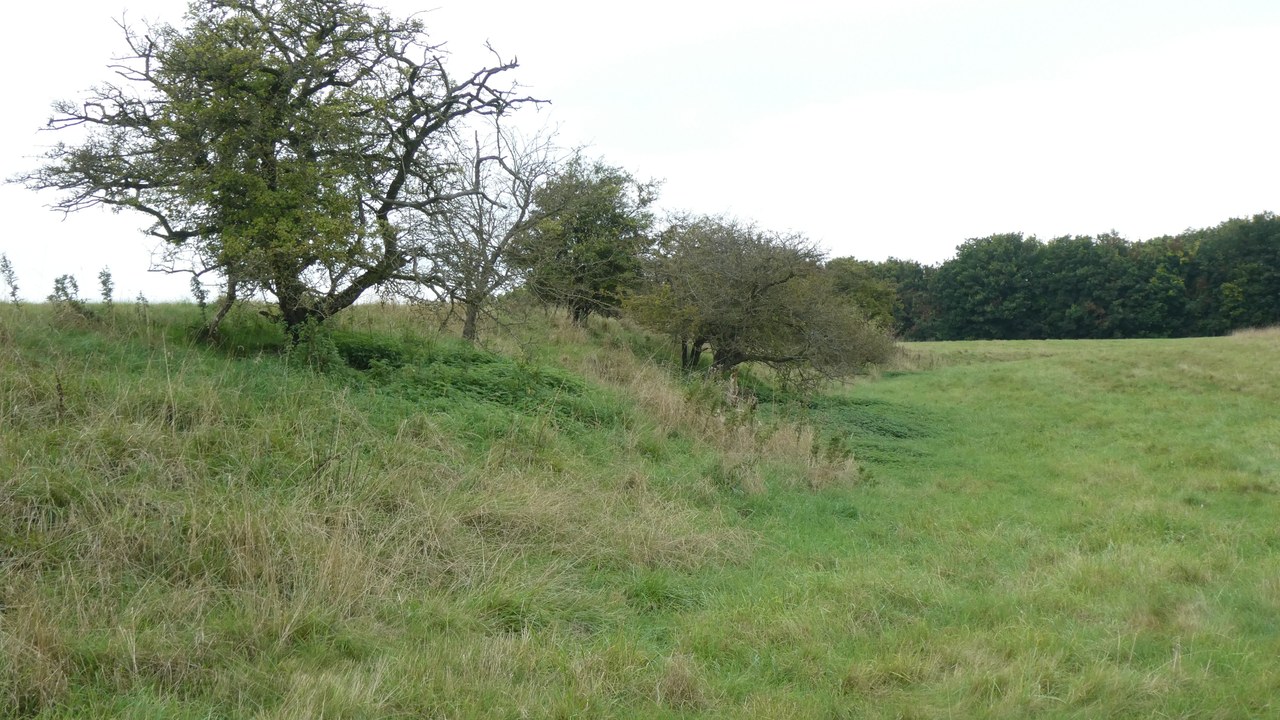
Two miles from Stonehenge lies Durrington Walls, which Mike Parker Pearson of Sheffield University considers the builders camp for the monument. Analysis of animal teeth found there suggests that, between 2600 and 2400 BC, as many as 4,000 people gathered for the mid-winter and mid-summer festivals.
Strontium isotope analysis showed that some of those animals had been brought from as far afield as the Scottish Highlands. Durrington Walls also held a large timber circle and a second avenue leading to the River Avon, and Parker Pearson has proposed that the wooden circle represented a land of the living while Stonehenge’s stone circle stood for a land of the dead.
Stonehenge World Heritage Site: A Protected Landscape
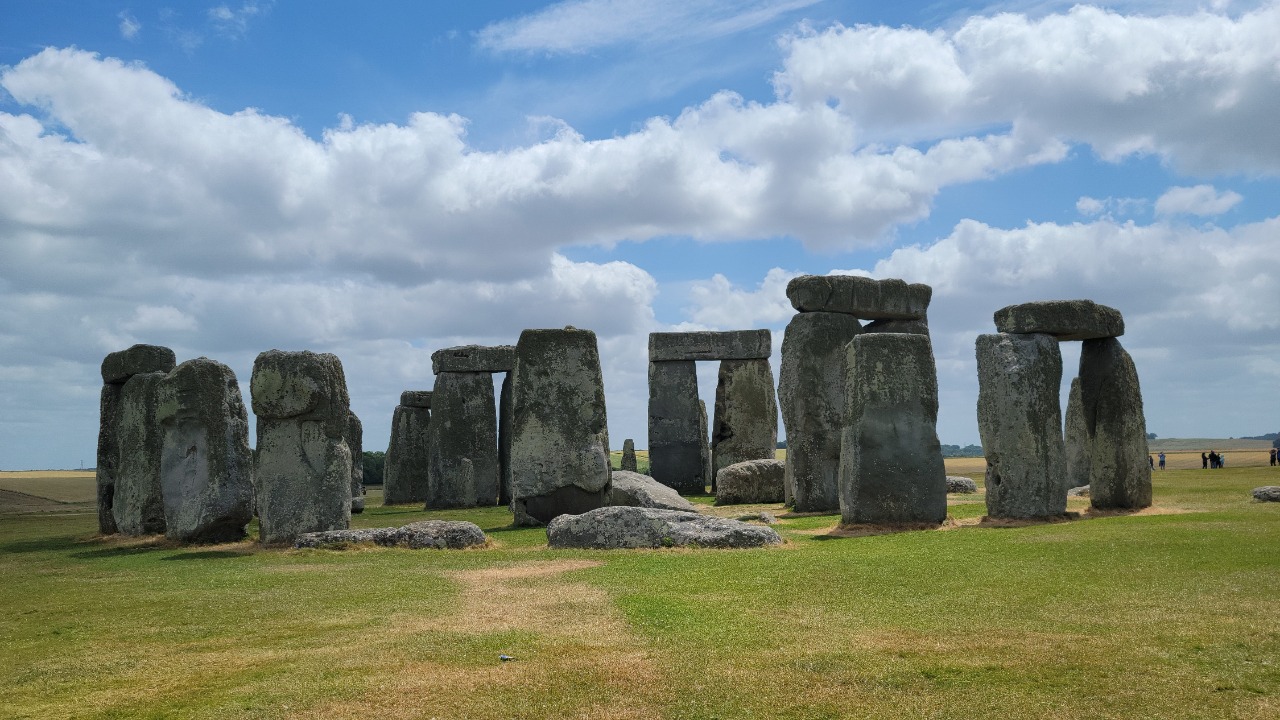
The site and its surroundings were added to UNESCO’s list of World Heritage Sites in 1986. Stonehenge is owned by the Crown Estate and managed by English Heritage, while the surrounding land is owned by the National Trust.
It has also been a legally protected scheduled monument since the Ancient Monuments Protection Act 1882 was passed. The search for the Altar Stone’s origin continues: Professor Pirrie said the 2026 work leaves researchers far better equipped to focus on the areas most likely to yield an answer.
More from Morning Overview
- A flight school faces a $2,388,500 FAA fine for flying an unairworthy plane
- Hidden wear was found inside a New Jersey nuclear reactor during its outage
- Operational F-15EX jets now fly with extra fuel tanks the Air Force never planned for
- A Cirrus SR22 declared an emergency a minute after departure clearance, its parachute still bagged
