
Egyptian officials reported on November 24, 2026 that massive stone foundations, a tunnel and enclosing walls had been uncovered in the ancient Royal Quarter of Alexandria. The find has revived the old hunt for the tomb of Alexander the Great, although the royal tomb identification is only preliminary. This story follows the dig, the long search for the conqueror’s grave and the accounts that frame it.
Read next on Morning Overview: A Cirrus SR22 declared an emergency a minute after departure clearance, its parachute still bagged
Shallalat Gardens, Alexandria: Foundations Under a City Park
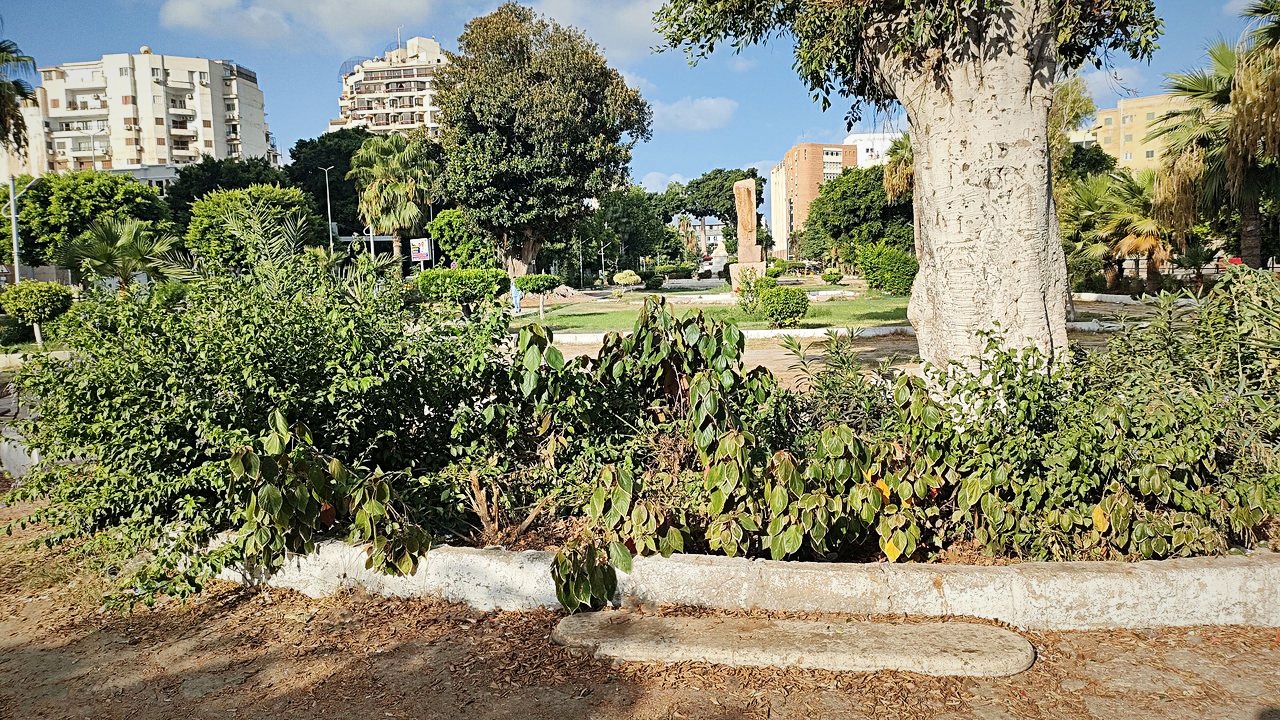
Archaeologists in the Shallalat area of Alexandria have exposed massive stone foundations enclosed by walls, along with a tunnel extending beneath the structure towards the north, according to a Ministry of Tourism and Antiquities announcement reported on November 24, 2026. The mission, led by Dr Kalliopi Limneos-Papakosta, has investigated the area for almost 20 years.
A committee headed by Dr Ayman Ashmawy concluded that the foundations belonged to a large and imposing building, and it considered a funerary function. Ashmawy stressed that the proposed identification is preliminary and remains under investigation, and that more of the building must be exposed before its date and purpose can be established.
Alexander the Great: The Prize Behind the Dig
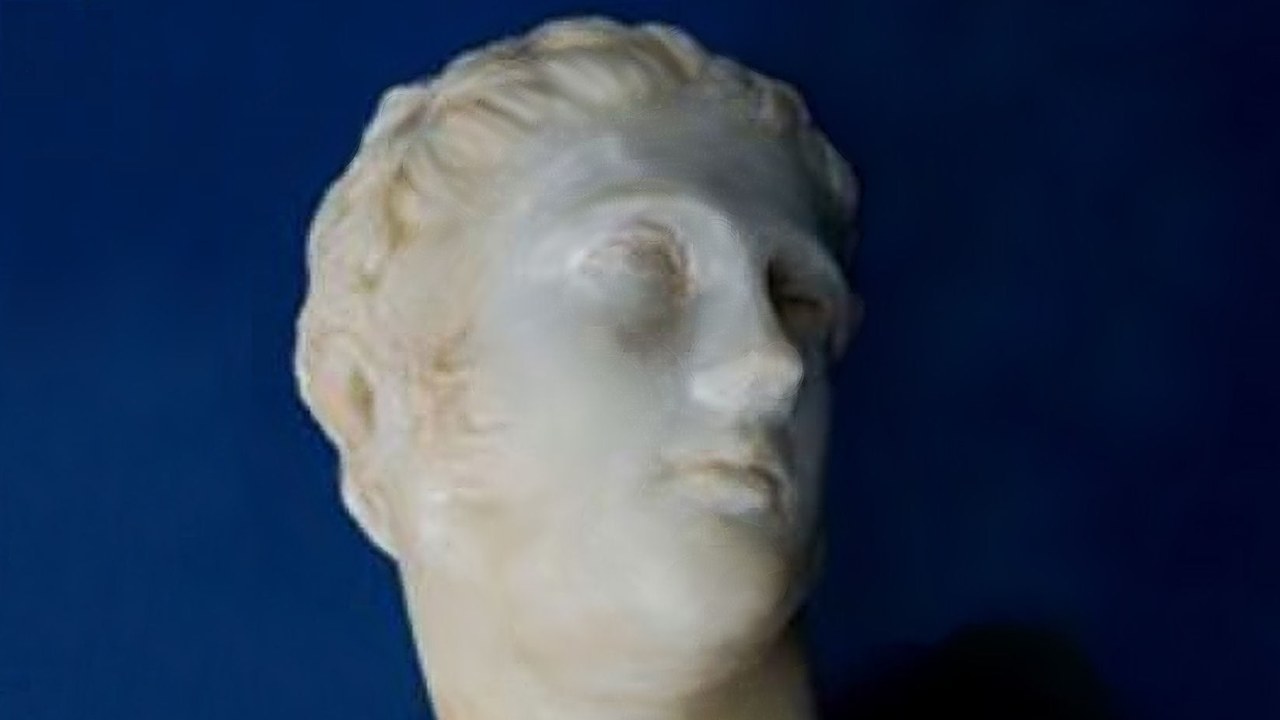
The Royal Quarter has long drawn searchers because it may yield one of archaeology’s biggest prizes, the lost tomb of Alexander the Great, according to National Geographic’s 2019 reporting on the same site. Alexander became king of Macedonia at 20, toppled rival empires including Persia and Egypt, and died in 323 BC at age 32.
Ancient authors described his tomb, yet its location relative to the modern city remains a mystery. Records exist of more than 140 officially sanctioned excavations, all of which failed, and the magazine noted that finding the tomb would be on par with discovering Tutankhamun’s.
Siwa Oasis: The Burial That Never Happened
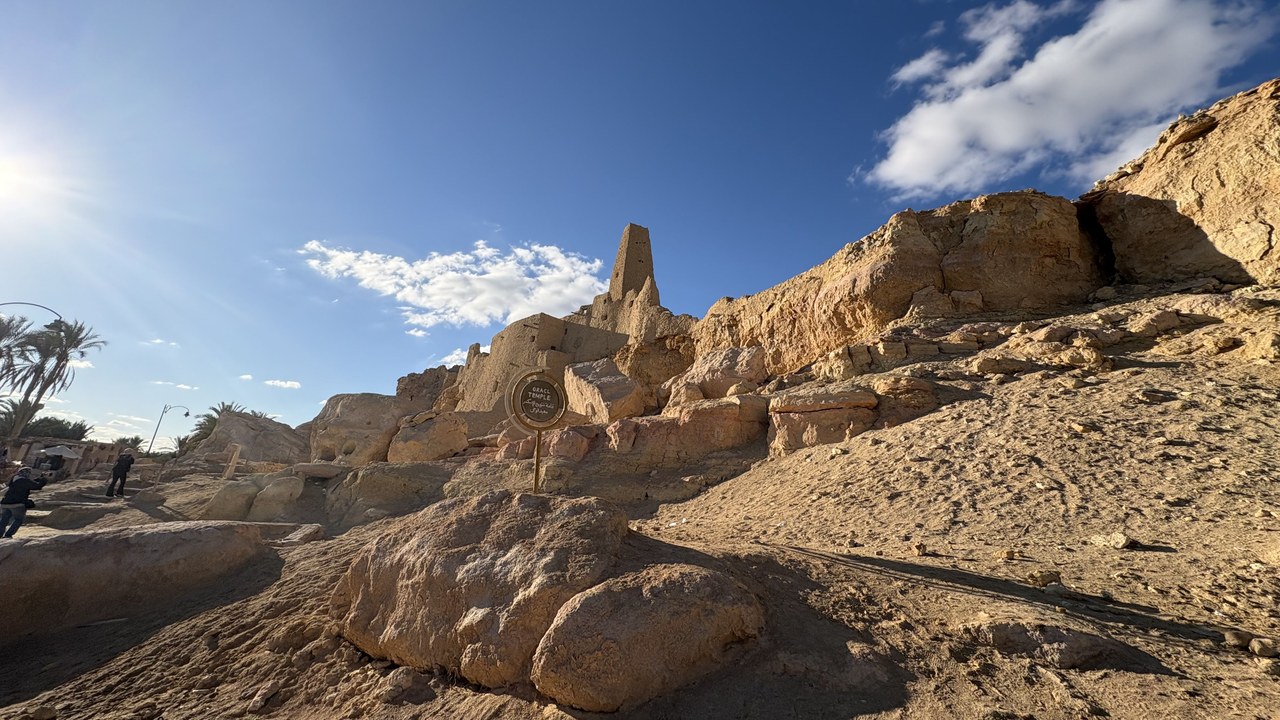
Shortly before his death, Alexander reportedly asked to be interred in the temple of Zeus Ammon at Siwa Oasis, but that wish was not honored. In 321 BC, on its way back to Macedonia, the funerary cart carrying his body was hijacked in Syria by one of his generals, Ptolemy I Soter.
Ptolemy diverted the body to Egypt, and by 274 BC Alexander was already entombed in Alexandria. Siwa has nevertheless kept resurfacing in the search: Greek archaeologist Liana Souvaltzi announced in 1995 that she had identified a tomb there as his, which a Greek culture ministry official doubted, and in 2021 Egyptian officials claimed to have found the tomb in Siwa Oasis.
Augustus at Alexander’s tomb: A Roman Emperor Pays Respects
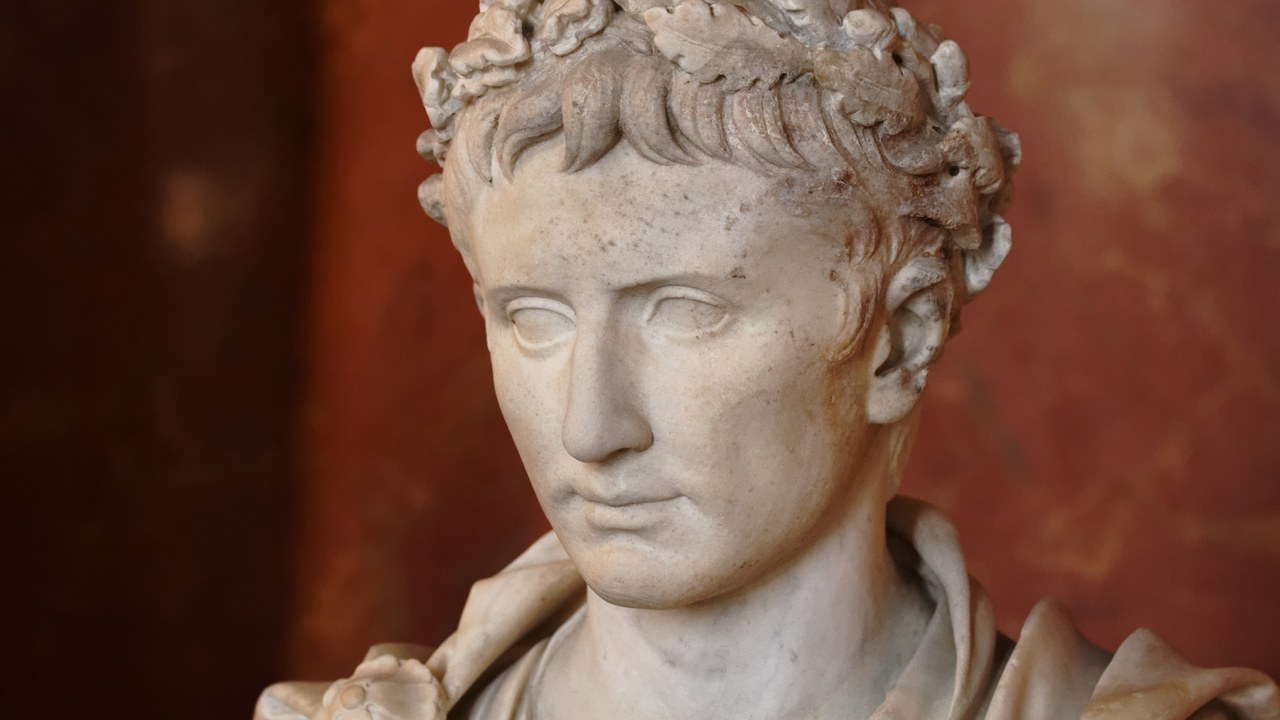
The tomb drew famous visitors. Julius Caesar visited in 48 BC, and shortly after the death of Cleopatra, Augustus visited the resting place, where he is said to have placed flowers on the tomb and a golden diadem upon Alexander’s head.
Later emperors were less reverent. Caligula reportedly removed Alexander’s breastplate, Septimius Severus sealed the tomb in 199 AD, and Caracalla relocated items from it in 215. Around 400 AD, John Chrysostom remarked that the tomb was unknown even to Alexander’s own people, and it had possibly been destroyed by the fourth or fifth century.
Nabi Daniel Mosque: A Mummy Claim
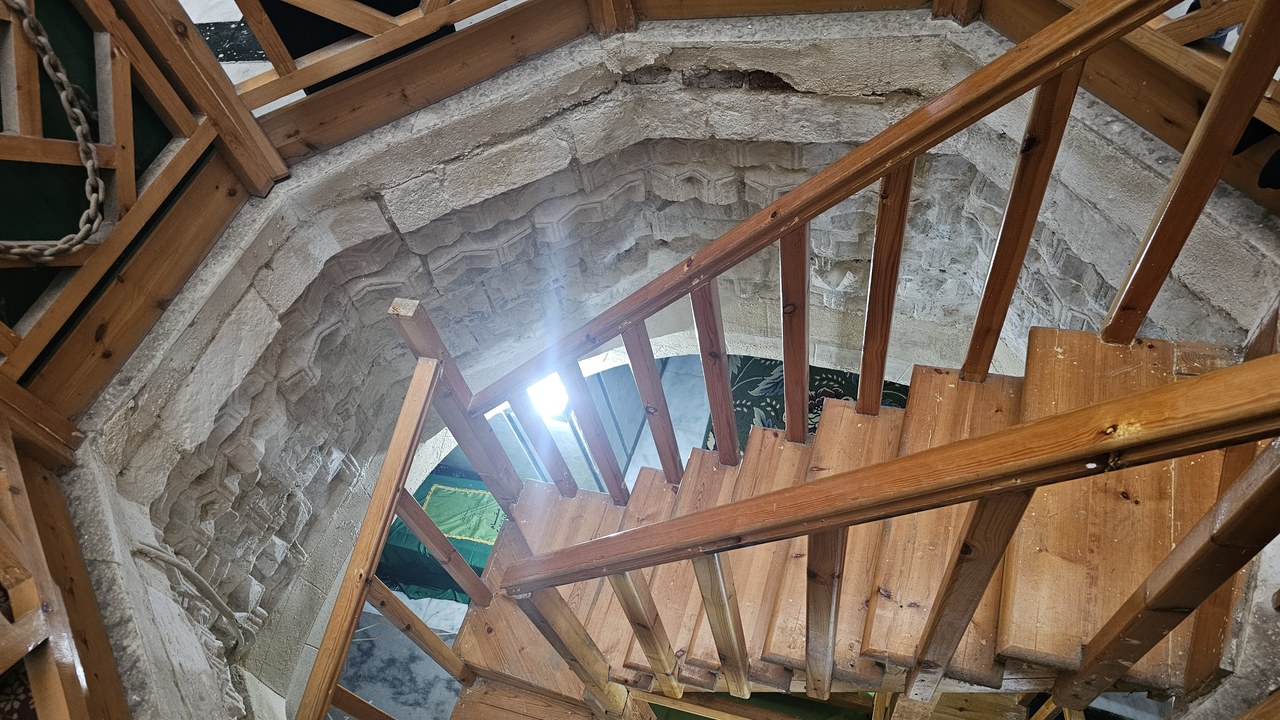
In 1850, Ambroise Schilizzi announced the discovery of an alleged mummy and tomb of Alexander inside the Nabi Daniel Mosque in Alexandria. The claim kept the mosque at the center of tomb speculation for decades.
In 1879 a stone worker accidentally broke through a vaulted chamber in the mosque’s basement and discerned granite monuments with an angular summit, but the entrance was walled up and he was asked not to disclose the incident. In 1888 Heinrich Schliemann tried to locate the tomb there, but he was denied permission to excavate.
Sarcophagus of Nectanebo II: A Legend in Stone
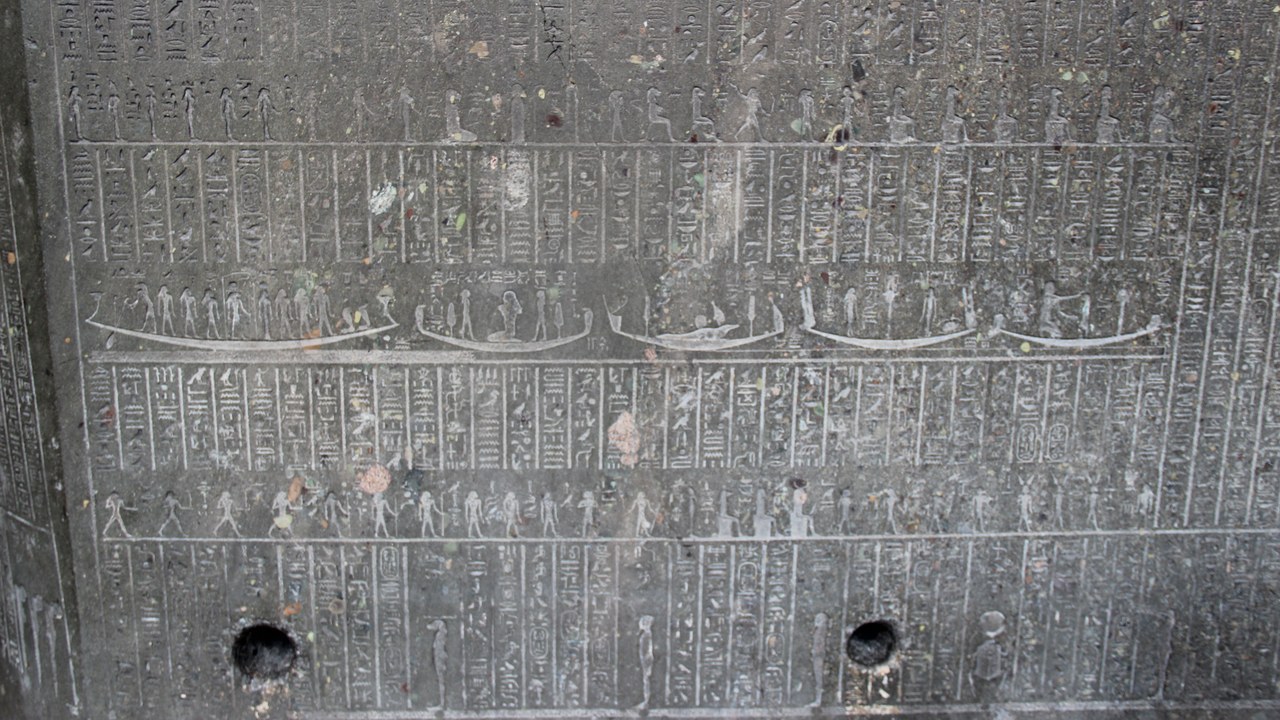
A long-standing legend holds that the sarcophagus of Nectanebo II held Alexander’s body for a time, according to Live Science’s guide to the question of where the conqueror lies. The sarcophagus is now in the British Museum.
It was long venerated in Alexandria as Alexander’s tomb. Researcher Andrew Chugg has argued that a third-century BC fragment of a Macedonian tomb found in the foundations of St Mark’s Basilica in Venice in 1960 fits exactly as part of its tomb casing, though that remains one researcher’s claim rather than a settled conclusion.
Memphis, Egypt: Where the Body First Lay
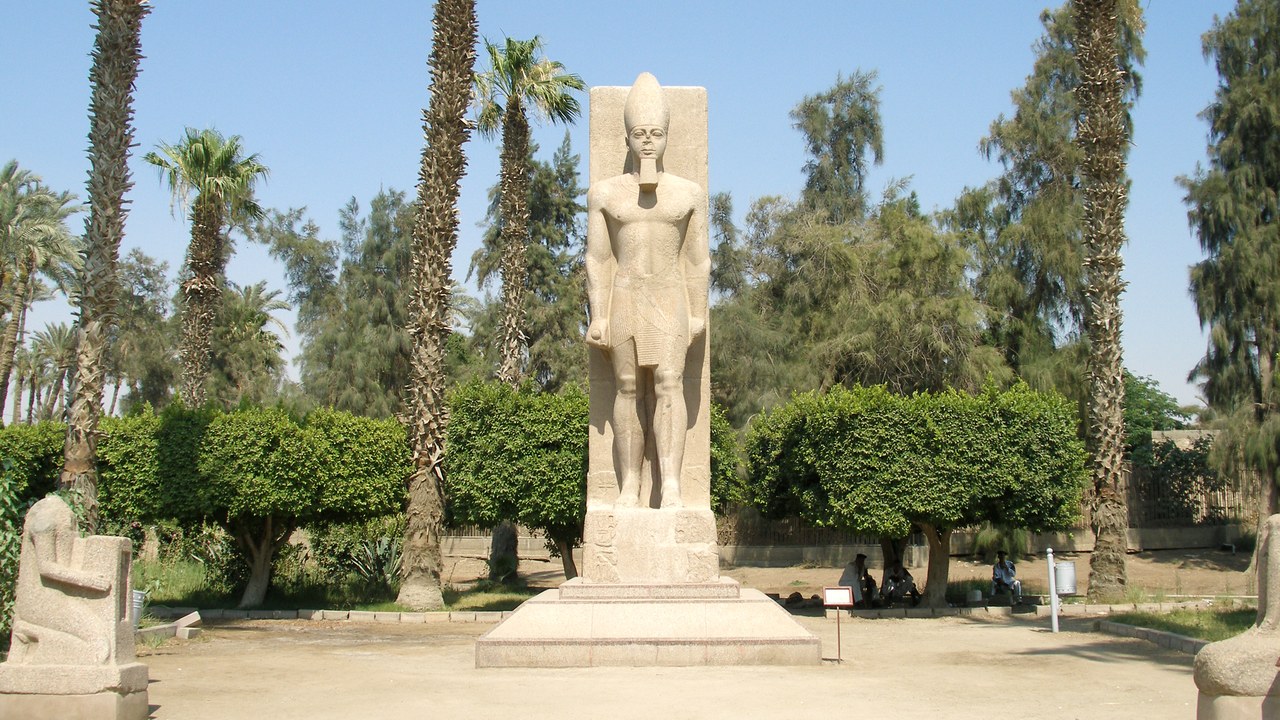
Before the long search for a tomb in Alexandria, Alexander’s remains lay elsewhere. After being argued over by his advisers, his body was buried first in Memphis, Egypt, then in Alexandria, where his tomb was visited and venerated like the temple of a god, National Geographic reported.
Memphis had served as the center of Alexander’s government in Egypt, where he declared himself pharaoh after toppling the old order. The transfer to Alexandria came in the late fourth or early third century BC, and ancient writers later placed the tomb in the city for centuries.
Ptolemy IV Philopator: The Leading Suspect
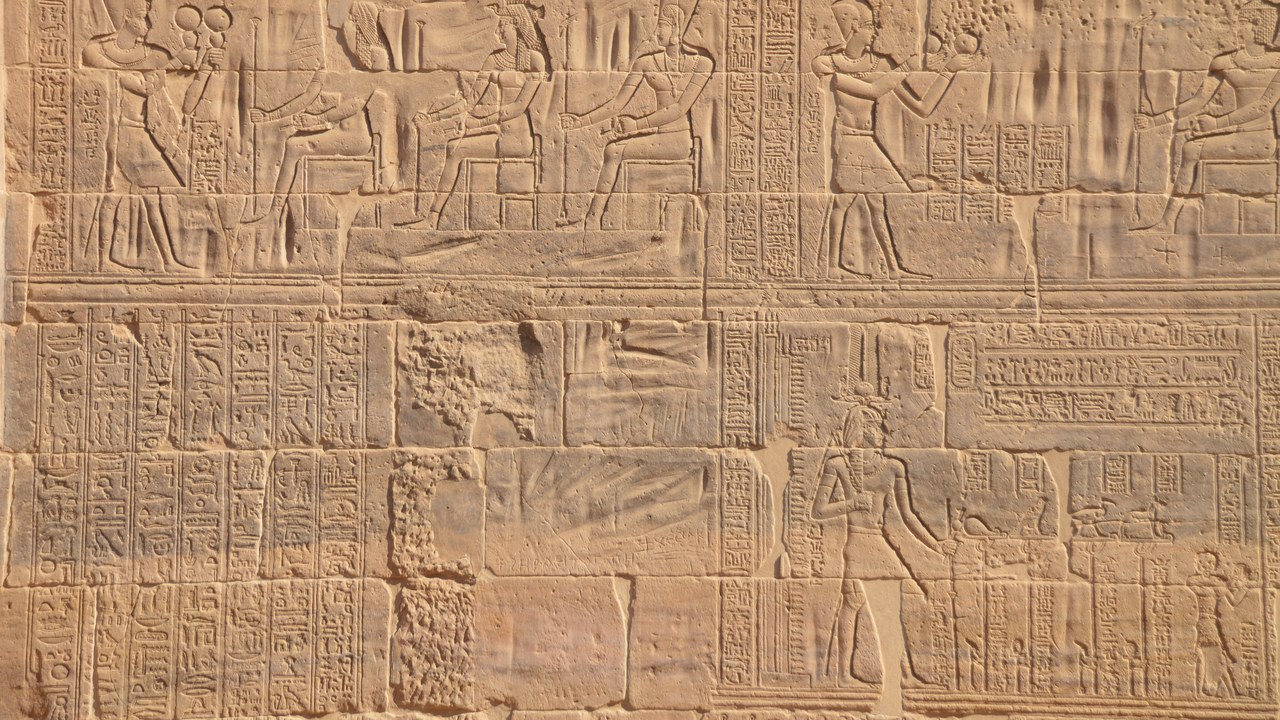
Reporting on the new find points to a royal tomb constructed by Ptolemy IV Philopater, who ruled from 222 to 205 BC, as the leading hypothesis, though the identification remains under investigation. The same ruler is recorded as having placed Alexander’s body in Alexandria’s communal mausoleum.
Excavation by the Limneos-Papakosta mission is continuing. Further work will follow the foundations, investigate the tunnel and establish the building’s chronology, and only then can archaeologists determine whether the structure was funerary and whether it connects with the royal tombs described by ancient writers.
More from Morning Overview
- Debris from the Greenacres Learjet crash landed on Florida rooftops, and the NTSB wants it
- GM’s big V8 trucks keep blowing engines after the recall fix, and NHTSA is digging deeper
- Up to 5 feet of snow is burying Donner Pass, and forecasters warn against Sierra travel
- Tesla’s Cybercab has already crashed 8 times, and the worst one came at highway speed
