
The Army says its first Dark Eagle hypersonic missile battery is now fully fielded, after years of failed tests and missed deadlines. The weapon’s story runs from a launch stand in Hawaii to a test range in Florida and on to the Navy ships that will carry the same glide body. The pictures that follow trace how the missile reached soldiers.
Read next on Morning Overview: Back-to-back California quakes, and what the USGS says about the risk of a bigger one
Long-Range Hypersonic Weapon (Dark Eagle): Declared Ready To Go
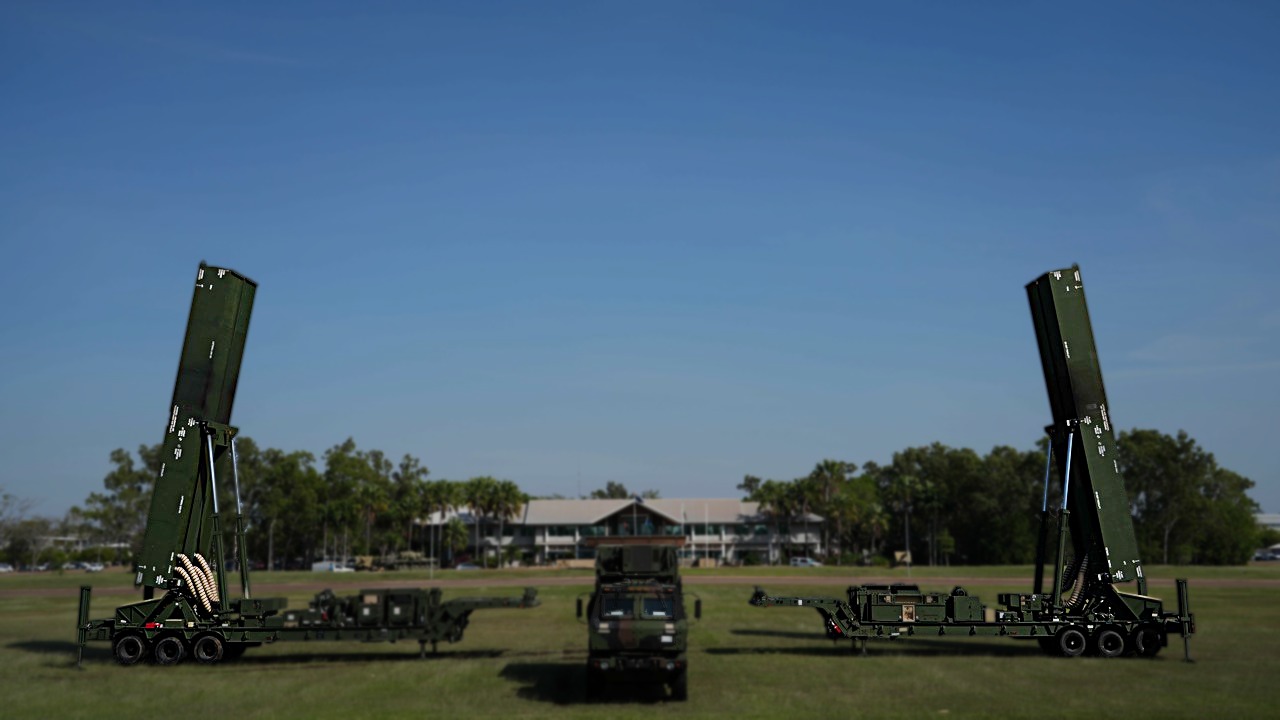
Lt. Gen. Frank Lozano, the Army’s program acquisition executive for fires, told Breaking Defense on Nov. 19 that the first Dark Eagle battery is operational. “It is fully fielded. It is ready to go,” he said. He declined to say when or where the battery reached that status, and he noted that some ground support equipment had been delivered as early as 2021, making a single date hard to name.
The announcement followed a rocky road. The Army first planned to field the battery in 2023, but testing problems, including a mechanical engineering issue with the launcher, prevented that. The target then moved to September 2025, and the Army missed it as well. A Bloomberg report in October had said fielding was not yet complete, and Lozano would not go so far as to call that report inaccurate.
Joint Base Lewis-McChord: The Designated Home

Joint Base Lewis-McChord in Washington state is the base the Army has tied to the first Dark Eagle unit. A Congressional Research Service report says a long-range fires battalion of the 1st Multi-Domain Task Force there was designated to operate the first battery of eight missiles. A March 2026 Army statement cited in the same report named Bravo Battery, 1st Battalion, 17th Field Artillery Regiment, 3rd Multi-Domain Task Force, as the operating unit.
Lozano would not confirm where the first battery sits, so the base is best read as the designated home rather than a confirmed location. According to the Army, a battery consists of a battery operations center, four transporter erector launchers, a support vehicle and up to eight missiles with canisters. Further batteries are planned for the long-range fires battalions of the other multi-domain task forces.
Cape Canaveral Space Force Station: First Live-Fire Event
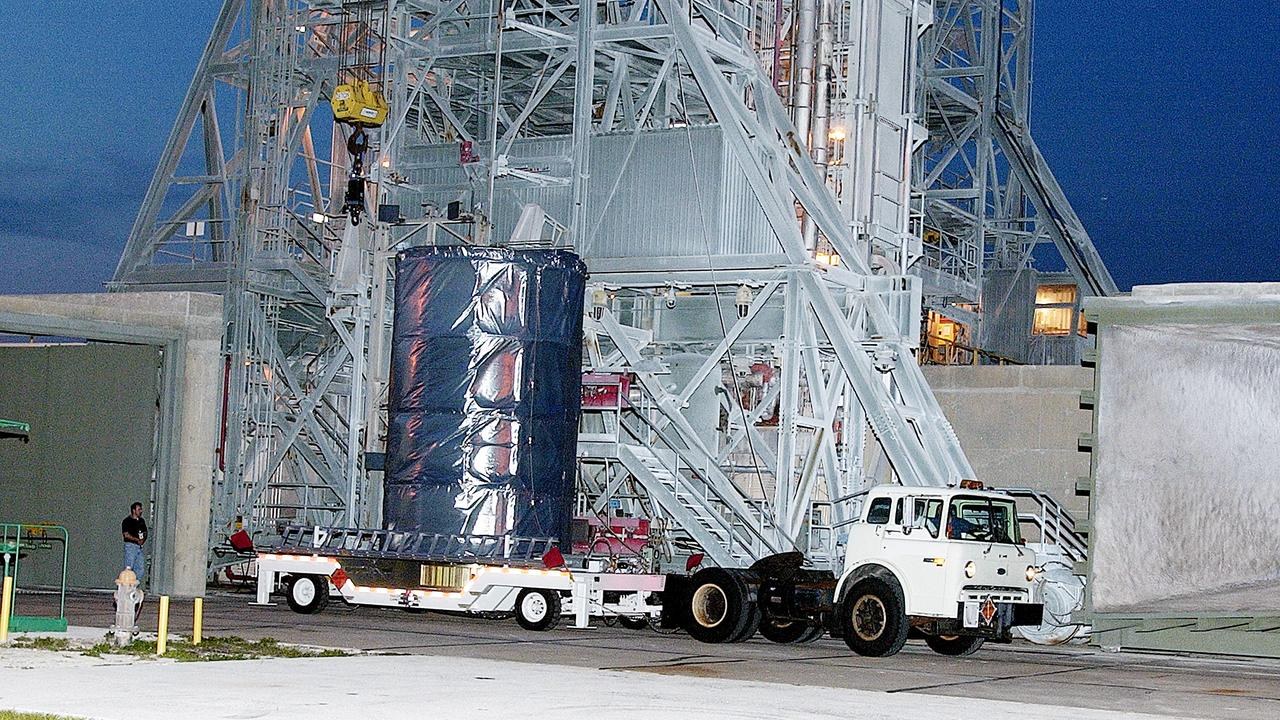
On Dec. 12, 2024, the Defense Department announced a successful end-to-end flight test of a conventional hypersonic missile from Cape Canaveral Space Force Station in Florida. The CRS test history describes it as the first live-fire event for the Long-Range Hypersonic Weapon system using a battery operations center and a transporter erector launcher. It was also the second successful end-to-end flight test of the all-up round that year.
The Florida range had earlier seen setbacks. A March 2023 attempt was halted at countdown after pre-flight checks, and a planned September 2023 test did not take place for the same reason. In mid-September 2023 the Army acknowledged it could not meet its goal of deploying the weapon by the end of fiscal 2023. The Cape later hosted another successful launch of a common hypersonic missile on March 26, 2026.
Pacific Missile Range Facility: The Kauai Launch Stand
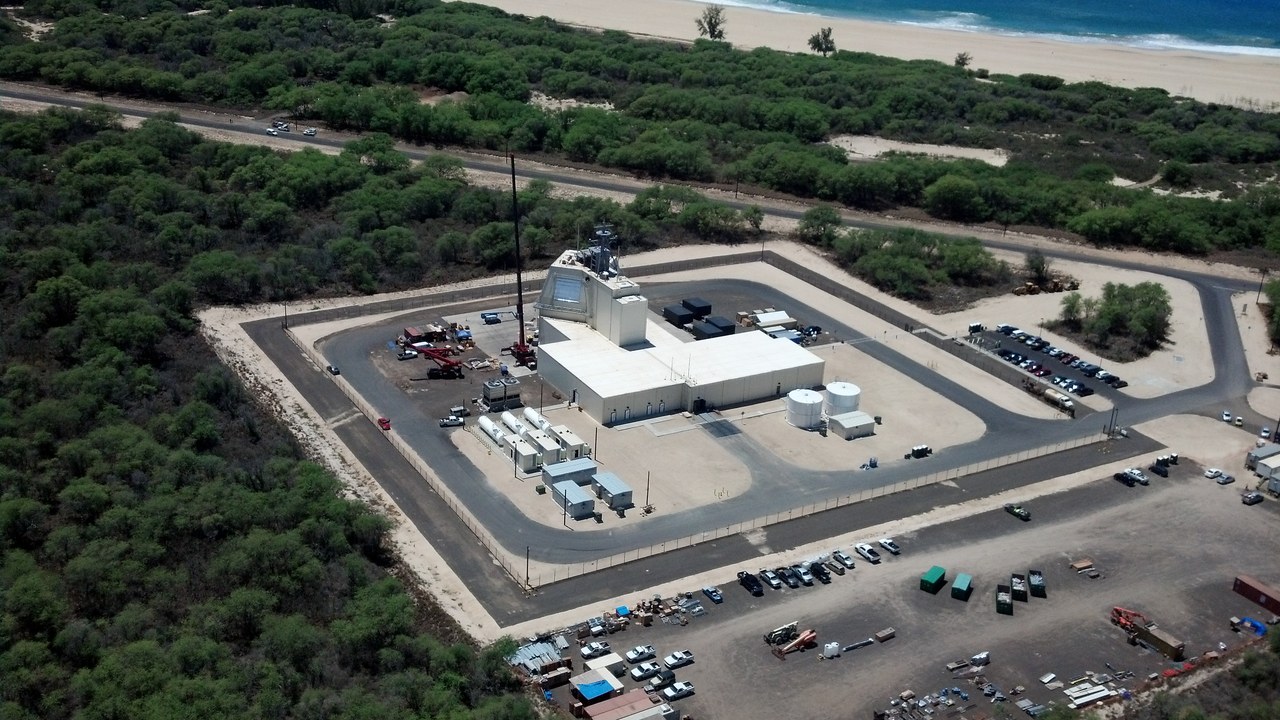
In June 2024 the Navy and Army completed an end-to-end flight test from the Pacific Missile Range Facility on Kauai, Hawaii. The two-stage missile was reportedly launched from a ground stand and flew more than 2,000 miles across the Pacific to a test range in the Marshall Islands. It flew its intended course and released the Common Hypersonic Glide Body, which then flew on to the target.
The Defense Department announced the result on June 28, 2024. It was the first of two successful end-to-end tests of the all-up round that year, with the second following at Cape Canaveral in December. The flight came after a run of earlier trouble, including a booster failure on Oct. 21, 2021, that was classed as a no test, and a reported failure of a full missile test in June 2022.
Marshall Islands: The Far End Of The Range
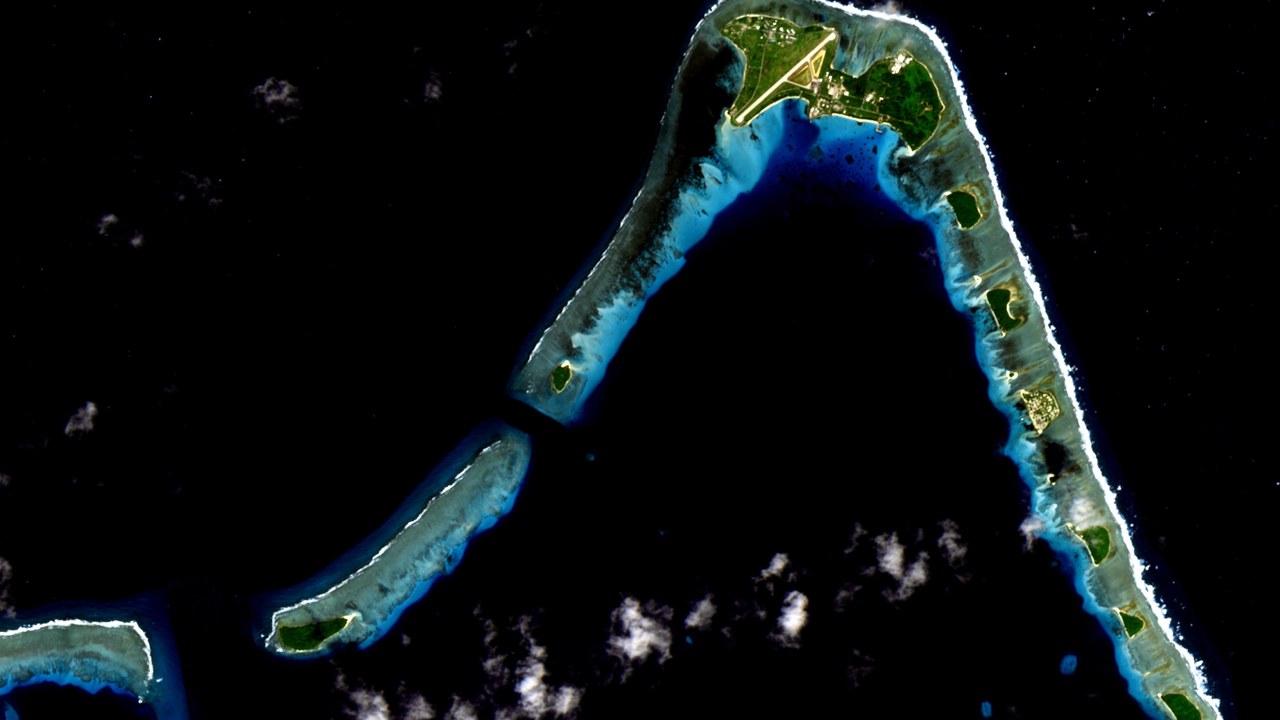
The Marshall Islands are the landing zone for the long Pacific flights. According to the Wikipedia weapon entry, a flight experiment in October 2017 flew more than 2,000 nautical miles from Hawaii to the Marshall Islands at hypersonic speeds. The June 2024 test from Kauai ended in the same island chain, again more than 2,000 miles from its launch point.
Those distances are test results, reported separately from the operating figures for the fielded weapon. The Congressional Research Service gives the Dark Eagle a reported range of 1,725 miles, and Breaking Defense puts its speed at more than 3,800 miles per hour. The picture shows Kwajalein Atoll, one of the island groups of the Marshalls, seen from above.
Common Hypersonic Glide Body: The Unpowered Payload
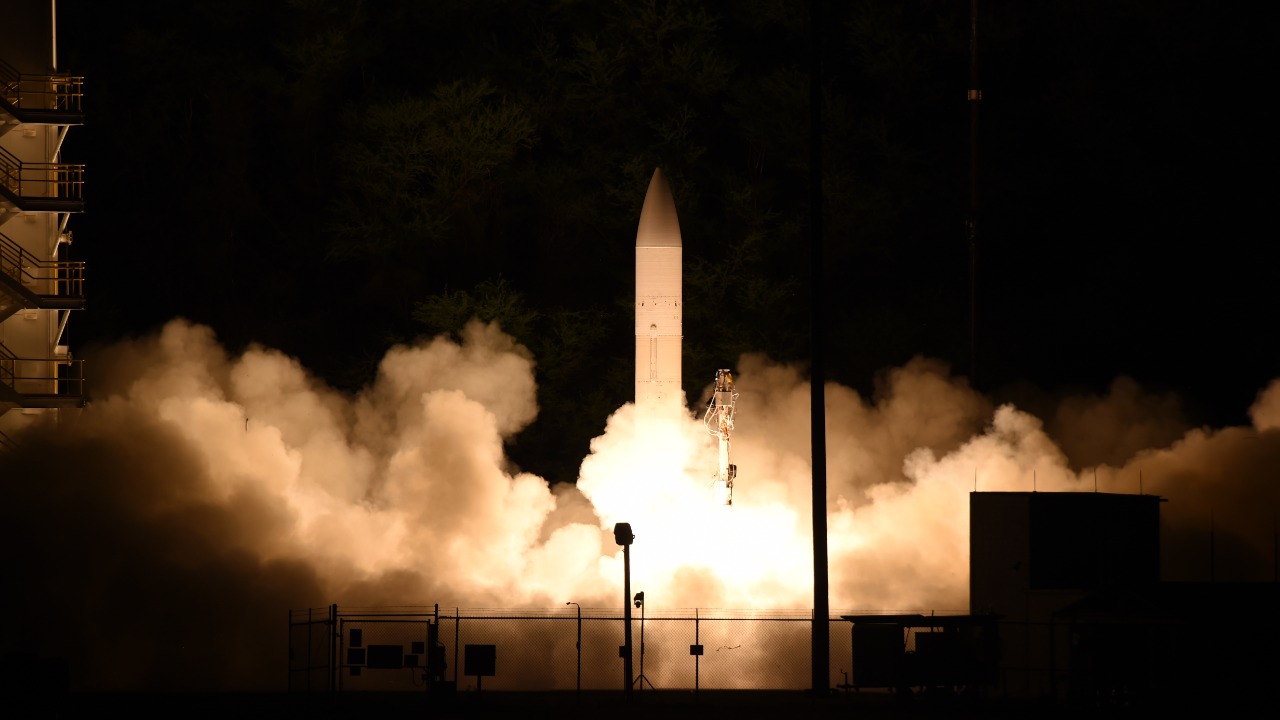
The Common Hypersonic Glide Body is the part of the missile that does the gliding. As the Wikipedia weapon summary explains, the booster carries the unpowered glide body in a nose cone and releases it once the booster reaches significant altitude and speed. The glide body then coasts toward its target at hypersonic speed. In 2018 the Navy was designated to lead its design, with input from the Army, and both services use it.
Dynetics builds the glide vehicle, while Lockheed Martin builds the booster and assembles the missile and launch equipment. The Congressional Research Service says the glide body can travel at Mach 5 or higher and is planned to be maneuverable, which could make it harder to detect and intercept. The photograph shows a 2020 test launch of a booster carrying a prototype of the glide body.
USS Zumwalt: The Navy’s Ship Plan
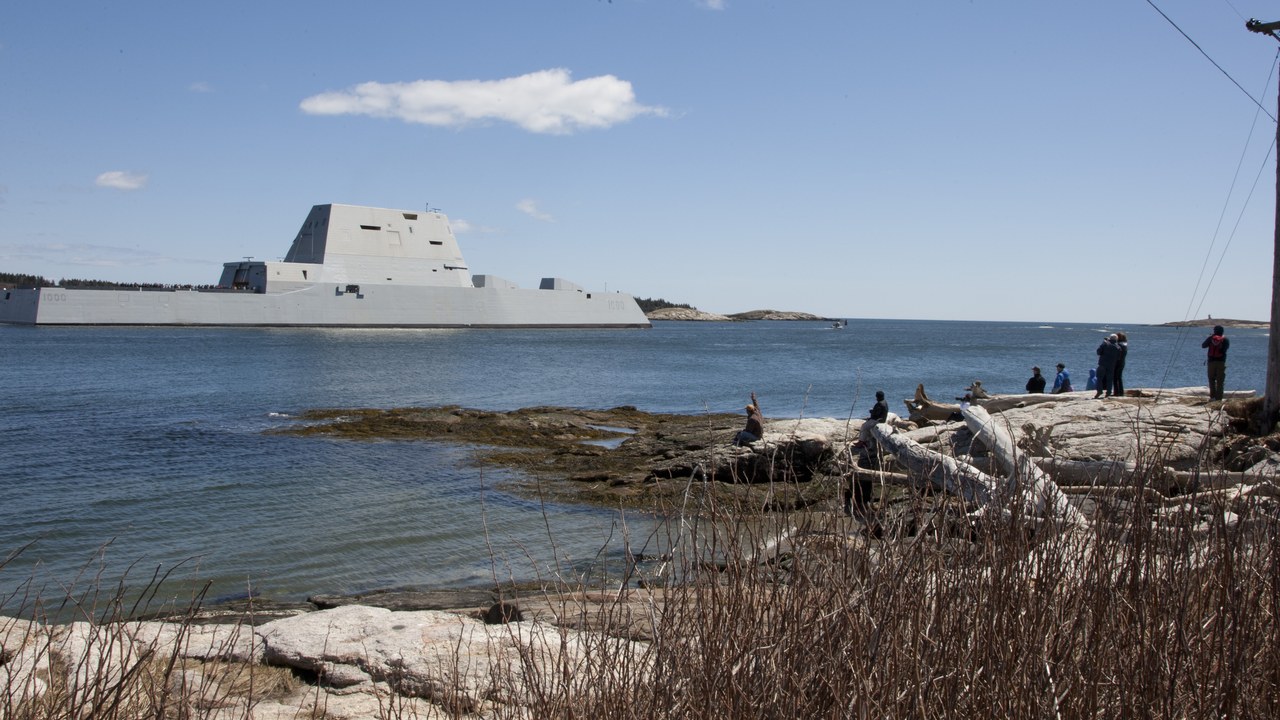
The Navy’s version of the missile, called Conventional Prompt Strike, is meant to fly from Zumwalt-class destroyers once it is fielded, according to Breaking Defense’s Dark Eagle report. The Army program was developed alongside the Navy effort, and the two weapons share the same glide body system. The difference lies in the launcher: the Army integrates the missile onto ground launchers, while the Navy uses ships and submarines.
A separate Breaking Defense report from Nov. 18 says the Navy is modifying its Zumwalt-class destroyers with a vertical launch system to accommodate the hypersonic missiles. The Navy has not yet fielded its version, so the destroyers remain a planned platform rather than an operational one. The Army battery is therefore the only fielded user of the shared glide body, at least as of the Army’s latest statement.
Virginia-class submarine: The Submarine Option
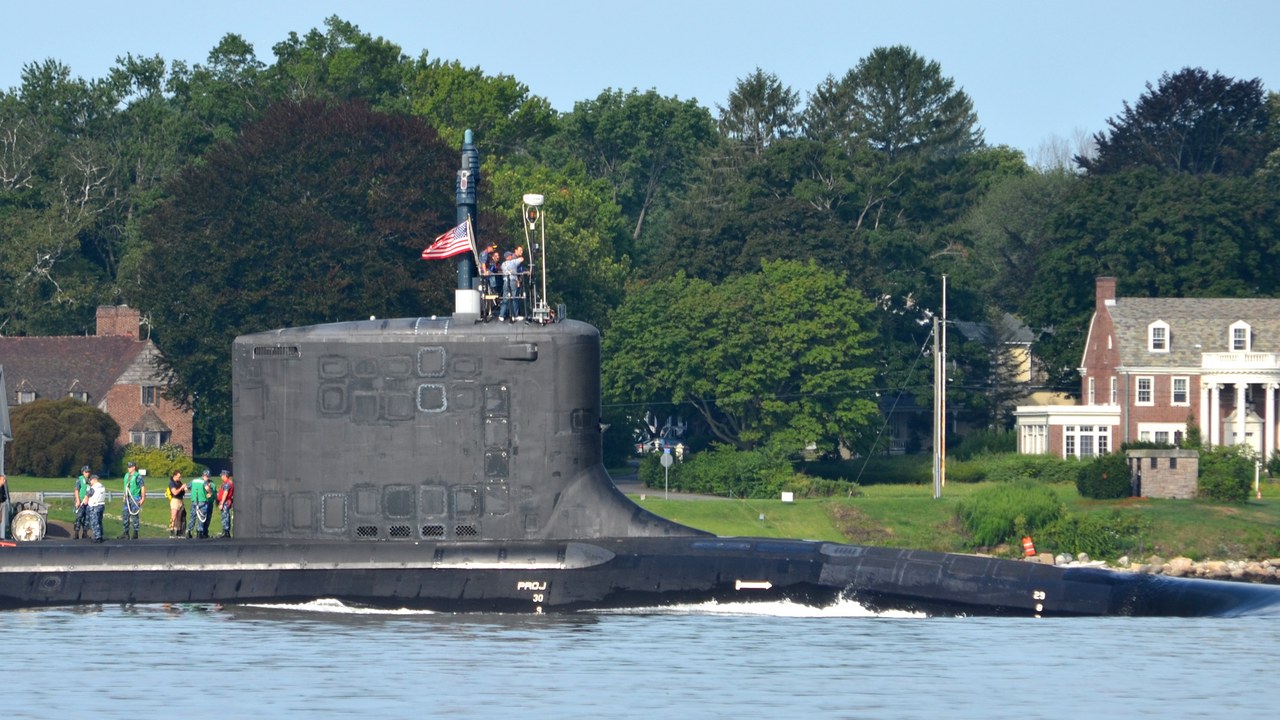
Virginia-class submarines are the other launch platform the Navy has named for the shared missile. The Navy launch plan reported by Breaking Defense says the service will fire its version from Zumwalt-class destroyers and Virginia-class submarines once fielded. Both services developed the weapon together, so the booster and glide body are common to the Army’s ground version and the Navy’s sea-based one.
A Nov. 18 Breaking Defense report adds that the Navy plans to equip some Virginia-class boats with the system. Wikipedia lists Block V Virginia-class submarines as the intended platform, with a 2028 target. Plans to carry the missile on converted Ohio-class submarines were scrapped because of funding delays and the boats’ impending retirement, which leaves the Virginia class as the main undersea option.
Naval Surface Warfare Center Crane Division: The Indiana Office
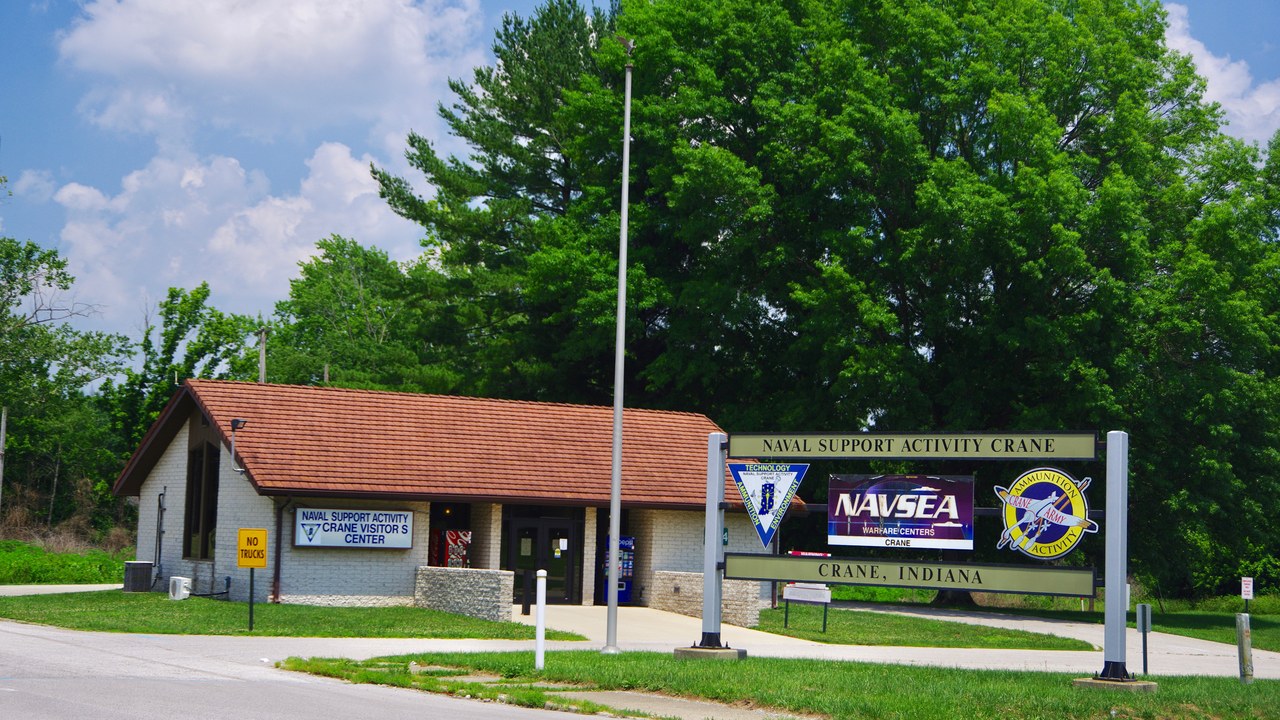
In Indiana, the Navy has created a program office to bring its hypersonic weapon aboard ships. Rear Adm. Patrick Finney is the first leader of the new Crane program office, based at Naval Weapons Station Crane, which integrates Conventional Prompt Strike and the SLCM-N nuclear cruise missile onto surface vessels and submarines. Sen. Jim Banks identified him at a Senate Armed Services Committee hearing on Nov. 18, noting that he had arrived at his post in October.
Crane is home to a hypersonics research, development, test and evaluation facility. Finney reports to Vice Adm. Douglas Williams, who directs the Navy’s strategic systems acquisition portfolio. The office is the Navy-side counterpart to the Army’s Dark Eagle, whose first battery is now fielded on ground launchers while the sea-based version is still being integrated.
More from Morning Overview
- A mayday over Florida: an American 737 shut down an engine and diverted to Orlando
- The biggest grid drop in PJM history came from data centers, and now they may have to pay
- A 2,000-year-old nomad tomb in Mongolia held a glass cup that may have traveled from Rome
- Czech Skyfox jets could become Ukraine’s cheap answer to Shahed attack drones
