
After World War II, materials were scarce and money was tight, so engineers across Europe, Japan and even America built cars small enough to park almost anywhere. Some looked like airplane cockpits, others like eggs or boats. Here are sixteen tiny postwar cars that look like toys today but once put whole nations on wheels.
Read next on Morning Overview: Winter weather advisories cover I-80, I-70 and the Bighorns with up to 15 inches of snow
1. BMW Isetta: The Egg With a Front Door

The Isetta was the original Italian-designed bubble car, first built in 1953 by Iso and later licensed to several countries. Lancaster Insurance notes BMW’s version from 1955 was the world’s top-selling single-cylinder car, with over 160,000 sold.
Drivers entered through a single door in the front. In the event of an accident, the exit was through the canvas sunroof, a detail that sums up how unusual the little egg really was.
2. Fiat 500: Italy’s City Car
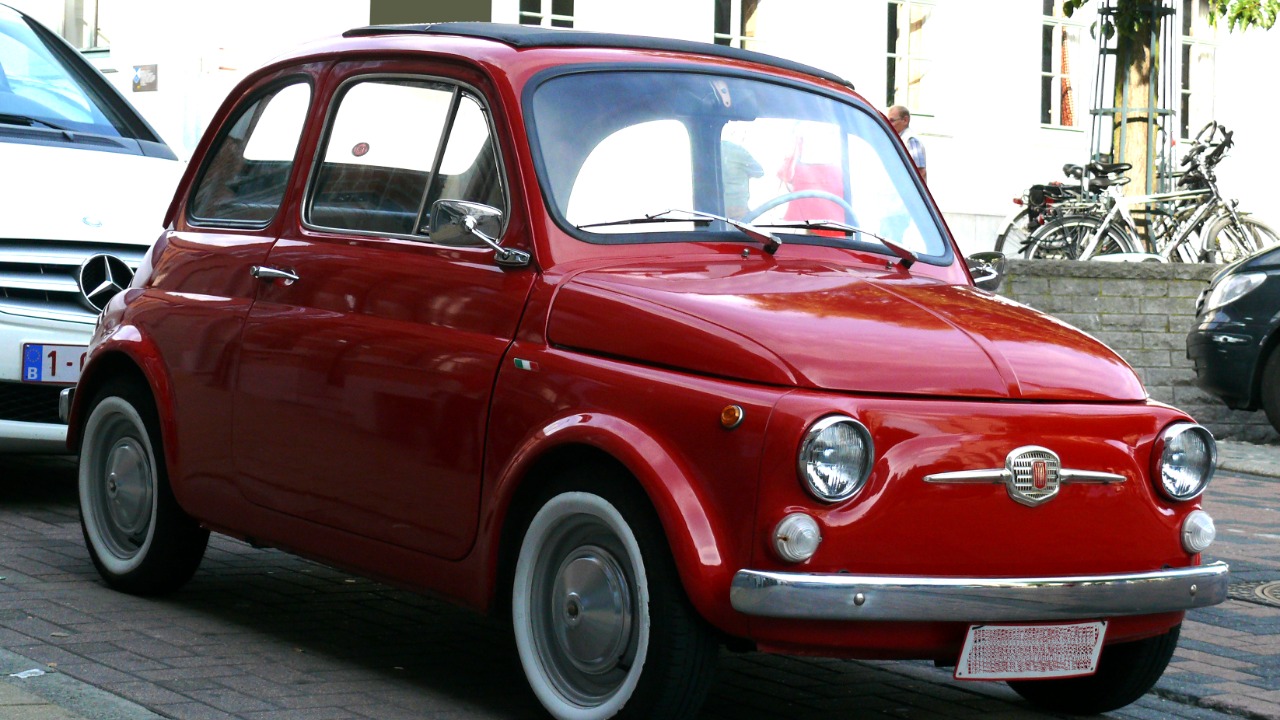
Considered one of the first purpose-designed city cars, the Fiat 500 was built between 1957 and 1975. The four-seat, rear-engined car measured just 2.97 meters long and was first powered by a 479cc, air-cooled two-cylinder engine.
Its sales soared across Europe, and it proved rugged too. Lancaster Insurance says it was reputed to be the smallest car to complete a world circumnavigation.
3. Messerschmitt KR200: A Cockpit on Three Wheels
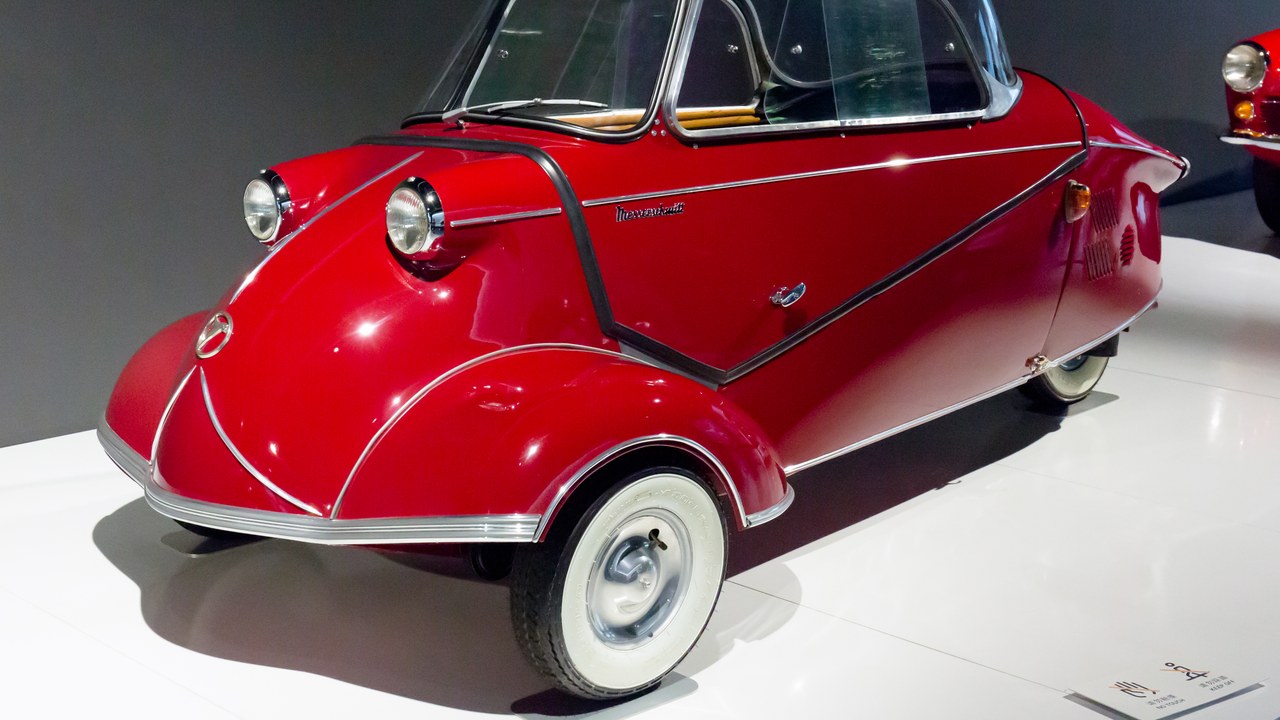
Designed by aircraft engineer Fritz Fend, the KR200 was built in the factory of German aircraft maker Messerschmitt from 1955 to 1964. It was an instant success, with 12,000 produced in its first year.
With its tandem seats under a canopy, it looks more like a fighter cockpit than a car. Messerschmitt eventually lost interest in car production, but Fend kept building the KR200 for several more years.
4. Heinkel Kabine: Four People in a Bubble
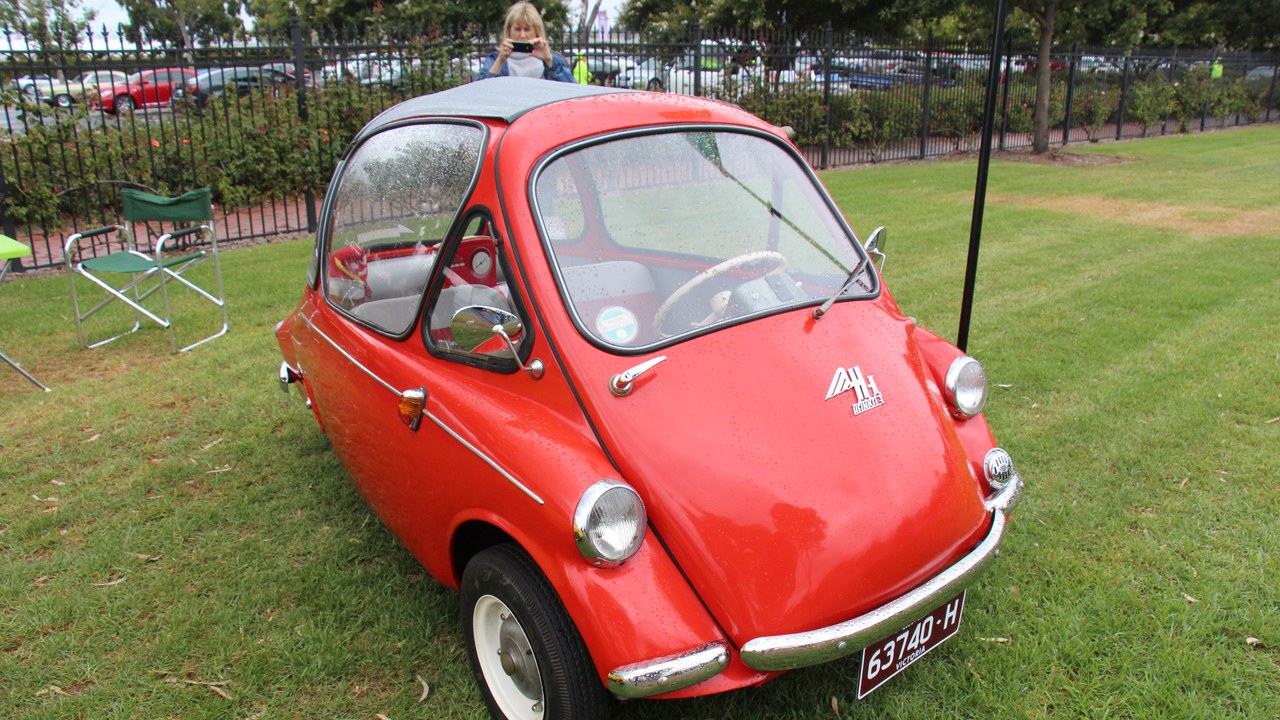
Heinkel, another German aircraft maker, built the Heinkel Kabine bubble car, later made in Britain as the Trojan 200. Lancaster Insurance calls them some of the most popular family microcars ever sold.
Despite being smaller than an average kitchen table, the Kabine could fit up to four people inside its cramped cabin, a fact that period advertising made a point of playing up.
5. Mini: The Little Car That Became an Icon
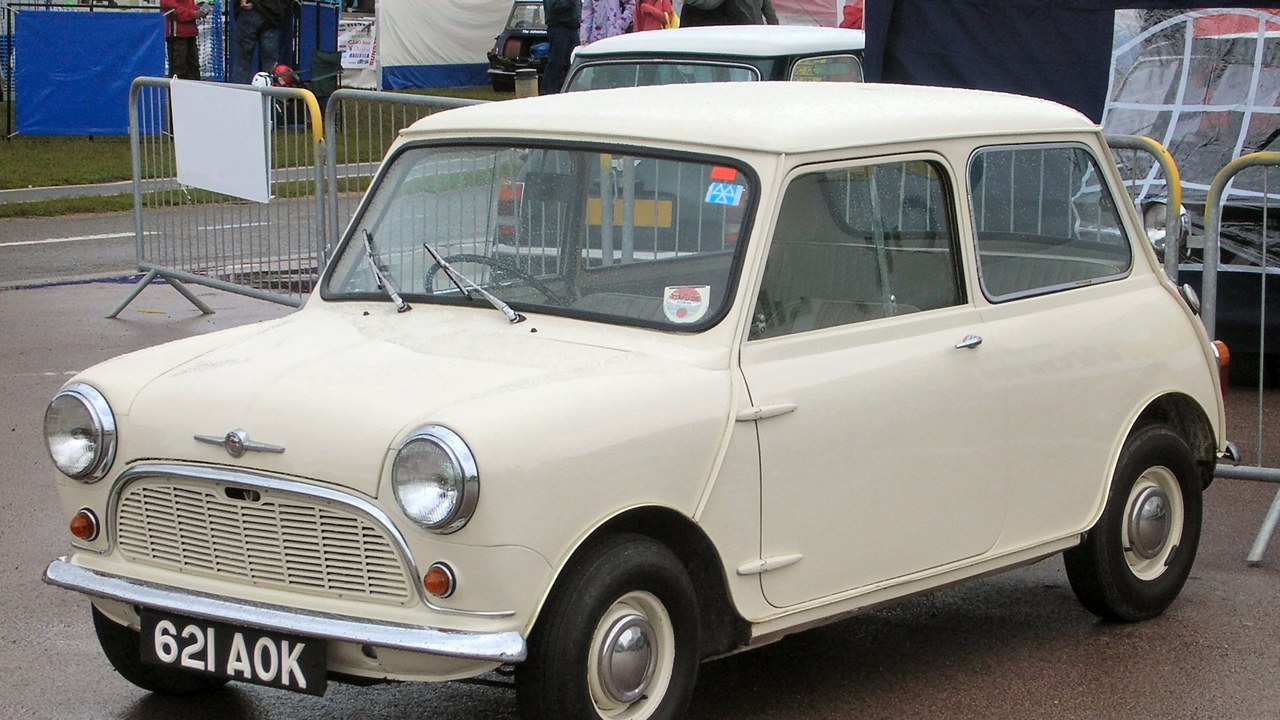
Sir Alec Issigonis designed the Mini for the British Motor Corporation, and it launched in 1959. Its transverse engine and front-wheel drive let 80 percent of the floor plan go to passengers and luggage.
It became a cultural icon and a racing and rally winner. In 1999 it was voted the second-most influential car of the 20th century, behind only the Ford Model T.
6. Goggomobil: Germany’s Cute Microcar
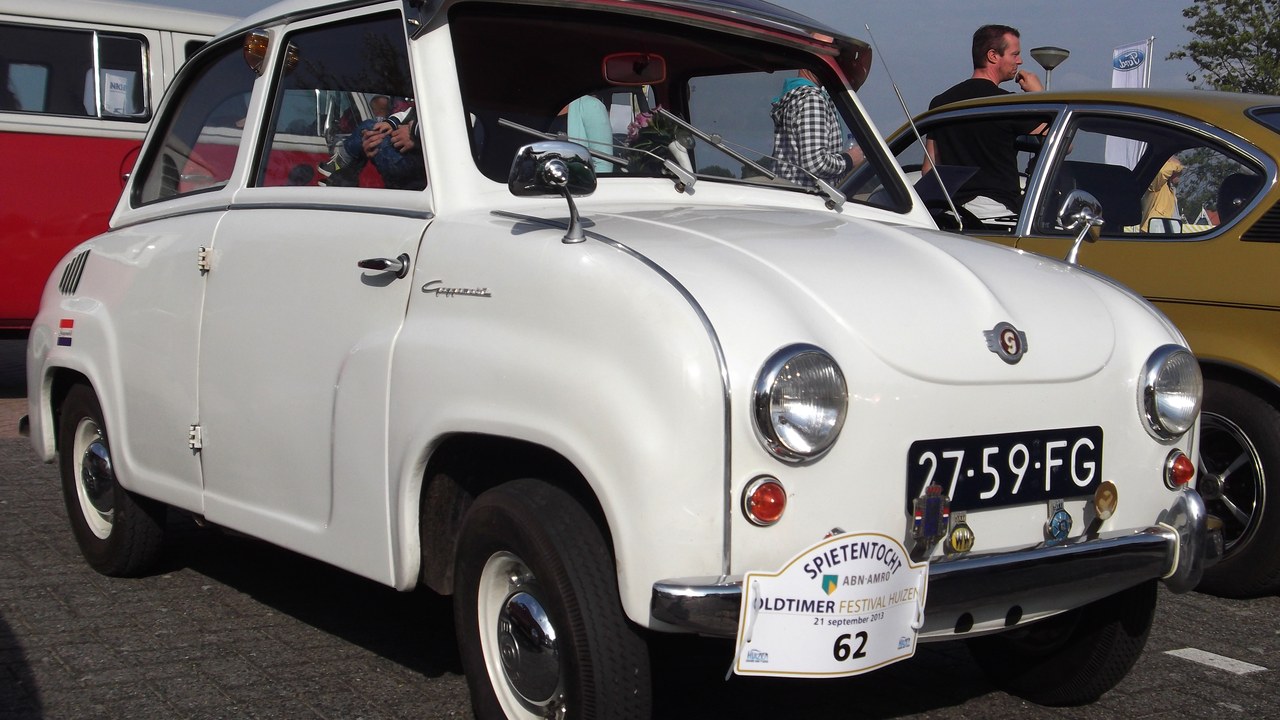
The Goggomobil was a series of microcars built by the German company Glas between 1955 and 1969. It came as a sedan, a coupe and a van, and Lancaster Insurance notes it ran on an air-cooled, two-stroke, two-cylinder engine.
The engine started at just 250cc, with 300cc and 400cc versions offered later. Lancaster Insurance admits these little German cars were never the fastest, but calls them insanely cute.
7. Peel P50: The World’s Smallest Production Car
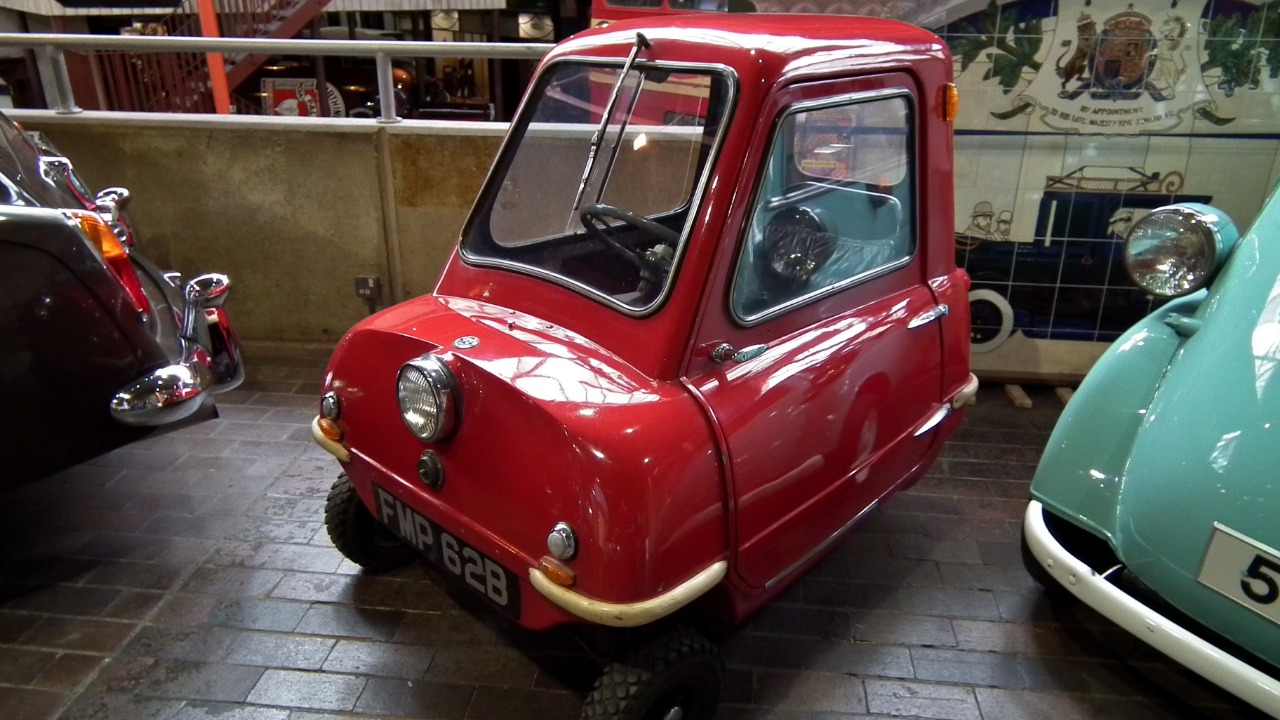
The Peel P50 was built from 1962 to 1965 by the Peel Engineering Company on the Isle of Man. It has held the Guinness record as the smallest production car ever made for more than half a century.
Advertised as able to seat one adult and a shopping bag, it had a single windscreen wiper and one headlight. Only 26 of the original 47 are known to exist, though Peel restarted production in 2010.
8. Citroën 2CV: Built to Carry Eggs
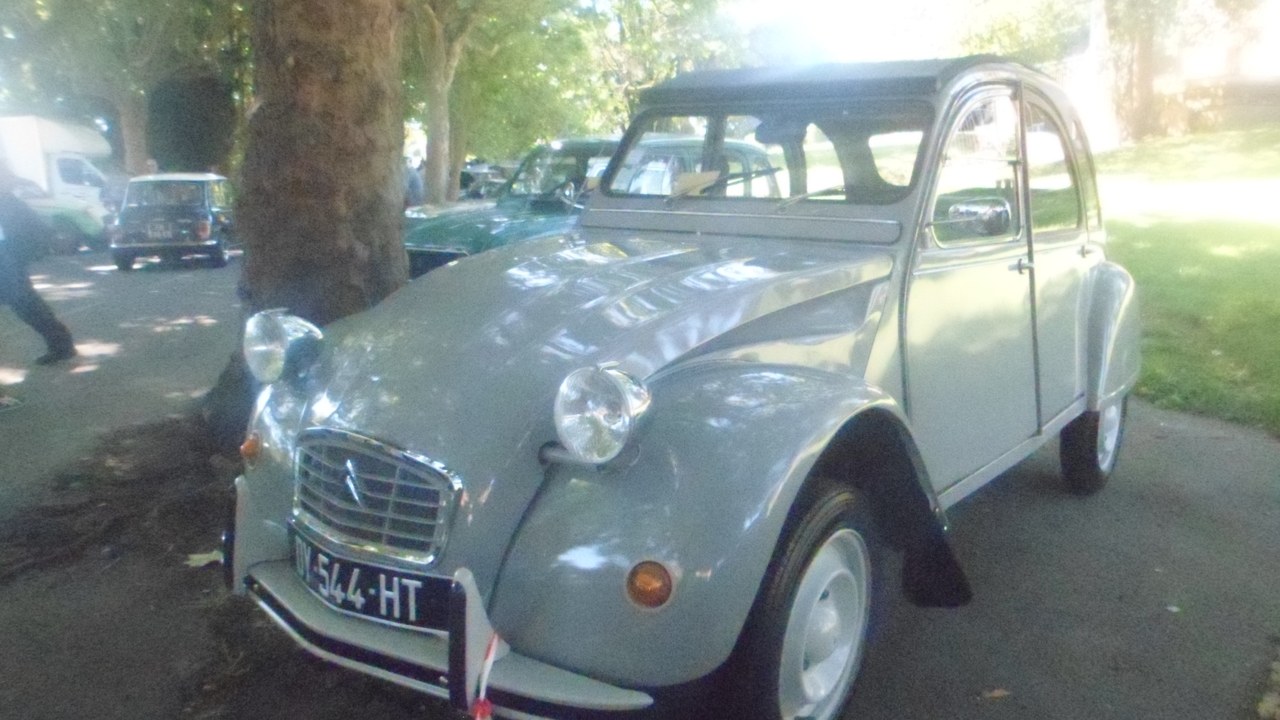
The Citroën 2CV was an economy car produced by the French company from 1948 to 1990. Introduced at the 1948 Paris show, it was designed to cross a ploughed field with a basket of eggs on the passenger seat without breaking them.
That demand reflected the great lack of paved roads in France at the time. The 2CV’s air-cooled engine sat up front and drove the front wheels, and the car stayed in production for 42 years.
9. Crosley Hotshot: America’s First Postwar Sports Car

The Crosley Hotshot, introduced in 1949, was America’s first postwar sports car. It came from Crosley Motors, a small Cincinnati maker of economy cars bordering on microcars.
Crosley introduced several firsts in American automotive history, including the first affordable mass-market car with an overhead-camshaft engine in 1946 and an early use of the term sport utility in 1947. The company was active from 1939 to 1952.
10. Amphicar: The Car That Swims

The Amphicar Model 770 was an amphibious automobile launched at the 1961 New York Auto Show. It was made in West Germany, and 3,878 were built in a single generation.
Designed by Hans Trippel, it was manufactured by the Quandt Group at Lübeck and Berlin. Its name is a blend of amphibious and car, and it was marketed from 1961 to 1968.
11. Trabant: East Germany’s People’s Car
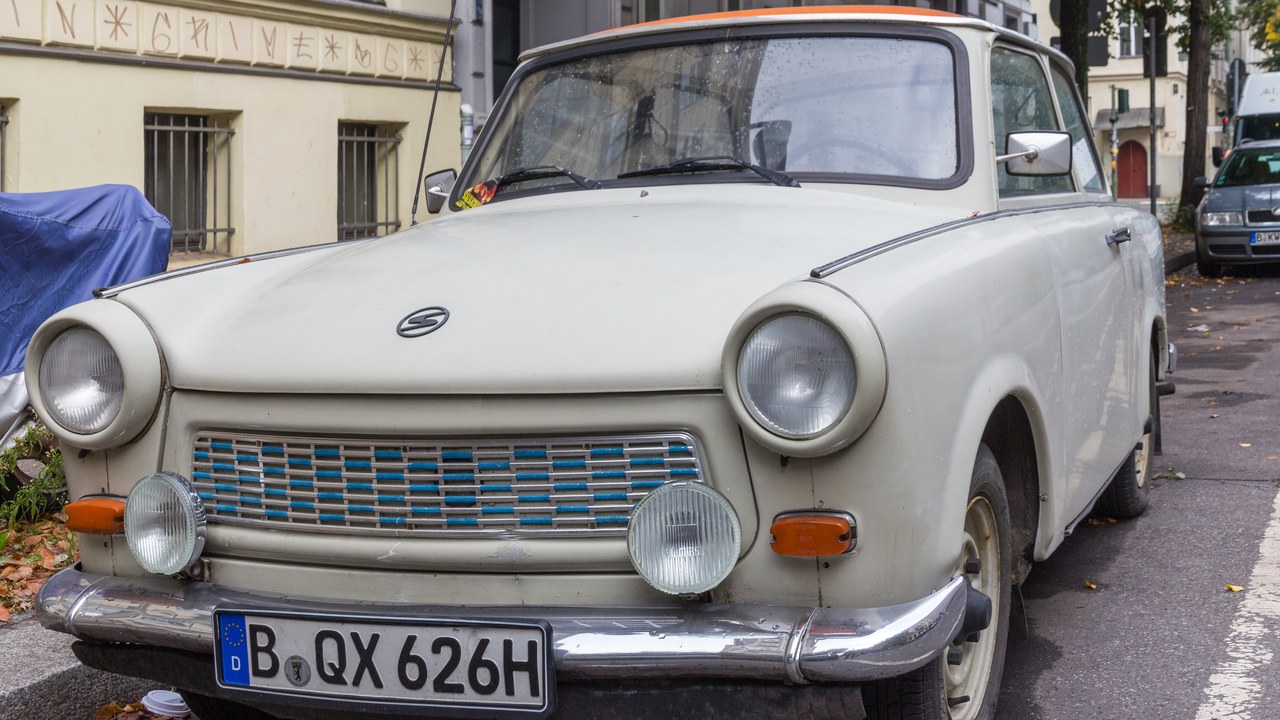
The Trabant used detachable duroplast body panels on a steel chassis, front-wheel drive and a two-stroke engine. Because its 1950s design remained largely unchanged until 1990, it became symbolic of East Germany’s stagnant economy.
The first model, the Trabant 500, was relatively modern when it arrived. Over the decades it was followed by the 600, the 601 and finally the Trabant 1.1.
12. Vespa 400: From the Scooter Makers
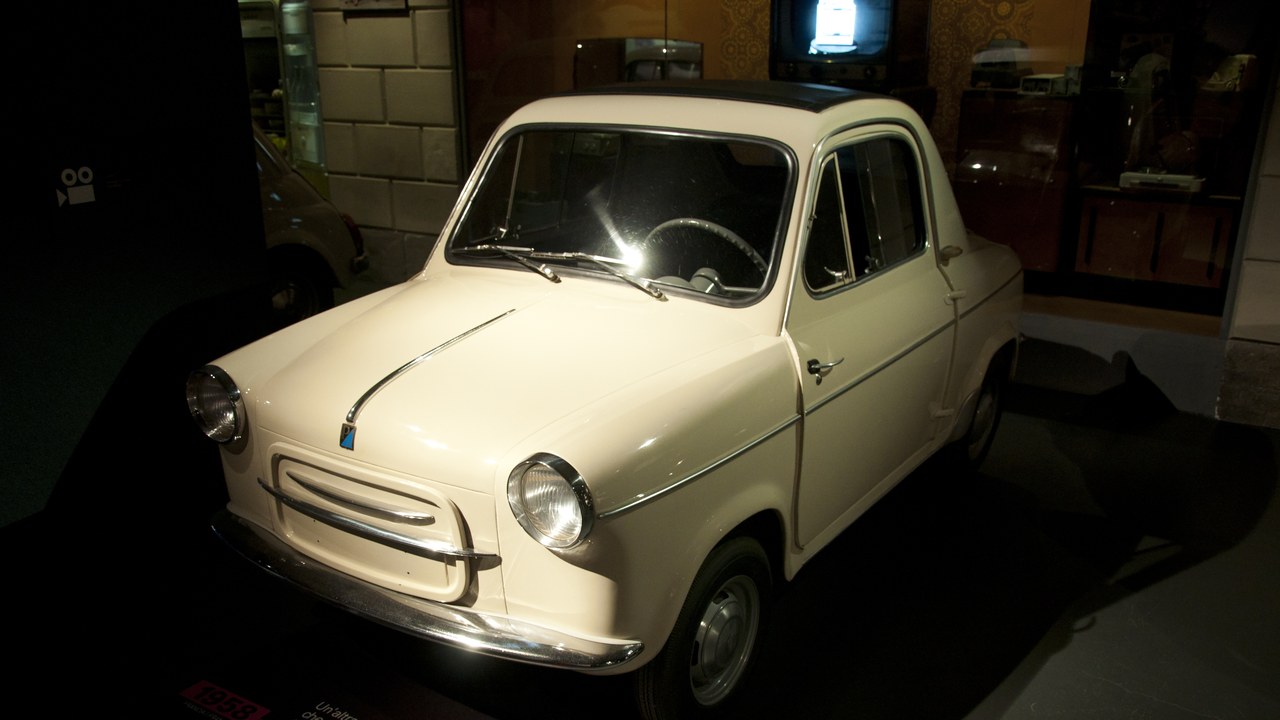
The Vespa 400 was a rear-engined microcar built in Fourchambault, France, from 1957 until 1961 to designs by Piaggio, the Italian company behind the Vespa scooter. It made its high-profile public debut on September 26, 1957.
Three versions were sold: Luxe, Tourisme and GT. A fabric roof could be retracted for open-air driving, and the whole car weighed only about 790 pounds.
13. Renault 4CV: France’s First Million-Seller
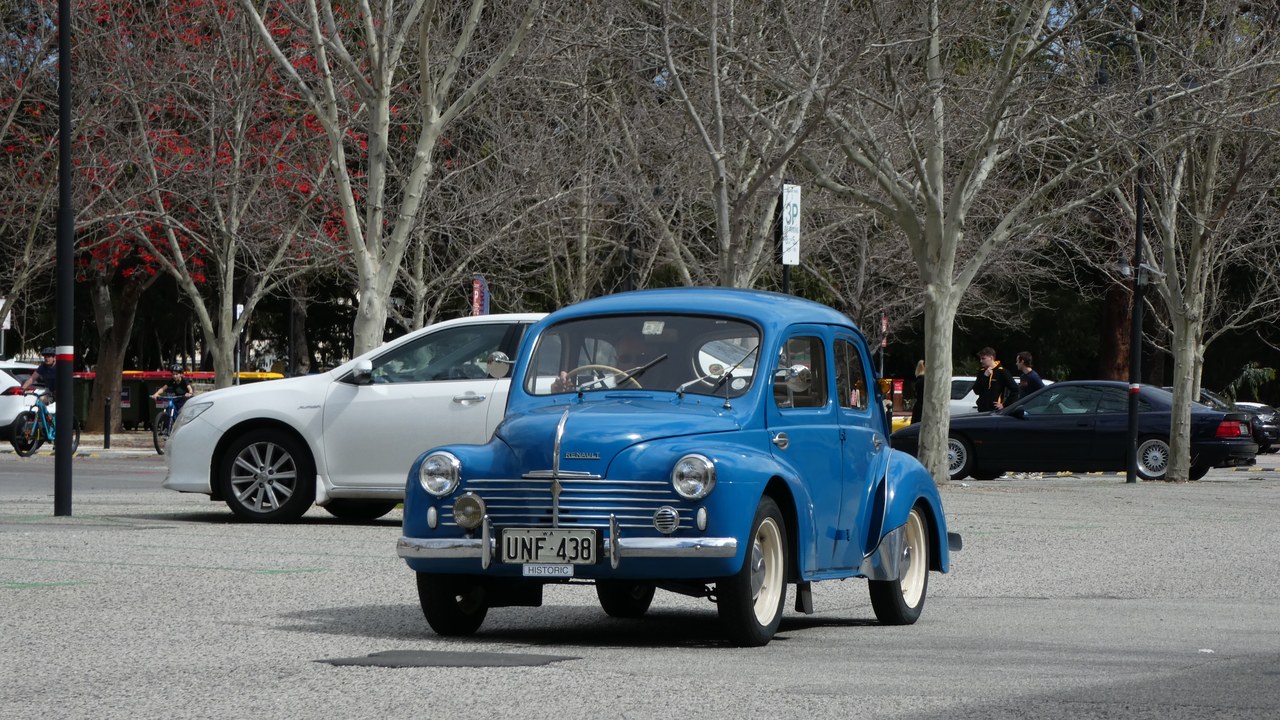
Renault built the 4CV from August 1947 through July 1961. The rear-engined four-door economy car was the first French car to sell over a million units before the Dauphine replaced it.
It was 3.6 meters long, with monocoque construction and front suicide doors. CV is the abbreviation of chevaux-vapeur, the French equivalent of horsepower, which gave the little Renault its famous name.
14. Zündapp Janus: The Two-Faced Car
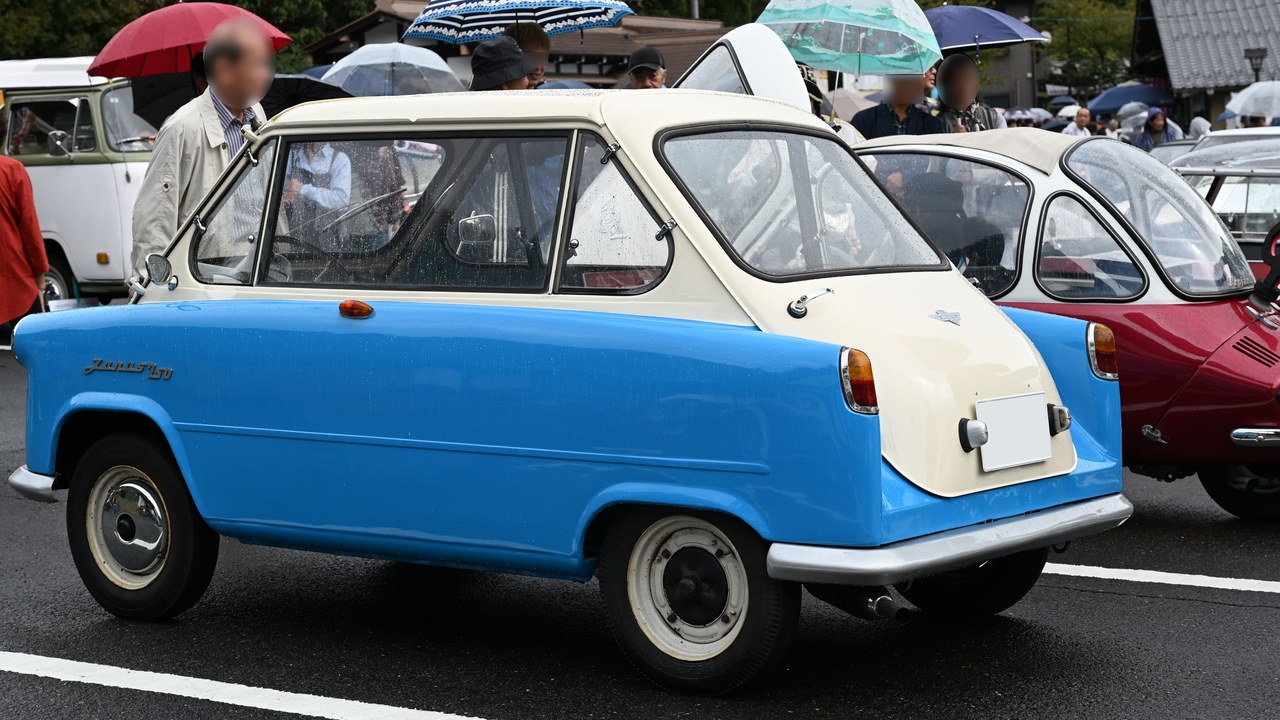
Zündapp built the Janus microcar in Germany in 1957 and 1958, and it was the only car the company ever built. Its designer seated the two front passengers and the two rear passengers back to back to make the most of the space.
The design began as a prototype called the Dornier Delta. Zündapp, which had never built a car before, took it on, though the volume of sales needed made it hard to build economically.
15. King Midget: America’s Own Microcar
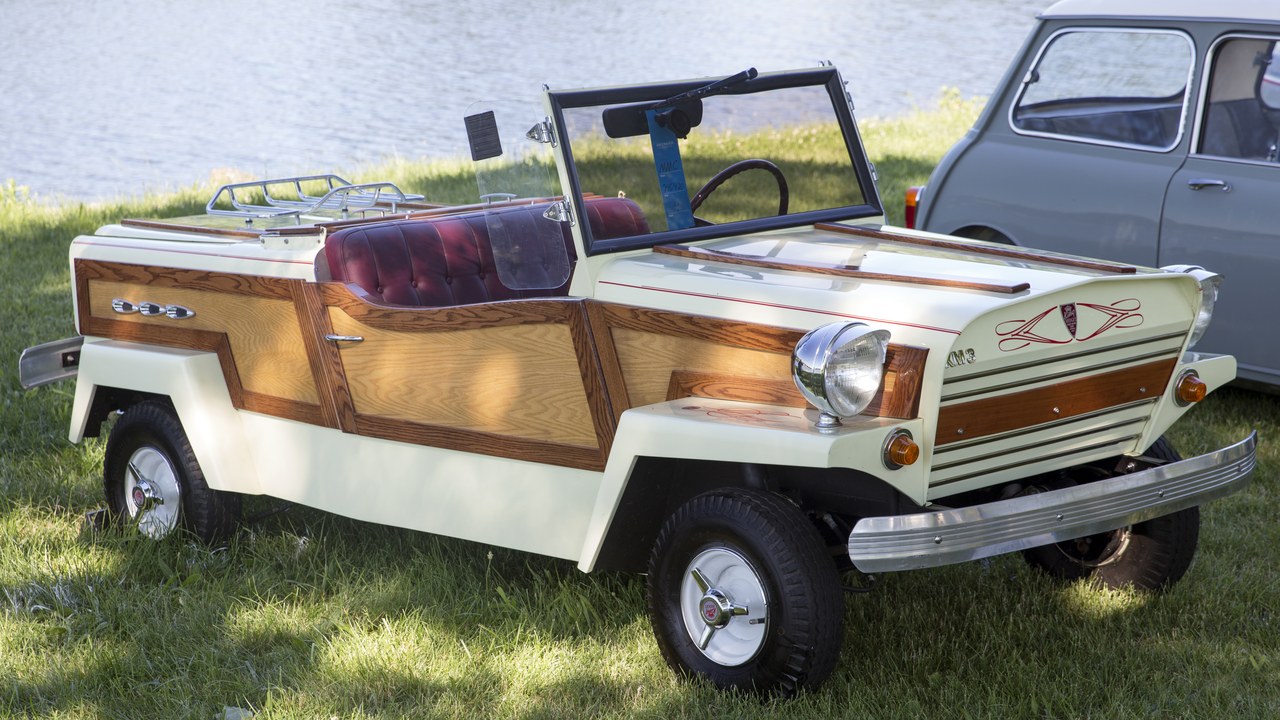
The King Midget was built from 1946 to 1970 by the Midget Motors Corporation. Company founders Claud Dry and Dale Orcutt, airplane pilots turned car designers, first sold it as a kit before offering completed cars.
Later the company sold only finished cars. It was powered by a single-cylinder, air-cooled engine driving through a two-speed automatic transmission, a simple setup for a car built to be cheap.
16. Subaru 360: Subaru’s First Car
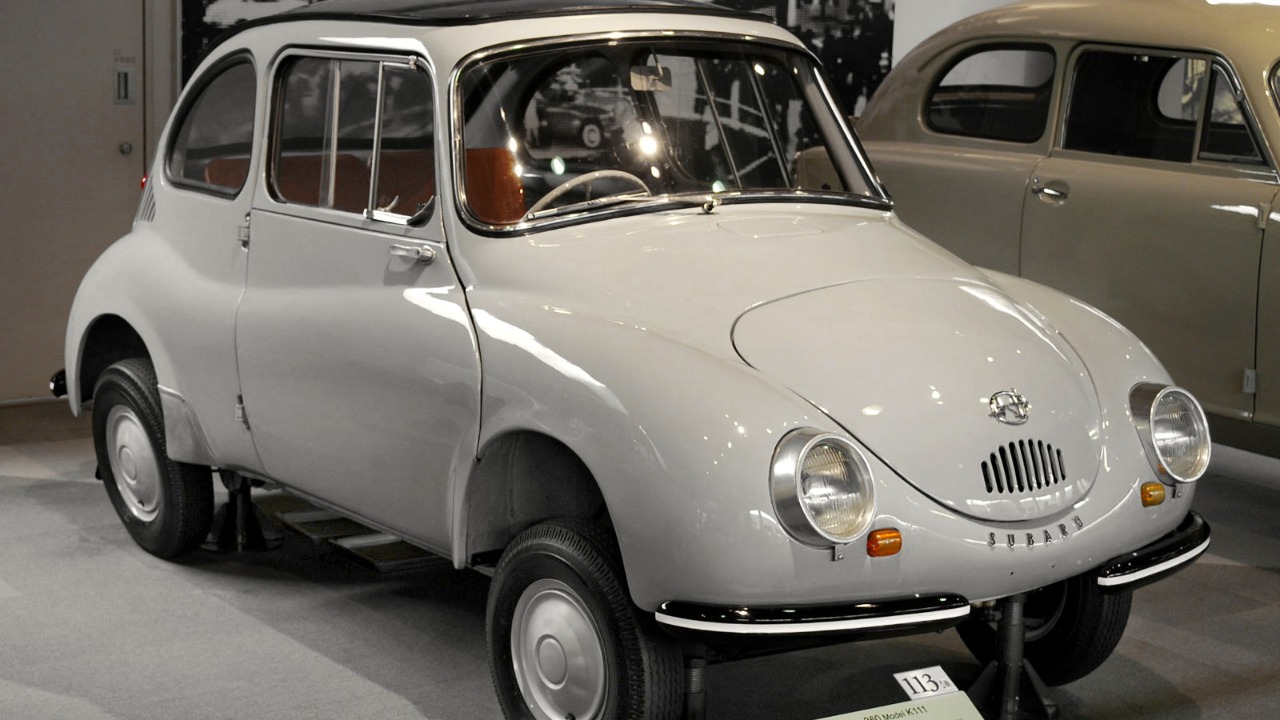
The Subaru 360 was a rear-engined, two-door city car built from 1958 to 1971. As the company’s first mass-produced automobile, it reached production of 392,000 over its 12-year run.
It weighed only about 1,000 pounds, used monocoque construction, swing-axle rear suspension and a fiberglass roof panel, and it was noted for its small overall size. It was later succeeded by the Subaru R-2.
More from Morning Overview
- Two Kentucky residents died when a small plane crashed at Missouri’s Lake of the Ozarks, and the NTSB is investigating
- A handful of car transmissions are so tough that mechanics say they almost never die
- Melting permafrost is setting off a newly identified kind of catastrophic landslide, scientists say
- Cadillac cut the price of its cheapest EV, which goes up to 317 miles on a charge
