
Hoover Dam has powered the Southwest since the 1930s, but the lake that feeds its turbines keeps dropping. Federal projections now show most of its generating units could sit idle by 2027 as Lake Mead nears a critical level. Here is how the dam, the towns around it and the reservoirs it created are feeling the decline.
Read next on Morning Overview: 11 engines built to run well past 200,000 miles
Hoover Dam: Losing Its Push
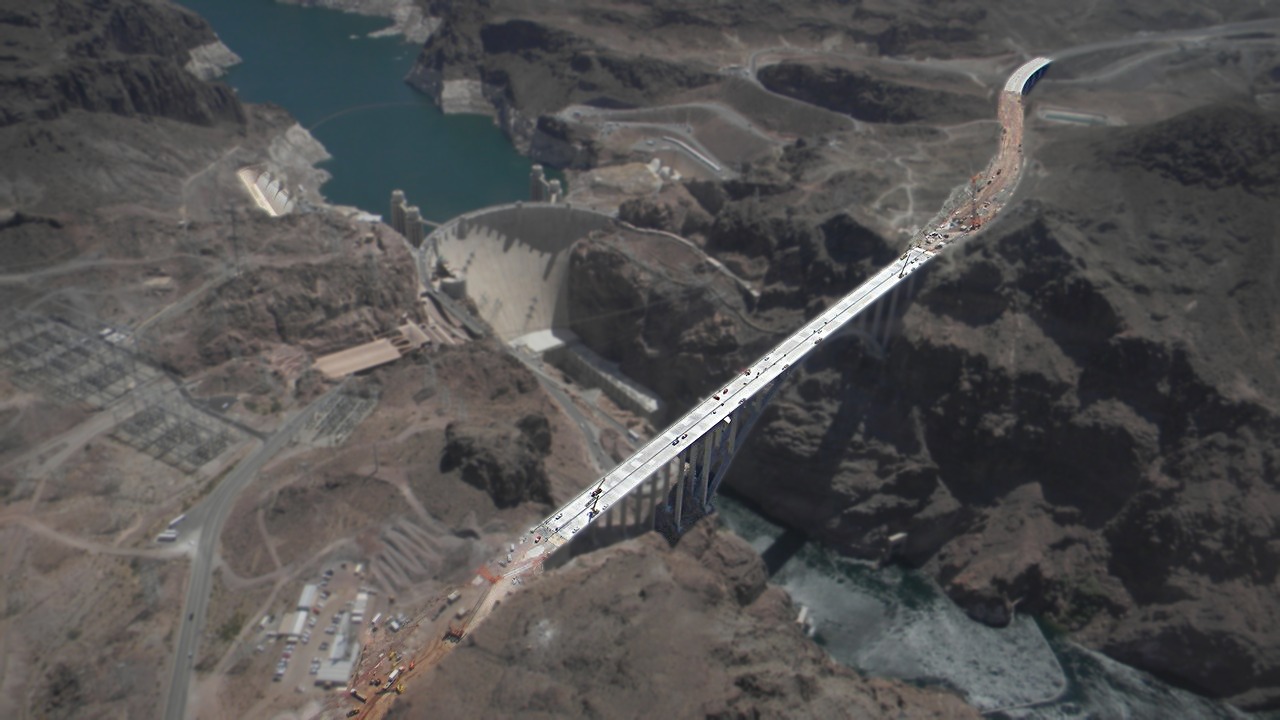
Hoover Dam has historically provided up to 2,074 megawatts of hydroelectric capacity, enough for roughly 1.3 million people in Nevada, Arizona and Southern California. A FOX5 Las Vegas investigation reports that generation at the dam has already fallen by about 30%, according to the Bureau of Reclamation.
Reclamation’s October 24-Month Study projects that only about 24% of the dam’s generating units could be available by spring and summer 2027, compared with 91% in September 2026. In one projection, capacity drops from about 1,192 megawatts in September to about 317 megawatts in April 2027. The agency has freed about $52 million for work that includes new wide-head turbines, with the first installation expected in 2028.
Lake Mead: The 1,035-Foot Line
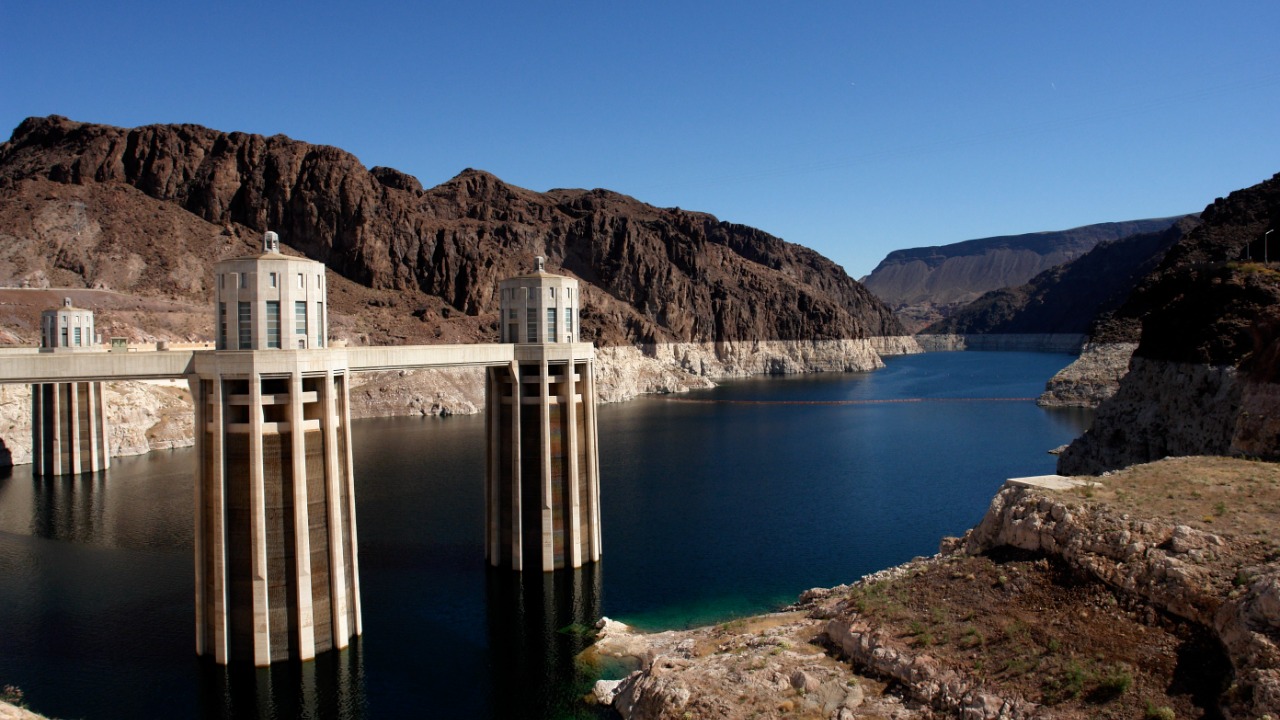
The reservoir behind the dam was recently sitting around 1,037 feet above sea level, close to a critical threshold of 1,035 feet. Below that line, older turbines begin to suffer severe vibration and cavitation, in which collapsing vapor bubbles pit and tear the steel of the turbine runners.
Gail Bates of the Colorado River Commission of Nevada told FOX5 that within about six months only four of the dam’s 17 generating units are expected to keep running. Five units have wide-head turbines designed for lower levels, down toward 950 feet, the minimum power pool where generation stops altogether. Reclamation says it is testing whether older units can run safely below 1,035 feet under strict hourly limits.
Boulder City, Nevada: The Town Built for the Dam
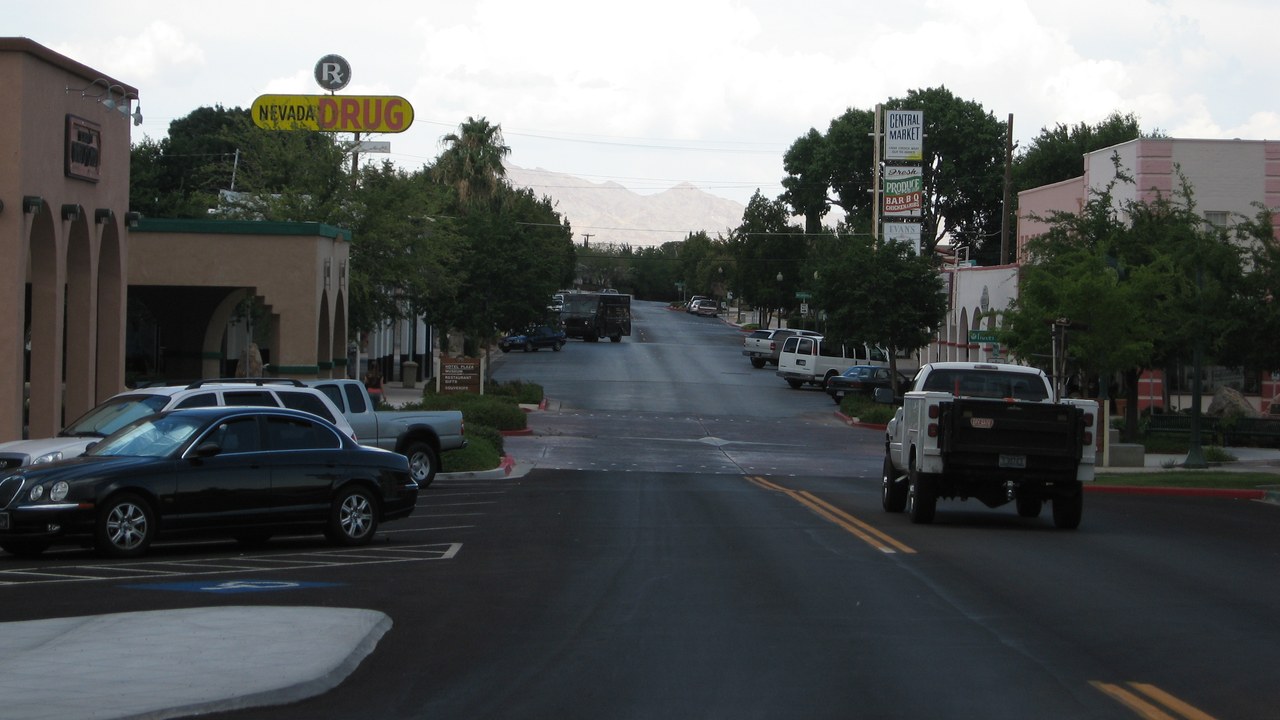
Thousands of men came to build Hoover Dam during the Great Depression, and its power was meant to go first to its headquarters town of Boulder City, then to California and eventually Nevada and Arizona, according to the National Park Service.
The link has lasted. Boulder City told FOX5 that Hoover Dam supplies roughly 38% of the city’s electricity and remains its lowest-cost resource, so a shortfall can push the city onto the open market for replacement power. Las Vegas is far less exposed: NV Energy says the dam supplies only about 2% of its energy on a peak day.
Davis Dam: The Downstream Partner
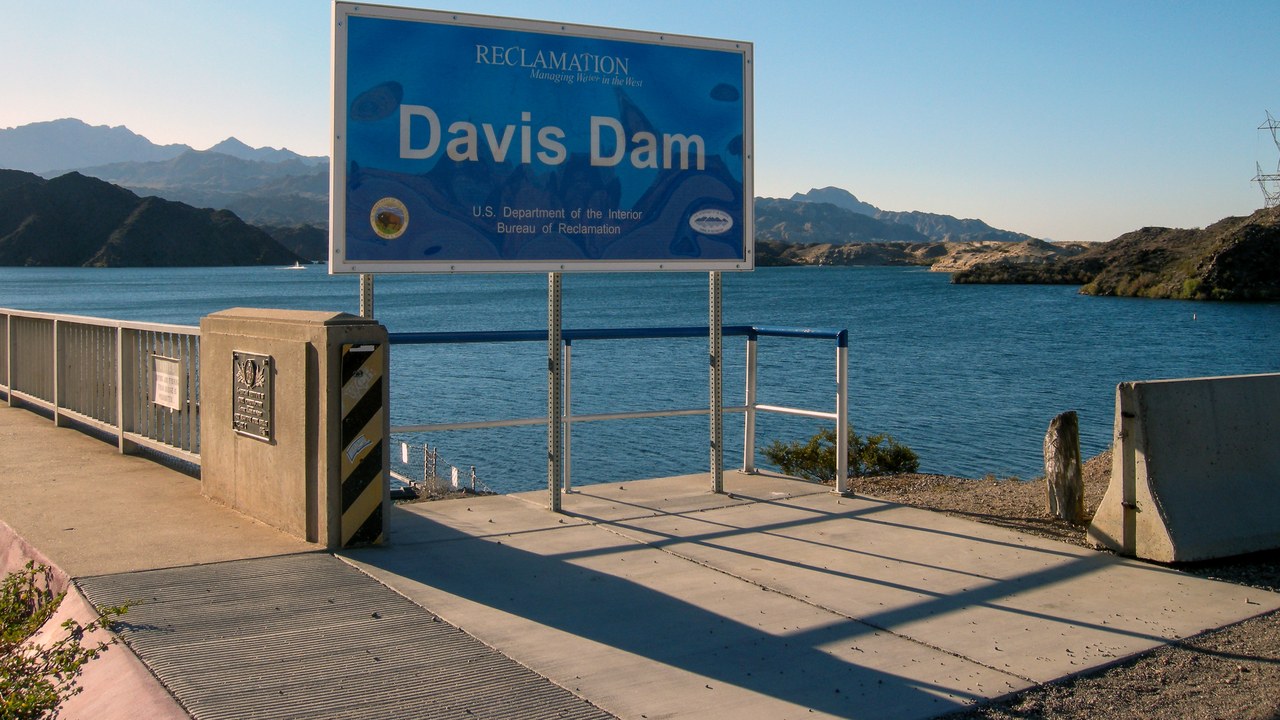
About 70 miles down the Colorado River sits Davis Dam, which the Bureau of Reclamation built to meet the requirements of a 1944 treaty with Mexico, regulating how much water is delivered downstream.
Once Davis Dam was finished, water flow and delivery were coordinated between it and Hoover Dam, so the two work as a pair on the same river. Davis has its own power plant beside the dam. Together, the two structures created the big reservoirs of the Lake Mead National Recreation Area, Lake Mead behind Hoover and Lake Mohave behind Davis.
Lake Mohave: The Quieter Reservoir
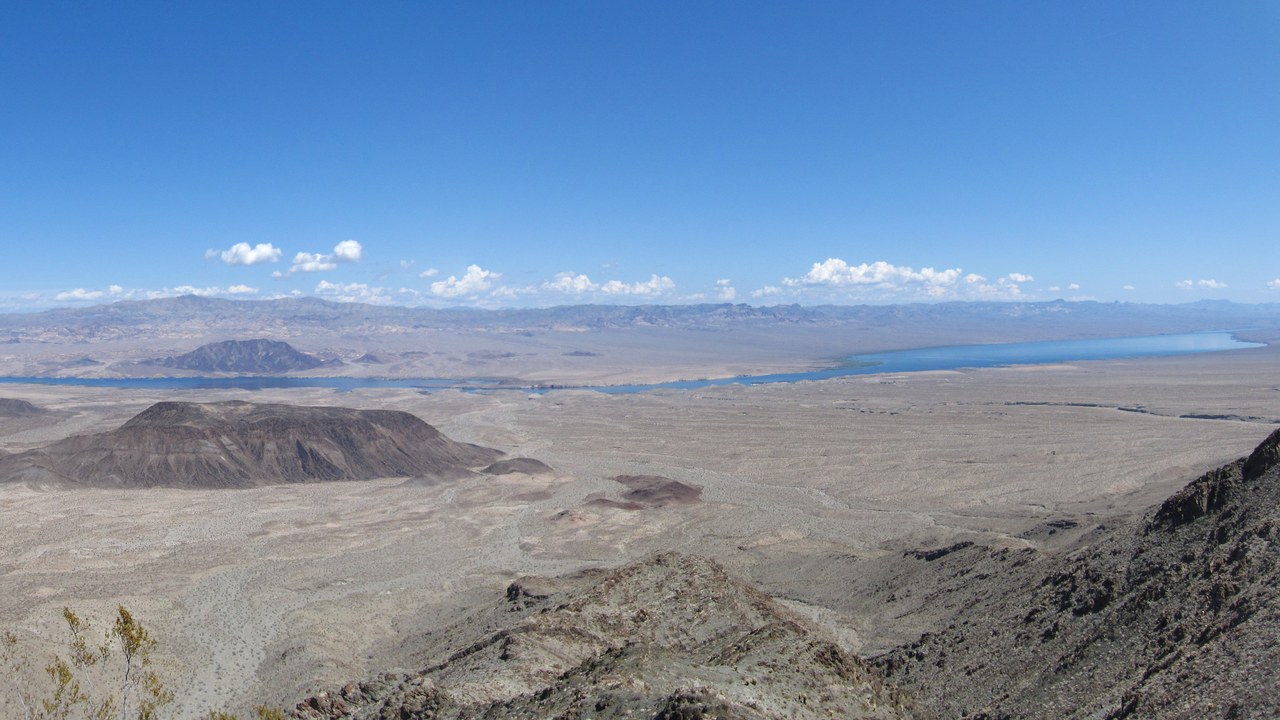
The reservoir behind Davis Dam, Lake Mohave, is a very popular destination for travelers, the Park Service says, with miles of lakeside water activities and trails that lead to historic Davis Camp and wide-open areas to explore.
Mohave sits downstream of Hoover Dam on the same stretch of the Colorado River, and the operations of its dam are coordinated with Hoover’s. While Lake Mead’s falling level is what threatens Hoover’s turbines, the smaller lake below shows how the river through this canyon country is managed as one connected system rather than as separate lakes.
Mike O’Callaghan–Pat Tillman Memorial Bridge: A View From 890 Feet
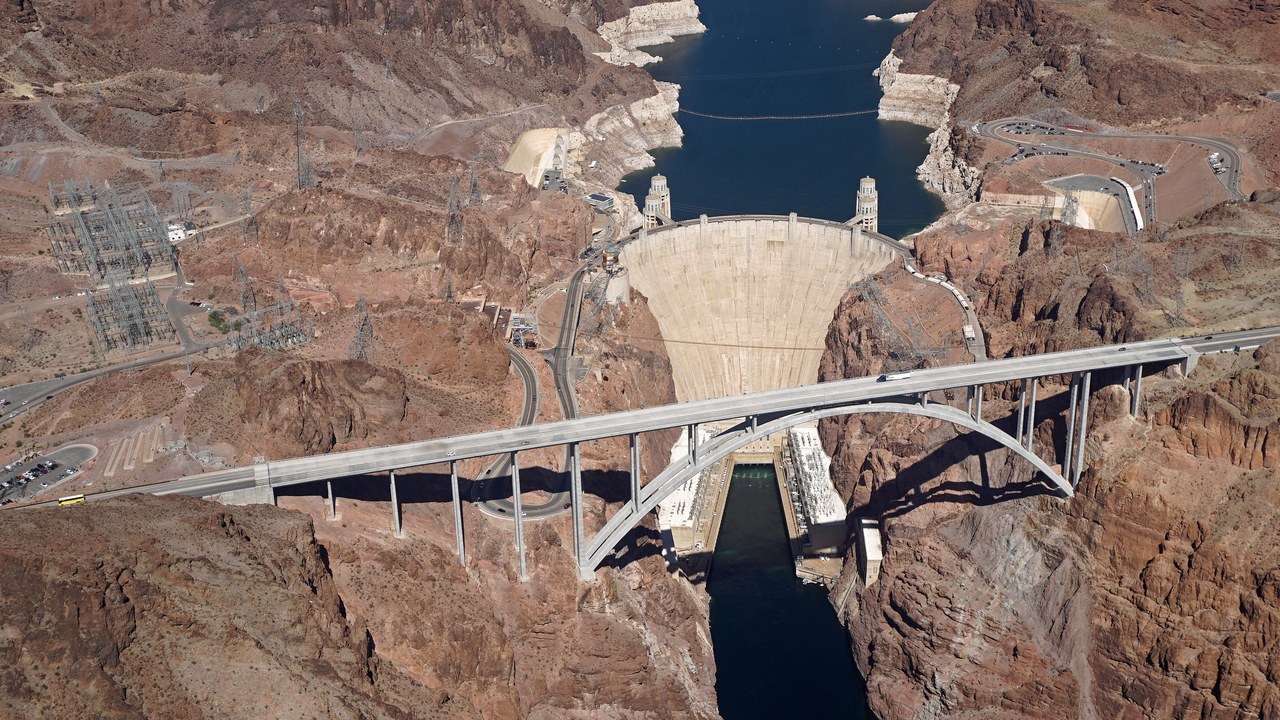
Visitors who look down on the dam are often standing on the Mike O’Callaghan–Pat Tillman Memorial Bridge, an arch bridge that opened to traffic on October 19, 2010, 890 feet above the Colorado River.
As early as the 1960s, officials judged the old U.S. 93 route across the top of the dam dangerous and inadequate for future traffic. The bridge, the key part of the Hoover Dam Bypass project, rerouted the highway and removed hairpin turns and blind curves. It cost $240 million and carries about 15,000 vehicles a day.
St. Thomas, Nevada: The Town the Lake Swallowed
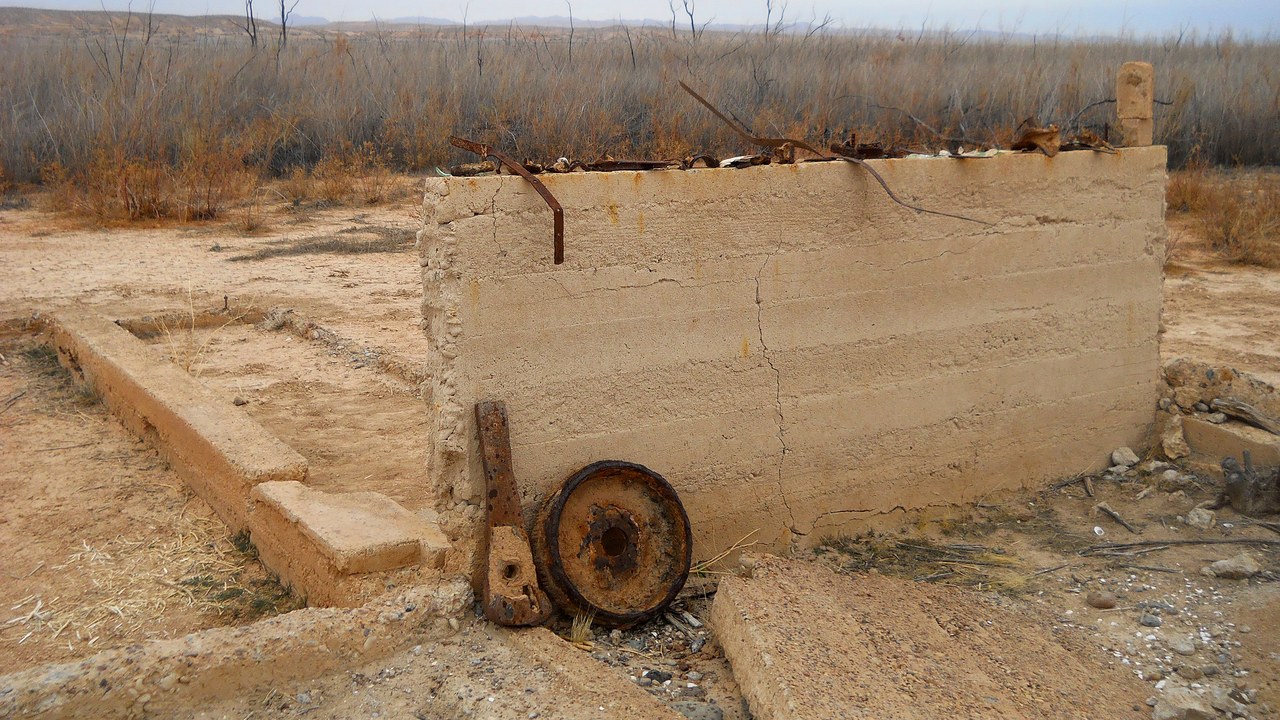
Lake Mead drowned a town on its way up. St. Thomas was founded in 1865 by Mormon settlers who thought they were still in Utah or Arizona territory, and at its peak about 500 people lived there, with a school, post office, grocery stores and a soda fountain.
Filling of Lake Mead began in 1935, and one of the last residents, Hugh Lord, paddled away from his home in 1938 as the water reached his front door. At the lake’s high-water mark the town sat 60 feet below the surface. With the lake low after severe drought, its remains are exposed and visitors can walk its old roads.
Lake Mead National Recreation Area: A Waterline Everyone Watches
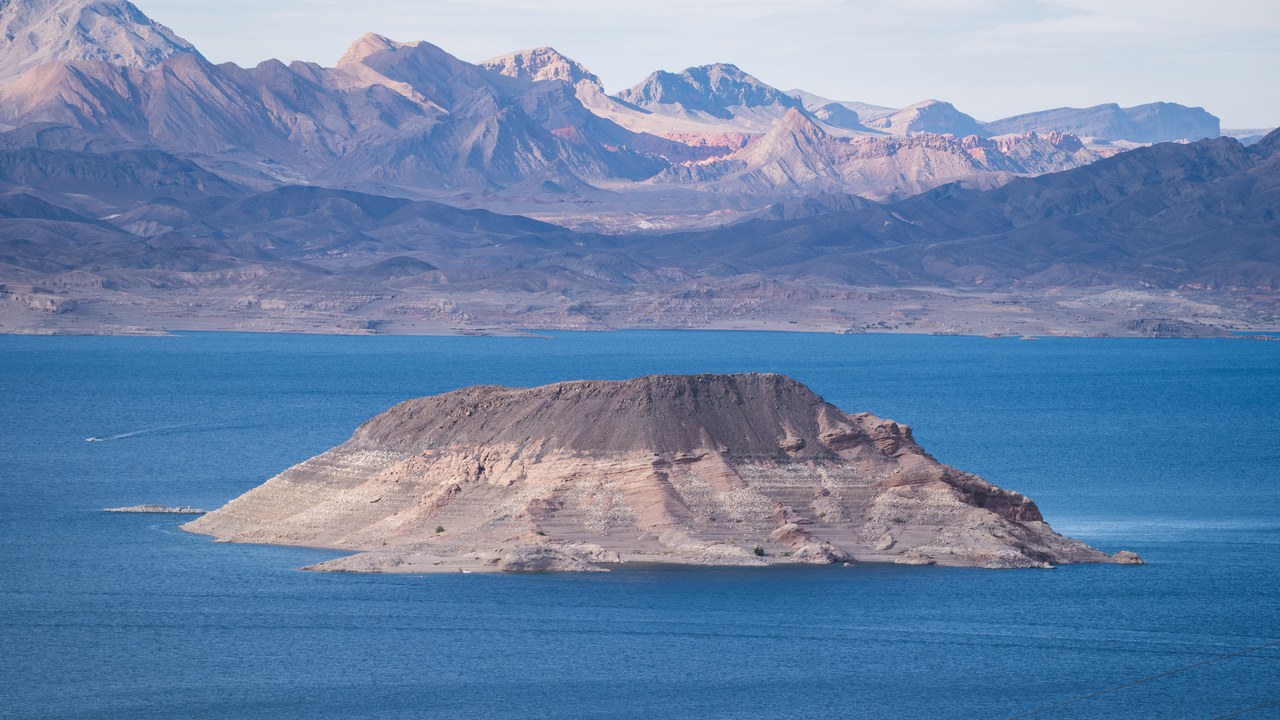
St. Thomas lies inside the Lake Mead National Recreation Area, in the park’s northern reaches near the Overton Arm, where the Muddy River feeds the lake. The Park Service notes that the town’s remnants can be seen thanks to lowering water levels caused by severe drought.
The recreation area takes in both reservoirs created by Hoover and Davis dams. For the region’s power planners, the same falling waterline that draws visitors to the ghost town is the one being watched at the dam, where Reclamation projects that most generating units could be unavailable by the spring and summer of 2027.
More from Morning Overview
- A $1 billion gas plant planned for Superior, Wisconsin, has been abandoned
- Shaq spent $1.3 million on three Rolls-Royce Phantoms to prove a point to a salesman
- The Justice Department asked courts to undo approvals for three offshore wind farms, one already making power
- Over 20 trillion gallons of rain fell on the Four Corners states and Nevada in two weeks
