
ESA’s Hera spacecraft has reached the Didymos asteroid pair, where NASA’s DART probe struck the moonlet Dimorphos in September 2022. The first images, released on 25 November 2026, show a stadium-sized crater and a moon tumbling in its orbit. This gallery follows the story through the impact, its witnesses, Hera’s journey and the CubeSats due to be released next.
Read next on Morning Overview: Hidden card skimmers on gas pumps and ATMs can be exposed with one quick shake
Dimorphos: A Stadium-Sized Scar
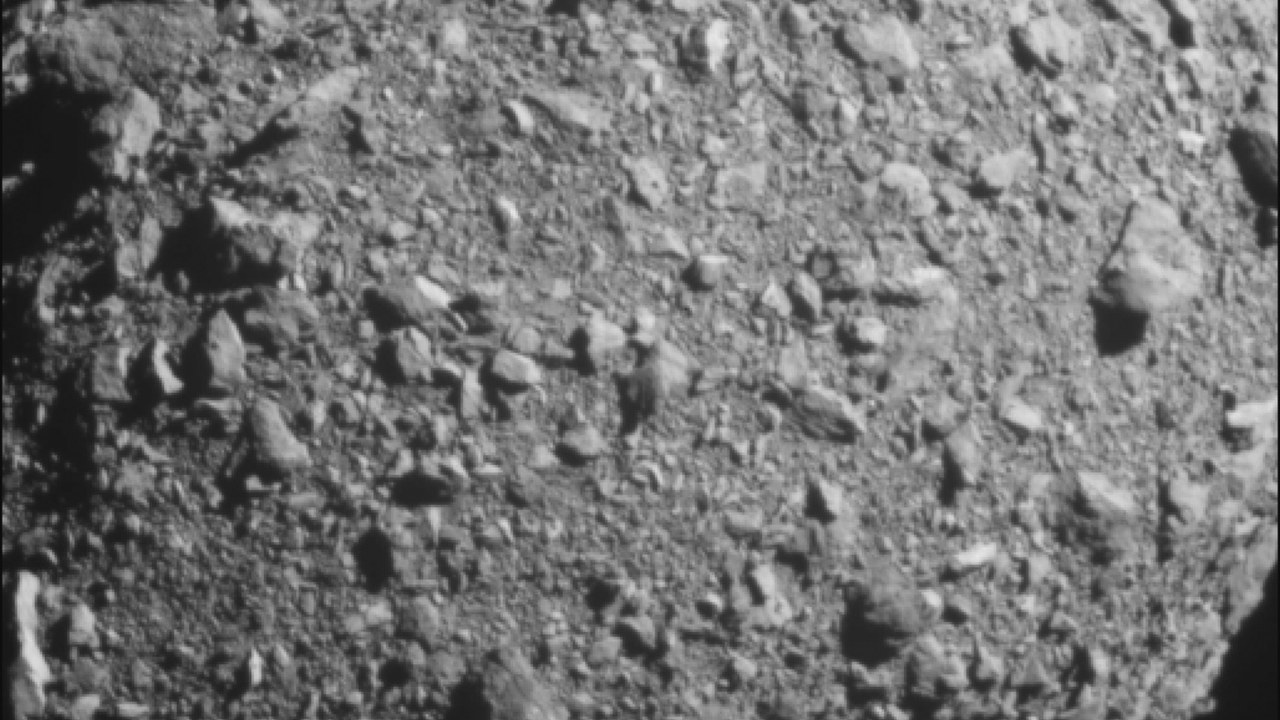
ESA’s Hera spacecraft, arriving at the site of humankind’s first planetary defence experiment, found that Dimorphos now has one face flattened by a crater the size of a sports stadium, extending across the asteroid’s entire width. The 151-metre moonlet orbits the 730-metre Didymos, and ESA announced the findings on 25 November 2026.
Hera principal investigator Patrick Michel said scientists had debated whether Dimorphos had sustained a crater, changed shape or stayed the same, and that the answer turned out to be all three at once. The rest of the moonlet looks much as it did in DART’s 2022 images, but the impact has left it tumbling wildly in its orbit.
Didymos: The Mountain-Sized Parent
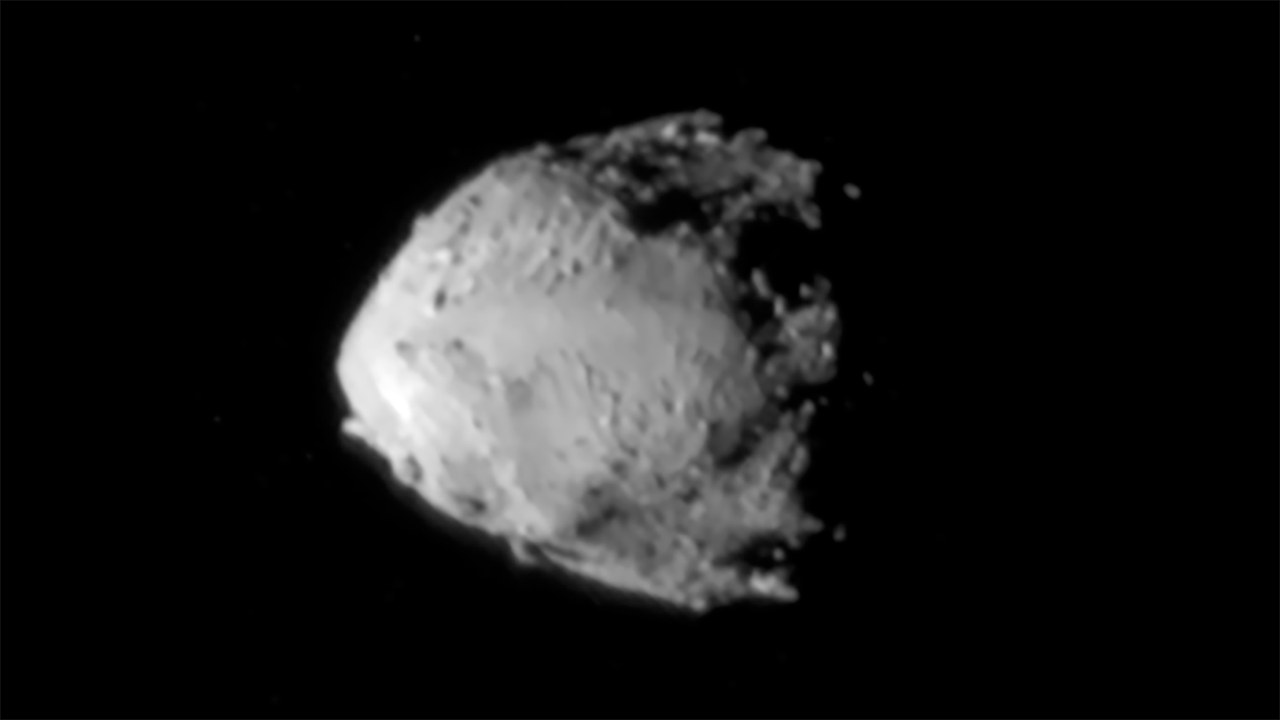
Didymos is the larger half of a binary asteroid system that Hera is surveying, a mountain-sized body 730 metres across. It is orbited by the moon Dimorphos, which measures 151 metres and is about the same size as the Great Pyramid of Giza, according to ESA’s mission overview.
ESA says Hera’s detailed post-impact survey of the pair is planned for 2026 and 2027. Earlier ESA material notes that DART’s approach images showed Didymos has the spinning-top shape seen in many asteroids, while Dimorphos has a much rockier surface with boulders typically the size of cars to houses.
DART spacecraft: The Half-Tonne Impactor
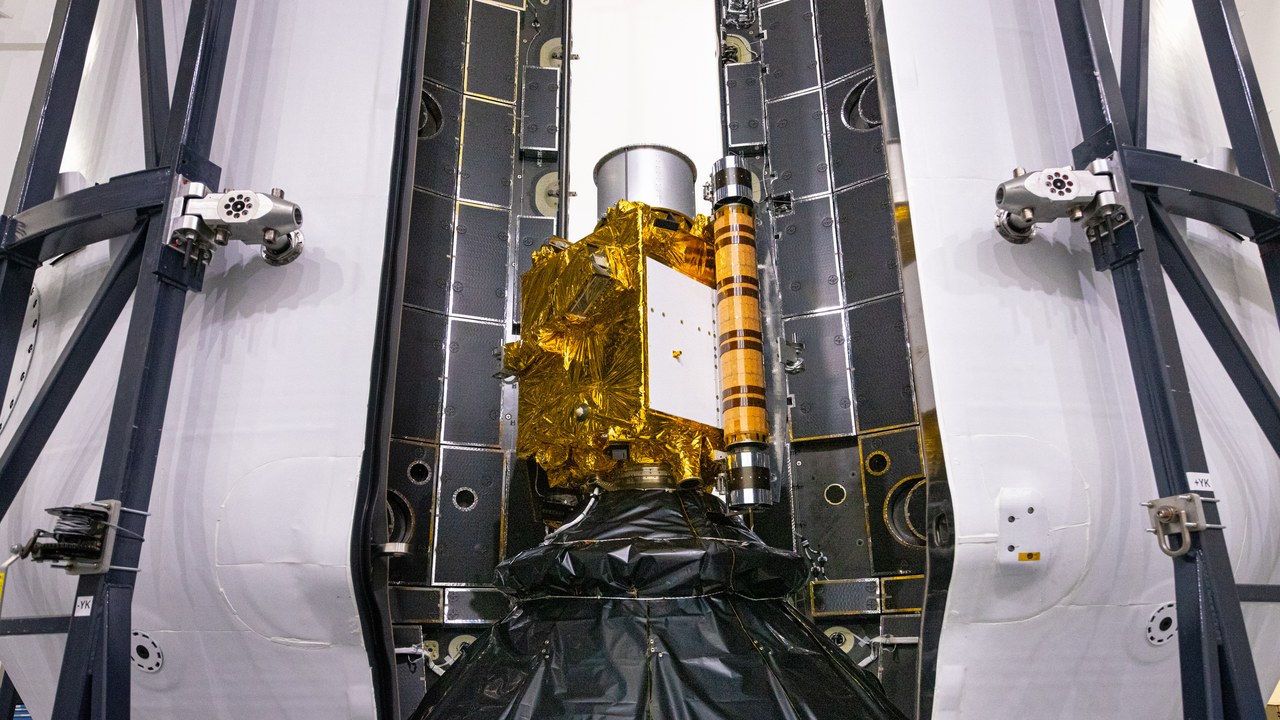
On 26 September 2022 the vending-machine-sized, roughly half-tonne DART spacecraft struck Dimorphos at 6.1 kilometres per second, according to ESA’s Hera frequently asked questions. The mission was NASA’s Double Asteroid Redirection Test, the first part of the international AIDA collaboration that Hera now continues.
Light-curve observations from Earth showed that the 11-hour 55-minute orbit of Dimorphos around Didymos was shortened by around 33 minutes. ESA’s November 2026 announcement describes that as a much greater change than predicted, and says Dimorphos became the first Solar System body to have its orbit measurably shifted by human effort.
LICIACube: The Italian Witness
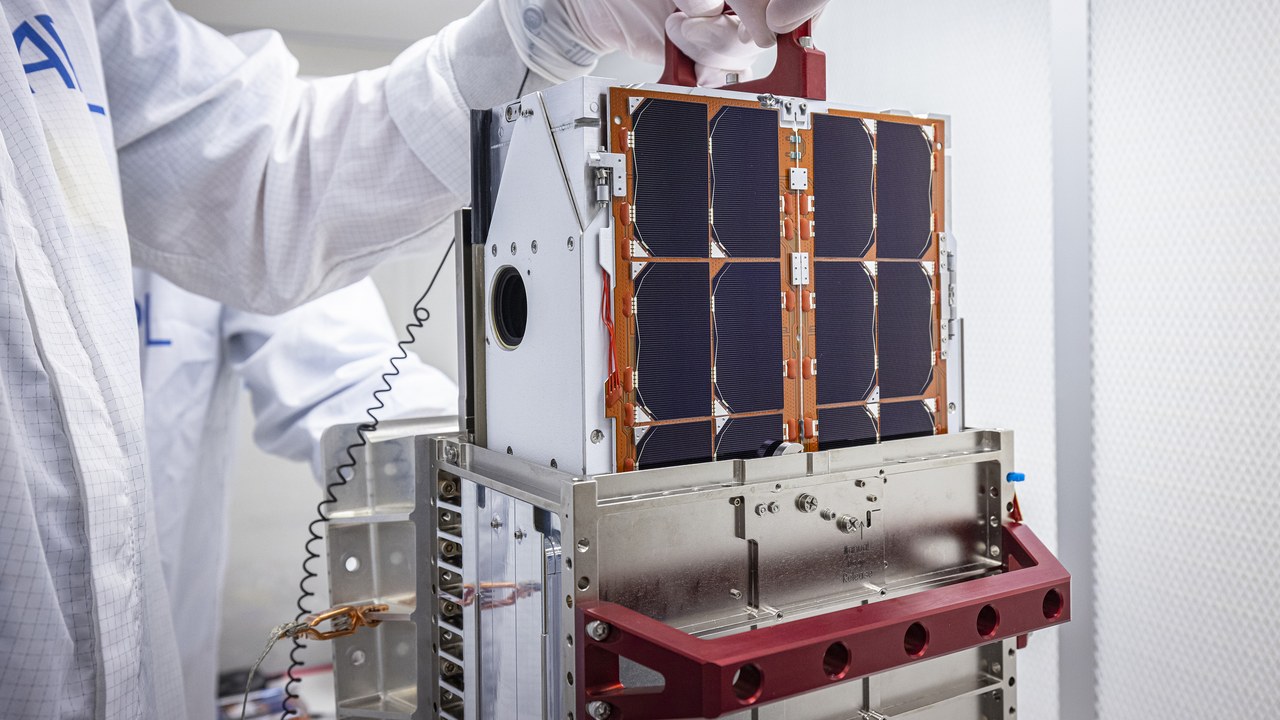
When DART struck Dimorphos, the collision was witnessed by Italy’s LICIACube nearby, according to ESA’s Hera frequently asked questions. The page adds that images from the James Webb and Hubble Space Telescopes, and from terrestrial observatories, also recorded the event.
Telescopes on Earth measured the change in orbit, but ESA’s November 2026 announcement notes that one fundamental question remained unanswered: what had actually happened to Dimorphos itself. That is the question Hera was sent to answer through its own close-up survey of the asteroid pair.
Falcon 9: A Ride From Cape Canaveral
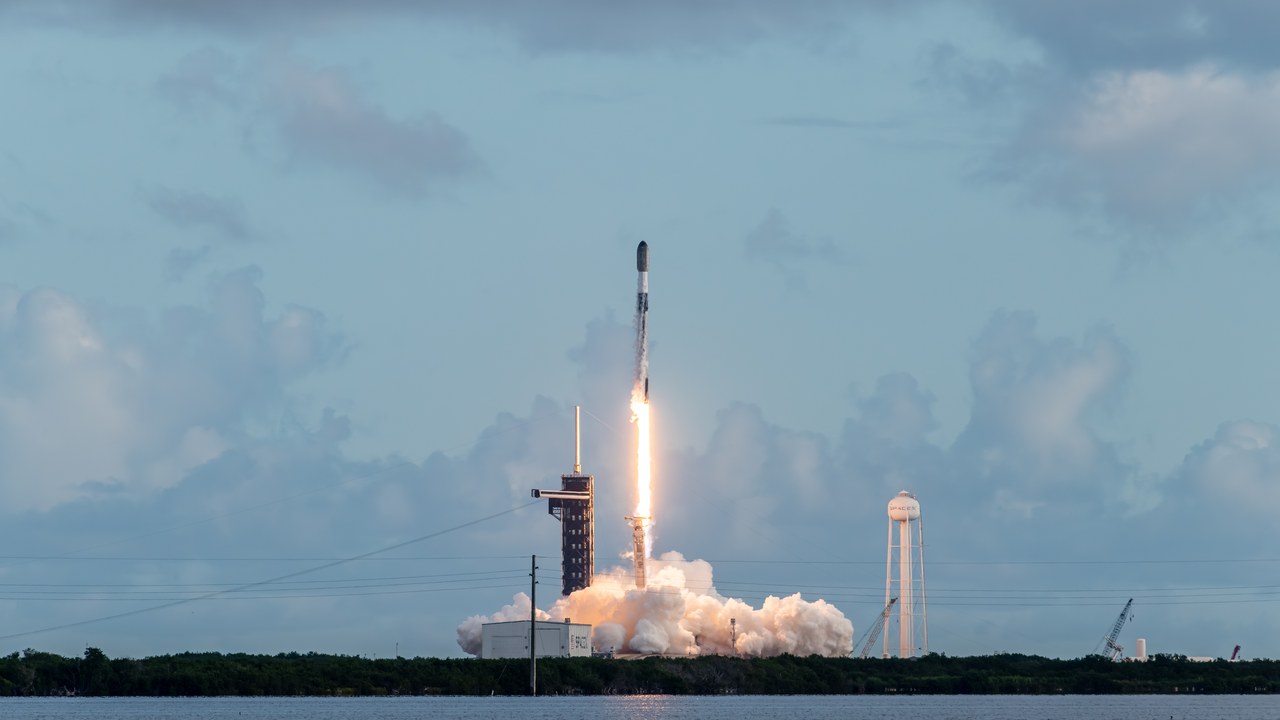
ESA planned to launch Hera on a SpaceX Falcon 9 launcher from Cape Canaveral Space Force Station in Florida, with a launch window opening on 7 October 2024 and closing on 27 October. ESA’s mission overview records that Hera launched on 7 October 2024 and is travelling to the Didymos binary asteroid system.
The overview describes Hera as a small van-sized spacecraft whose design benefited from the heritage of ESA’s Rosetta comet-chaser and two decades of asteroid mission studies. The photograph here shows a Falcon 9 lifting off from Florida on a Starlink mission, not Hera’s own launch.
Mars flyby: A Gravity Assist Past Mars
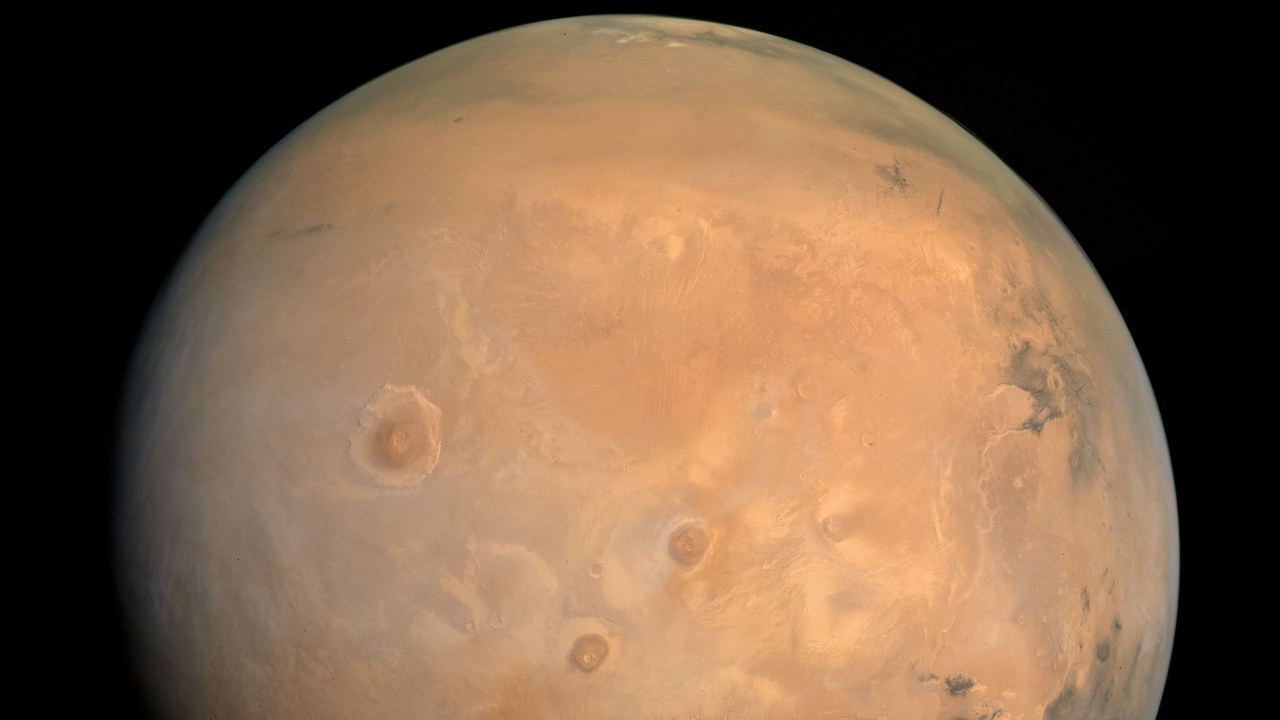
ESA’s pre-launch FAQ says Hera would perform a swingby of Mars in March 2025, together with a flyby of the Martian moon Deimos. The page is written in the future tense, so it describes the plan rather than the outcome of that encounter.
It adds that Deimos is the further and smaller of Mars’s two moons, and that Hera would gather data along with the Emirates Mars Mission Hope Probe, which entered orbit around Mars in February 2021. The image shows the planet itself rather than the spacecraft or its flyby.
Hubble Space Telescope: Debris Seen From Orbit
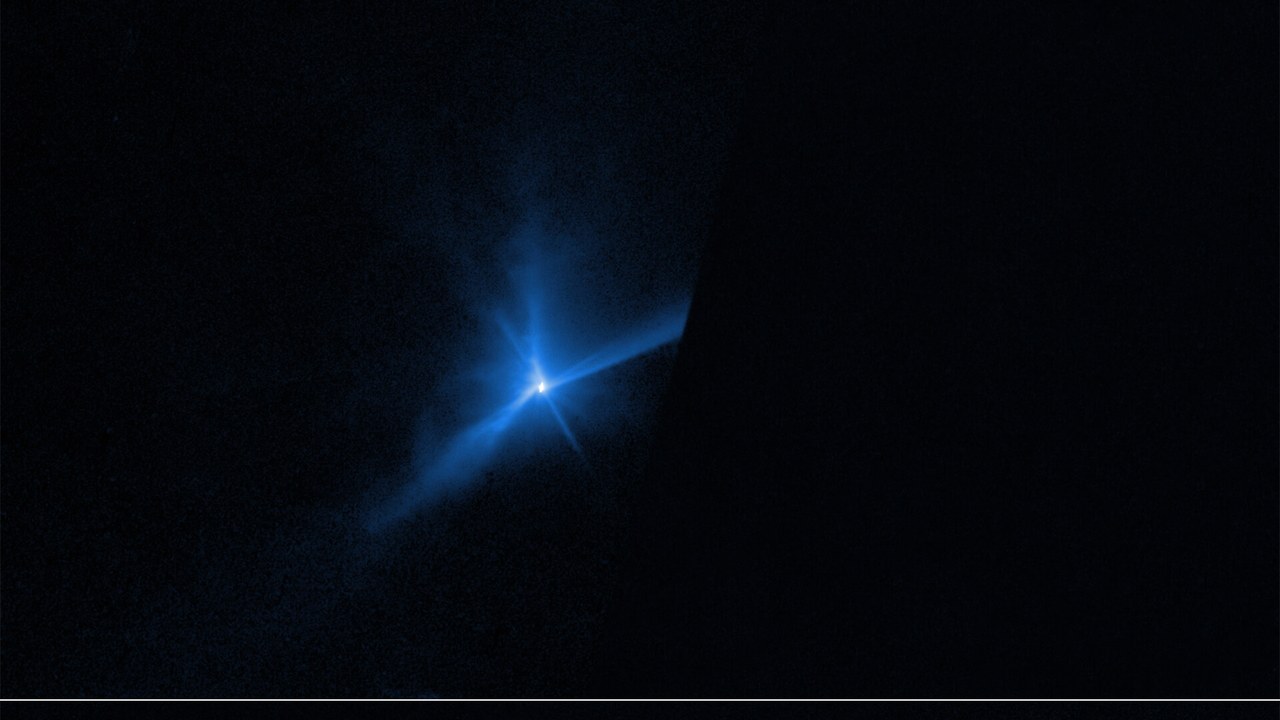
Among the observatories that watched DART’s impact was the Hubble Space Telescope, alongside the James Webb Space Telescope and ground-based telescopes, according to ESA’s Hera FAQ. Observations showed a giant plume of debris that extended more than 10,000 kilometres into space and persisted for months.
The same page says a total of 37 metre-sized boulders were sent flying away from Dimorphos. When it was published in April 2024, ESA noted that measurements of the altered orbit still carried a 10 percent residual uncertainty, and that its Hera mission was needed for a close-up crash-site investigation.
Milani CubeSat: Named for the Mission’s Originator
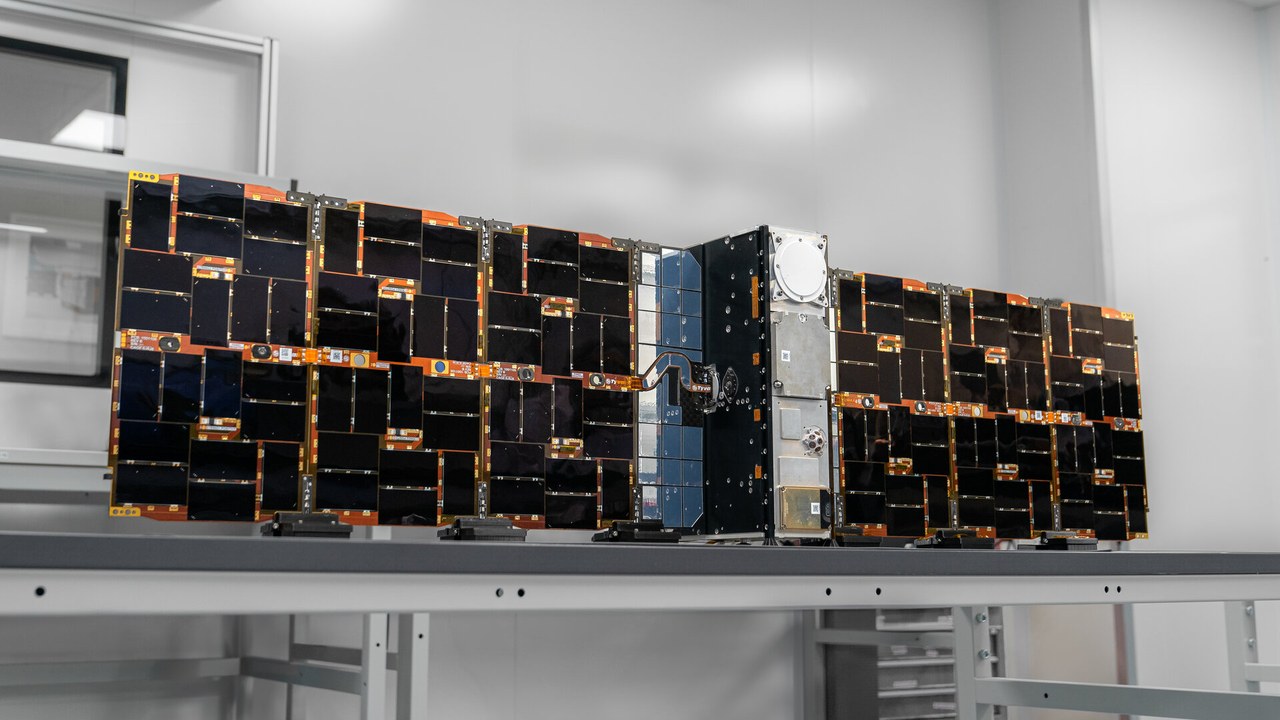
The Milani CubeSat is named in memory of the professor who first conceived of the mission, according to ESA’s Hera mission overview. That is Prof. Andrea Milani of Pisa University, who in the 1990s devised the Asteroid Impact and Deflection Assessment collaboration to test the kinetic impact method.
The Italian-led CubeSat will prospect asteroid materials and surrounding dust, and ESA says Hera plans to deploy it and the Luxembourg-led Juventas CubeSat in January 2027. Operating together, Hera and the two CubeSats are to form a three-spacecraft exploration system around the two asteroids.
More from Morning Overview
- Three atmospheric rivers are lining up to drench the Pacific Northwest this week
- Thousands of bottles of a combination blood pressure pill are recalled nationwide
- The Honda Pilot has quietly overtaken every model in blown-engine complaints
- Older Teslas mostly keep their batteries, and here’s what wears out instead
