
The USS Nimitz, commissioned in 1975, is the oldest aircraft carrier in the US Navy and the longest-serving in its history. In 2026 she sailed around South America to Naval Station Norfolk, the port where her career began. The slides below follow that last voyage, the moments that defined her service, and the reason her retirement now falls in 2027.
Read next on Morning Overview: Up to 5 feet of snow is burying Donner Pass, and forecasters warn against Sierra travel
USS Nimitz: The Last Voyage Ends
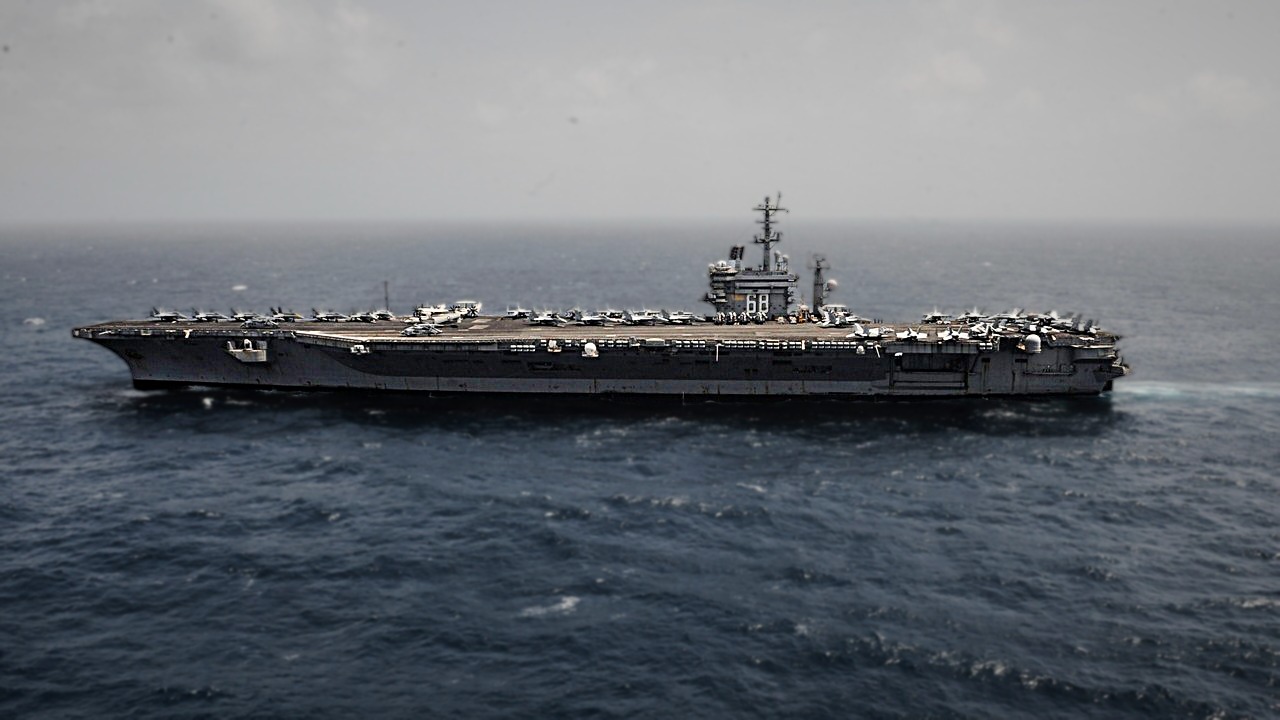
USS Nimitz reached Naval Station Norfolk, Virginia, on July 9, 2026, ending the Southern Seas 2026 deployment that carried the carrier around South America. According to the Navy arrival release, nearly 3,000 sailors were aboard for the passage. The Navy’s oldest aircraft carrier had left her long-time West Coast home months earlier, and the arrival marked a change of homeport that the service described as final.
The crossing was meant to be the start of the end for the nuclear-powered ship, which entered service in 1975. Instead it became the closing chapter of a career that spanned more than half a century. The rest of this story follows how Nimitz got here, what she did along the way, and why her retirement is now set for 2027 rather than earlier.
Naval Station Norfolk: Where It Began and Ends
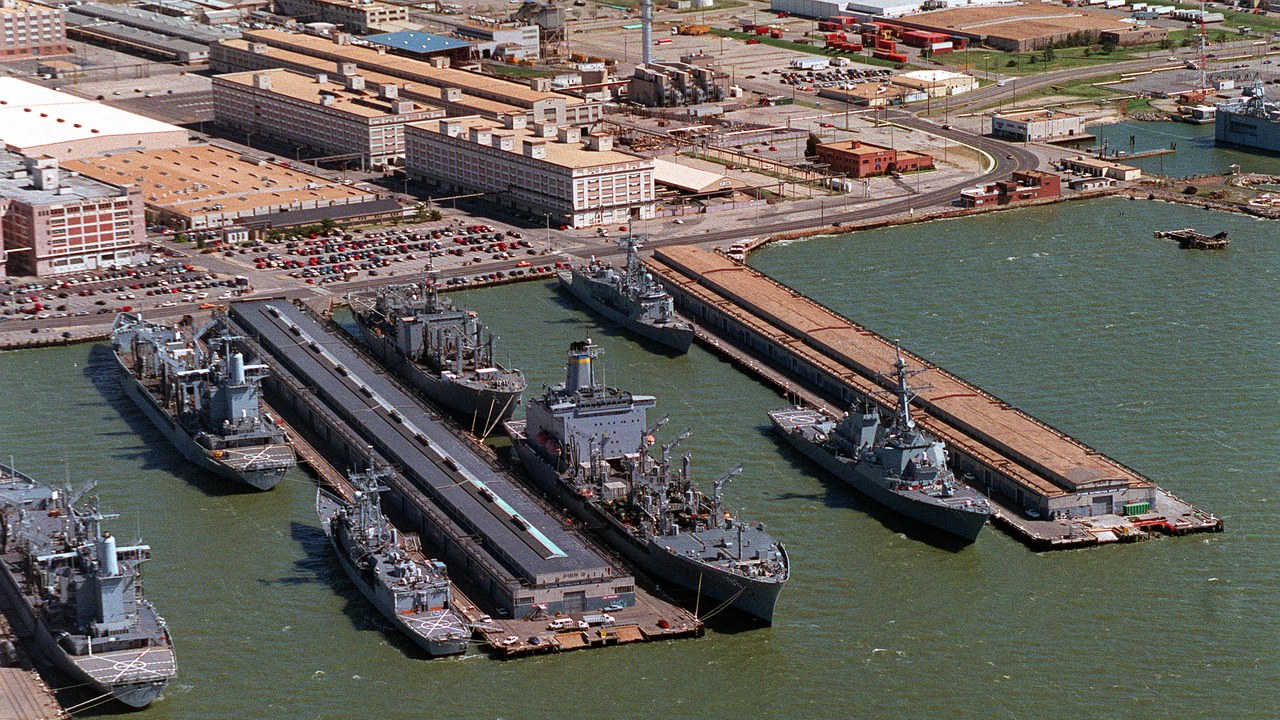
Naval Station Norfolk is both the first and the final homeport of Nimitz, a point the Navy’s own announcement made when she arrived on July 9, 2026. The carrier was commissioned there on 3 May 1975 by President Gerald R. Ford, according to the ship’s history, so the 2026 arrival closed a circle that opened five decades earlier.
The Navy also said the ship will help train the next generation of naval aviators at Norfolk. That gives the aging carrier a working role in her last months rather than a quiet wait at the pier. For a vessel built in the early 1970s, the assignment shifts her from front-line deployments to teaching the pilots who will fly from newer ships.
Naval Base Kitsap: The Long Goodbye
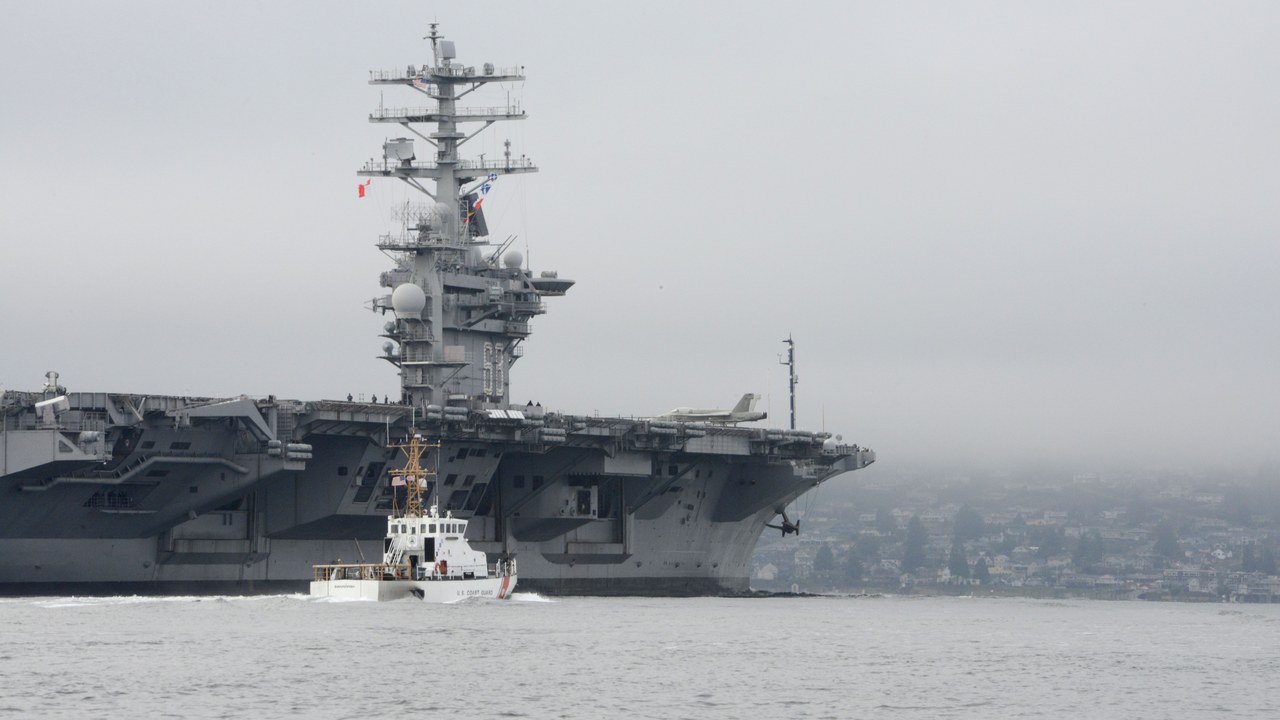
Before the trip east, Nimitz made her final departure from Naval Base Kitsap in Washington State on March 7, 2026, closing a long association with her homeport there. Maritime Executive reported that the Navy had come to know her after five decades of service as the Pacific Northwest’s Carrier. She stopped in San Diego the following week before heading around South America.
Her final deployment had ended in Washington in December 2025 after nine months underway. The Navy reported more than 8,500 sorties, 17,000 flight hours and 50 replenishments at sea, and the ship sailed over 82,000 nautical miles across the 3rd, 5th and 7th fleets. Few warships end a career with such a heavy final tour, followed so soon by another long voyage.
Operation Eagle Claw: The 1980 Hostage Mission
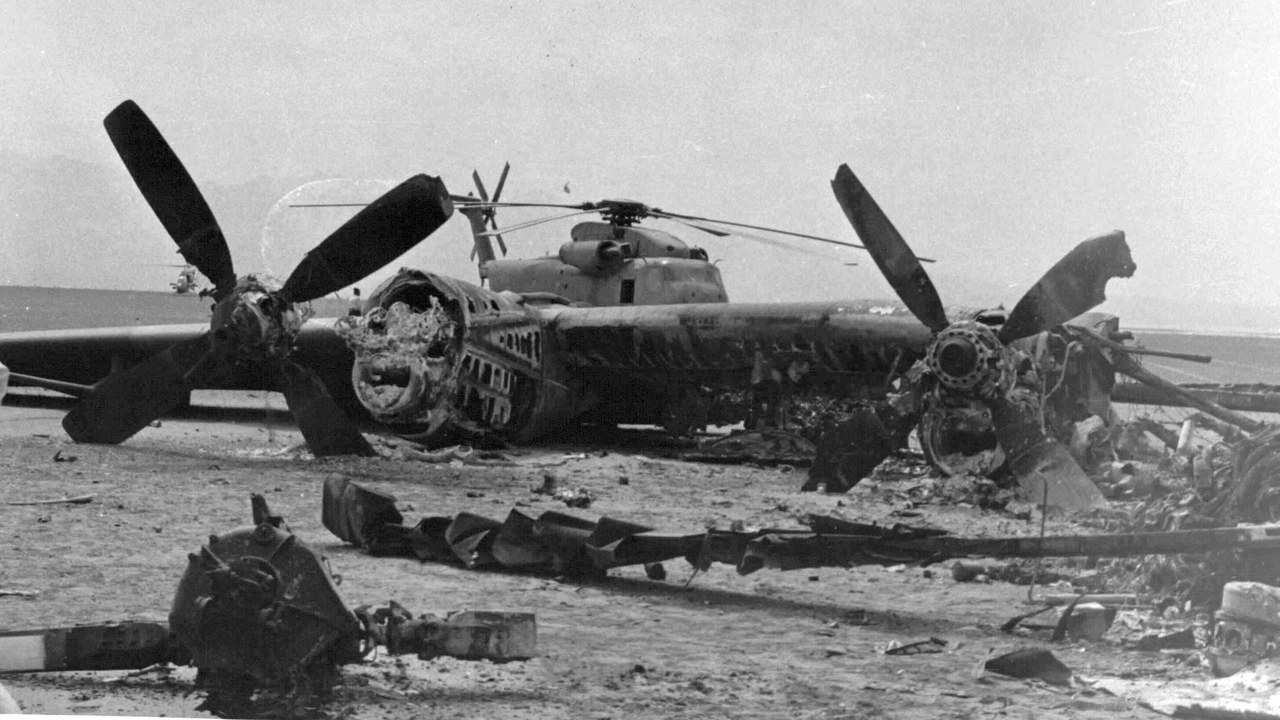
Nimitz was already a combat-ready carrier when the 1980 Iran hostage crisis began. The ship’s history entry records that she moved to the Indian Ocean after the US Embassy in Tehran was overtaken and 52 hostages were held. A Norfolk-based news report later described the ship as a staging platform for Operation Eagle Claw, the rescue attempt.
The mission was aborted after a helicopter crashed at a refueling point in the Iranian desert. Nimitz returned home on 26 May 1980, having spent 144 days at sea. The operation remains the best-known failure tied to the ship, and it showed early in her service how quickly a carrier could be pulled into a crisis far from its home port.
1981 Gulf of Sidra incident: Two Libyan Jets Down
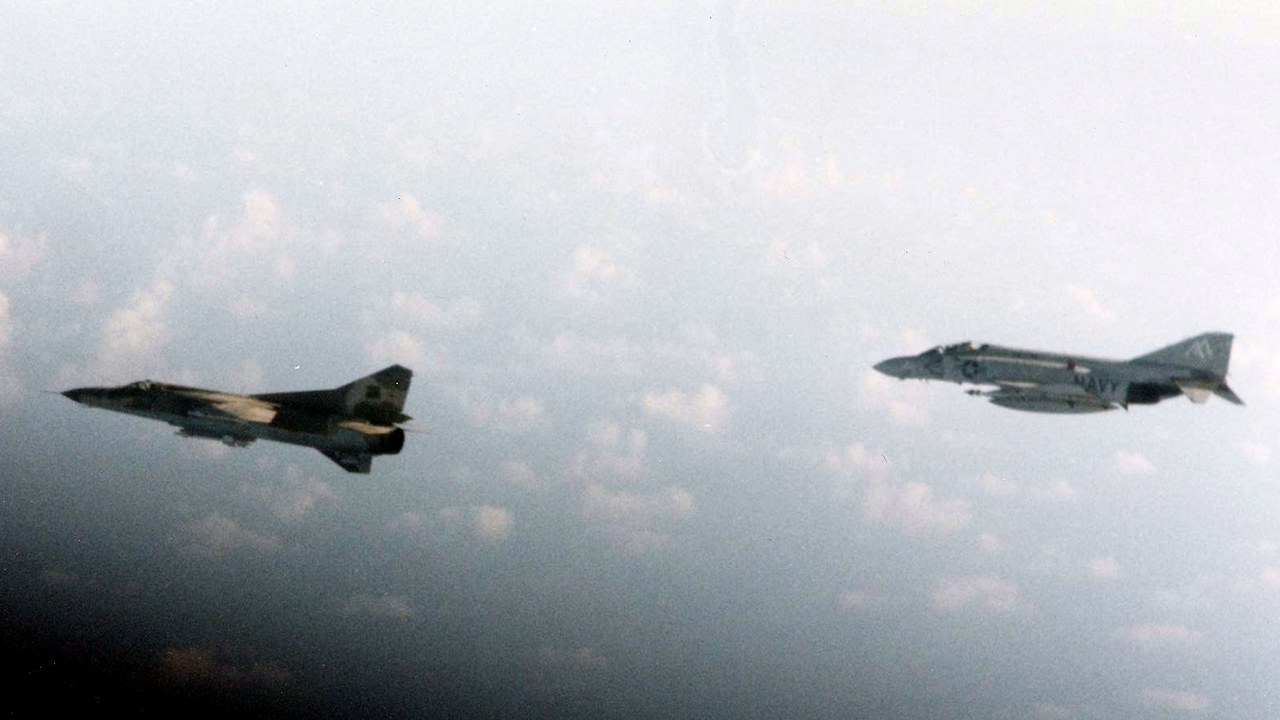
Nimitz deployed again to the Mediterranean on 3 August 1981. Together with USS Forrestal, she carried out a Freedom of Navigation exercise in international waters in the Gulf of Sidra near Libya on 18 and 19 August, as the ship’s history notes. On the morning of 19 August, two Grumman F-14 Tomcats of VF-41 were engaged by two Libyan Su-22s.
The result was that both Libyan aircraft were shot down, in what became known as the Gulf of Sidra incident. The photograph here, taken in the Gulf of Sidra in 1981, shows a US Navy F-4J flying alongside a Libyan MiG-23 during the same period of confrontation. It was the first of many times the carrier’s air wing would be tested in public view.
EA-6B Prowler: The Flight Deck Disaster
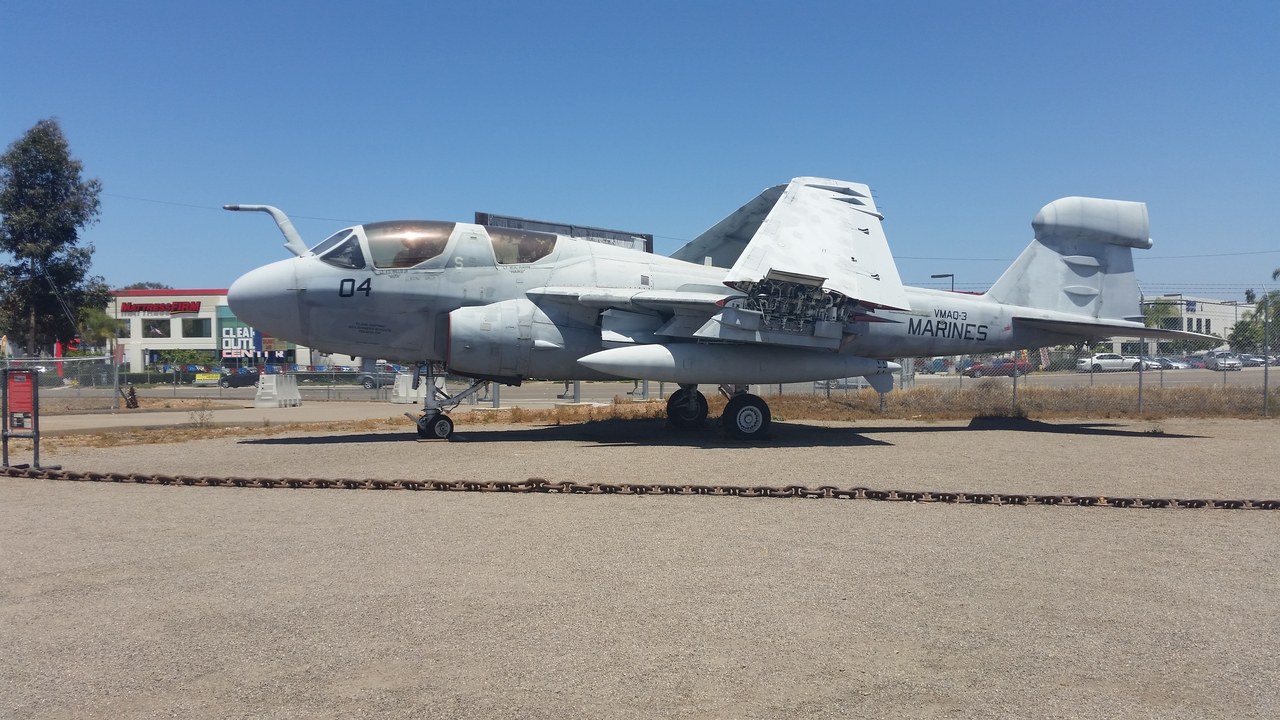
On 26 May 1981, a Marine Corps EA-6B Prowler from squadron VMAQ-2, assigned to Carrier Air Wing 8, crashed on the flight deck of Nimitz. The ship’s history entry states that the accident killed 14 crewmen and injured 45 others. The aircraft was fuel-critical after a missed approach, known as a bolter, and the crash and the fire and explosions that followed destroyed or damaged 19 other aircraft.
Attention afterward turned to toxicology results from several of the flight deck crew who died. President Ronald Reagan then instituted a zero-tolerance drug policy across the US armed services, which started mandatory drug testing of all military personnel. The accident is among the deadliest in the ship’s history and changed personnel policy well beyond her own decks.
USS Enterprise (CVN-65): Passing the Record
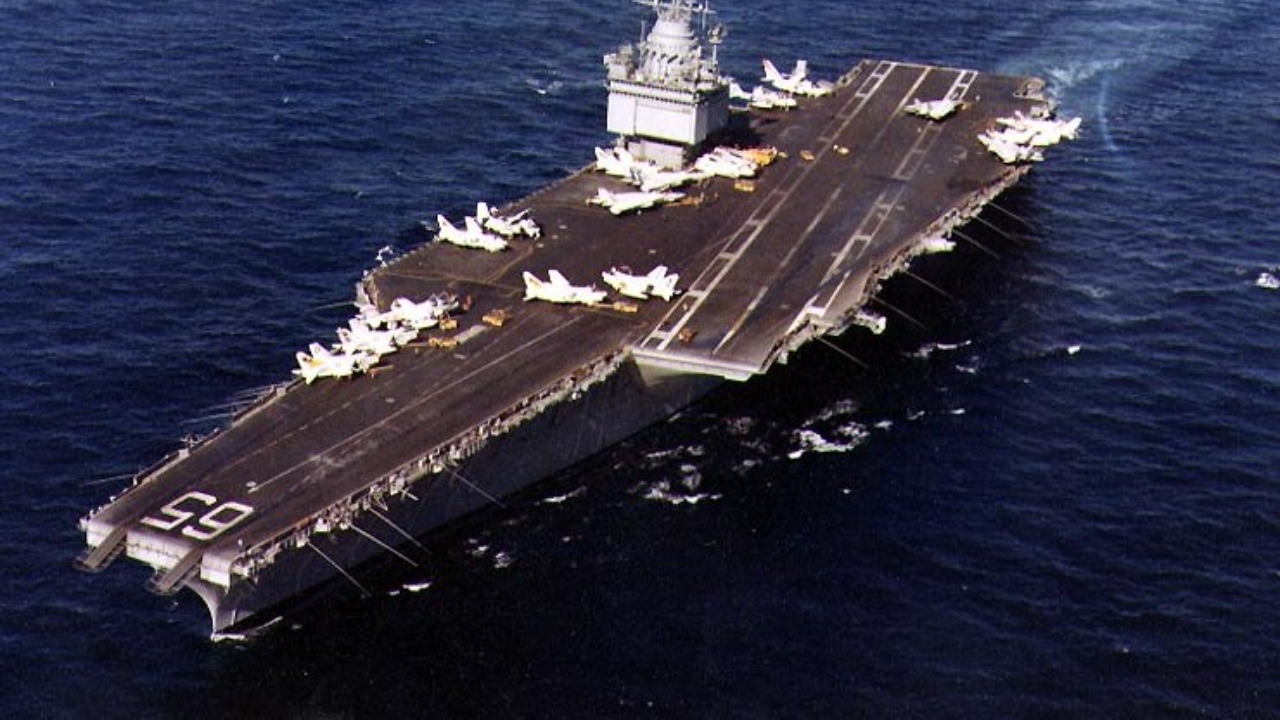
Before arriving in Norfolk, Nimitz became the longest-serving aircraft carrier in Navy history. WHRO reported in October that the 51-year-old ship surpassed USS Enterprise, which left active service in 2012 after 51 years and one day. The record puts Nimitz ahead of the first nuclear-powered carrier, the ship that served as the model for her design.
Maritime Executive noted that Nimitz was the first of a new generation of supercarriers influenced by Enterprise, and that she was expected to follow the route set by her predecessor. The Navy studied options for disposing of the supercarriers before selecting dismantling for Enterprise, and the same question hangs over Nimitz. Her record will keep growing for as long as she stays in service.
Naval Air Station Oceana: A Training Platform
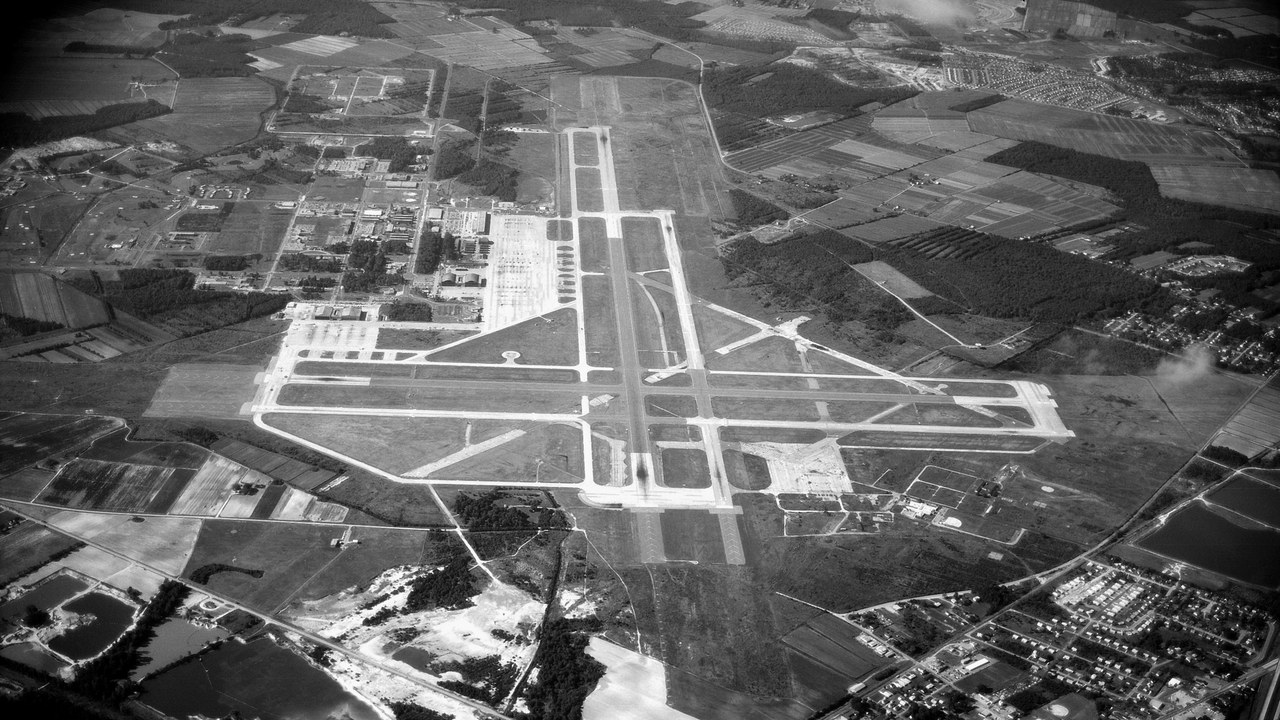
Now in Norfolk, the carrier has found a new job. Since arriving, WHRO reported, Nimitz has hosted a NATO change of command ceremony and other events. She is also being used to train pilots from Naval Air Station Oceana and their maintenance crews.
The arrangement turns the oldest carrier in the fleet into a classroom for the next generation of aviators, matching what the Navy said at her arrival about training naval aviators. The ship left most of her air crew on the West Coast before departing Bremerton, Washington, on March 7. Her flight deck now serves pilots learning to land on a moving ship, rather than a full air wing on deployment.
USS John F. Kennedy (CVN-79): Why 2027, Not Sooner
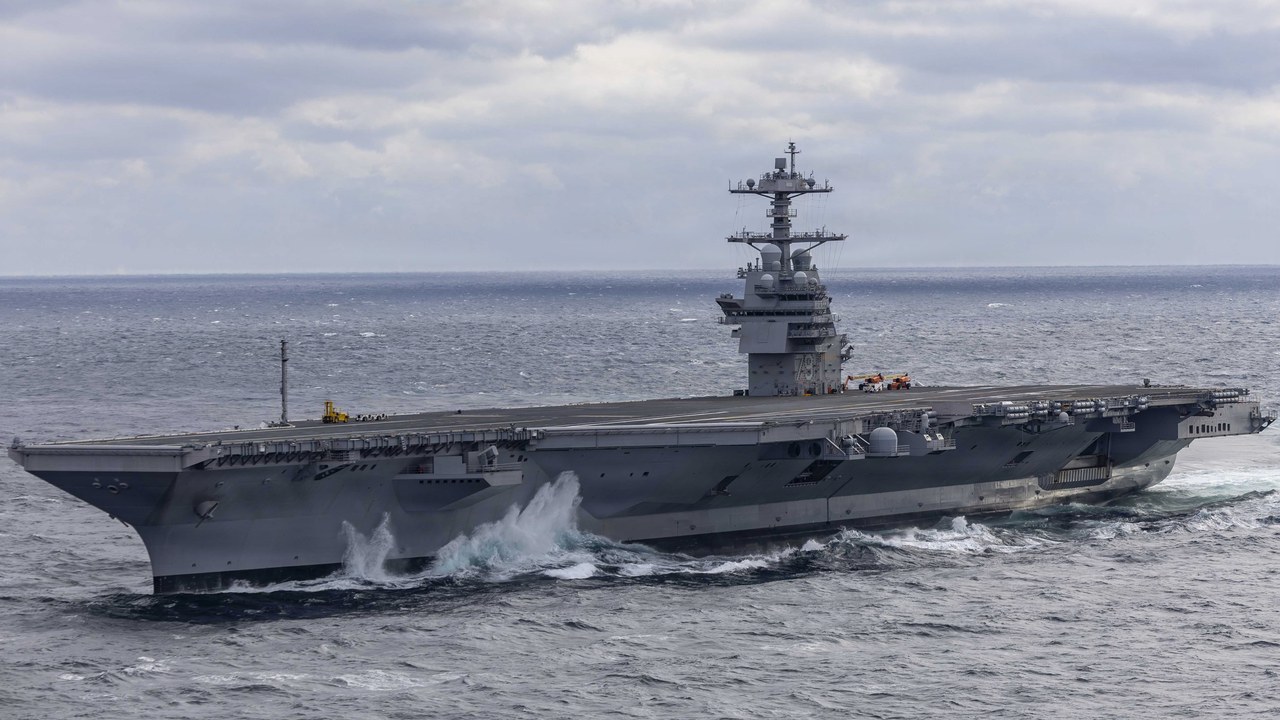
Retirement was pushed to 2027 to line up with a new carrier. The Navy deferred decommissioning of Nimitz to match the delayed commissioning of USS John F. Kennedy, the second Ford-class carrier, which was due in March 2027. The move also meets the congressional requirement that the Navy keep 11 carriers in its fleet.
The Navy exercised a $95.7 million contract with Huntington Ingalls in Newport News, Virginia, for advance planning and long-lead material to prepare for the inactivation and defueling of Nimitz, with that work not due to be completed until March 2027. WHRO reported in October that Nimitz is expected to remain in service until at least March 2027, when Kennedy is slated to come on line.
More from Morning Overview
- Older Teslas mostly keep their batteries, and here’s what wears out instead
- Hidden card skimmers on gas pumps and ATMs can be exposed with one quick shake
- Debris from the Greenacres Learjet crash landed on Florida rooftops, and the NTSB wants it
- GM’s big V8 trucks keep blowing engines after the recall fix, and NHTSA is digging deeper
