
The moose test began as a simple swerve exercise devised by Swedish journalists to mimic dodging an animal in the road, but it has embarrassed some of the world’s biggest automakers. A tipped SUV or a lifted tire on camera can force a recall, a suspension recalibration, or years of bad publicity. Here are nine vehicles that stumbled, tipped, or rolled when engineers pushed them through the maneuver.
1. 1997 Mercedes-Benz A-Class: The Test’s Original Casualty
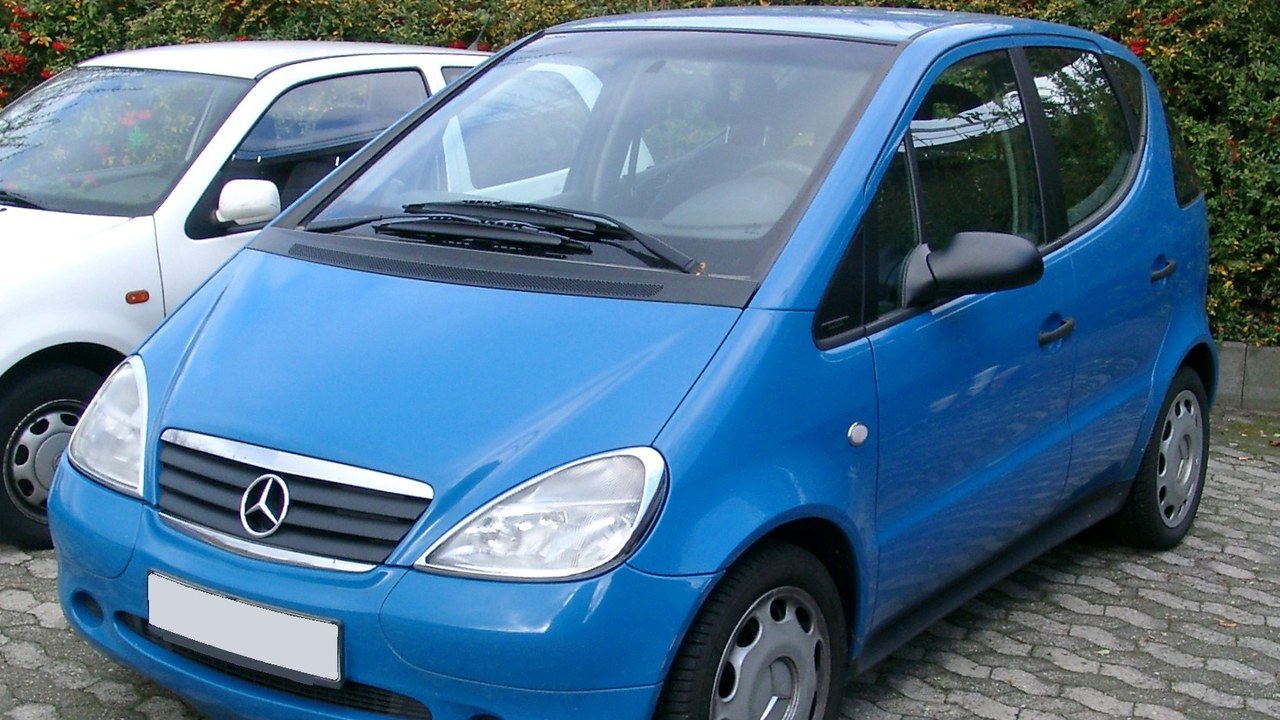
Teknikens Värld journalist Robert Collin rolled the brand-new A-Class during a 60 km/h evasive maneuver on 21 October 1997, and the incident is the reason the swerve exercise is called the moose test at all, a name that stuck even though the maneuver had existed for years before that day.
The rollover forced a redesign before the car reached showrooms, and it turned an internal engineering exercise into a public brand crisis that showed a small, tall hatchback could tip in a sudden lane change meant to dodge an animal in the road.
2. 2012 Jeep Grand Cherokee: Two Wheels Every Time
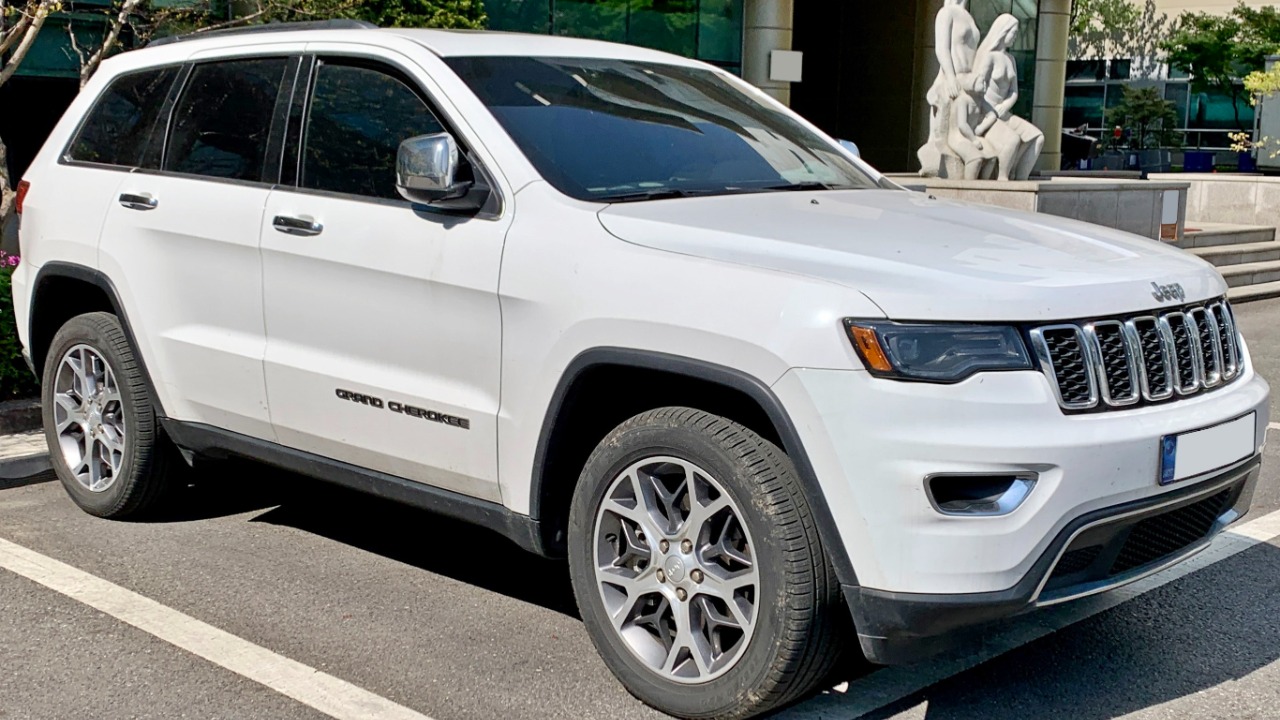
Consumer Reports ran the Grand Cherokee through the maneuver repeatedly, and in every single run the SUV either lifted onto two wheels or shed a tire bead trying to catch itself, a repeat result that surprised testers used to seeing SUVs correct themselves.
The result raised questions about how the tall, heavy SUV would handle an emergency swerve on public roads, since a debeaded tire in real traffic could mean a sudden loss of control rather than just a failed test on a closed course.
3. 2016 Toyota Hilux: Recalibrated After A Near Roll
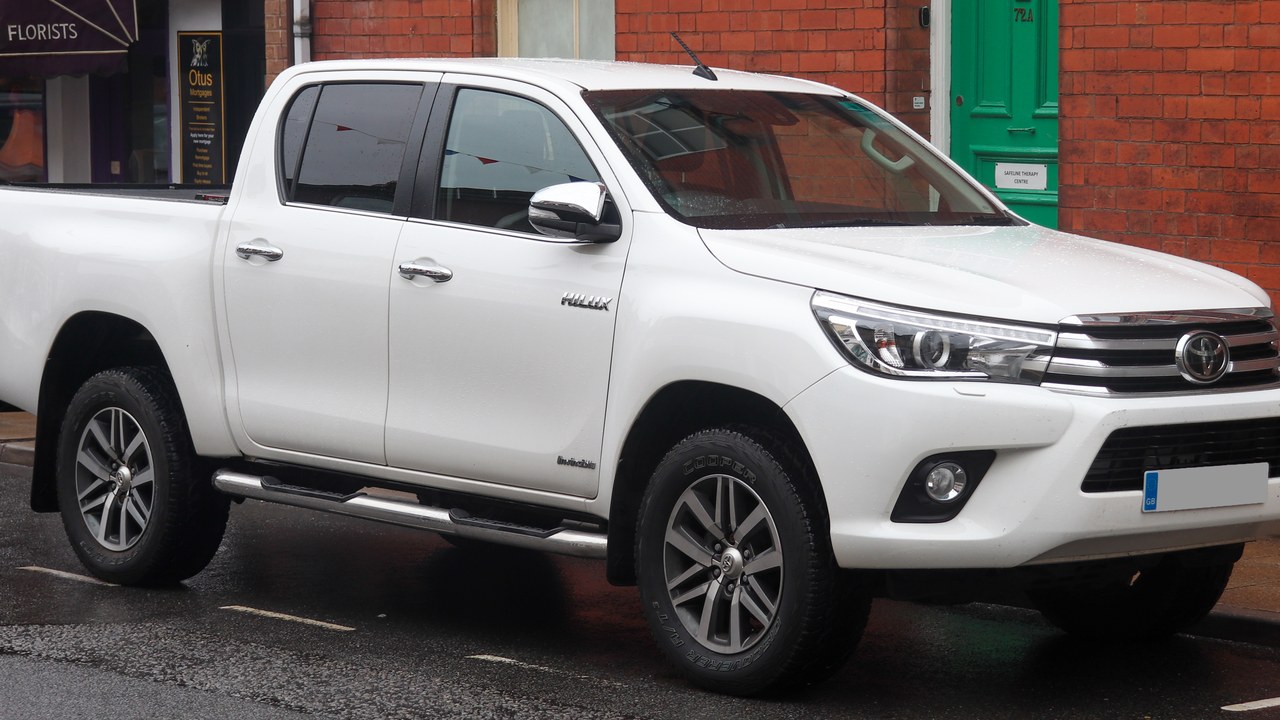
The Hilux lifted two wheels off the pavement and came close to rolling during an evasive-maneuver test, according to a report on poor moose-test results, and Toyota moved to recalibrate the pickup’s stability control soon after.
The near-rollover fed into a wider pattern of pickups and SUVs struggling with sudden lane changes, and it left drivers wondering whether raised ground clearance and a high center of gravity are worth the tradeoff in an emergency, especially in a vehicle marketed as tough enough for job sites and rough terrain.
4. 2018 Nissan Kicks: Tipped With Assists Switched Off
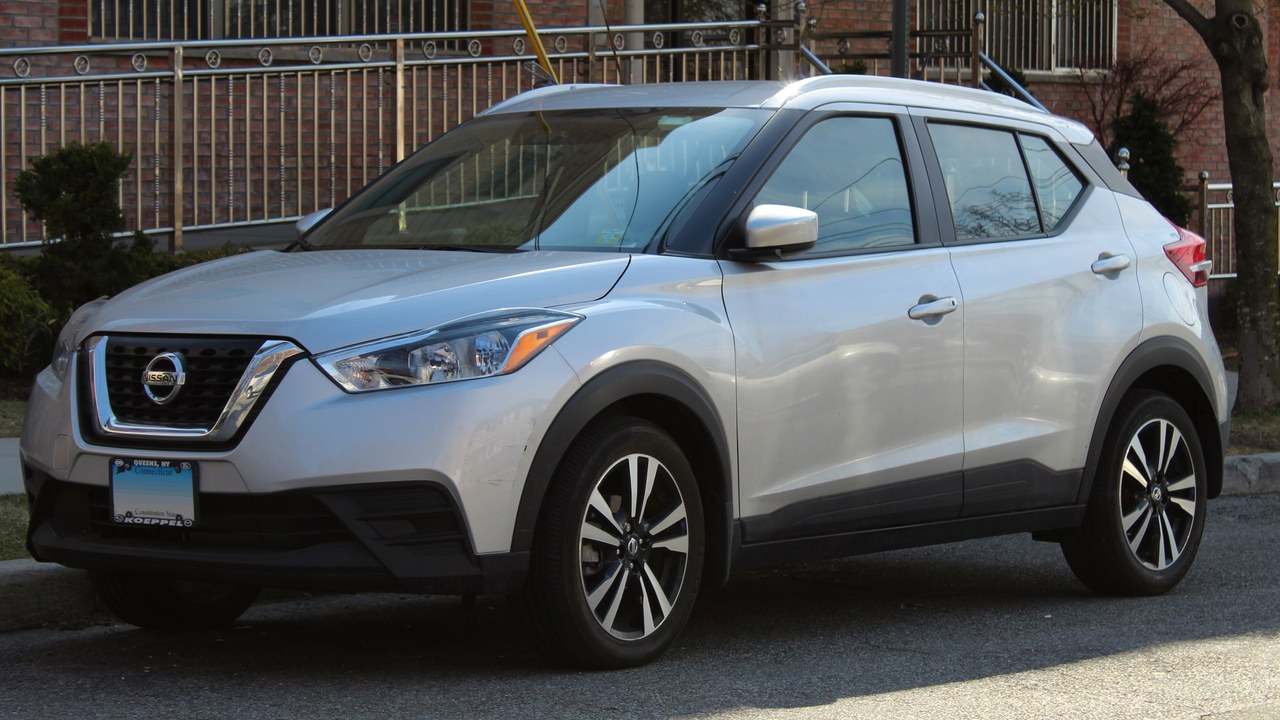
Mexican outlet Autologia pushed the Kicks through the swerve exercise with electronic stability control deactivated, and at 65 km/h the crossover tipped onto its side rather than holding its line, raising questions about whether the crossover’s chassis alone could handle the maneuver.
The test underscored how much modern safety systems do behind the scenes, since a compact crossover marketed to city drivers behaved very differently once its electronic guardrails were switched off, a scenario that can happen if a driver disables the system or it fails.
5. 2014 Porsche Macan Diesel: Brakes Sent It Off Course
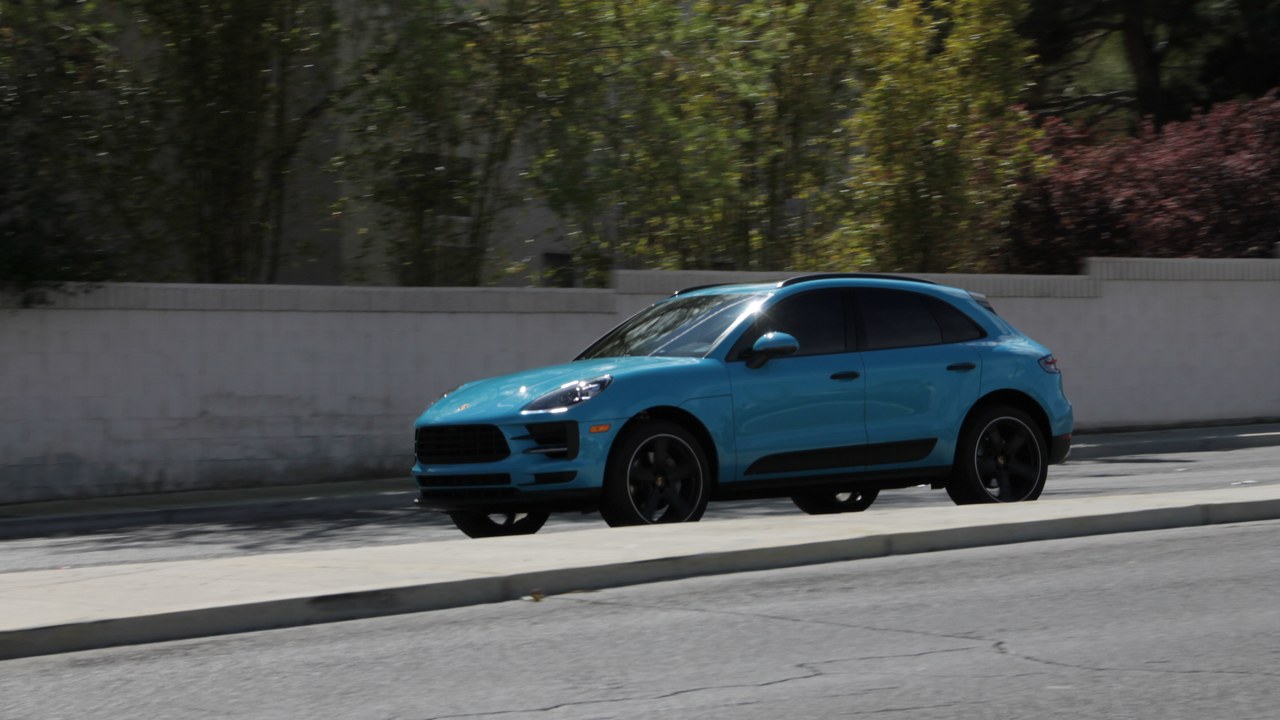
During a standardized run captured by CarsGuide’s test drivers, the diesel Macan’s brakes locked a front wheel mid-maneuver and the SUV behaved erratically, drifting toward the lane meant for oncoming traffic, a scenario the test is built specifically to catch before it happens on public roads.
A locked wheel under braking is exactly the failure mode the moose test is designed to expose, since the same reflex that avoids a moose in the road could just as easily put a Macan driver in the path of another car.
6. 2019 Toyota RAV4 Hybrid: A Response From Toyota

Sweden’s moose test tripped up the RAV4 Hybrid too, and the widely shared failure was serious enough that Toyota felt compelled to respond publicly to the result, even though the RAV4 nameplate has long been marketed on family-friendly safety credentials.
A hybrid crossover struggling with the same swerve that catches taller SUVs suggested battery weight and ride height can matter as much as badge or price, a detail worth weighing for anyone cross-shopping fuel-sipping crossovers for family duty, since a failed swerve test undercuts exactly the reputation the RAV4 trades on.
7. Mercedes-Benz C350e: Even A Plug-In C-Class Stumbled
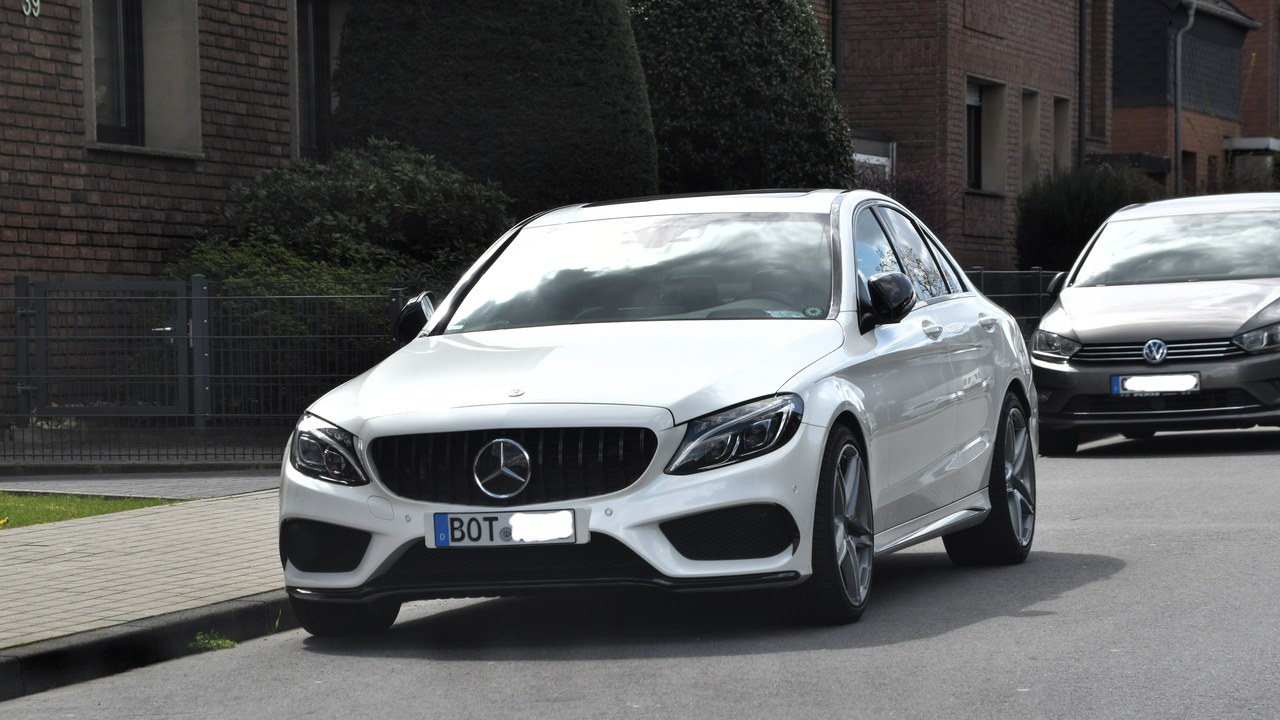
Video of the test showed the plug-in hybrid C350e failing the maneuver, a surprising result for a Mercedes sedan built on the same underpinnings that carried the brand’s reputation for handling, even though the standard C-Class had a long-standing reputation for composure in quick maneuvers.
The added weight of a plug-in hybrid’s battery pack changes a car’s balance and center of gravity, and the C350e’s result was a reminder that electrification can quietly undercut the poise buyers expect from a performance-minded German sedan, especially in a segment where rivals still market themselves on sharp handling.
8. Mitsubishi Outlander (2021–present): Still Failing Today
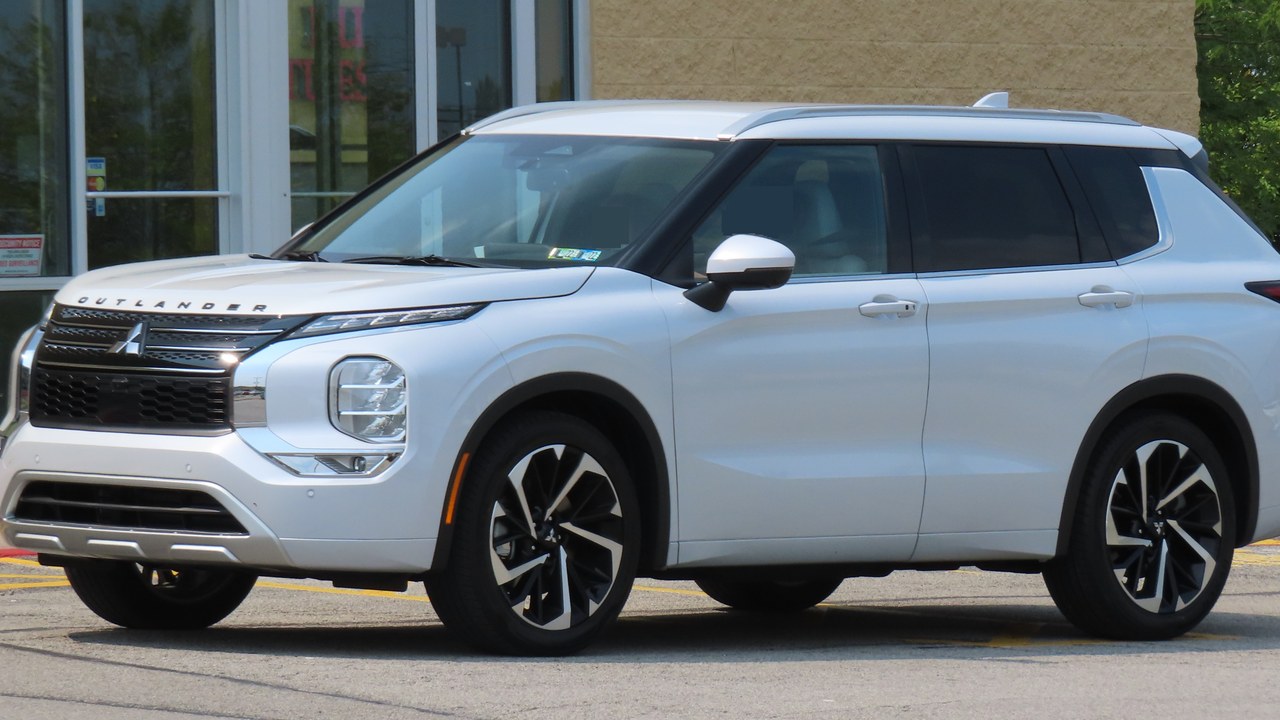
Wikipedia’s entry on the maneuver names the current-generation Outlander among vehicles still listed as failing the moose test, meaning the problem is not just a relic of older, less sophisticated chassis designs, even with decades of stability-control refinement since the A-Class scandal that started it all.
That a family SUV still on sale today shares a page with 1990s failures suggests the swerve test remains a genuinely difficult bar to clear, not an outdated exercise automakers have long since solved with modern electronics, a fact worth remembering for shoppers who assume any modern crossover can handle a sudden swerve safely.
9. Volvo XC40 Recharge T4: A Swedish Brand’s Own Test
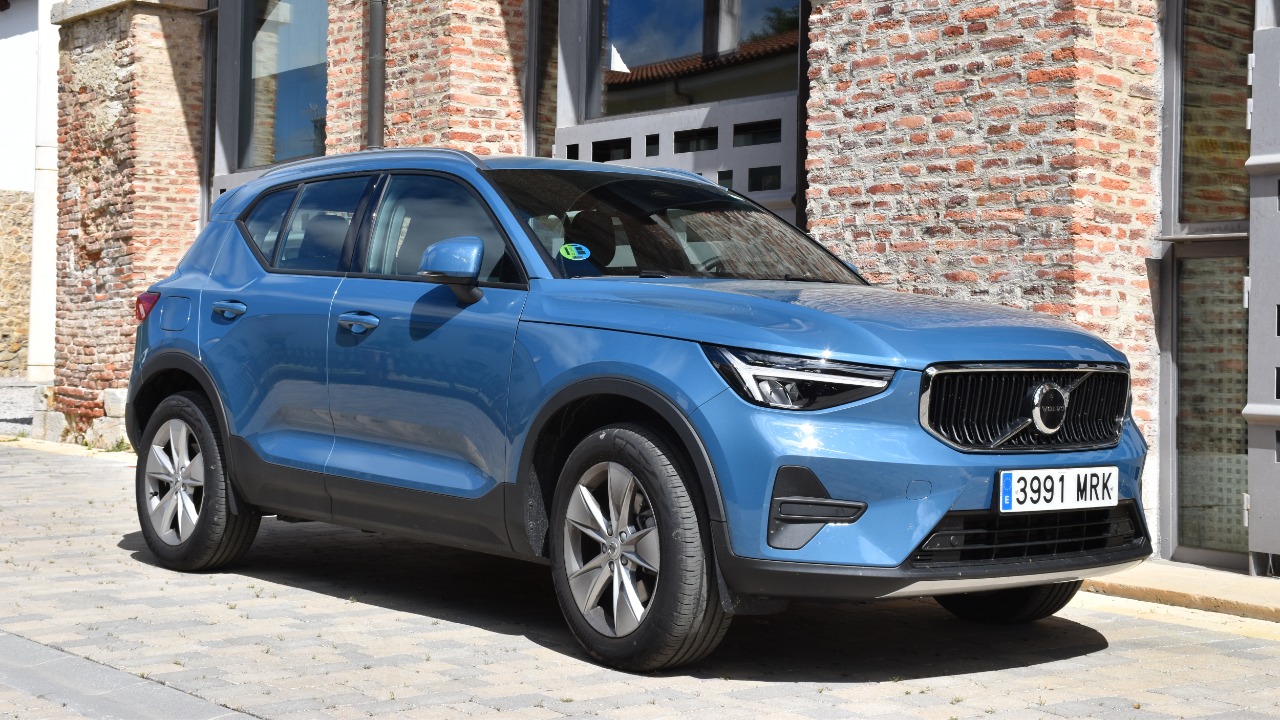
The same Wikipedia entry lists the XC40 Recharge T4 among current vehicles that still fail the maneuver, a notable detail since the moose test originated in Volvo’s home country of Sweden, the birthplace of both the test and the automaker’s reputation for crash safety.
Volvo has built its entire brand identity around safety engineering, so a home-turf failure carries a different weight than it would for a competitor, and it shows that even a company famous for crash protection can still struggle with a sudden evasive swerve meant to avoid a real moose.
