
The United States has seen earthquakes that ranged from moderate shakers to some of the largest ever recorded. Each of the events below killed people, and the toll ranged from a single life to well over three thousand. Here are nine US earthquakes that turned deadly, including Alaska’s magnitude 9.2.
AI, explained every day: The Deep View is the go-to daily newsletter for 600,000+ founders, knowledge workers and professionals who want to stay up to date with artificial intelligence.
We may earn a commission if you sign up.
1. 1886 Charleston earthquake: Shaking in the South
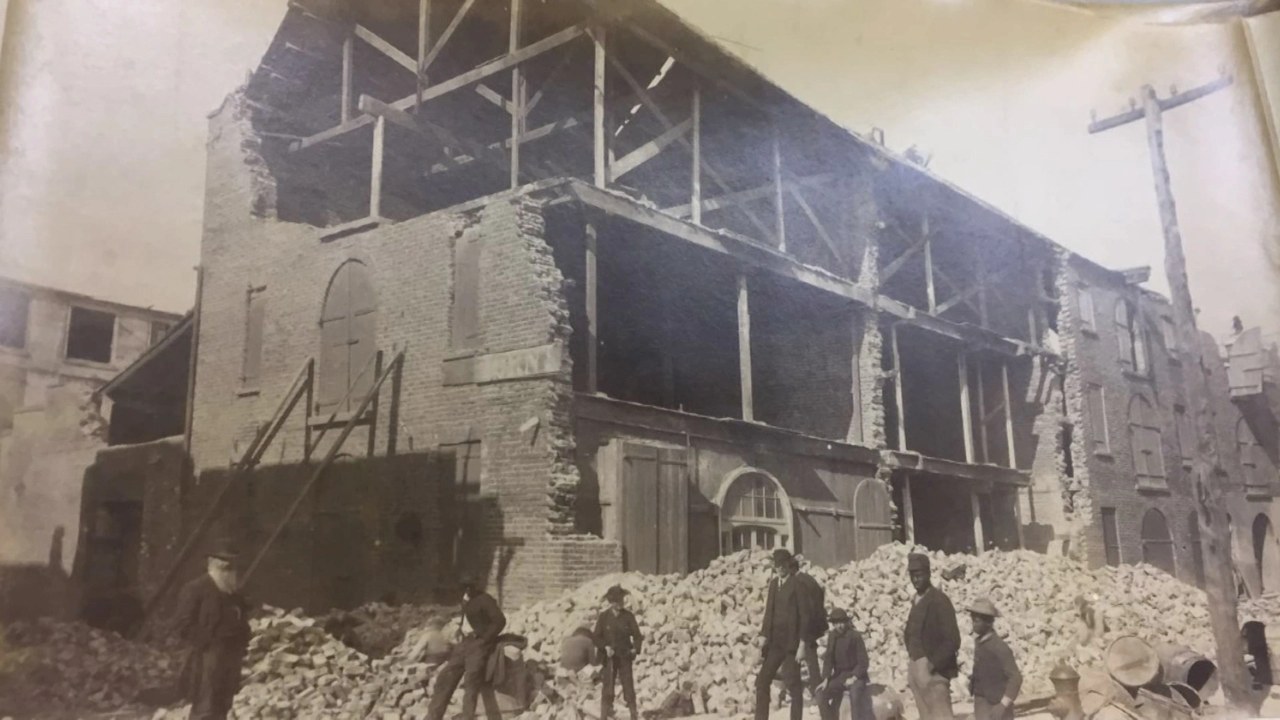
USGS puts the Aug. 31, 1886, quake that struck South Carolina at as high as magnitude 7.3, and it killed 60 people. The event remains the best-known damaging earthquake in the southeastern United States.
The Charleston shock is a reminder that destructive earthquakes are not confined to the West Coast. Buildings in regions where strong shaking is rare are seldom designed with it in mind, which leaves older masonry especially vulnerable when one does strike. Residents there benefit from knowing how to drop, cover and hold on.
2. 1906 San Francisco earthquake: The Great Rupture
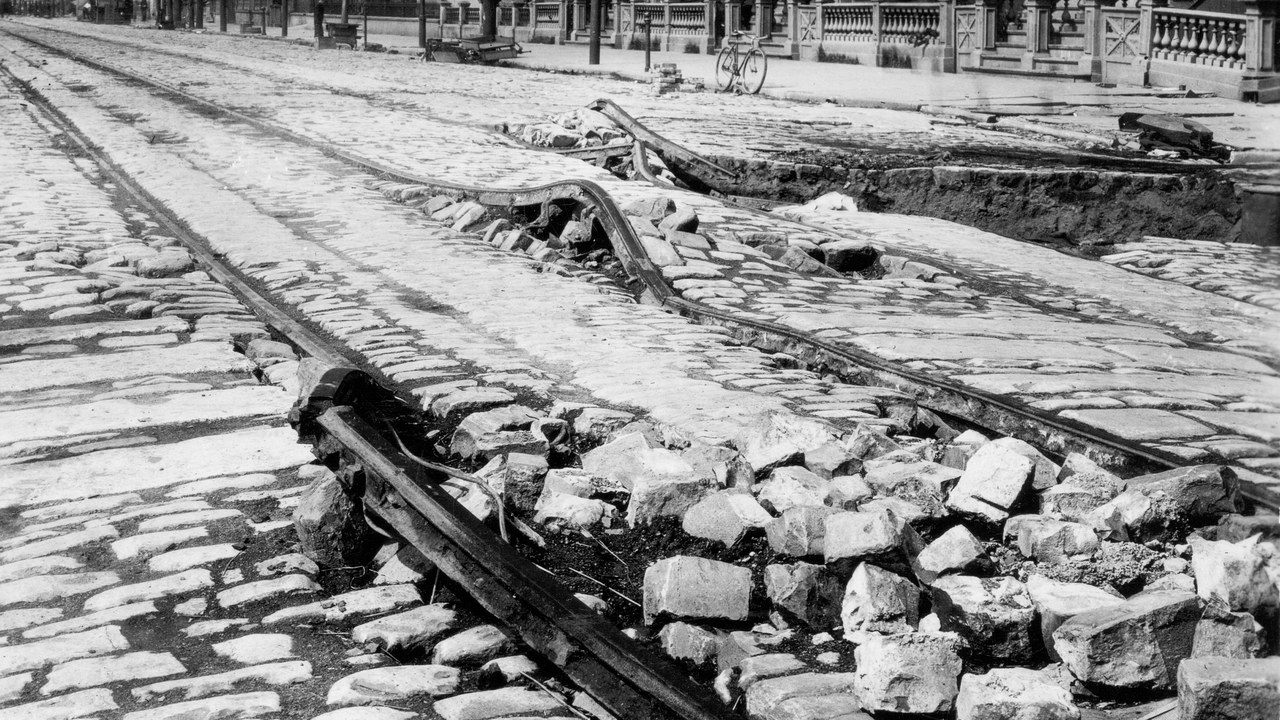
The quake of April 18, 1906, reached magnitude 7.9 and killed more than 3,000 people, according to USGS. It struck the San Francisco region and became the benchmark against which later California disasters are measured.
Its toll shows how much damage a single large earthquake can cause in a dense city. Modern building codes, retrofits and emergency planning in the Bay Area all trace part of their history to that morning, which is why the event still shapes how the region prepares. The date remains a fixed point in the state’s history.
3. 1933 Long Beach earthquake: Moderate Size, Deadly Toll
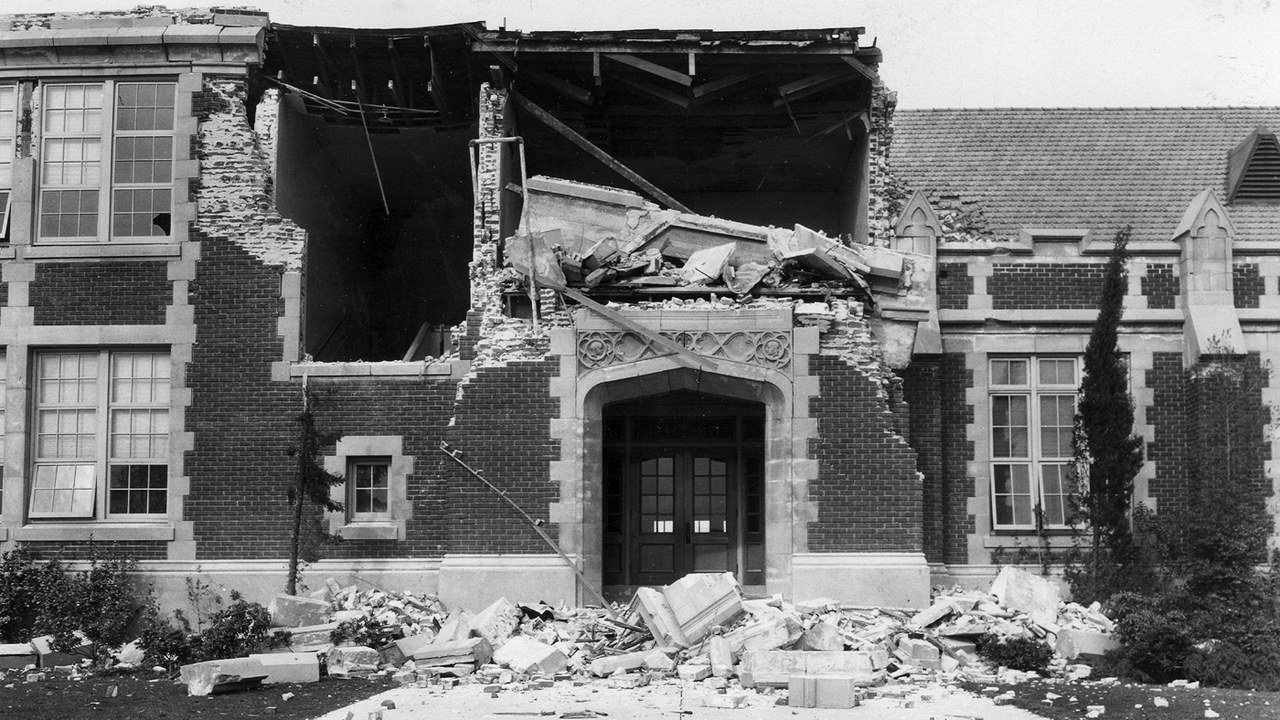
The magnitude 6.4 Long Beach quake of March 10, 1933, killed 120 people, USGS reports. It came as a moderate shock by seismological standards, yet it caused heavy loss of life in Southern California.
The disaster is remembered as a turning point for earthquake safety in California, where attention to how buildings are constructed grew afterward. A moderate earthquake can be deadly when buildings are poorly built, and the lesson applies in any seismic region with aging construction. Checking how an older home or workplace was built is a sensible step for anyone living near an active fault.
4. 1959 Hebgen Lake earthquake: A Lake Made by Quake
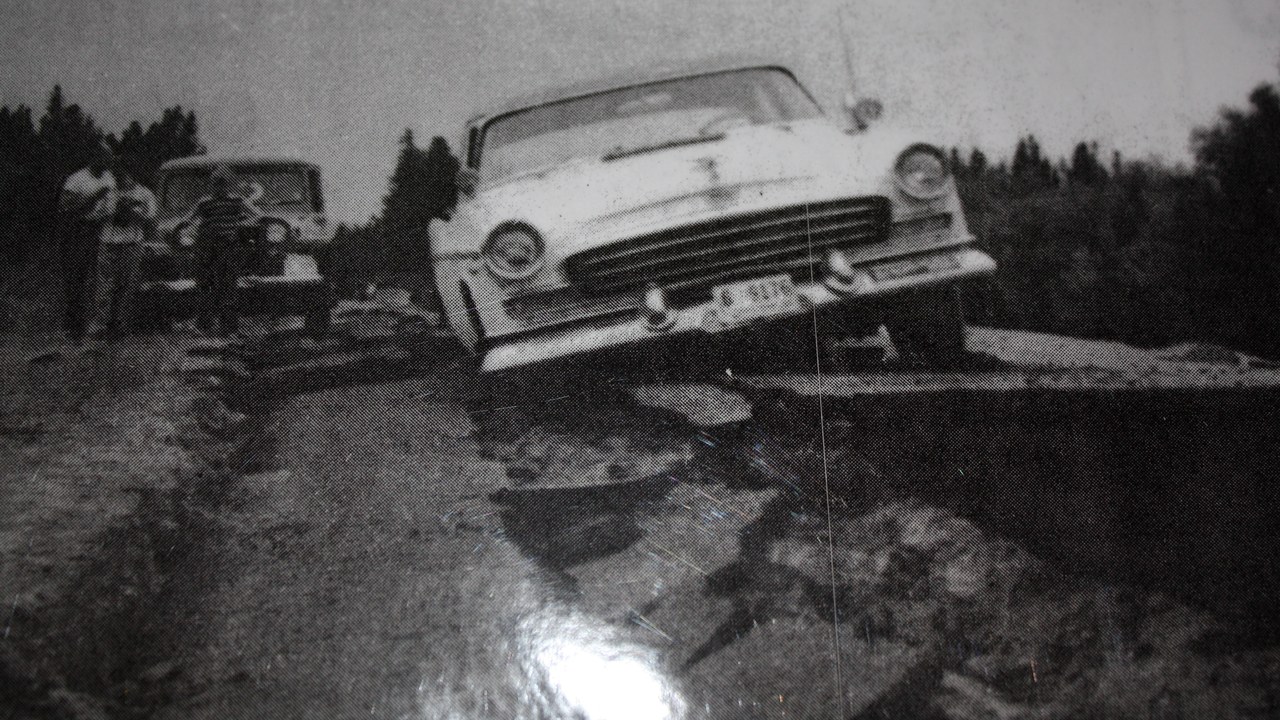
A magnitude 7.2 earthquake on Aug. 18, 1959, killed at least 28 people in Montana, Wyoming and Idaho, according to the account of the Hebgen Lake event. It also reshaped the landscape near the lake.
Unlike city disasters, this one struck a remote, sparsely settled area, so the human toll came largely from the landscape itself. It shows how an earthquake can threaten campers and travelers in wild country as much as residents of buildings. The three-state spread of the deaths also illustrates how far a major rupture can reach across ordinary borders.
5. 1964 Alaska earthquake: Largest on the List
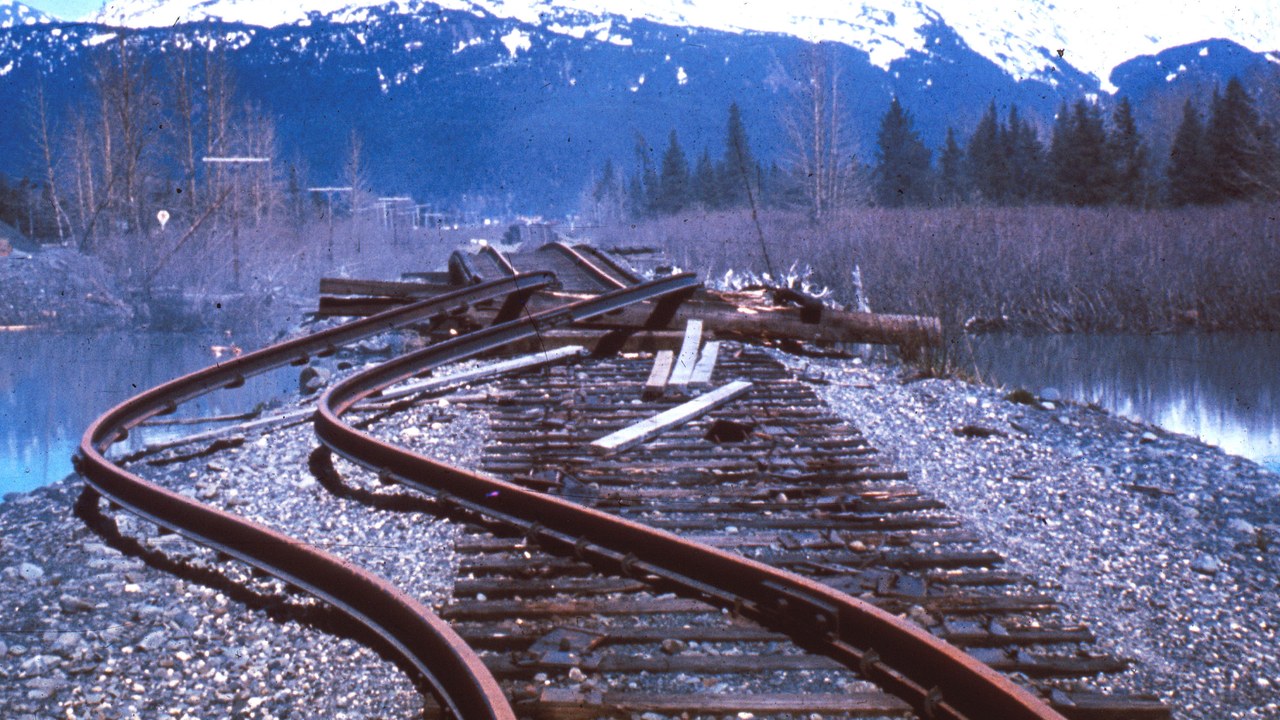
The magnitude 9.2 quake and tsunami of March 27, 1964, tops the list and killed 143 people, according to USGS. No other earthquake in this roundup comes close to its size.
The combination of violent shaking and waves is what made the Alaska event so destructive along the coast, and at magnitude 9.2 it ranks among the strongest earthquakes ever measured. Coastal communities draw a practical lesson from it: after strong shaking near the water, moving to high ground quickly can matter as much as any building rule.
6. 1971 San Fernando earthquake: Wake-Up Call in the Valley
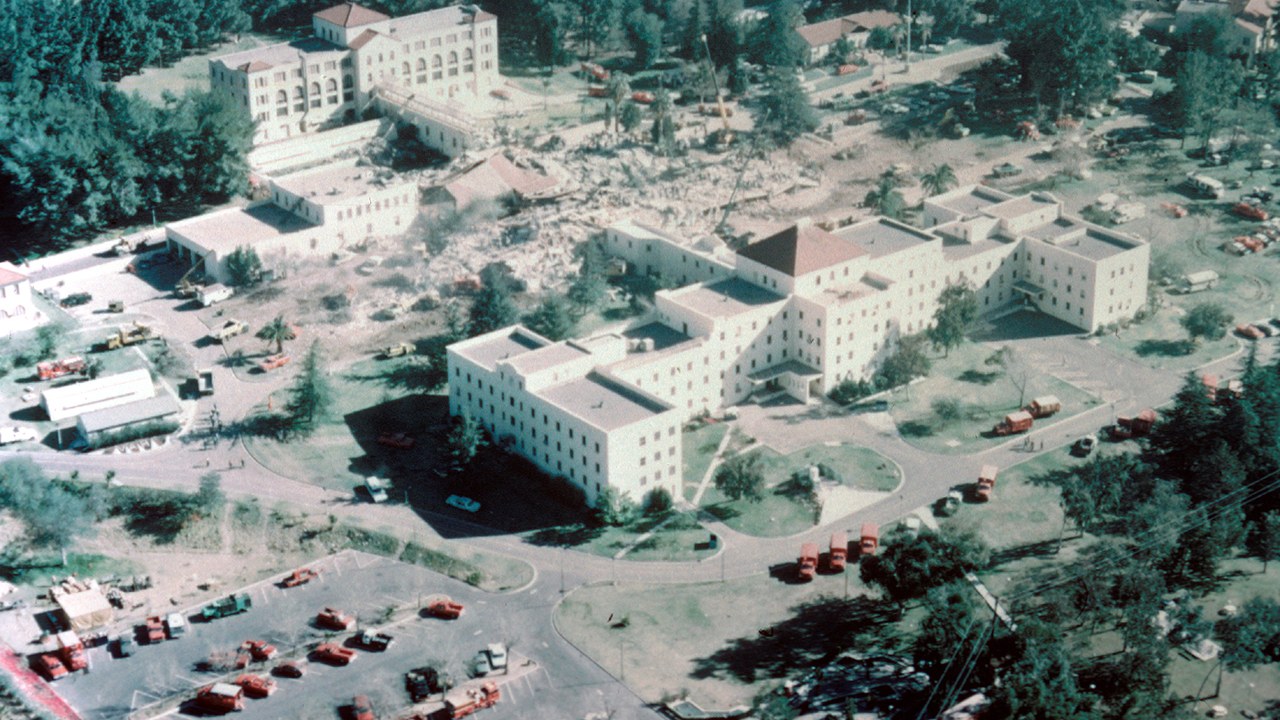
The San Fernando quake of Feb. 9, 1971, measured magnitude 6.5 to 6.7 and killed 58 to 65 people in California. Sources differ slightly on both the magnitude and the number of deaths.
A range of figures is common for older earthquakes, since estimates change as researchers revisit records. The quake is widely remembered for exposing weaknesses in structures that were then standing, prompting engineers and officials to rethink what safe construction should require. The varying numbers are an honest sign that precise counts are hard to settle decades afterward.
7. 1989 Loma Prieta earthquake: Bay Area Jolt
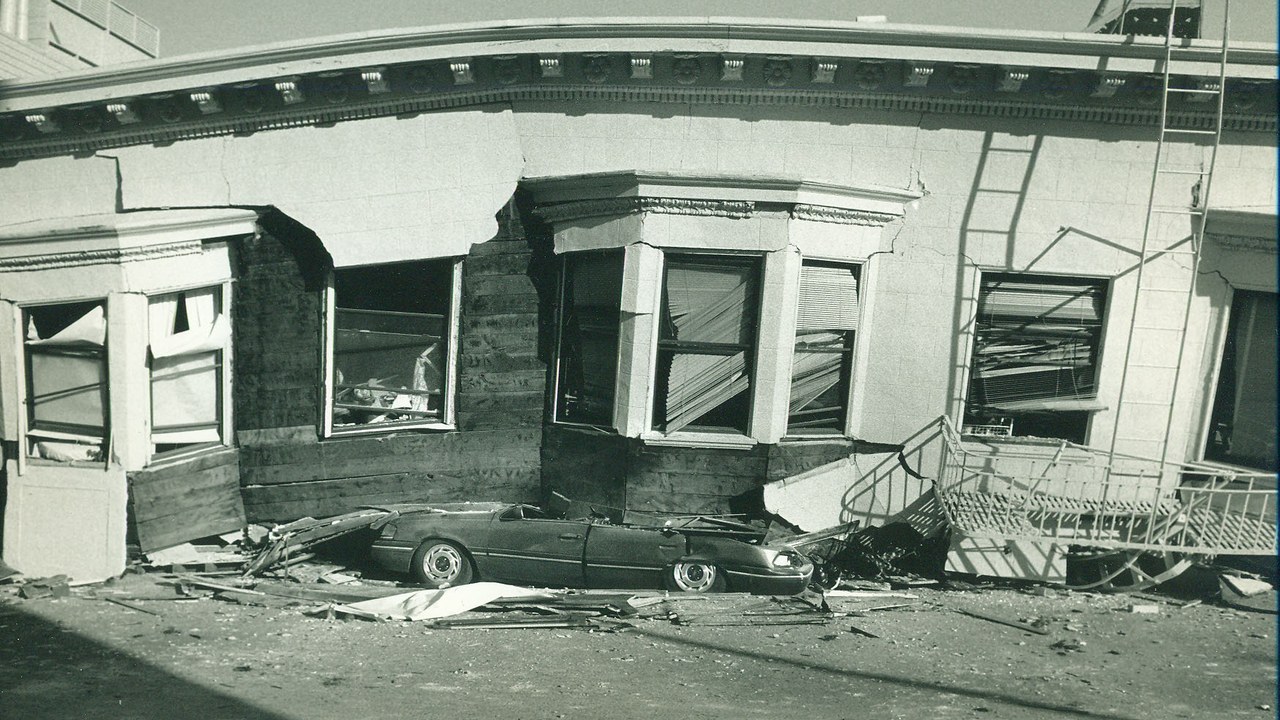
The magnitude 6.9 quake of Oct. 17, 1989, killed 63 people in California, according to USGS. It struck the Loma Prieta region and was felt across much of the Bay Area.
The event is an example of a moderate-to-large earthquake that still caused major trouble in a modern, built-up region. Families in earthquake country are advised to keep emergency supplies, secure heavy furniture and plan how to reunite after strong shaking. Preparation costs little compared with the disruption that follows a major quake, and it applies equally to homes, schools and offices.
8. 1994 Northridge earthquake: Los Angeles Shock
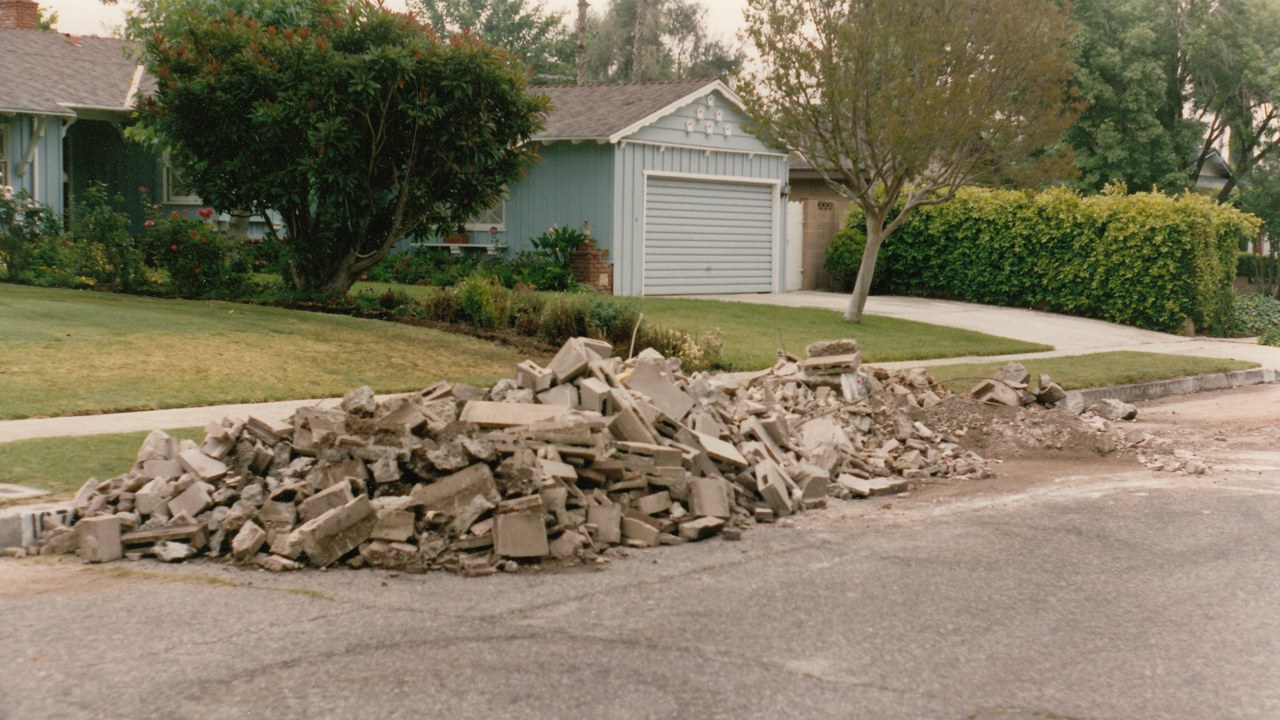
California’s magnitude 6.7 Northridge quake of Jan. 17, 1994, killed 57 people, according to USGS. It struck the Los Angeles region and ranks among the best-known earthquakes in recent American history.
A magnitude of 6.7 sounds modest next to the Alaska event, yet it caused serious harm because it hit a heavily populated area. Where an earthquake occurs often matters as much as how large it is, which is why preparedness in big cities remains a priority. Residents are often urged to review plans each year, so that the steps are familiar before shaking begins.
9. 2014 South Napa earthquake: Wine Country Shake
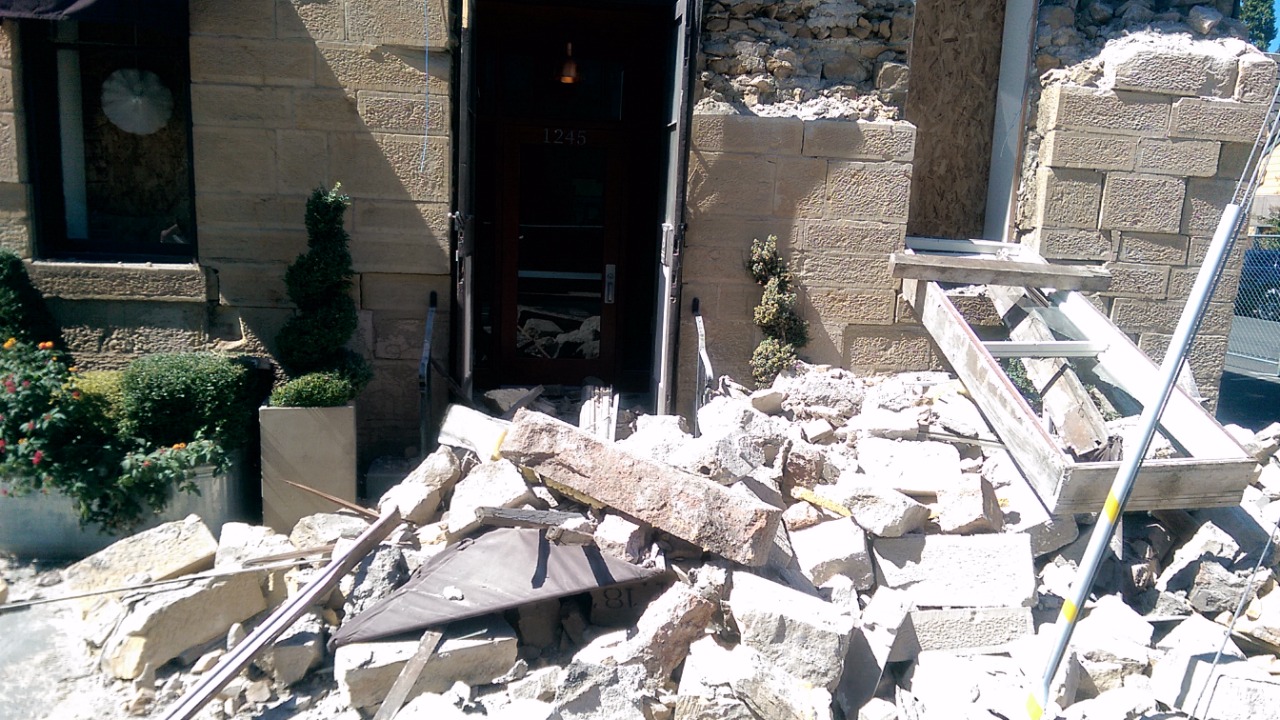
USGS logged the Aug. 24, 2014, South Napa quake at magnitude 6.0, and it killed 1 person. It is the most recent event in this list and the smallest in its death toll.
A single death is a low figure beside the other events in this roundup, but the earthquake still shows that moderate shaking can be dangerous in a populated area. It serves as a more recent example of why preparedness matters even when a quake is not a major one. Securing shelves and knowing a safe spot in each room can reduce injuries from even a modest shock.
AI, explained every day: Get The Deep View →
We may earn a commission if you sign up.
More from Morning Overview
- The FBI told the rest of ShinyHunters to surrender after a 24-year-old was arrested
- Two passengers died at an Ohio toll plaza, and the NTSB now wants the cash lanes shut
- Long use of a common prostate pill is tied to a higher chance of glaucoma
- Ford is recalling 223,472 F-150 pickups because the fuel tank can leak or detach
