
Luxury sports cars promise speed and style, but many lose a big share of their value in the first years of ownership. The 2026 iSeeCars resale data shows several models keeping barely 60% of their price after five years. Here are thirteen luxury sports cars that shed the most value, led by the Mercedes SL at 40.4%.
AI, explained every day: The Deep View is the go-to daily newsletter for 600,000+ founders, knowledge workers and professionals who want to stay up to date with artificial intelligence.
We may earn a commission if you sign up.
1. Mercedes-Benz SL-Class: Top of the Loss List
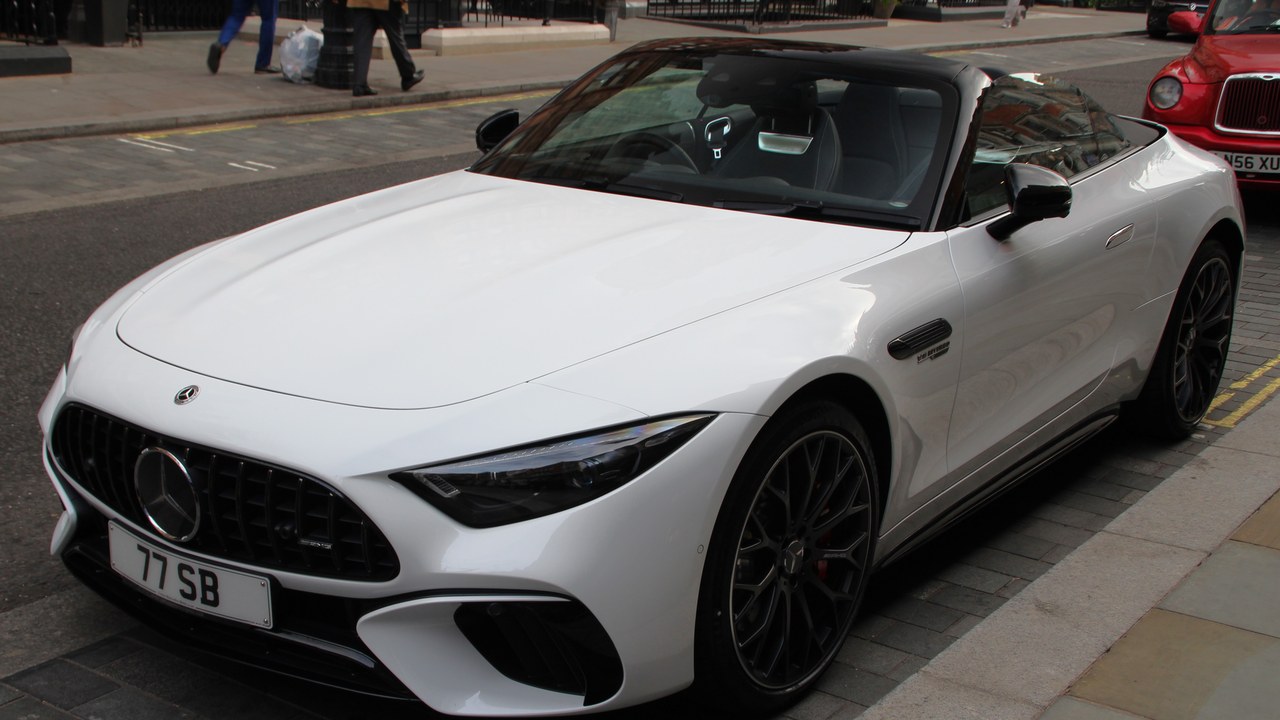
The Mercedes-Benz SL-Class convertible keeps just 59.6% of its value after five years, losing 40.4%, according to iSeeCars’ model data. That is the steepest drop among the luxury sports cars on its 2026 resale table.
A big drop can be a bargain for the second owner, since someone else absorbed the early depreciation. Shoppers should still budget for upkeep, because a used luxury roadster carries repair costs that a low price does not erase.
2. Infiniti Q60: Coupe Under Pressure
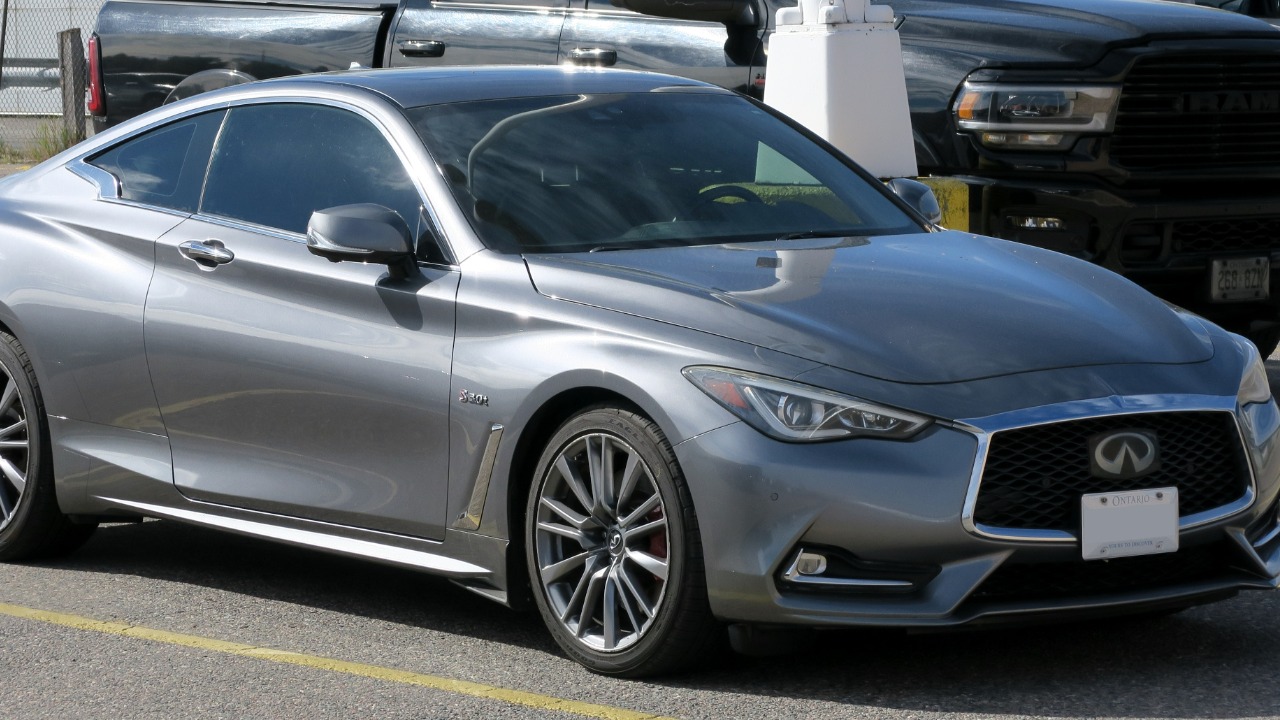
The Infiniti Q60 retains 60.1% of its value, and a five-year-old one averages $31,454 in the iSeeCars data. It sits near the bottom of the luxury sports car table, one of the weakest holders in the 2026 ranking.
For used buyers, that price puts a two-door luxury coupe within reach of mainstream sedan money. New-car shoppers should factor in how much value the first owner is likely to give up over five years, and compare that loss with the price of rival coupes.
3. Mercedes-Benz CLE: Young Convertible, Old Losses
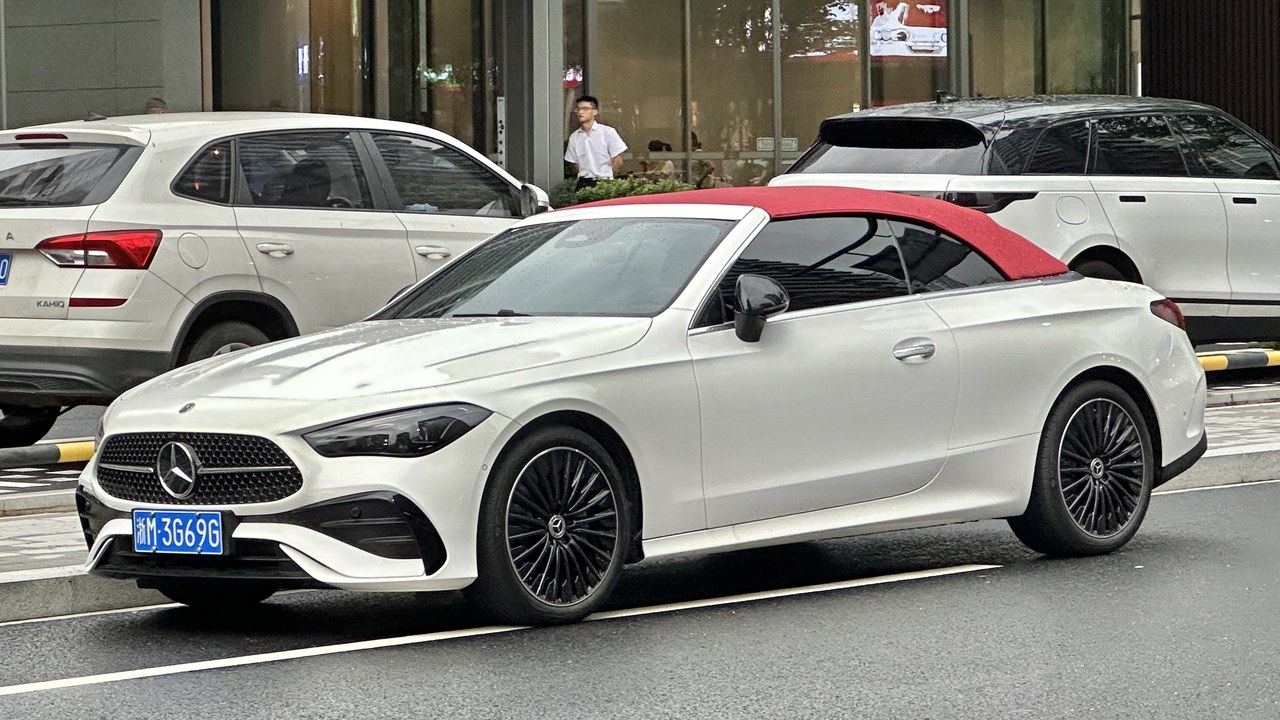
The Mercedes-Benz CLE convertible keeps 60.3% of its value after five years, according to iSeeCars. The figure places it among the biggest depreciation hits in the ranking, a notable result for such a new model.
The CLE is a relatively new nameplate, so owners cannot lean on a long resale track record. A cautious buyer might wait for the model to age and let the first round of depreciation play out, then shop used.
4. Audi S5: Sporty Audi Drops
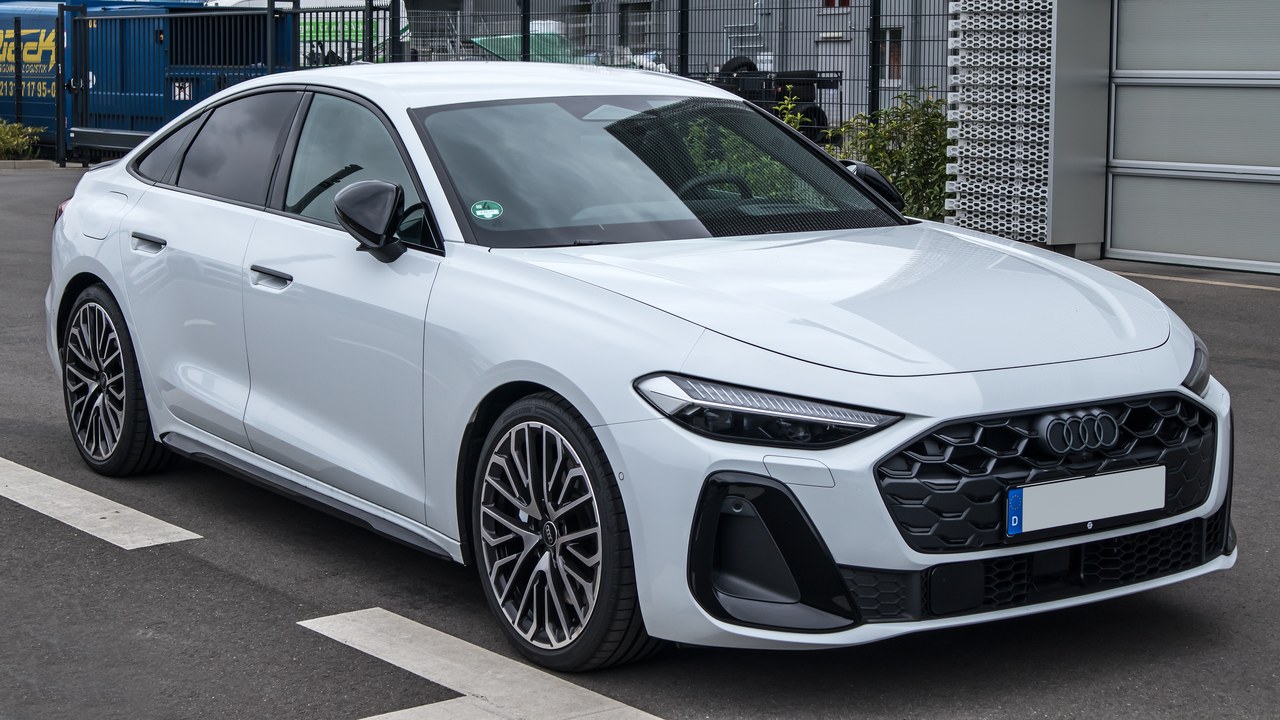
The Audi S5 convertible holds 60.8% of its value, a 39.2% drop, based on iSeeCars figures. A performance badge and an open roof did not protect it from heavy five-year depreciation.
The S5 cabriolet pairs a performance badge with a soft top, which may appeal to a narrow slice of used buyers. That limited audience could help explain why prices fall faster than for broader models, though the source does not give a reason.
5. Mercedes-AMG GT: Pricey and Still Falling
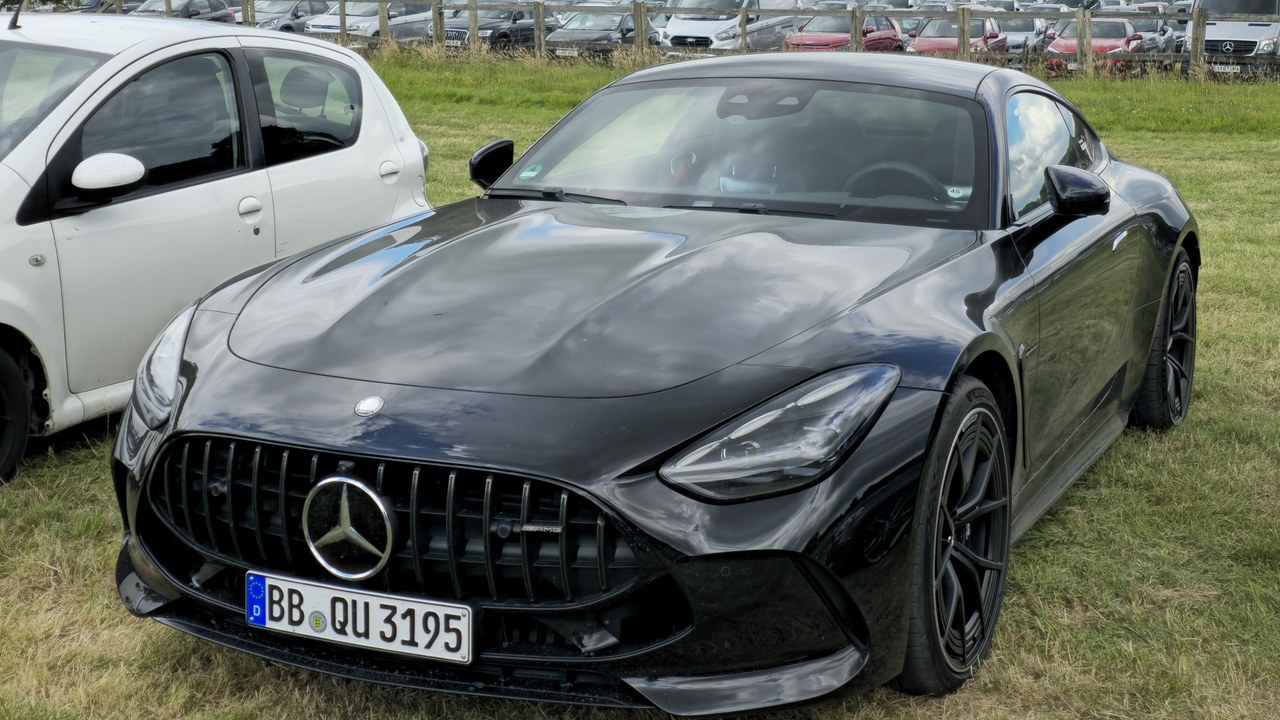
The Mercedes-AMG GT convertible retains 60.9%, with a five-year-old example averaging $114,779, according to iSeeCars. Even at that price, the roadster loses a large share of its original sticker.
A six-figure average price means a depreciation percentage translates into a large dollar amount. Anyone buying new should weigh the drop against how long they plan to keep the car, since a long ownership period spreads the loss across more years.
6. Audi TT: Small Roadster, Big Drop
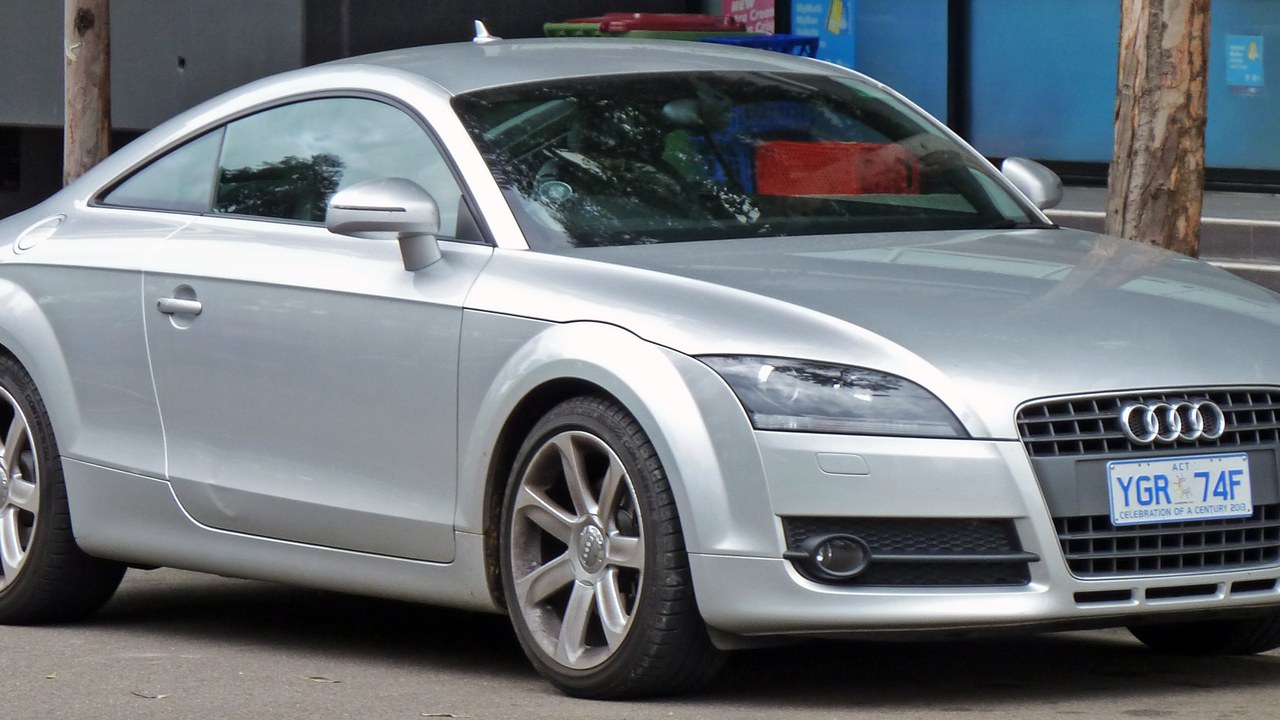
The Audi TT convertible keeps 61.0% of its value after five years, iSeeCars reports. That places it in the same tight band as several rivals at the bottom of the table.
With a compact size and a roof that folds away, the TT has appeal as a weekend car. Shoppers who value a lower used price over the badge may find it attractive, provided the service history is clean and the folding roof works properly.
7. Audi R8: Supercar Still Slips
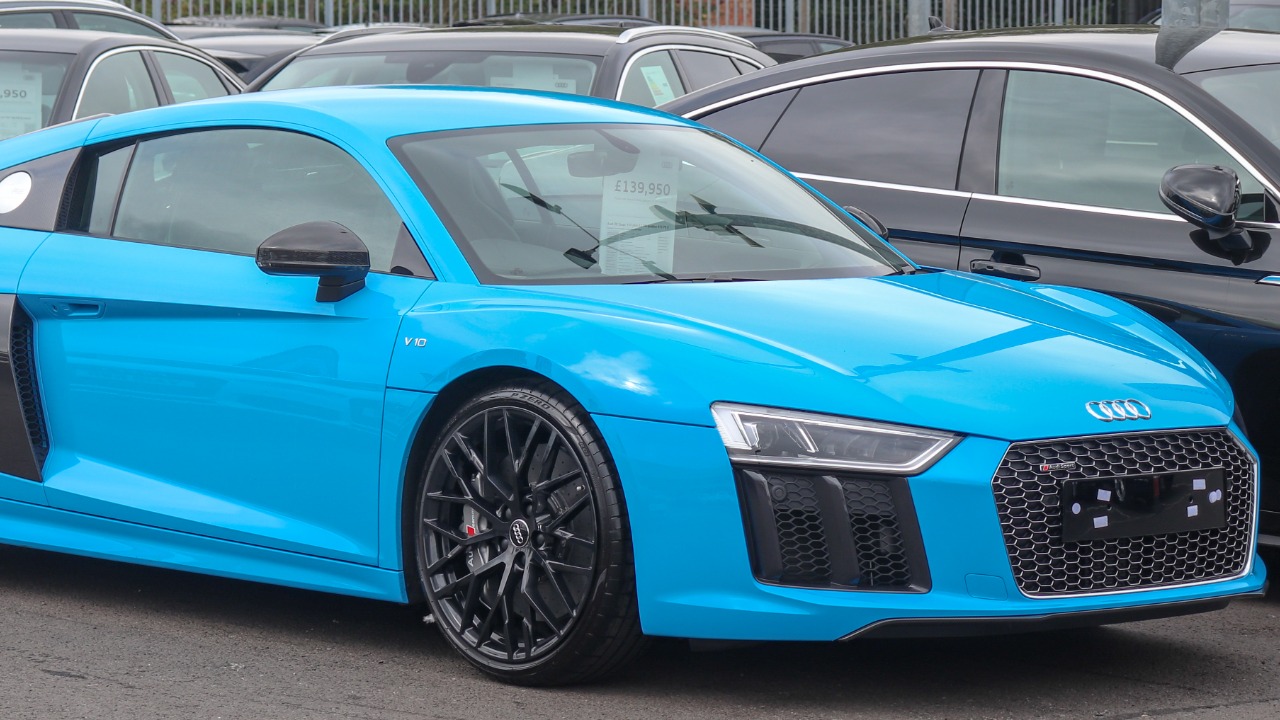
The Audi R8 convertible holds 61.1%, though a five-year-old one still averages $163,229, according to iSeeCars. The loss applies to a mid-engine supercar, so the dollar amount involved is large even at that percentage.
A high-priced exotic can lose a sizable sum even while keeping most of its value. Buyers should compare used prices against ownership costs, since tires, insurance and service all rise with the sticker, and a low percentage of loss still leaves a big monthly cost.
8. Ford GT: Limited Edition, Limited Protection
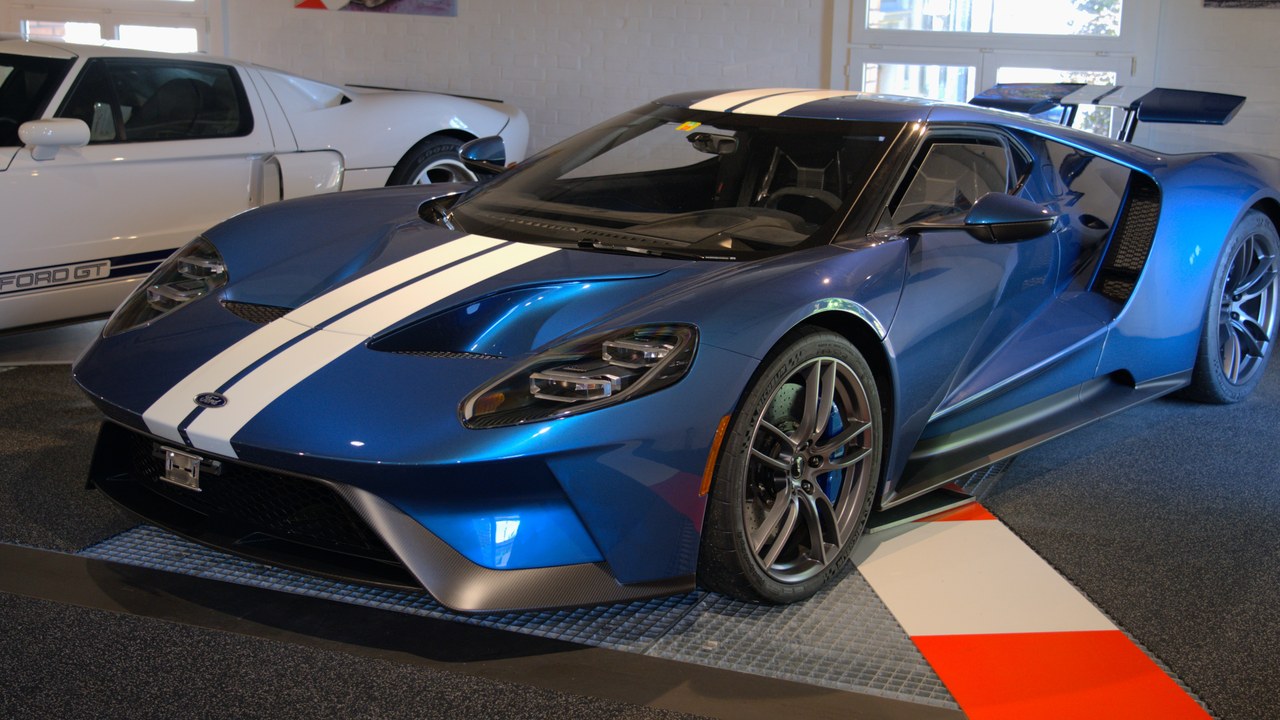
Even the $500,000 Ford GT keeps only 63.6% of its value after five years, iSeeCars data shows. Rarity did not shield the supercar from a meaningful five-year loss on the table.
The result is a reminder that scarcity does not guarantee strong resale, at least over a five-year window. Collectors who buy for the long term may judge the car differently than the five-year measure used here, and condition and mileage matter a great deal.
9. Jaguar F-Type: Jaguar Cat Loses Ground
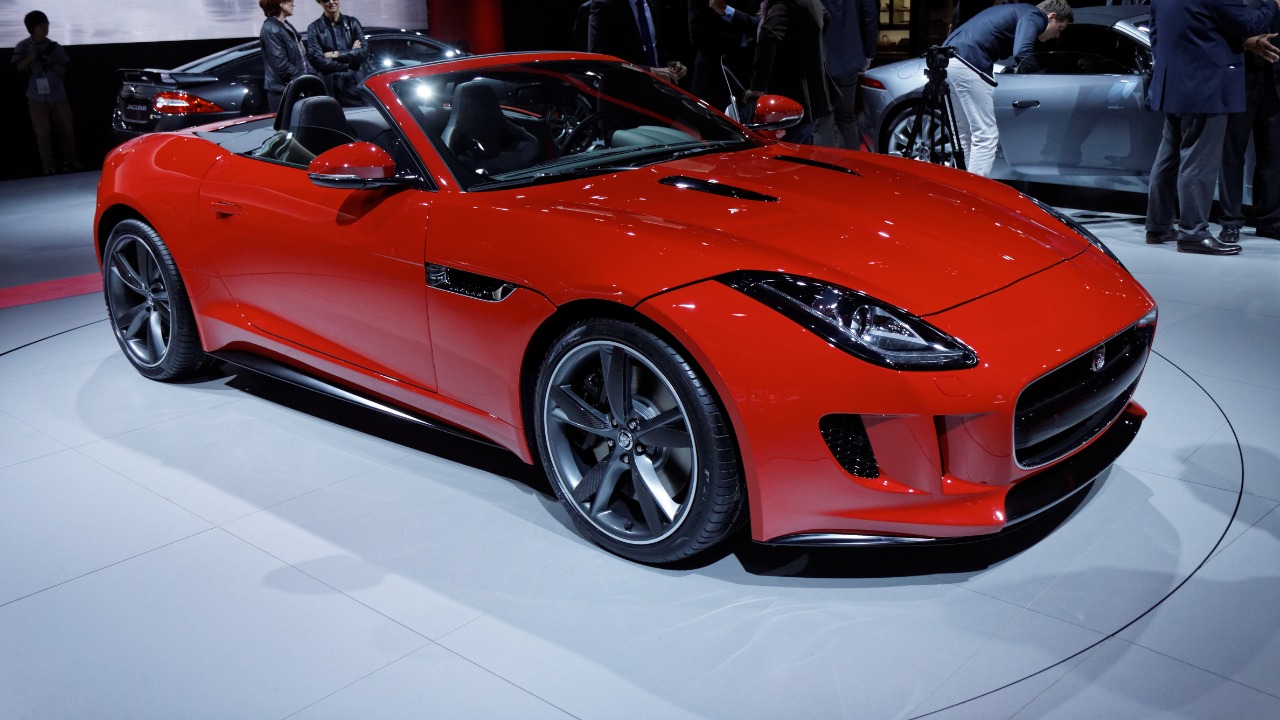
The Jaguar F-Type coupe retains 63.8%, averaging $49,289 at five years old against a $77,900 starting MSRP, per iSeeCars. The gap illustrates the value that a first owner gives up.
A used F-Type offers sports-car looks for far less than its original cost, which is the upside of someone else’s depreciation, as the average five-year-old price is well below the sticker. Buyers should still confirm maintenance history and any open recalls before signing.
10. BMW M4: Performance Coupe Holds Better
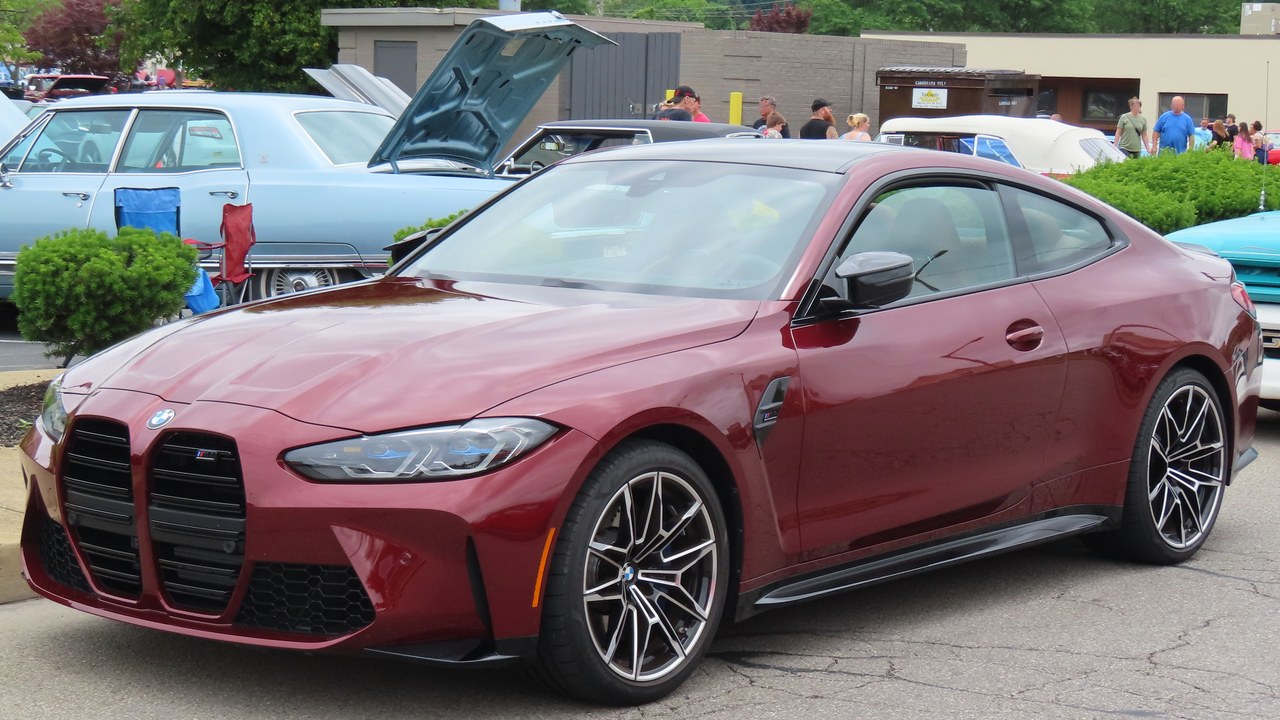
The BMW M4 coupe keeps 66.3% after five years, according to iSeeCars. That is still short of the 67.7% segment average, but it is a smaller hit than the convertibles near the top of the list.
The M4 shows that a coupe body and a strong enthusiast following can help resale. Even so, buyers should expect to pay for insurance, tires and brakes that suit a high-performance car, which can add up quickly over several years.
11. Audi RS 5: Near the Segment Average
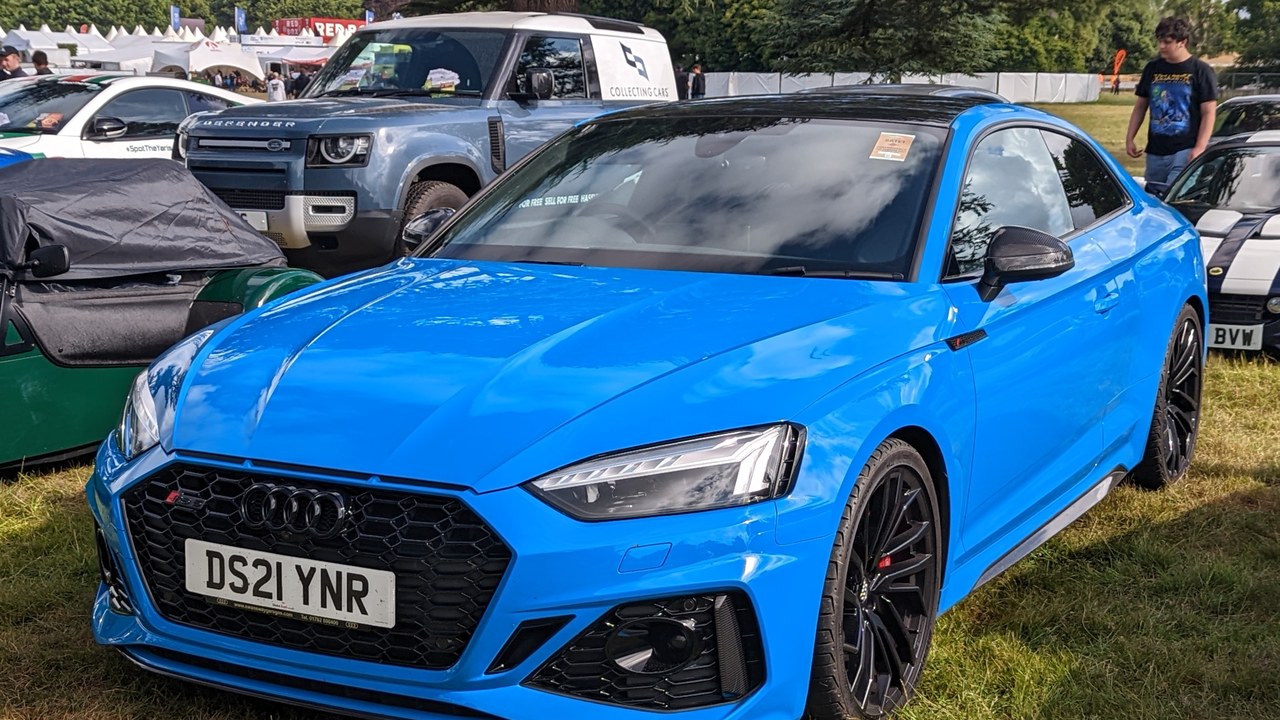
The Audi RS 5 coupe retains 67.0%, trailing the 67.7% segment average in the iSeeCars ranking. It is a far smaller loss than the sharpest drops in the group.
For shoppers who want a fast coupe and care about resale, the RS 5 sits closer to the middle than to the bottom of the table. A used example may still demand a careful inspection of tires, brakes and service records.
12. BMW M2: Compact M Car
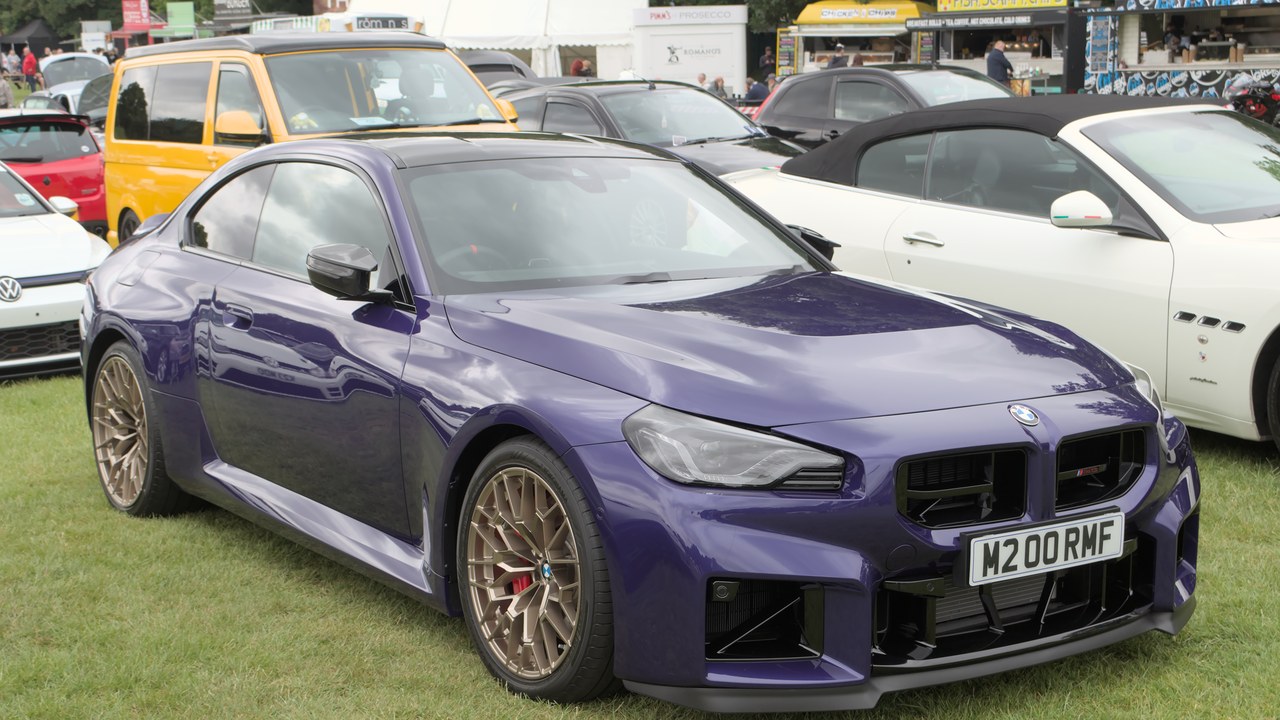
The BMW M2 holds 67.8%, averaging $53,772 at five years old, per iSeeCars. That puts it just above the 67.7% segment average, though it still appears on this list of cars that give up roughly a third of their price.
The M2 offers one of the lower entry prices among the performance cars here. Used buyers should compare trims and mileage, because small differences in condition can move prices noticeably.
13. Maserati GranTurismo: Grand Tourer Rounds Out
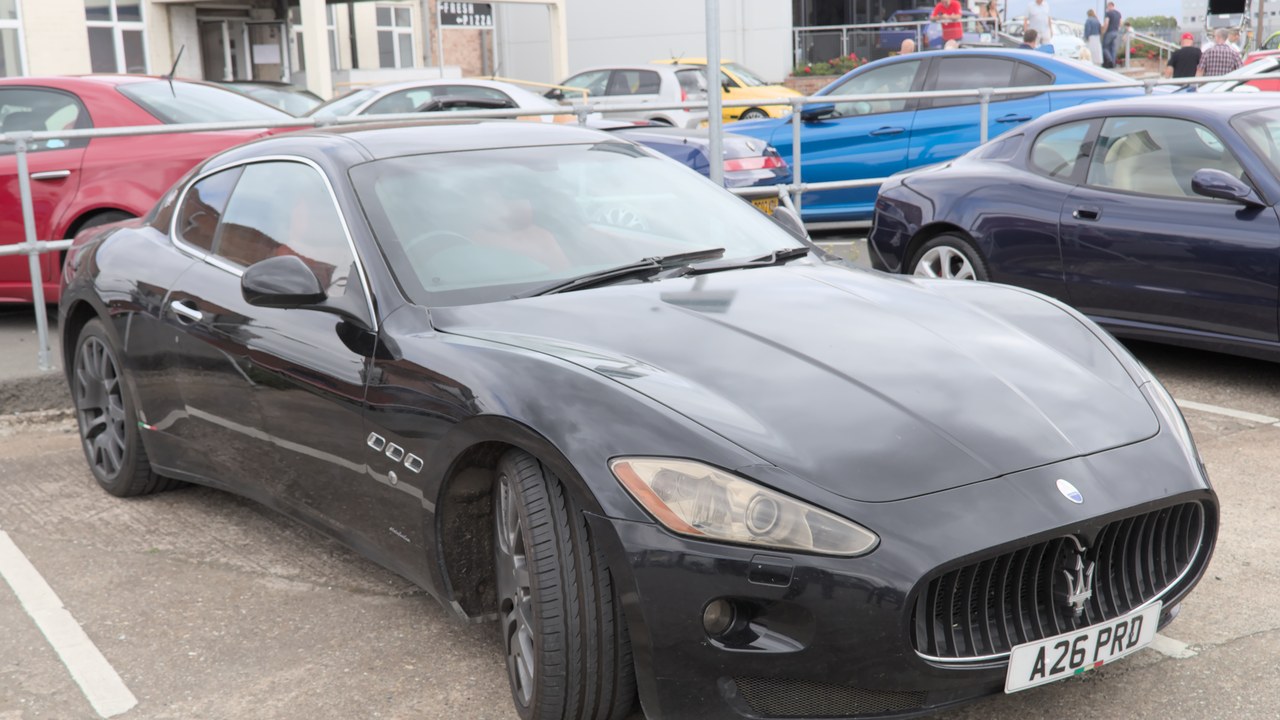
The Maserati GranTurismo coupe keeps 68.2% of its value after five years, according to iSeeCars. It finishes this list as the strongest holder, but it still shed nearly a third of its original price.
The GranTurismo trades on Italian style and a touring character more than raw numbers. Shoppers should treat a used one as a car to enjoy, not as an investment, and budget for specialist servicing and tires.
AI, explained every day: Get The Deep View →
We may earn a commission if you sign up.
More from Morning Overview
- Doctors warn a silent liver disease now affects one in three American adults
- The FBI told the rest of ShinyHunters to surrender after a 24-year-old was arrested
- Two passengers died at an Ohio toll plaza, and the NTSB now wants the cash lanes shut
- Long use of a common prostate pill is tied to a higher chance of glaucoma
