
California has recorded some of the largest and most destructive wildfires in American history. Cal Fire keeps two official rankings, one for structures destroyed and one for acres burned, and the fires on them define the state’s modern fire era. Here are twelve wildfires that earned a place in those record books.
Save more, waste less: The Cool Down’s newsletter sends smart, simple changes that help you and the planet in your everyday life.
We may earn a commission if you sign up.
1. Camp Fire: Paradise Lost
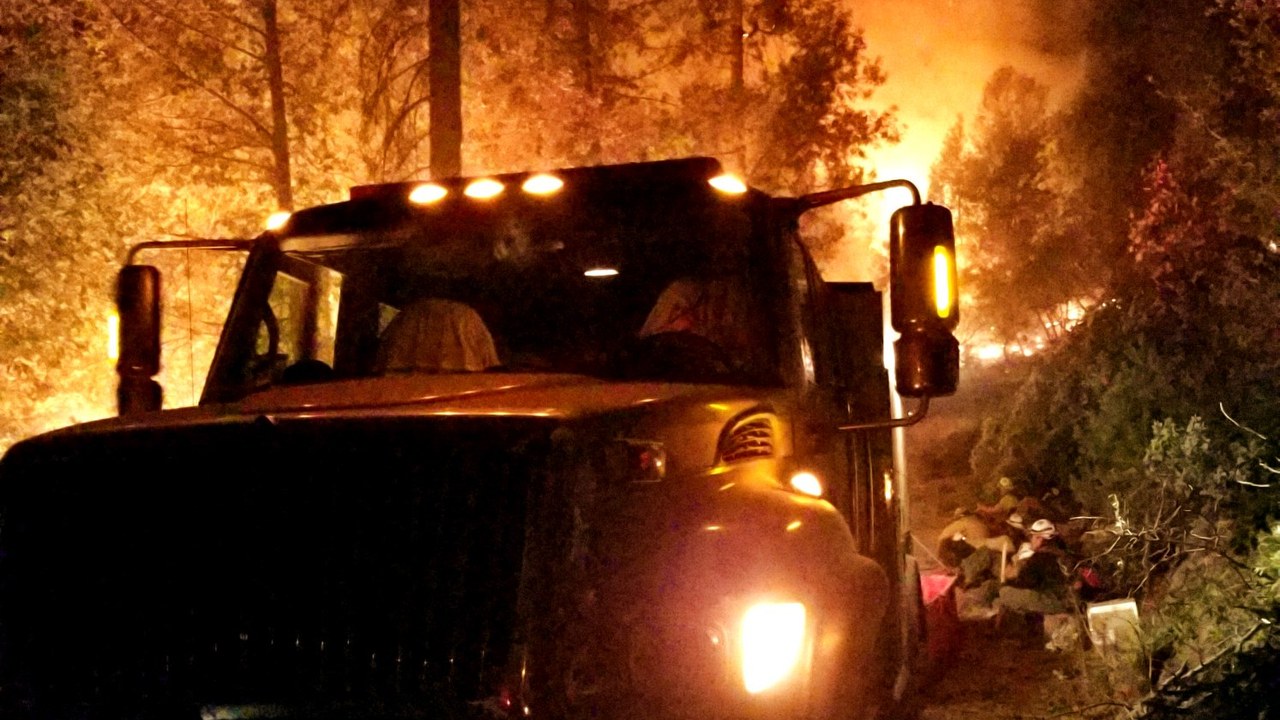
The 2018 Butte County fire tops Cal Fire’s most-destructive list, with 18,804 structures lost and 85 deaths. No other California wildfire has destroyed as many buildings, which makes Camp the grim standard for the whole ranking.
The figure shows how quickly a fast-moving fire can overwhelm an entire town. For residents of forested foothill communities, the record is a reason to take evacuation routes and defensible space seriously well before smoke appears.
2. Eaton Fire: Urban Edge Firestorm
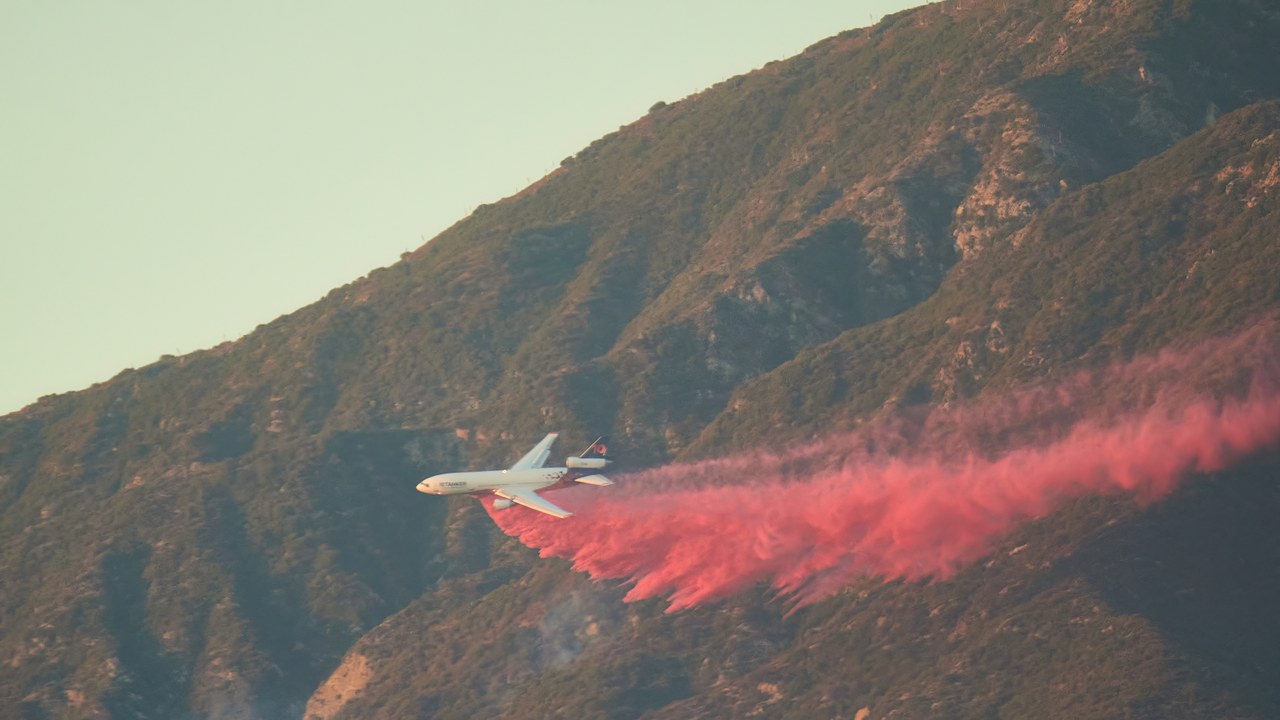
January 2025’s Eaton Fire destroyed 9,413 structures and killed 17 in Los Angeles County, ranking second for destruction on the agency’s destruction table. The fire placed a suburban area among the costliest losses in state history.
The totals were not final when the list was dated, so the numbers could still be revised. Even so, the ranking shows that fire danger is not confined to remote forests and reaches neighborhoods near a major city.
3. Palisades Fire: Coastal Canyon Blaze
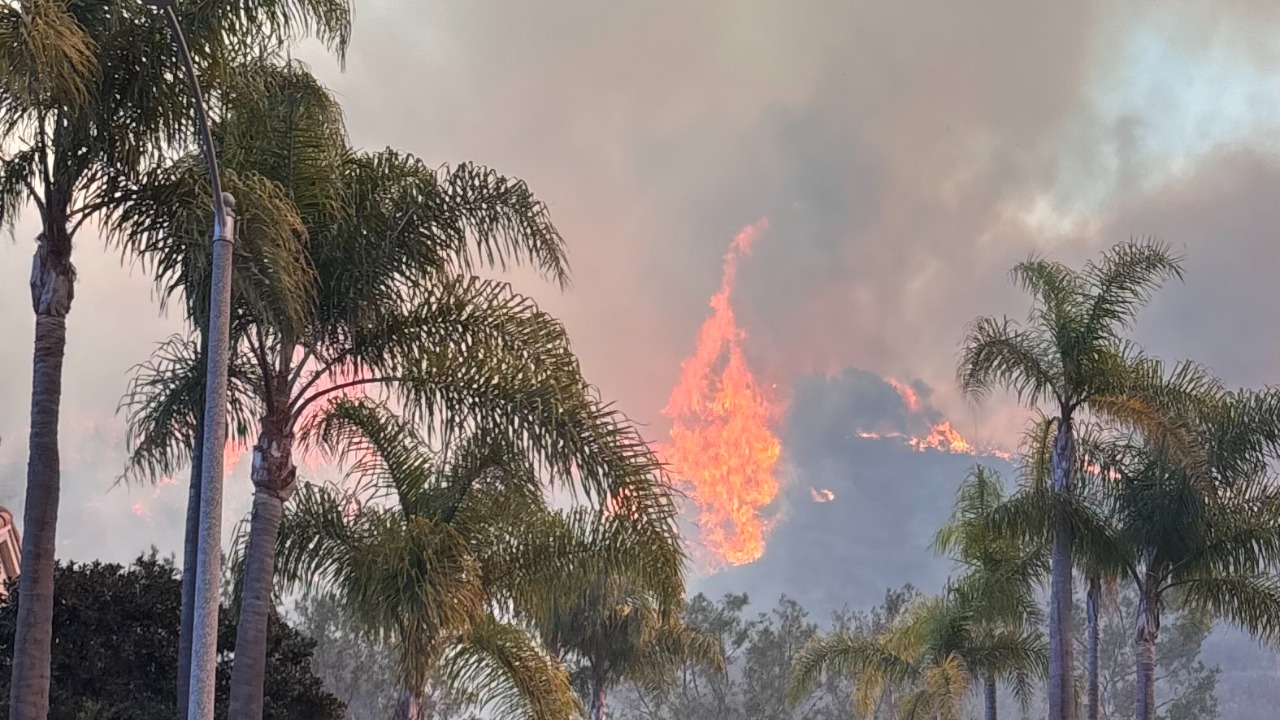
The January 2025 Palisades Fire burned 23,707 acres and destroyed 6,833 structures, killing 12, according to the Cal Fire destruction ranking. Its acreage is modest beside the giants on the other list, yet the losses were very high.
That contrast explains why Cal Fire keeps separate rankings for size and destruction. A fire in dense housing can do far more harm in a small area than a vast blaze in empty wildland.
4. Carr Fire: Shasta County Inferno
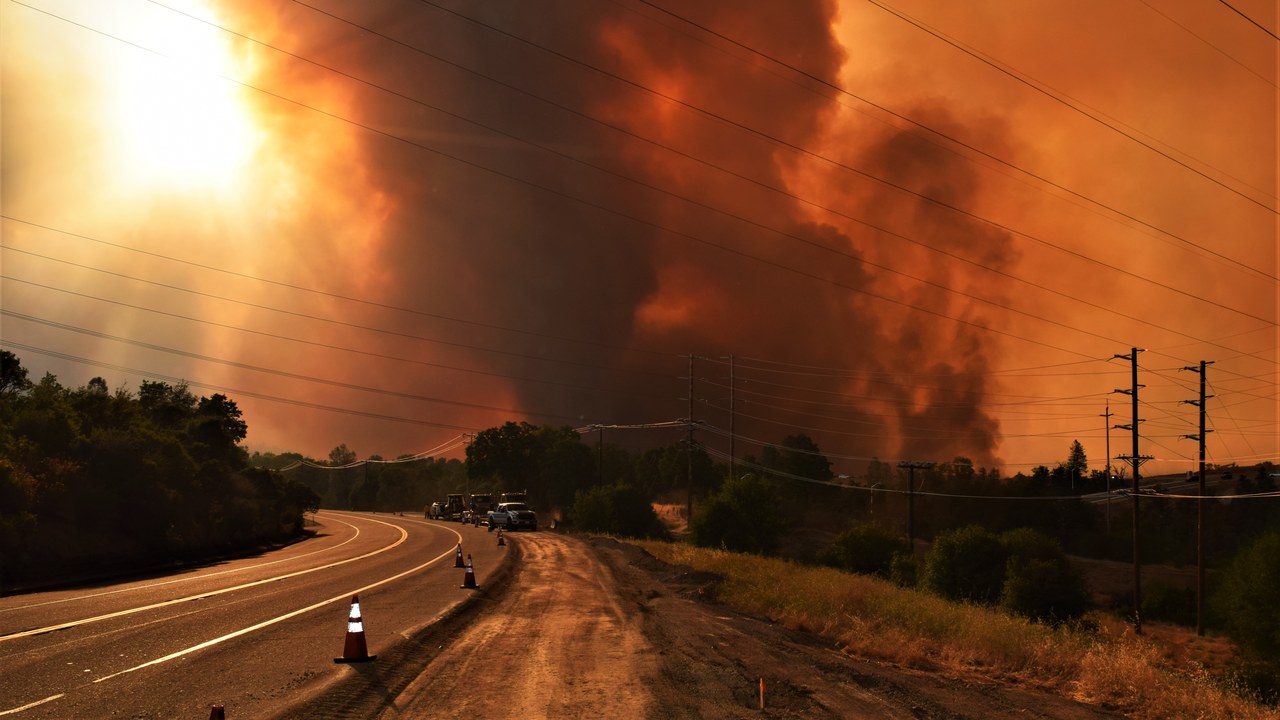
The July 2018 Carr Fire burned 229,651 acres in Shasta and Trinity counties, destroying 1,614 structures and killing 8, based on Cal Fire’s figures. It stands as one of the most damaging fires of that summer.
The combination of large acreage and heavy structure loss is what places it on the destruction list. Communities in comparable terrain can treat it as a reminder of how far a fire can run in a single season.
5. North Complex fire: Lightning In The Sierra
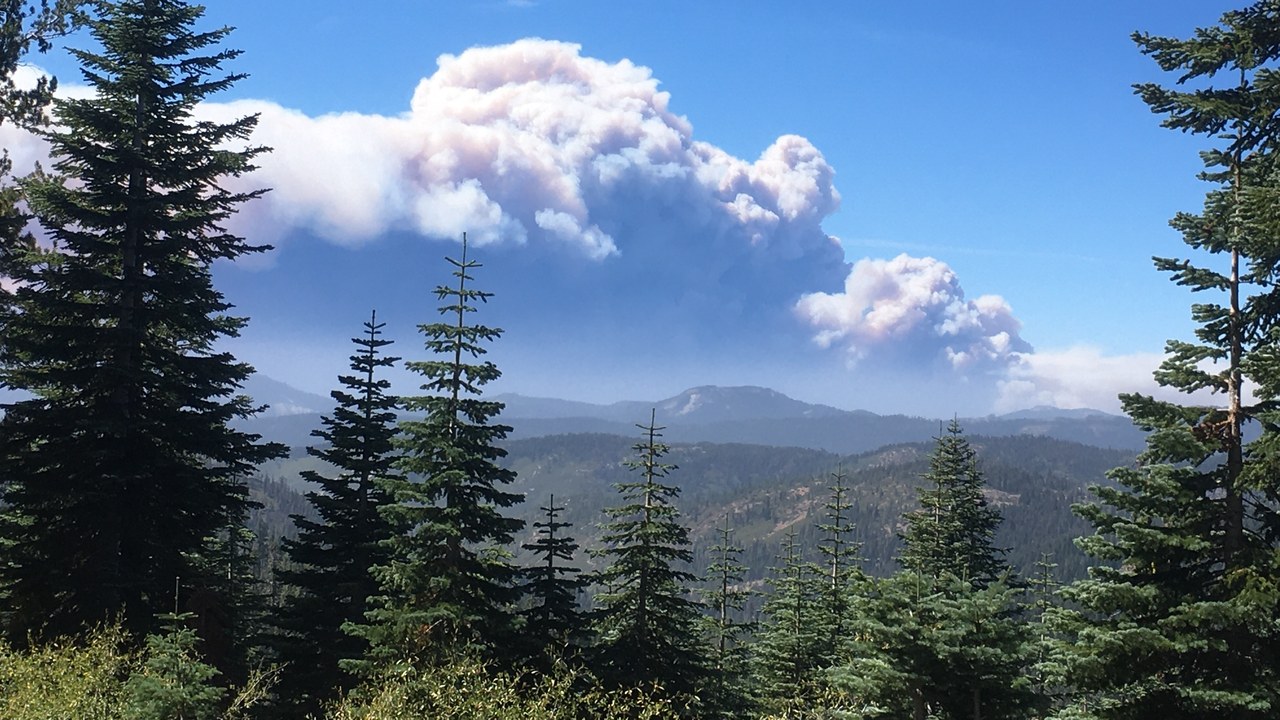
Lightning-sparked in August 2020, the North Complex burned 318,935 acres in Butte, Plumas and Yuba counties, destroying 2,352 structures and killing 15, as the North Complex entry on Wikipedia summarizes. It was one of several enormous fires that season.
Natural ignitions can be just as destructive as human ones when dry fuel and wind line up. Residents in mountain counties are the readers most likely to feel how widely such a fire can spread.
6. Cedar Fire: San Diego’s Worst
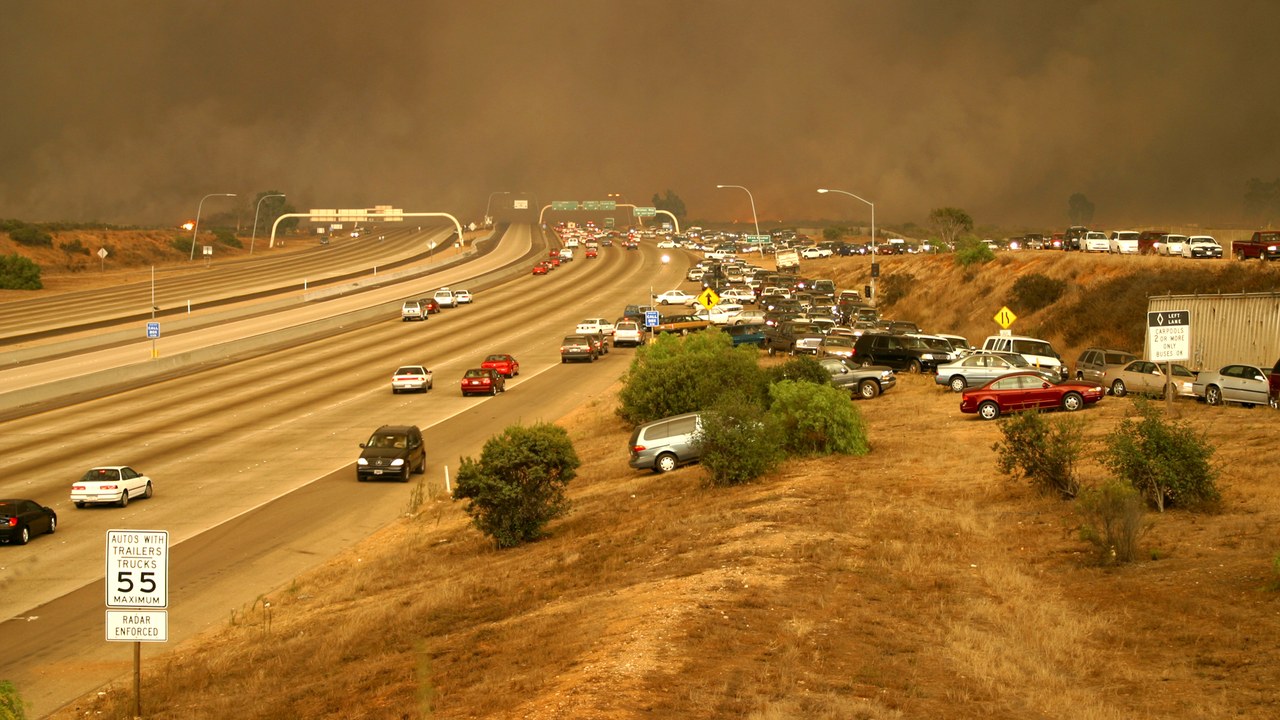
San Diego County’s 2003 Cedar Fire burned 273,246 acres and destroyed 2,820 structures, killing 15, according to the Cedar Fire article. It remains one of the older entries on the destruction list.
Its age gives the ranking a long view, since the fires from the early 2000s still compare with those from recent seasons. The numbers also show that Southern California’s wildland edges have been vulnerable for decades. Residents of inland San Diego communities can use the entry to gauge how far a wind-driven fire may travel.
7. August Complex fire: The Record Holder
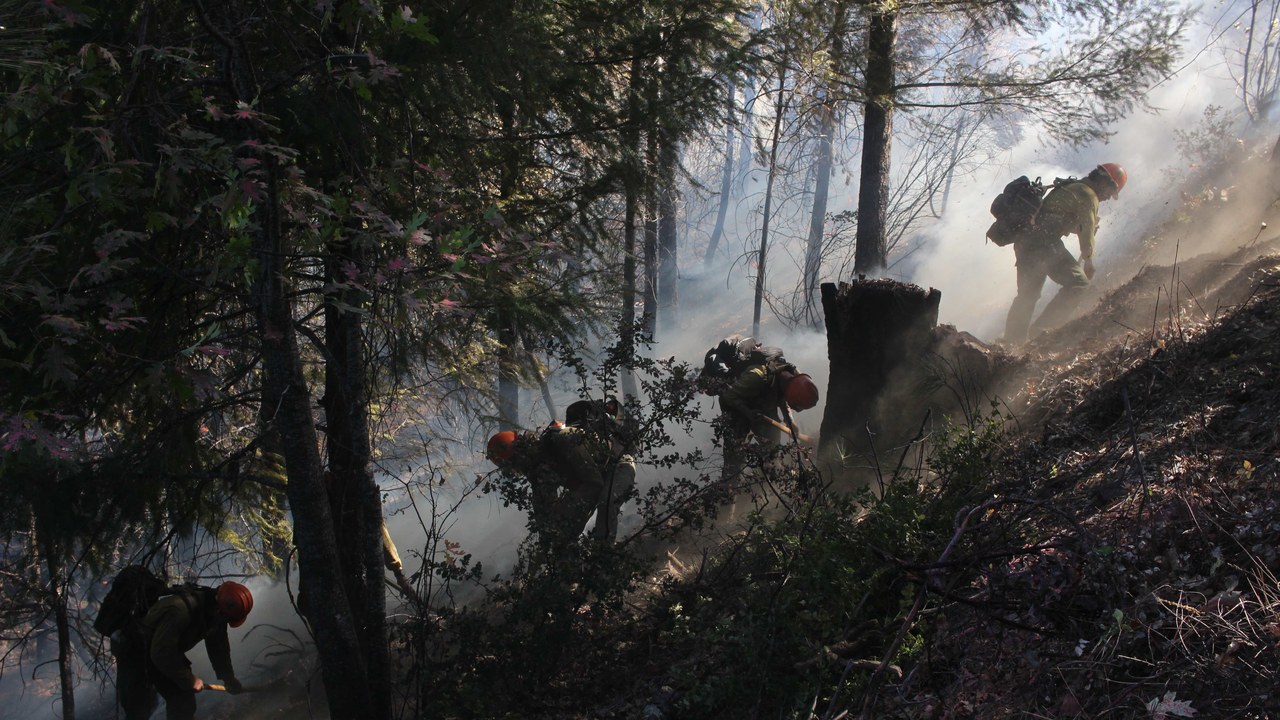
The 2020 August Complex is California’s largest wildfire on record at 1,032,648 acres across seven counties, per Cal Fire’s largest-fires list. It is the only fire in the state’s ranking to cross the one-million-acre mark.
Size on that scale is difficult to picture, as the burn area exceeds many entire counties. For readers, the figure is a measure of how large a single complex of fires can become when conditions allow.
8. Dixie Fire: Powerline Spark
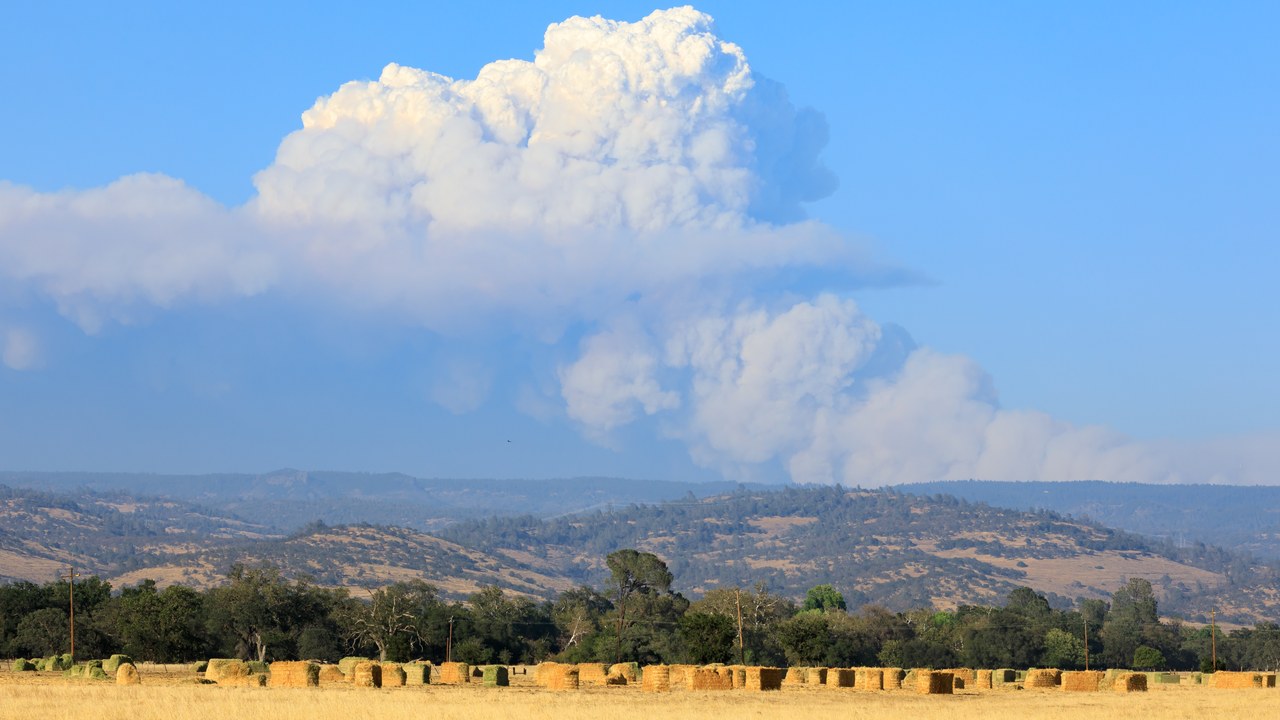
Sparked by powerlines in July 2021, the Dixie Fire burned 963,309 acres, second-largest in state history, as the Cal Fire size ranking shows. It trails only the August Complex in total acreage.
The cause draws attention to utility equipment as a source of ignition during hot, dry weather. Customers and regulators alike have reason to watch how lines are maintained in fire-prone regions. The fire’s scale, close to a million acres, also shows how long a single event can stretch across the landscape.
9. Park Fire: Arson Near Chico
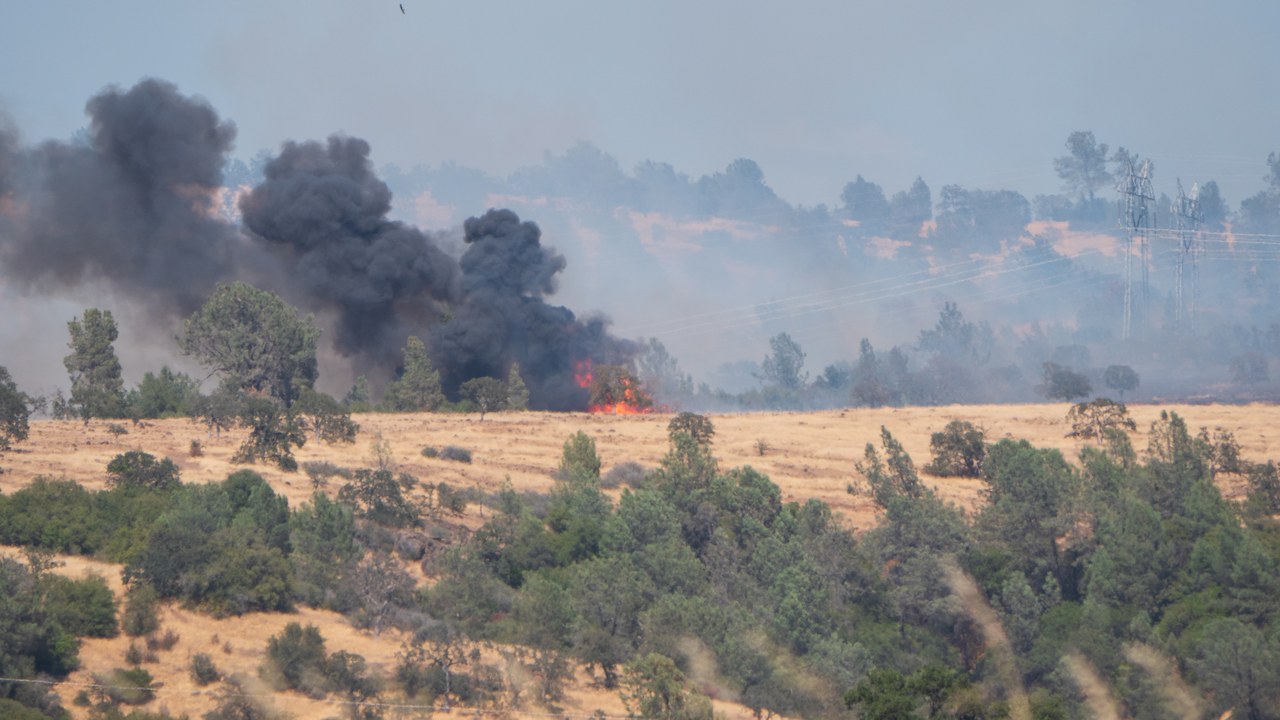
An arson fire in July 2024, the Park Fire burned 429,603 acres across four counties, based on Cal Fire’s acreage data. It ranks among the biggest wildfires California has ever recorded.
A fire that began through arson is a reminder that not every blaze is natural or accidental. The sheer size across four counties shows how a single human act can have regional consequences. Investigators and fire agencies treat such cases seriously, because the damage can reach well beyond the point of ignition.
10. Creek Fire: Sierra Foothill Blaze
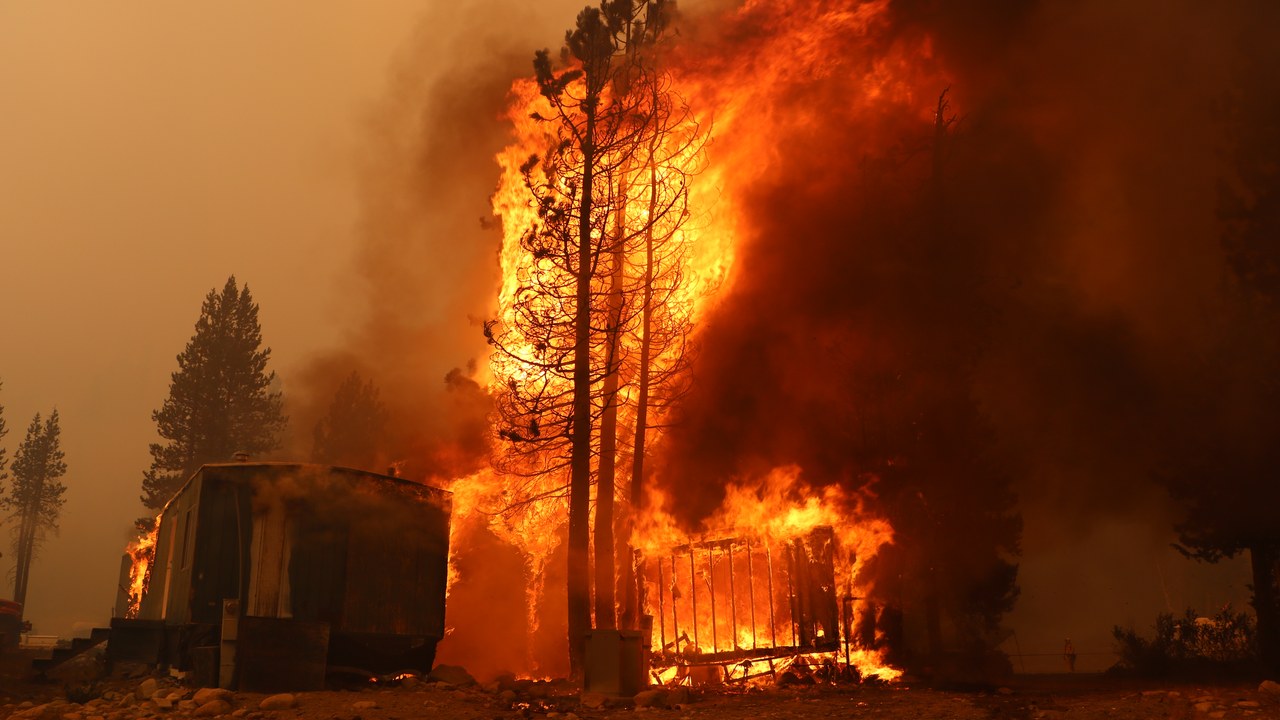
The September 2020 Creek Fire in Fresno and Madera counties burned 379,895 acres and destroyed 858 structures, according to the list of largest California wildfires. It is one of several 2020 fires that made the record books.
That season produced a remarkable cluster of entries, which shows how heavy the 2020 fire season was. Mountain communities in the region continue to prepare accordingly. Visitors and residents in the Sierra foothills benefit from checking evacuation guidance before each summer.
11. Thomas Fire: December Wind Fire
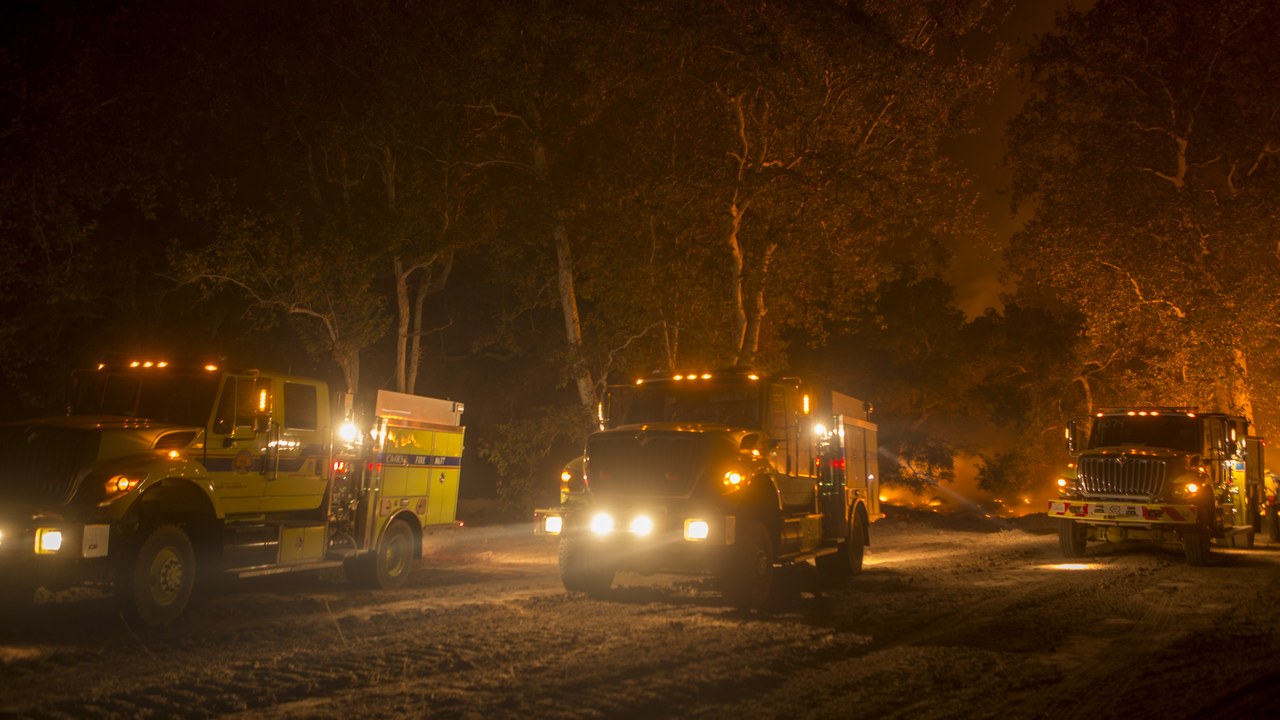
The December 2017 Thomas Fire burned 281,893 acres in Ventura and Santa Barbara counties, as the Thomas Fire article recounts. The fire began in December, well outside the months most people associate with fire season.
That detail matters, because dry winds can bring fire danger well beyond the usual months. Residents of coastal Southern California can read the entry as a case for staying alert all year. Preparation does not end when summer does.
12. Woolsey Fire: Malibu’s Winter Fire
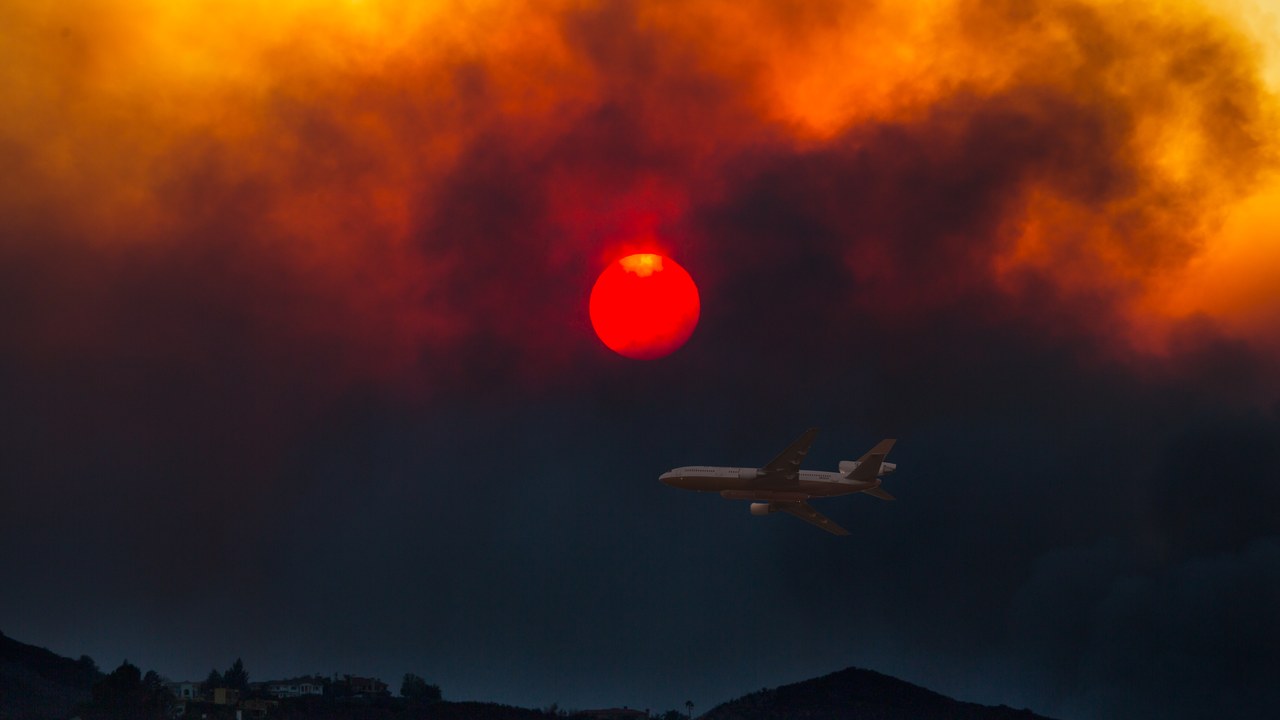
The November 2018 Woolsey Fire destroyed 1,643 structures and killed 3 in Ventura County, based on the Woolsey Fire article. It closes the dozen as a fire defined more by damage than by size.
Its place at the end of the list shows that destruction, not only acreage, determines how a fire is remembered. The record is a useful reference for coastal homeowners weighing how to prepare. Evacuation planning matters in canyon areas where a single road may carry many residents.
Save more, waste less: Subscribe to The Cool Down →
We may earn a commission if you sign up.
More from Morning Overview
- Ford is recalling 223,472 F-150 pickups because the fuel tank can leak or detach
- Hybrids have 15% fewer problems than gas cars, while EVs and plug-in hybrids have about 80% more, Consumer Reports finds
- Regulators cleared the first U.S. small modular reactor, 4 months early
- Lake Powell sank to a record 3,517 feet, nearing the level that stops Glen Canyon Dam’s turbines
