
High-speed rail has turned journeys that once took half a day into a morning commute, and the fastest trains now sit in Asia and Europe. Operating speed, design speed and listed top speed are three different measures, so each entry below keeps the source’s own figure. Here are twelve of the world’s fastest trains, ending with the American entry running at 160 mph.
Tech news in one quick read: Get the most interesting stories in startups, tech and programming, each with a short TLDR, in one daily email from TLDR.
We may earn a commission if you sign up.
1. Shanghai Maglev: Airport Maglev Pioneer
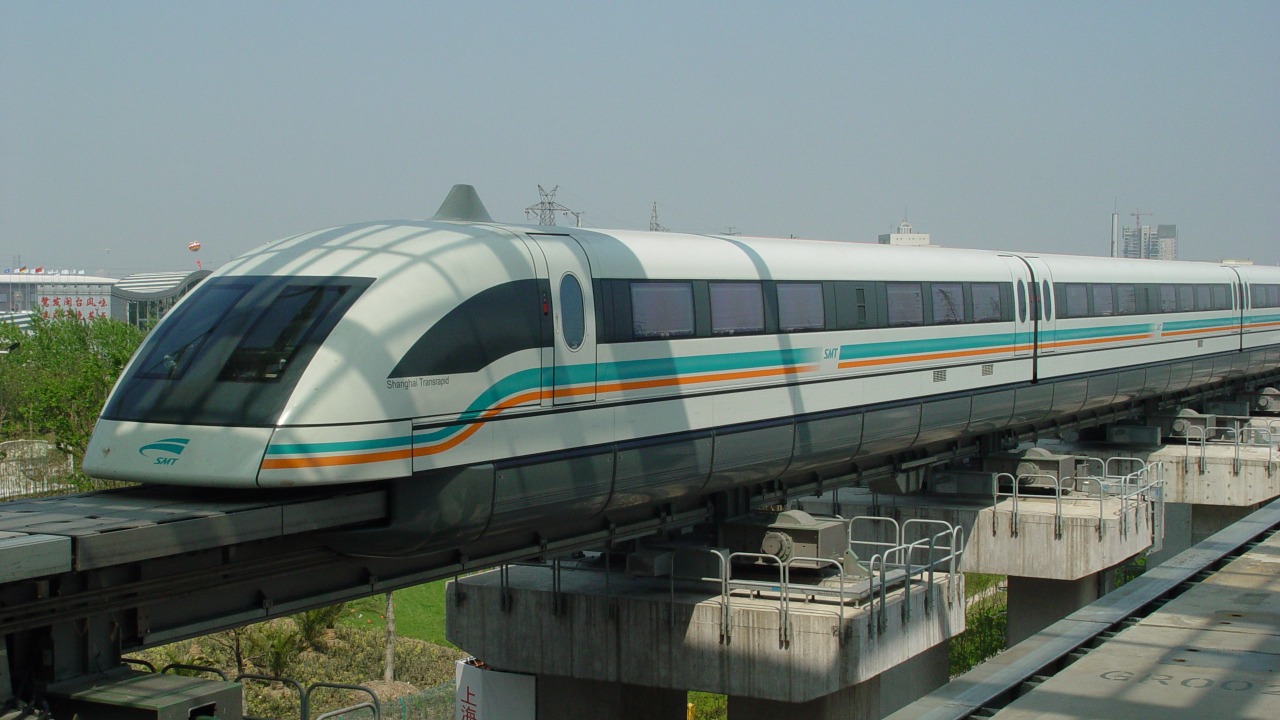
The Shanghai Maglev was designed for 431 km/h (268 mph), yet the airport line has run at 300 km/h since May 2021. That gap between design and daily practice is common in high-speed rail, where schedules and safety margins set the pace.
It is the only magnetic-levitation entry here, floating above its guideway instead of rolling on rails. Visitors to Shanghai can ride it between the airport and the city, which makes it one of the few record-class trains an ordinary traveler can try in a single short trip.
2. Fuxing Hao: China’s Everyday Flagship
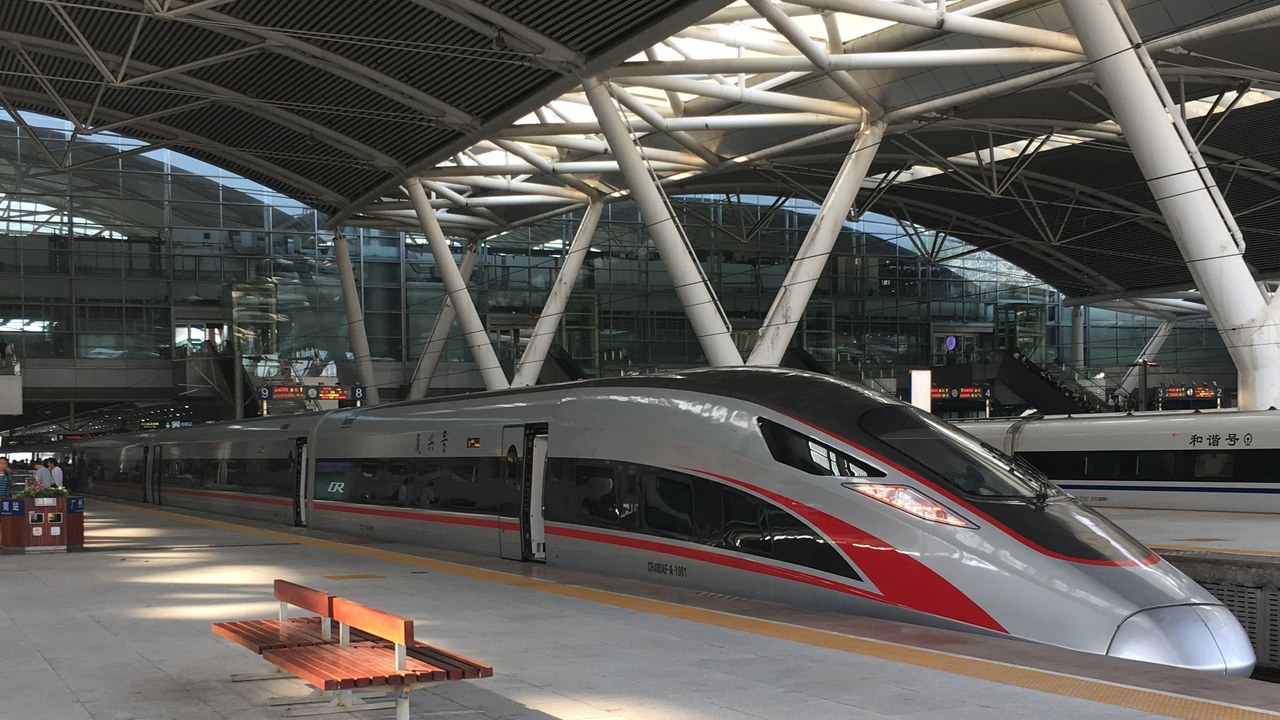
China’s Fuxing trains run at a typical 217 mph on lines like Beijing-Shanghai, which put them at the top of Business Insider’s ranking. The name translates roughly as rejuvenation, and the fleet has become a symbol of the country’s rail buildout.
What stands out is how routine the speed is. A rider crossing between two of the largest cities in the country does so at a pace Americans associate only with takeoff rolls, and the service runs as ordinary scheduled transport rather than a showpiece.
3. CRH380A Hexie: The Hexie Workhorse
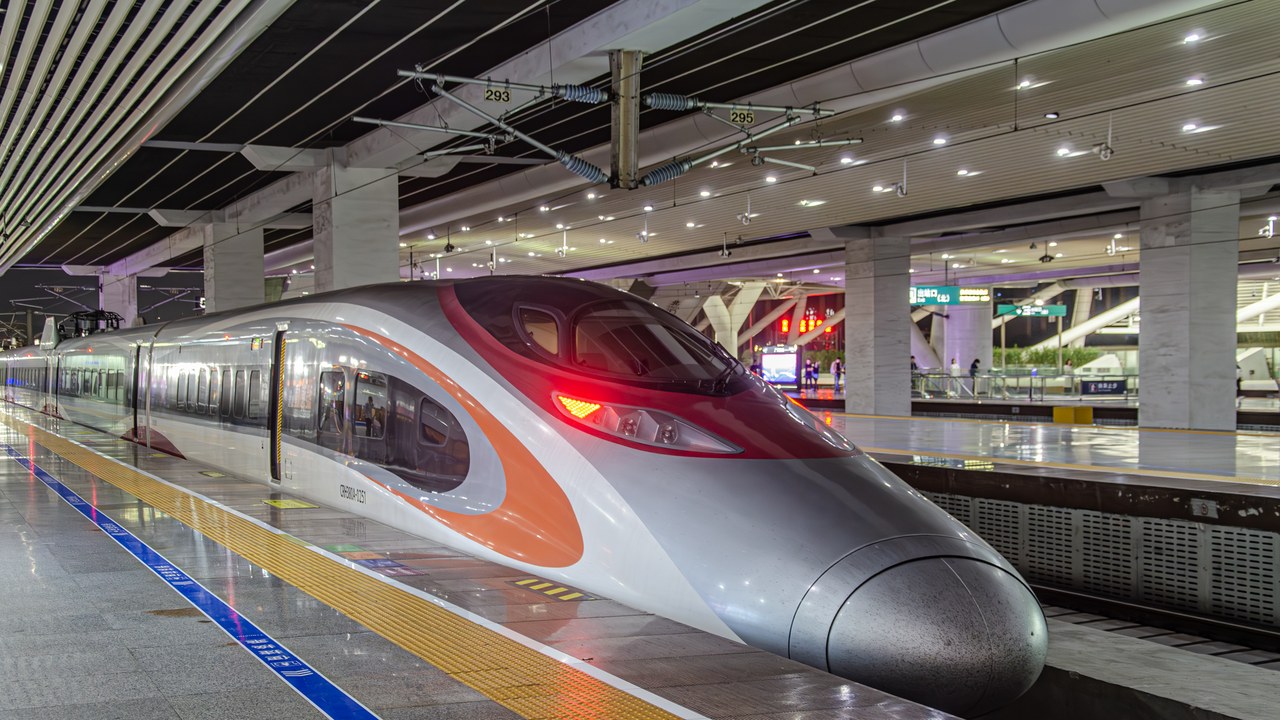
China’s Hexie travels at 217 mph and lists a top speed of 302 mph. The CRH380A is the model name behind that harmony-themed branding, and Jalopnik includes it among the quickest trains in the world.
Readers should note the difference between the two numbers. The 217 mph figure describes ordinary running, while the 302 mph rating is a listed ceiling that shows how much reserve the design carries beyond everyday timetables.
4. TGV: France’s Rail Icon
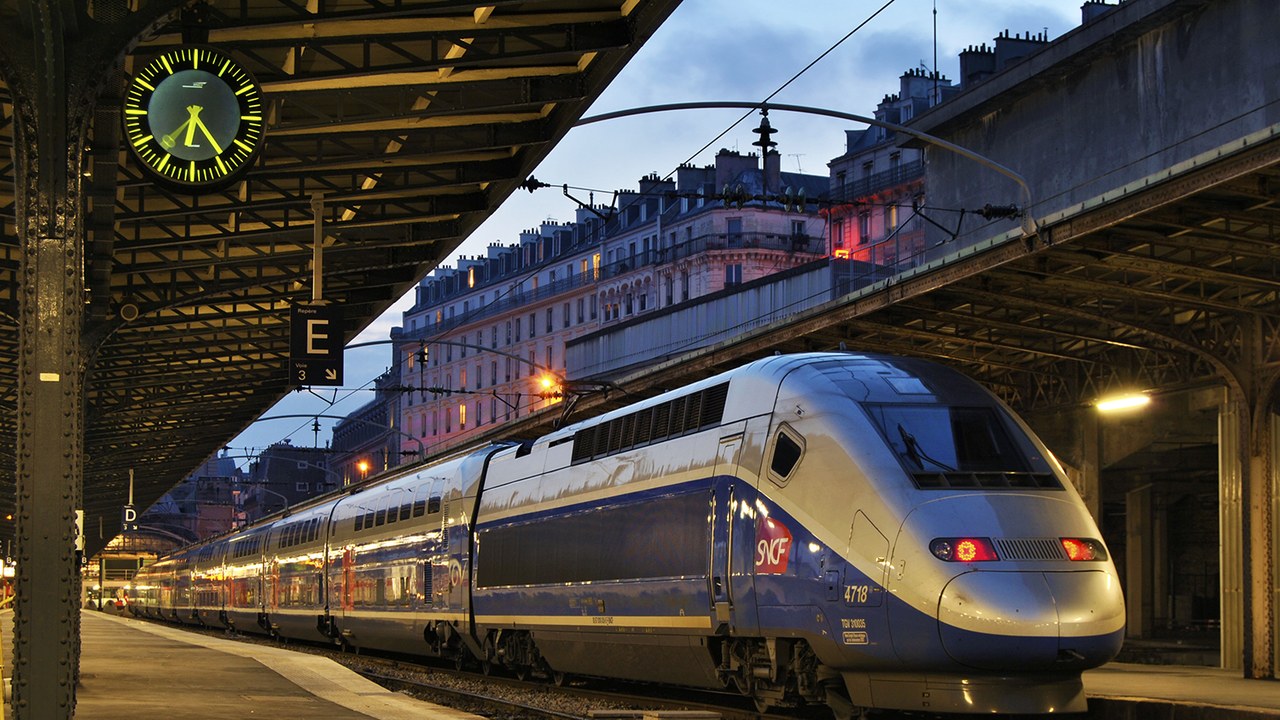
France’s TGV cruises near 199 mph and carries a listed top speed of 357 mph, the highest on Jalopnik’s list. The figure reflects a well-known speed run rather than daily service, which stays far closer to the cruising number.
Even so, the TGV set the template for modern high-speed networks in Europe and beyond. Anyone comparing countries should treat the 357 mph value as a record-style benchmark, and the 199 mph value as the pace passengers actually feel on the way to Paris.
5. E5 Series Shinkansen: Japan’s Hayabusa
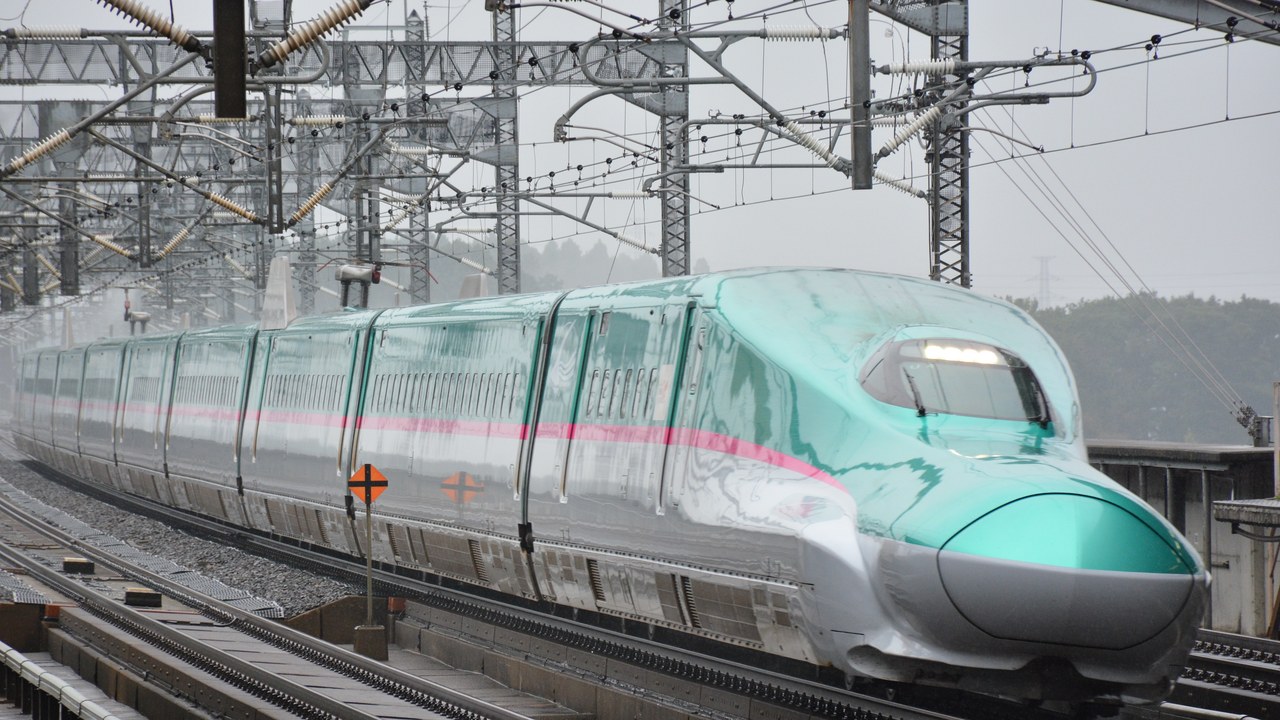
JR East’s E5 bullet train is operated at 320 km/h, which converts to roughly 199 mph. The E5 Series belongs to the Shinkansen family that opened Japan’s high-speed era and remains a benchmark for punctual, frequent service.
For travelers, the practical appeal is consistency. The Shinkansen network is known for reliable departures, and the E5 shows that a very high operating speed can be paired with that predictability rather than traded against it.
6. AVE S-103: Madrid-Barcelona Express
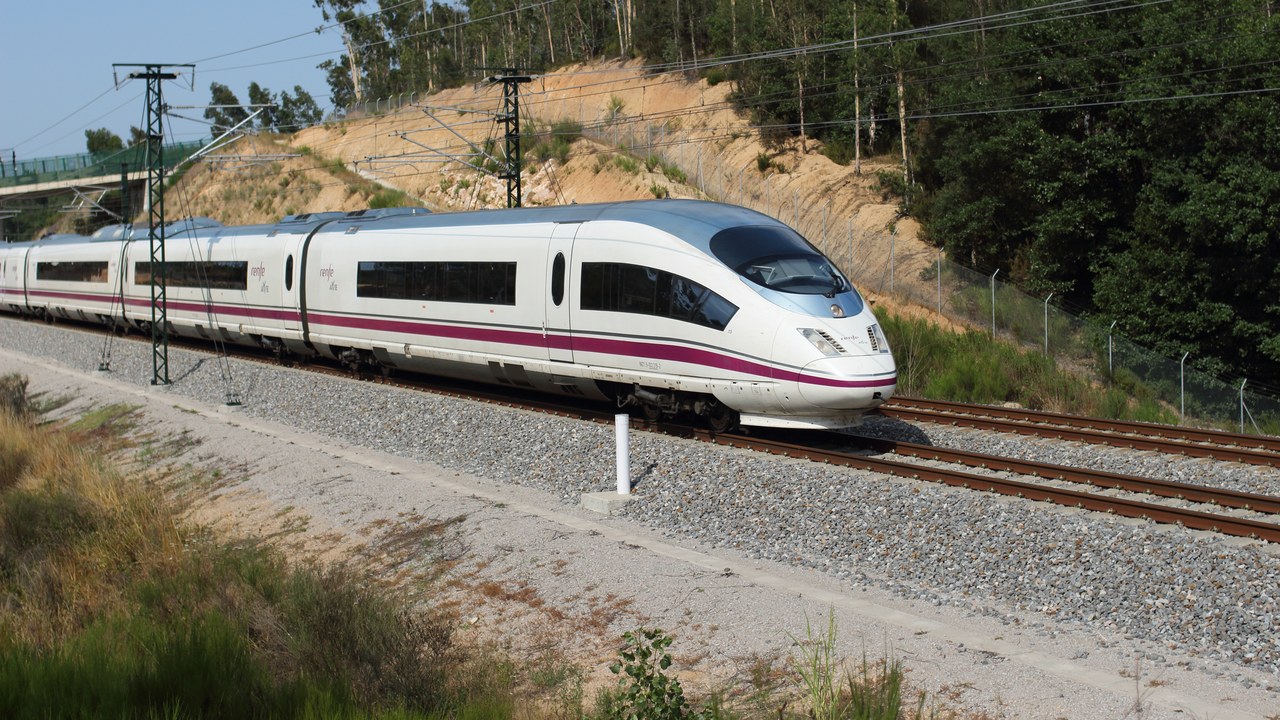
Spain’s AVE S-103 runs Madrid-Barcelona at a typical 193 mph and is capable of 217 mph. Renfe operates the class on one of the best-known corridors in Europe, linking the country’s two largest cities.
The distance between typical and capable speeds is a reminder that timetables rarely use a train’s full ability. Riders on the route benefit anyway, since a journey between the two cities becomes a short intercity hop rather than a long road or air trip.
7. KTX: Korea’s Express
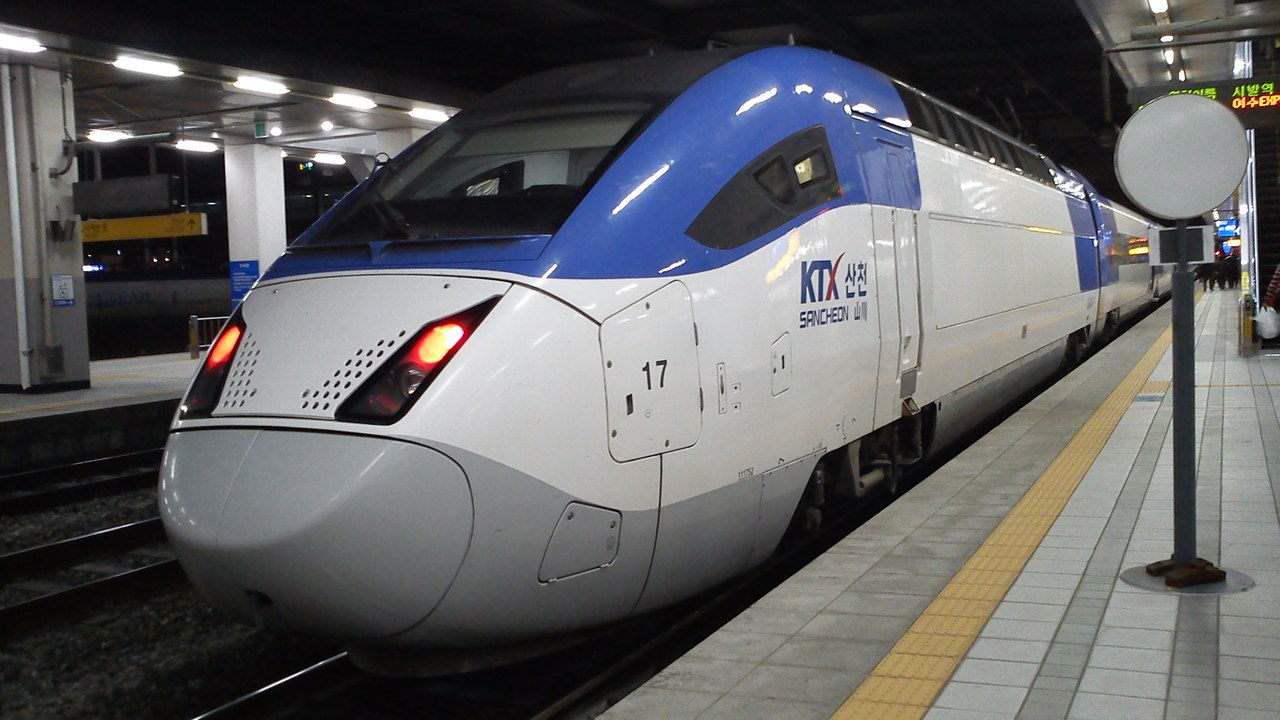
South Korea’s KTX has carried riders between Seoul and Busan since 2004 at a typical 190 mph. The KTX-Sancheon is the home-built generation of the fleet, which grew from the original French-derived trains that launched service.
Opening day in 2004 made the system an early Asian counterpart to Japan’s Shinkansen. For visitors, the Seoul-Busan run stands out as one of the simplest ways to cross the country quickly and comfortably.
8. Frecciarossa 1000: Italy’s Red Arrow
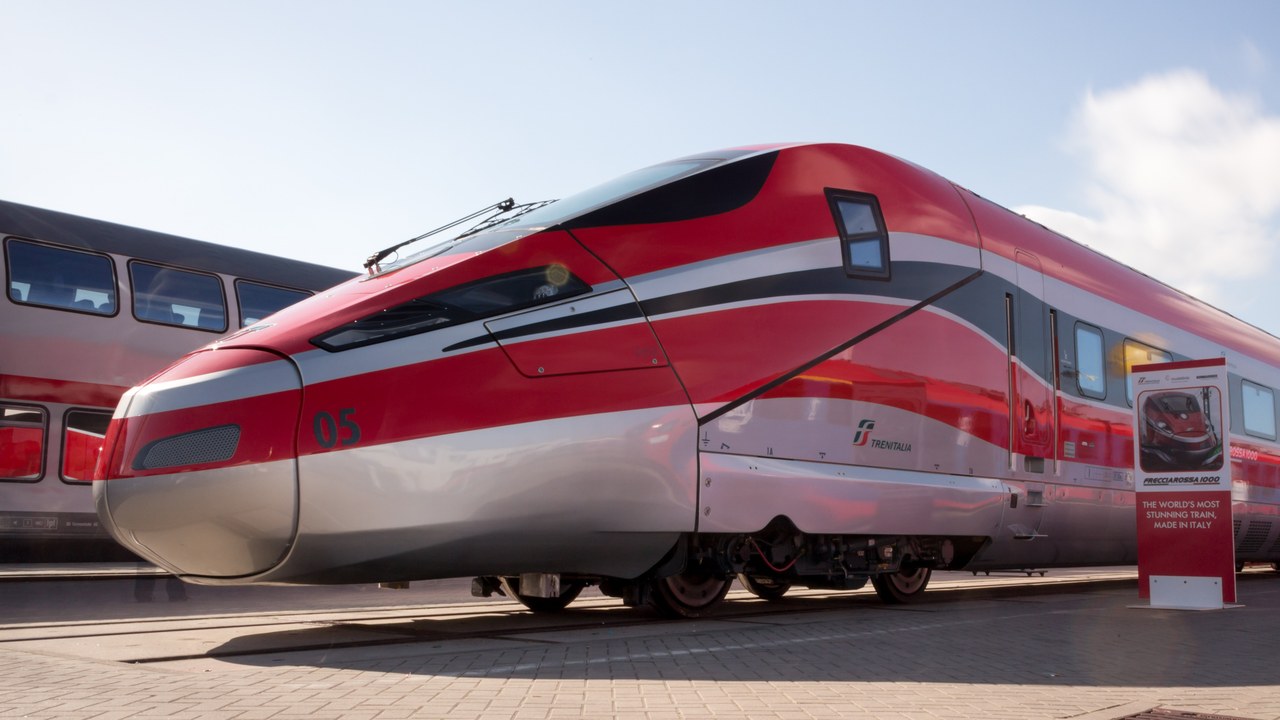
Italy’s Frecciarossa 1000 travels at 186.4 mph with a listed top speed of 242 mph. The name means red arrow, and the ETR 1000 designation identifies the model behind the branding.
The listed speed puts the train in the same conversation as the fastest European designs, while the lower operating figure matches what passengers experience in service. Italy’s long, narrow geography gives the Frecciarossa a natural role connecting its major cities.
9. ICE 3: Germany’s ICE
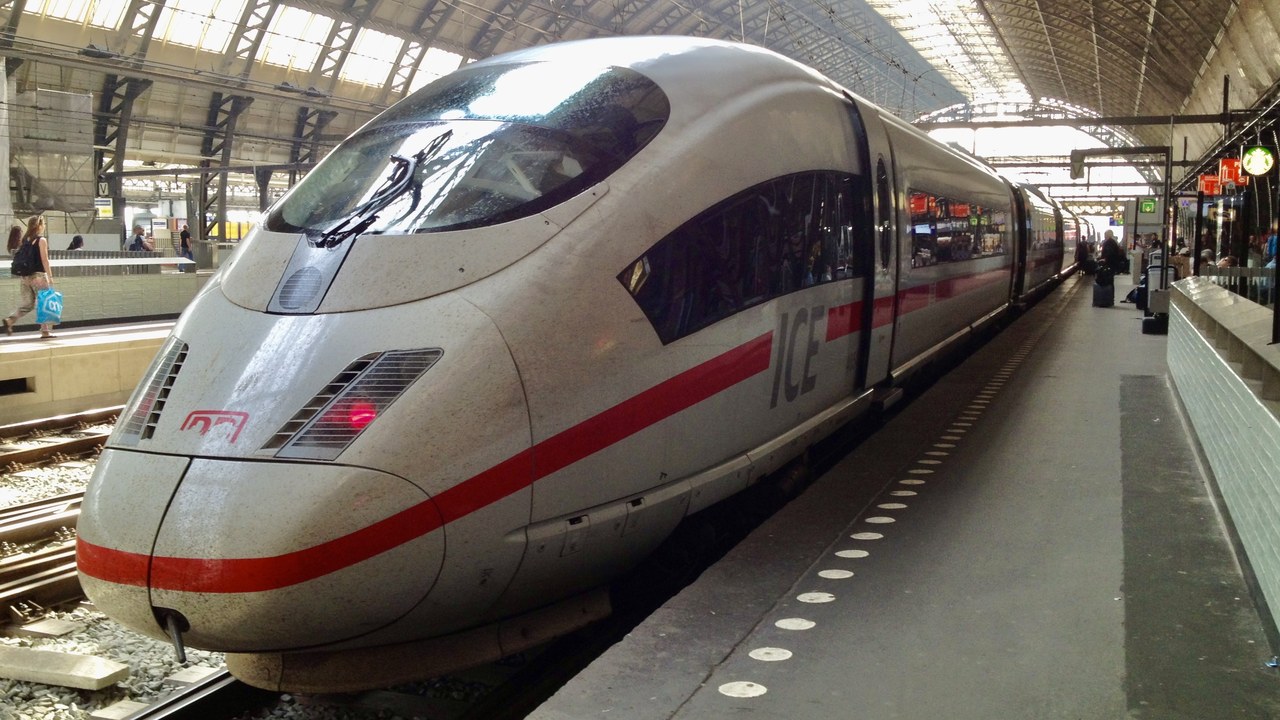
Germany’s ICE carries a listed top speed of 229 mph. The ICE 3 is formally known as DB Class 403 and is the version most often associated with the country’s flagship rail brand.
Because only a top speed appears in the source, the safer takeaway is the design ceiling rather than an everyday cruising pace. The inclusion of the ICE shows that Germany’s long-running intercity network belongs among the fastest in the world.
10. Eurostar e320: Channel Tunnel Fast Lane
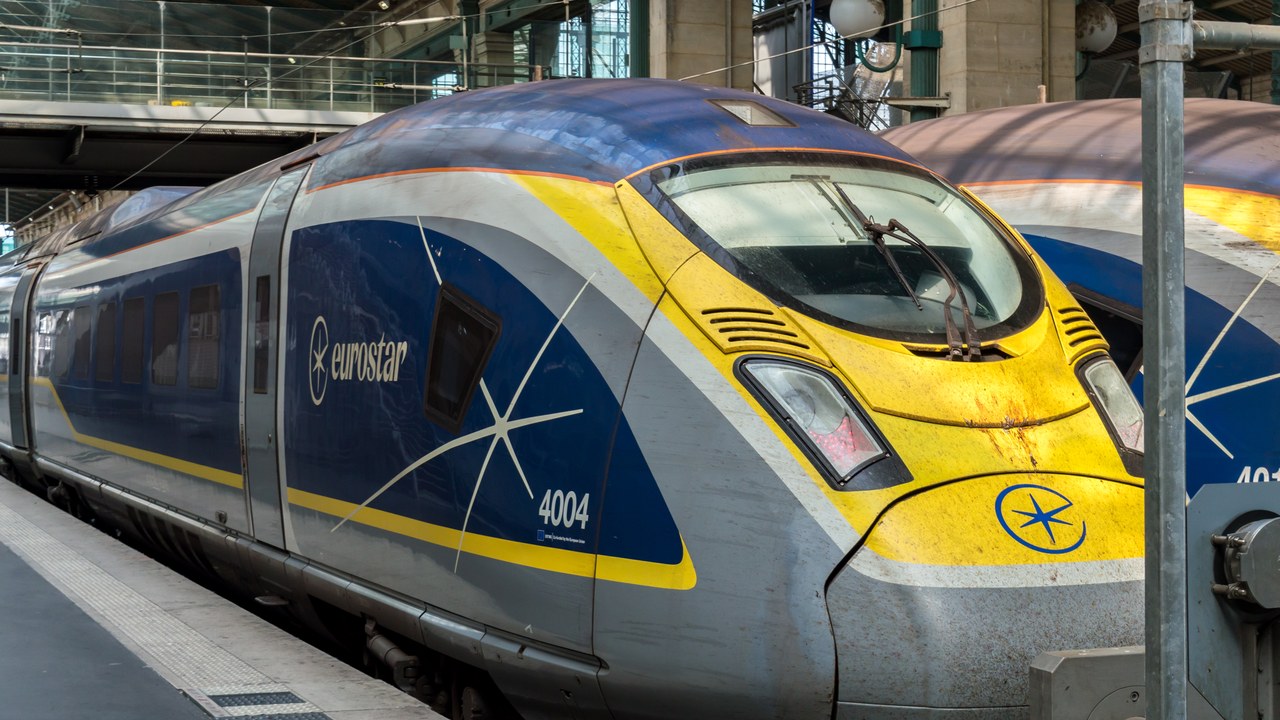
Eurostar’s e320 runs London-Paris at a typical 186 mph and is capable of 200 mph. The e320 name reflects its 320 km/h rating, and the type is also known as Class 374.
That makes it the quickest way to link two capitals separated by water, since the route passes through the Channel Tunnel. A notable detail is that these trains were built to cope with that tunnel and with the different rail systems on both sides.
11. N700S Series Shinkansen: Tokyo-Osaka Standard

JR Central’s N700S is operated at 300 km/h, or about 186 mph. It is the newest member of the N700 family and serves the line that made the Shinkansen famous.
Because the figure is an operating speed from a reference list, it is best read as the normal service pace. For anyone planning a trip between Tokyo and Osaka, that translates into frequent, quick departures rather than a special premium experience.
12. Amtrak NextGen Acela: America’s 160 mph Kicker
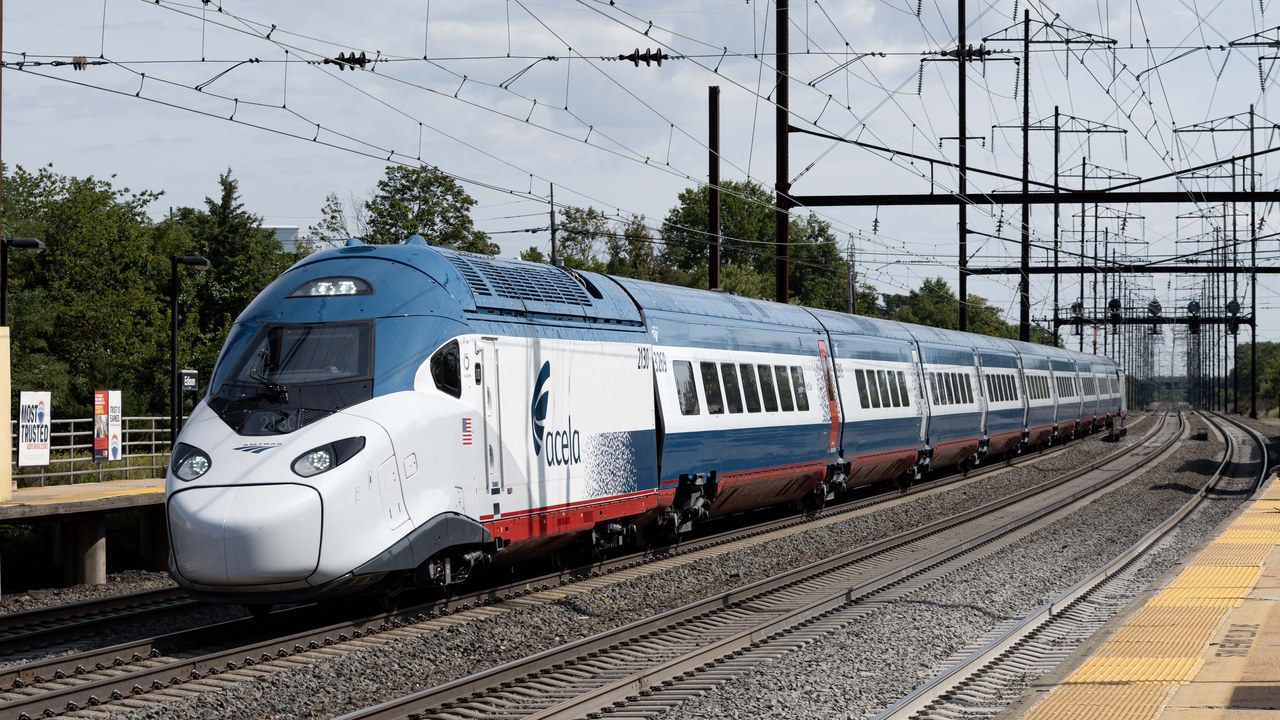
Amtrak’s NextGen Acela runs Washington, New York and Boston at a maximum speed of 160 mph, using a tilt system for a smoother ride. The trains are also known as Avelia Liberty.
At 160 mph the United States finally appears on a list dominated by Asia and Europe, though it sits well below the leaders. Passengers on the Northeast Corridor gain a more comfortable ride, and the number marks a starting point for American high-speed ambitions.
Tech news in one quick read: Subscribe to TLDR →
We may earn a commission if you sign up.
More from Morning Overview
- Regulators cleared the first U.S. small modular reactor, 4 months early
- Lake Powell sank to a record 3,517 feet, nearing the level that stops Glen Canyon Dam’s turbines
- Seven of Earth’s nine planetary boundaries are breached, and all seven are worsening
- The NSA says three phone features should be off whenever you aren’t using them
