
Motorcycle makers have chased the top-speed crown since the 1920s, and the contest eventually produced a gentlemen’s agreement capping road bikes at about 186 mph. The machines below cover the early record holders, the Japanese heavyweights that shaped the truce and the European bikes that challenged it. Here are twelve motorcycles that explain how the speed wars began and how they were tamed.
Save more, waste less: The Cool Down’s newsletter sends smart, simple changes that help you and the planet in your everyday life.
We may earn a commission if you sign up.
1. Brough Superior SS100: The Original Hundred
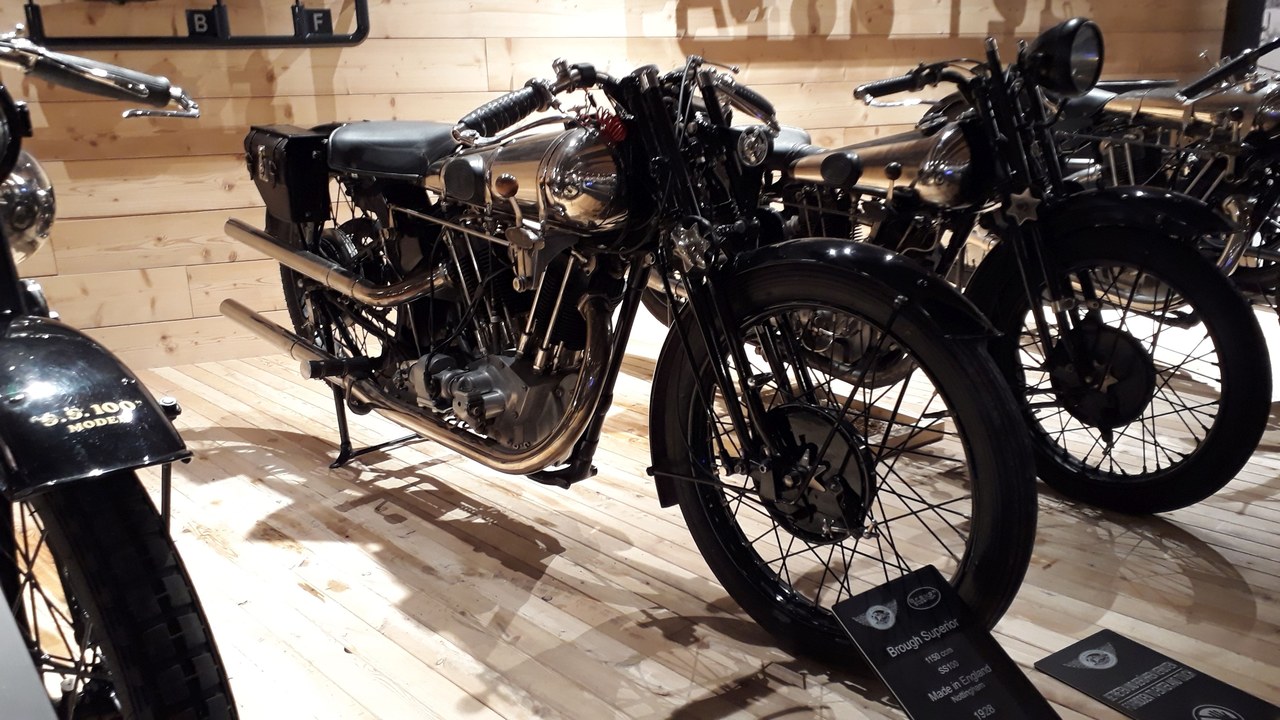
Every Brough Superior SS100 was guaranteed to do 100 mph, earning it the nickname “the Rolls Royce of Motorcycles,” and Lawrence of Arabia rode one. That promise was a bold selling point in an era when a hundred miles per hour was an extraordinary number for a road machine.
The SS100 is the natural starting line for any speed-war story. It established the idea that a motorcycle maker could advertise a guaranteed top speed, a marketing habit that kept returning for the next hundred years.
2. Vincent Black Lightning: Post-War Rocket
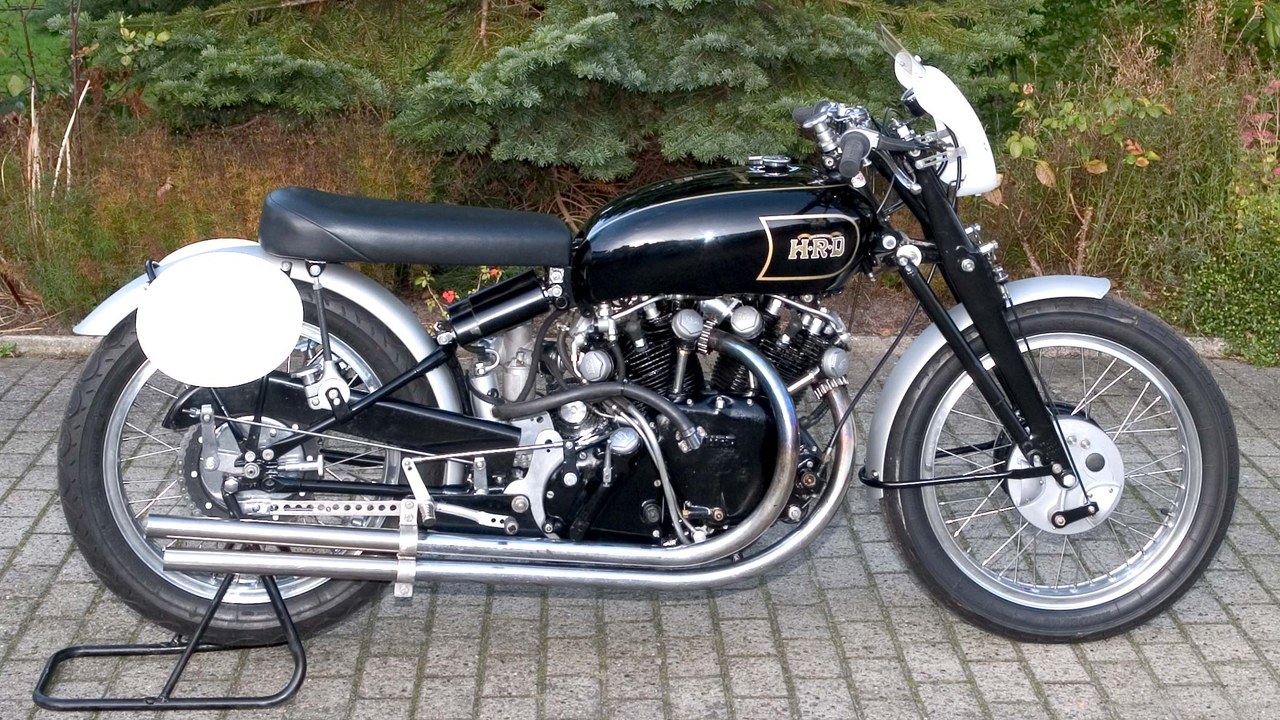
The Vincent Black Lightning’s 150 mph took 35 years for another production machine to top, and Vincent went out of business in 1955. Few records from the early speed contest lasted so long.
The long gap shows how far ahead of its time the Vincent was. For collectors, the combination of that extended reign and the maker’s short life explains why the name carries so much weight among vintage enthusiasts.
3. Kawasaki Z1: Superbike Blueprint
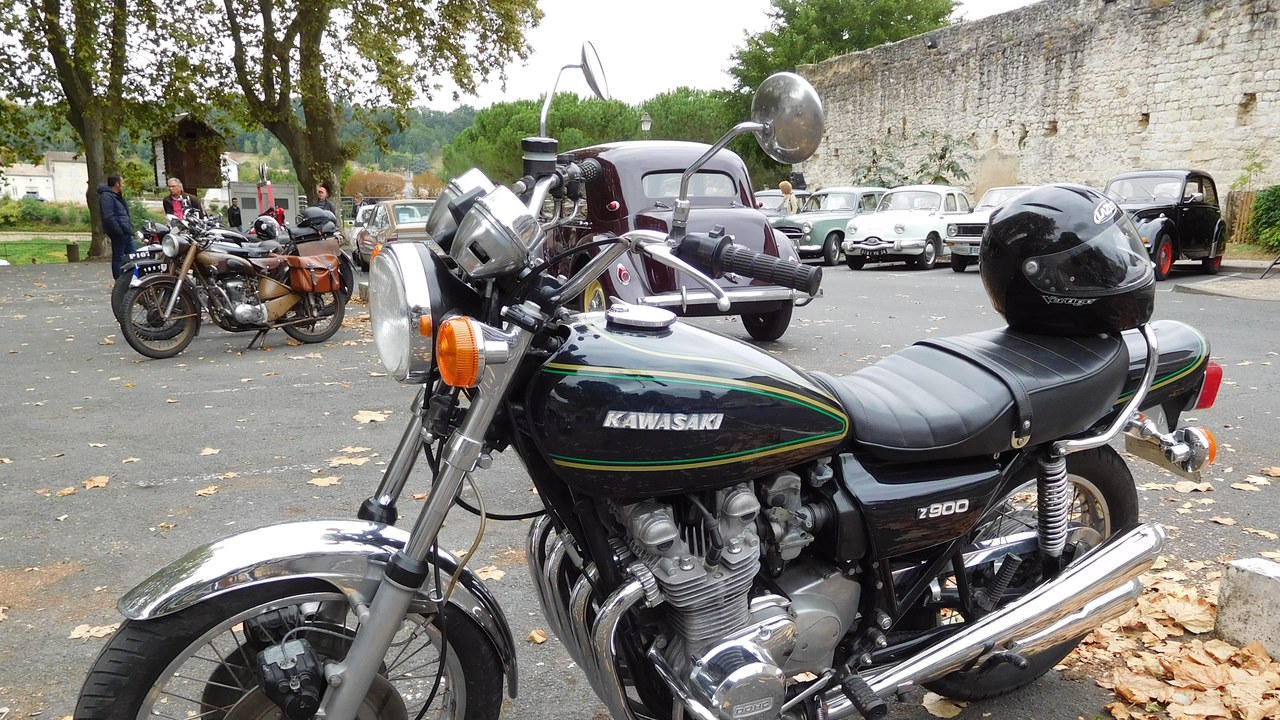
The 1972-75 Kawasaki Z1 was clocked at 132 mph, a figure that placed it among the quickest machines of its day. Its inline engine layout helped set the pattern for large Japanese bikes that followed.
A 132 mph figure looks modest beside later entries, but context matters. The Z1 belongs on the list because it showed Japanese manufacturers could challenge European and American rivals on straight-line performance, and that shift in the balance of power fed directly into the later speed wars.
4. Harley-Davidson XLCH Sportster: American Muscle
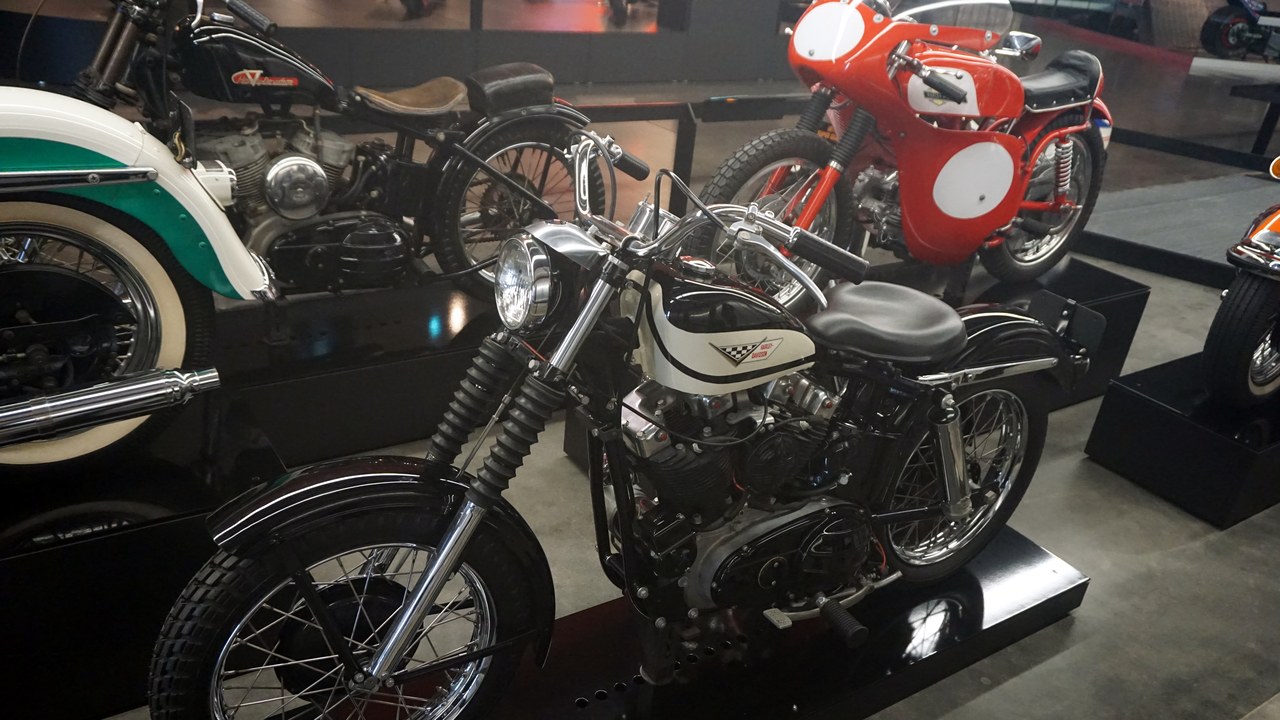
Built from 1958 to 1971, the Harley-Davidson XLCH Sportster was clocked at 122 mph. The XLCH variant sat at the sporting end of the Sportster family during the long production run.
It is the lone American cruiser-lineage bike in this set, which makes it a useful reminder that the speed contest was never purely European or Japanese. Riders interested in vintage Harleys often seek out the XLCH for that performance reputation.
5. Kawasaki GPZ900R Ninja: Top Gun Ninja
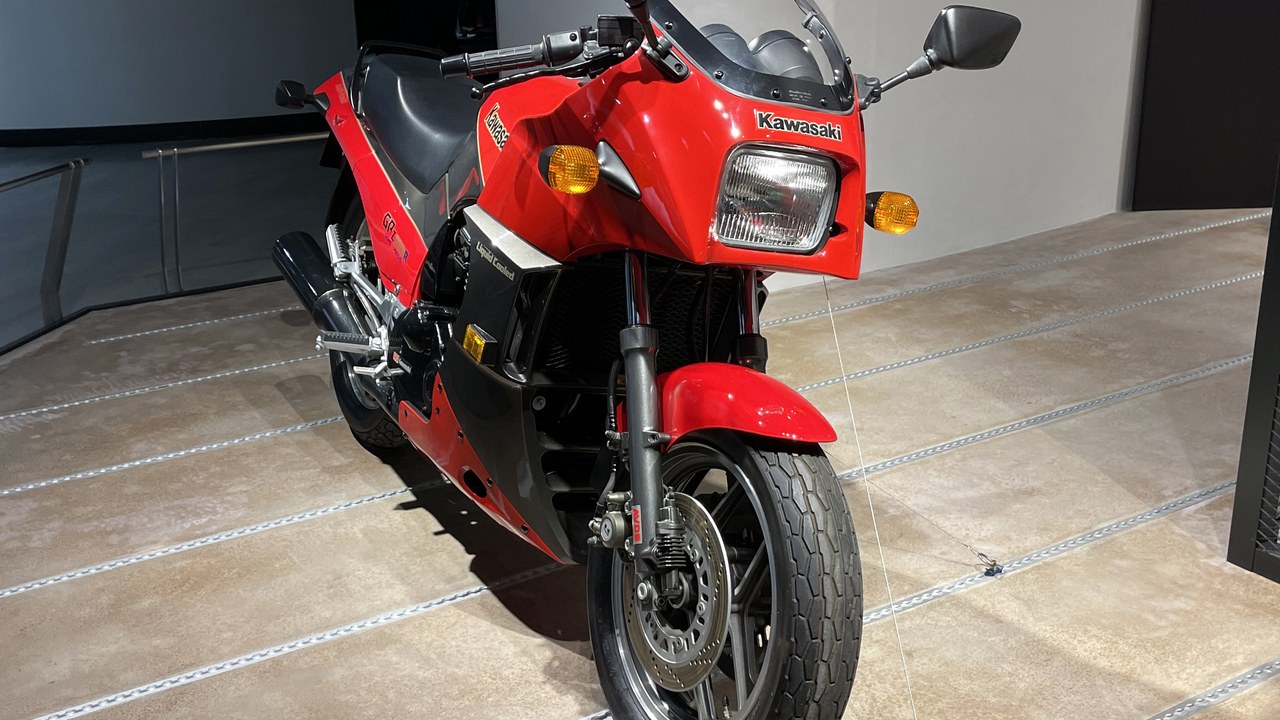
The 1984 Kawasaki GPZ900R Ninja hit 151 mph, was the first supersport past 150, sold for $3,999 and starred in Top Gun. That mix of speed, price and movie fame made it a cultural landmark.
The low price is the surprising part, since later fast motorcycles climbed steeply in cost. Used examples remain popular with enthusiasts who want a piece of mid-1980s sportbike history that looks as good on screen as it did on the road.
6. Kawasaki Ninja H2R: Supercharged Track Weapon
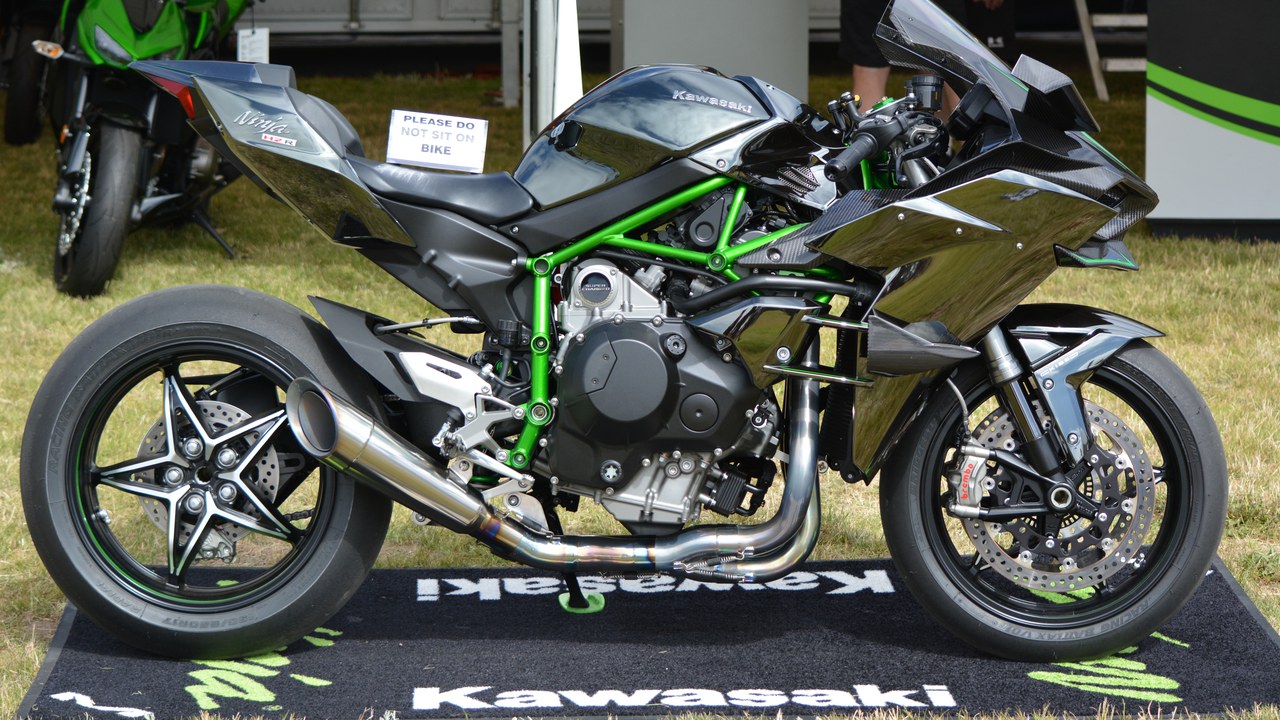
The track-only, supercharged Kawasaki Ninja H2R makes 310 hp, sells for $58,100 and hit 250 mph in a 2016 run, with no street-legal limiter to obey. Its closed-course status sets it apart from road-going models.
Because it is not street legal, the H2R sidesteps the agreement that governs the road bikes on this list. Buyers should treat it as a trackday or collector machine, not a commuter, and its price reflects that exclusive role.
7. Kawasaki Ninja ZX-14R: Limited by Agreement
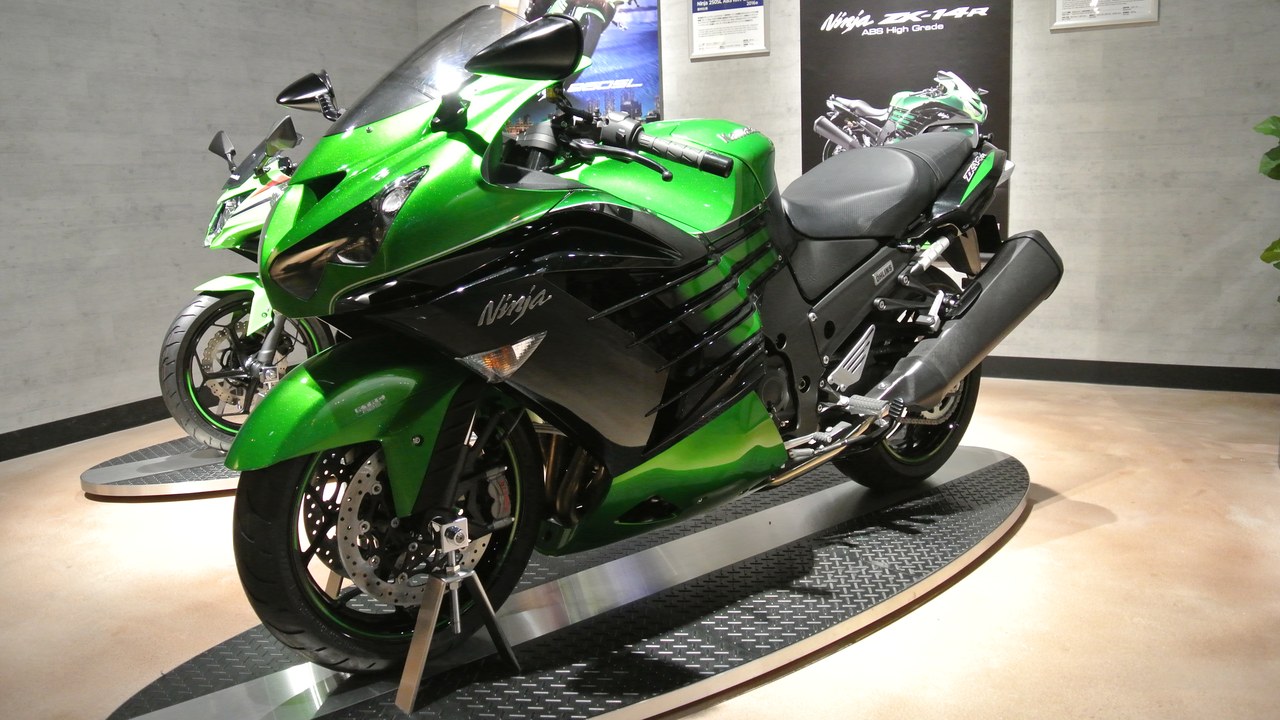
The 208-hp Kawasaki Ninja ZX-14R is limited to 186 mph under the gentleman’s agreement, though Webbikeworld says it reaches 200 mph with the limiter removed. It is a clear illustration of how the truce worked in practice.
Owners and shoppers should note that the removed-limiter number is the publication’s claim, not a factory rating. The factory stance is the electronic cap, which keeps the big Ninja inside the self-imposed ceiling.
8. Suzuki Hayabusa: Fastest Bird
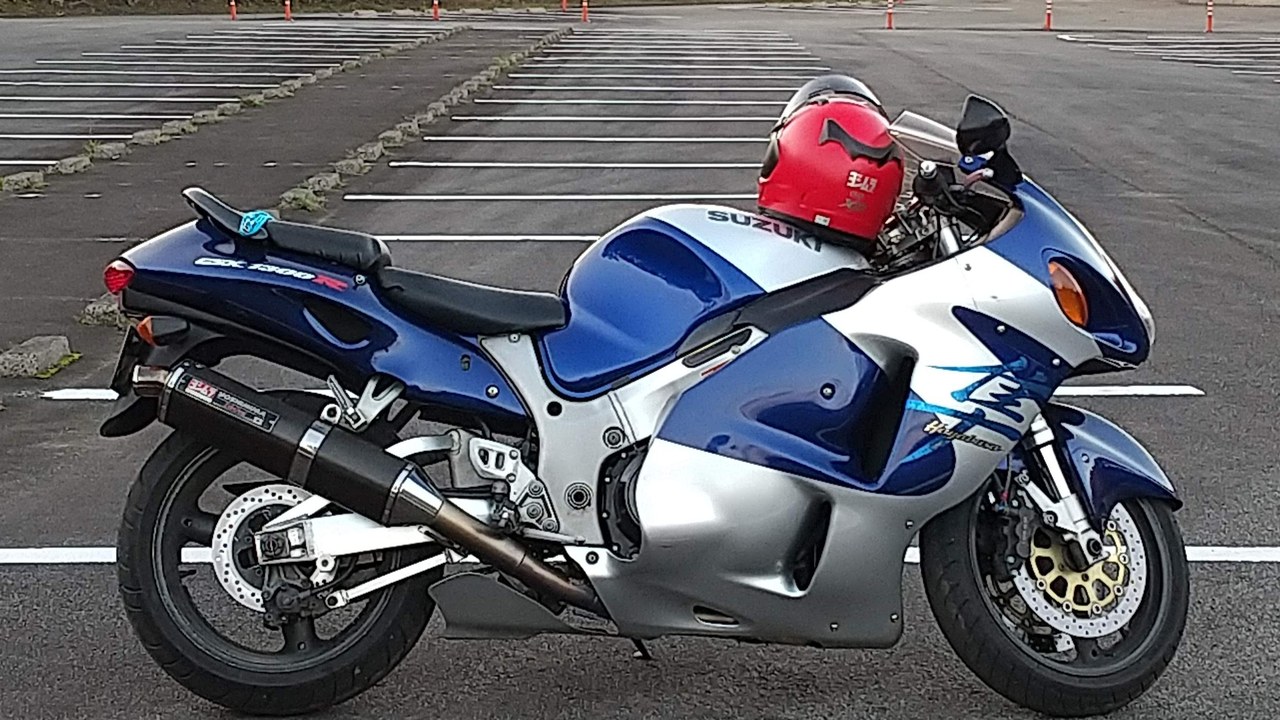
Named for Japan’s fastest bird, the 1999 Suzuki Hayabusa was recognized as the world’s fastest production motorcycle, and its first two generations sold more than 189,100 units. The sales total shows the model was more than a headline-grabber.
The Hayabusa title is the benchmark against which the later bikes on this list, capped or uncapped, are measured. Sales of that size suggest riders valued the combination of record-setting speed and everyday usability, not just a headline number.
9. Kawasaki Ninja ZX-12R: Capped Contender
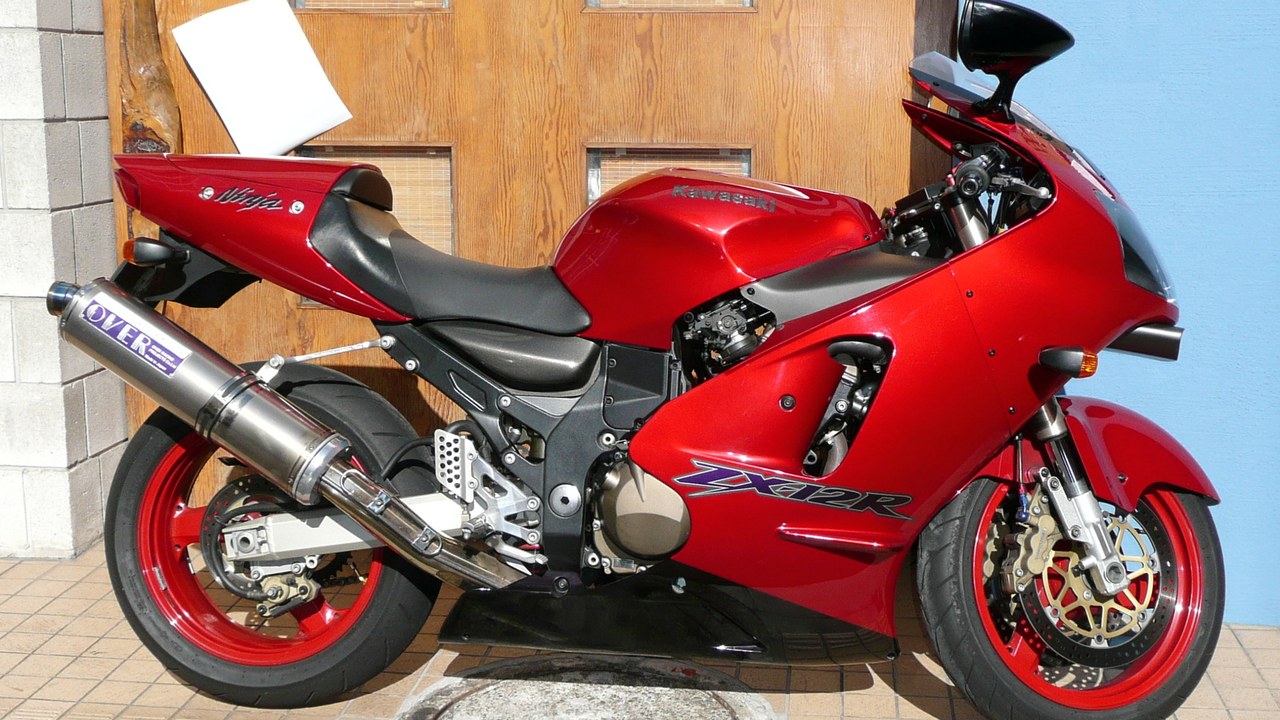
Leaks said the 2000 Kawasaki Ninja ZX-12R would pass 200 mph, but it arrived speed-limited to 186 mph under the makers’ 300 km/h agreement. The gap between rumor and reality was a direct result of the truce.
For fans, the ZX-12R is the cautionary tale of expectation versus delivery. It shows that the agreement shaped real products, trimming a bike that otherwise might have headlined the speed record on its own.
10. MV Agusta F4 R 312: Italian Rule Breaker
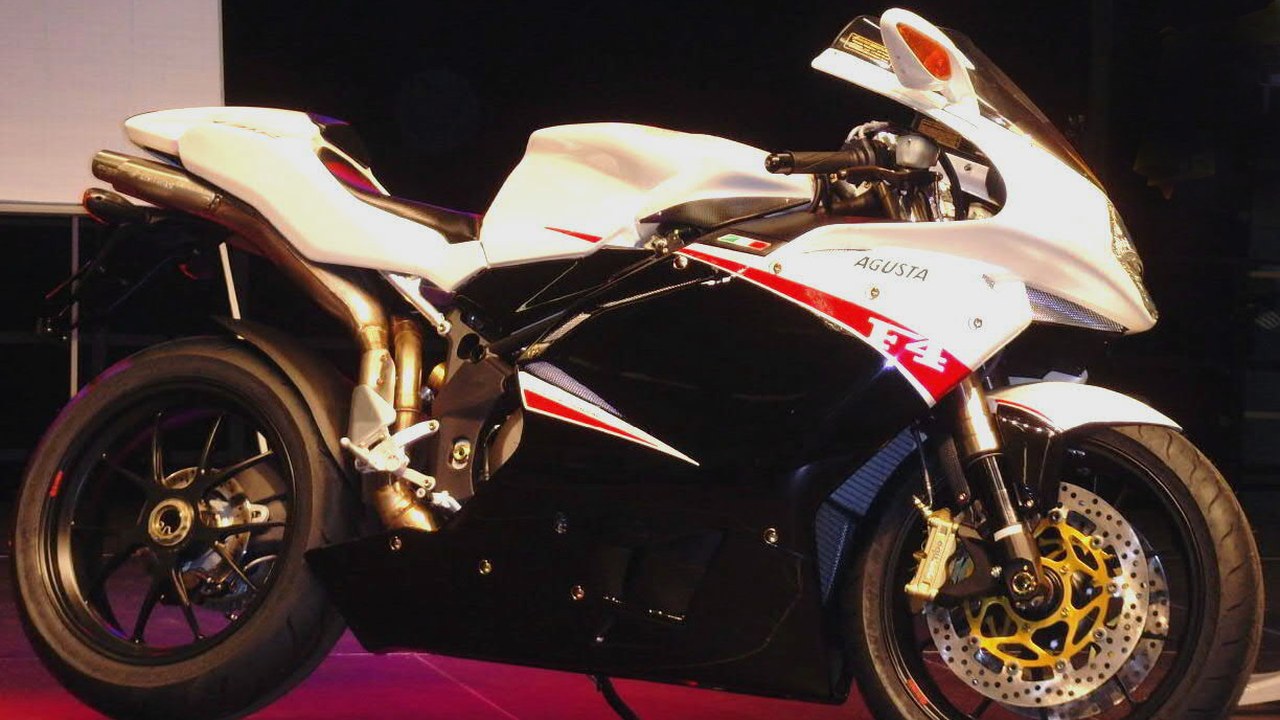
Named for its 312 km/h, almost 194 mph, the 2008 MV Agusta F4 R 312 broke ranks with the Japanese makers’ speed limit. The badge itself advertises the number it achieved.
European brands were not party to the agreement in the same way, which gave MV Agusta room to make a point. Collectors prize the F4 R 312 for that defiance and for the exclusive feel of an Italian limited-run superbike.
11. BMW S 1000 RR: German Disruptor
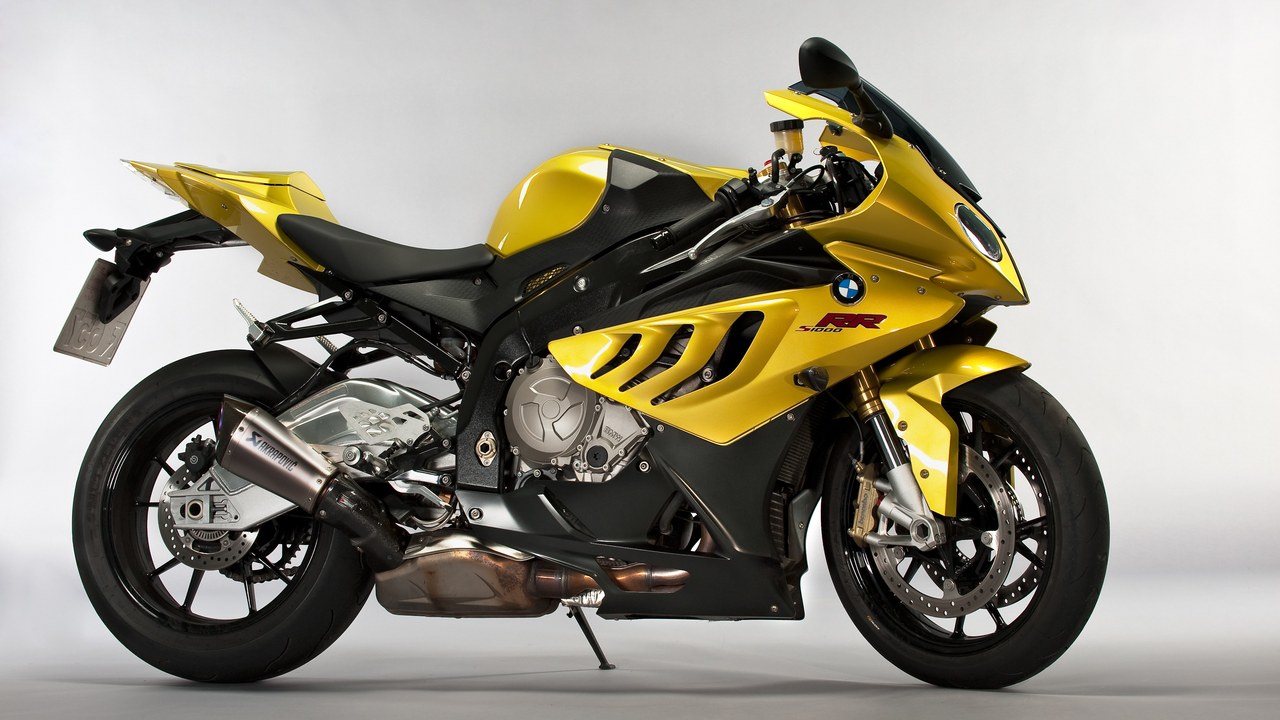
BMW’s 188-mph first-generation S 1000 RR broke the agreement, and the second generation is listed at 193 mph. The shift marked a European brand moving directly into the territory the Japanese had kept fenced off.
That pace helped make the S 1000 RR a staple of the superbike class. Shoppers comparing models can read the two figures as a sign of steady gains between generations, even if track use matters more than top speed.
12. Ducati 1199 Panigale R: First Past 200
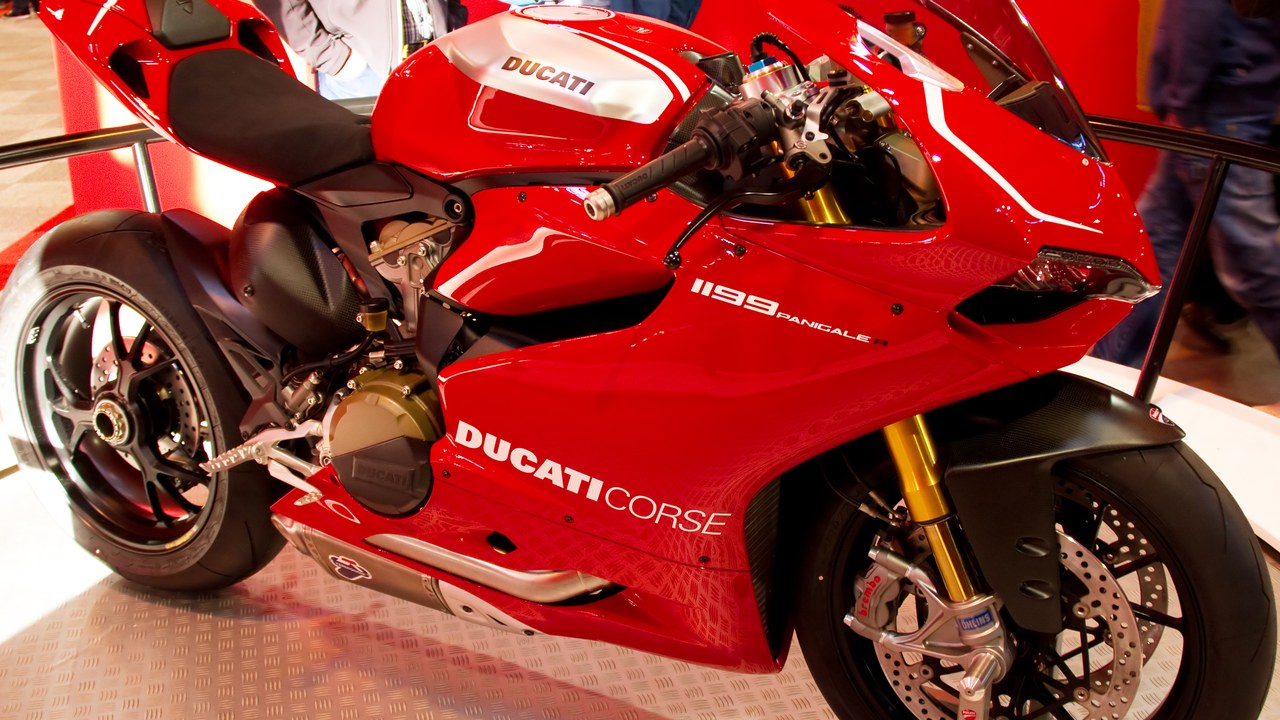
In full track trim the 2013 Ducati 1199 Panigale R was the first production superbike past 200 mph, at 202 mph. The qualifier about track trim is important, since the figure applies to a particular setup.
It rounds out the story neatly, because the truce that began at 186 mph ended with a production bike clearing 200. Riders drawn to the Panigale R are usually buying Italian engineering and track performance more than a number on a spec sheet.
Save more, waste less: Subscribe to The Cool Down →
We may earn a commission if you sign up.
More from Morning Overview
- Lake Powell sank to a record 3,517 feet, nearing the level that stops Glen Canyon Dam’s turbines
- Seven of Earth’s nine planetary boundaries are breached, and all seven are worsening
- The NSA says three phone features should be off whenever you aren’t using them
- Hurricane Hunter radar shows four warning signs that a tropical cyclone is about to strengthen, a University of Miami study found
