
Hurricanes can reshape coastlines in a single night, and the bills often keep growing for years afterward. NOAA tracks the most expensive US tropical cyclones and adjusts each total to 2024 dollars for a fair comparison. Here are twelve storms that top that list, beginning with Katrina.
Help yourself and the planet: The Cool Down makes it easy to help yourself while helping the planet, with smart, simple changes to save more and waste less in your everyday life.
We may earn a commission if you sign up.
1. Hurricane Katrina: The Benchmark Disaster
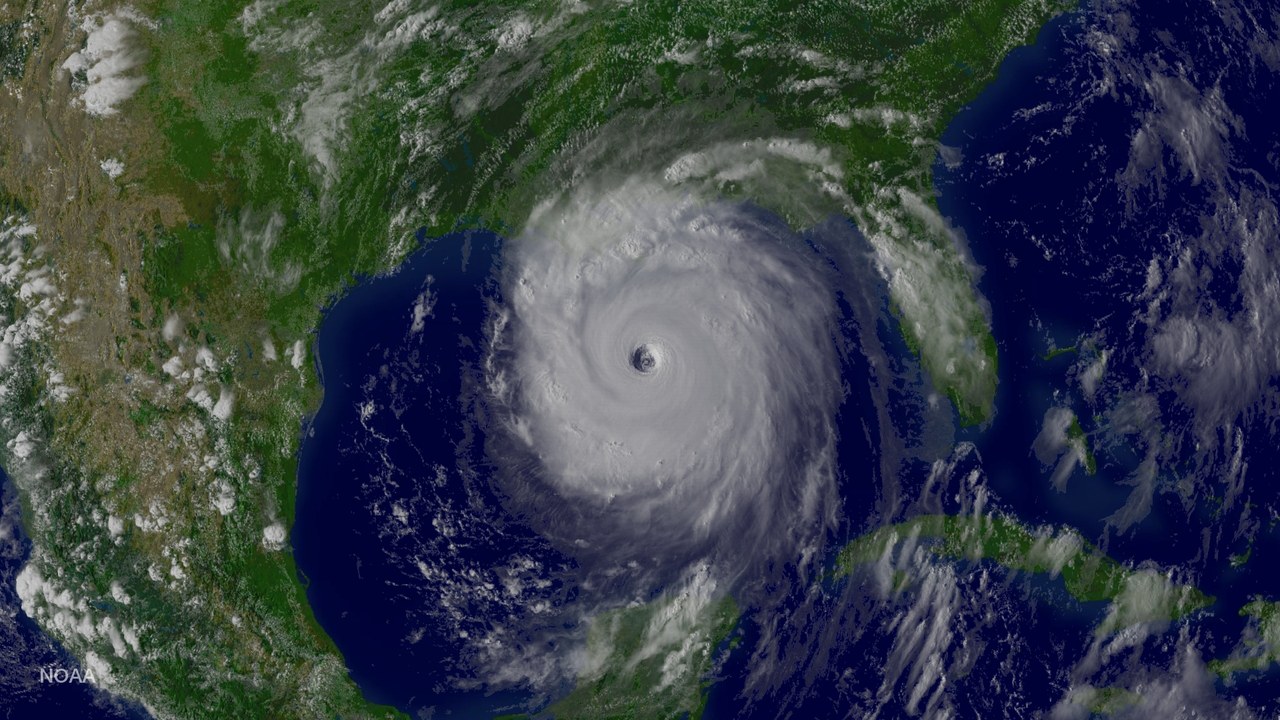
NOAA ranks the 2005 Category 3 storm as costliest hurricane in United States history, at $201.3 billion in 2024 dollars. Katrina sits alone at the top of the agency’s list, well ahead of every storm that followed.
The figure is adjusted for inflation, which allows a fair comparison across decades. For coastal households and insurers, the ranking is a reminder that a storm’s category rating does not by itself predict how expensive it will be.
2. Hurricane Harvey: Rain Rather Than Wind
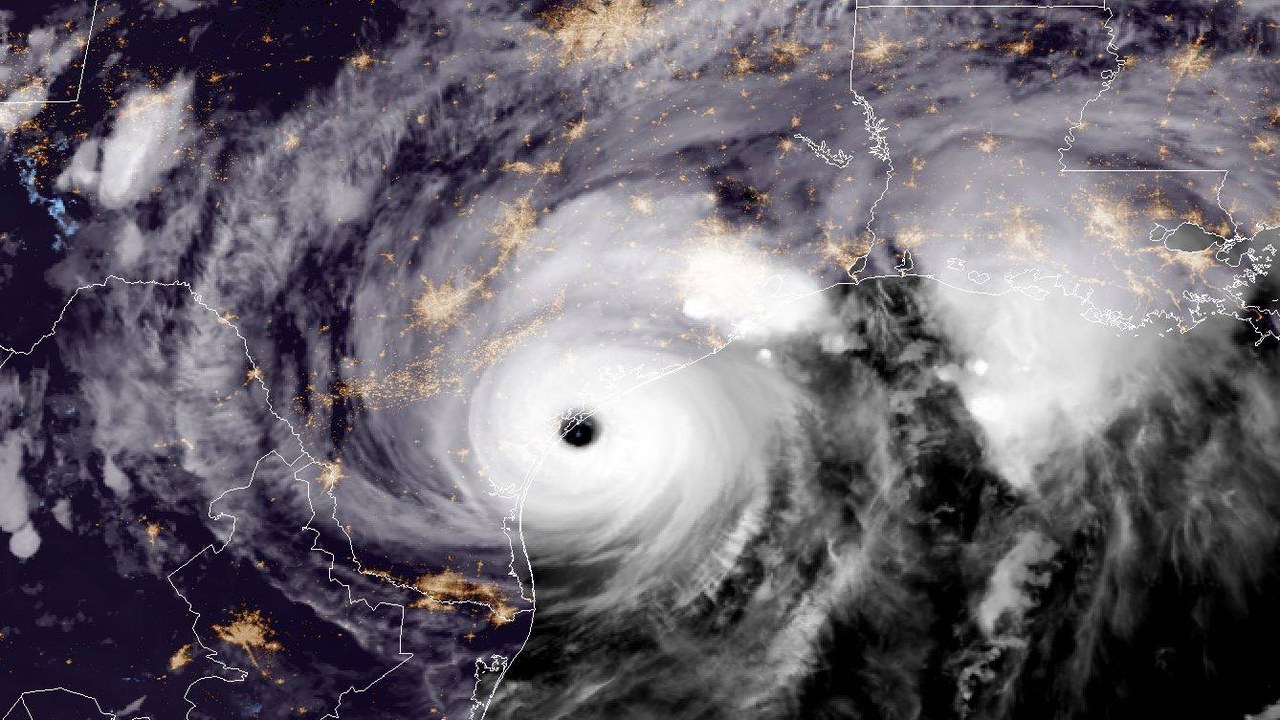
The 2017 Category 4 storm ranks second at $160 billion, according to the National Hurricane Center report. Harvey follows Katrina on the list and remains the next most expensive hurricane the nation has recorded.
Its place so high on the table shows how a single season can produce losses on a scale that once seemed reserved for one historic event. Anyone reading flood and wind coverage should treat both threats as costly.
3. Hurricane Ian: Florida’s Costly Landfall
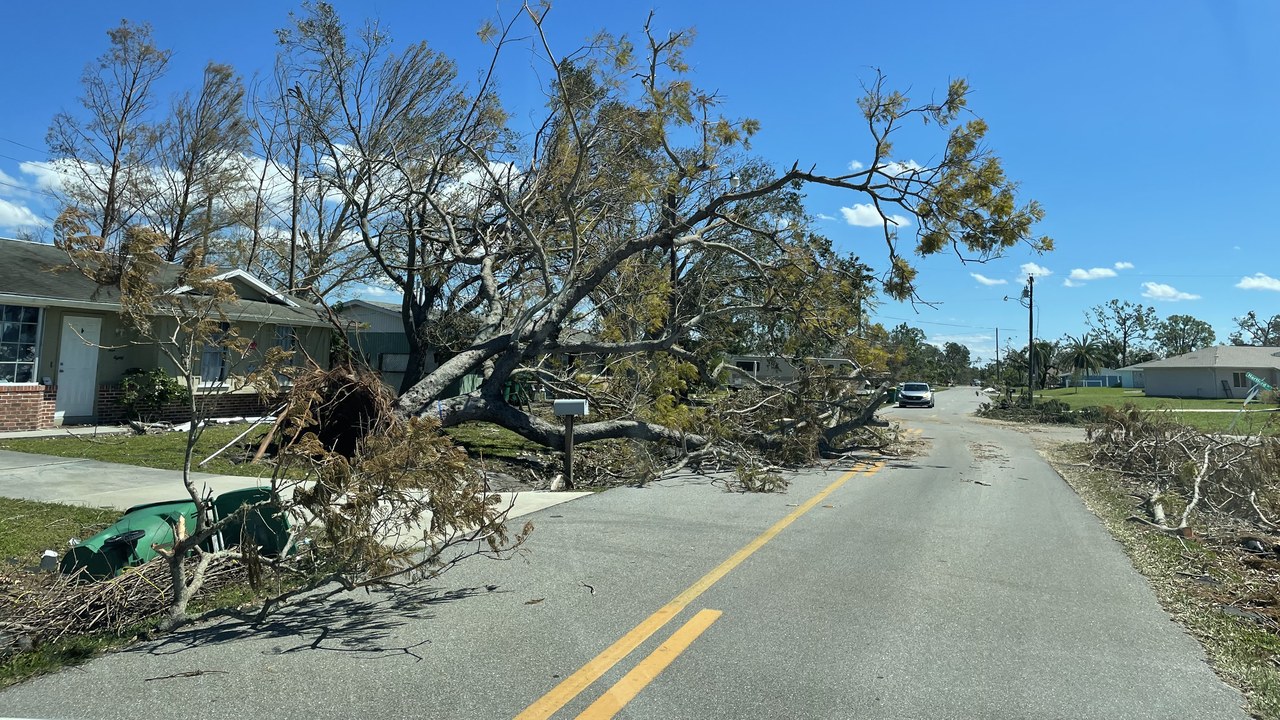
The 2022 Category 4 storm cost $119.6 billion, third on NOAA’s list. Ian is the most recent entry in the top three, which puts a modern storm beside two older giants.
That placement matters for planning, since development along vulnerable coastlines keeps raising the value of what a strong storm can damage. The ranking helps explain why preparation costs are rising alongside the bills. Rebuilding costs of this size also tend to shape insurance markets and local budgets for years.
4. Hurricane Maria: Island Devastation

Maria, a 2017 Category 4, cost $115.2 billion according to NOAA. The storm lands fourth in the ranking, close behind Ian despite arriving five years earlier.
Its position shows that the toll from a single hurricane can run well above the hundred-billion mark. The figure is an official estimate, and it gives readers a benchmark for judging how disruptive a major storm can become. Ranking every storm in one currency keeps the comparison honest for readers and planners alike.
5. Hurricane Sandy: Category One, Huge Bill
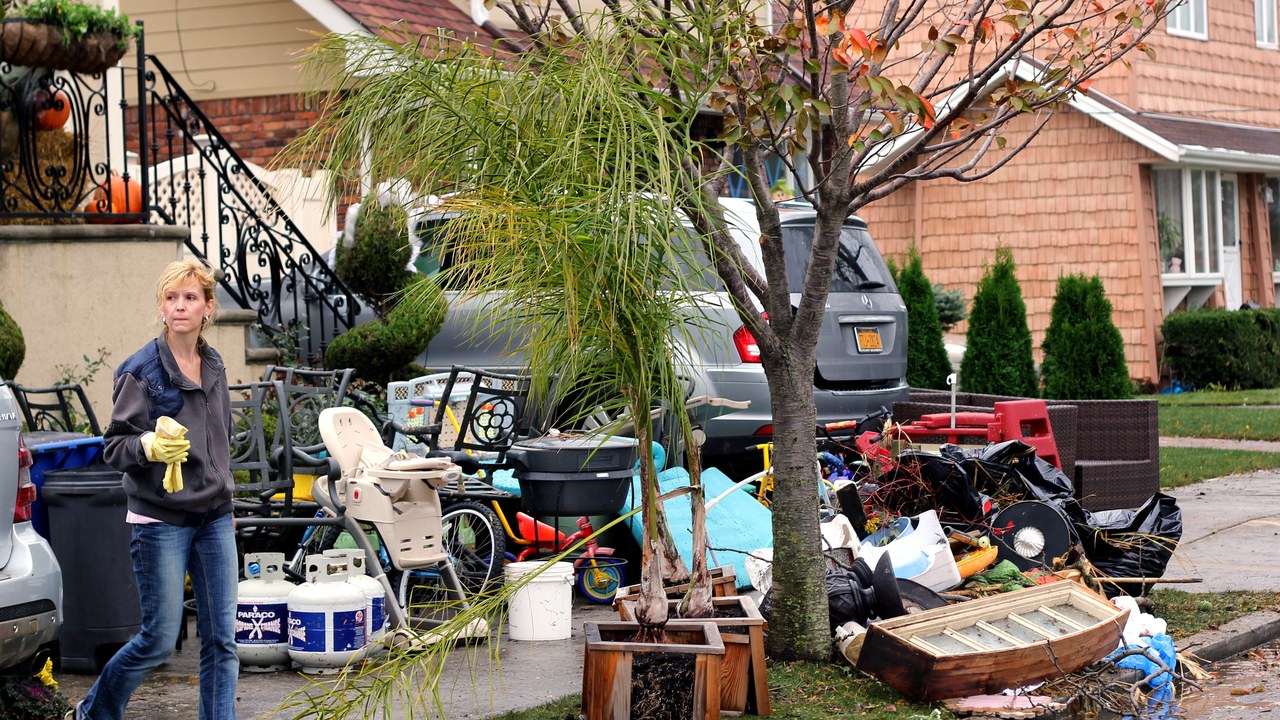
Only a Category 1, Sandy still cost $88.5 billion in 2012. The storm reaches the fifth spot on the ranking despite its modest wind rating at the end of its run.
Sandy is a clear example of why wind category alone is a poor guide to risk. Dense coastal development can turn a weaker storm into one of the most expensive disasters the country has recorded. The lesson applies to any storm approaching a populated shoreline, whatever label it carries.
6. Hurricane Ida: A Gulf Coast Giant
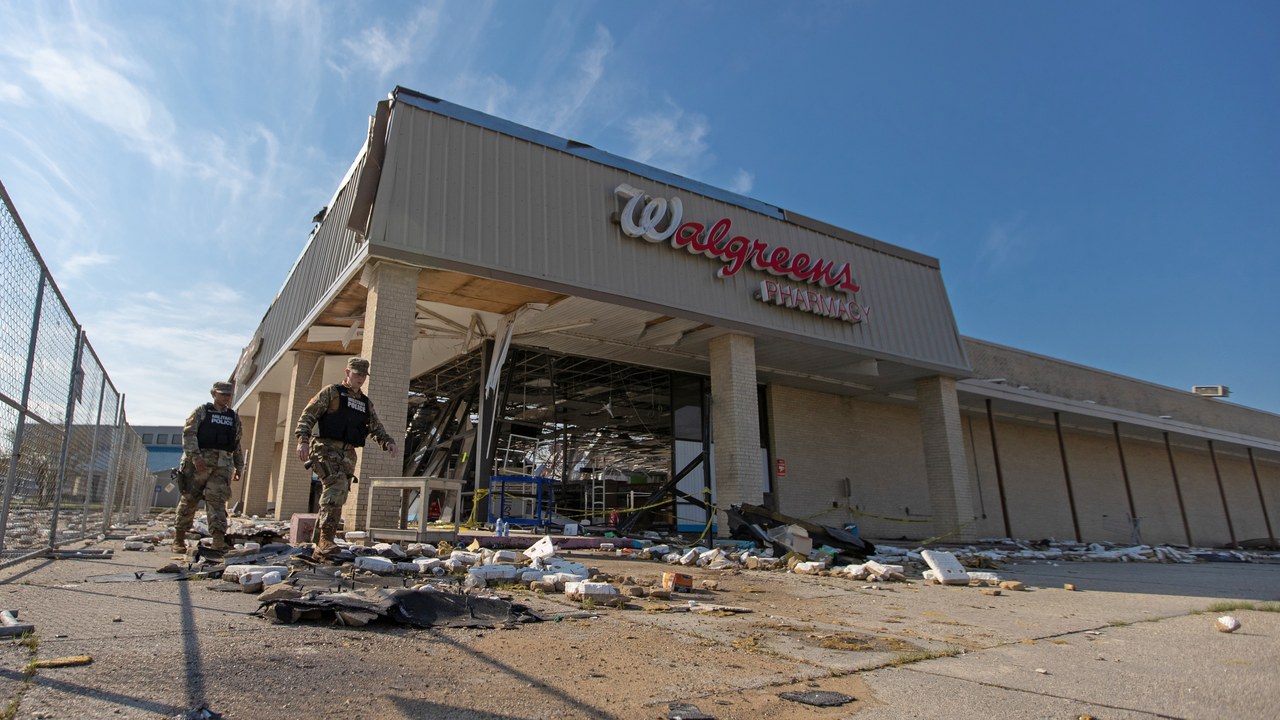
The 2021 Category 4 storm cost $84.6 billion, sixth on NOAA’s cost ranking. Ida was one of several recent hurricanes that pushed the cost rankings upward.
The sixth-place finish puts it ahead of storms from decades earlier once prices are adjusted to 2024. That adjustment matters for anyone comparing past and present disasters on equal terms. Placing it on a long-running list lets readers see that such losses are not confined to a single era or a single region of the coast.
7. Hurricane Helene: Recent And Expensive
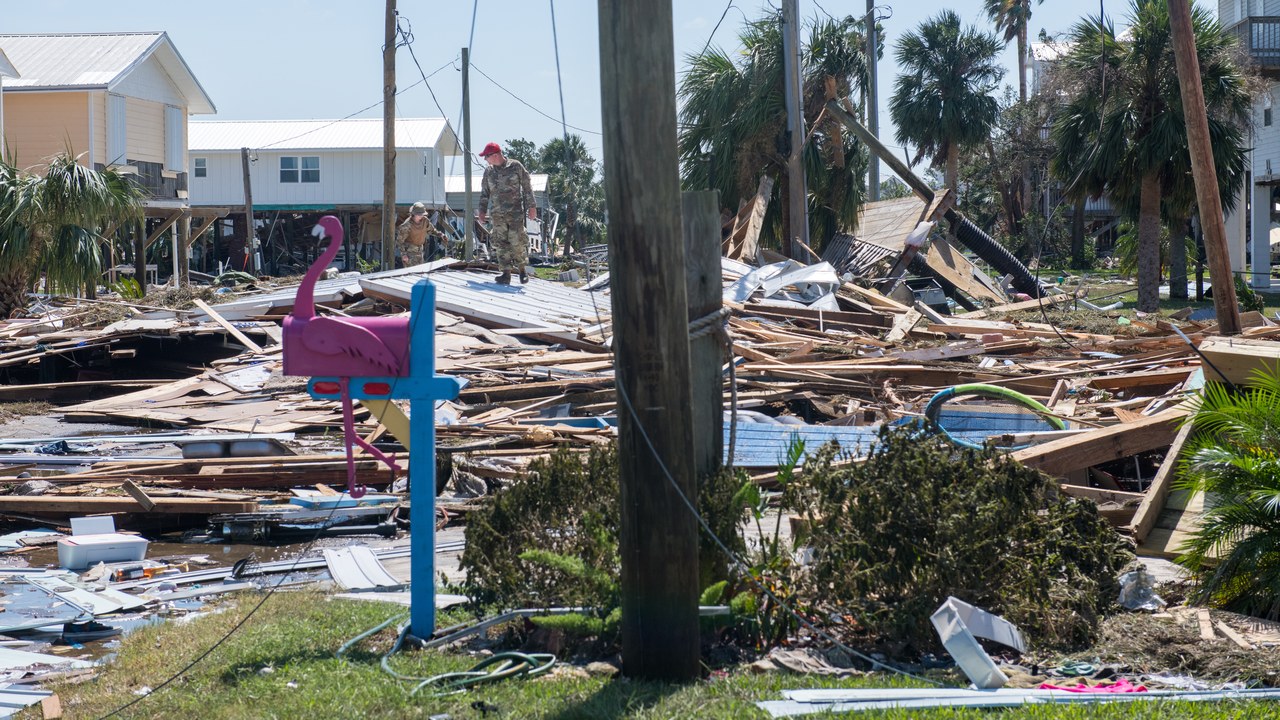
Helene, a 2024 Category 4, cost $78.7 billion, seventh on NOAA’s list. It is the newest storm in the upper half of the table, which keeps the ranking current.
Its inclusion shows that the list is still changing as new seasons add to it. Readers following recovery news can use the number as a yardstick for how large the effort will be. Estimates for recent events can still shift as final damage totals are compiled, which is worth remembering when comparing them with older storms.
8. Hurricane Irma: Part Of A Costly Trio
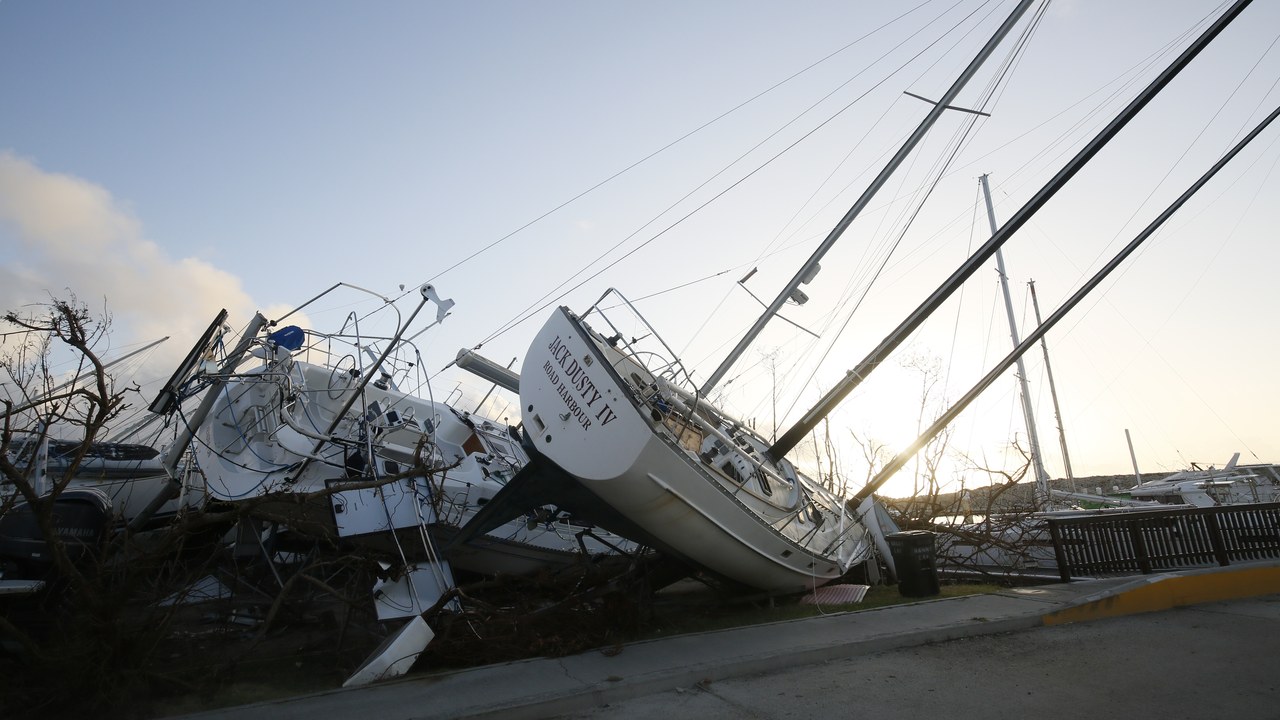
The 2017 Category 4 storm cost $64 billion, one of three 2017 storms in NOAA’s top eight, according to the Irma article. Irma joins Harvey and Maria in that group.
Three entries from one year is unusual, and it explains why 2017 is often discussed as a benchmark season. The cluster also shows how repeated landfalls can strain recovery resources. Readers comparing seasons should note that the three storms alone account for a large share of the top of the table.
9. Hurricane Andrew: The Category Five Veteran
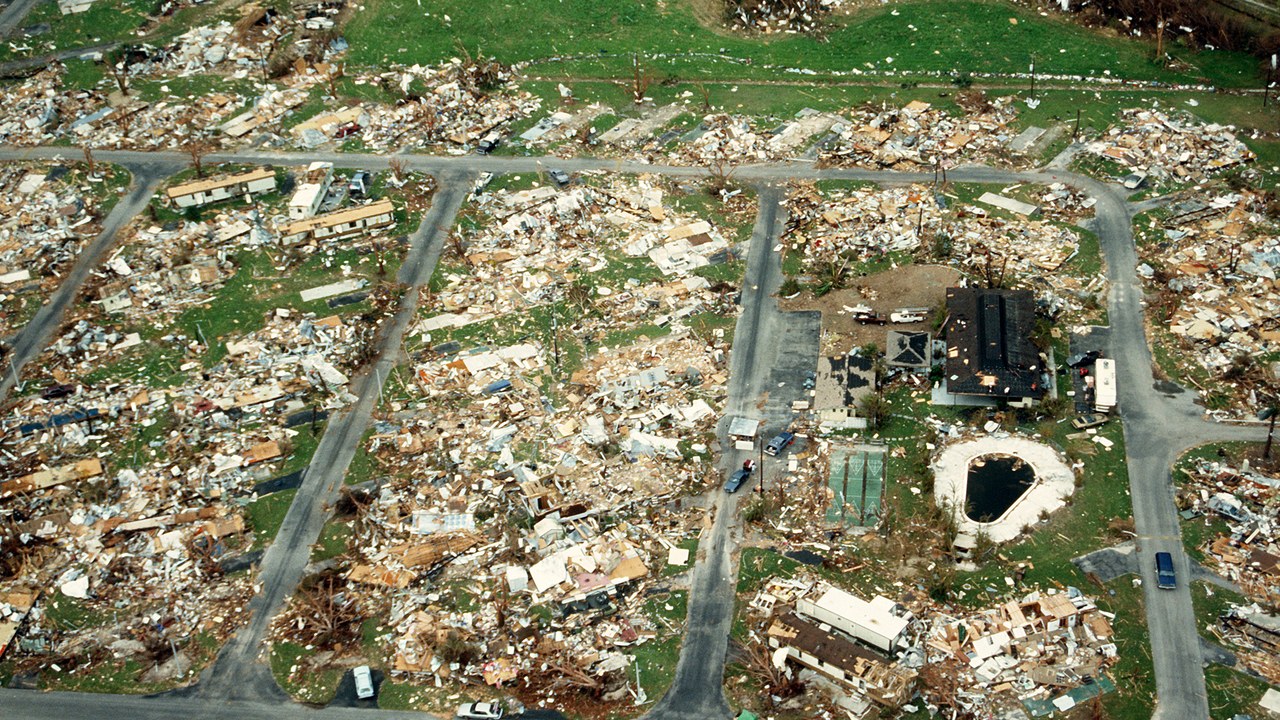
The 1992 Category 5 still ranks ninth at $60.5 billion in 2024 dollars. Andrew is the oldest storm in the upper part of the list, and it keeps its place even after newer hurricanes arrived.
That durability shows how severe the storm was when it struck. It also gives readers a long view, since the ranking now spans more than three decades of landfalls. The long gap between its landfall and the newest entries is a reminder that the biggest storms are not only a recent phenomenon.
10. Hurricane Ike: Texas Coast Storm
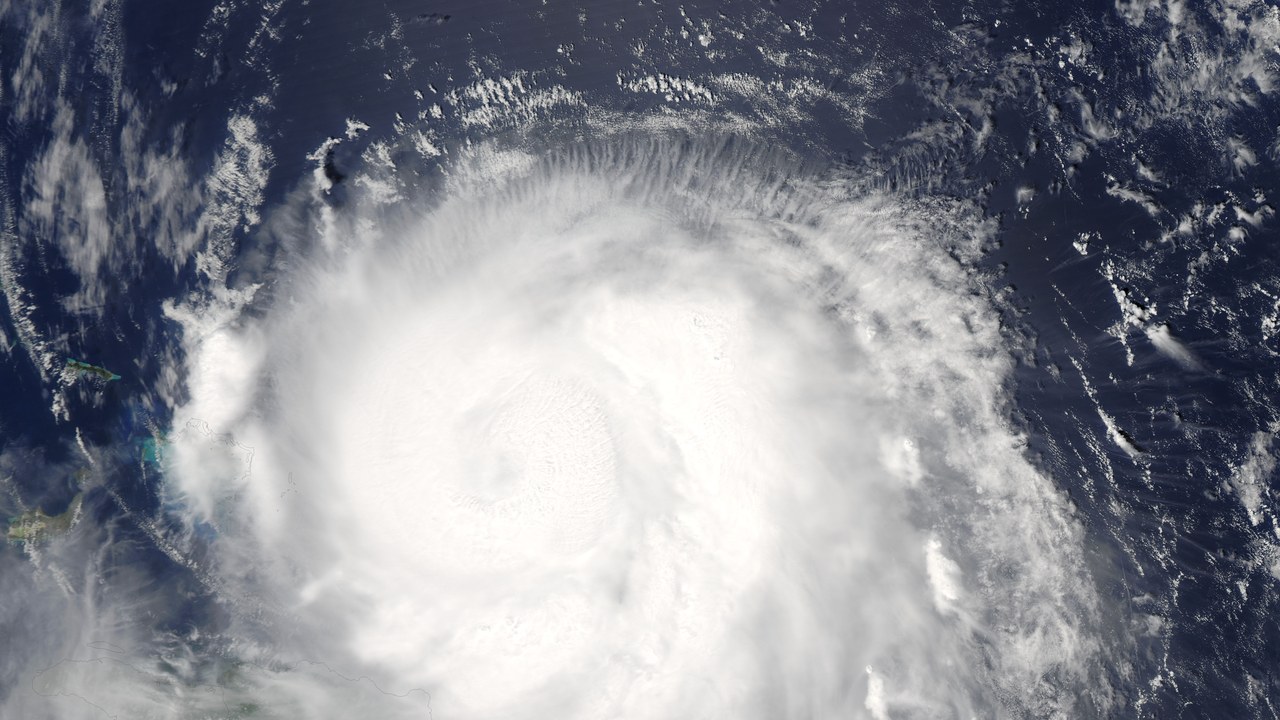
A Category 2 in 2008, Ike cost $43.2 billion. The storm ranks tenth, and it joins Sandy as an example of a lower category hurricane with a large bill.
The comparison with Category 5 Andrew is useful, because it shows that the strongest winds do not always create the largest losses. Surge, rainfall and the value of exposed property all play a part. Households in surge zones are the audience most affected by that lesson, since a rating of two offers little reassurance about water.
11. Hurricane Milton: Fast Moving Newcomer

The 2024 Category 3 storm cost $34.3 billion, the 11th costliest, according to NOAA’s tally. Milton arrived in the same season as Helene, and both now appear on the list.
Two entries from one recent season is a sign of how quickly the table can change. Readers tracking the ranking should expect it to be revised as new cost estimates arrive. The pairing also highlights how a single autumn can leave several communities rebuilding at once.
12. Hurricane Ivan: Closing The Top Twelve
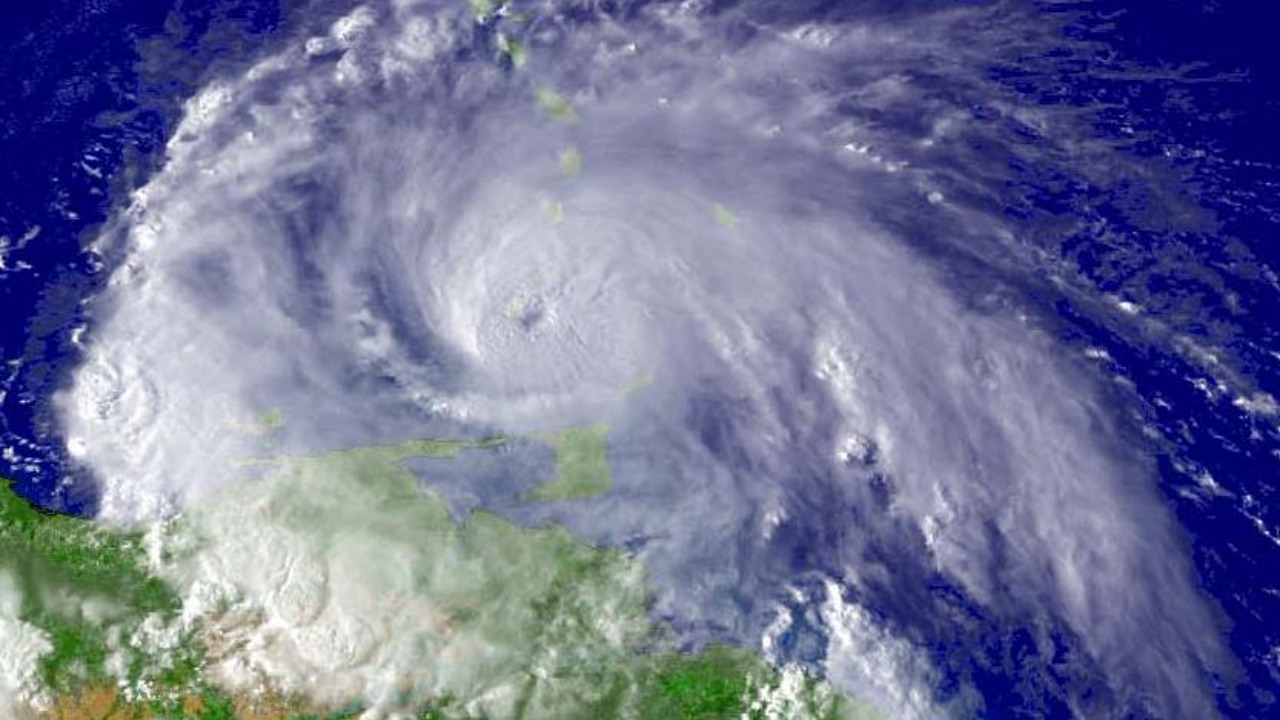
Ivan, a 2004 Category 3, cost $34 billion, rounding out the top 12. It sits just below Milton, separated by a small margin in the agency’s ranking.
A cutoff this close shows how tightly packed the lower part of the list is. A few hundred million dollars in revised estimates could change the order, so the exact position carries less weight than the overall scale. Even so, a storm that finishes twelfth on the list still represents a very large disaster by almost any ordinary measure.
Help yourself and the planet: Get The Cool Down →
We may earn a commission if you sign up.
More from Morning Overview
- Long use of a common prostate pill is tied to a higher chance of glaucoma
- Ford is recalling 223,472 F-150 pickups because the fuel tank can leak or detach
- Hybrids have 15% fewer problems than gas cars, while EVs and plug-in hybrids have about 80% more, Consumer Reports finds
- Regulators cleared the first U.S. small modular reactor, 4 months early
