
Steam power vanished from American mainlines decades ago, but a small group of giant locomotives still pulls trains today. Volunteers, museums and railroads keep these heavy machines running through costly restorations and careful upkeep. Here are ten giant steam locomotives that still run, led by Big Boy.
Save more, waste less: The Cool Down’s newsletter sends smart, simple changes that help you and the planet in your everyday life.
We may earn a commission if you sign up.
1. Union Pacific Big Boy No. 4014: Only Big Boy Running
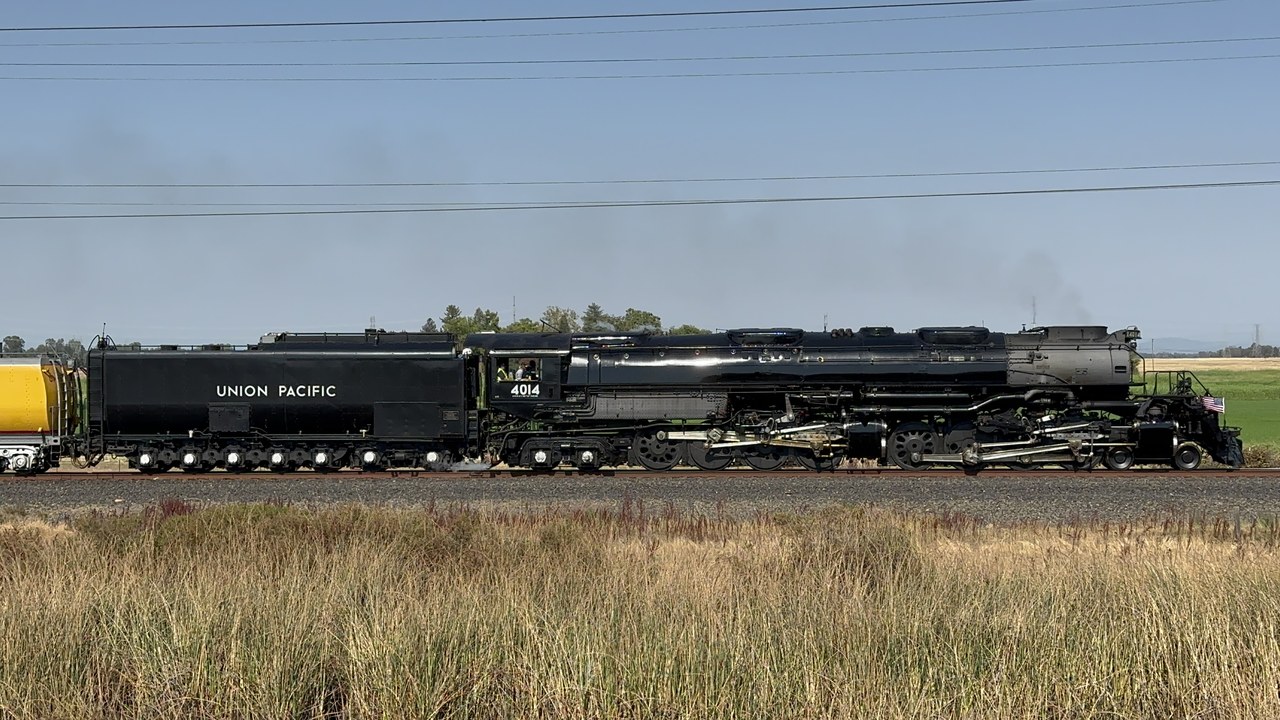
Union Pacific’s steam program history notes that Big Boy No. 4014 was restored in 2019 for the transcontinental railroad’s 150th anniversary. It is one of eight Big Boys left and the only one running, and it is going coast to coast in 2026.
Few machines in American railroading draw crowds like this one. Anyone hoping to see it should watch the railroad’s announced schedule, since appearances along the route are tied to specific dates and public events. Its size alone, with a long wheelbase built for heavy freight, makes it a standout wherever it appears.
2. Union Pacific No. 844: Never Retired
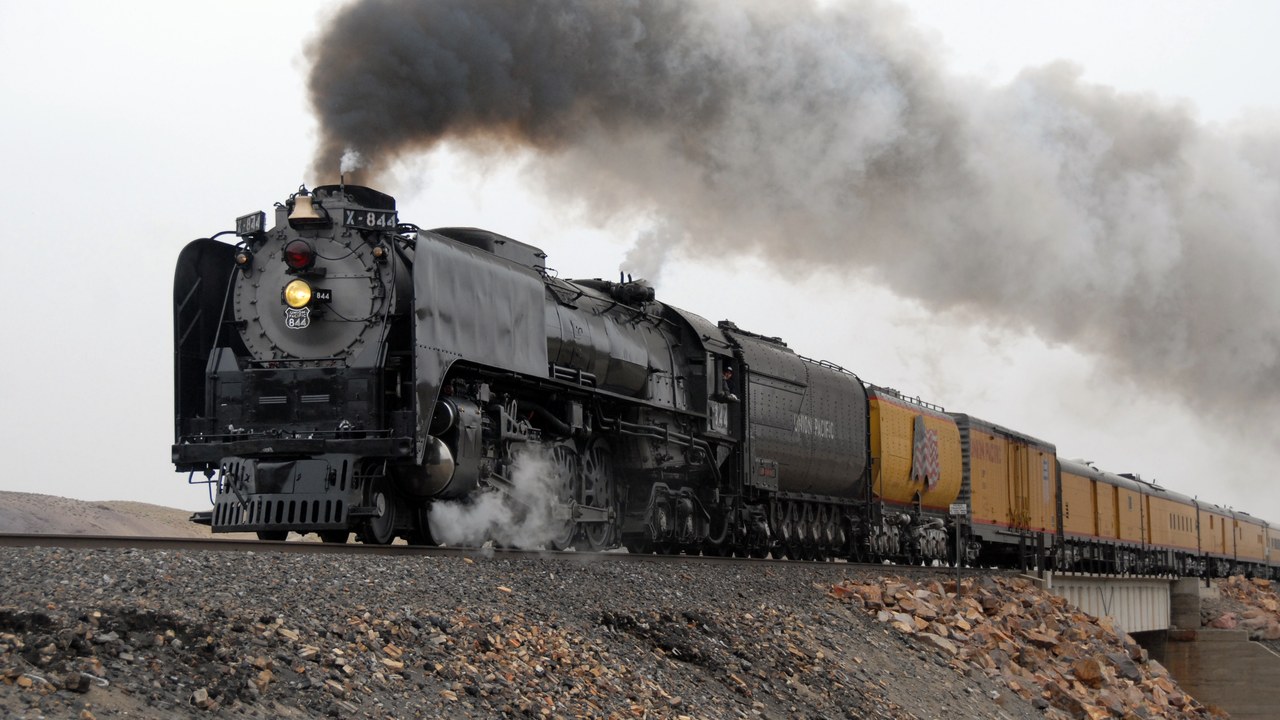
Delivered in 1944, No. 844 is the last steam locomotive built for Union Pacific, and the railroad says it was never retired. That unbroken service record sets it apart from most surviving steam engines, which spent years in parks or storage.
The engine gives Union Pacific a steam ambassador that has operated for decades. Rail fans can compare it with Big Boy on the same railroad, since the two engines represent very different classes of power. Rail fans and railroad historians alike tend to follow its movements closely.
3. Spokane, Portland and Seattle No. 700: Portland Baldwin Giant
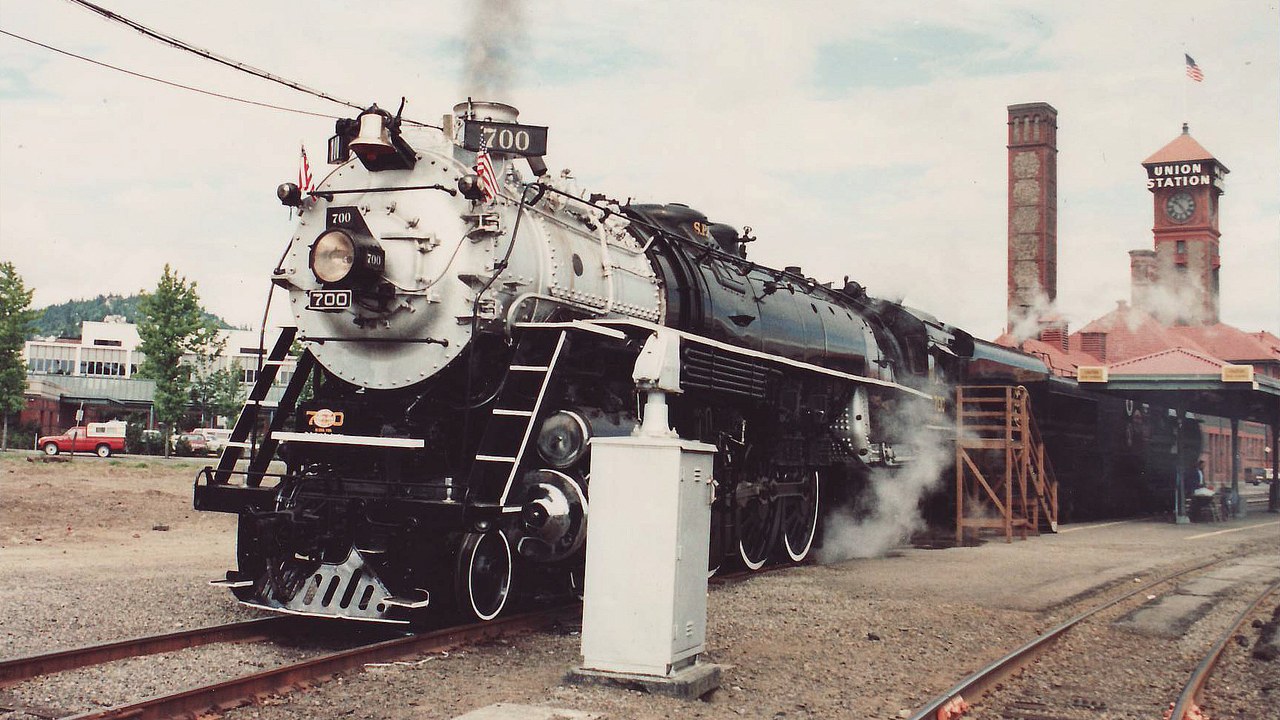
Spokane, Portland and Seattle No. 700 is a 485,820-pound Baldwin 4-8-4 from 1938, according to Trainchasers. The City of Portland owns the locomotive, and the Pacific Railroad Preservation Association cares for it.
The arrangement shows how a municipal owner and a volunteer group can keep a heavy locomotive alive. Excursion plans change from year to year, so travelers should confirm current operations before planning a trip. Its 1938 build date also places it among the older engines on this list, which adds to its appeal for historians.
4. Canadian Pacific No. 2816: Empress of Calgary
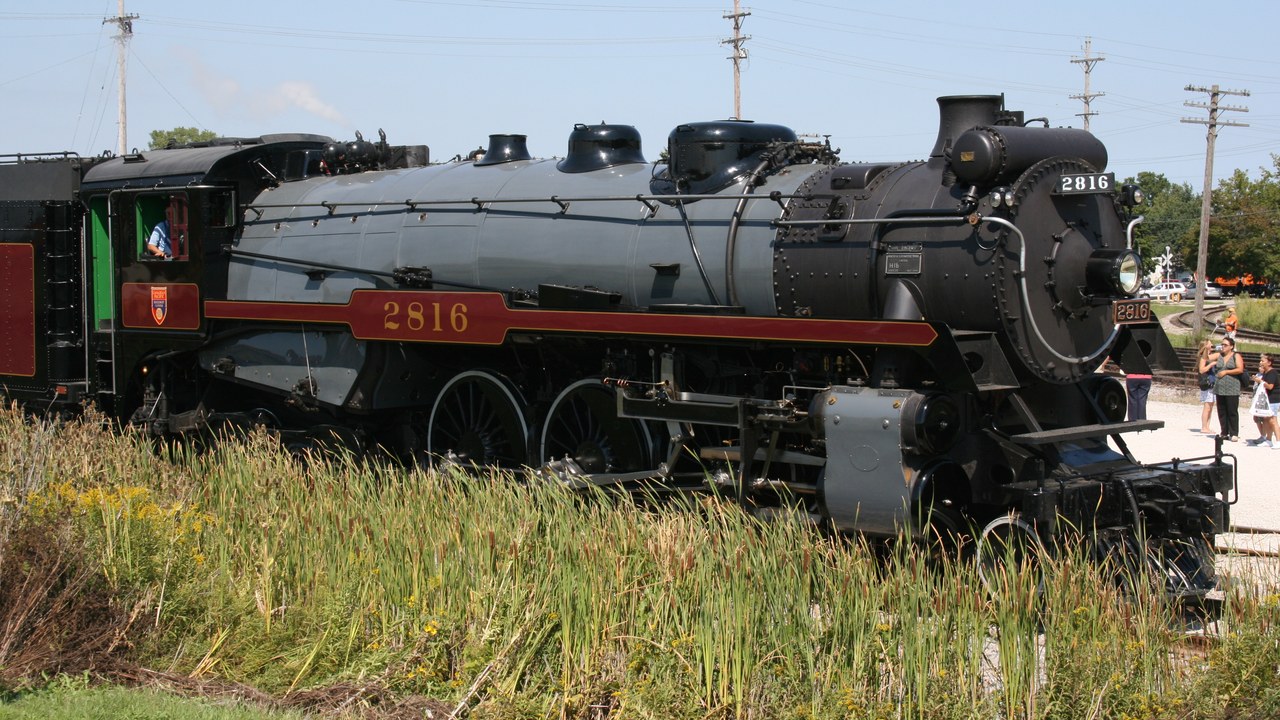
The 1930 Montreal-built Hudson nicknamed Empress weighs 351,200 pounds and is still run by Canadian Pacific out of Calgary. Trainchasers includes it on its list of operating mainline steam locomotives.
Lighter than the American giants on this list, the Empress is still a rare example of a railroad running its own steam power. Fans in North America may need to cross the border to catch it. Its Calgary base and Canadian ownership make it the only entry here run directly by a major railroad outside the United States.
5. Southern Pacific No. 4449: Daylight Survivor
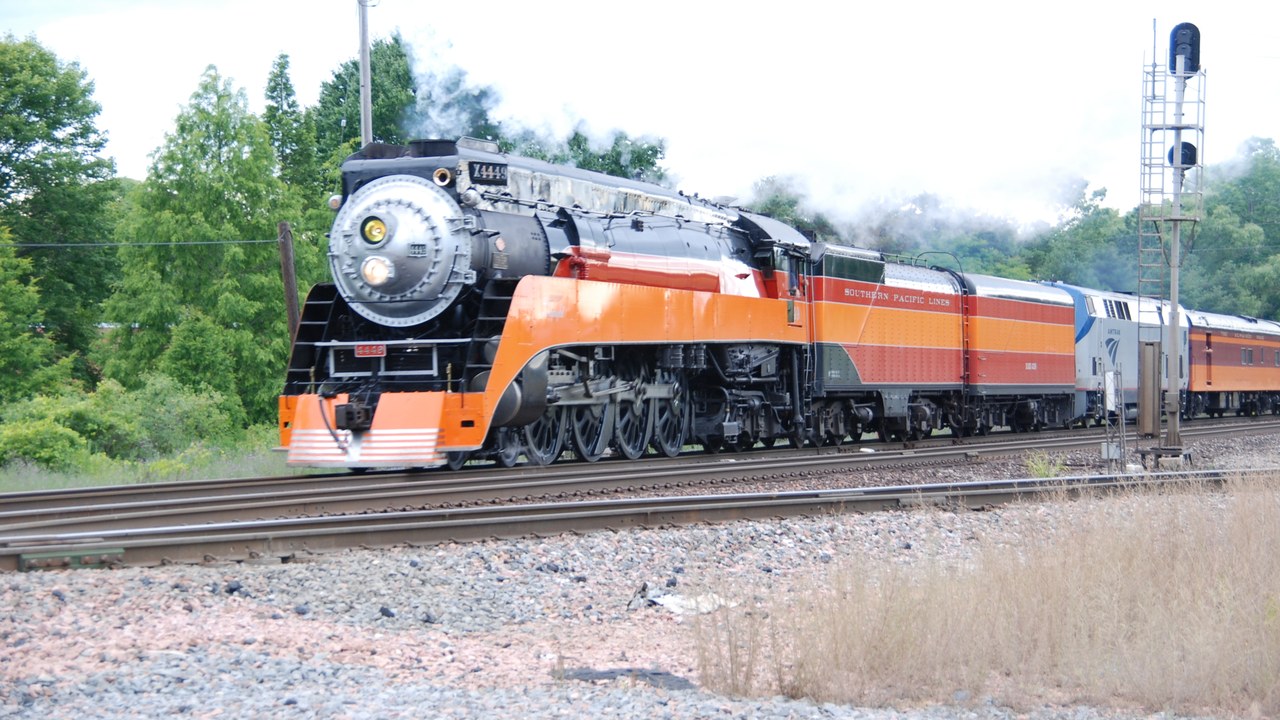
The 1941 Lima-built Daylight weighs 475,000 pounds and is kept running by the Friends of SP 4449 in Portland. Its weight puts it among the heavier engines still capable of mainline excursions.
The orange-and-red paint scheme is one of the best known in American railroading, which makes the locomotive a favorite with photographers. Volunteers do the upkeep, so visitors can support the work through the group’s public events. Its long service life since 1941 has made it a familiar sight to several generations of rail enthusiasts.
6. Pere Marquette No. 1225: Michigan Berkshire
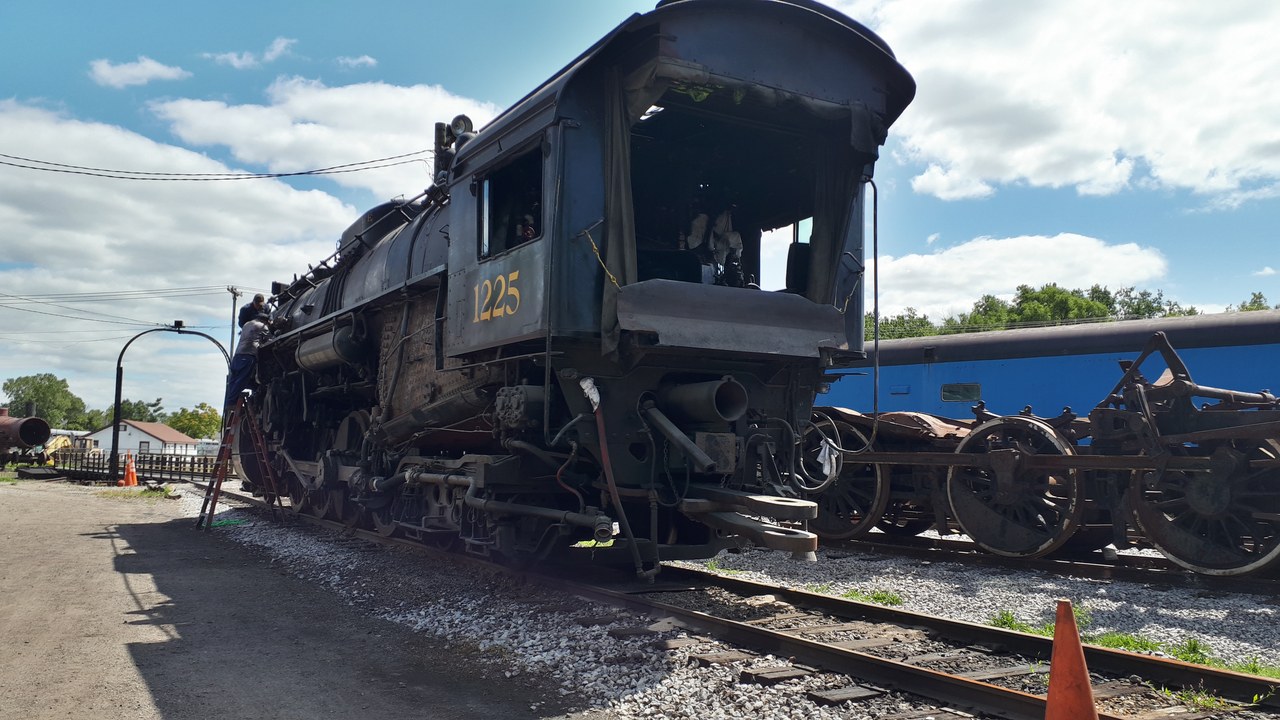
Pere Marquette No. 1225 is a 442,500-pound 1941 Lima Berkshire operated by the Steam Railroading Institute in Owosso, Michigan. It belongs to a class named for the Berkshire hills of Massachusetts.
The locomotive anchors a hands-on museum operation in a small Michigan city. Visitors interested in the engineering behind steam power will find Owosso a useful stop, though excursion dates should be checked in advance. Its 1941 Lima construction links it to a period when American builders were turning out some of the most powerful steam designs ever made.
7. Reading No. 2102: Rebuilt Reading Veteran
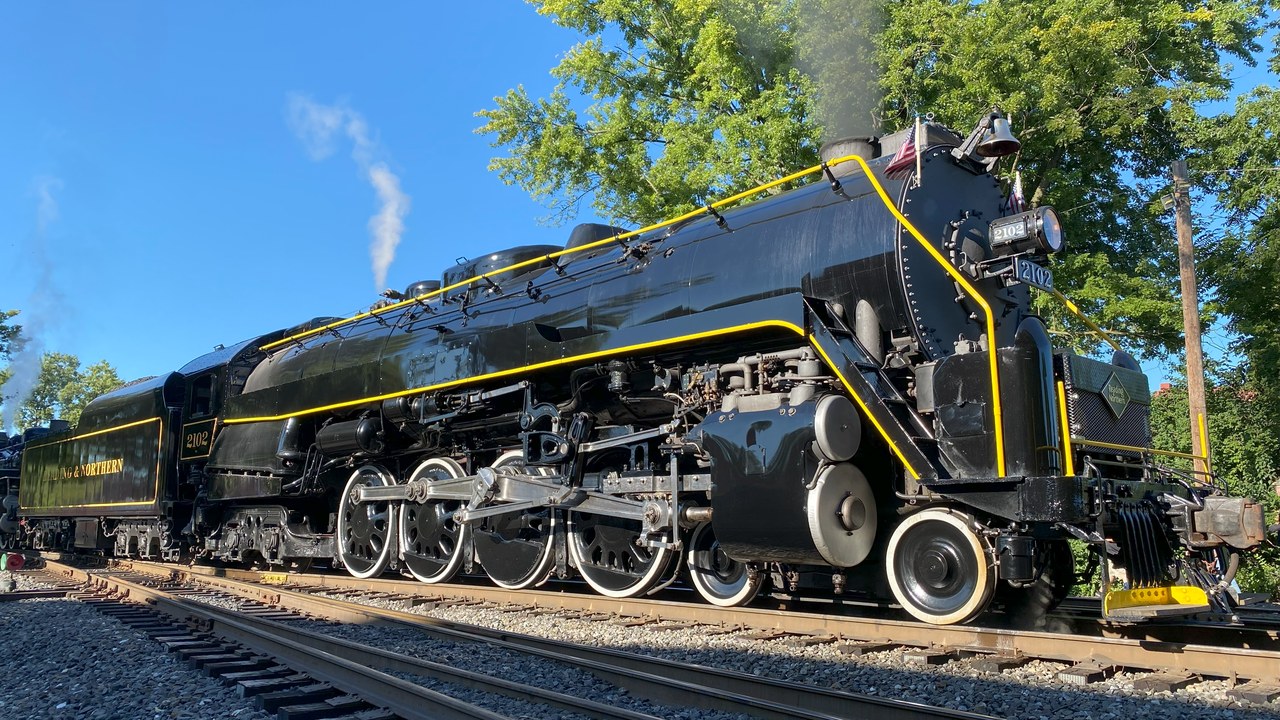
Rebuilt by the Reading in 1945 as a 4-8-4, the 441,300-pound Reading No. 2102 runs for the Reading Blue Mountain & Northern out of Port Clinton, Pennsylvania. It is one of the engines Trainchasers counts among current mainline steam.
Port Clinton gives eastern Pennsylvania fans a regional steam option without long travel. Because short-line operators schedule trips seasonally, riders should look for current schedules before choosing a travel date. The rebuild into a 4-8-4 in 1945 also shows how railroads sometimes reworked existing engines instead of ordering entirely new ones.
8. Norfolk and Western No. 611: Roanoke Built J Class
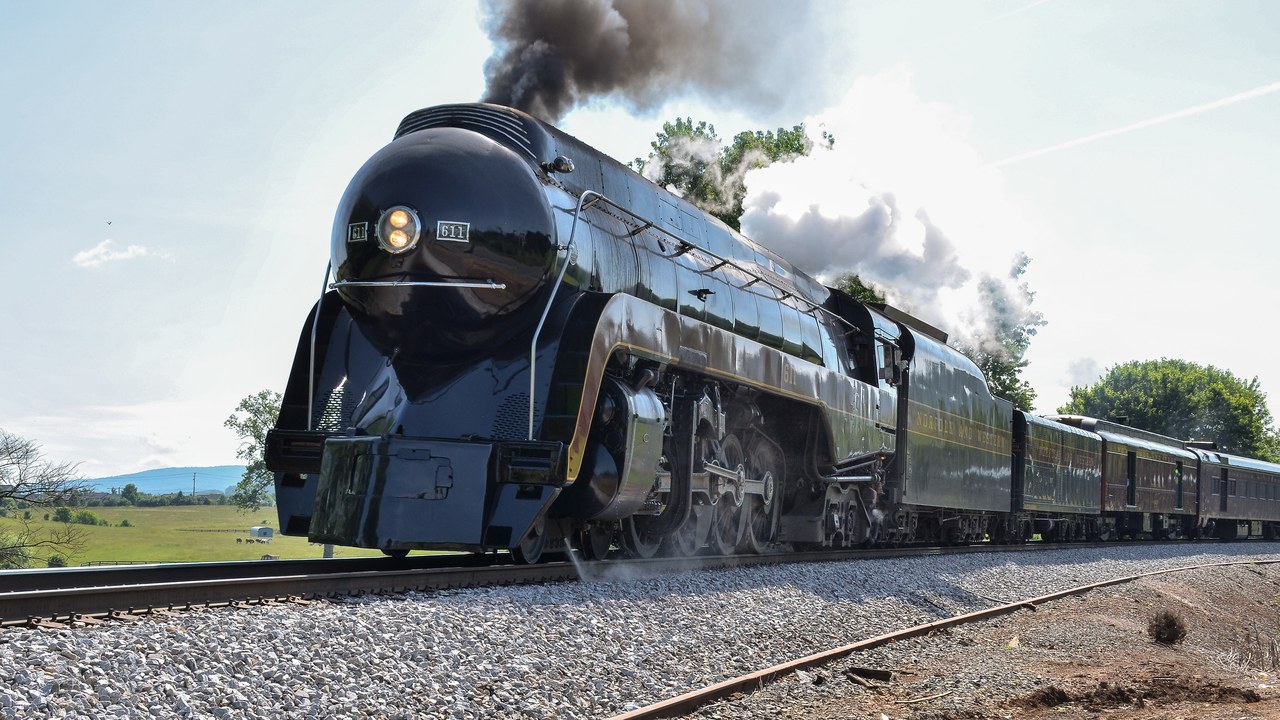
Built by N&W’s own Roanoke Shops in 1950, the 494,000-pound J Class 4-8-4 is now owned by the transportation museum in Roanoke, Virginia. Trainchasers ranks it among the largest steam locomotives operating in the United States.
The 611 is often considered one of the great postwar steam designs, and its home museum gives visitors a base for learning about the railroad. Excursion schedules vary, so trips need advance checking. Its 1950 construction date makes it one of the later steam engines on the roster, built just as diesels were taking over.
9. Milwaukee Road No. 261: Twin Cities Excursions
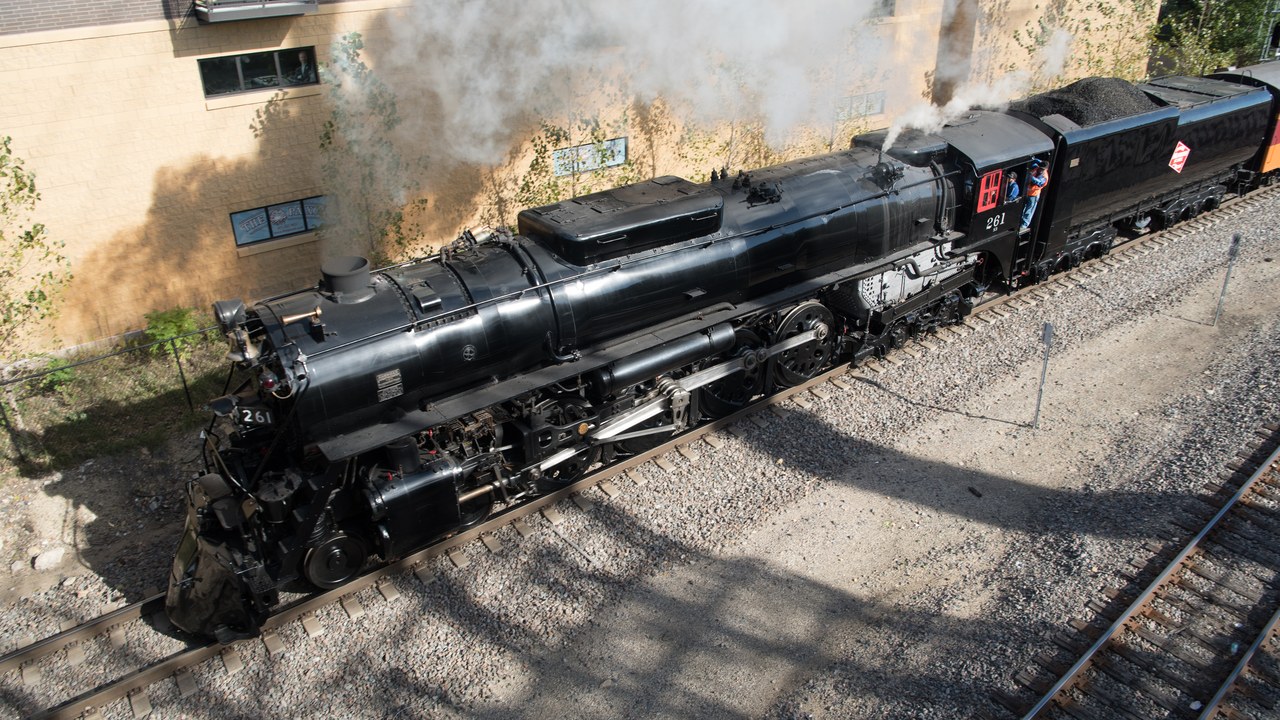
The S3-class 4-8-4 Milwaukee Road No. 261 led Twin Cities & Western excursions July 17 to 19, 2026, including a six-and-a-half-hour run out of Chanhassen, Minnesota, according to Railfan & Railroad.
The long outing shows that big steam can still work a full day on a modern railroad. Anyone interested in future trips should follow the operator’s announcements, since seats on steam excursions can sell quickly. Its class designation, S3, identifies it as part of a family of 4-8-4 engines built for fast, heavy passenger and freight service.
10. Nickel Plate Road No. 765: Berkshire Reborn
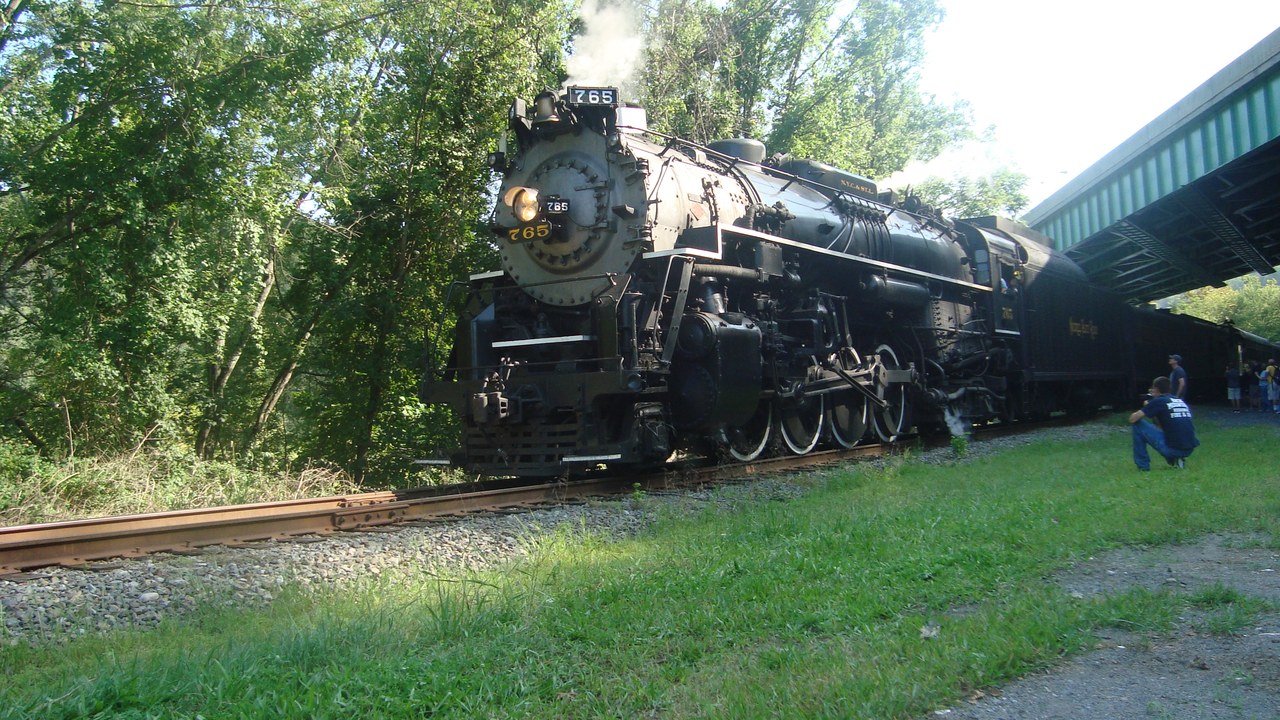
Retired in 1958, the Nickel Plate Road Berkshire came back under its own power in 1979, and its later rebuild took more than 15,000 hours and over $772,000, according to its Wikipedia history. The engine’s second life illustrates the labor involved in returning old steam to the main line.
The figures help explain why only a handful of giants still run. Keeping a locomotive of this size operating takes skilled volunteers, shop space and steady funding, not just nostalgia. The Berkshire wheel arrangement was designed for speed with heavy trains, which is part of why fans still prize these engines.
Save more, waste less: Subscribe to The Cool Down →
We may earn a commission if you sign up.
More from Morning Overview
- NOAA now gives this winter a 75% chance of the strongest El Nino since 1950
- Doctors warn a silent liver disease now affects one in three American adults
- The FBI told the rest of ShinyHunters to surrender after a 24-year-old was arrested
- Two passengers died at an Ohio toll plaza, and the NTSB now wants the cash lanes shut
