
Three-row SUVs promise space for a crowd, but cargo room behind the third seat is where most of them fall short once everyone climbs in. A handful of models buck that trend, using boxy shapes, stretched wheelbases, or clever packaging to keep real luggage space intact. Here are nine SUVs that hold onto cargo room even with all three rows in use.
1. Kia Telluride: Boxy Shape Pays Off
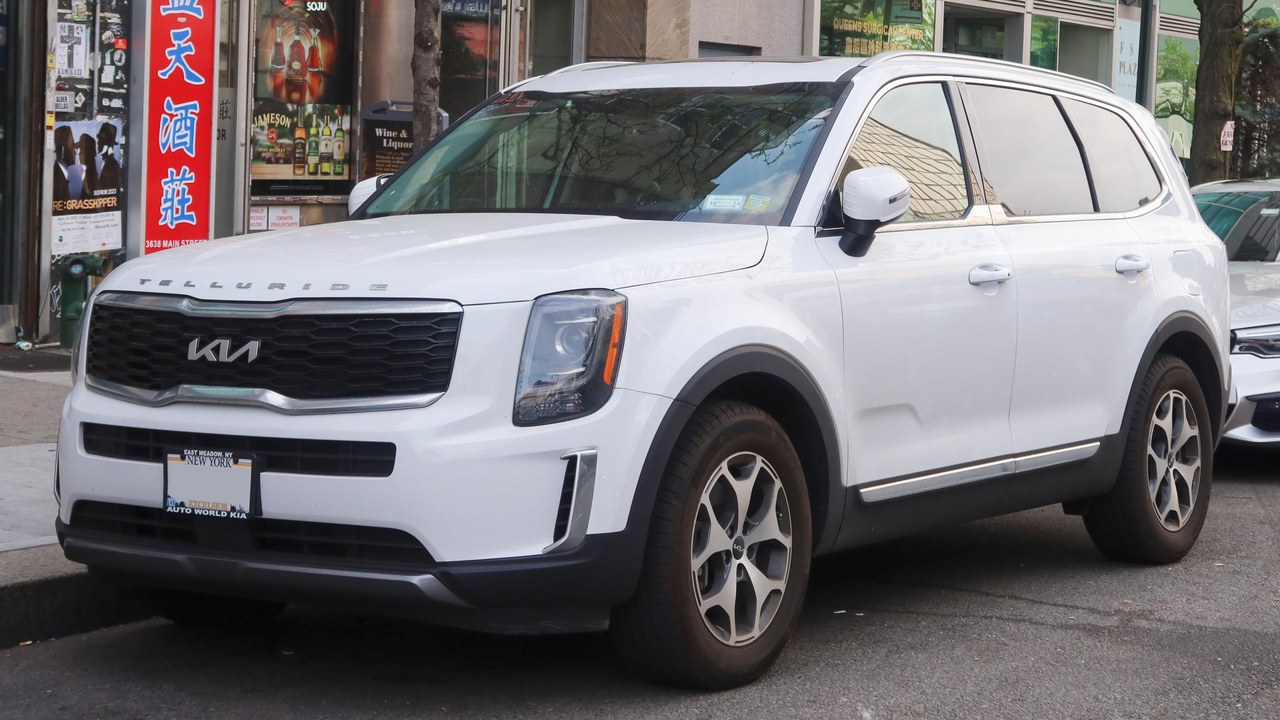
Sharp, upright body panels give the Kia Telluride a boxier silhouette than most rivals, and that shape carries straight through to the cargo hold behind the third row. The extra vertical space keeps the rearmost cargo area wider and taller than competitors chasing a swoopier roofline, which is how a fairly plain-looking body ends up delivering class-leading room for luggage once every seat is filled.
Buyers cross-shopping three-row SUVs for road trips or big-box runs often single out the Telluride specifically for how much fits behind the back seats before anyone folds a seat down. That extra depth becomes the deciding factor for families who regularly pack for more than a weekend away.
2. Hyundai Palisade: Same Platform, Same Payoff
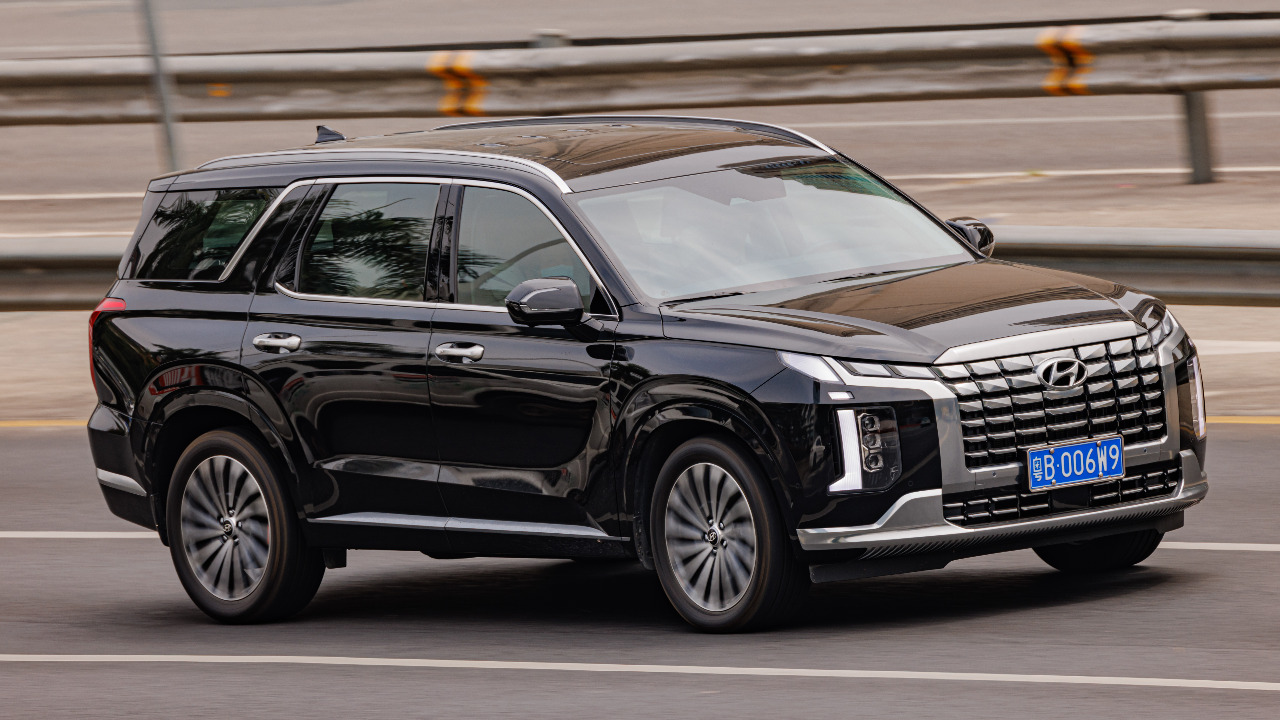
Under different sheet metal, the Hyundai Palisade shares its underpinnings with the Telluride, so the two arrive at nearly identical cargo dimensions behind the third row despite looking nothing alike from the outside. Chrome-heavy styling and a more rounded nose hide the fact that the load floor stretches just as wide and just as deep as its corporate twin’s.
Shoppers who prefer the Palisade’s cabin layout or dealer network do not have to trade away cargo capacity to get it, since the shared architecture carries the same roomy hold into a completely different design language. That makes it an easy substitute for anyone cross-shopping the segment on looks alone.
3. Honda Pilot: Packaging Done Right
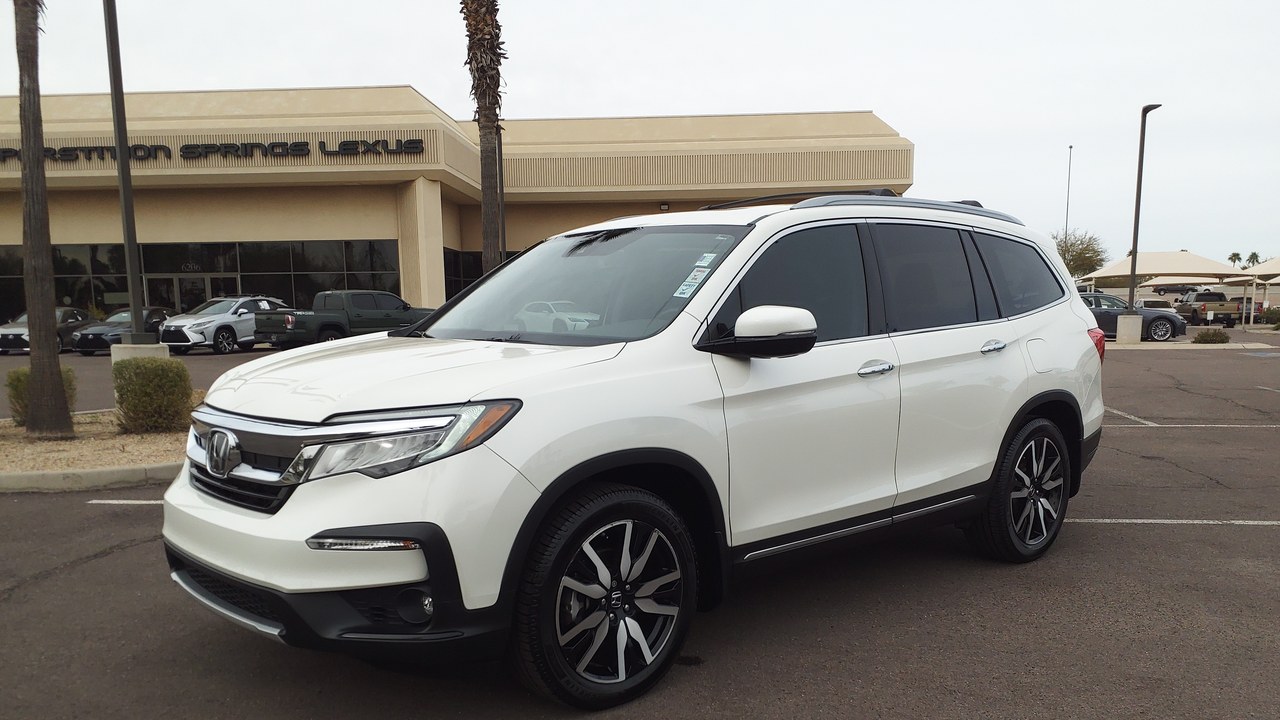
Engineers get credit for making the Honda Pilot a packaging champ, squeezing a deep well behind the third row out of a footprint that is not dramatically larger than smaller two-row crossovers. A low, flat load floor lets tall items stand upright without brushing the cargo cover, a detail that comes straight from how the rear suspension and fuel tank are tucked out of the way.
That efficiency matters most on trips where every seat stays occupied, since the Pilot does not force a choice between passengers and cargo the way some rivals do. Owners loading camping gear or a week’s worth of groceries routinely find more usable space than the exterior dimensions would suggest.
4. Toyota Grand Highlander: Built To Fix A Flaw
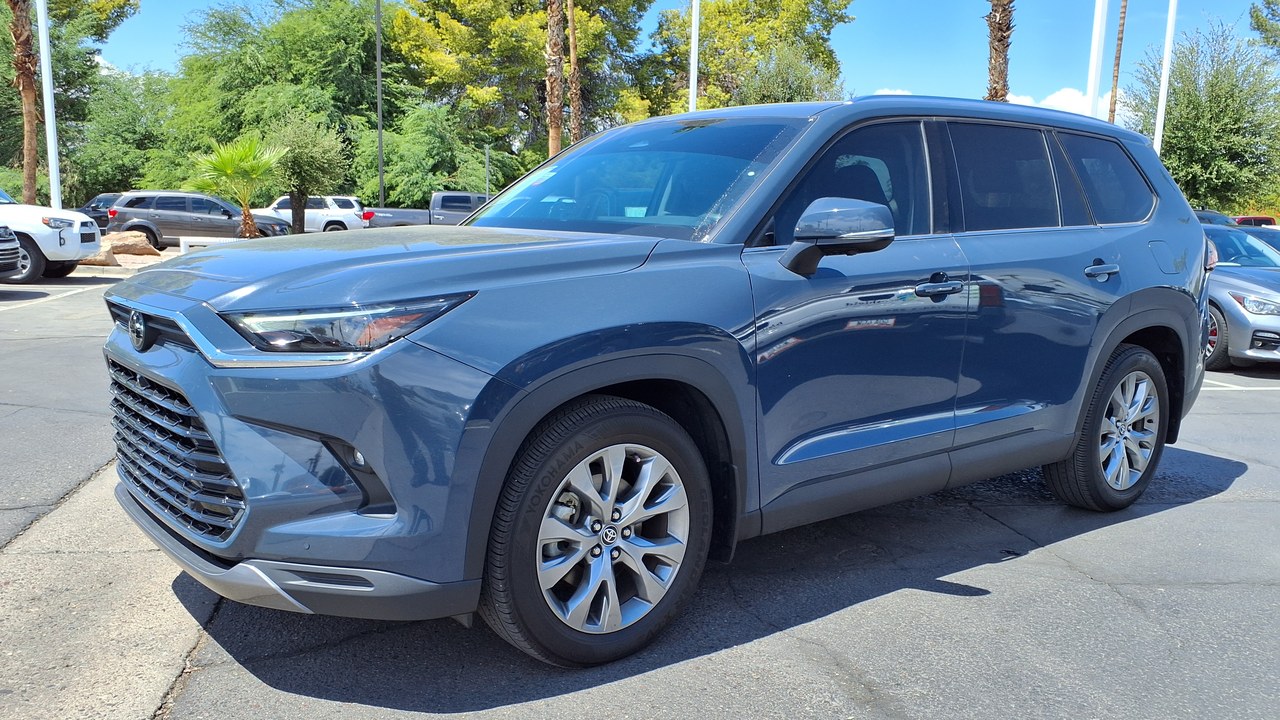
Toyota built the Grand Highlander specifically to answer complaints that the regular Highlander’s cargo area behind the third row was too tight for real use, stretching the wheelbase and rear overhang until the trunk actually functions with all seats up. The result is a noticeably longer body than its sibling, with the extra length funneled almost entirely into rear cargo depth rather than passenger space.
Families who liked everything about the standard Highlander except its shallow trunk now have a direct answer within the same lineup, without needing to look at a competing brand. That focused fix is why the Grand Highlander gets singled out over its own stablemate in this category.
5. Volkswagen Atlas: Built For Hauling Everything
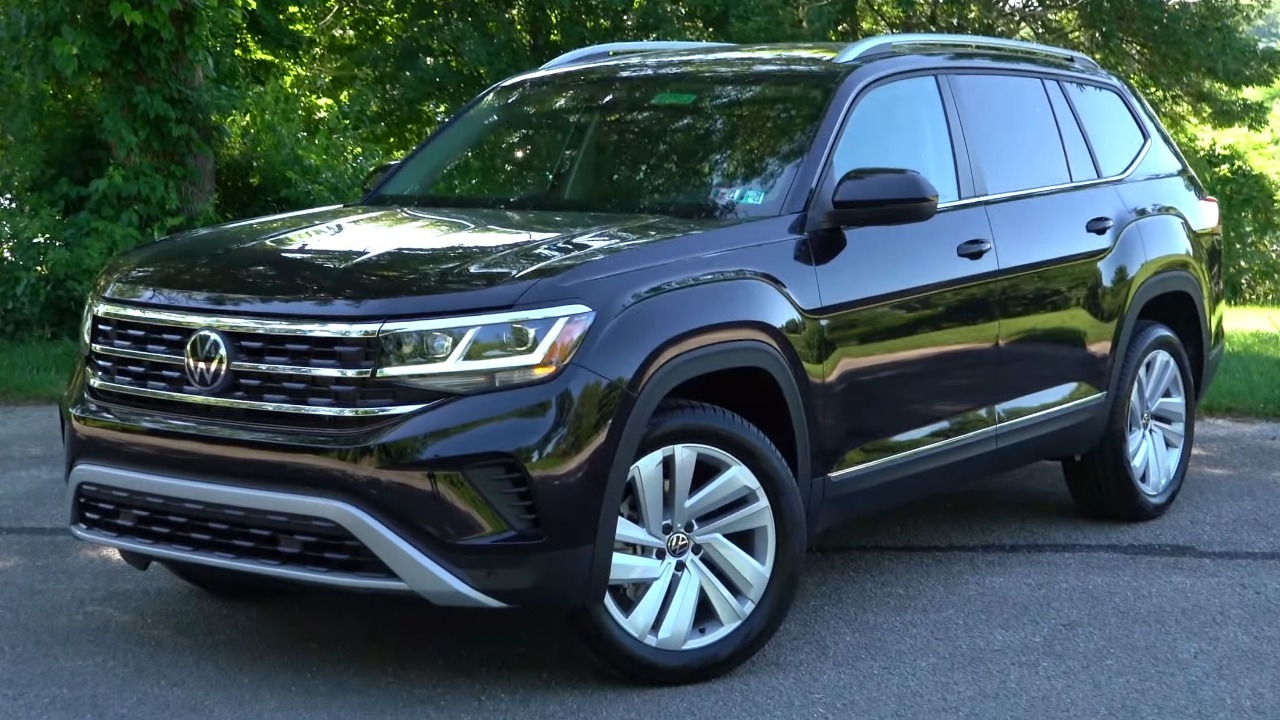
Volkswagen sized the Atlas for American families from the start, giving it a wide rear opening and a deep, squared-off cargo bay that swallows bulky items other three-rows would need folded seats to fit. The width behind the liftgate matters as much as the depth, letting flat-pack furniture or multiple duffel bags sit side by side instead of stacked.
That emphasis on raw volume over styling flourishes is a deliberate trade-off, and it shows up every time a family loads sports equipment or luggage for a full carload of passengers. Few rivals in the class match how much the Atlas can carry without touching the second or third row.
6. Mazda CX-90: Upscale Without The Trade-Off
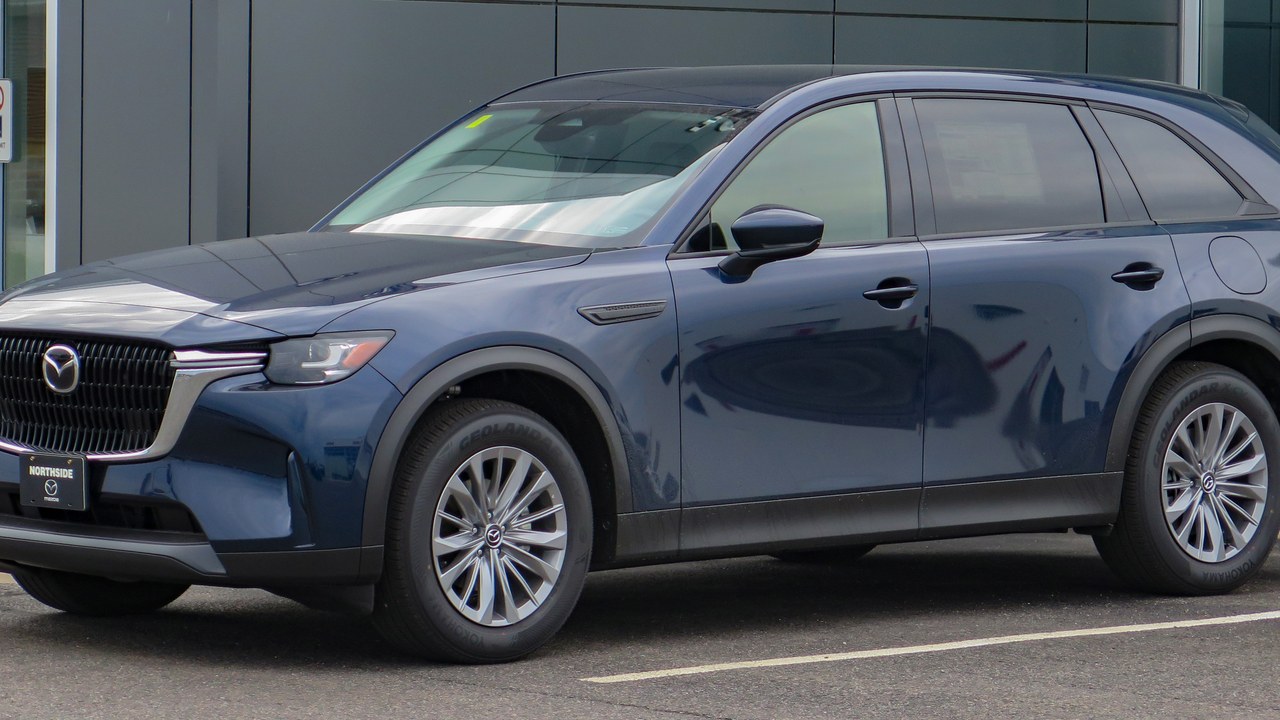
Premium three-rows often sacrifice cargo room for a sportier roofline, but the Mazda CX-90 avoids that compromise by keeping a usable, near-rectangular hold behind its back seats even with the upscale styling. The longitudinal engine layout that gives the CX-90 its rear-wheel-drive-based platform also frees up rear structure that would otherwise eat into cargo depth.
Shoppers drawn to Mazda’s quieter cabin and richer interior materials do not have to accept a smaller trunk as the price of admission, which sets the CX-90 apart from other near-luxury three-rows. That balance of comfort and capacity is a big part of its appeal in a crowded segment.
7. Jeep Grand Cherokee L: Stretched Without Shrinking
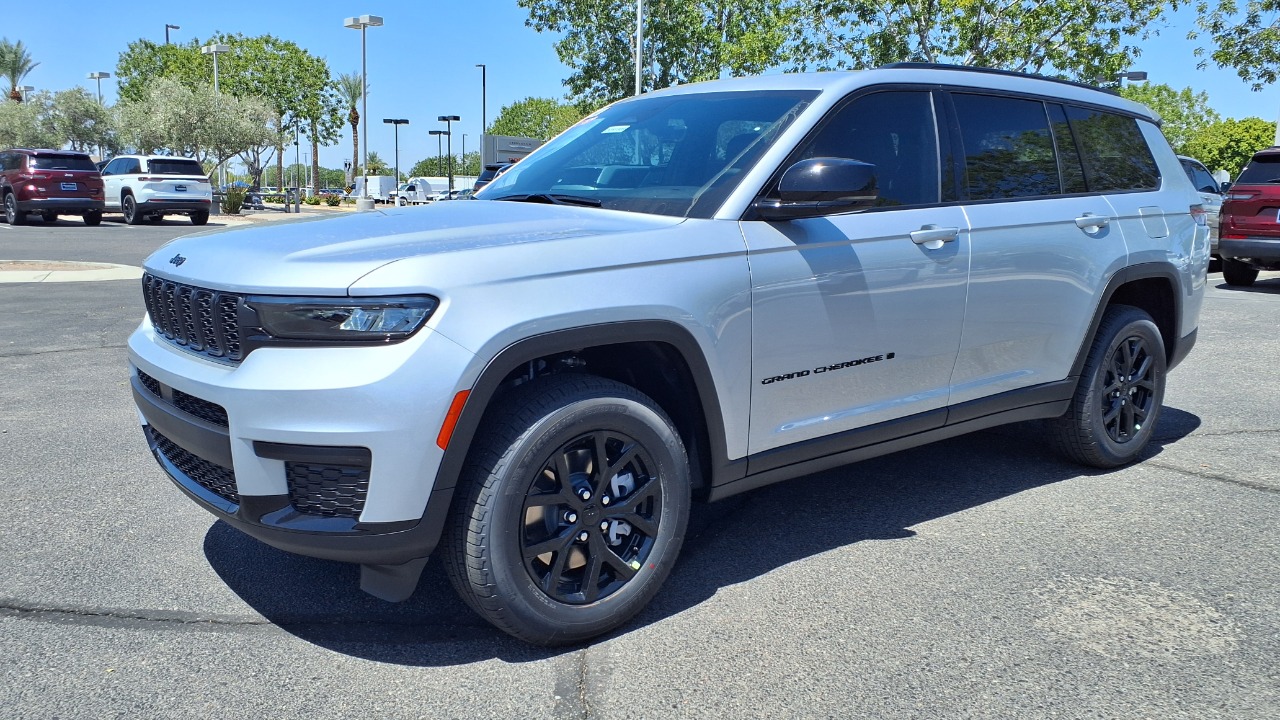
Adding a third row to the two-row Grand Cherokee could easily have squeezed cargo space, but the Grand Cherokee L avoids that by stretching the wheelbase and overall length rather than shrinking the trunk to make room for extra seats. The added inches go almost entirely behind the rearmost bench, preserving a deep cargo area most extended SUVs cannot match.
That approach lets Jeep keep its off-road-capable underpinnings while still offering a family-hauler cargo hold, a combination that is rare in the segment. Owners who need both trail capability and weekend cargo space get both without picking one over the other.
8. Subaru Ascent: AWD Standard, Space Included
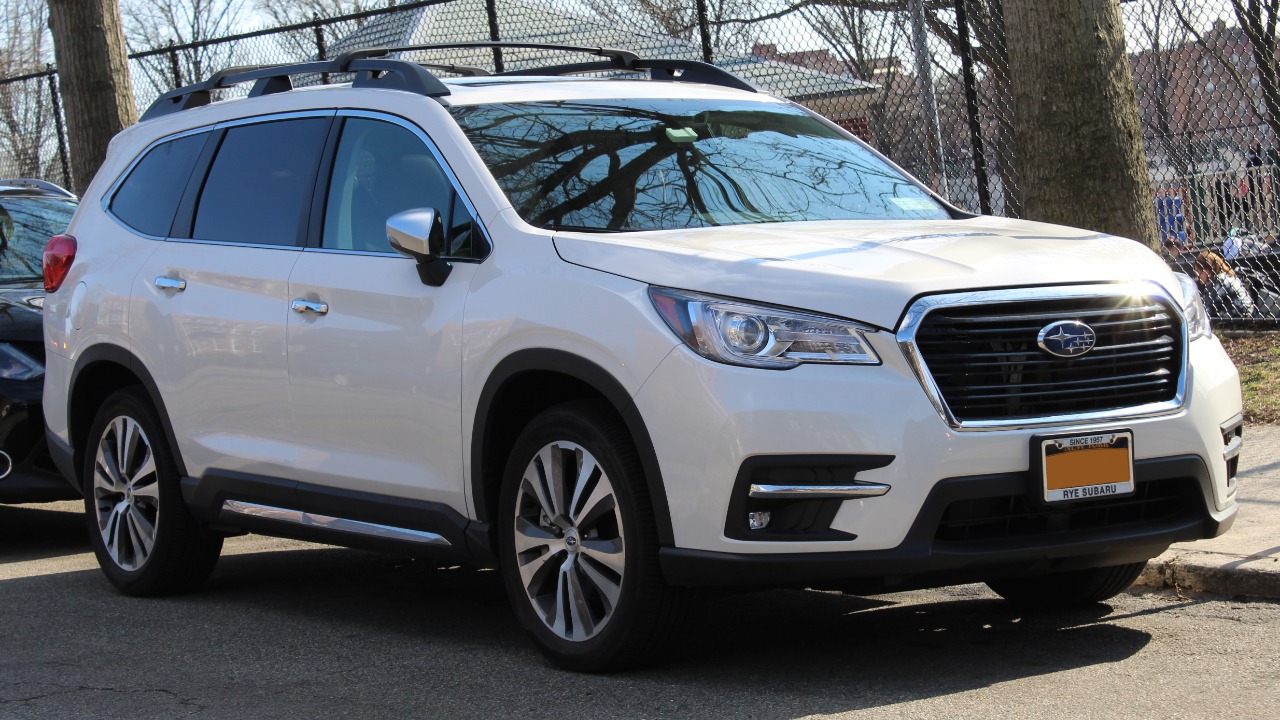
The Subaru Ascent pairs standard all-wheel drive with a big, flat load floor behind the third row, a combination that appeals to buyers in snowier or more rural regions who still need room for gear. Unlike some all-wheel-drive rivals, the drivetrain hardware is packaged low enough that it does not intrude on the cargo area’s height or width.
That flat floor also makes it easier to slide in awkward-shaped items like folded strollers or camping bins without fighting wheel-well intrusions. For families who need both traction and trunk space year-round, the Ascent covers both without forcing a compromise between them.
9. Chevrolet Traverse: Mainstream Class, Standout Room
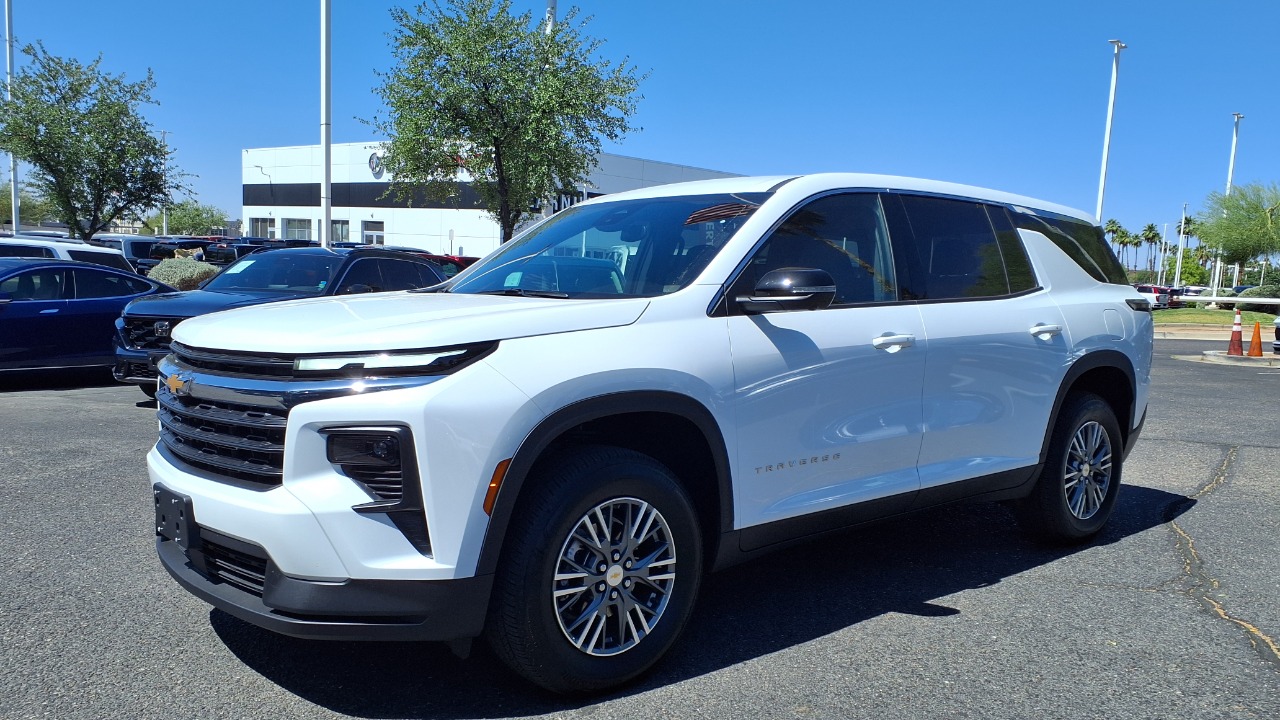
Among mainstream three-rows, the Chevrolet Traverse stands out for a cargo hold that ranks among the roomiest in its class, built on a long overall footprint that dedicates real estate to the trunk rather than just passenger legroom. Even with all three rows occupied, the space behind the last seat stays big enough for a real grocery run or a full set of luggage.
That capacity has made the Traverse a repeat pick for larger families who prioritize hauling capacity over flashy styling. It is proof that a mainstream badge does not have to mean a mainstream-sized trunk once the dimensions are actually compared.
More from Morning Overview
- The NSA is again telling phone owners to switch off one location setting
- A handful of car transmissions are so tough mechanics say they almost never fail
- A handful of SUVs keep hitting 300,000 miles, and they share one engine trait
- Supplements now rank as the fifth-leading cause of death from liver disease.
