
Toyota’s SUV story runs from a stopgap born of a halted import to modern three-row family haulers. Along the way come retro experiments, hybrid firsts and some very large recent sales gains. Here are twelve Toyota models, ordered roughly by age, with the point that earns each a spot.
Save more, waste less: The Cool Down’s newsletter sends smart, simple changes that help you and the planet in your everyday life.
We may earn a commission if you sign up.
1. Toyota Land Cruiser (J40): The Import Gap
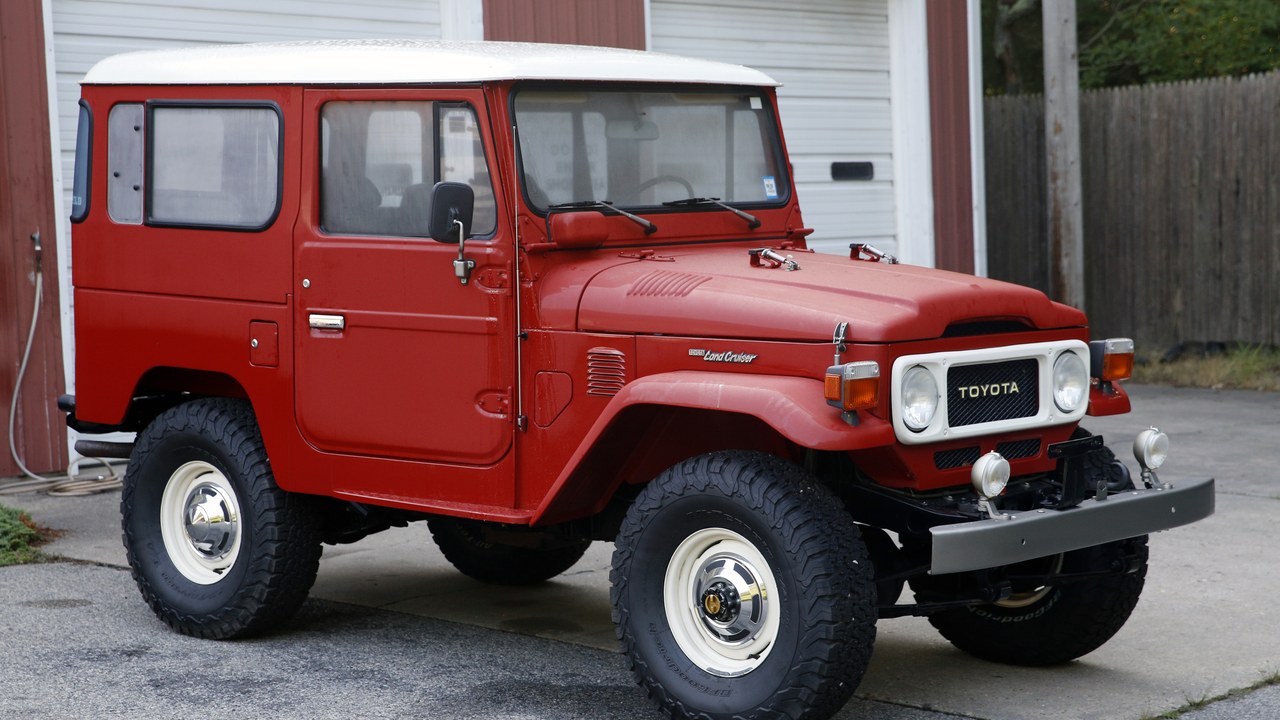
Toyota stopped importing the FJ40 to the American market in 1979, a gap described in Toyota’s 4Runner anniversary history as the opening that led to the 4Runner.
Many Toyota SUV stories begin with something missing. Without the FJ40, dealers needed a rugged vehicle to sell, and the answer arrived a few years later. The Land Cruiser name stayed in the background until its return near the end of this list. That backstory explains why the 4Runner exists at all and gives the rest of this list its historical anchor, starting point and sense of direction.
2. Toyota 4Runner (first generation): Born With a Removable Top
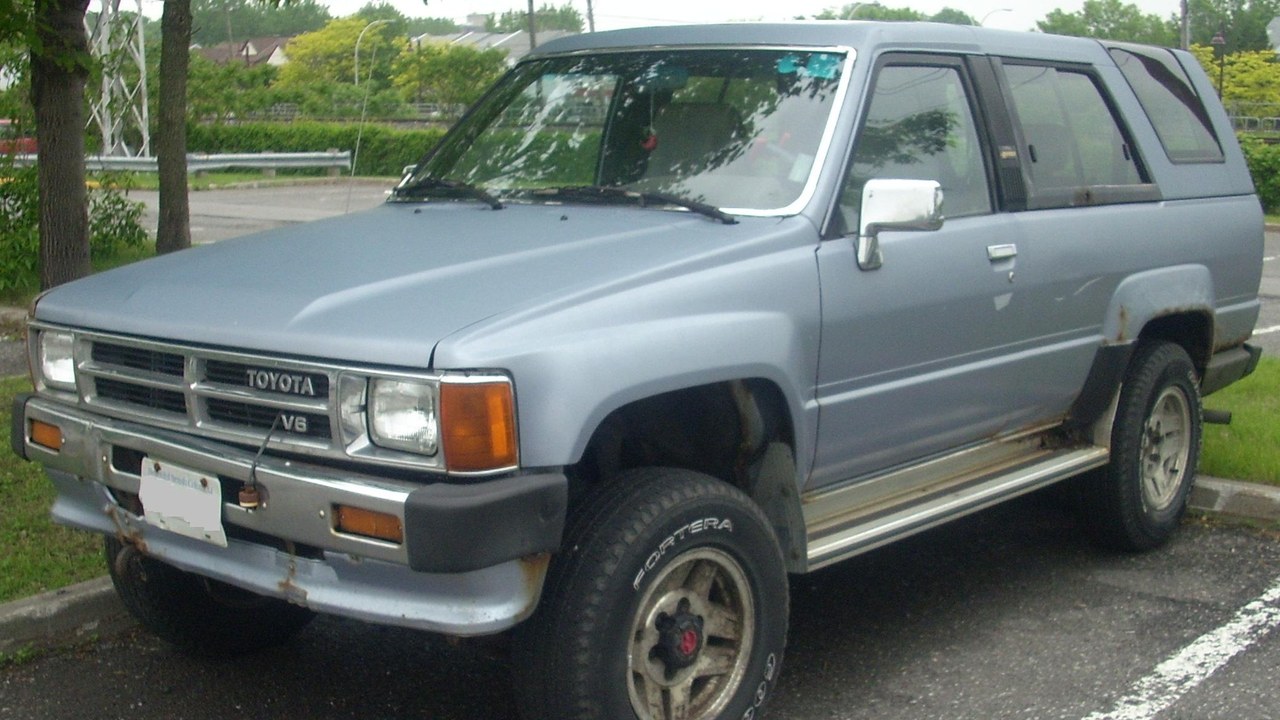
Born in 1984 with only two seats in front, none in the back, and a removable fiberglass top, the first 4Runner began a nameplate that had reached 4 million cumulative global sales, Toyota’s own history says.
That figure covers every generation in markets around the world, so it measures reach rather than a domestic tally. The original, with no rear seat, is a far cry from the family vehicle the name later became. It also shows how Toyota built a global business, not only a domestic one, from a single rugged idea that kept evolving over decades.
3. Toyota 4Runner (second generation): Seats Added, Top Dropped
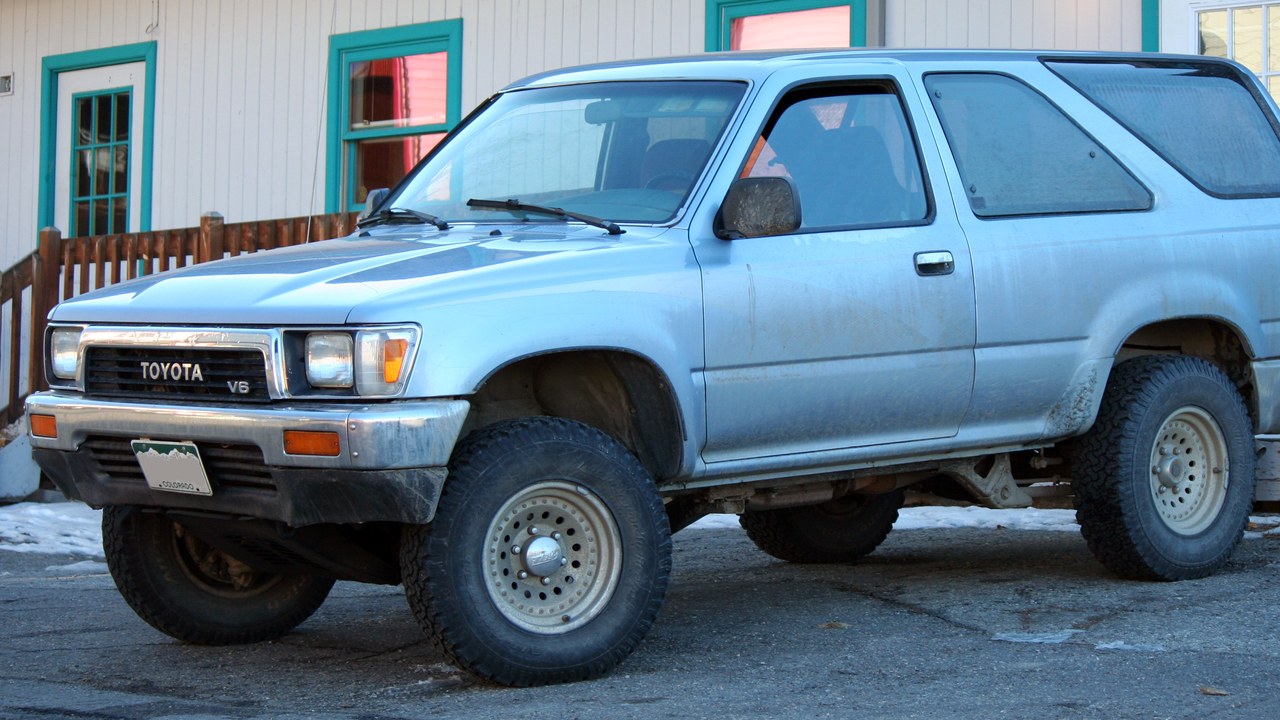
The second generation added three more seats, and Toyota eliminated the removable top in 1990, the company’s anniversary retrospective explains.
Together the changes turned a two-seat utility into a vehicle able to carry a household, pushing it toward the mainstream. The fiberglass roof had been a distinctive feature, but a permanent roof suits daily driving better and made the model a more sensible family purchase. Later versions kept growing in size and comfort, so the early models are best seen as a rough sketch of what the nameplate became.
4. Toyota RAV4 (XA10): Compact Crossover Arrives
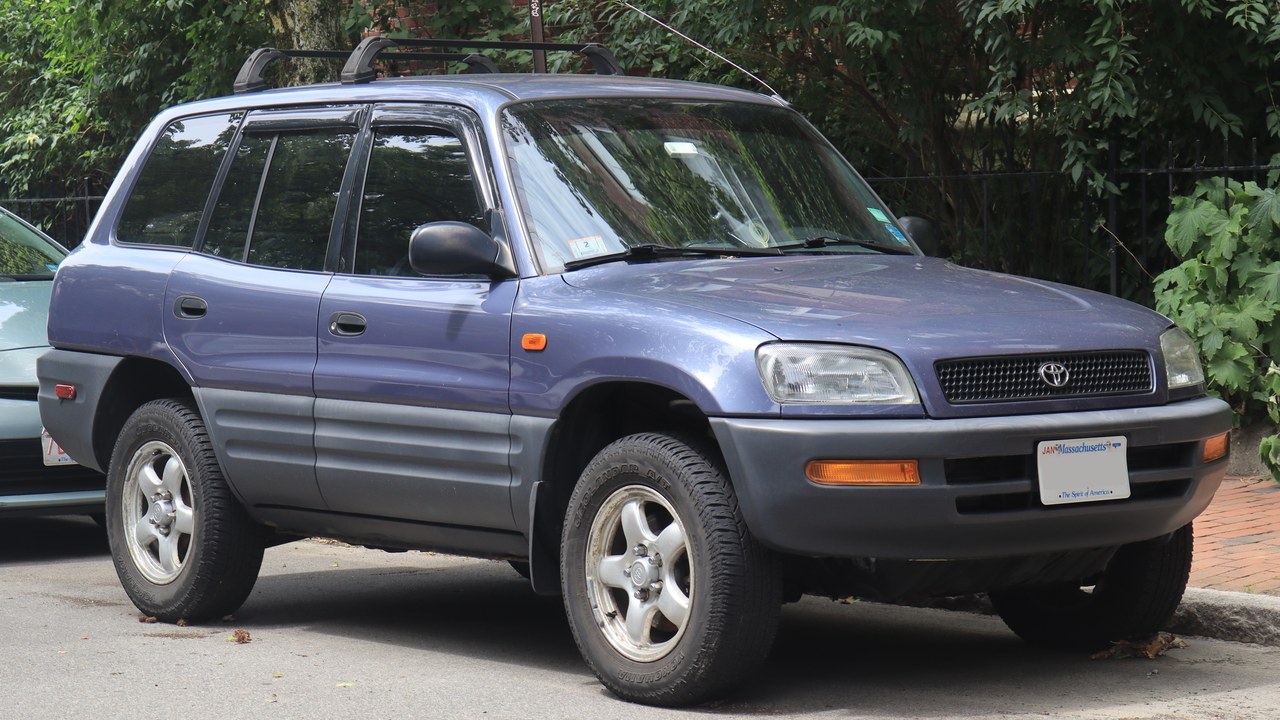
Toyota’s American history timeline marks 1996 as the year the RAV4 launched, per its operations timeline.
The entry is brief, yet the model it marks went on to become central to the brand’s lineup. Sales figures later on this page show how large the nameplate has grown, and why a modest 1990s debut now looks like a turning point for the company. Over the following decades, the compact crossover shifted from a quirky newcomer to the default choice for many American households.
5. Toyota Highlander (XU20): Car-Based Family SUV
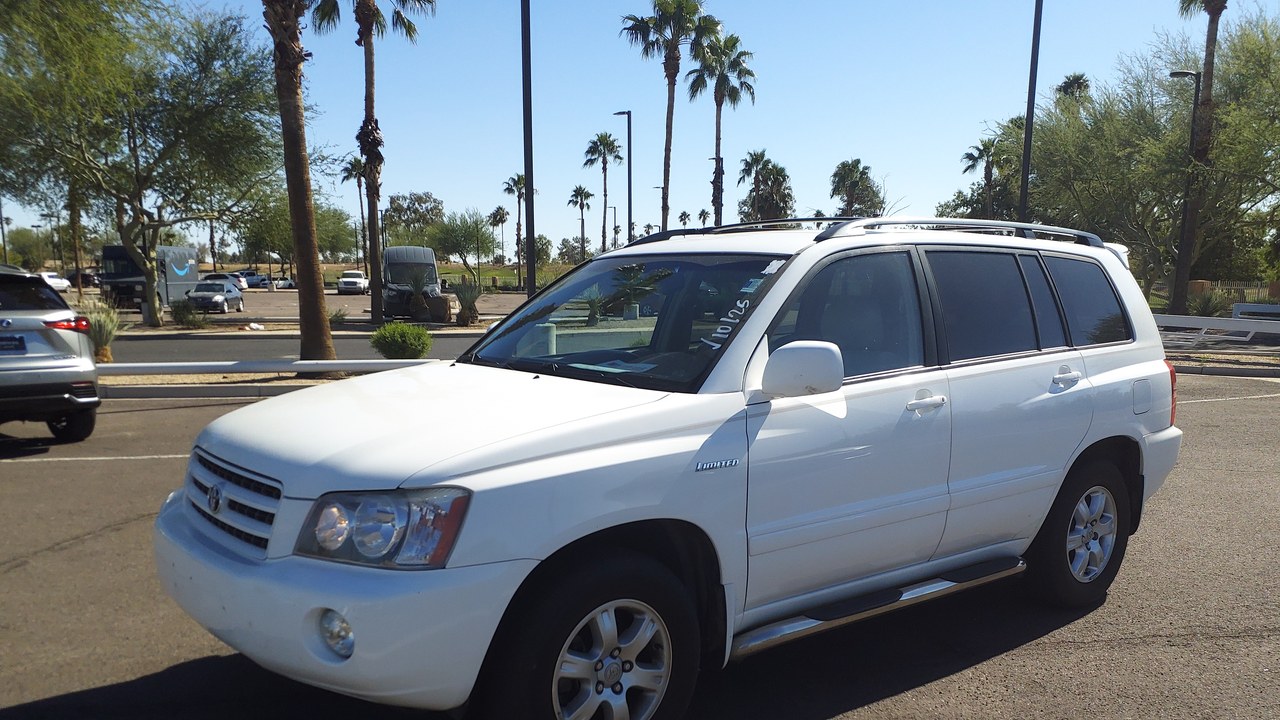
Arriving in North America in January 2001 on a car platform shared with the Camry, it became Toyota’s best-selling American SUV until the RAV4 passed it in 2006, per Wikipedia’s Highlander article.
Building on a car platform gave it smoother manners than traditional truck-based utility vehicles, a recipe that proved popular. The RAV4 overtaking it shows how fast the small-crossover segment grew in the years right after. It remains an instructive example of how a mainstream manufacturer can create a new class of vehicle by borrowing from its passenger cars.
6. Toyota Highlander Hybrid: First Seven-Seat Hybrid
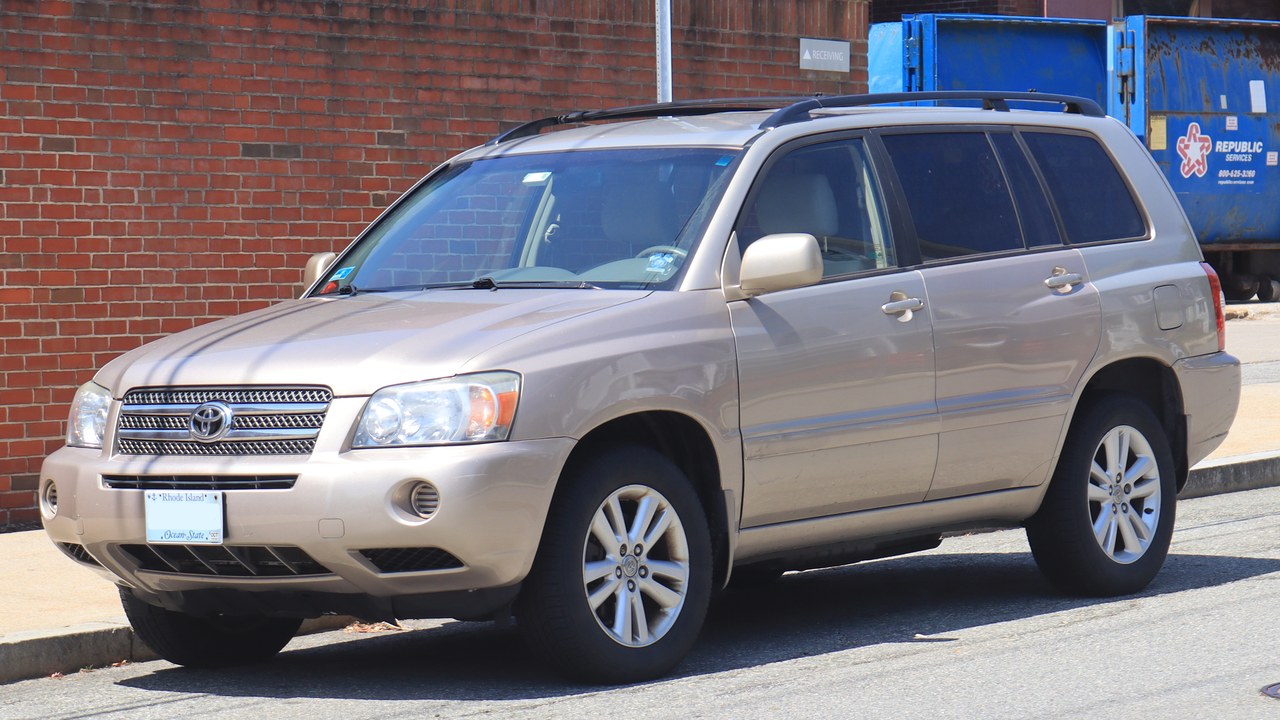
Offered from July 2005 as a 2006 model, it was Toyota’s first seven-seat hybrid vehicle, the same Highlander article records.
Hybrid technology had been tied to small cars, so putting it into a three-row family vehicle widened its appeal. That groundwork connects directly to the hybrid versions of the Grand Highlander that appear later in the lineup. The combination proved so successful that hybrid versions are now common across the entire SUV portfolio, not just in the largest models.
7. Toyota FJ Cruiser: Retro Off-Roader
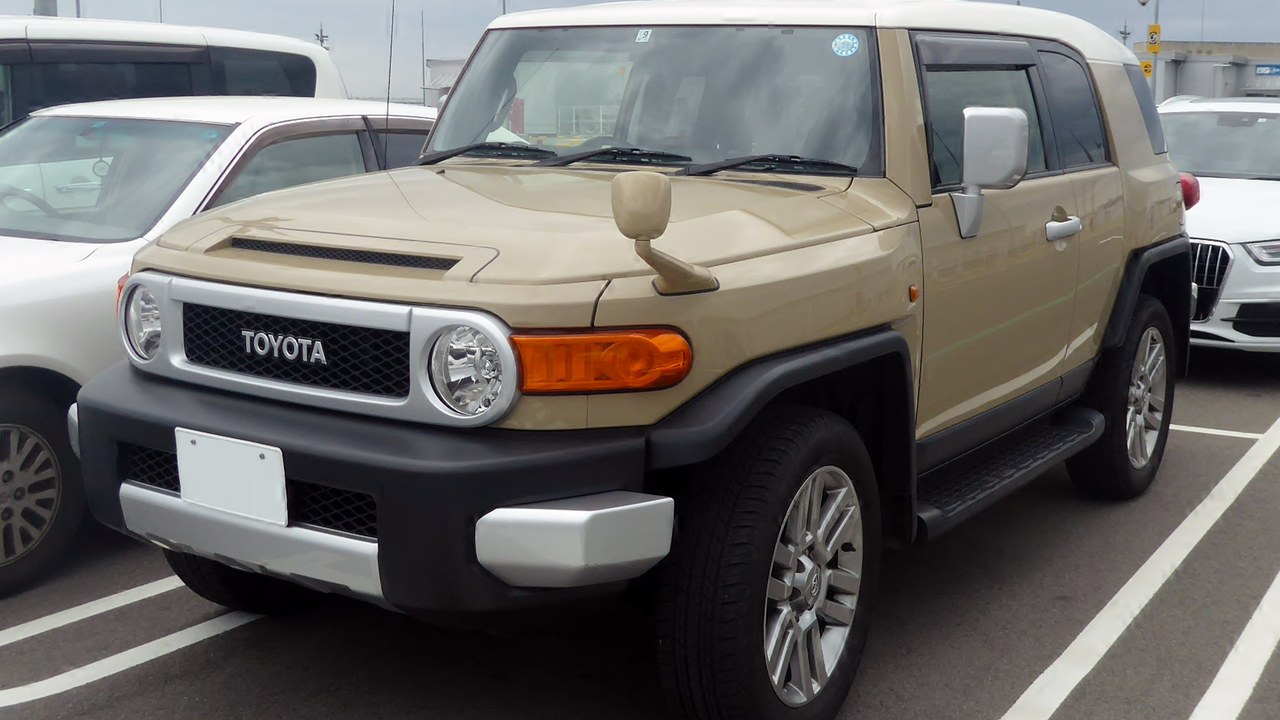
The FJ40-inspired retro SUV sold more than 200,000 units from 2006 before its final 2014 model year, Jalopnik’s farewell piece reports.
Nostalgia gave it a distinctive look, and the sales total shows a genuine following for a niche design. It ended without a direct successor, though the Land Cruiser name later returned in another form, closing a loop with the FJ40 that inspired it. Enthusiasts have since taken notice, and the model is often discussed as a modern classic among off-road fans.
8. Toyota Sequoia (third generation): Full-Size Gains
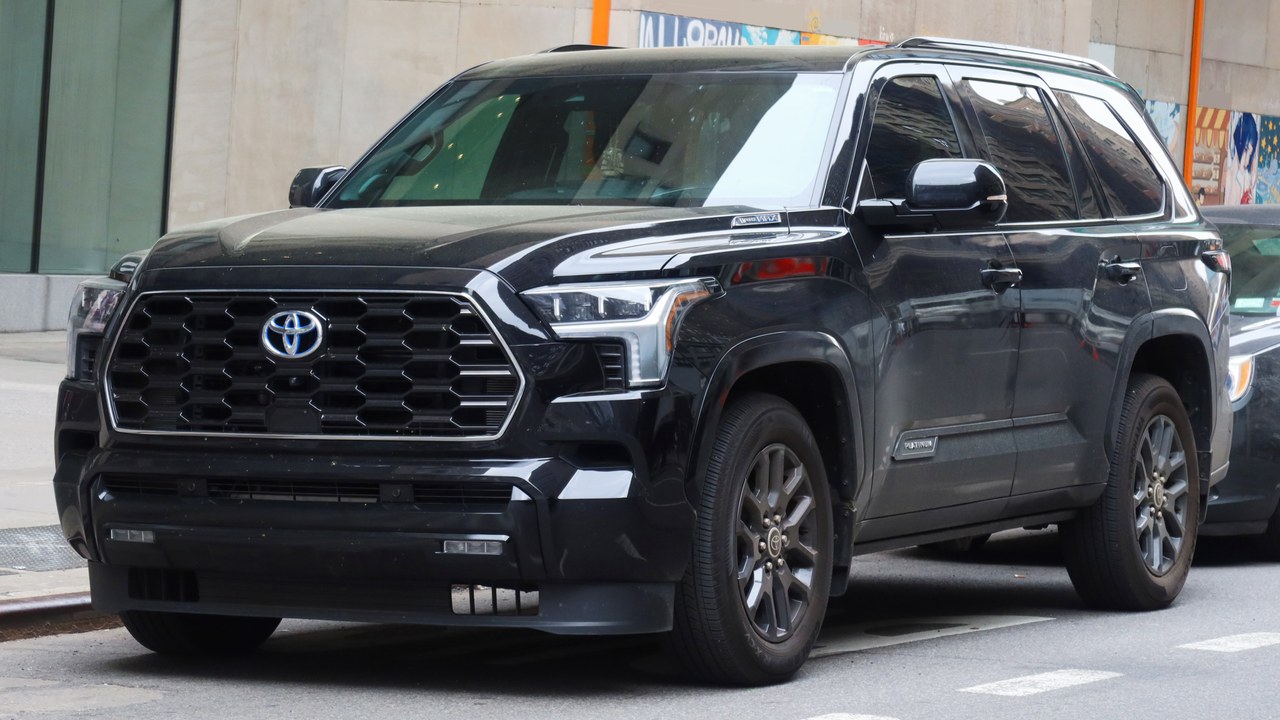
Sequoia sales reached 21,403 through September 2026, up 15.8% on the year, based on Toyota’s third-quarter sales release.
Large SUVs make up a smaller segment than compact crossovers, so a double-digit rise signals steady demand at the top of the lineup rather than a volume play. It is a healthy showing for a model that sits at the premium end of the range. The result suggests that buyers with the budget for a big SUV remain a loyal group, even as smaller models attract more headlines.
9. Toyota Grand Highlander: Newest Family Hauler
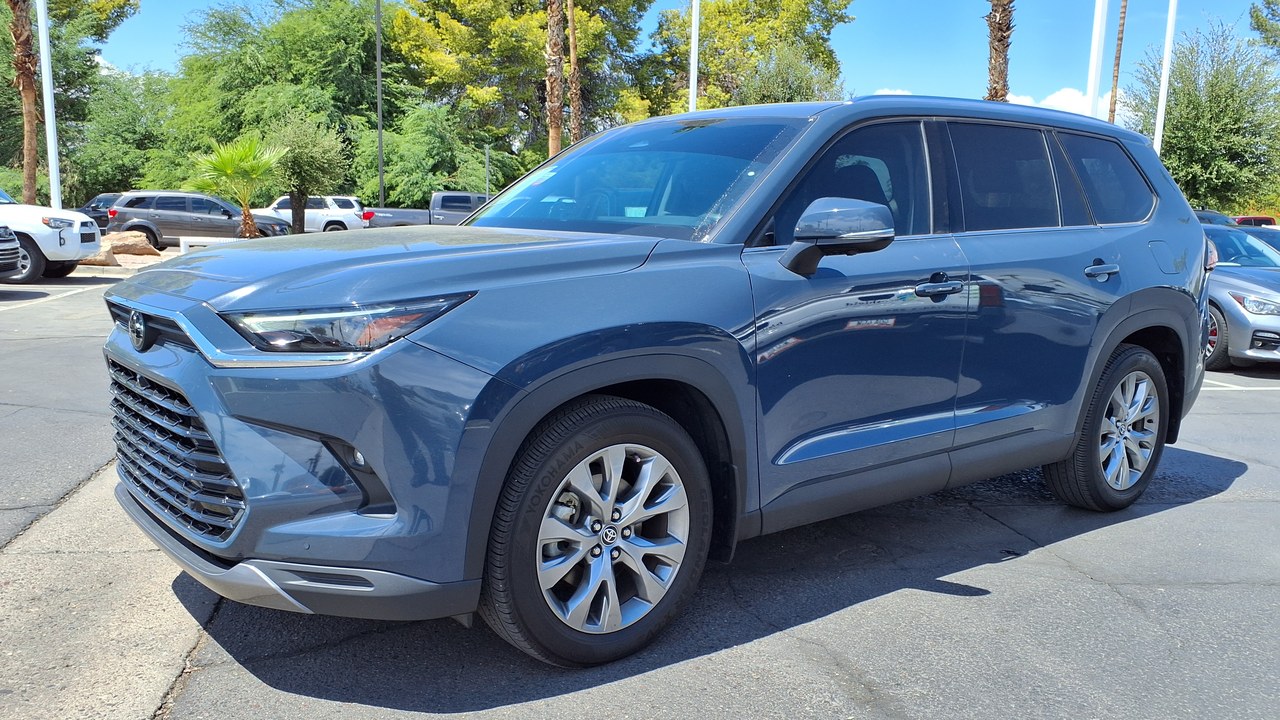
Toyota sold 108,511 Grand Highlanders in the first nine months of 2026, up 8.7%, the same sales report shows.
As a larger three-row sibling to the Highlander, it has quickly built a sizable following. Its volume sits well above the Sequoia’s, which shows that the bigger family-hauler niche, rather than the largest SUV, is where Toyota’s three-row numbers are concentrated. Its success also shows how quickly a new nameplate can move from newcomer to a major contributor within a single model cycle.
10. Toyota 4Runner (sixth generation): Sixth-Gen Surge
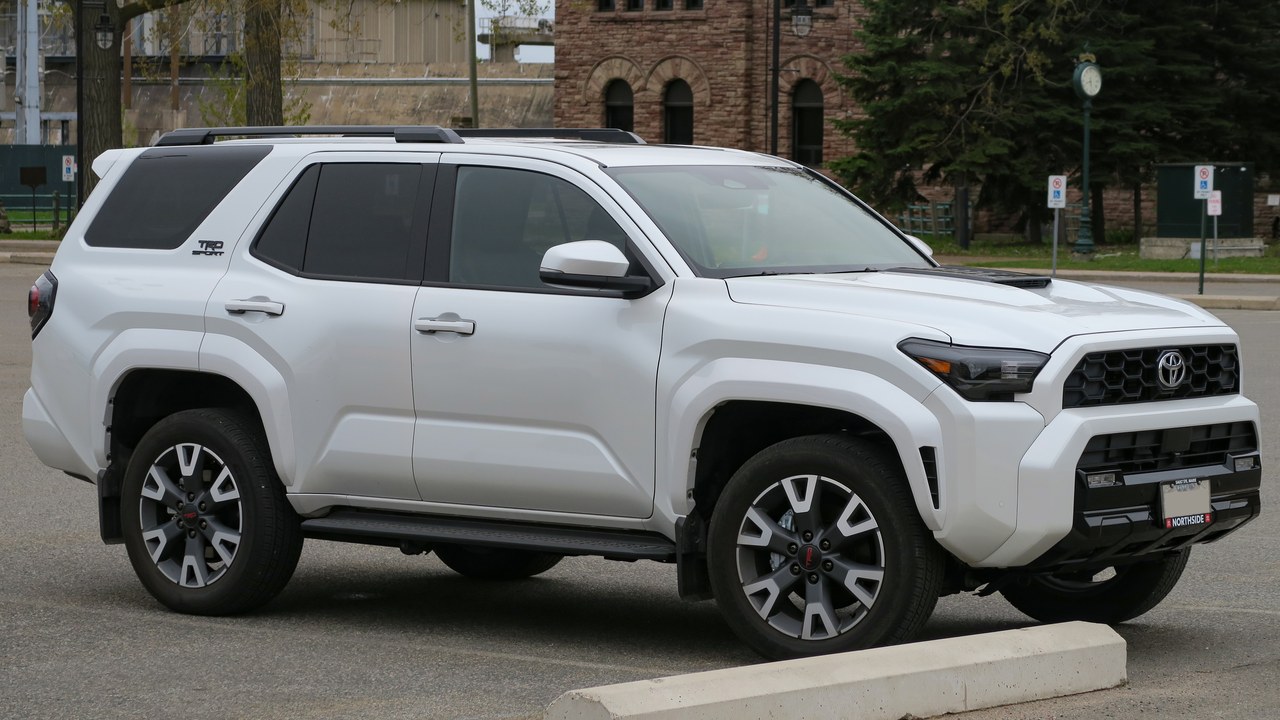
4Runner sales reached 107,987 through September 2026, up 61.2% from 67,001, per Toyota’s quarterly results.
A jump of more than half over the prior total is striking for a nameplate four decades old. It likely reflects the arrival of the redesigned sixth generation, with the new model fresh in showrooms and drawing buyers who waited for it. Strong numbers like these help explain why the company has kept investing in the nameplate rather than leaving it as a niche off-road choice.
11. Toyota RAV4 (sixth generation): Down but Dominant
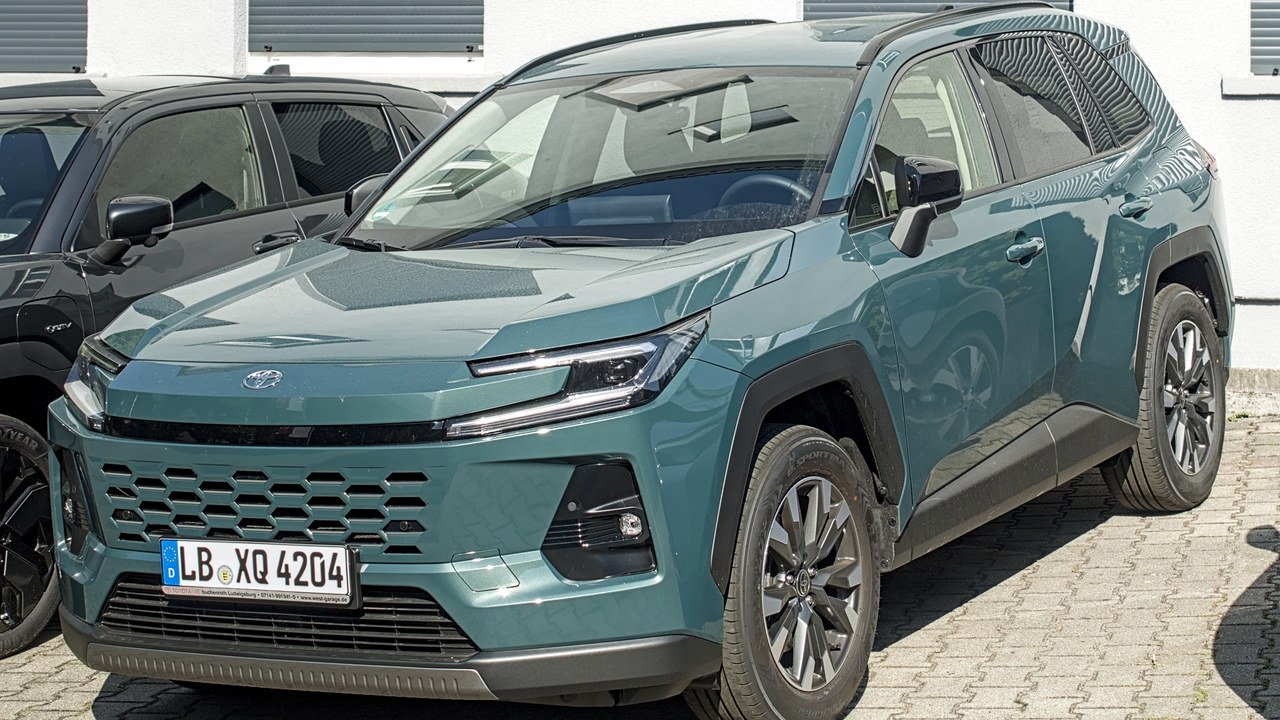
Even down 29.2%, the RAV4 sold 253,664 units through September 2026, according to Toyota’s September sales release.
That total still dwarfs every other Toyota SUV here, a measure of how central the compact crossover is to the brand. The decline is steep, yet the starting level was high enough that the model remains the clear volume leader. For a model that sells at this scale, even a large percentage swing represents a very large number of vehicles moving through dealers.
12. Toyota Land Cruiser (250 Series): Returning Icon
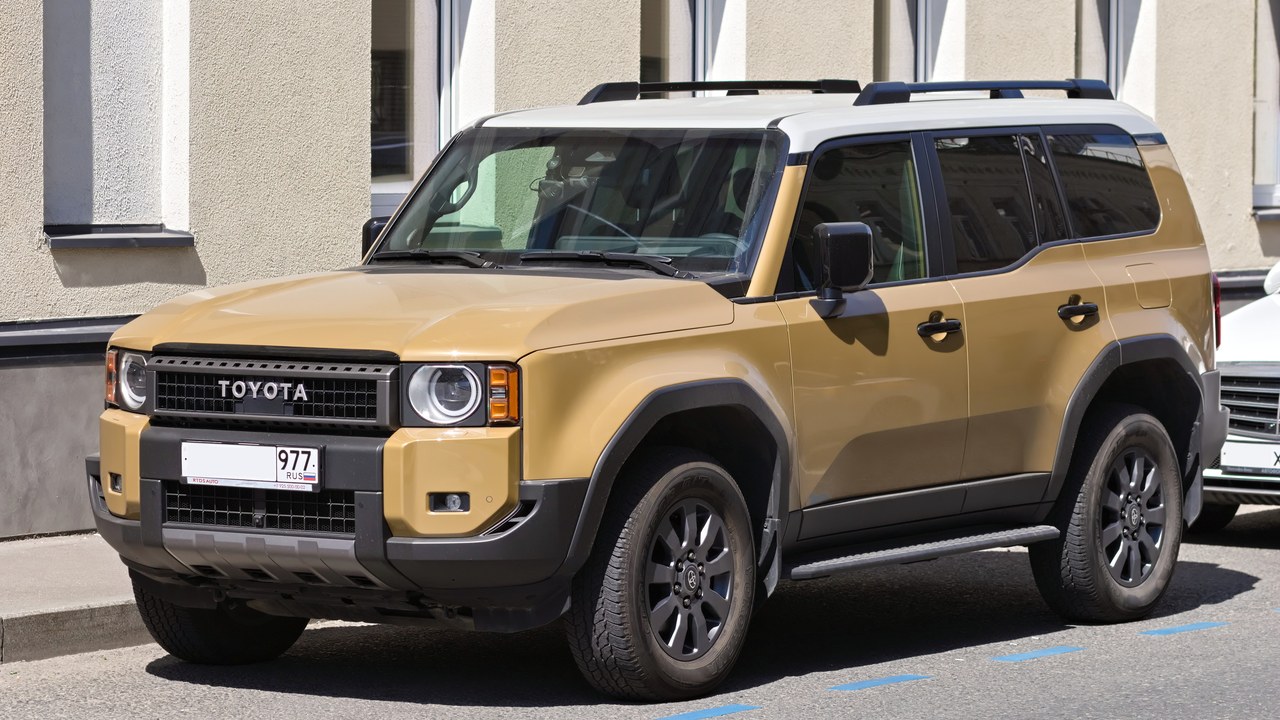
The returning Land Cruiser starts at $57,200 for 2026 and completes Toyota’s body-on-frame lineup, Toyota’s press release states.
Its return closes a loop that began with the FJ40 gap at the start of this list. Body-on-frame construction signals a focus on durability off the pavement, and the model gives the brand a rugged flagship once again. For shoppers who want an authentic off-road vehicle with a famous name, the returning model fills a role that few rivals can match.
Save more, waste less: Subscribe to The Cool Down →
We may earn a commission if you sign up.
More from Morning Overview
- Regulators cleared the first U.S. small modular reactor, 4 months early
- Lake Powell sank to a record 3,517 feet, nearing the level that stops Glen Canyon Dam’s turbines
- Seven of Earth’s nine planetary boundaries are breached, and all seven are worsening
- The NSA says three phone features should be off whenever you aren’t using them
