
Jeep’s official history pages supply the milestones behind a brand known for off-road capability. The picks run from a long-lived wagon of the 1960s to a recent Wrangler, with pickups, compacts and a small crossover in between. Here are twelve Jeeps, each with the landmark that earned it a place.
AI, explained every day: The Deep View is the go-to daily newsletter for 600,000+ founders, knowledge workers and professionals who want to stay up to date with artificial intelligence.
We may earn a commission if you sign up.
1. Jeep Wagoneer (SJ): Longest Run on One Platform
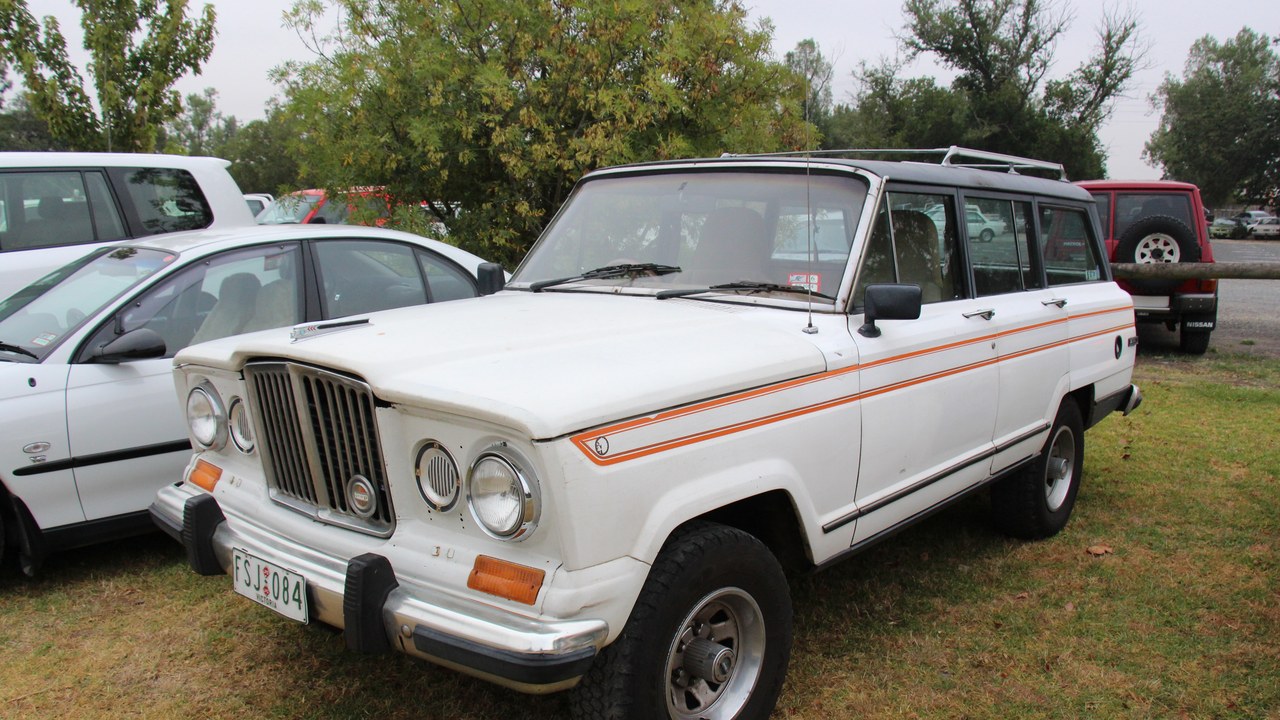
Jeep calls the 1963 to 1991 run of this wagon the longest continuous production on one platform in American automotive history, according to Jeep’s 1960s history page.
Staying in production for nearly three decades meant the wagon outlasted trends, owners and rivals. The claim comes from the manufacturer itself, so it is a company assertion rather than an independent ranking, but it still captures the model’s staying power. Jeep leans on that distinction as a selling point, and it ties the wagon to the brand’s identity as a builder of durable vehicles.
2. Jeep Gladiator (SJ): Pickup on a Wagon Platform
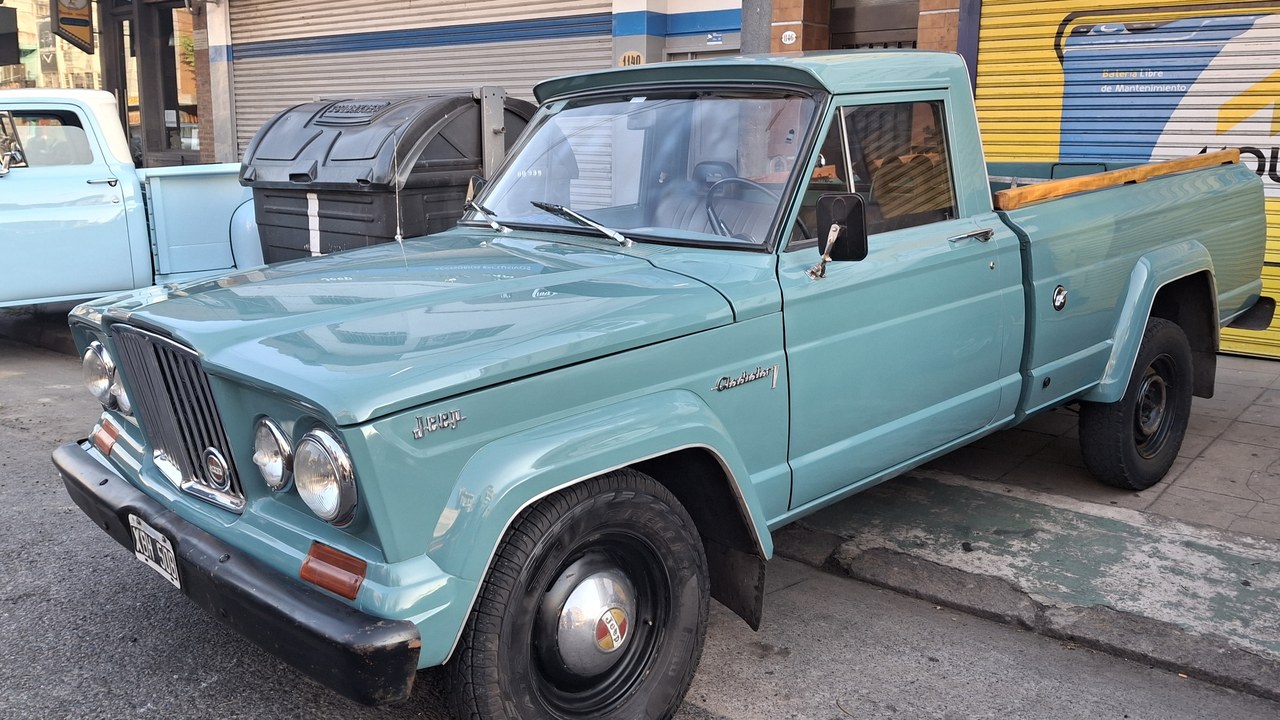
Introduced in 1962 for 1963 on the Wagoneer’s platform, the Gladiator name was dropped in 1971, Jeep’s decade overview notes.
The nameplate’s long absence is a reminder that Jeep revives names it considers valuable, and a modern pickup later returned under the same name. The original shows how the brand stretched one platform across wagons and trucks. Together with the Wagoneer, it shows a single platform serving both passengers and cargo, a flexible approach that helped the brand reach new customers in the 1960s.
3. Jeepster Commando: Automatic Four-Wheel Drive
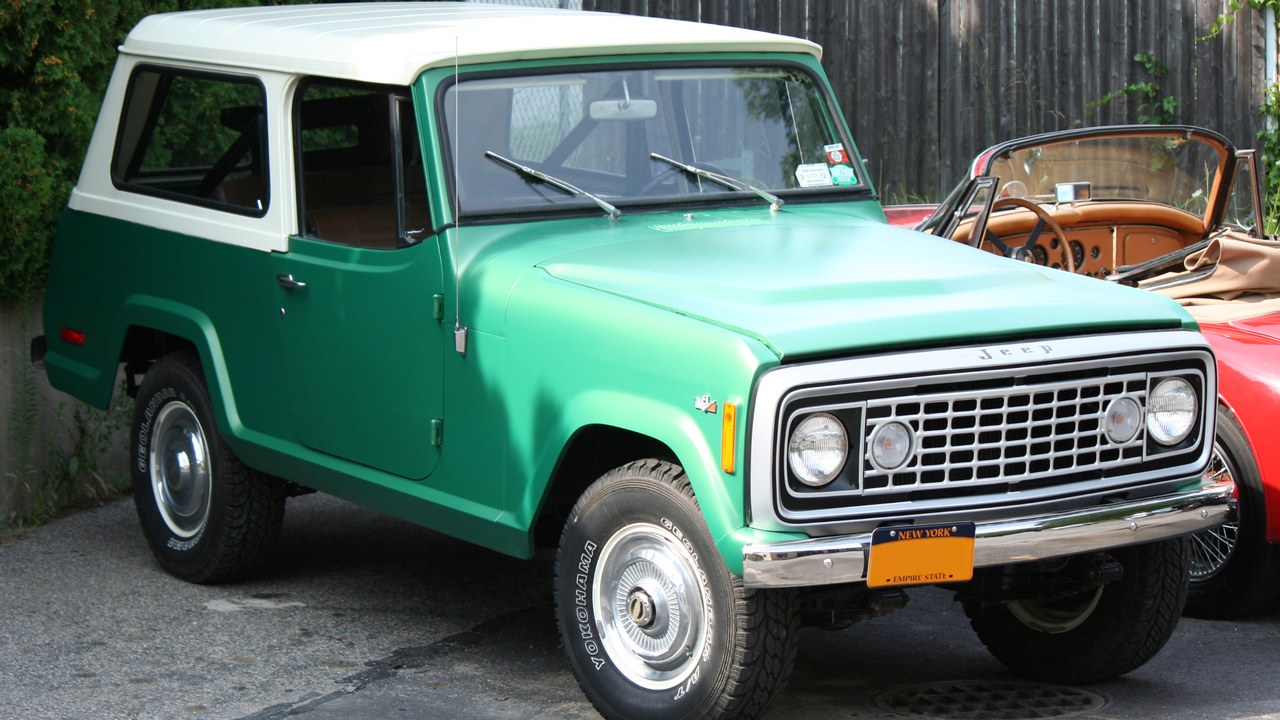
Jeep describes the Jeepster Commando as the first compact 4WD vehicle with an automatic transmission, a claim made on the 1960s heritage page.
An automatic gearbox lowered the barrier for drivers who wanted four-wheel traction without managing a manual. As with other firsts on this list, the wording is the company’s own and reflects how it frames its history. Whether or not rivals dispute the label, the model clearly marked a turning point in how Jeep approached everyday, road-focused buyers rather than only trail users.
4. Jeep CJ-8 Scrambler: Stretched for Work
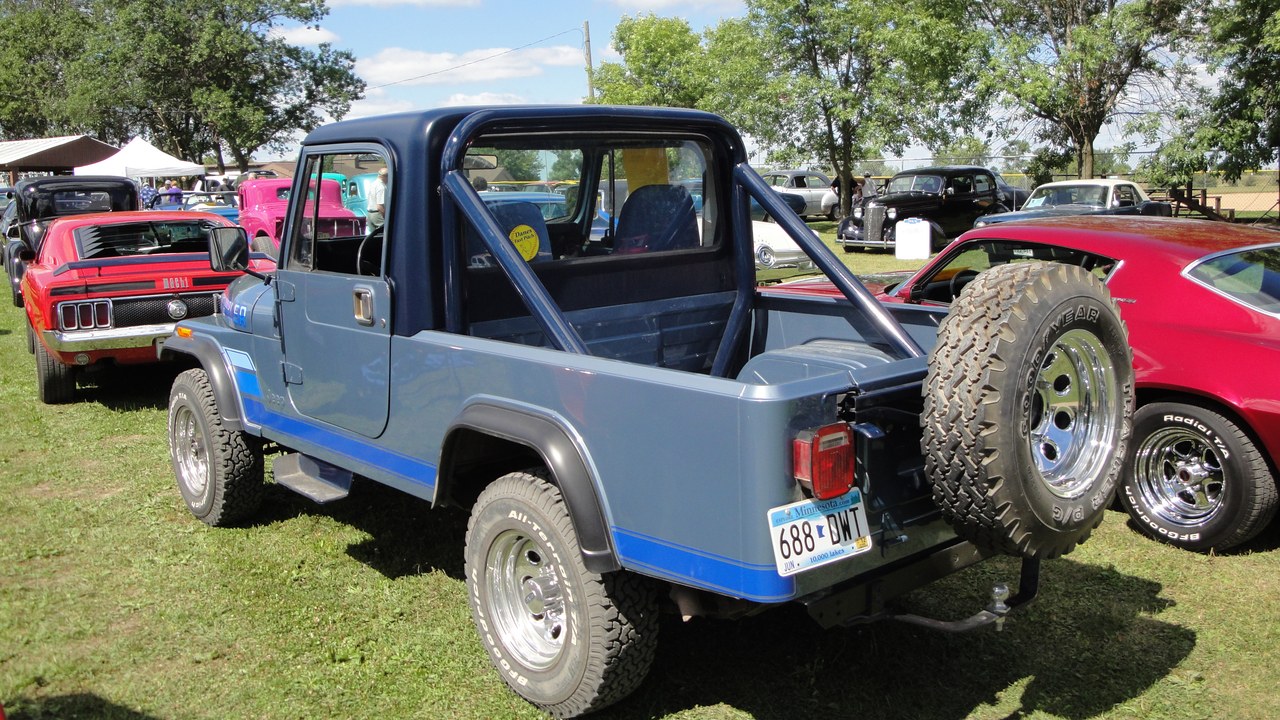
A stretched CJ-7 pickup on a 103-inch wheelbase, the Scrambler was sold 1981 to 1985 and used by the Postal Service in Alaska, Jeep’s 1980s page records.
The extra length turned an off-road toy into a small working truck. Mail delivery in Alaska is a demanding job, and the use shows that a niche variant could earn a real place on remote routes far from ordinary roads. Its history also hints at how Jeep once experimented with unusual body styles, a tradition that still shows up in some recent concept vehicles.
5. Jeep Cherokee (XJ): Compact Four-Door First

The first compact four-door SUV, the Cherokee was 1,000 pounds lighter than the SJ Wagoneer it followed, Jeep’s 1980s history says.
Shedding that much weight, while adding practical doors, set a template that rival makers later copied. The compact SUV format that dominates showrooms today traces part of its identity to this model and its lighter, more efficient approach. The lighter, more compact design appealed to buyers who wanted a practical vehicle with Jeep capability, and it influenced the segment for years afterward.
6. Jeep Comanche: Pickup Line Ends

This XJ-based pickup, built 1986 to 1992, ended the Jeep pickup line that began in 1947, per the 1980s overview.
The Comanche closed a chain of Jeep trucks reaching back to the late 1940s. Building it on the Cherokee’s design kept costs in check, yet the line still went dormant until the Gladiator returned many years afterward. Today’s midsize pickup market has revived interest in the format, which gives the Comanche a second life as a nostalgic cult favorite among truck fans.
7. Jeep Wrangler (YJ): Square Headlights Era
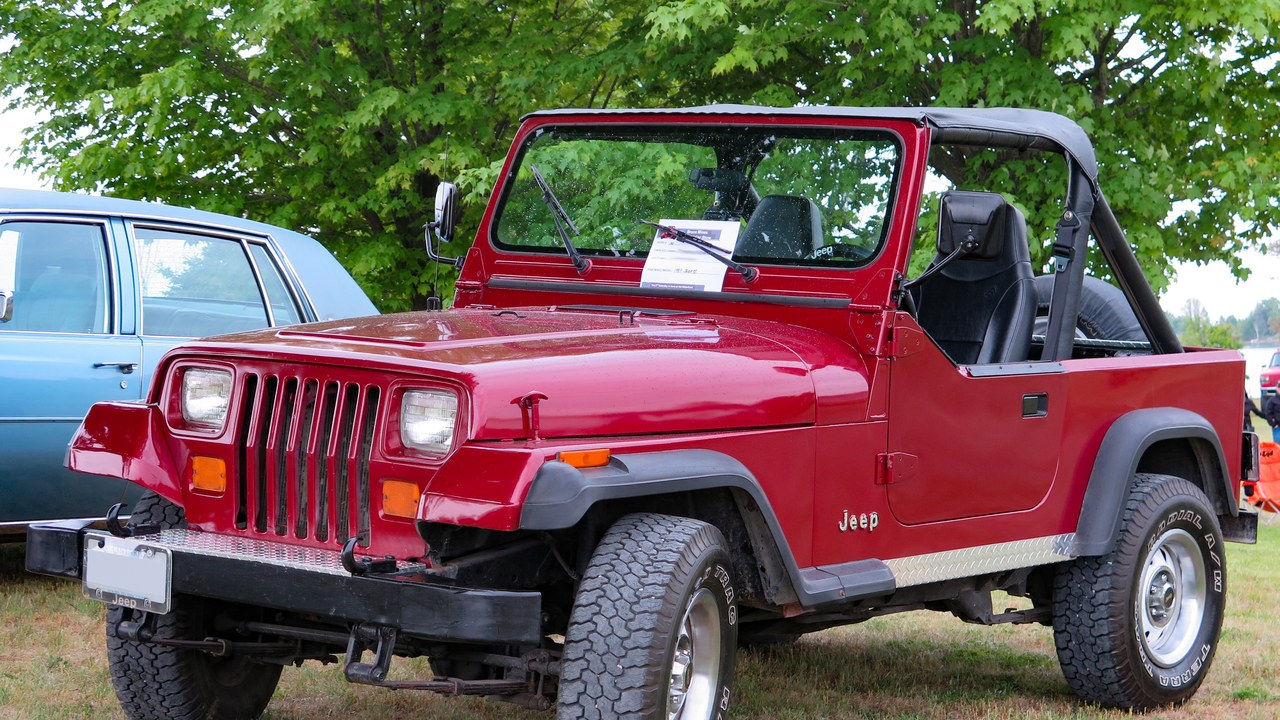
The Wrangler replaced the CJ in 1987 with square headlights that Jeep calls a first, and last, for the model, as the company’s 1980s account explains.
The boxy lamps drew mixed reactions from traditionalists who preferred the round look, and the design did not last. Jeep itself treats the feature as a one-time detour on the path to the Wrangler seen today. Owners of later Wranglers still debate the look, and fans of the older round-light models are usually quick to say which design they prefer.
8. Jeep Grand Cherokee (ZJ): Glass-Breaking Debut
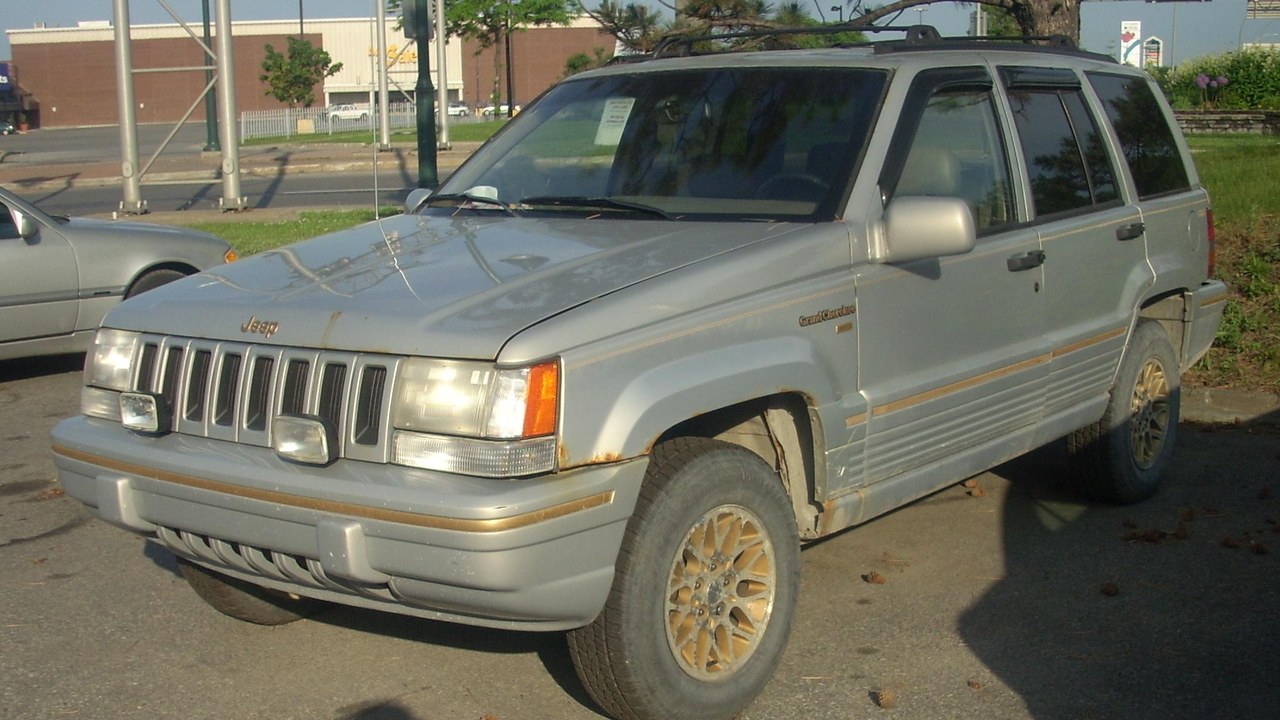
The Grand Cherokee crashed through the convention-center glass at its 1992 Detroit debut and was the first SUV with a driver-side air bag, according to Jeep’s 1990s history.
The stunt and the safety first together made the launch memorable. Both claims come from the manufacturer, and the air bag distinction is tied to the 1993 model, so the exact framing is Jeep’s own rather than an industry-wide ruling. Whatever the exact ranking of safety firsts, the debut gave the Grand Cherokee instant name recognition that lasted through every redesign afterward.
9. Jeep Wrangler (TJ): Round Lights Return
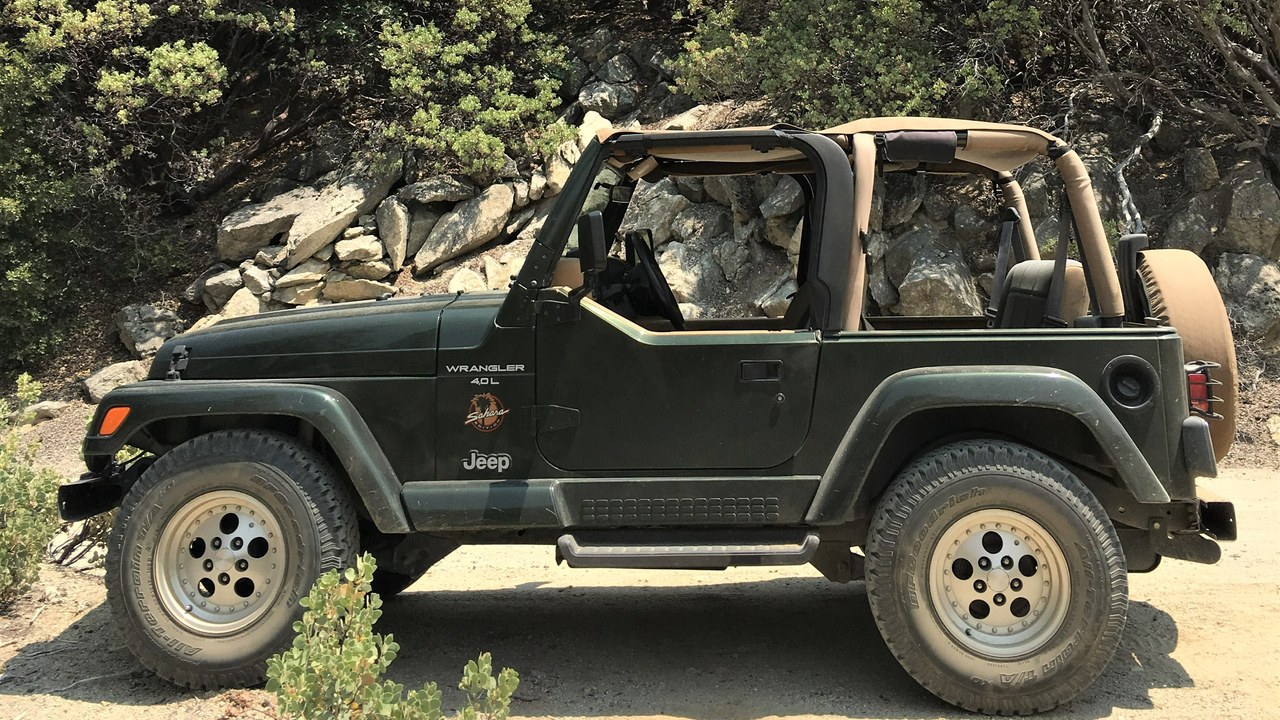
The Wrangler brought back round headlights in 1997 with nearly 80 percent newly designed parts and coil springs instead of leaf springs, the 1990s heritage page says.
Coil springs improved ride comfort, while the round lamps restored the look fans wanted after the square-light interlude. The redesign shows Jeep balancing nostalgia with real engineering updates, a formula it has repeated through later generations. Put together, the changes made the Wrangler easier to live with every day without erasing the trail-focused personality that made it famous.
10. Jeep Grand Cherokee (WK2): Four Million and Counting
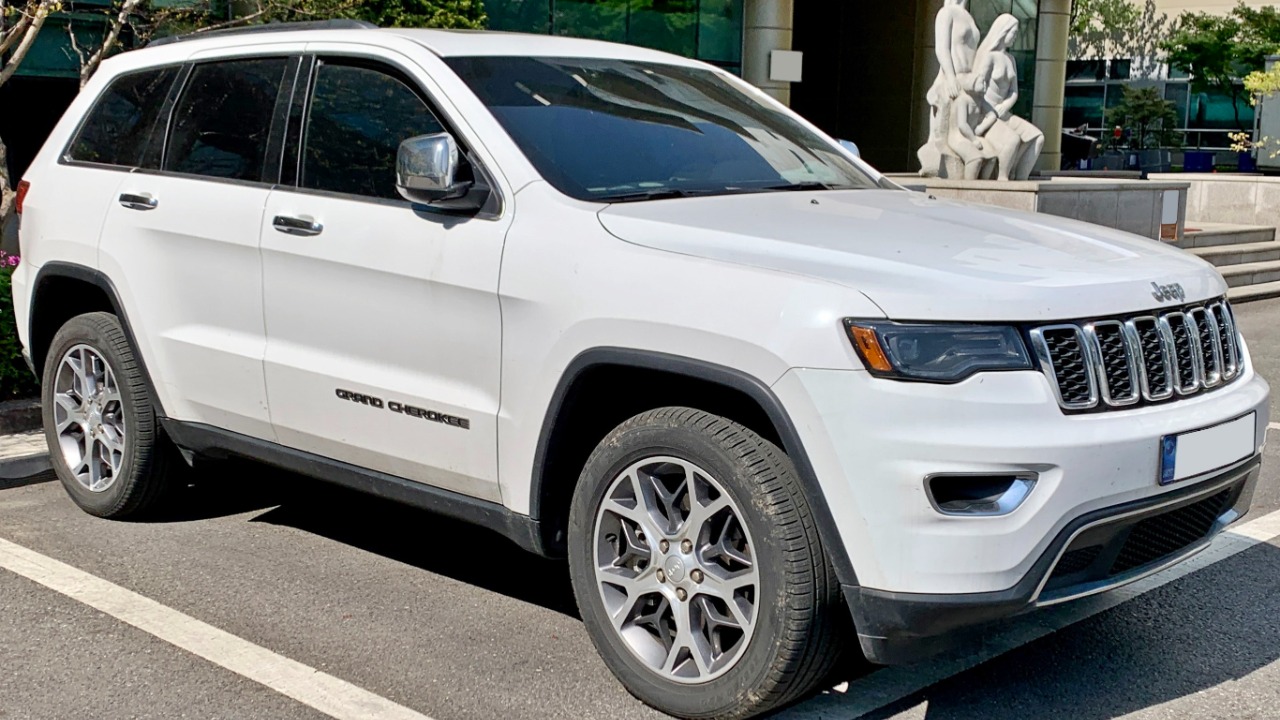
The all-new 2011 model came as the Grand Cherokee passed more than 4 million sales since the first one, per Jeep’s 2010s history.
A figure that large explains why the Grand Cherokee ranks as the brand’s mainstream workhorse. The milestone coincided with a full redesign, which is typical for a nameplate that must keep refreshing itself to hold its audience. The number also reflects the way Jeep built its modern identity around a premium family SUV that could still handle rough terrain when needed.
11. Jeep Renegade: Small SUV Debut
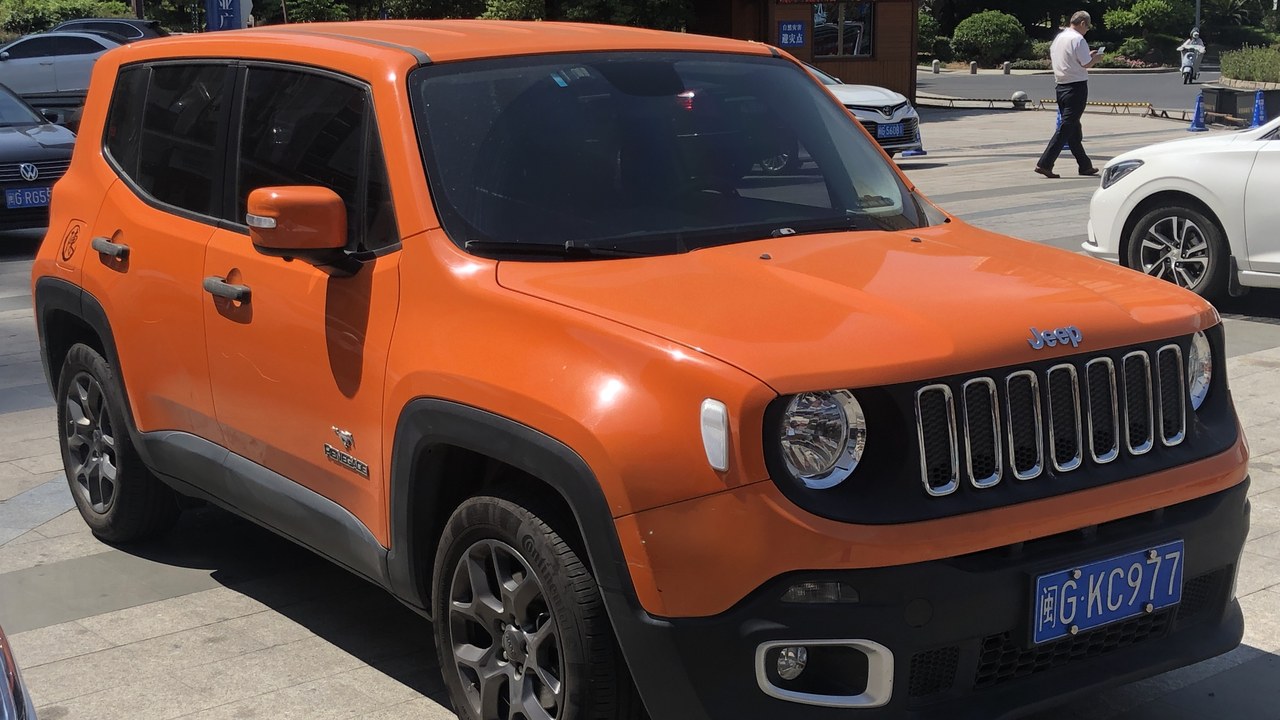
Jeep’s first small SUV, the Renegade was also the first in its class with a nine-speed automatic and was sold in over 100 countries, the 2010s overview notes.
The global reach shows how far the brand had expanded beyond its American origins. Entering the small-crossover segment let Jeep court buyers who wanted the badge but not the size or price of a Wrangler or a Grand Cherokee. It also hints at the brand’s push for global growth, in which a smaller vehicle could be built for and sold to markets far from its American home.
12. Jeep Wrangler (JL): Three 4×4 Systems
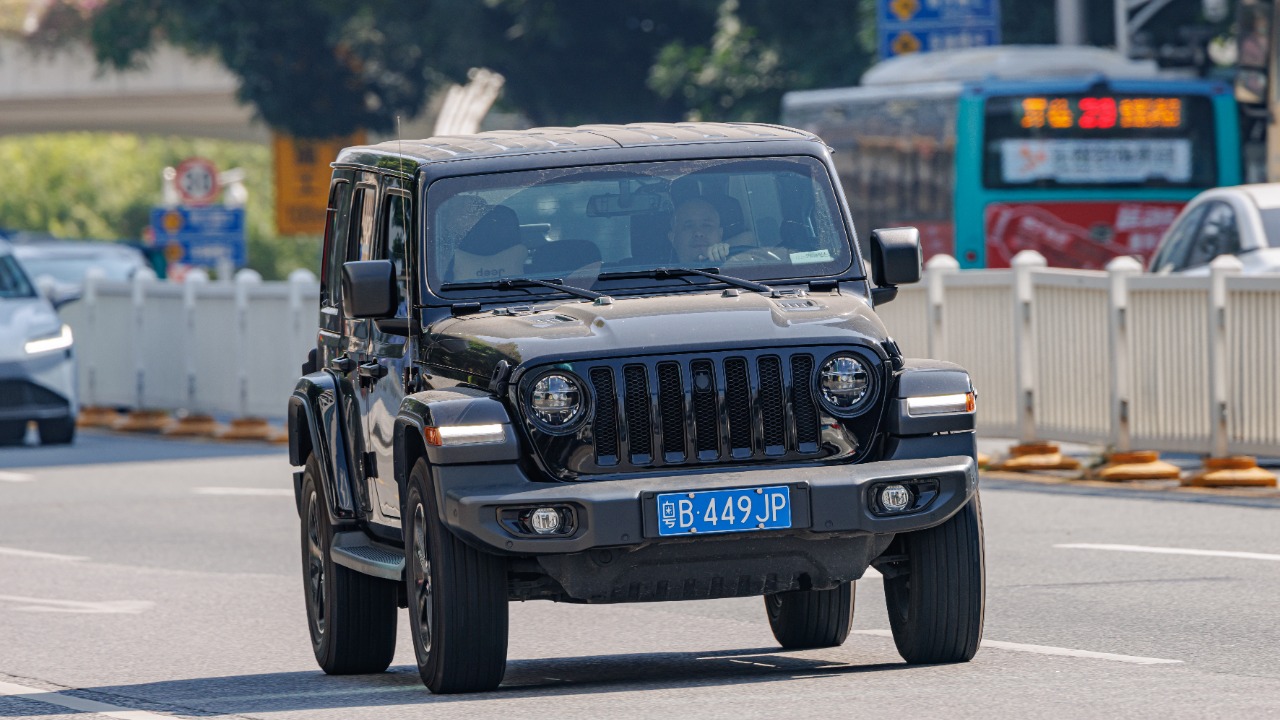
The latest Wrangler arrived with three 4×4 systems, Command-Trac, Rock-Trac and full-time Selec-Trac, and 70 safety and security features, Jeep’s 2010s timeline says.
Offering that range of drivetrains lets buyers choose between everyday road use and serious trail work. The safety count signals how far the icon has moved from its bare-bones roots toward a more modern, refined vehicle. The model keeps the signature look intact while quietly adding technology, a balance that has defined the Wrangler since its earliest days.
AI, explained every day: Get The Deep View →
We may earn a commission if you sign up.
More from Morning Overview
- Lake Powell sank to a record 3,517 feet, nearing the level that stops Glen Canyon Dam’s turbines
- Seven of Earth’s nine planetary boundaries are breached, and all seven are worsening
- The NSA says three phone features should be off whenever you aren’t using them
- Hurricane Hunter radar shows four warning signs that a tropical cyclone is about to strengthen, a University of Miami study found
