
Honda has built sport utility vehicles for three decades, and the lineup tells a story of steady growth from a modest compact into a broad family of crossovers. Some entries sold in huge numbers, while others were quirky experiments that did not last. Here are eleven Honda models and generations that mark the key turns in that history, from the first CR-V to a newly honored Passport.
The day in tech, in one email: TLDR is the daily newsletter with links and TLDRs of the most interesting stories in startups, tech and programming.
We may earn a commission if you sign up.
1. Honda CR-V (first generation): Honda Goes Its Own Way
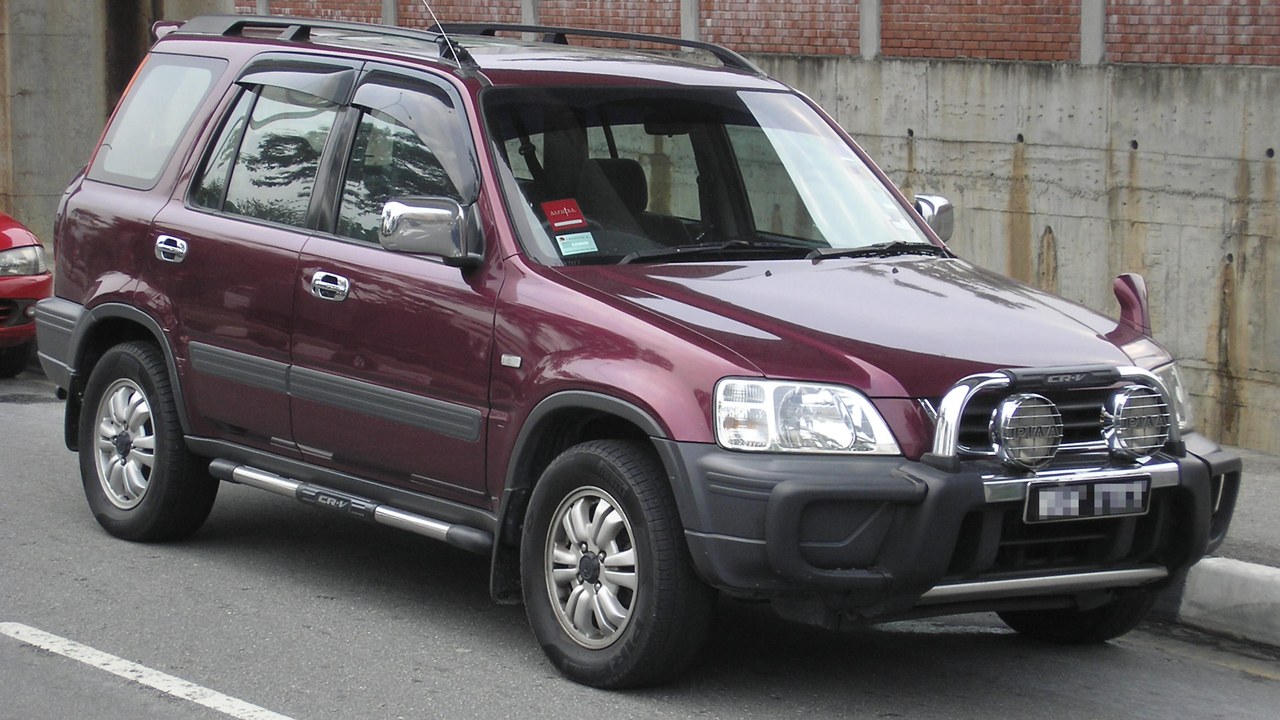
Launched in 1997, the first CR-V was the first SUV that Honda both designed and engineered itself, according to the Honda CR-V timeline. A 126-hp 2.0-liter engine powered it.
The modest output suited a small, car-based wagon more than a rugged truck. That approach set the template for the whole compact crossover class, and the model’s later success shows how well the simple, practical formula matched what everyday drivers wanted. Later generations grew in size and power, yet the original’s focus on easy daily use never really changed.
2. Honda CR-V (second generation): Bigger Engine, Bigger Milestone
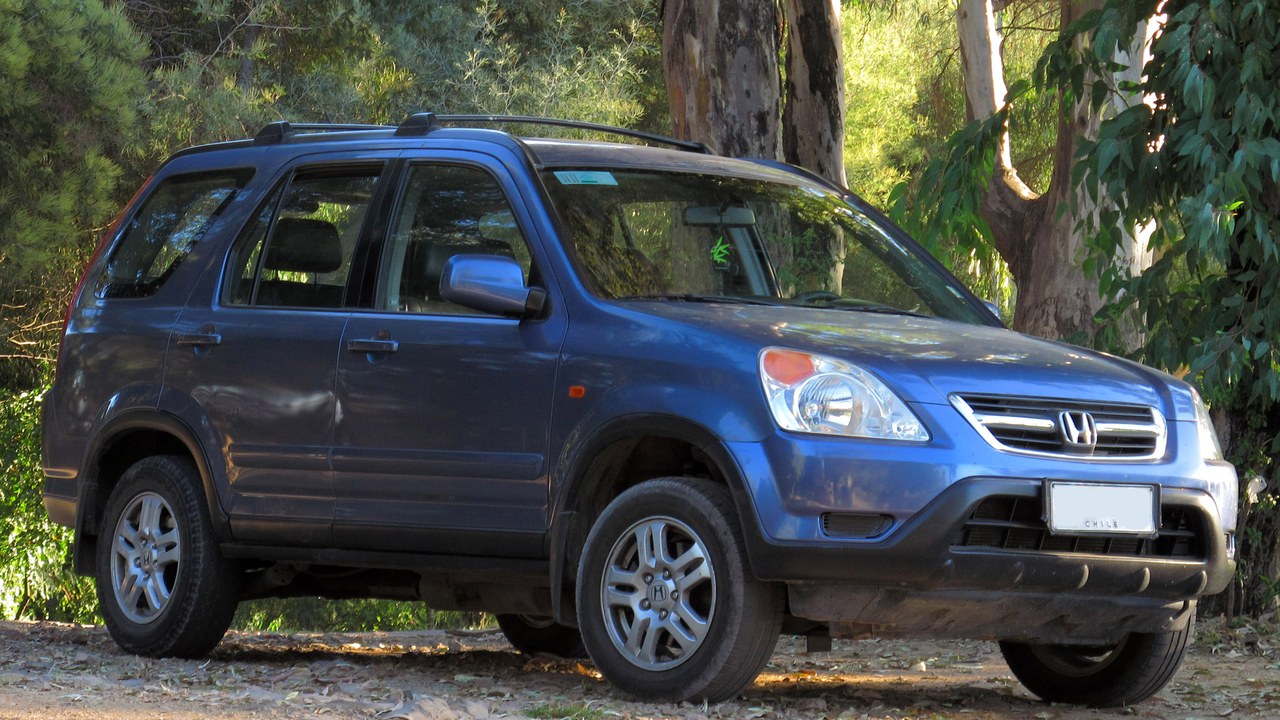
The 2002 redesign brought a 2.4-liter, 160-hp engine, and Honda sold its one-millionth American CR-V in 2005, as the same Honda timeline records.
The jump in power addressed the main complaint about the original, which felt slow beside larger rivals. Reaching a million sales in a few years of the new body showed that families were choosing the crossover over traditional truck-based SUVs in growing numbers. Those early gains in refinement helped build the reputation that carried the nameplate through every redesign afterward.
3. Honda CR-V (third generation): Top Of The SUV Heap
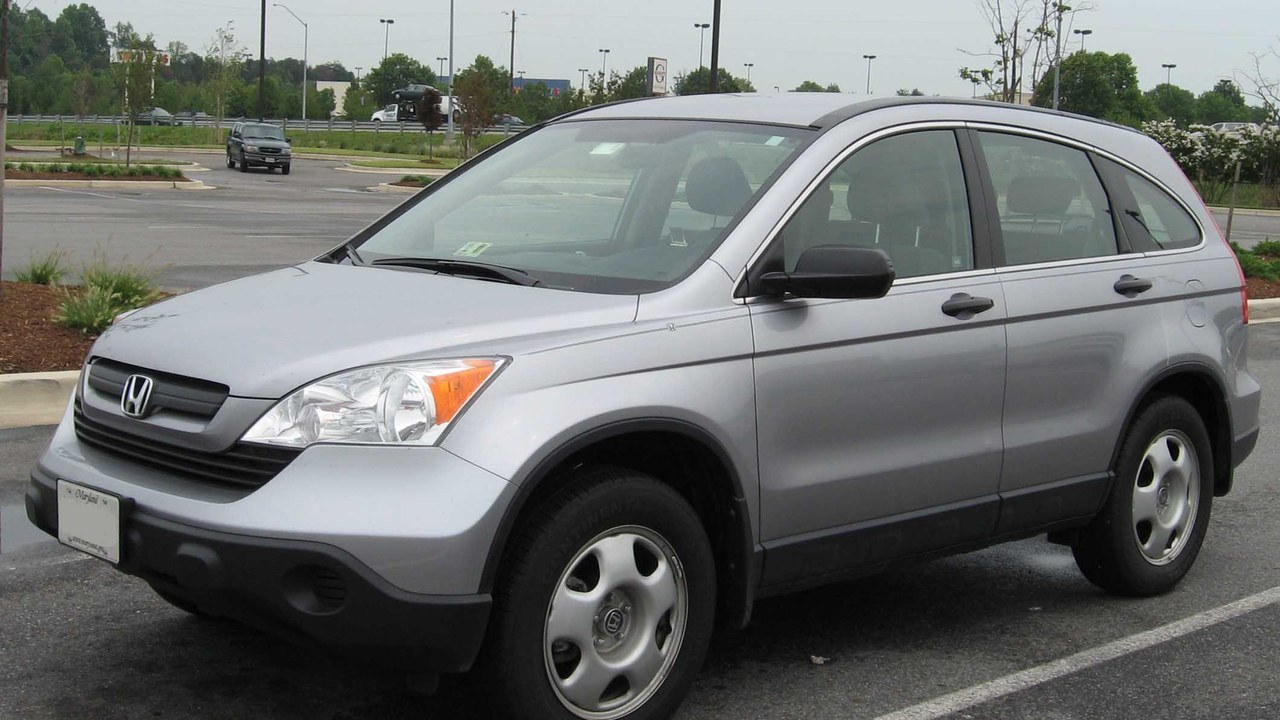
In 2007 the CR-V became America’s best-selling SUV for the first time, and production started in East Liberty, Ohio, based on the Honda’s milestone list.
Building the vehicle in Ohio put manufacturing closer to its largest market. Topping the sales chart also marked a turning point, since a compact crossover had overtaken the bulky truck-based models that once defined the whole SUV category. For many shoppers the model became the default recommendation, a position that rivals have struggled to dislodge ever since.
4. Honda CR-V (fifth generation): Turbo Arrives
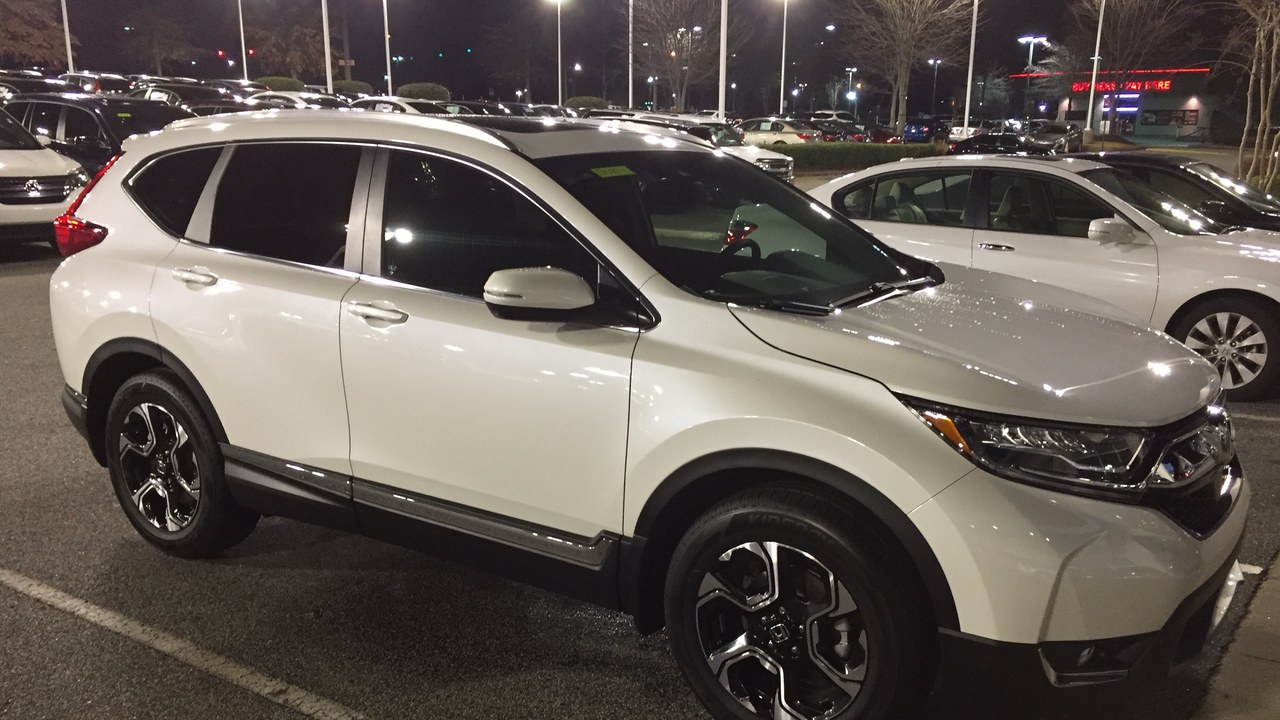
The 2017 CR-V introduced the nameplate’s first available turbocharged engine, a 190-hp 1.5-liter, according to the Honda timeline entry.
Smaller turbocharged engines let Honda deliver stronger pulling power from less displacement. The change reflected an industry-wide move away from larger naturally aspirated engines, and it gave the fifth-generation model a clear performance step over the version it replaced. The detail matters for buyers because it shows the engine choices that shaped the character of the version they might see on a used lot today.
5. Honda CR-V (sixth generation): Still Selling Strong
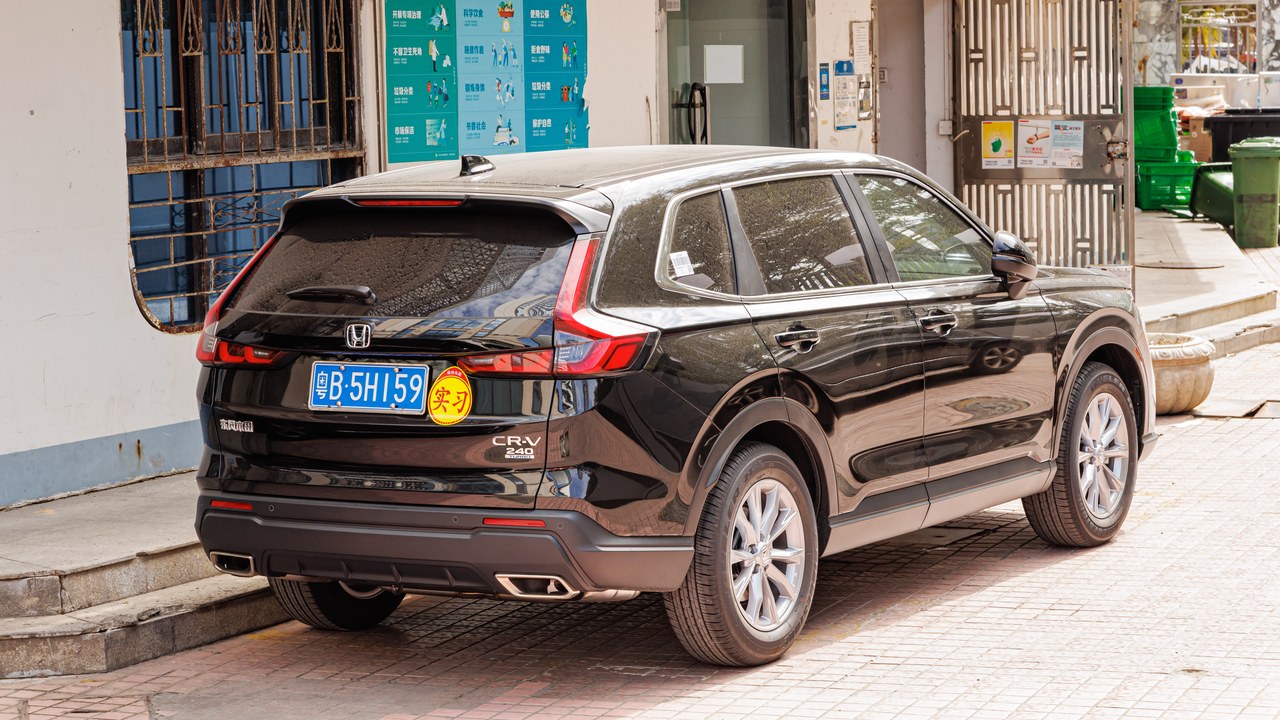
Honda sold 336,844 CR-Vs through September 2026, a gain of 9.5 percent over the same stretch of 2025, according to GoodCarBadCar sales tracking.
A sixth-generation model still growing this long after the nameplate’s debut is unusual. The figure underlines why the CR-V remains central to Honda’s American business and why rival brands keep targeting it with fresh compact crossovers of their own. Strong momentum in a crowded segment is never guaranteed, so the continued gains deserve notice from anyone tracking the market.
6. Honda Passport (first generation): A Joint Venture
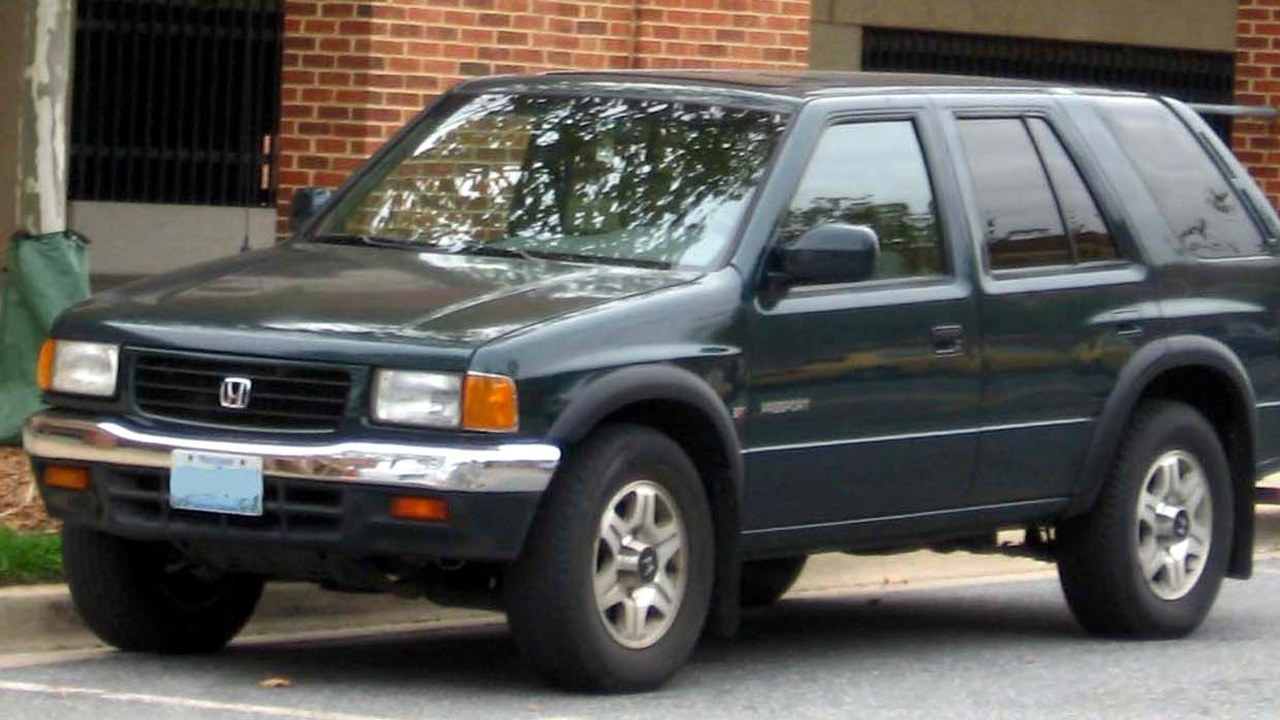
Honda’s Passport for the 1994 model year was a collaboration with Isuzu, as the Honda model history describes.
In effect the first Passport was a shared design that gave Honda a truck-style SUV before its own platforms were ready. Today’s Passport is a very different, Honda-built vehicle, so the name now carries a story of independence that its opening chapter did not. Shoppers browsing old listings should remember that the badge covered two quite different vehicles across the decades.
7. Honda Element: Box On Wheels
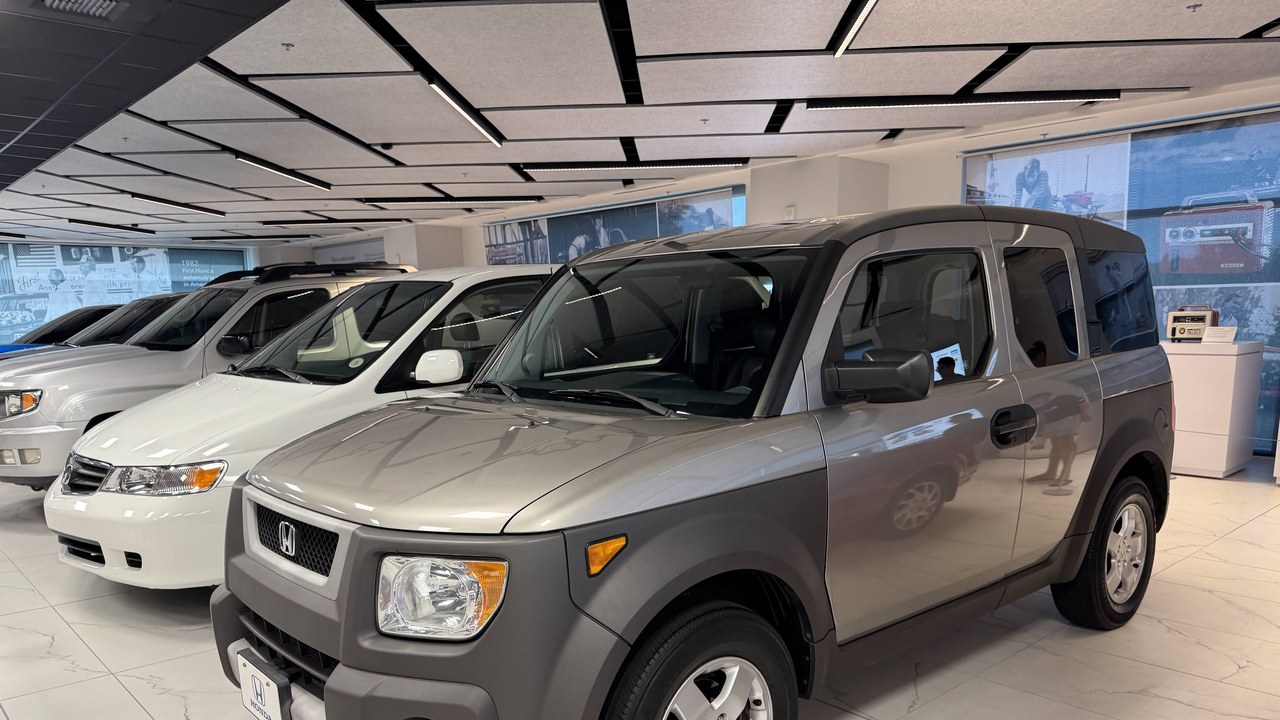
The boxy, CR-V-based Element arrived for 2003 at $16,100, but its sales slid as low as 11,000 in 2011, the year Honda ended it, according to SlashGear’s retrospective.
Its quirky shape won a devoted following and still draws interest on the used market. Mainstream buyers, however, preferred more conventional designs, which shows how a bold idea can inspire loyalty yet struggle to deliver the volume a major automaker needs. Used examples remain popular with owners who value the flexible cargo area, so the car has outlived its sales run in practical terms.
8. Honda Pilot (first generation): Three Rows Arrive
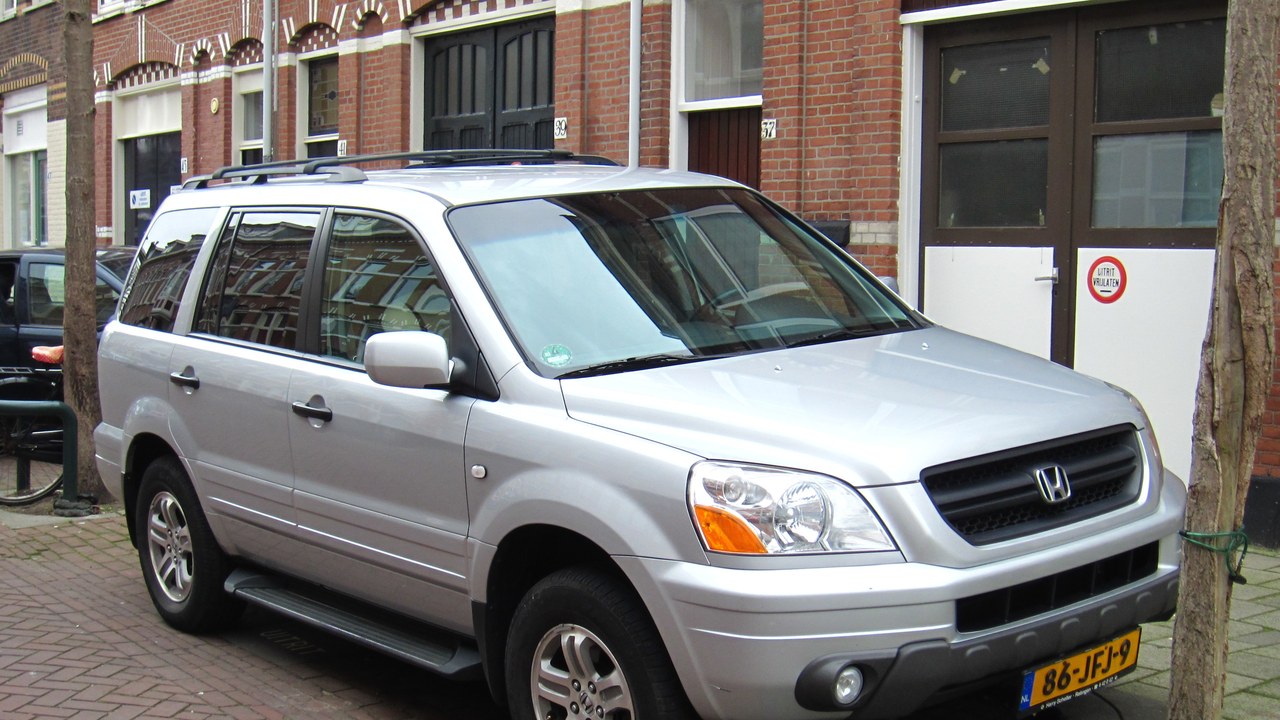
Launched for the 2003 model year, the first Pilot began a nameplate that has since earned six Car and Driver 5Best Trucks awards, the Honda model history notes.
The Pilot gave Honda a larger family hauler with room for more passengers. Repeated awards suggest the vehicle has stayed competitive across several redesigns, which is a harder trick than winning once during a single strong year. Buyers comparing the current model with early ones will find a much more refined interior and a far longer list of standard features.
9. Honda HR-V: Small And Stylish
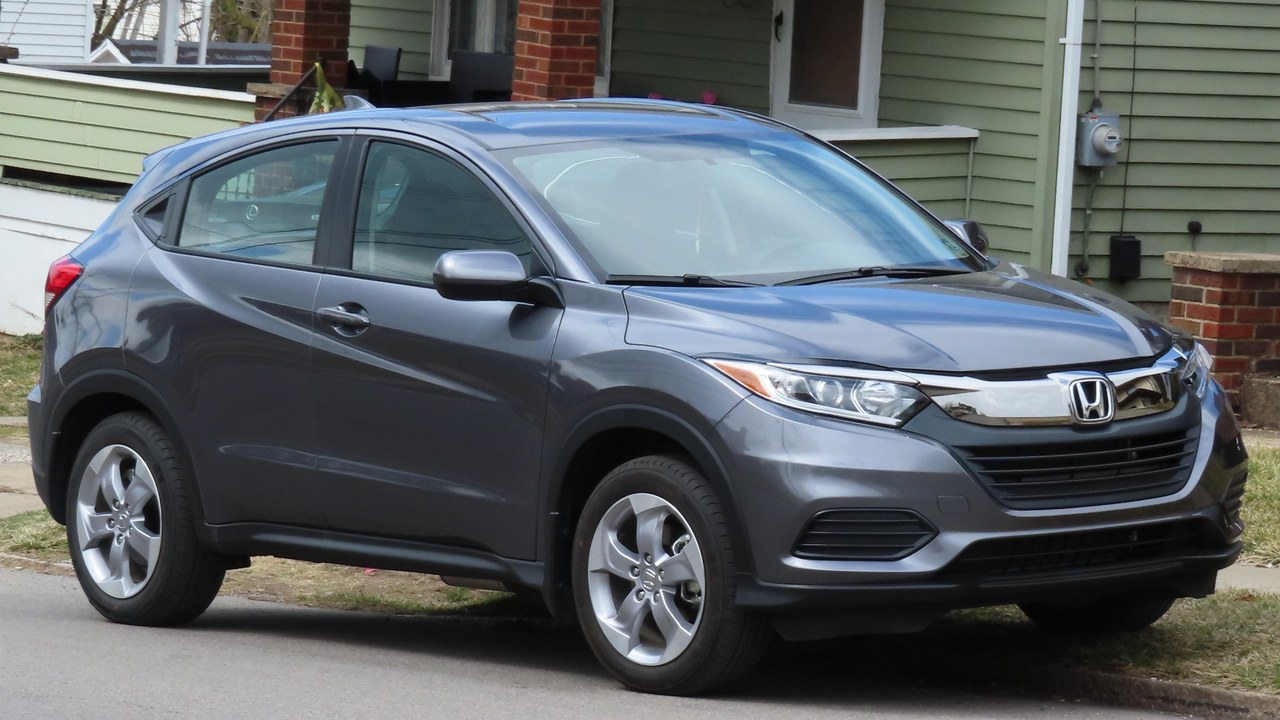
The HR-V was launched for the 2016 model year and has since reached its second generation, according to the Honda lineup history.
Sitting below the CR-V, it brought Honda into the subcompact crossover segment that buyers increasingly favored for city driving. Its Vezel cousin overseas shows how the same basic package serves different markets, while the American version remains a straightforward entry point to the brand. Because it is smaller and cheaper than the CR-V, it also appeals to first-time buyers and drivers moving down from larger vehicles.
10. Honda Pilot (fourth generation): Family Favorite Today
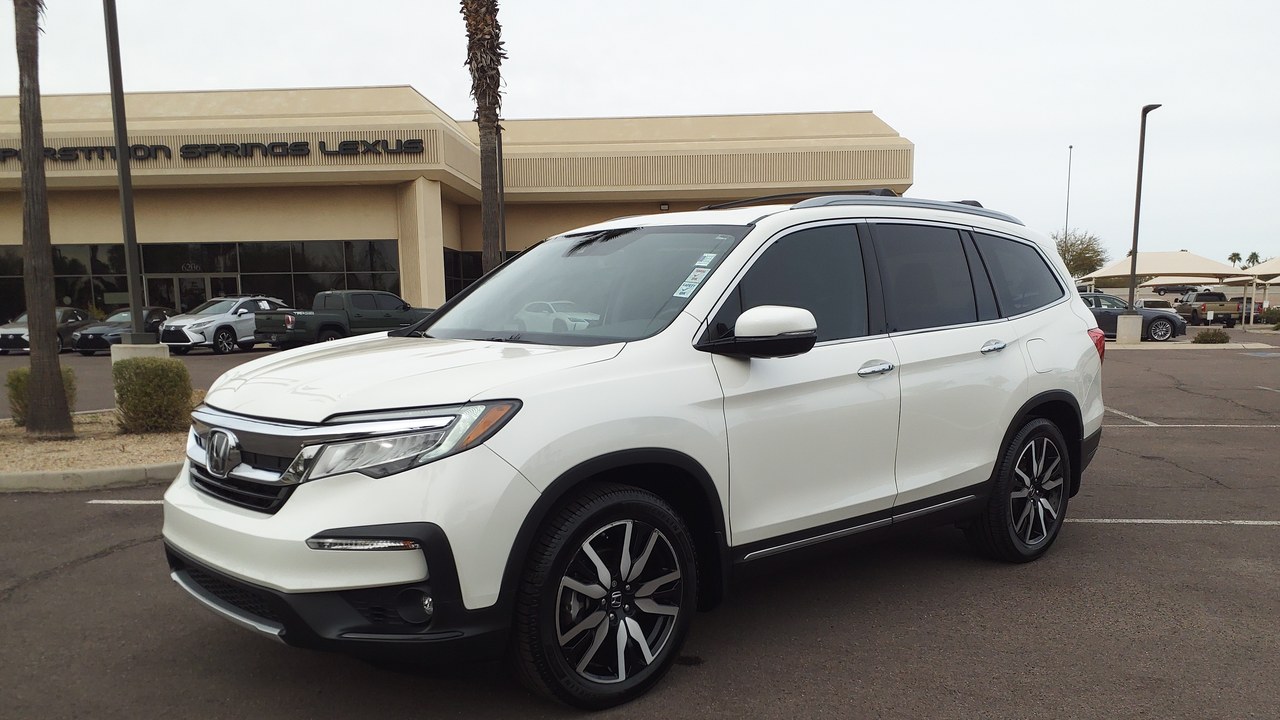
Honda sold 92,967 Pilots in the first nine months of 2026, based on an Autoblog sales comparison of three-row SUVs.
That volume places the fourth-generation Pilot in a crowded fight with rivals from Kia and Toyota. Three-row models are a profitable corner of the market, so a strong showing here helps Honda defend its position against newer, heavily marketed competitors. Year-to-date totals can shift as the final quarter arrives, so the full-year result may look somewhat different from this snapshot.
11. Honda Passport (fourth generation): Awards Podium
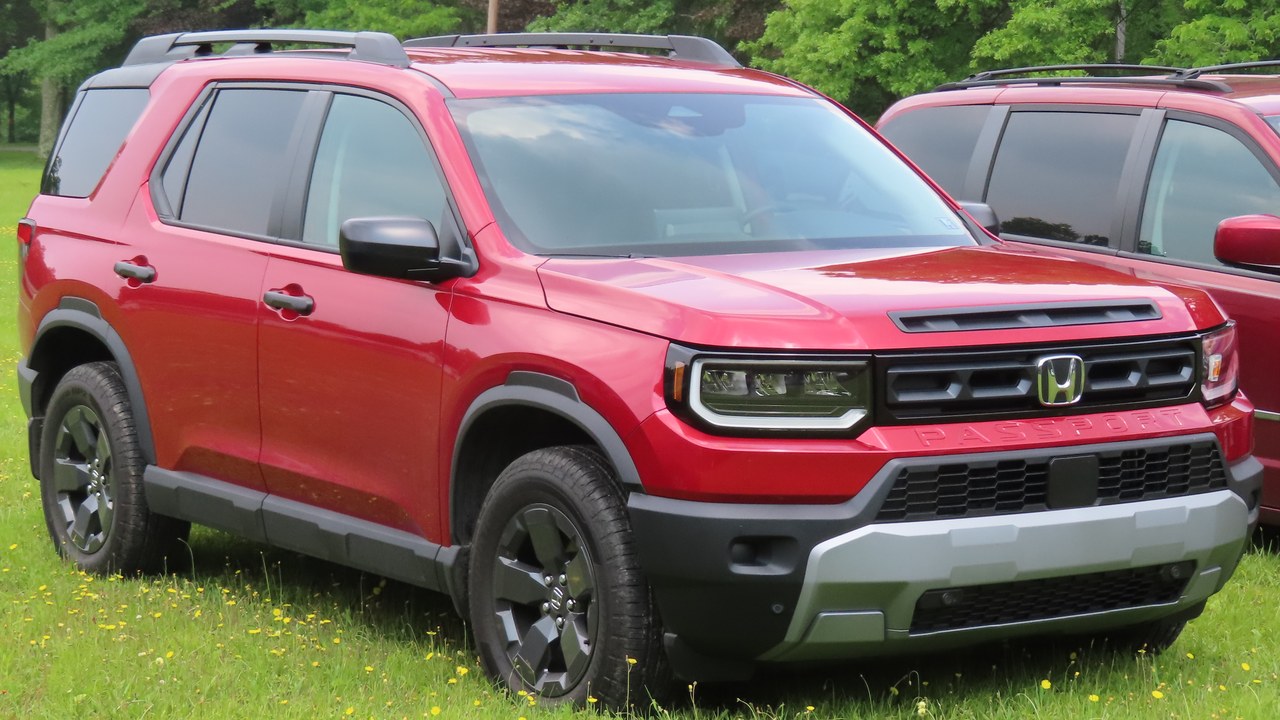
The all-new Passport made Car and Driver’s 10Best list for the first time, becoming the 11th Honda model to earn that honor, according to a Honda press release.
The recognition marks a long way from the 1994 collaboration with Isuzu. It also adds to Honda’s record as a frequent 10Best winner, though a single magazine list reflects editors’ tastes and should be weighed alongside reliability, price and ownership costs. That kind of recognition tends to follow a thorough redesign, and it gives dealers a useful talking point in a competitive midsize class.
The day in tech, in one email: Get TLDR →
We may earn a commission if you sign up.
More from Morning Overview
- The NSA says three phone features should be off whenever you aren’t using them
- Hurricane Hunter radar shows four warning signs that a tropical cyclone is about to strengthen, a University of Miami study found
- Tropical Storm Rachel is dumping up to 12 inches on four Mexican states on its way to major hurricane strength
- The FTC says Lens.com doubled the price shoppers saw in Google ads
