
Chevrolet has been in the sport utility business for well over half a century, moving from rugged two-door trucks to family crossovers and now to battery-powered models. Each era reflected what American drivers wanted from a vehicle at the time. Here are twelve Chevrolet SUVs, with the long-running Suburban left out, that trace the brand’s path from the first Blazer to the latest electric crossovers.
Help yourself and the planet: The Cool Down makes it easy to help yourself while helping the planet, with smart, simple changes to save more and waste less in your everyday life.
We may earn a commission if you sign up.
1. Chevrolet K5 Blazer: A Slow Start
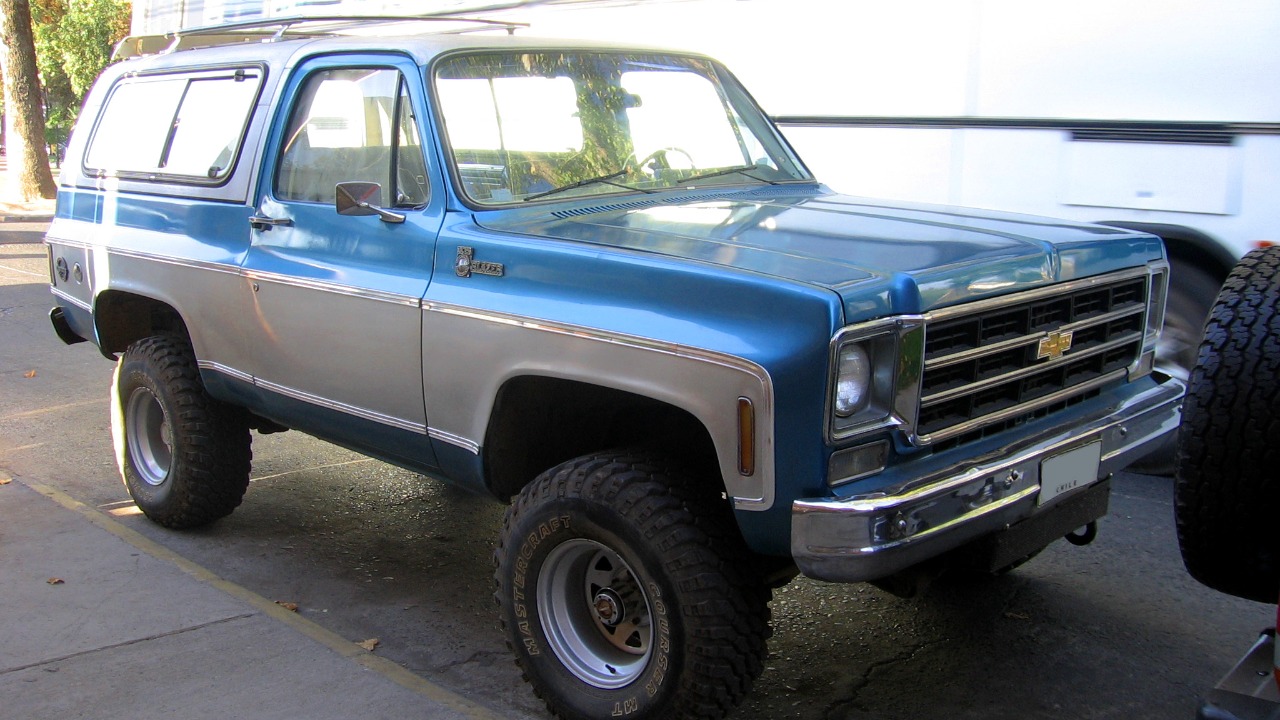
Chevrolet built just 4,935 Blazers in the model’s first year, 1969, according to the K5 Blazer article.
The small first-year run shows how modest the beginning was for what became a major product line. The Blazer’s later popularity grew from this limited introduction into a lasting nameplate that returned in several later forms. Total output for the year looks tiny beside the sales figures of recent Chevrolet crossovers, which is a useful reminder of how much the market has changed since the late 1960s. Collectors today often treat first-year examples as the most interesting versions of any long-running model.
2. Chevrolet S-10 Blazer: The Smaller Blazer
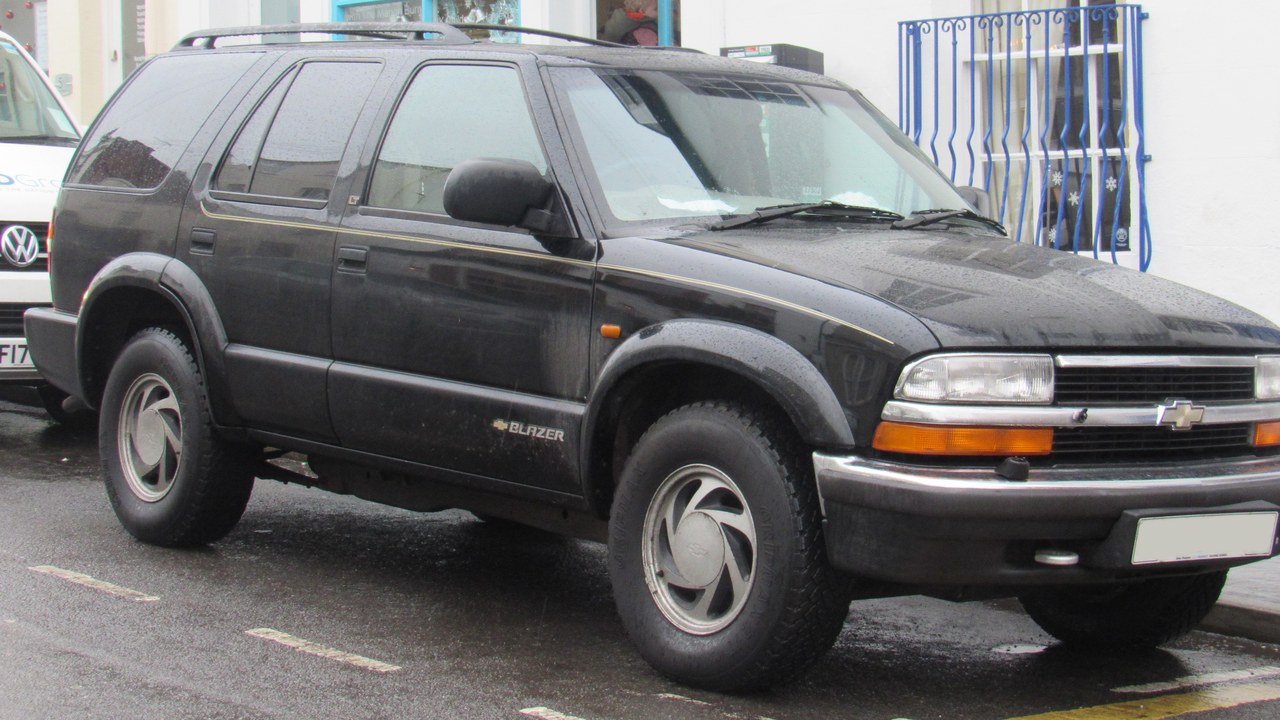
The mid-size S-10 Blazer rolled out in 1983, and the Blazer name was fully retired in 2005, as Jalopnik’s history recounts.
Slotting below the full-size truck, it gave buyers a handier body for daily use. Its long run ended when the name left the lineup, though the badge would eventually return on a completely different kind of vehicle, a story that comes later in this list. Owners of these trucks tend to praise their simple mechanical layout, and clean examples still draw attention at enthusiast gatherings.
3. Chevrolet Tahoe (first generation): Four Doors Arrive
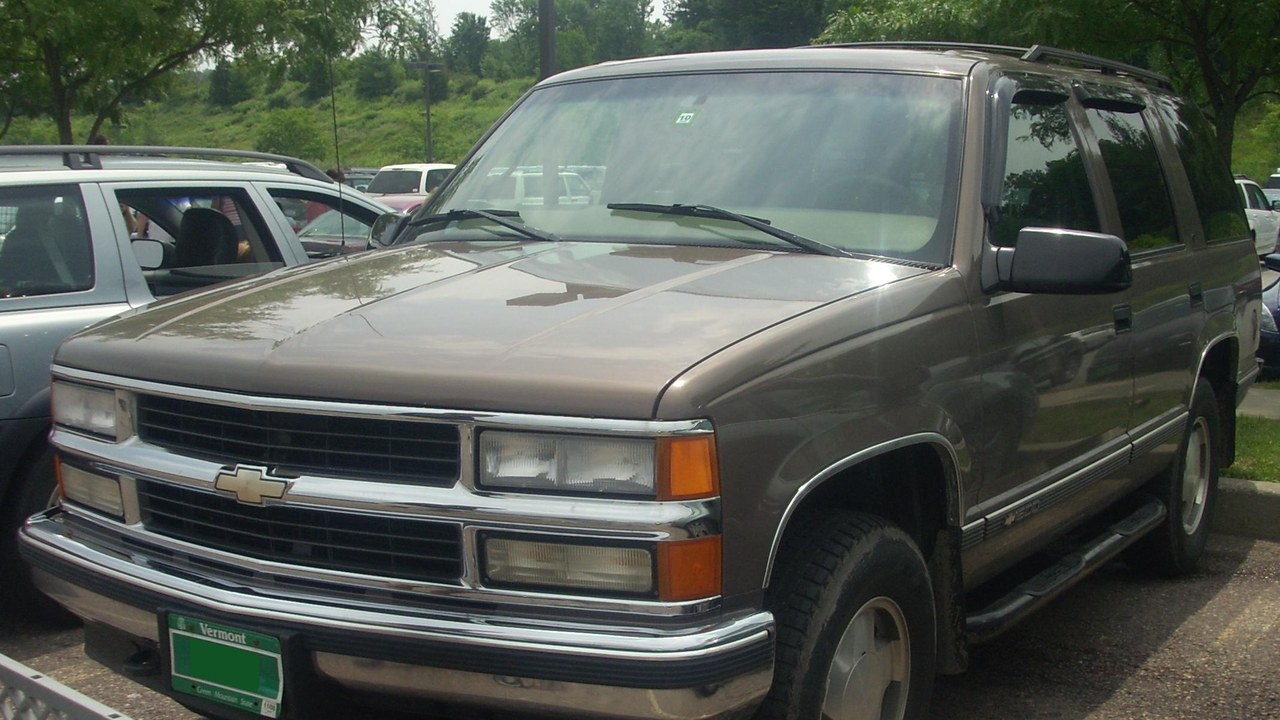
The Tahoe launched for 1995 as a two-door on the GMT400 platform, and the 1996 Vortec 5.7 V8 made 255 hp, according to Jalopnik’s Tahoe report.
The two-door body served as a successor to the big Blazer, and the Tahoe name has since become a pillar of the lineup. Later generations moved toward more passenger space and comfort, a shift that reflects how family needs reshaped the full-size SUV. The V8 gave the early Tahoe plenty of pulling strength for towing, which was a core reason buyers chose a truck-based body.
4. Chevrolet TrailBlazer: Muscle In A Mid-Size
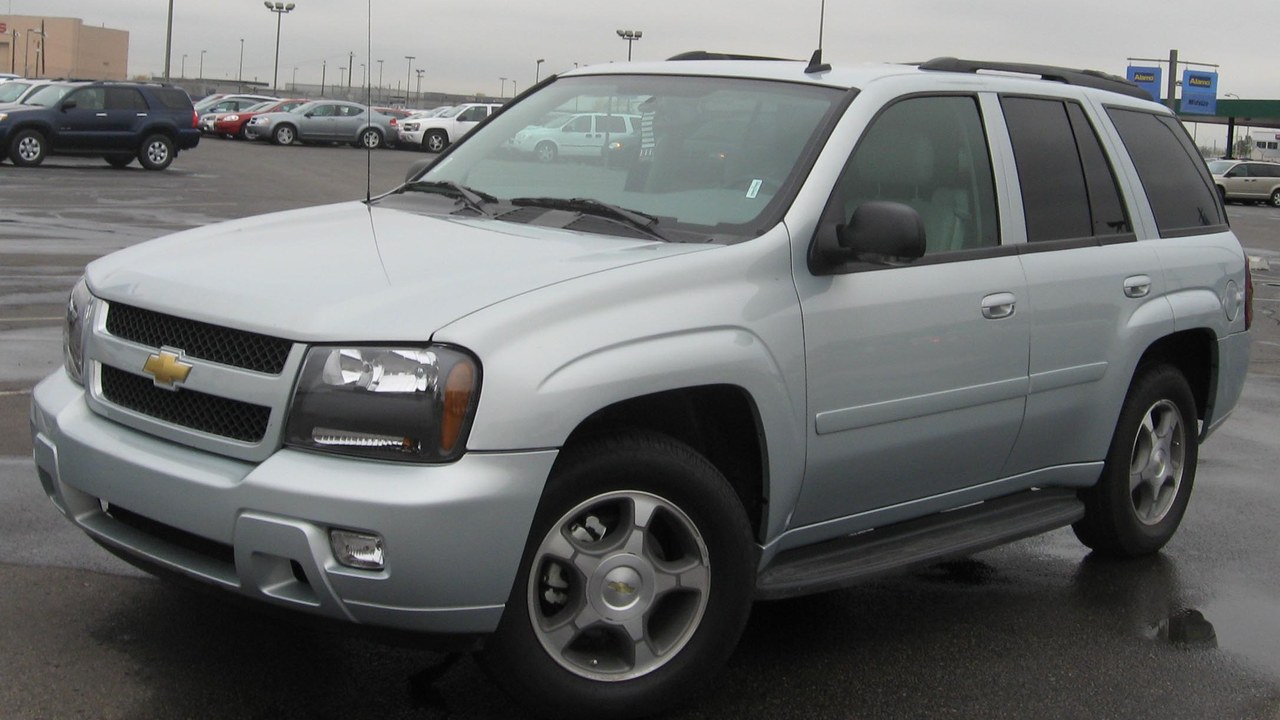
The 2006 to 2009 TrailBlazer SS made 395 hp and reached 60 mph in about 5.5 seconds, according to a Hagerty muscle list.
Fitting that much power into a midsize SUV made it a rare performance bargain in its day. Hagerty counts it among great muscle trucks and SUVs, and its status as a collectible reflects how unusual such a high-output family vehicle was. Because the SS was built for only a few years, finding a well-kept example takes patience, and prices reflect that scarcity.
5. Chevrolet Avalanche: Truck With A Twist
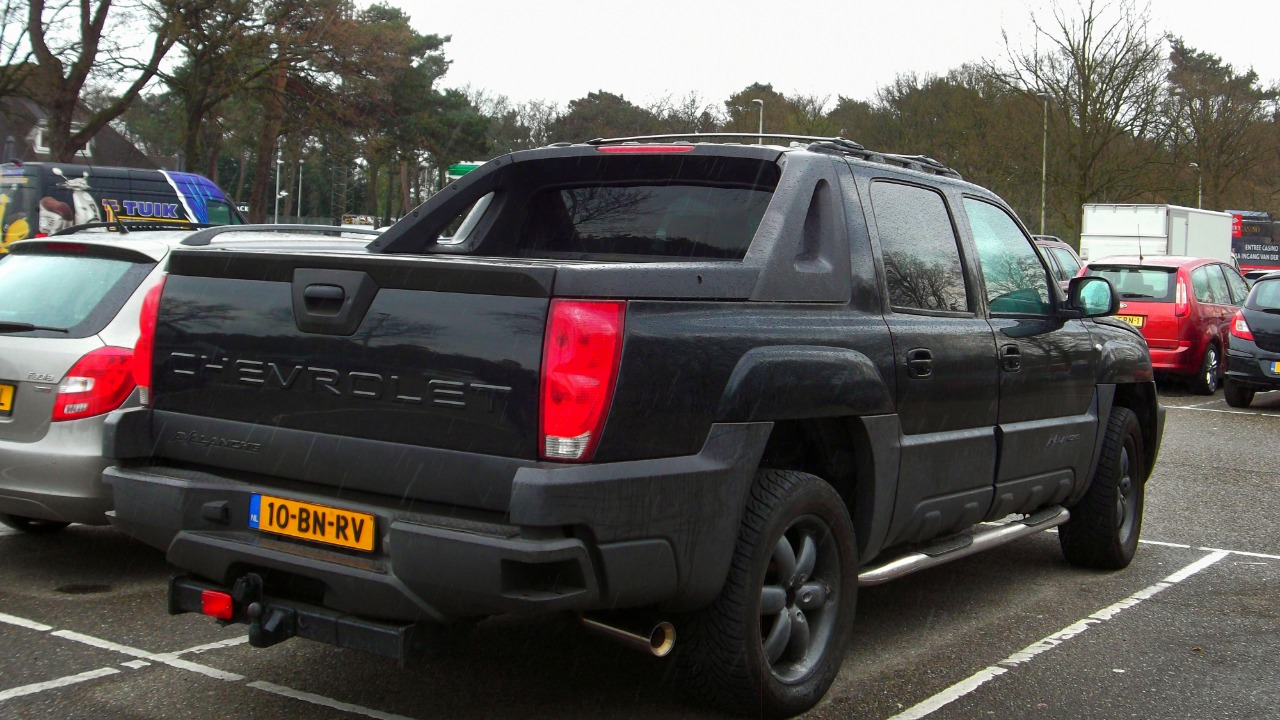
Motor Trend named the Avalanche its 2002 Truck of the Year, and the model peaked at 93,482 American sales in 2003, per the Avalanche encyclopedia entry. It shared the Suburban’s chassis.
The Avalanche blended SUV comfort with a pickup bed that could be opened up for long loads. Sales never again matched that early high, so the idea impressed critics more durably than it convinced the wider public. The chassis connection also explains why it could carry passengers in comfort while still working like a light pickup.
6. Chevrolet Equinox: The Sales Leader
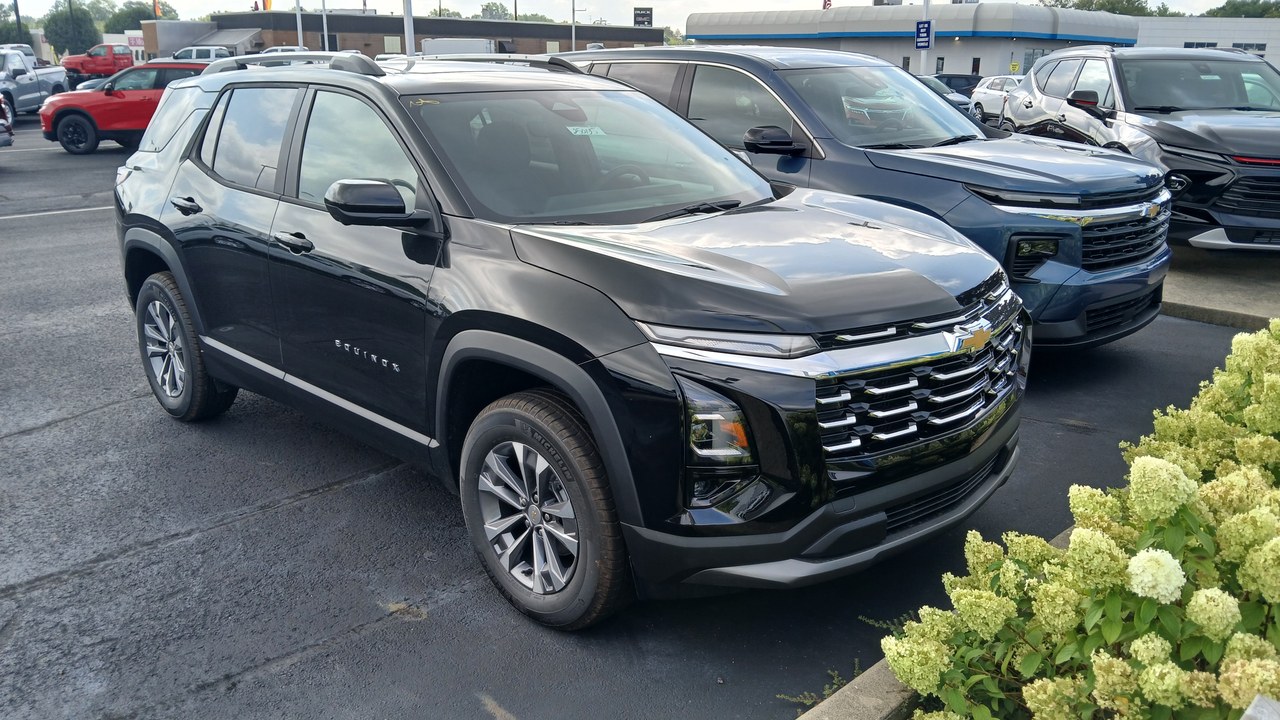
Equinox was Chevrolet’s top seller among these models in 2025, with 274,356 sales, up 32.1 percent, according to Jalopnik’s sales roundup.
A gain of that size for an established compact crossover signals strong demand for affordable family transportation. It also shows that the biggest sales belong to practical mid-priced models rather than to the dramatic performance versions that attract so much attention from enthusiasts. Strong results like this also give Chevrolet more room to invest in the nameplate for future redesigns.
7. Chevrolet Traverse: Three Rows For Families
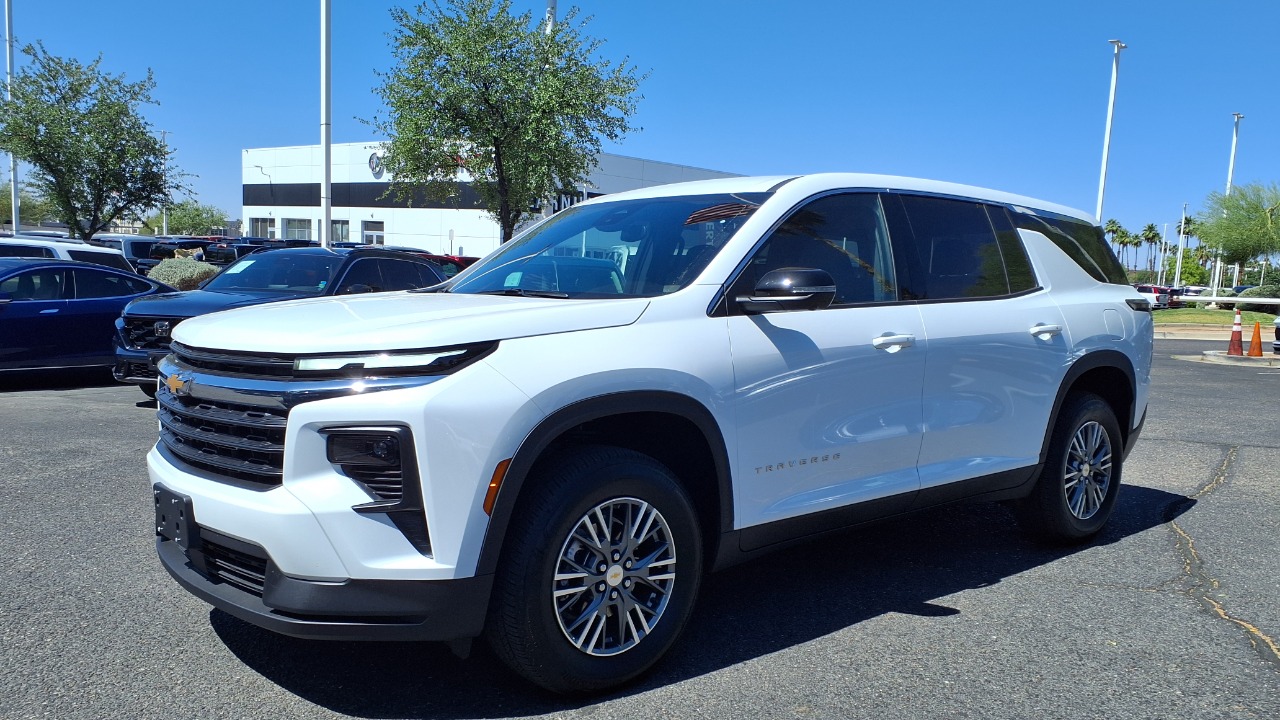
The Traverse found 148,278 buyers in 2025, based on the same Chevrolet sales results.
As a three-row crossover, it serves families that need more seating than the Equinox offers but do not want a truck-based Tahoe. Its sales are a reminder that unibody family haulers now fill much of the space that large body-on-frame SUVs once dominated. Shoppers should compare trims carefully, since seating, cargo room and features vary quite a bit across the range.
8. Chevrolet Trax: Small And Cheap
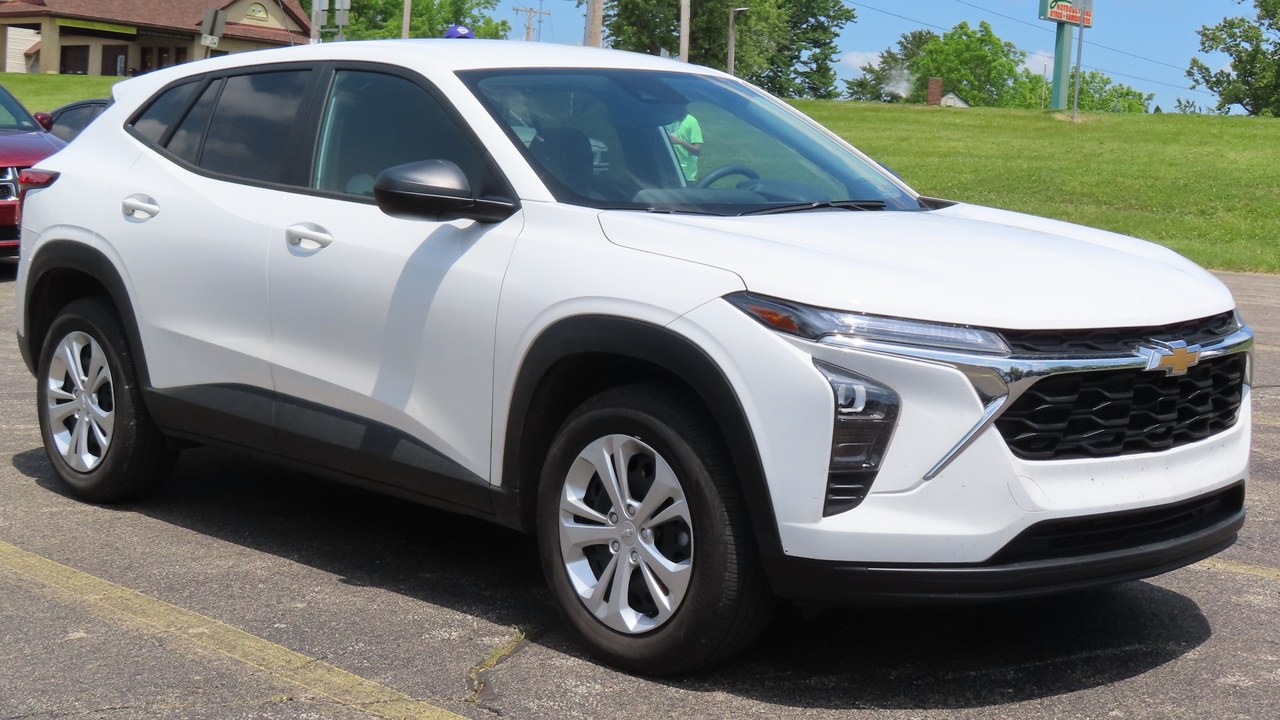
Trax sold 206,339 in 2025, a near-3 percent rise, according to the annual Chevy report from Jalopnik.
The subcompact crossover ranks second among the sales figures in this gallery, which shows how much appetite exists for low-priced, compact utility vehicles. Rising prices elsewhere in the market have likely helped small models with a modest price tag. That success supports Chevrolet’s broader strategy of covering nearly every price point with a distinct crossover choice.
9. Chevrolet Tahoe (fifth generation): Big Body, Steady Demand
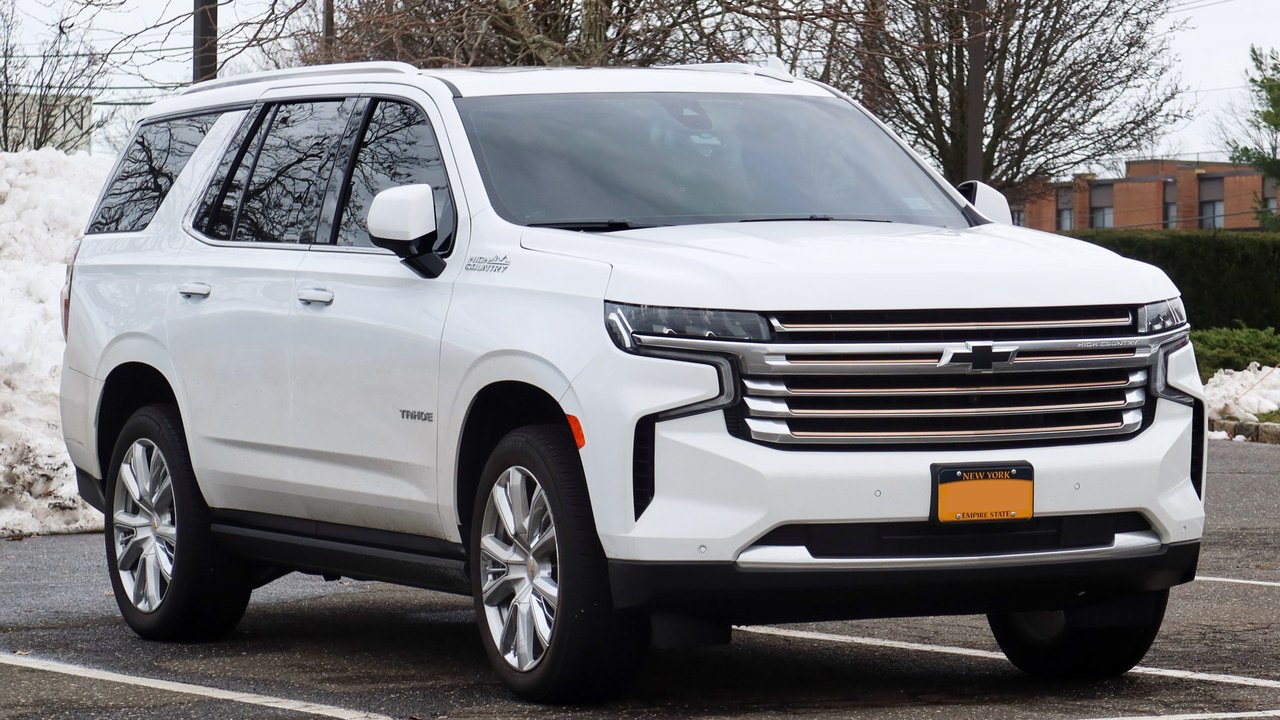
Today’s Tahoe found 114,202 buyers in 2025, according to the Jalopnik sales analysis.
The total trails the crossovers on this list by a wide margin, yet full-size SUVs earn healthy profits and attract loyal repeat owners. It shows that the traditional truck-based layout, though a smaller slice of the market, still has a firm place in Chevrolet’s lineup. Strong sales also reflect continued interest in towing capacity and room for large groups, which crossovers cannot always match.
10. Chevrolet Blazer (crossover): Name Comes Back
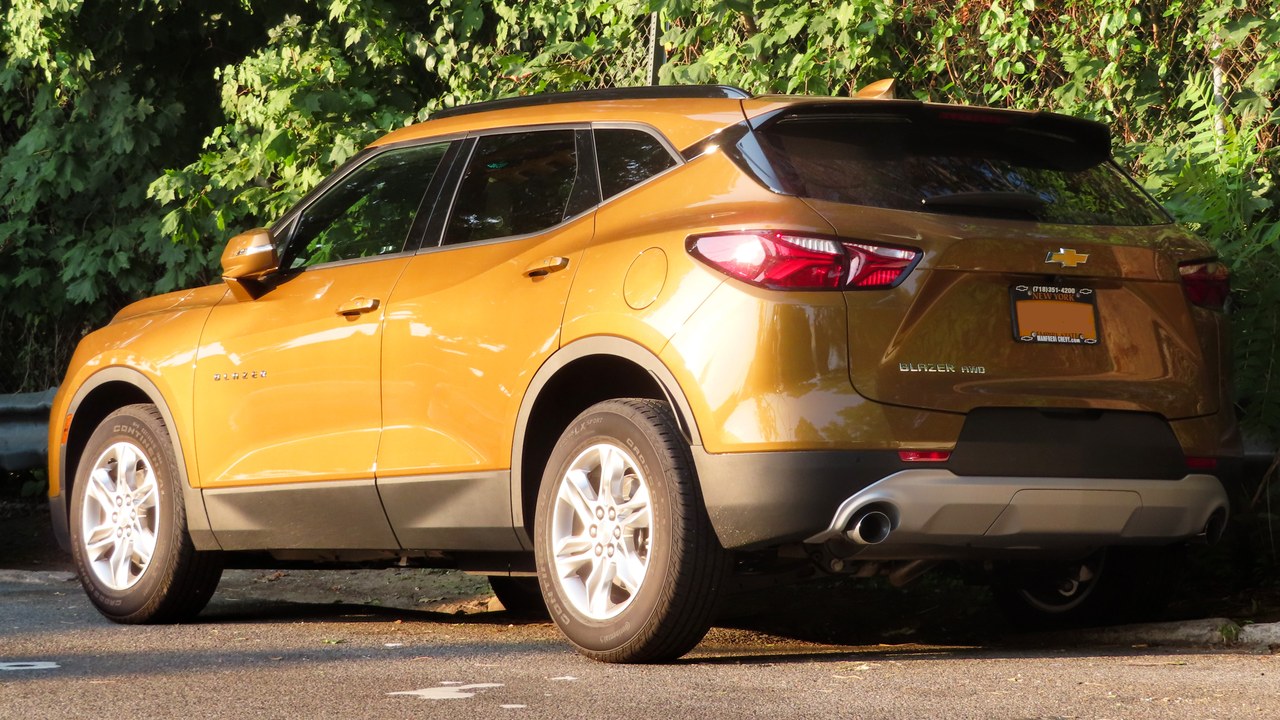
The Blazer name returned on a mid-size crossover that has been produced since 2019, as the Chevrolet Blazer article explains.
The revived model shares almost nothing with the original truck-based Blazer beyond the badge. That reflects a common industry habit of reviving a respected name to give a newer vehicle instant recognition, even when the engineering behind it has changed completely. Shoppers cross-shopping should check the gasoline and electric versions separately, because they differ in price, packaging and character.
11. Chevrolet Blazer EV: Electric And Fast
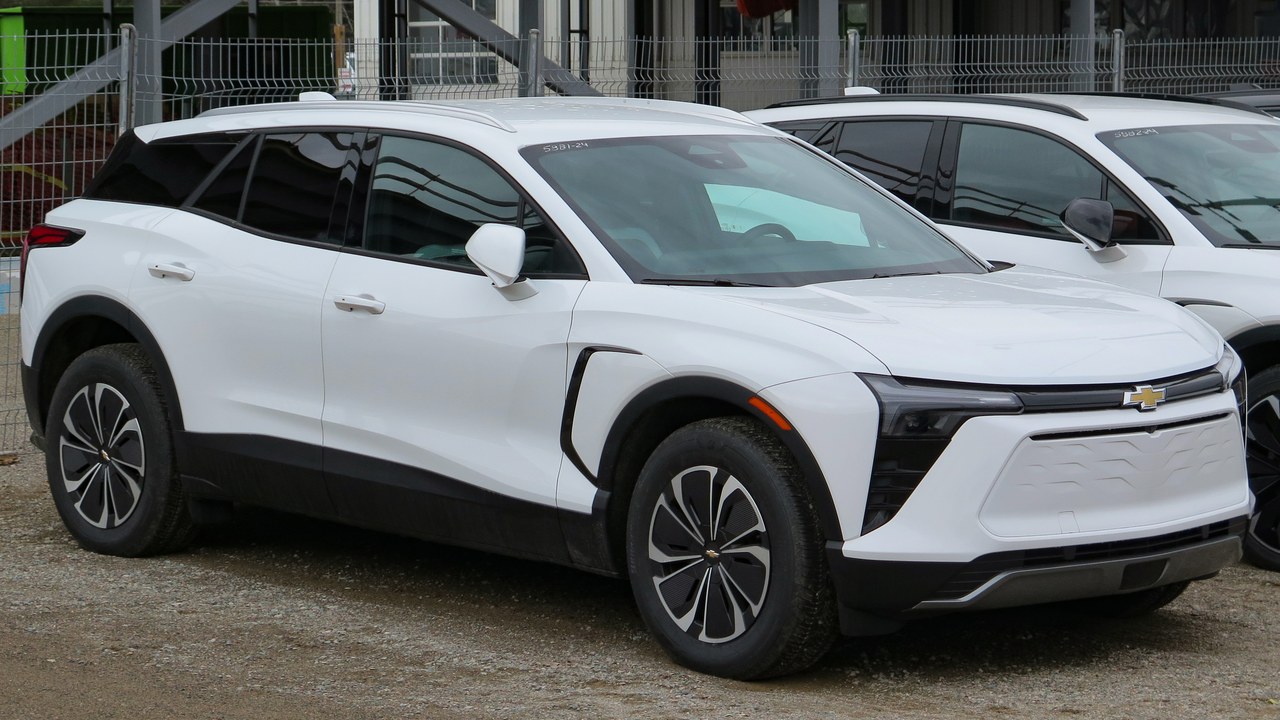
The Blazer EV starts at $46,495 with about 312 miles of estimated range, and the SS version makes 615 hp, according to a GM electric lineup release.
Pairing a family crossover shape with that much output gives the SS a clear performance angle. Prospective owners should note that range estimates depend on the version chosen, and that the base price applies only to the entry model. Chevrolet has framed its electric offerings as a broad range, so the Blazer EV occupies the more expensive, sportier end of that group.
12. Chevrolet Equinox EV: Electric For Everyone
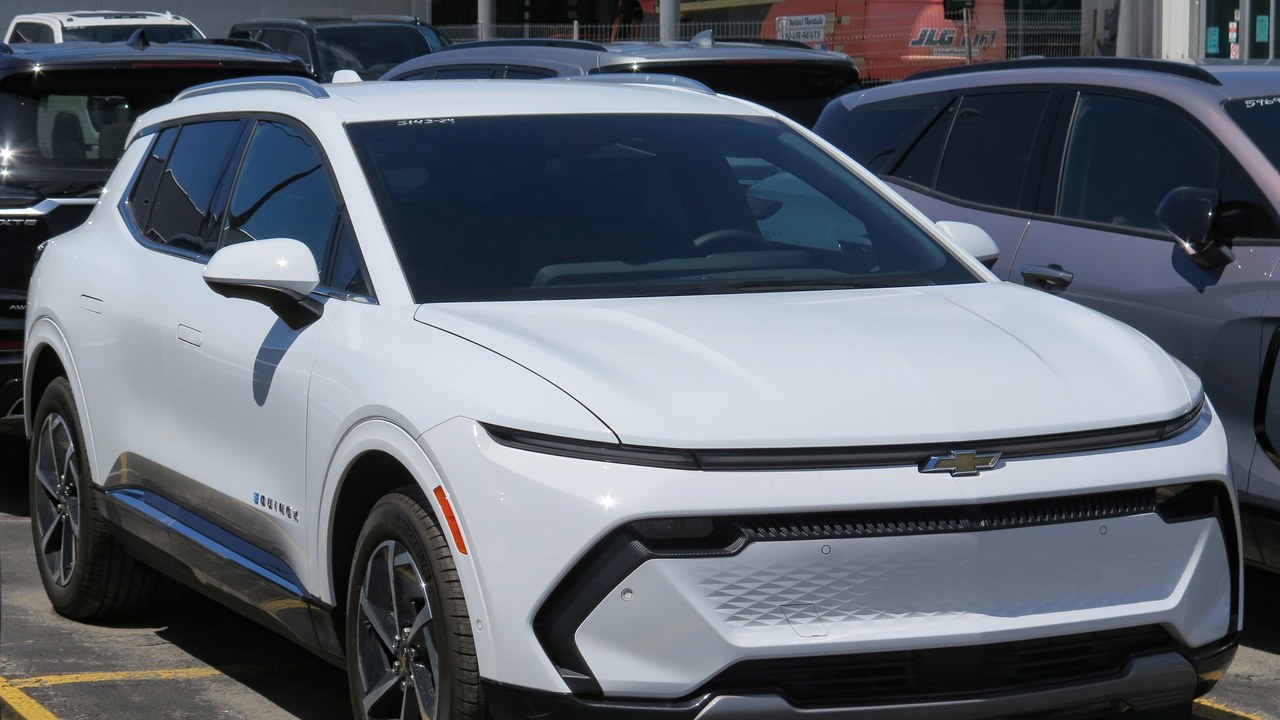
The 2026 Equinox EV starts at $36,795 with an EPA-estimated 319 miles of range in front-wheel-drive form, according to the GM announcement.
Pricing near the middle of the market gives the model wide appeal, and its range figure eases a common worry about electric ownership. Buyers choosing other configurations should expect different range numbers than the front-wheel-drive version quoted by the manufacturer. As a result, the Equinox EV works as a bridge for drivers curious about electric power but wary of high sticker prices.
Help yourself and the planet: Get The Cool Down →
We may earn a commission if you sign up.
More from Morning Overview
- Hurricane Hunter radar shows four warning signs that a tropical cyclone is about to strengthen, a University of Miami study found
- Tropical Storm Rachel is dumping up to 12 inches on four Mexican states on its way to major hurricane strength
- The FTC says Lens.com doubled the price shoppers saw in Google ads
- Common allergy, bladder and sleep pills tied to sharply higher dementia odds
