
Cadillac has sold the Escalade since 1999, and the badge has grown from a quickly assembled debut into a rolling showcase of luxury technology. Along the way came a pickup, a hybrid, a stretched wheelbase and finally battery-powered flagships. Here are eleven versions that show how the big Cadillac SUV changed, from the first truck to the newest electric models.
Tech news worth reading: Get Techpresso, the daily email with the most interesting tech news and insights, read by 400,000+ professionals from Google, Apple and OpenAI.
We may earn a commission if you sign up.
1. Cadillac Escalade (first generation): Rushed To Showrooms
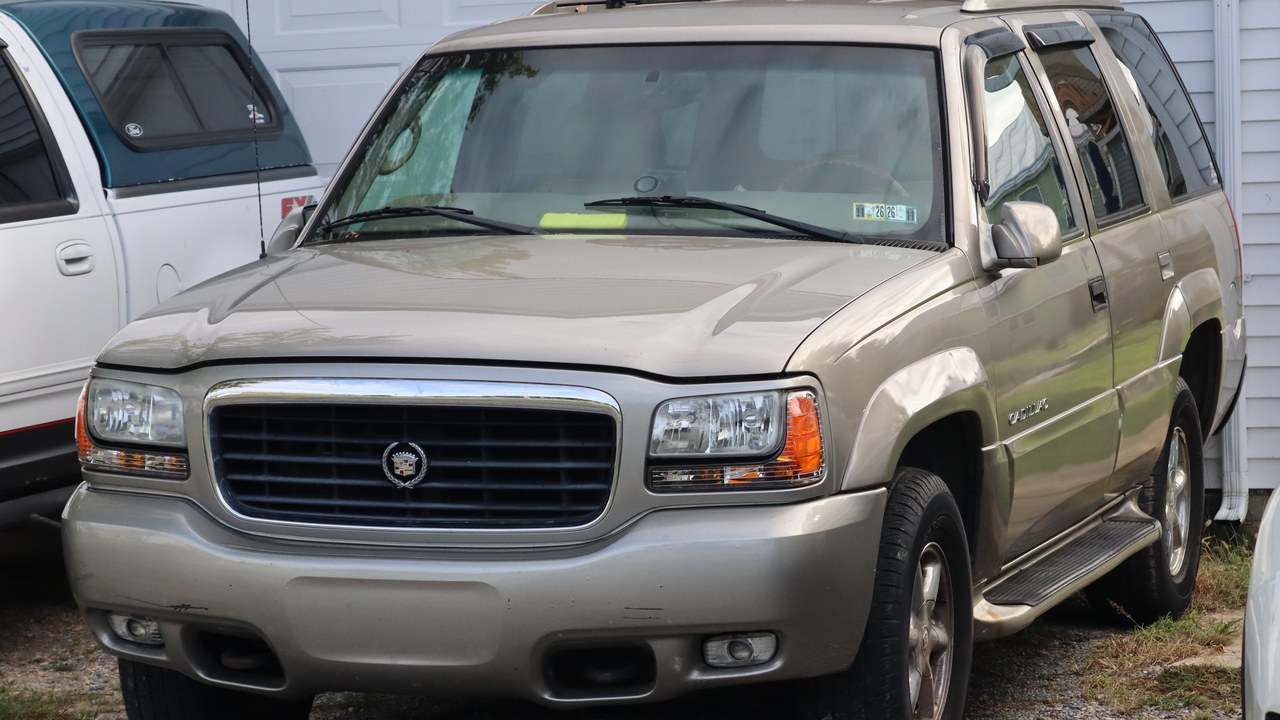
General Motors pushed the 1999 original to market only ten months after approval, according to a GM heritage feature. Power came from a 255-hp 5.7-liter Vortec V-8, and the trucks were assembled in Arlington, Texas.
That compressed schedule explains why the first Escalade looked so close to its truck siblings. It still gave Cadillac a full-size luxury SUV at a moment when the segment was taking off, and every later generation grew from this hurried starting point. Rivals from other brands were already selling luxury trucks, so speed mattered more than polish.
2. Cadillac Escalade (second generation): Hip-Hop Royalty
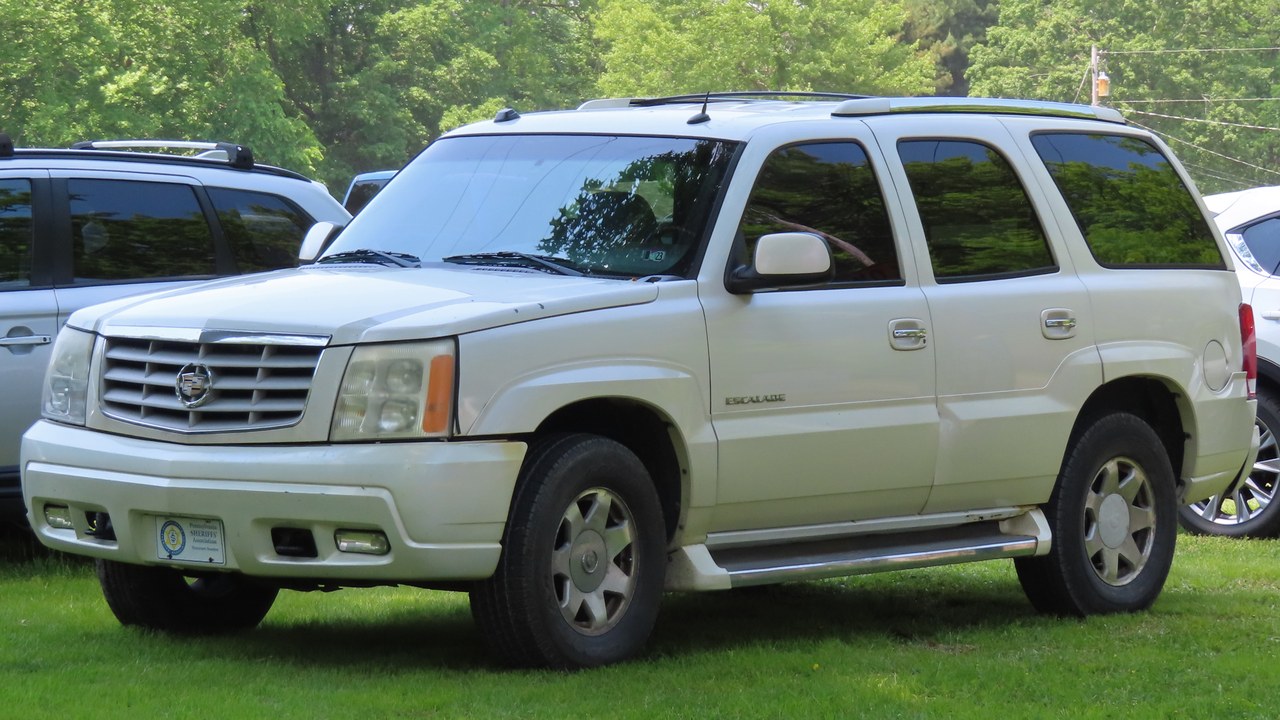
The 2002 redesign raised output to 345 hp from a 6.0-liter V8, and the truck became a fixture of music videos for Nelly, 50 Cent and Jay-Z, as the Escalade encyclopedia entry notes.
Few vehicles of the era gained cultural weight so quickly. The pop-culture exposure turned a conservative luxury truck into a status symbol, which helped define what buyers expected from the nameplate for years afterward, long past any single engine upgrade. The association lasted well beyond the model run itself, and the Escalade name still carries some of that swagger today.
3. Cadillac Escalade EXT: The Pickup Variant
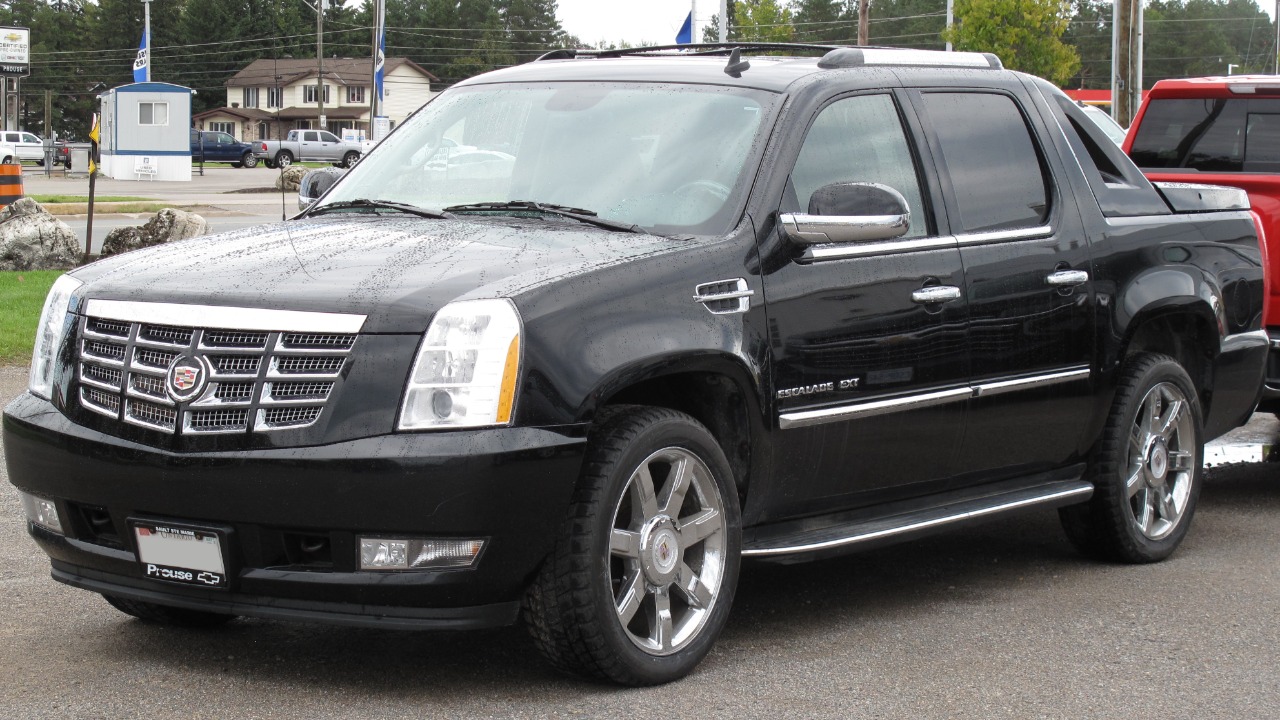
Sales of the Escalade climbed another 55 percent in the year the EXT pickup entered full production, according to an Automotive World anniversary piece.
The EXT pairs a luxury cabin with an open cargo bed, an unusual mix even among big American trucks. Its Chevrolet Avalanche relative shows how the idea spread inside General Motors, though the pickup body never became the bread and butter of the Escalade family. It stayed a niche body style, yet it broadened the lineup and helped lift overall Escalade sales at the time.
4. Cadillac Escalade ESV: Longer And Pricier To Steal
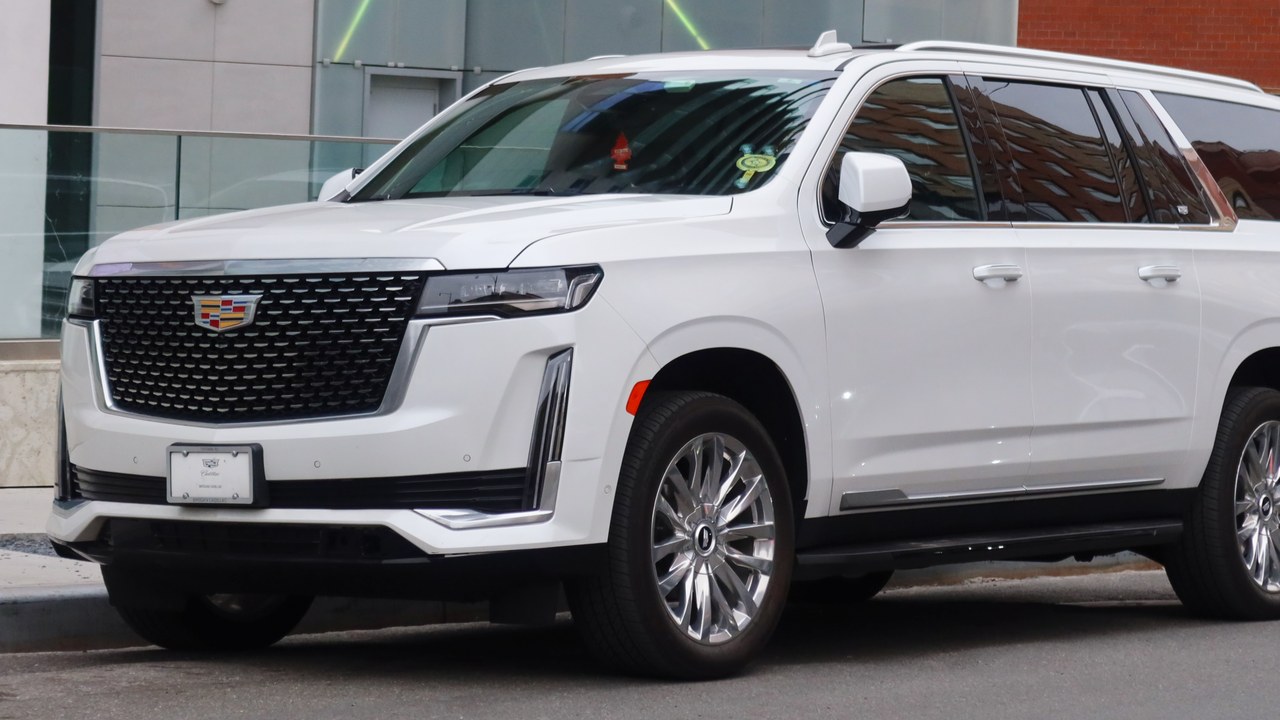
Insurance-loss data reported by IIHS and HLDI put the Escalade ESV’s theft-claim frequency at 260, with 100 representing the average vehicle. That is more than two and a half times the norm.
The ESV is the stretched version with extra cargo room behind the third row, so the number says more about criminal demand than about family use. Owners of high-value large SUVs often face similar patterns, which is why the figure matters when comparing insurance and security costs. Shoppers weighing a large SUV should treat that figure as a reason to ask about garaging and anti-theft equipment.
5. Cadillac Escalade (third generation): Lights And Magnetic Ride
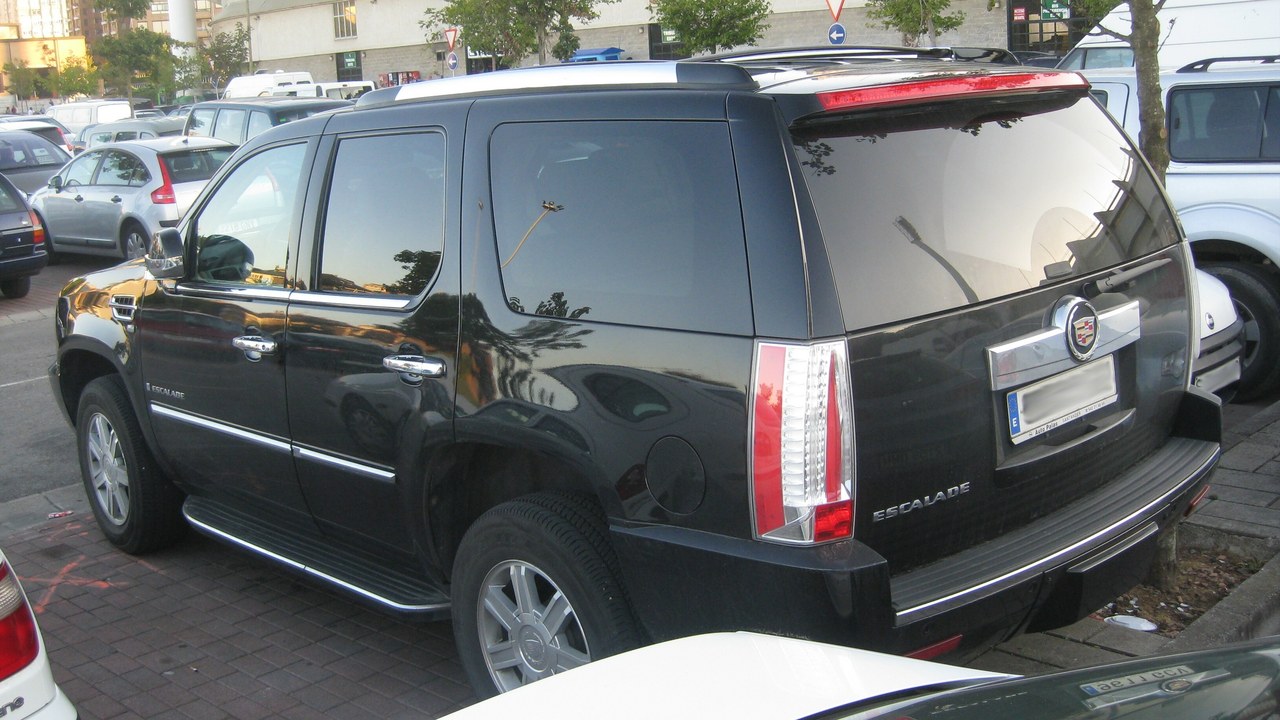
The 2007 to 2014 generation introduced the first full LED headlamps in 2009, and it was the first full-size luxury SUV offered with Magnetic Ride Control, per Automotive World.
Those features moved the Escalade beyond its image as a flashy truck and toward real engineering substance. LED lighting later spread across the whole industry, so this generation reads now as an early example of technology that eventually became ordinary on mainstream models. Buyers in this period could see the brand shifting from simple luxury trimmings toward measurable engineering advantages.
6. Cadillac Escalade Hybrid: Hybrid Before Its Time
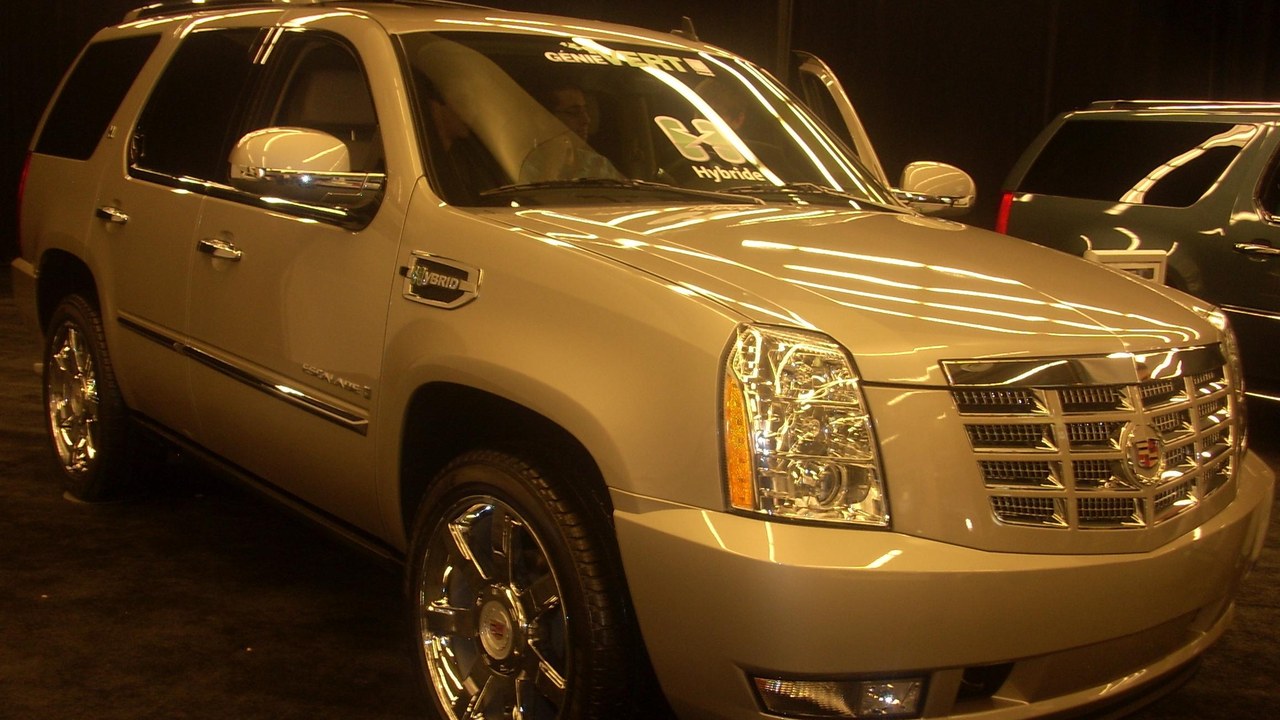
Cadillac billed the 2009 Escalade Hybrid as the world’s first full-size luxury SUV hybrid, with a 50 percent improvement in EPA city fuel economy, as Automotive World reported.
The claim comes from Cadillac, so it is best read as a marketing milestone. Still, a gasoline-electric powertrain in a vehicle this large pointed toward the electrified Escalades that followed, and it showed that heavy luxury SUVs could chase efficiency without abandoning size. Hybrids in this size class remained unusual, which gave the model attention beyond its actual sales volume.
7. Cadillac Escalade (fourth generation): Safety Gets Tactile
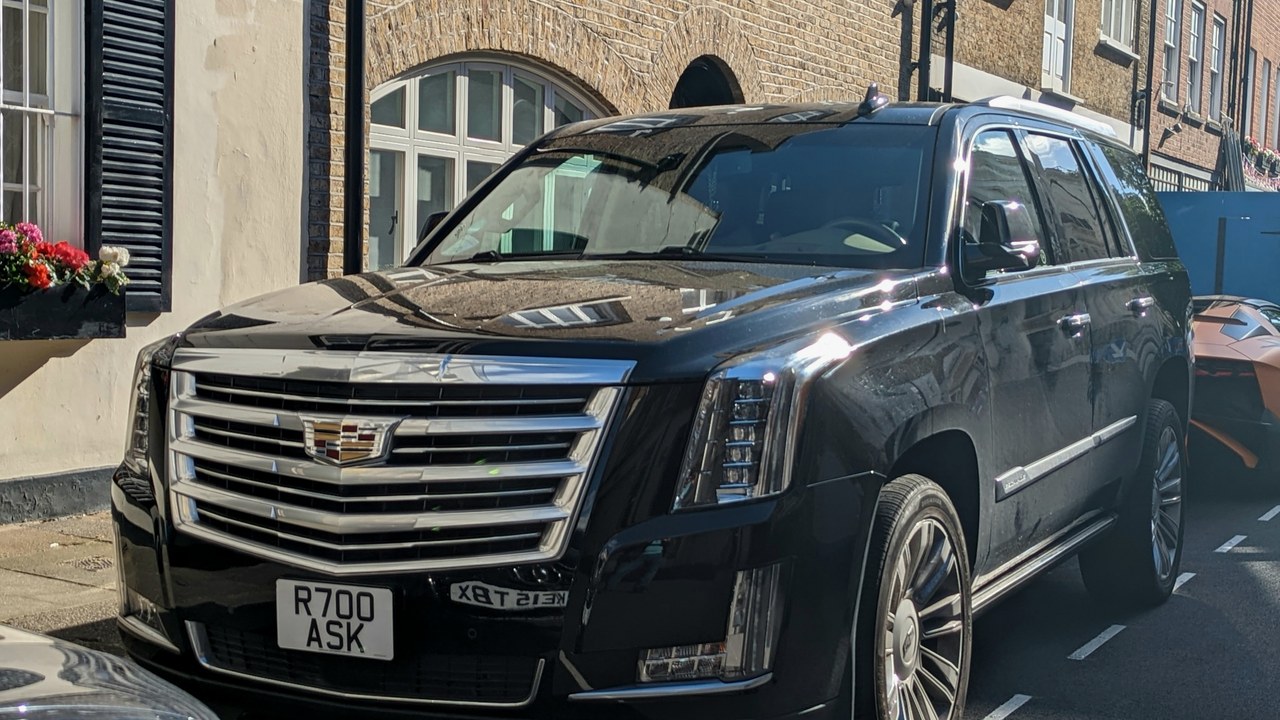
The 2015 Escalade added the first front-center airbag in a luxury SUV, plus the first haptic Safety Alert Seat, according to Cadillac’s anniversary material.
The seat buzzes the driver’s cushion on the side of a hazard rather than sounding another chime. Both features show the nameplate competing on protection and driver aids, not just on size and badge appeal, in a segment where family buyers weigh those details carefully. Such details rarely sell a vehicle alone, but together they build a safety reputation that supports a premium price.
8. Cadillac Escalade (fifth generation): A Curved Wall Of Screens
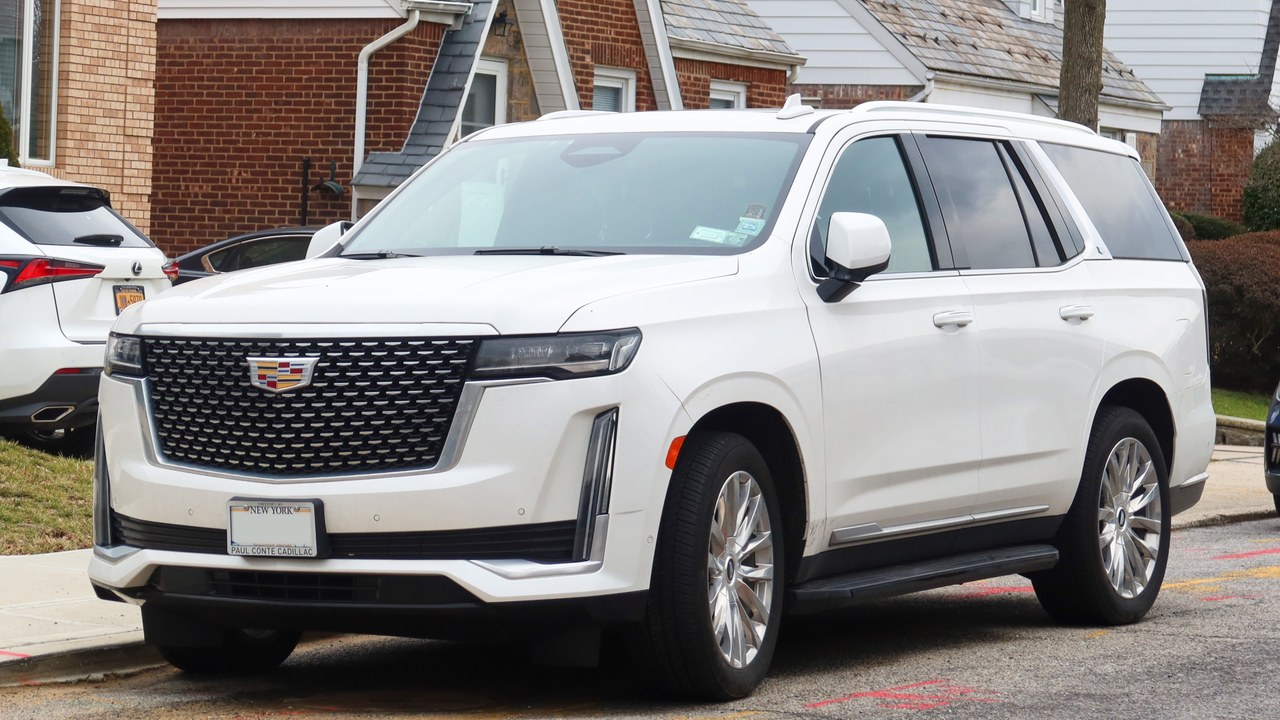
The current generation’s OLED system merges three screens into a single curved 38-inch display, which Kelley Blue Book rates among the best infotainment systems it has evaluated.
The sheer size is the headline, but the integration matters as much, because it replaces a cluttered dashboard with one continuous surface. Reviewers value that clarity, though a large touchscreen can still demand attention from drivers who prefer physical buttons for common tasks. Dealers can point to the display as the most visible difference from earlier Escalades.
9. Cadillac Escalade-V: Supercharged Flagship
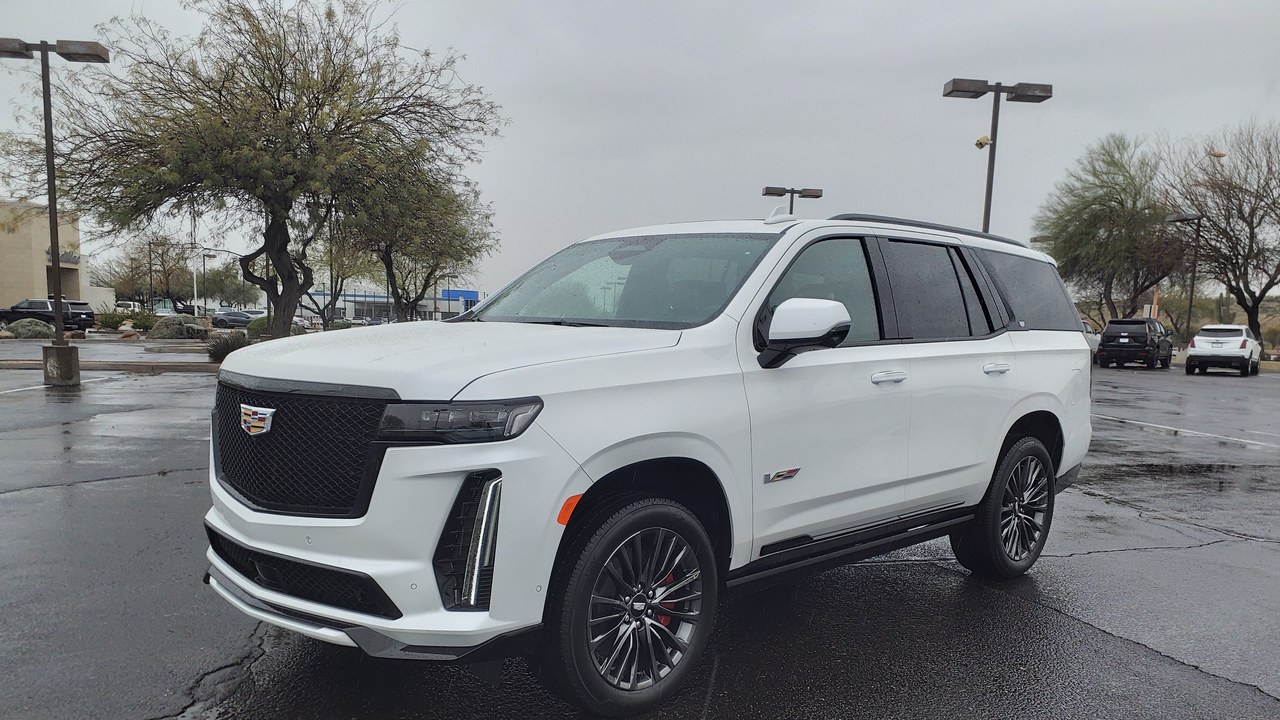
The Escalade-V makes 682 hp from a supercharged engine and starts at $170,895, according to Kelley Blue Book pricing for the 2026 model year.
That price places it far above a typical family SUV and well into performance-luxury territory. It shows how far the nameplate has traveled from the 255-hp original, and it demonstrates that Cadillac now treats its biggest SUV as a halo model. Few buyers will use all of that performance, but the figure anchors the top of the lineup.
10. Cadillac Escalade IQ: Range Champion
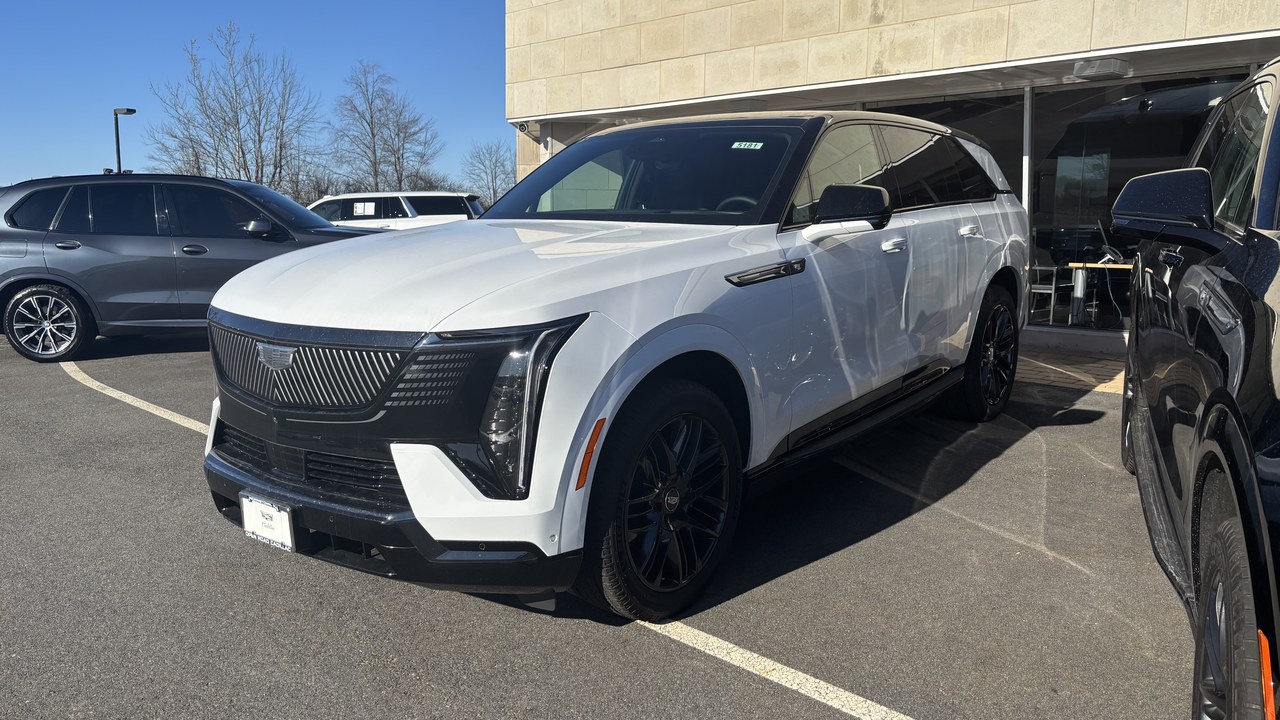
In a real-world test by Edmunds, the electric Escalade IQ went 558 miles on a charge, 20 percent beyond its 465-mile EPA rating, the best result among the electric vehicles Edmunds tested.
The test mixes 60 percent city with 40 percent highway driving, so the outcome reflects a plausible daily pattern. Real range always depends on weather, speed and load, but beating the official rating by this margin is rare for any large electric SUV. Owners should still expect results to vary with charging habits and driving style.
11. Cadillac Escalade IQL: Cargo King
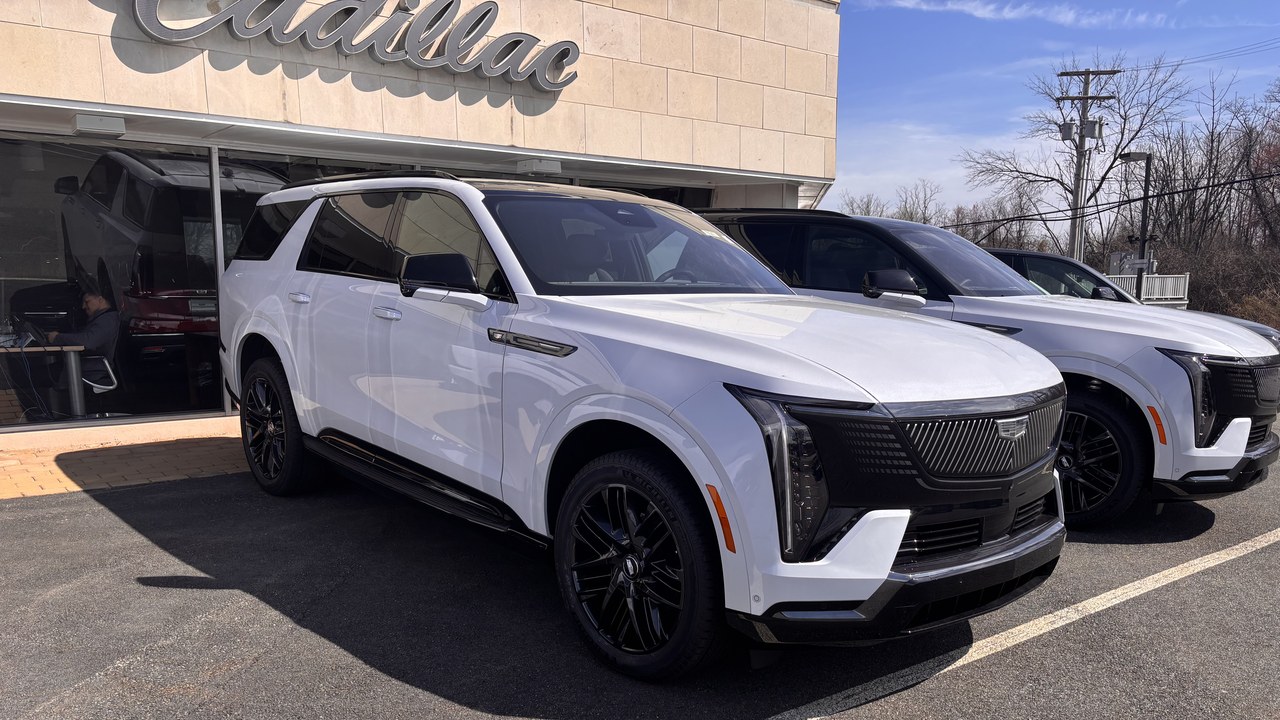
The stretched Escalade IQL offers 125.2 cubic feet of maximum cargo space, which tops the electric SUV ranking from iSeeCars cargo data.
That makes the long-wheelbase electric model a practical hauler as well as a luxury flagship. Maximum volume figures assume folded seats, so everyday usable space is smaller, but the lead over other electric SUVs still gives the IQL a clear advantage for family trips. Buyers who need space for gear will find the number easy to compare across rival models.
Tech news worth reading: Get Techpresso →
We may earn a commission if you sign up.
More from Morning Overview
- Seven of Earth’s nine planetary boundaries are breached, and all seven are worsening
- The NSA says three phone features should be off whenever you aren’t using them
- Hurricane Hunter radar shows four warning signs that a tropical cyclone is about to strengthen, a University of Miami study found
- Tropical Storm Rachel is dumping up to 12 inches on four Mexican states on its way to major hurricane strength
