
Supercar ownership has always carried a reputation for punishing depreciation, and that reputation has quietly become an opportunity for patient used-car shoppers. Years past their original showroom prices, a handful of exotic and semi-exotic machines have settled into territory once reserved for loaded luxury sedans, trading six-figure stickers for far more ordinary money. Here are nine supercars that became surprisingly attainable on the used market.
1. Audi R8: The Everyday Exotic
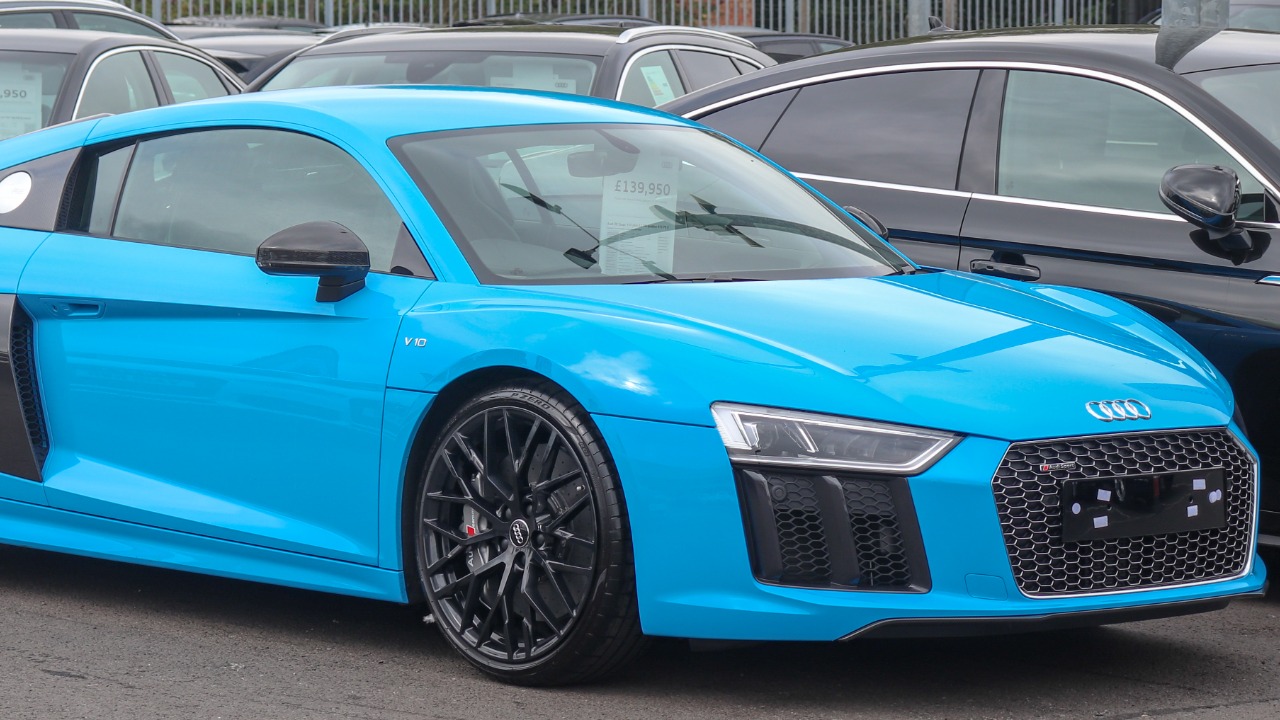
The Audi R8 built its reputation on a naturally aspirated V10 that revs cleanly to redline, sidestepping the turbo lag common to most modern performance machines. Audi engineered the car as a genuinely usable exotic, pairing all-wheel drive and a real trunk with switchgear borrowed from ordinary Audi sedans, and the R8’s production run stretched across two full generations.
That blend of exotic drama and daily practicality is precisely why depreciation hit the R8 harder than rarer, more exclusive rivals. Early V8 and V10 examples have slid well off their original window stickers, though the high-revving engine still carries service costs that any used buyer should weigh carefully against the discount on offer.
2. Nissan GT-R: Godzilla Goes Affordable
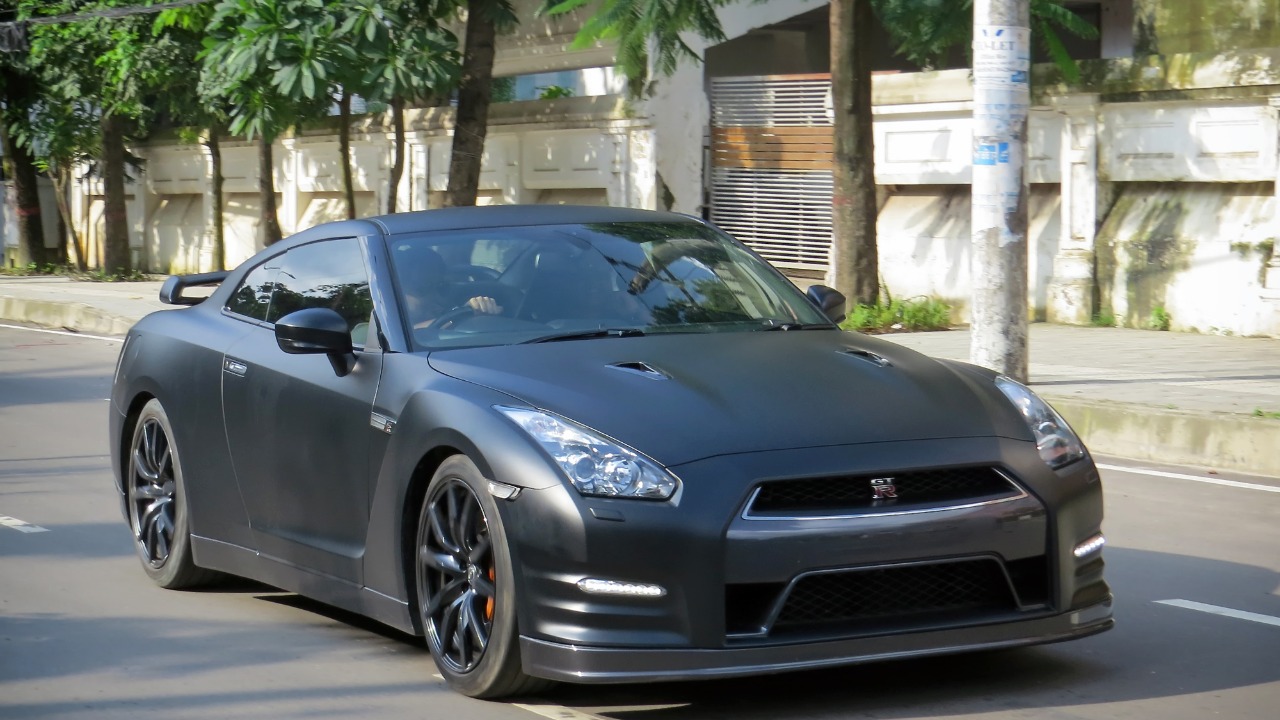
Few cars earned a nickname as menacing as Godzilla, and the Nissan GT-R backed it up with a twin-turbo V6, launch control, and all-wheel-drive grip that embarrassed cars costing several times as much. Nissan tuned the GT-R’s chassis on Germany’s Nurburgring, chasing lap times rather than showroom glamour, and that engineering-first approach became the car’s defining trait.
Because the GT-R prioritized brutal capability over badge prestige, used values have drifted down faster than its performance numbers ever suggested they would. Buyers now cross-shop older GT-Rs against loaded luxury coupes, even though the Nissan’s straight-line pace and cornering grip still outrun far pricier exotic machinery on a track day.
3. Acura NSX: The Rulebook Rewrite
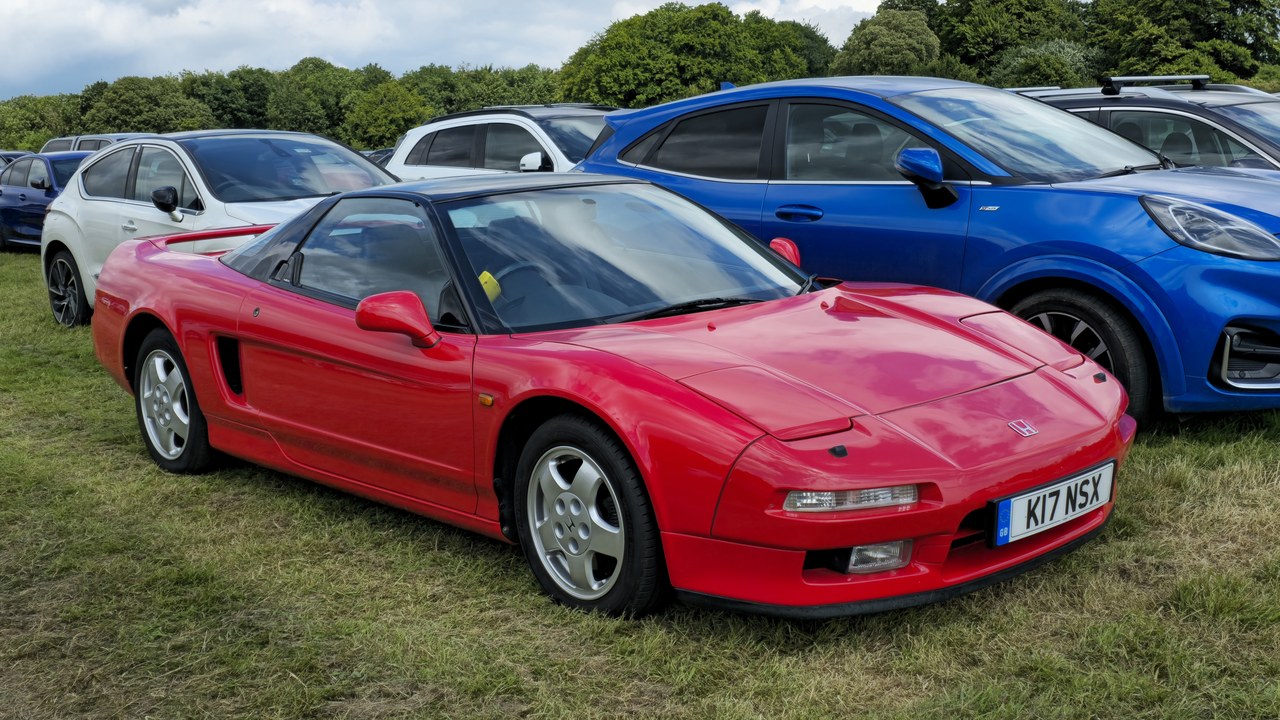
When Honda developed the NSX, it consulted Formula One driver Ayrton Senna to sharpen the chassis, then sold the result through Acura as a supercar that started reliably every morning. The original NSX’s aluminum body and mid-mounted V6 challenged Ferrari and Lamborghini on outright feel rather than raw horsepower.
Because Honda built the NSX for durability instead of theater, values fell out of step with its historical importance for years, and clean first-generation cars remain far cheaper than the European rivals they humbled in period road tests. That gap has narrowed as collectors catch on, but the NSX still undercuts its exotic peers substantially.
4. Lamborghini Gallardo: The Volume Bull
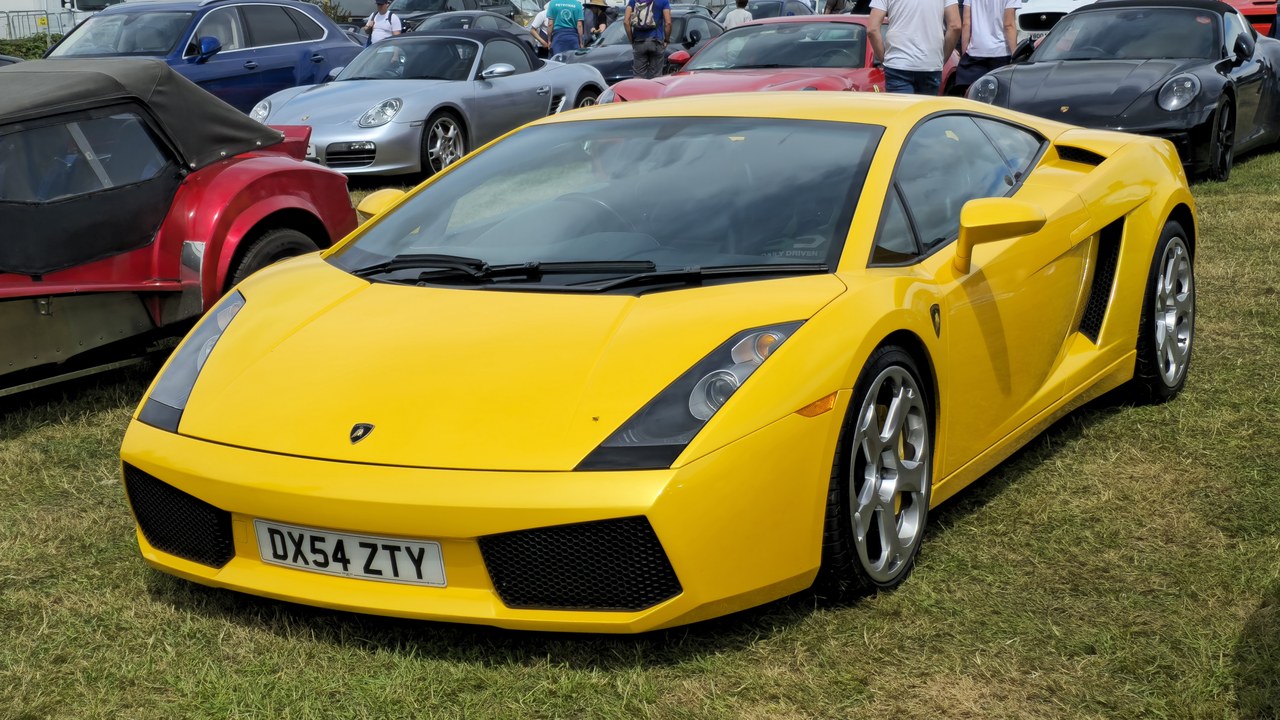
Lamborghini built more of the Gallardo than any model in the brand’s history, and that production volume is now the single biggest reason a used example costs far less than its badge suggests. The Gallardo’s decade-long run introduced an entire generation of buyers to a naturally aspirated V10 and all-wheel-drive grip.
Scarcity drives exotic-car pricing more than almost any other factor, and the Gallardo simply has none of it compared with lower-volume Lamborghinis. That abundance has pushed early V10 coupes into price territory that overlaps with well-optioned German luxury sedans, even as the car still wears a raging-bull badge and genuine supercar performance.
5. Ferrari 360: The Cheapest Way In
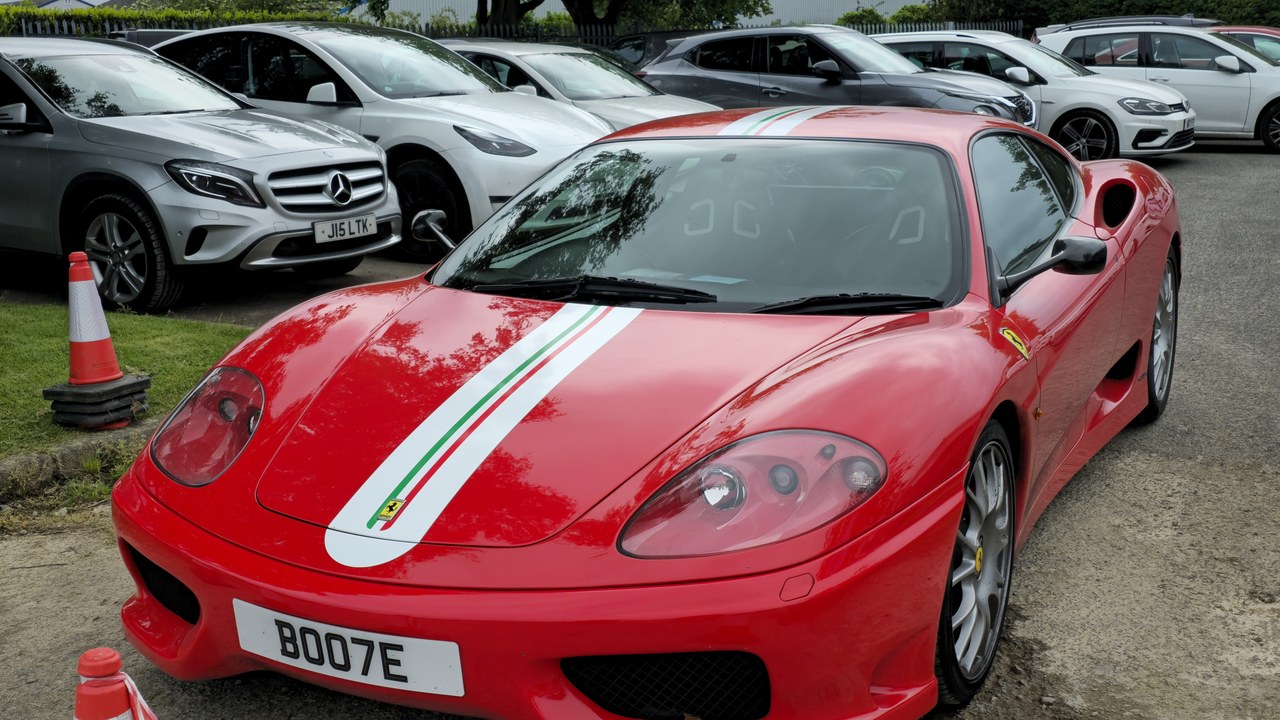
Owning a Ferrari once required a level of wealth most drivers never approached, but the 360 has become the brand’s most accessible on-ramp for buyers chasing the prancing-horse badge on a budget. The 360 Modena’s aluminum spaceframe replaced the steel construction of its predecessor, cutting weight while widening the model’s production numbers.
Higher production totals than earlier Ferraris, combined with the model’s age, have pulled 360 prices down to levels that would have seemed impossible a decade ago. Buyers still need to budget for Ferrari-specific service intervals, but the entry cost of admission into the marque has never been lower on the used market.
6. Aston Martin V8 Vantage: The Quiet Depreciator
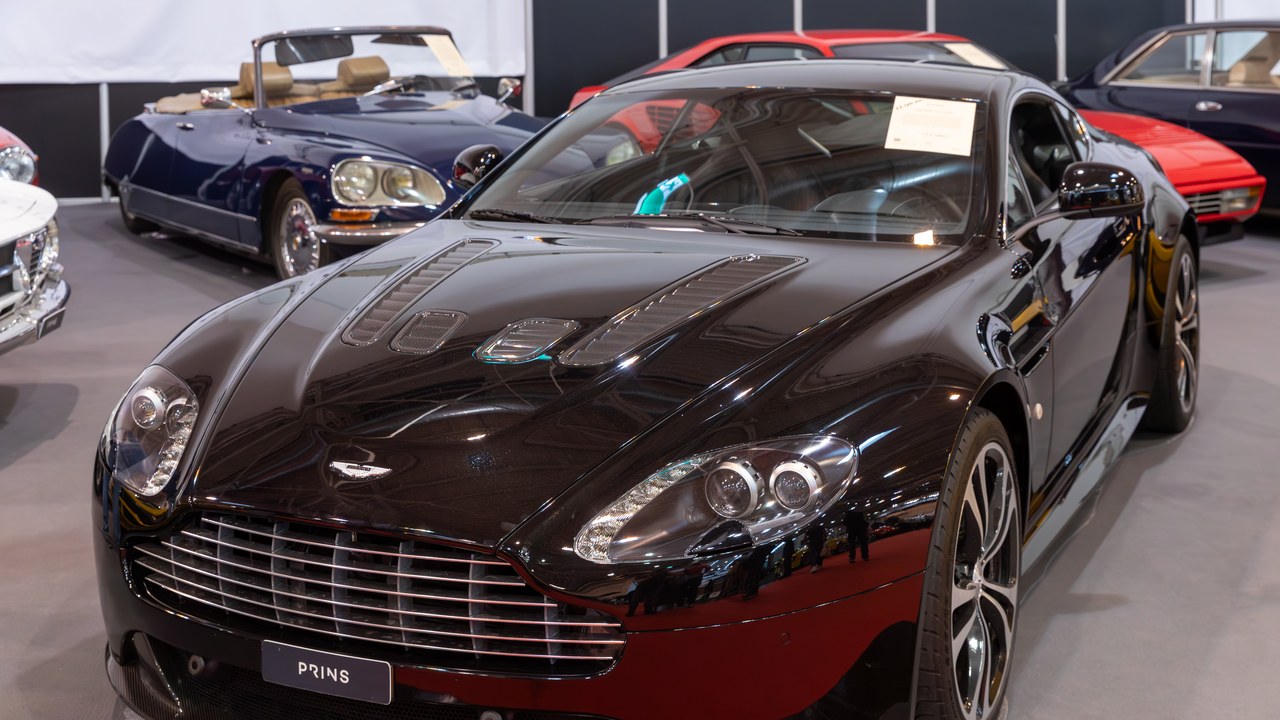
Aston Martin built the V8 Vantage as a smaller, more attainable companion to its grand tourers, wrapping a snarling naturally aspirated V8 in hand-finished English styling. The 2005 Vantage’s launch introduced a new aluminum platform that later underpinned several other Aston Martin models.
Aston Martin’s smaller production scale and specialist parts network mean the V8 Vantage never gets discussed alongside Ferrari or Lamborghini in depreciation conversations, yet its used prices have fallen just as steadily. That quiet slide has turned a car once reserved for the wealthy into a genuine alternative to a loaded German sports coupe.
7. Mercedes-AMG GT: The 911 Rival Losing Value
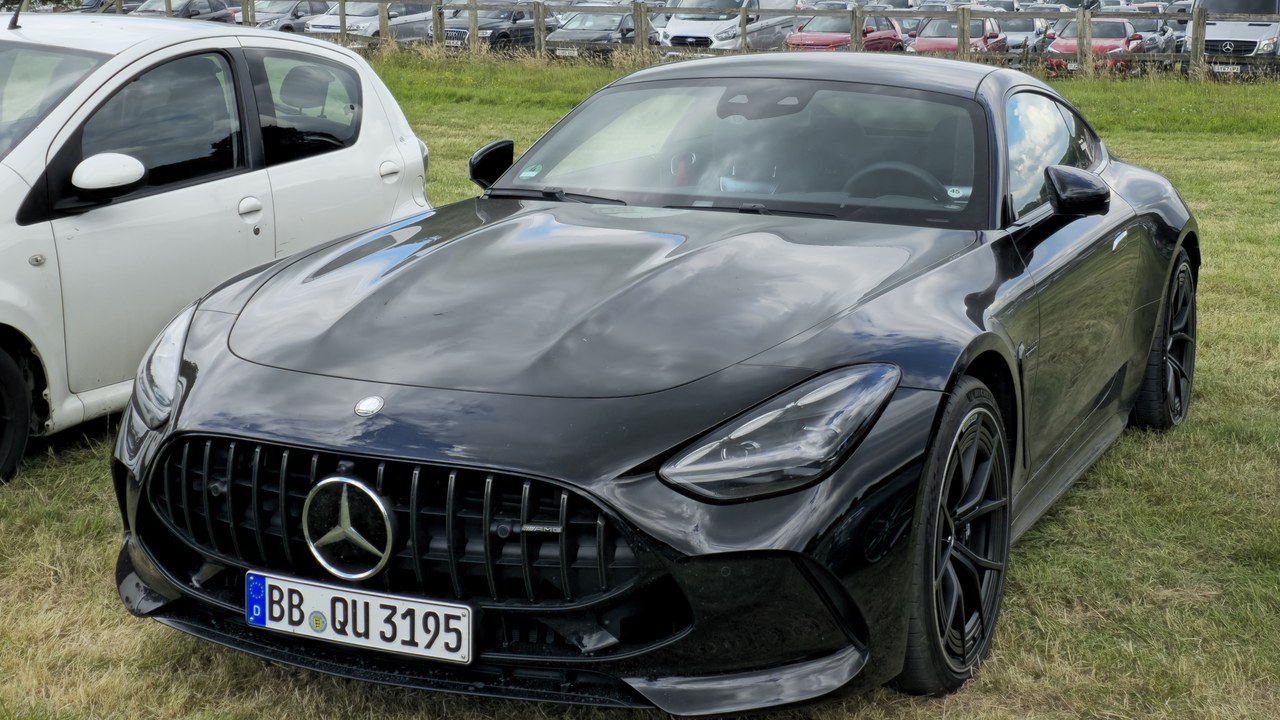
Mercedes built the AMG GT with a long hood and front-mid-engine layout specifically to trade blows with the Porsche 911, packing a handbuilt twin-turbo V8 under an unmistakably aggressive nose. The AMG GT’s chassis shares its underpinnings with Mercedes’ SLS supercar rather than any ordinary sedan.
Unlike the 911, which holds its value with unusual stubbornness, the AMG GT has depreciated at a pace closer to a typical luxury coupe, leaving used examples priced well under comparable Porsches. That gap has made the Mercedes a favorite pick for shoppers who want supercar theater without paying Porsche-level resale premiums.
8. Jaguar F-Type: The British Bargain Roadster
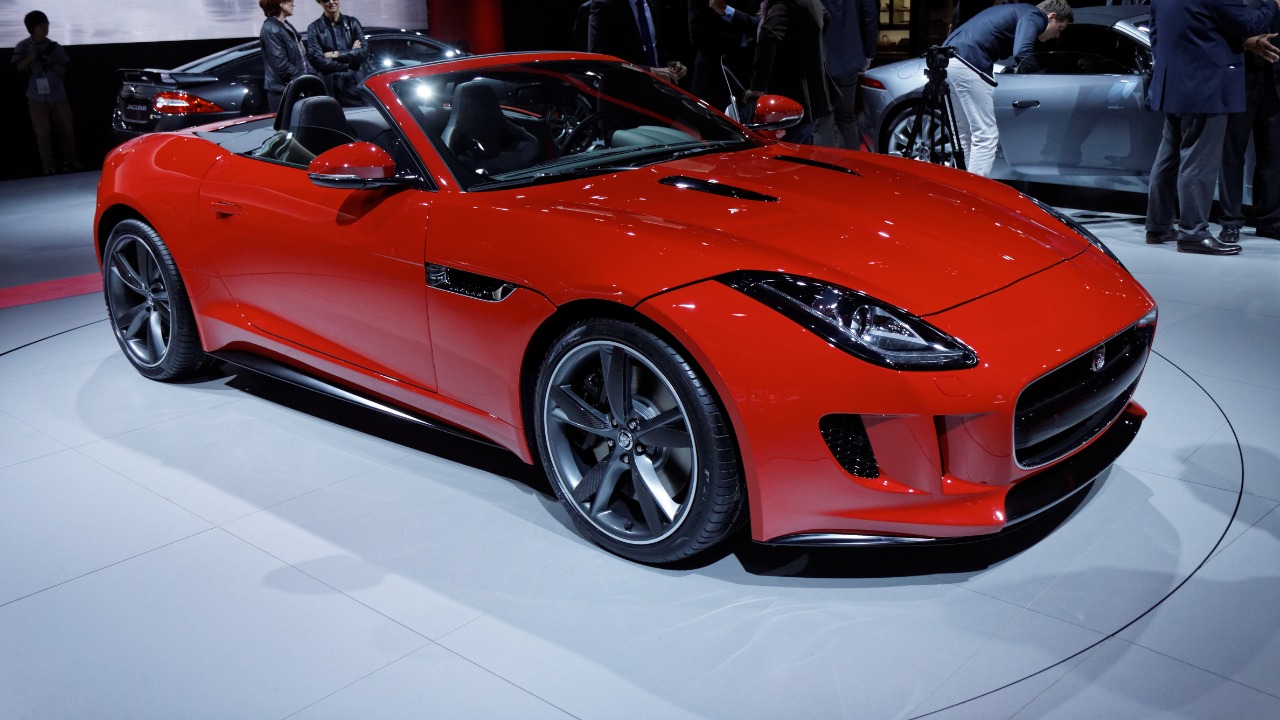
Jaguar revived its sports-car heritage with the F-Type, offering a supercharged V8 soundtrack and a low, curvaceous roadster body that drew direct comparisons to the brand’s classic E-Type. The F-Type’s model line spanned both coupe and convertible body styles across its production run.
Jaguar’s smaller dealer network and reputation for costly repairs have historically softened resale values compared with German and Japanese sports-car rivals, and the F-Type has followed that same pattern into deep used-market discounts. Buyers willing to accept the ownership tradeoffs now get a supercharged V8 roadster for the price of an ordinary family sedan.
9. Chevrolet Corvette: The Badge-Tax Escape
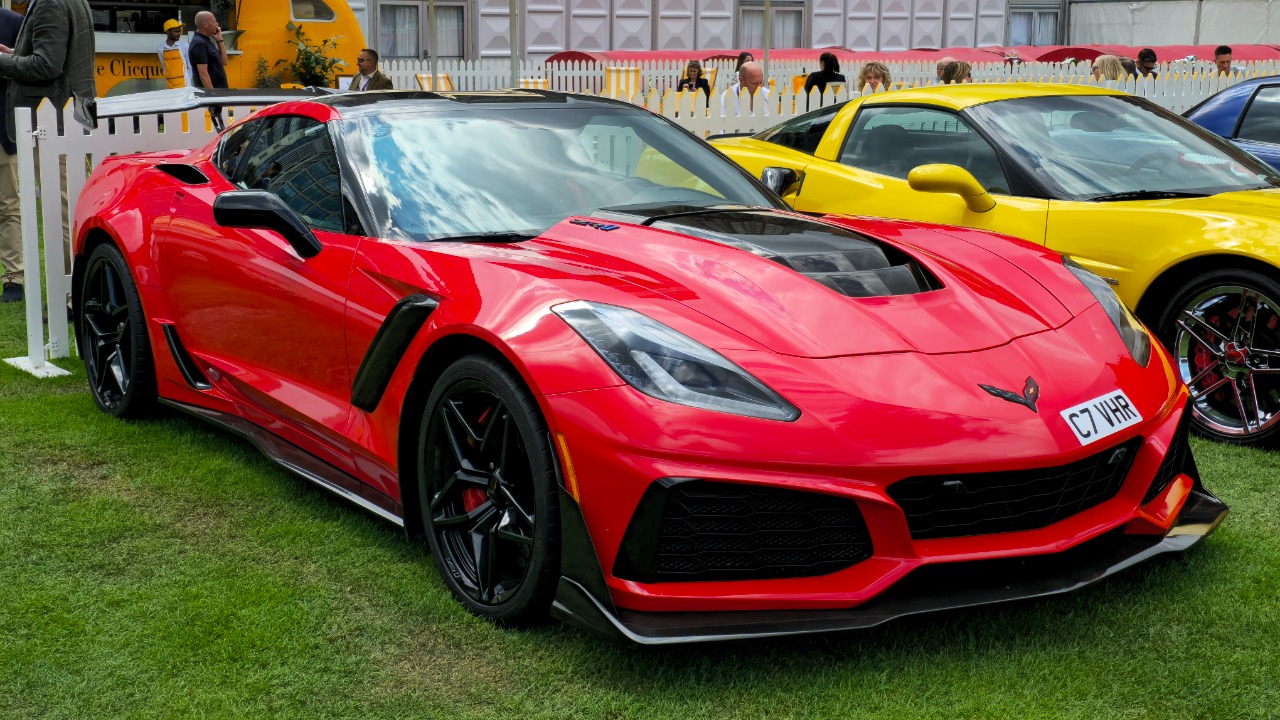
Chevrolet has spent decades proving that a domestic sports car can out-accelerate imports costing several times as much, and the seventh-generation Corvette pushed that formula further with a naturally aspirated V8 and a chassis capable of matching European exotics on a track. The C7 generation’s run included both coupe and convertible variants.
Because the Corvette carries a Chevrolet badge instead of an Italian or German one, used prices have never reflected the car’s genuine supercar-slaying acceleration and cornering ability. That badge tax works entirely in a used buyer’s favor, delivering exotic-level performance figures for a fraction of what a comparable Ferrari or Lamborghini demands.
More from Morning Overview
