
American astronomy has been shaped by mountaintop observatories, desert radio arrays and a few instruments with unusual stories attached. Some set size records, some made famous discoveries, and one now stands as a lesson in loss. Here are twelve notable telescopes and observatories across the country.
Tech news worth reading: Get Techpresso, the daily email with the most interesting tech news and insights, read by 400,000+ professionals from Google, Apple and OpenAI.
We may earn a commission if you sign up.
1. Griffith Observatory: Free Hilltop Stargazing
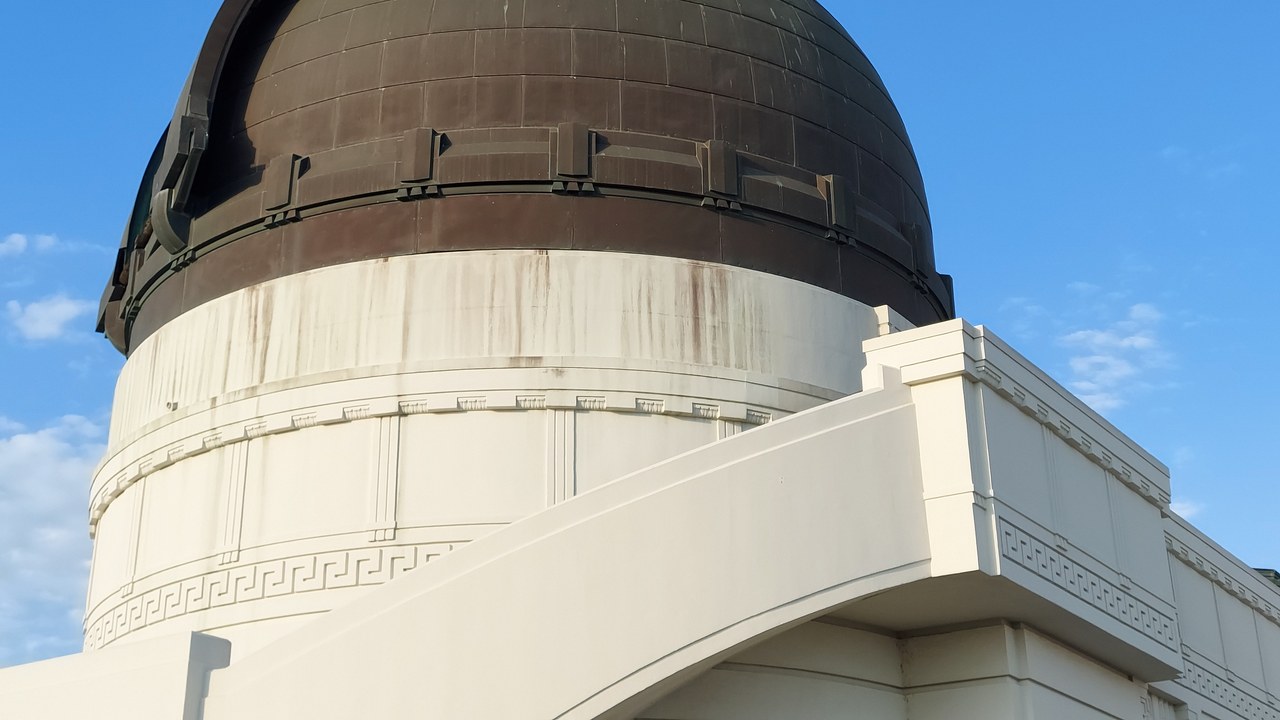
Griffith Observatory opened in 1935, and its Zeiss refractor has been looked through by more people than any other telescope, according to this guide to national telescopes. Admission to the grounds is free, which has helped make the Los Angeles landmark one of the most accessible places in the country to see the sky.
For visitors, the free grounds mean the cost of a first look at the Moon or a planet is only getting there. Public programs rather than research are the observatory’s main purpose.
2. Mount Wilson Observatory: Century-Old Giant
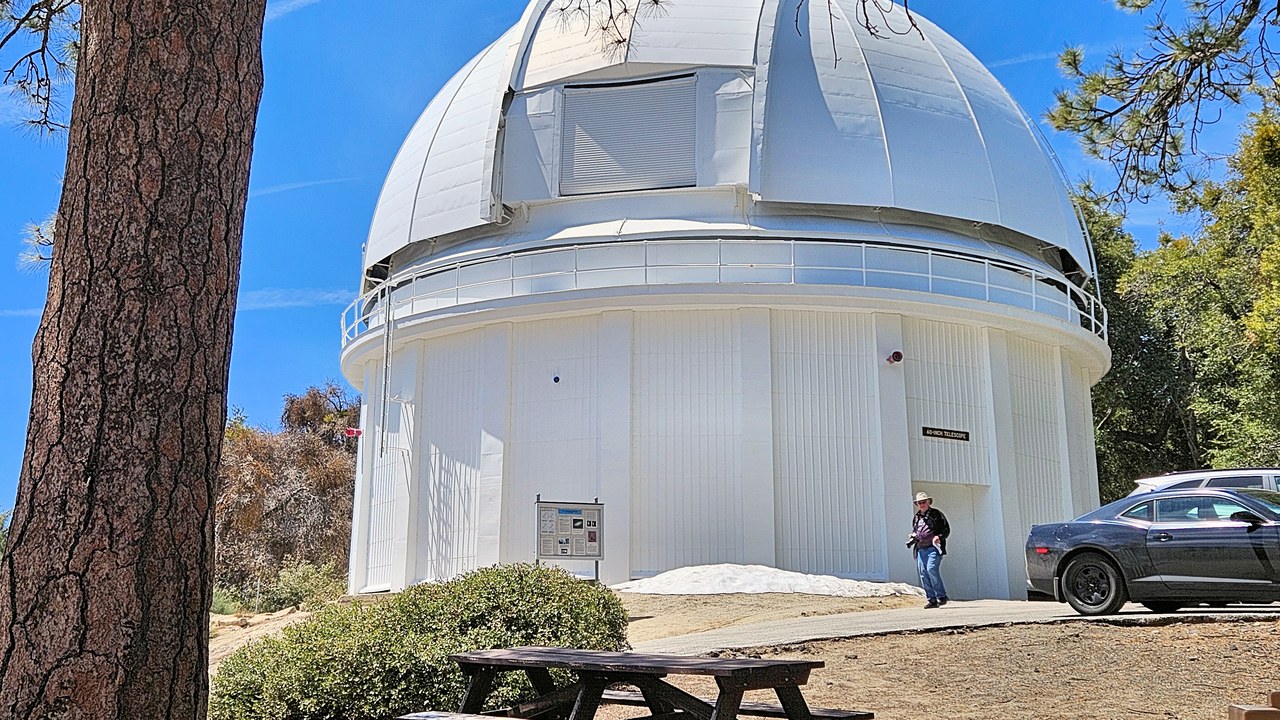
Mount Wilson Observatory sits at 5,700 feet above Los Angeles, and this list of US observatories describes its century-old 100-inch telescope as the instrument that showed the universe is far larger than thought. Perched above the city haze, the site made use of dark skies unavailable on the valley floor.
The telescope’s reputation rests on that change in scale, which reshaped how astronomers pictured galaxies. The location also shows how close major science can sit to a big city, even if modern lights have complicated the view.
3. Palomar Observatory: Hale’s Big Mirror
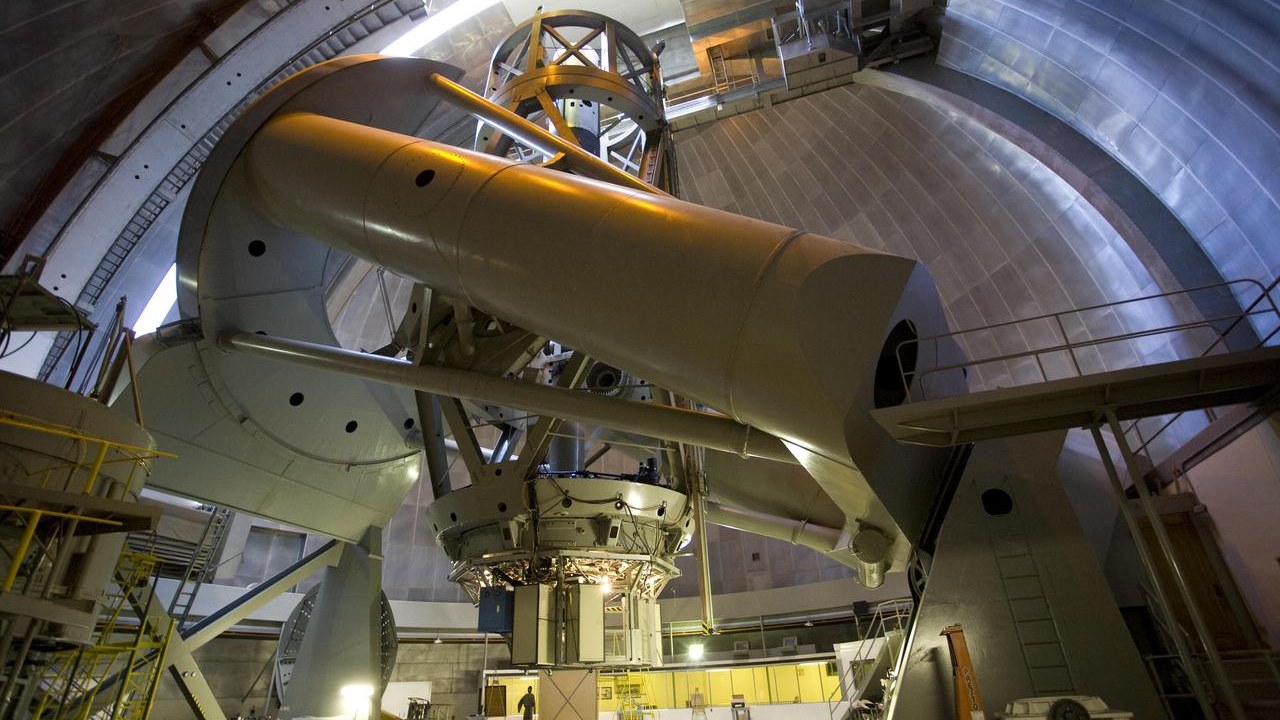
Palomar Observatory is home to the 200-inch Hale Telescope, which saw first light in 1949 and was the world’s largest until 1975, as this must-see observatory guide notes. For more than a quarter century, no other optical telescope matched the size of its mirror.
The number shows how long a single instrument can define a field. Although larger telescopes have since taken the title, Palomar’s long run as the biggest explains why the Hale name still carries weight among stargazers and historians.
4. Lick Observatory: Founder Under the Pier
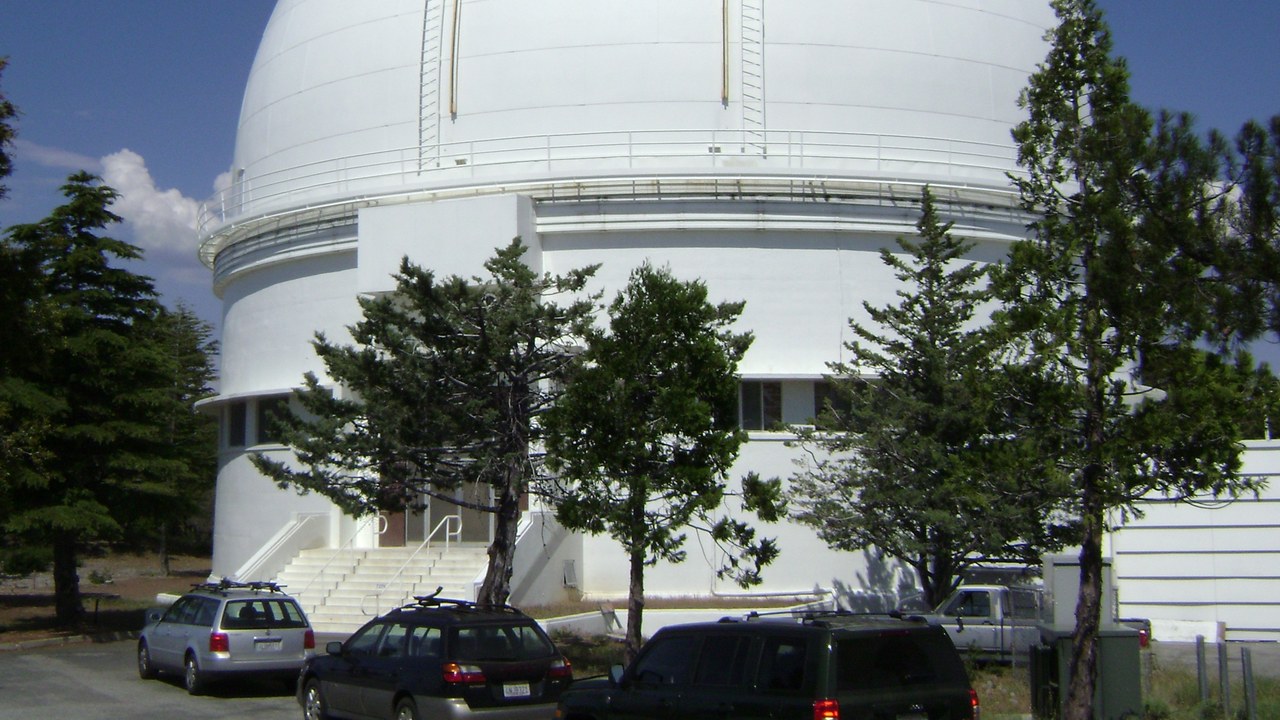
Lick Observatory’s 36-inch refractor, installed in 1888, was the world’s largest for about 9 years, and James Lick is buried under the pier that holds it, as the Linda Hall biography of Lick recounts. Lick died in 1876, so the telescope was finished after his death and now stands directly above his grave.
The detail gives the headline its twist and makes the instrument a memorial as well as a research tool. It also reflects the observatory’s standing as a pioneer, the first permanently occupied mountaintop site of its kind.
5. Lowell Observatory: Where Pluto Turned Up
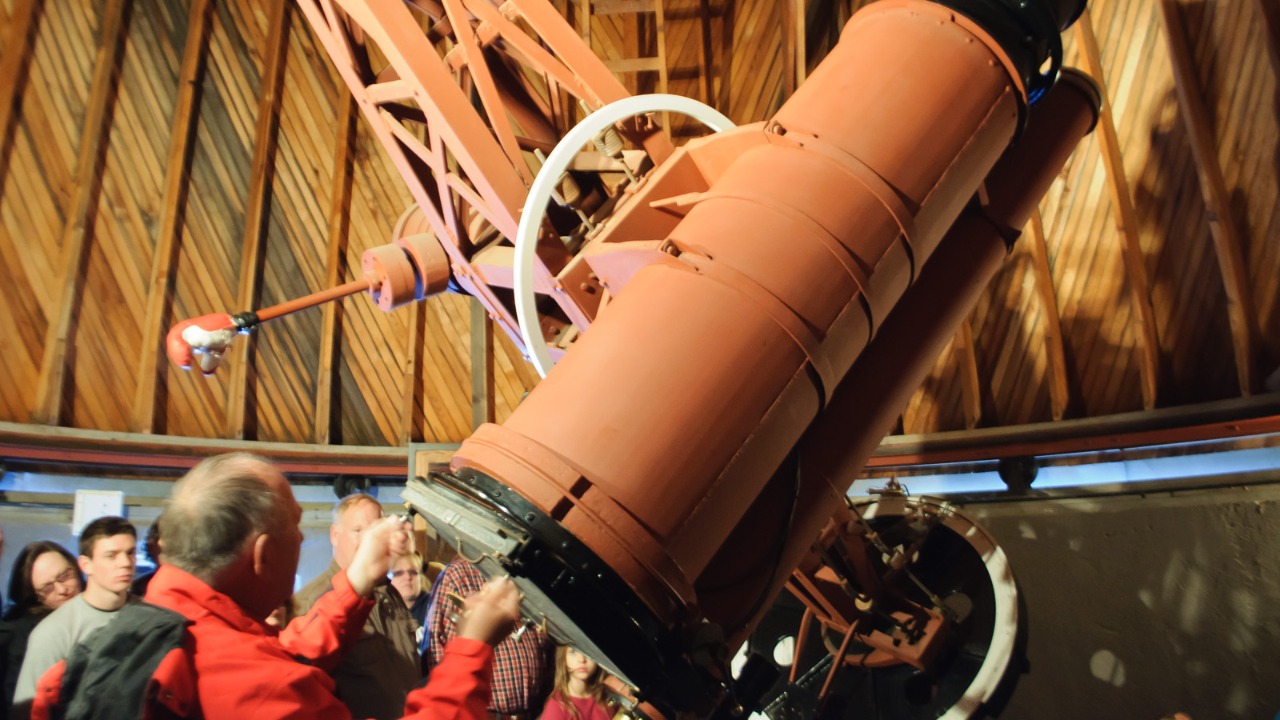
Lowell Observatory was founded in 1894 at 7,740 feet in Flagstaff, and this must-see observatory guide credits it as the place where Pluto was discovered. The high, dry location was chosen to give astronomers steadier and clearer views than lowland sites could offer.
Visitors to Flagstaff can connect a famous discovery to a real place. The observatory’s story is a reminder that a single, patient search can produce a result still discussed decades later, even after Pluto’s classification changed.
6. Kitt Peak National Observatory: Largest Telescope Collection
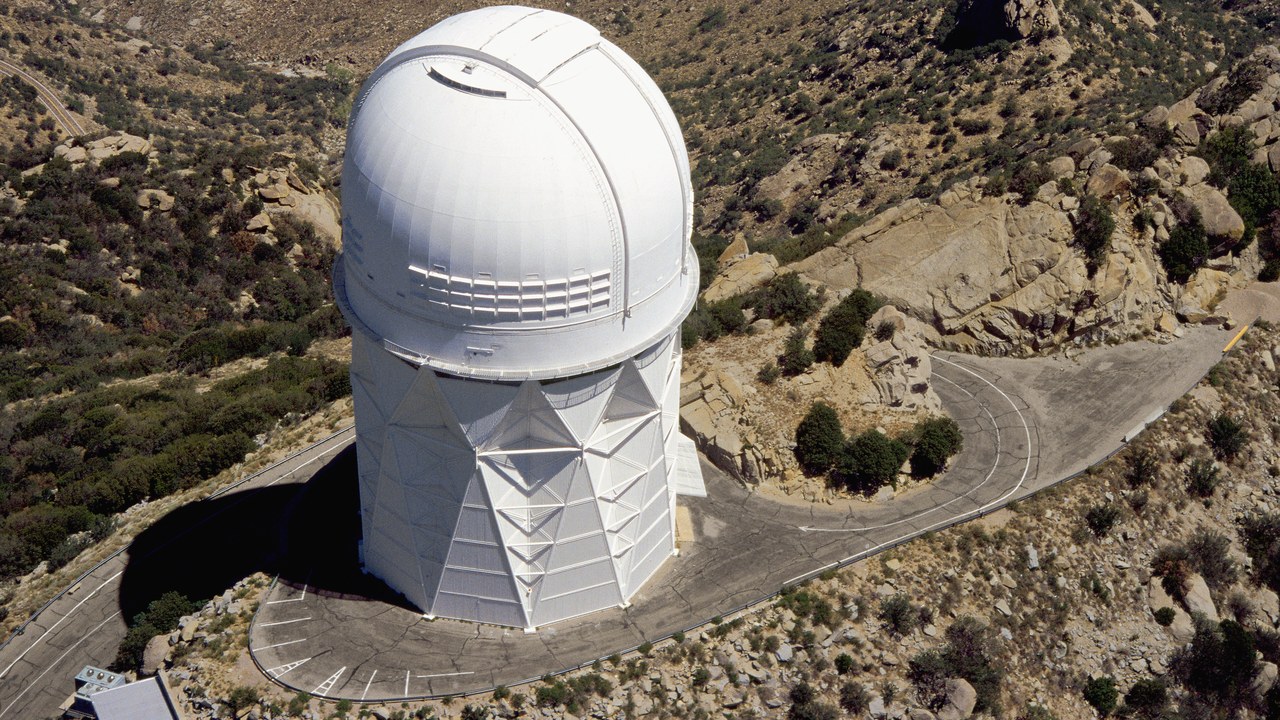
Kitt Peak National Observatory was established in 1958 and claims the world’s largest array of optical and radio telescopes, according to this guide to national telescopes. The mountaintop in Arizona hosts many separate instruments, run by different institutions, rather than one dominant telescope.
The appeal is variety. A visitor or researcher gets many kinds of telescopes at a single site, and the claim should be read as the observatory’s own description of its collection, not an independent ranking.
7. Very Large Array: Dishes in the Desert
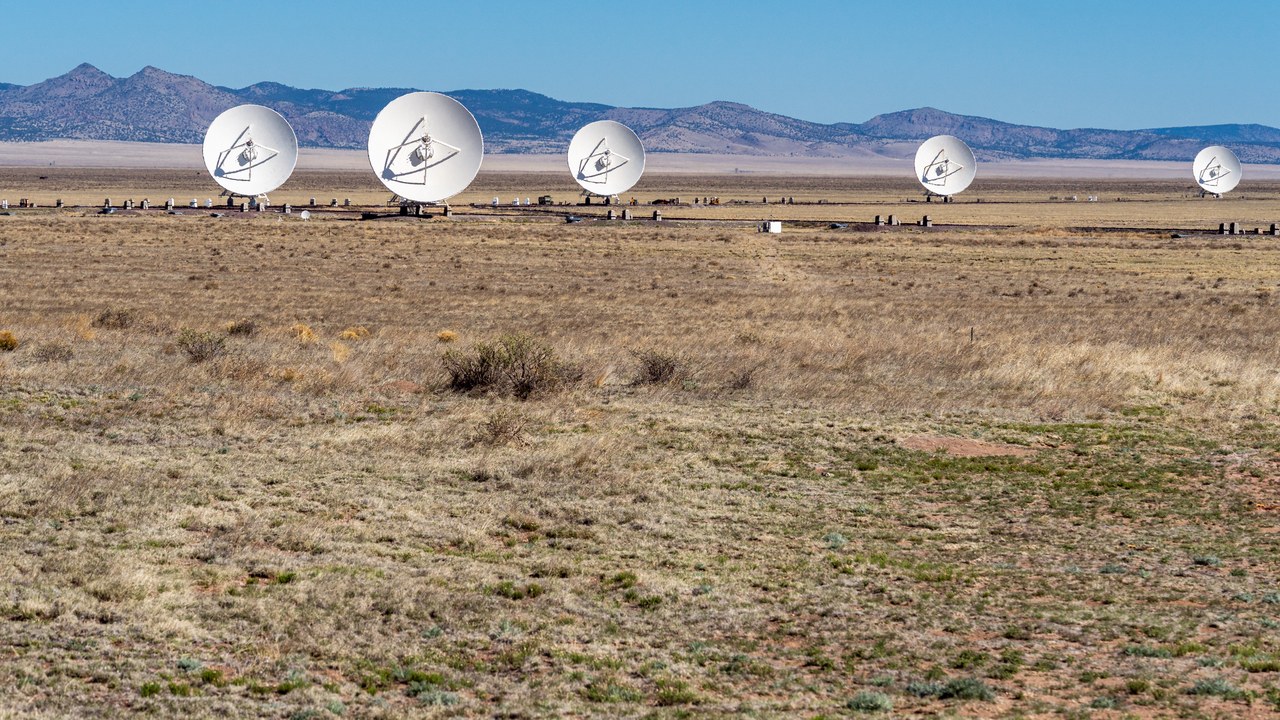
The Very Large Array in New Mexico has 27 dishes, each weighing hundreds of tons, as this list of US observatories explains. Instead of one lens or mirror, the facility links radio antennas that work together, letting astronomers combine their signals into sharp images of distant objects.
The scale is hard to grasp from photographs. Standing near a single dish shows how heavy and precise radio astronomy equipment must be, and the array layout is why the site looks so unlike a traditional domed observatory.
8. McDonald Observatory: West Texas Mirror
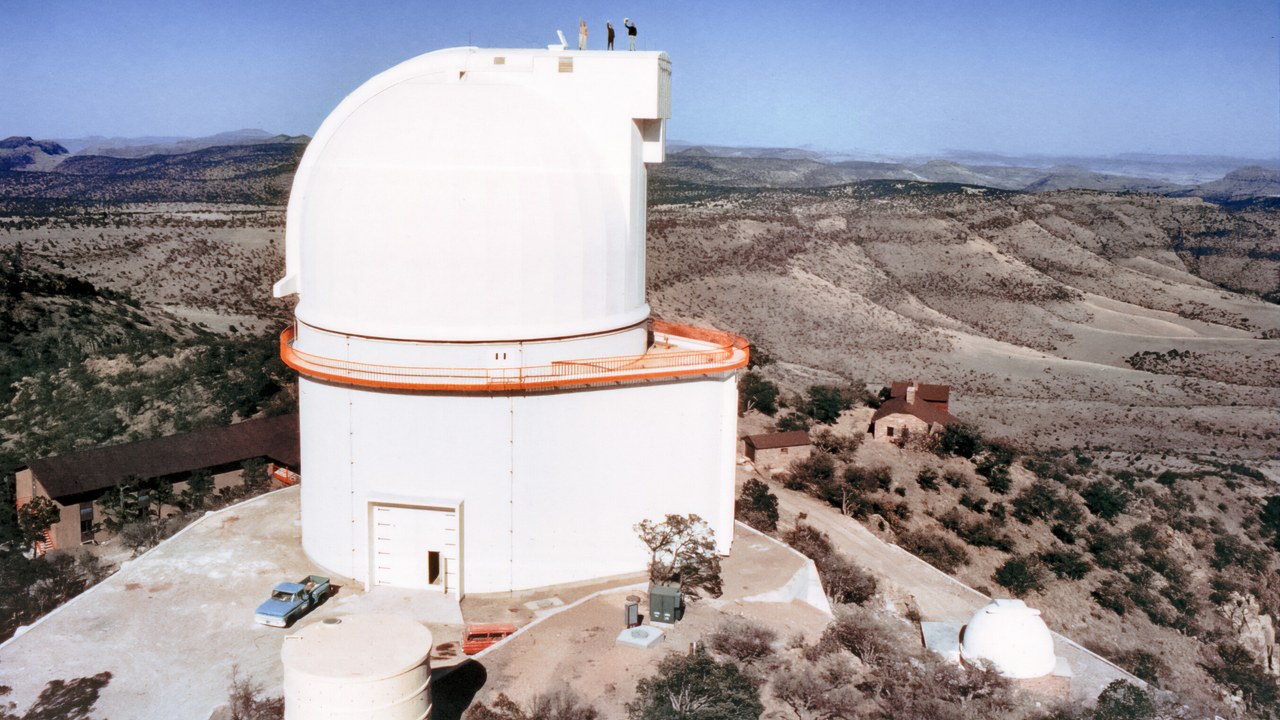
McDonald Observatory opened May 5, 1939, in West Texas, and this must-see observatory guide points to the 10-meter Hobby-Eberly Telescope as a highlight of the site. The remote location offers dark skies far from major cities, which suits sensitive observation work.
The opening date places the observatory firmly in the era of mountaintop science in the United States. For stargazers, the dark Texas setting is as much a draw as any single instrument.
9. Mauna Kea Observatories: Summit Above the Clouds
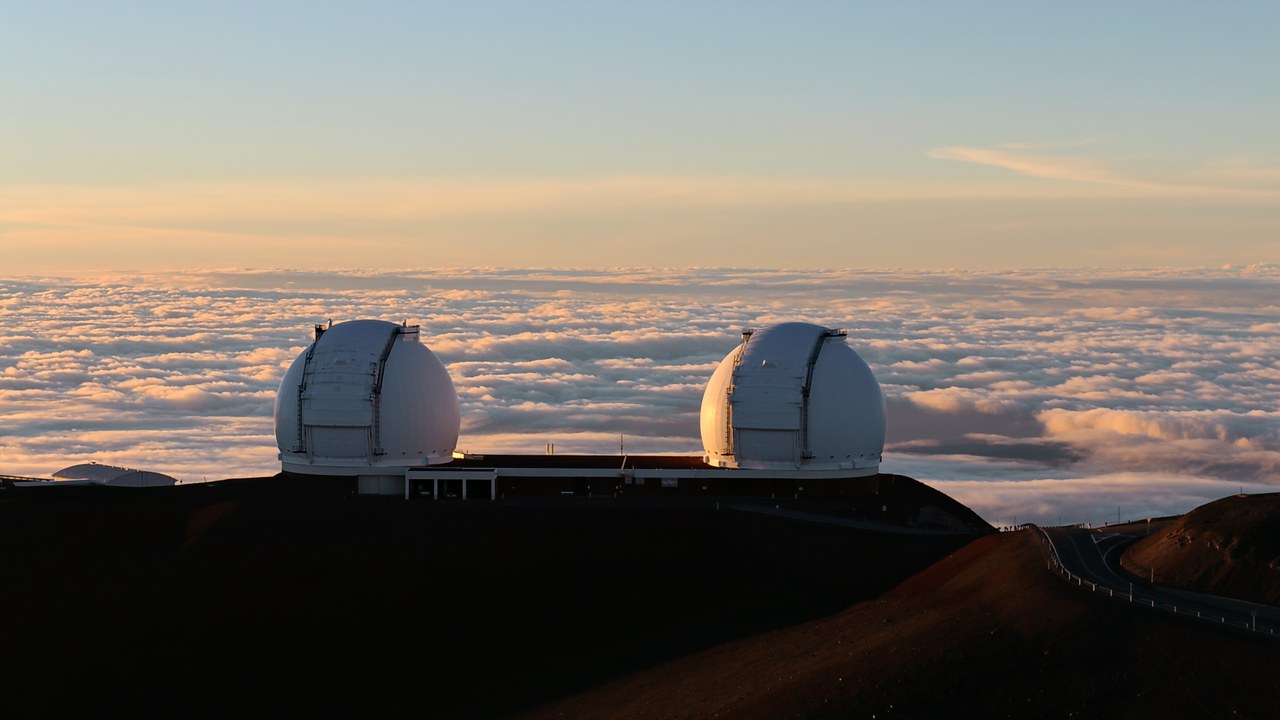
Mauna Kea Observatories stand at 13,796 feet, and the summit hosts 13 telescopes including the twin 10-meter Keck telescopes, according to this must-see observatory guide. Few places in the country combine so much altitude with so many large instruments in one location.
The thin air that makes the site excellent for astronomy also makes it demanding for people. The visitor station sits much lower, at 9,000 feet, for that reason, so most public viewing happens below the summit.
10. Yerkes Observatory: Refractor Record Holder
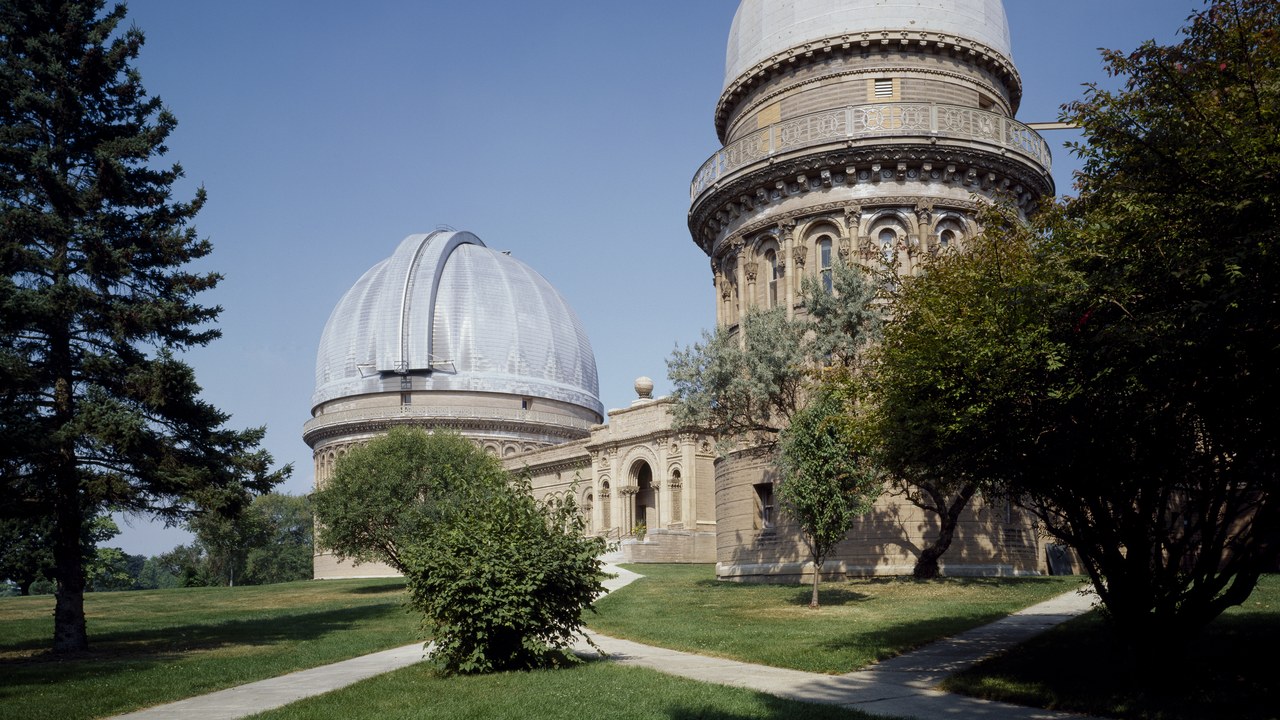
Yerkes Observatory was built around 1897, 80 miles outside Chicago, and it still claims the world’s largest refracting telescope, as this guide to national telescopes puts it. A refractor gathers light with a lens, and the Great Refractor represents the practical upper limit for that design.
Larger telescopes now use mirrors, which is why the title has lasted. The observatory closed to regular operations in October 2018, so the claim now belongs to a historic site rather than an active research station.
11. Green Bank Telescope: Radio Silence Zone
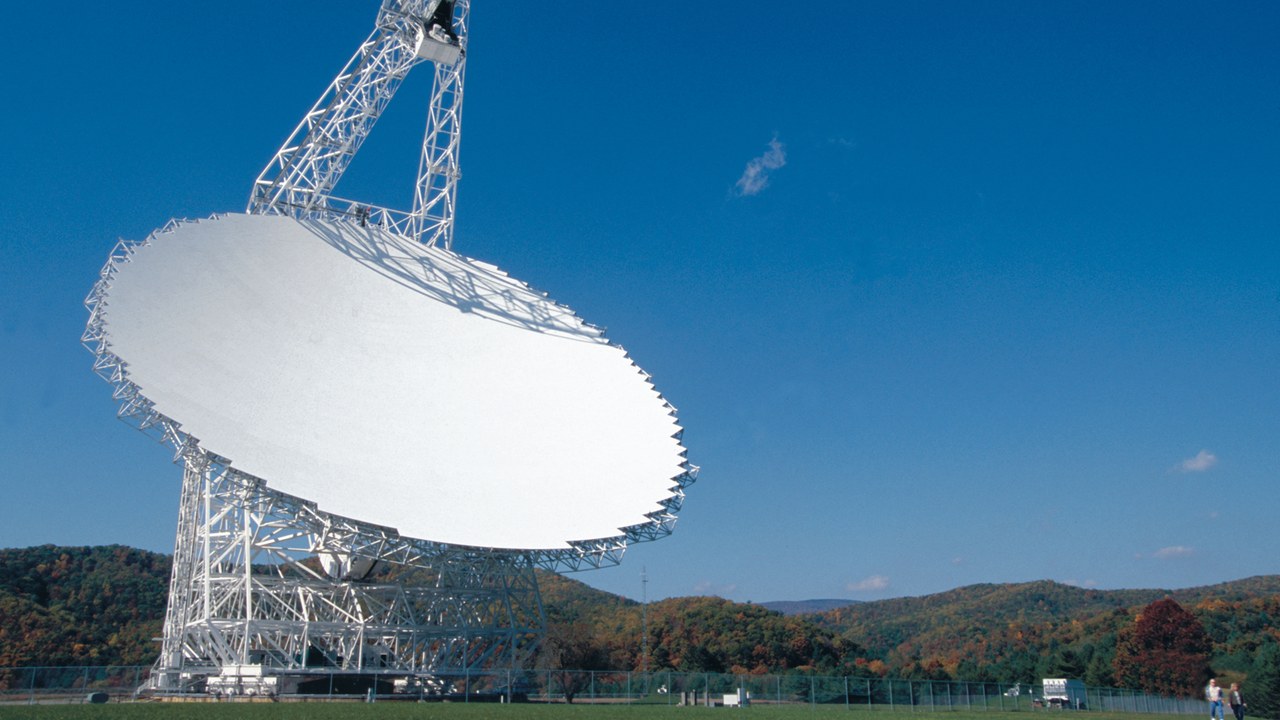
Taller than the Statue of Liberty, the Green Bank Telescope is the largest fully steerable instrument of its kind, and it operates inside 13,000 square miles of radio silence, per this guide to national telescopes. The quiet zone keeps stray signals from drowning out faint cosmic radio waves.
The surrounding restrictions are part of the instrument. In practice, nearby residents live with limits on some electronics so that astronomers can listen to very weak signals from space.
12. Arecibo Telescope: Collapse in Puerto Rico

The instrument platform of Puerto Rico’s 305-meter Arecibo telescope collapsed on Dec. 1, 2020, damaging the dish and surrounding facilities, according to the NSF collapse review from the National Science Foundation. The loss ended operations at one of the best-known radio telescopes in the world.
Arecibo is the only entry here defined by loss. The documented damage to the dish is a reminder that even famous scientific facilities depend on aging structures, and its place on the list rests on its history rather than current use.
Tech news worth reading: Get Techpresso →
We may earn a commission if you sign up.
More from Morning Overview
- Two passengers died at an Ohio toll plaza, and the NTSB now wants the cash lanes shut
- Long use of a common prostate pill is tied to a higher chance of glaucoma
- Ford is recalling 223,472 F-150 pickups because the fuel tank can leak or detach
- Hybrids have 15% fewer problems than gas cars, while EVs and plug-in hybrids have about 80% more, Consumer Reports finds
