
Meteorites are fragments of space rock that survive the fall through the atmosphere, and a surprising number are still on public view or lying where they landed. The heaviest are iron masses, while others are famous for a precise date or a dramatic event. Here are nine meteorites that people can still see, from the largest down to a stone kept indoors.
The day in tech, in one email: TLDR is the daily newsletter with links and TLDRs of the most interesting stories in startups, tech and programming.
We may earn a commission if you sign up.
1. Hoba meteorite: Largest Known Meteorite
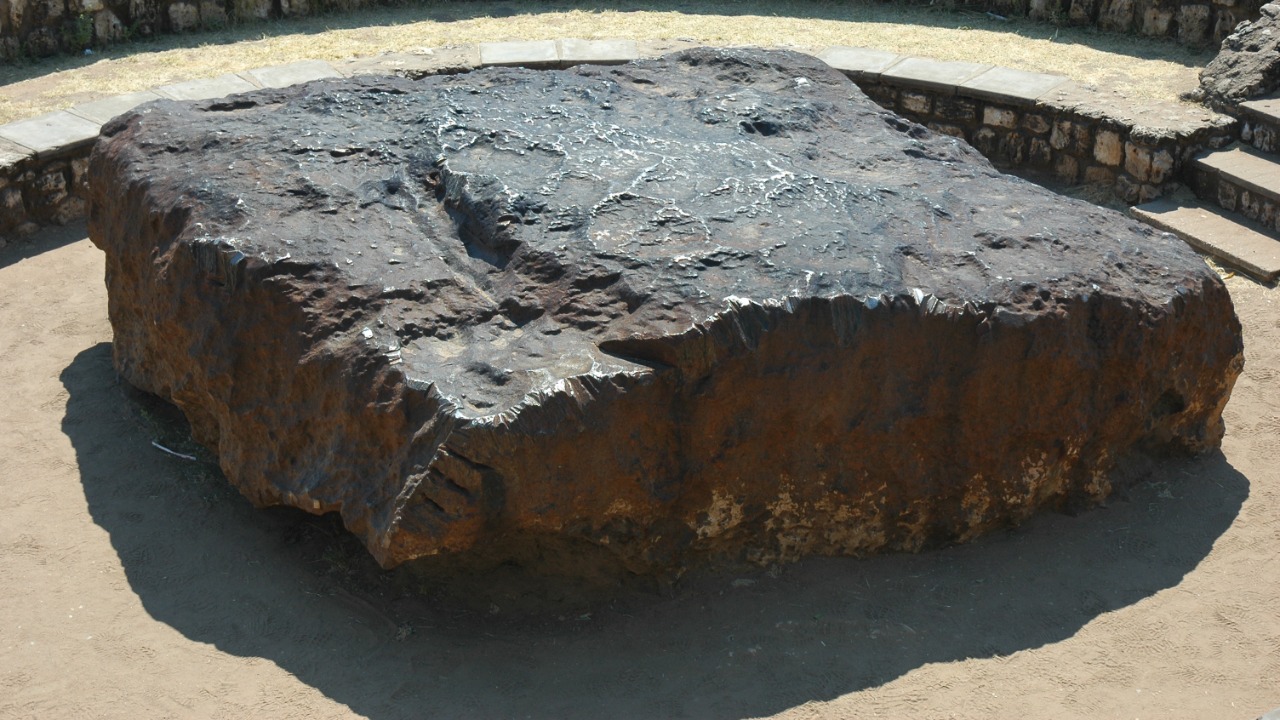
The Hoba meteorite still lies where it fell near Grootfontein, Namibia, and at about 60,000 kg (60 tons) it is the world’s largest known meteorite, according to this list of largest meteorites. It is a single iron mass, left in the ground rather than moved to a museum, so visitors see it close to its original setting.
Weight figures for the block vary by source, with one retailer guide giving 66 tons, so the 60-ton figure is best treated as a standard estimate. Seeing it in place is the main appeal.
2. Cape York meteorite (Ahnighito): Greenland’s Heavy Iron
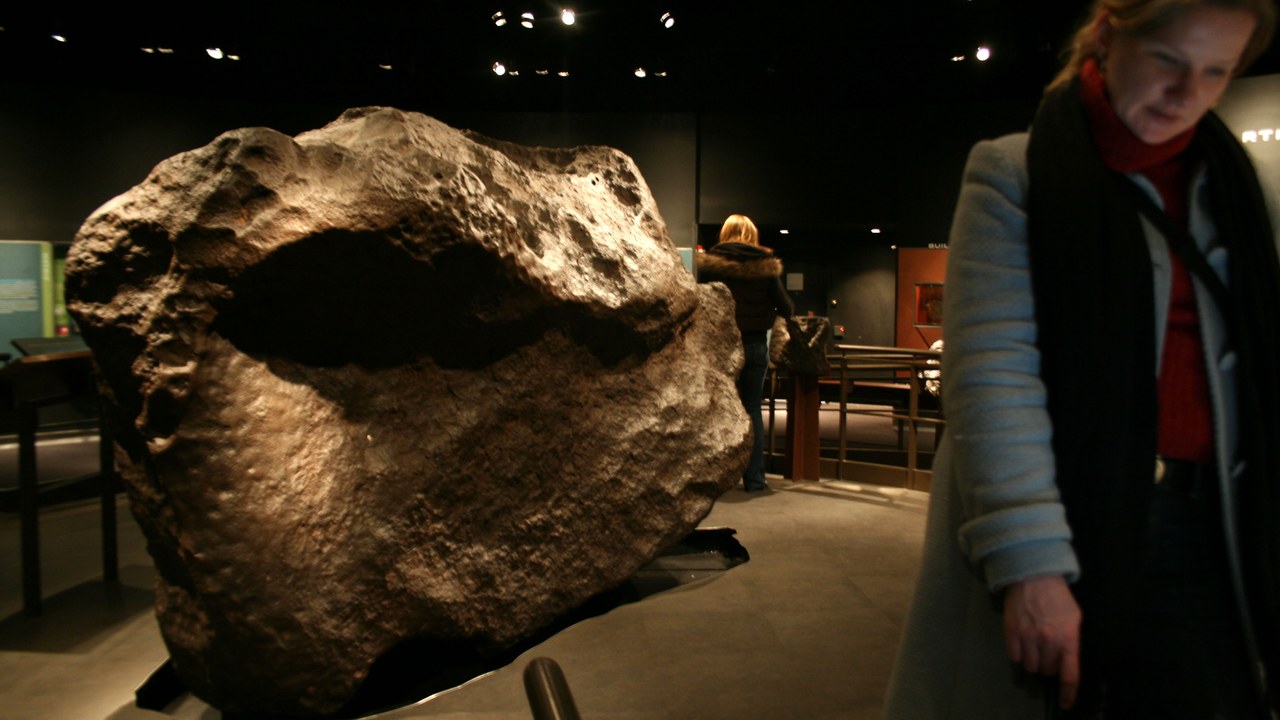
The Ahnighito mass of the Cape York meteorite, from Meteorite Island, Greenland, is listed at 30,880 kg (68,080 lb) in this list of largest meteorites. It is the largest fragment of the Cape York fall, a name that covers several separate pieces of the same iron-rich body.
Because Ahnighito is one piece of a larger fall, the name can mislead. Another guide puts the mass at about 34 tons, so published weights differ, though every source agrees that this is among the heaviest meteorite fragments known.
3. Campo del Cielo: Field of Iron
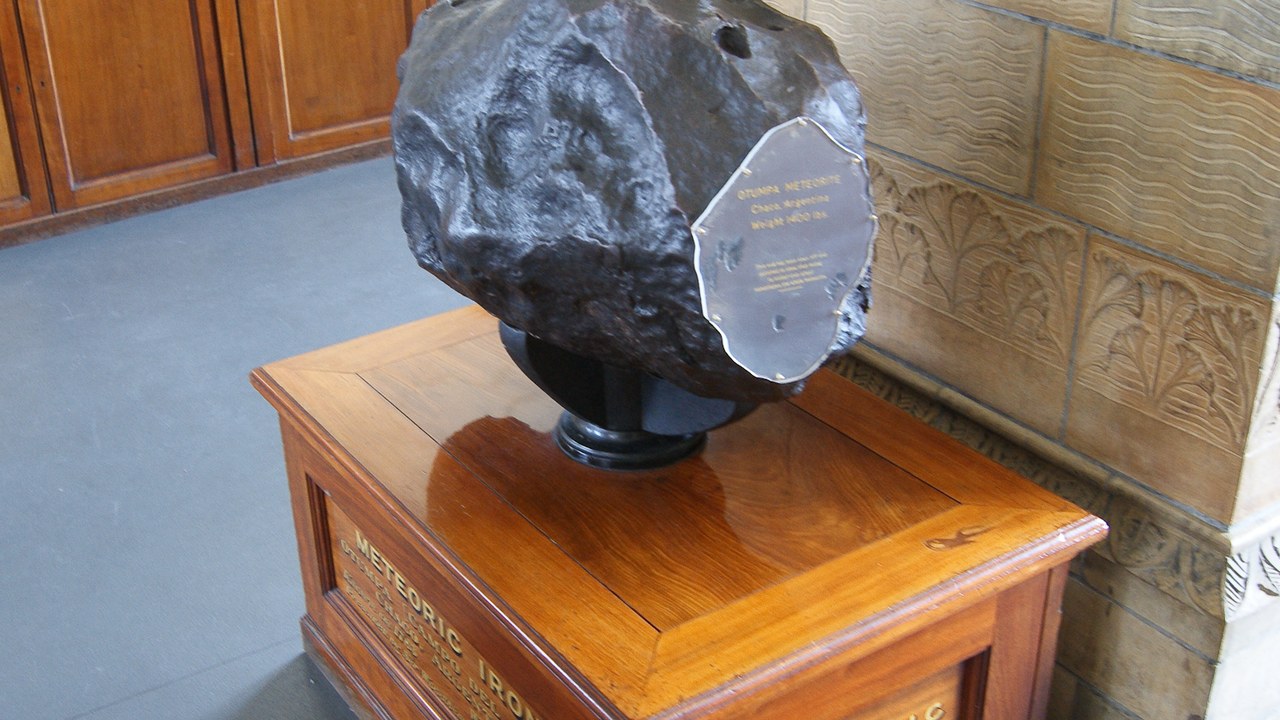
Argentina’s Campo del Cielo is an iron meteorite field, not a single rock, and it totals 50 tons, as the Washington University meteorite guide from Washington University in St. Louis tabulates. The name translates roughly as field of the sky, a fitting label for a site scattered with fragments.
The total reflects many masses added together. Individual pieces are far smaller than the headline Hoba block, but the combined weight places the field near the top of the list of iron meteorite falls. Such scattered sites are often easier to visit than to measure precisely.
4. Gibeon meteorite: Namibia’s Second Giant
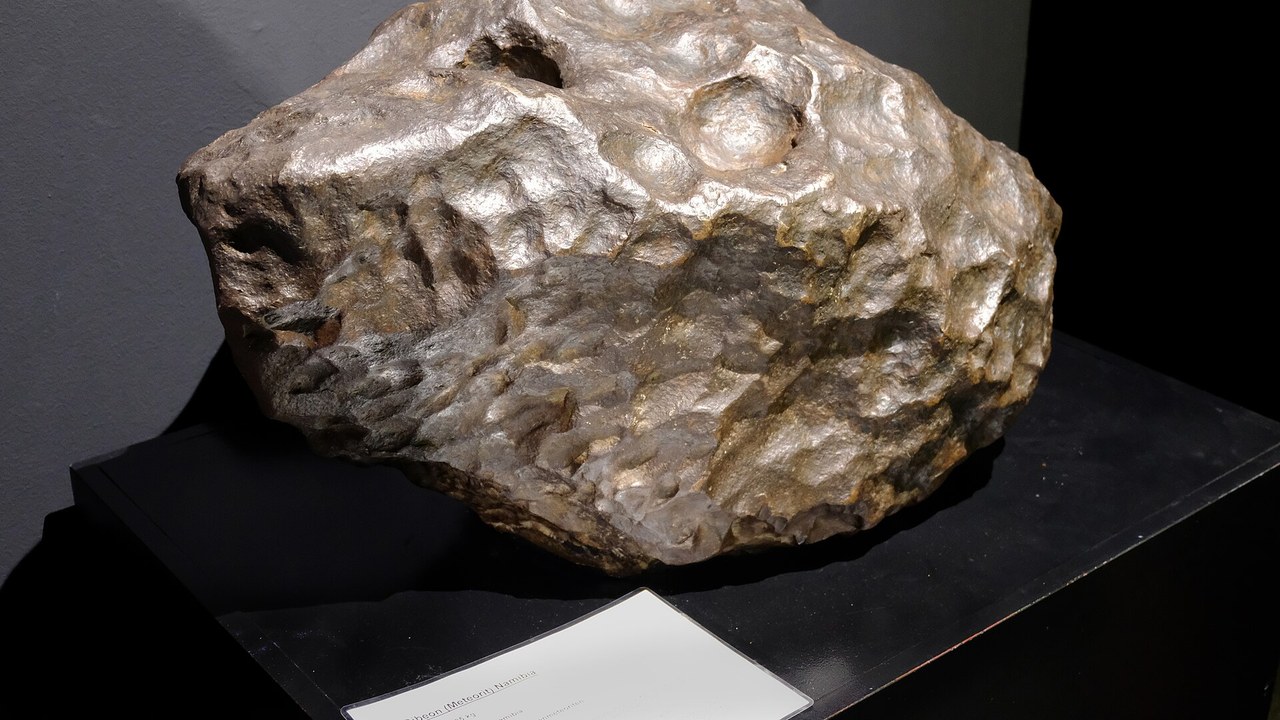
Namibia’s Gibeon iron totals 26 tons, a figure from the table of large irons in the Washington University meteorite guide. Like Campo del Cielo, it is a scattered fall counted as a combined mass, so the number reflects the whole shower rather than one boulder.
Namibia thus appears twice in this gallery, with Hoba and Gibeon. The pairing suggests that the region holds an unusual concentration of large iron falls, though the tallies come from one table dating to 2010. Scattered falls like this are measured by adding up every recovered piece.
5. Sikhote-Alin meteorite: Shower of Iron
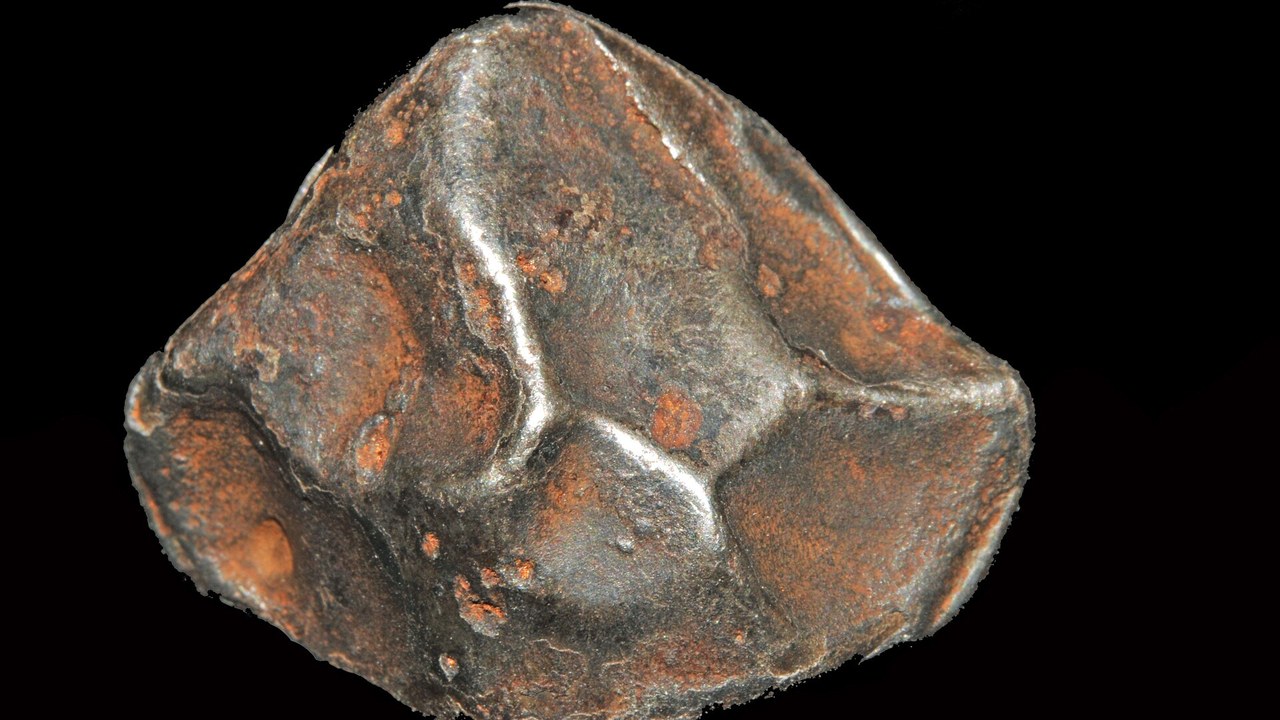
The Russian Sikhote-Alin meteorite totals 23 tons, according to the Washington University meteorite guide. It is an iron shower, meaning that the object broke apart in the atmosphere and scattered many pieces over the ground instead of landing as one mass.
That fragmentation is what makes the total notable. A collector or museum visitor is more likely to meet a small piece than a large block, and a 23-ton tally covers all pieces recovered together. Sikhote-Alin is therefore a good example of how a fall can yield a large total from many modest fragments.
6. Mbozi meteorite: Hillside Iron in Tanzania
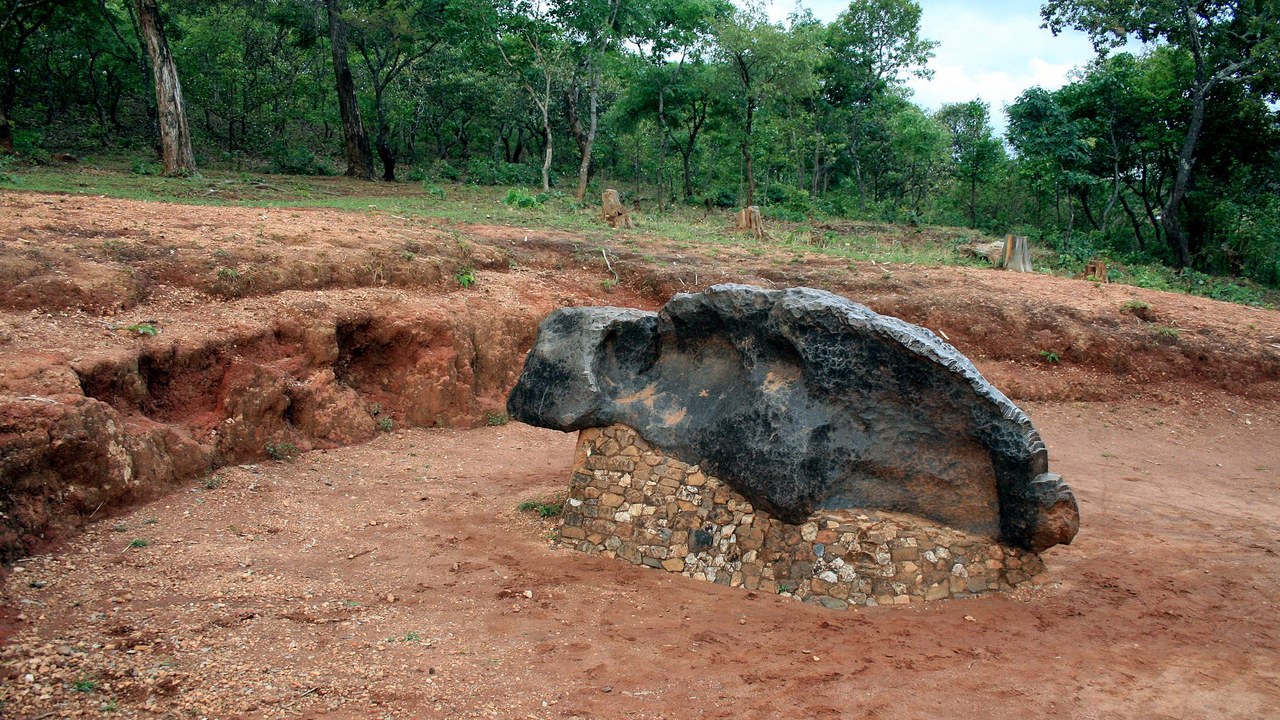
Tanzania’s Mbozi meteorite, also spelled Mbosi, is listed at 16,000 kg (35,000 lb), and it sits on a hillside in Mbeya, according to this list of largest meteorites. It is a single mass and has remained a visitor site where the iron can be seen outdoors.
Compared with Hoba, it is much lighter, yet it still ranks among the heaviest single masses documented. The rural setting makes the meteorite a rare example of a major space rock treated as a roadside landmark, open to anyone who makes the trip.
7. Ensisheim meteorite: Medieval Fall Still on View
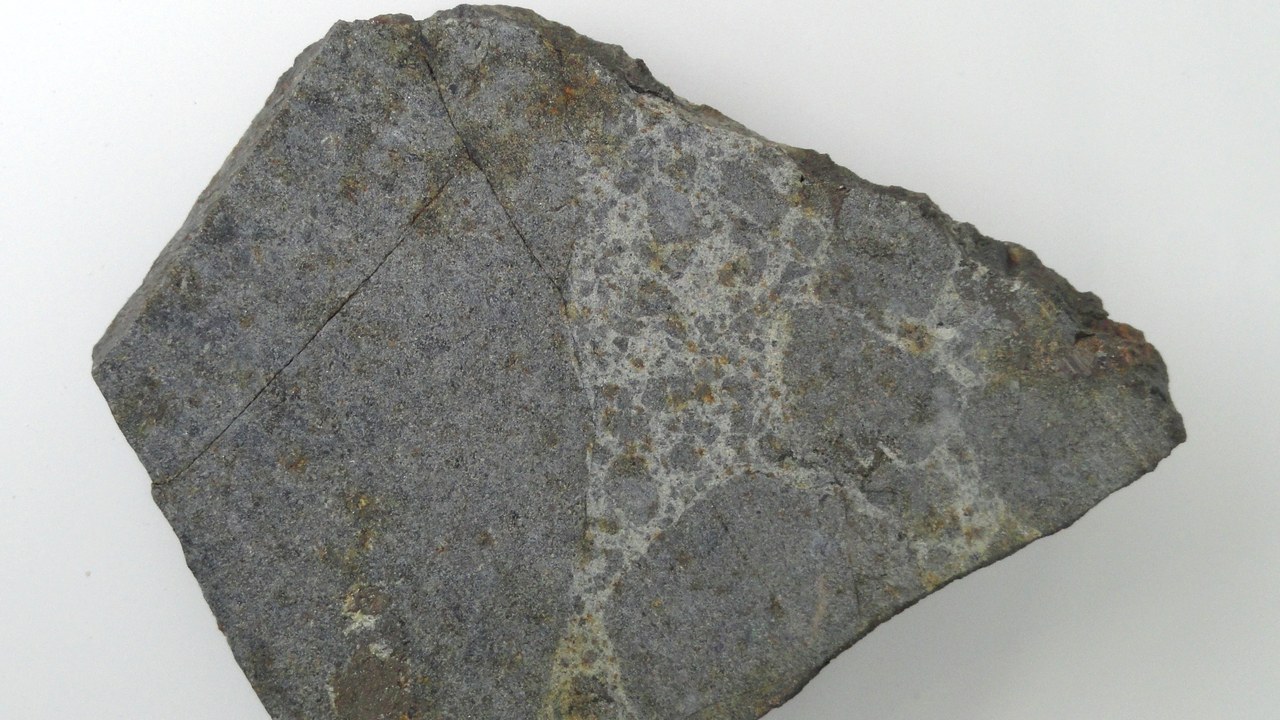
The Ensisheim meteorite is a 127-kilogram stone that fell Nov. 7, 1492, and it can still be seen in Ensisheim’s Regency Palace, as this guide to famous meteorites reports. Few meteorites have such a precise date and such a long record of public display.
The date makes it one of the best-documented falls in European history. For travelers, it offers a different kind of visit from the huge irons, since the object is a stone kept indoors in a town building. A visit pairs naturally with the town’s other historic sights.
8. Allende meteorite: Famous Mexican Fall
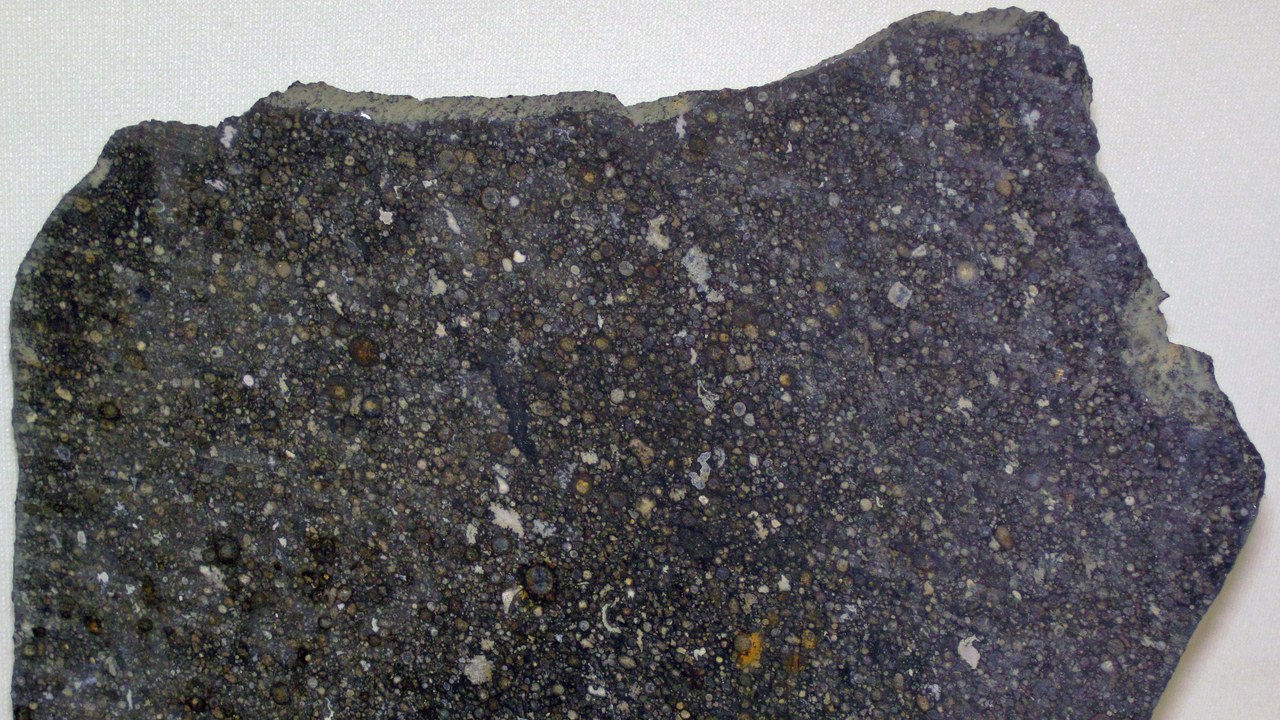
The Allende meteorite fell in February 1969 over the Mexican state of Chihuahua, according to this guide to famous meteorites. The fall scattered numerous fragments across the region, and the specimen became one of the most widely discussed meteorites of the twentieth century.
The source supplies little detail beyond the date and place. Allende appears here because it is famous and because pieces of it are widely held in collections, so many visitors can encounter a fragment without traveling to Mexico. That accessibility is what lets the specimen count as one that can still be seen.
9. Chelyabinsk meteorite: Airburst Over Russia
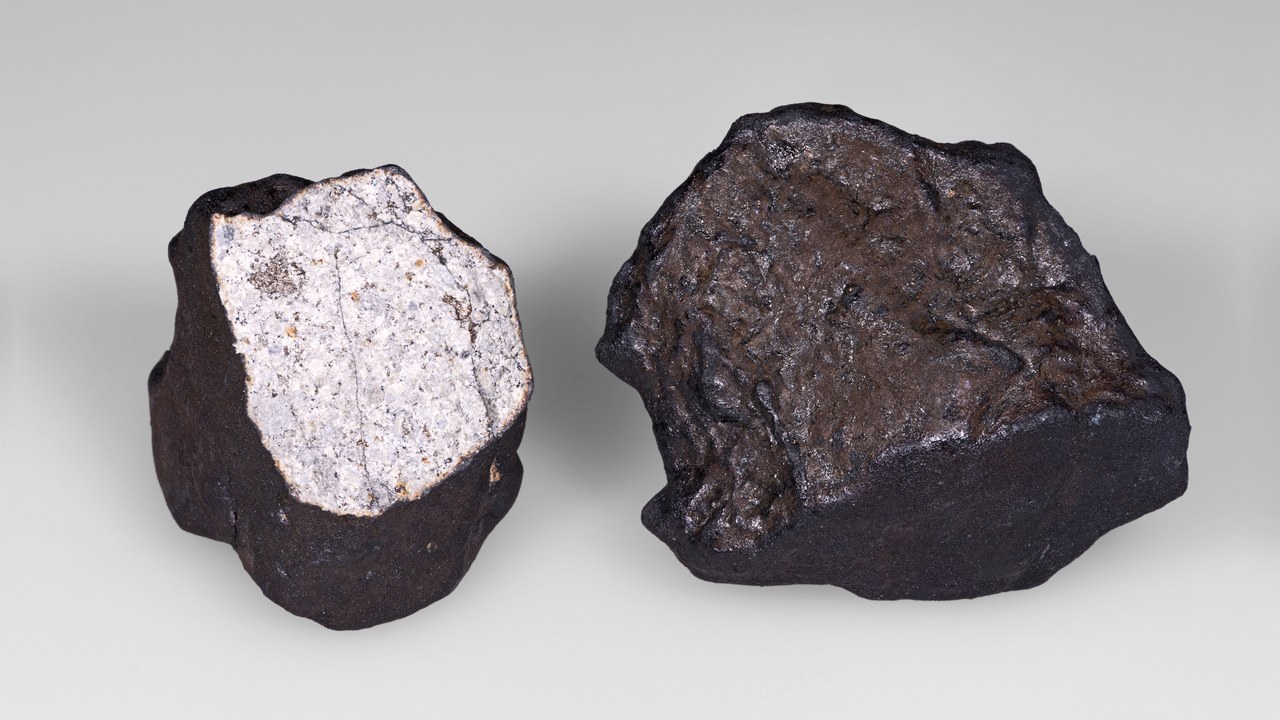
The 2013 Chelyabinsk object, about 20 meters wide, injured over 1,500 people, mostly from flying glass, as this guide to famous meteorites notes. The meteor exploded in the air above Russia, and the shock wave broke windows across the area.
This entry is about harm as much as size. It shows that a small asteroid can cause widespread injury without reaching the ground intact, and fragments recovered afterward remain the part that museums and collectors can display. The event is also a reminder of why scientists track small near-Earth objects.
The day in tech, in one email: Get TLDR →
We may earn a commission if you sign up.
More from Morning Overview
- Long use of a common prostate pill is tied to a higher chance of glaucoma
- Ford is recalling 223,472 F-150 pickups because the fuel tank can leak or detach
- Hybrids have 15% fewer problems than gas cars, while EVs and plug-in hybrids have about 80% more, Consumer Reports finds
- Regulators cleared the first U.S. small modular reactor, 4 months early
