
Bite force is one of the hardest animal statistics to pin down, because a reading taken from a transducer and a figure produced by a computer model are not the same kind of evidence. The species below span both, from a record logged on instruments to estimates built out of skull anatomy. Here are nine animals whose jaws operate at that scale.
1. Saltwater crocodile: The Highest Force Ever Measured
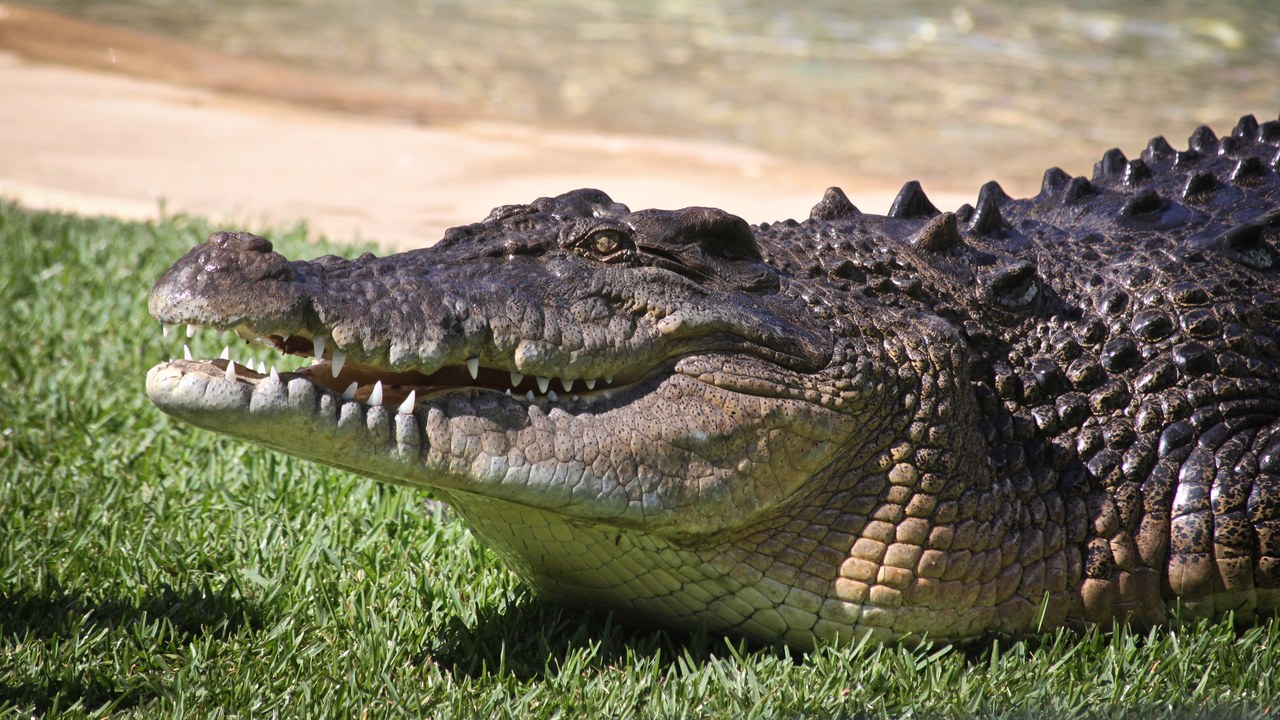
Gregory Erickson’s team spent years coaxing crocodilians of every living species onto a padded bite transducer, and the saltwater crocodile finished on top with a directly measured 16,414 newtons, roughly 3,700 pounds-force. That reading, logged from a 4.59-metre adult, remains the strongest bite ever recorded on instruments from a living animal, and it anchors the saltwater crocodile entry in comparative bite studies.
The number describes one animal on one day, not a species ceiling, and the researchers noted that force scaled steeply with body size across the crocodilians they tested. Because the largest individuals were never brought to the transducer, the true maximum for the species is unmeasured rather than known.
2. Nile crocodile: Built To Clamp, Not To Open
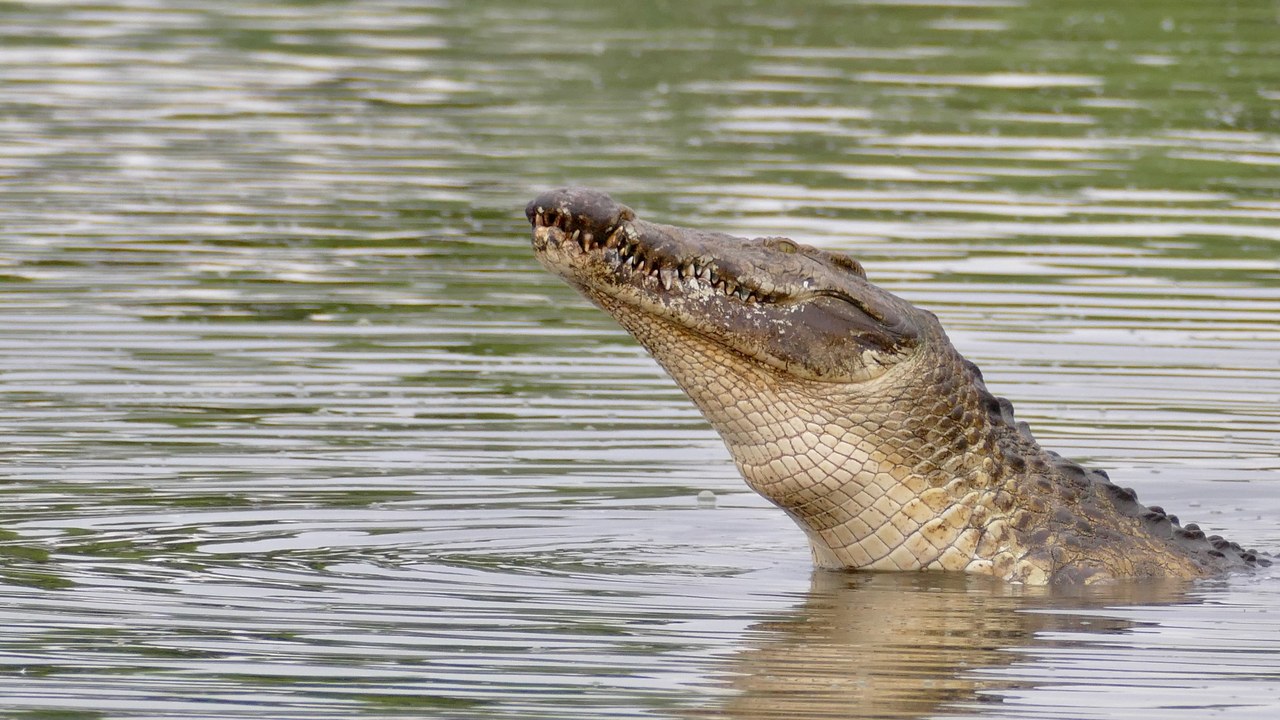
Crocodilian jaw anatomy is deliberately lopsided. The muscles that slam the jaws shut are enormous, while the ones that open them are so slight that a subdued animal can be held closed by hand or a strip of tape. Nile crocodile hunting turns that asymmetry on buffalo, zebra and wildebeest at the waterline, where the grip holds long enough to drown prey before the spinning death roll tears off a manageable piece.
Bite figures circulating for this species deserve caution: several widely repeated numbers trace to one-off television demonstrations rather than peer-reviewed transducer work, and units get swapped between newtons, pounds-force and psi in the retelling. The anatomy is not in doubt even where a specific headline number is.
3. Hippopotamus: A Grazer With A 150-Degree Gape
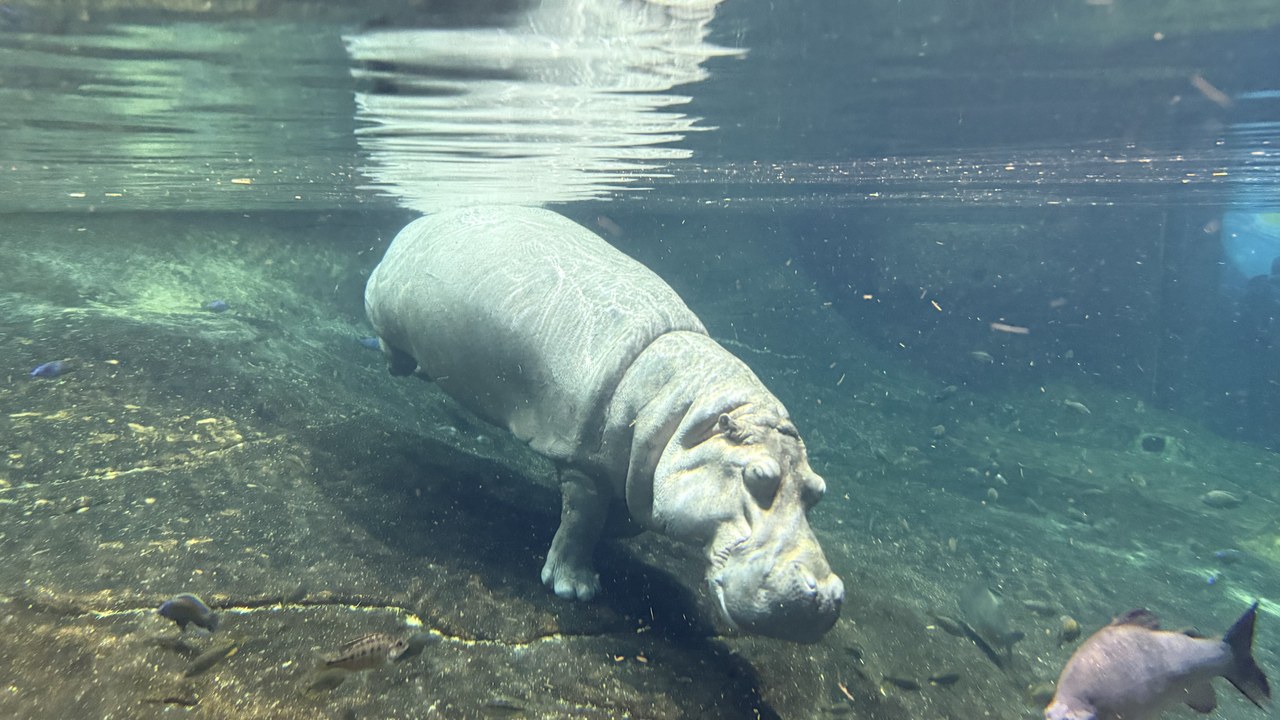
Few animals open wider. A threatened bull swings his jaws to roughly 150 degrees, exposing lower canines that can exceed half a metre and keep growing throughout life, honed to a chisel edge against the teeth above them. The hippopotamus dentition is fighting equipment, sharpened by constant wear rather than by any bone-processing diet.
Those tusks are why the species is counted among the most dangerous large animals in Africa despite living almost entirely on grass. The force behind them evolved for combat with rival bulls and for warding off predators, so the hippo earns its place here on the power of the jaw rather than on what it eats.
4. Jaguar: The Cat That Bites Through Skulls
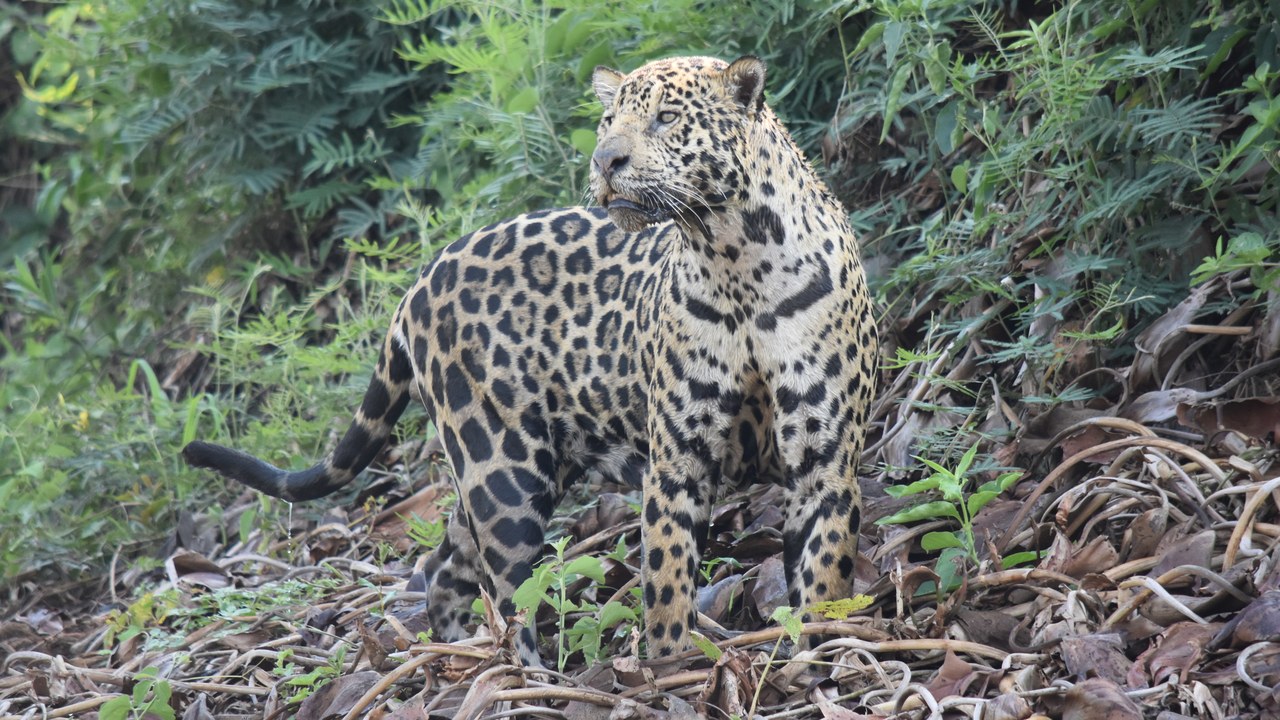
Most big cats suffocate large prey with a throat hold. The jaguar often does something else entirely, driving its canines through the temporal bones between the ears and into the brain, a killing method that separates jaguar predation from that of lions and leopards. The same jaws handle armoured prey, including caimans and river turtles whose shells are punctured rather than worked open.
Comparisons that rank the jaguar’s bite as the strongest of any cat relative to body size rest on estimates derived from skull and muscle anatomy, not on a live animal biting a sensor. The behaviour is what the observations actually establish, and it is unusual enough on its own.
5. Spotted hyena: The Bone Specialist
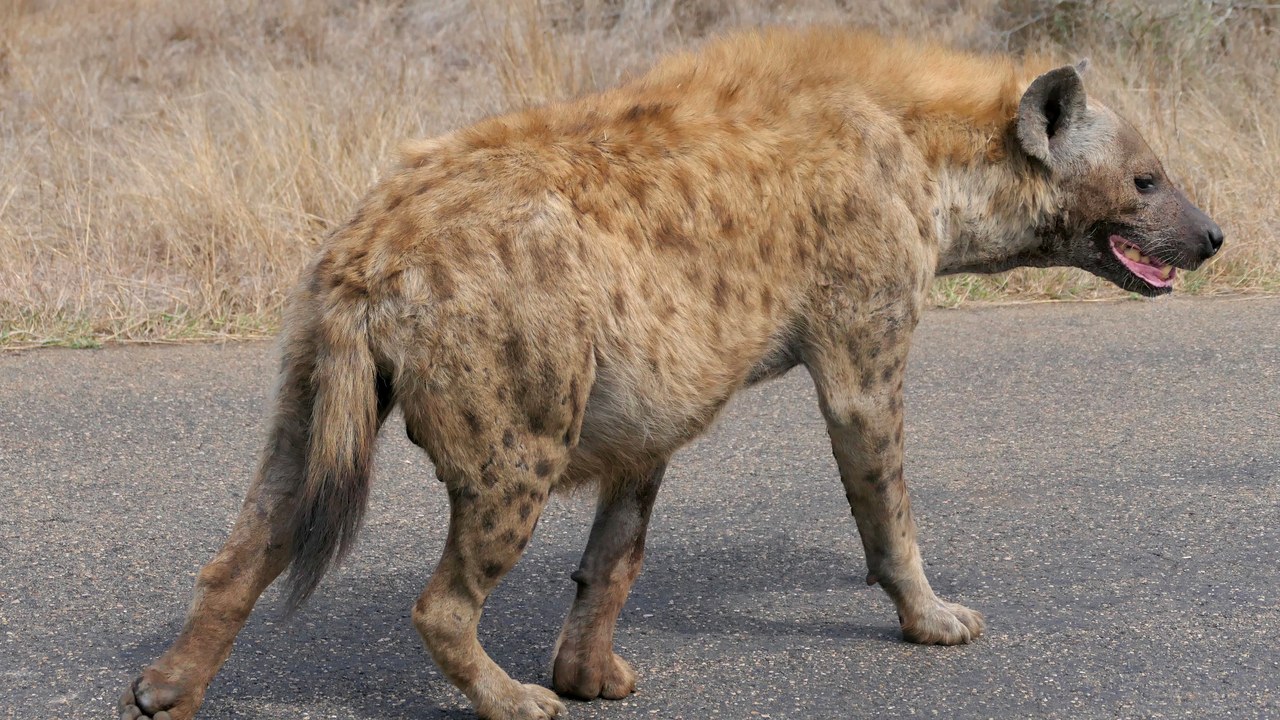
Bone is a food group here. Stout conical premolars, a short deep skull and jaw muscles anchored to a pronounced sagittal crest let the spotted hyena crack limb bones that other scavengers abandon, and spotted hyena digestion finishes the job with stomach acid strong enough to break down the mineral itself. Droppings turn chalk white as the leftover calcium passes through.
That specialisation reshapes the whole carcass economy of the savanna, since a clan can strip a kill to almost nothing and leave little for vultures. Precise pressure figures attached to the species in popular articles are usually unsourced estimates; the dentition and the white scat are the observable evidence.
6. American alligator: Turtle Shells On The Menu
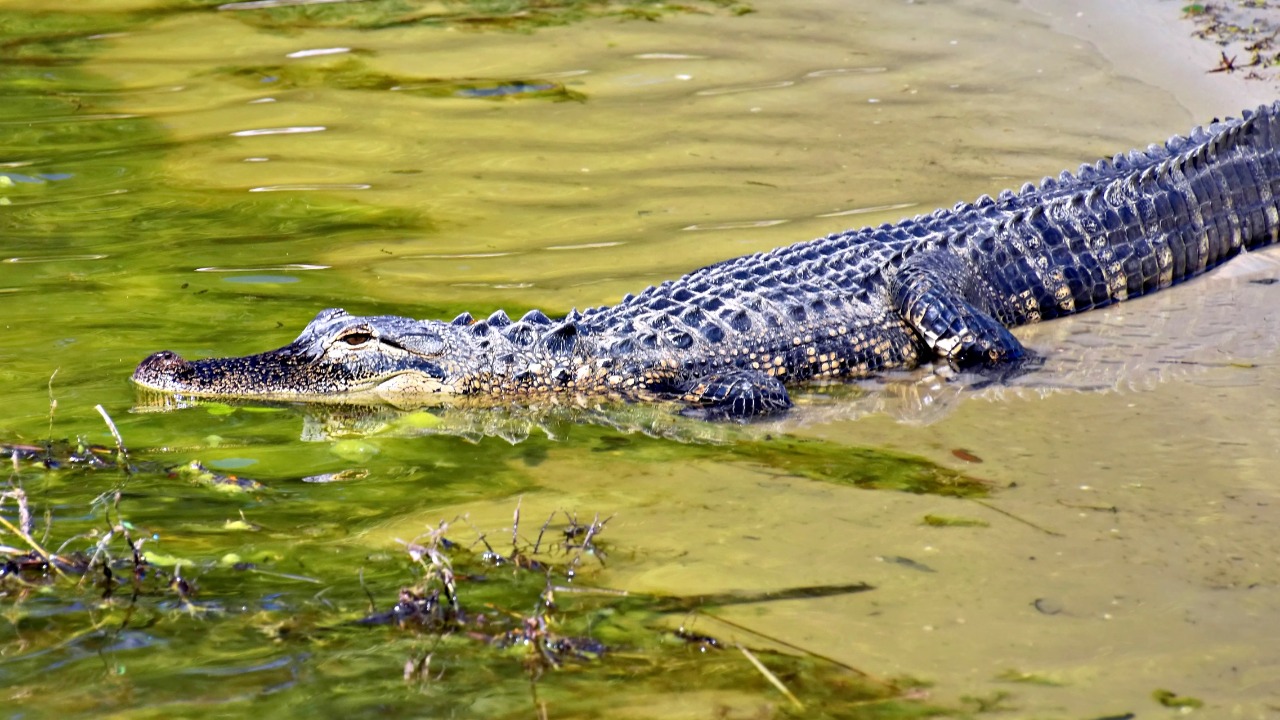
Broad-snouted and blunt-toothed, the American alligator is built for crushing rather than slicing, and adults routinely take hard-shelled turtles that most predators leave alone. Bite testing across crocodilians placed American alligator jaws near the top of the measured range, with force tracking body size and skull dimensions far more closely than it tracked what any species happened to eat.
Scale matters more than reputation, in other words: a small alligator bites like a small crocodilian regardless of the species label. Only large mature animals approach the numbers that get quoted, and most of the population never gets close to them.
7. Great white shark: A Modelled Bite, Not A Measured One
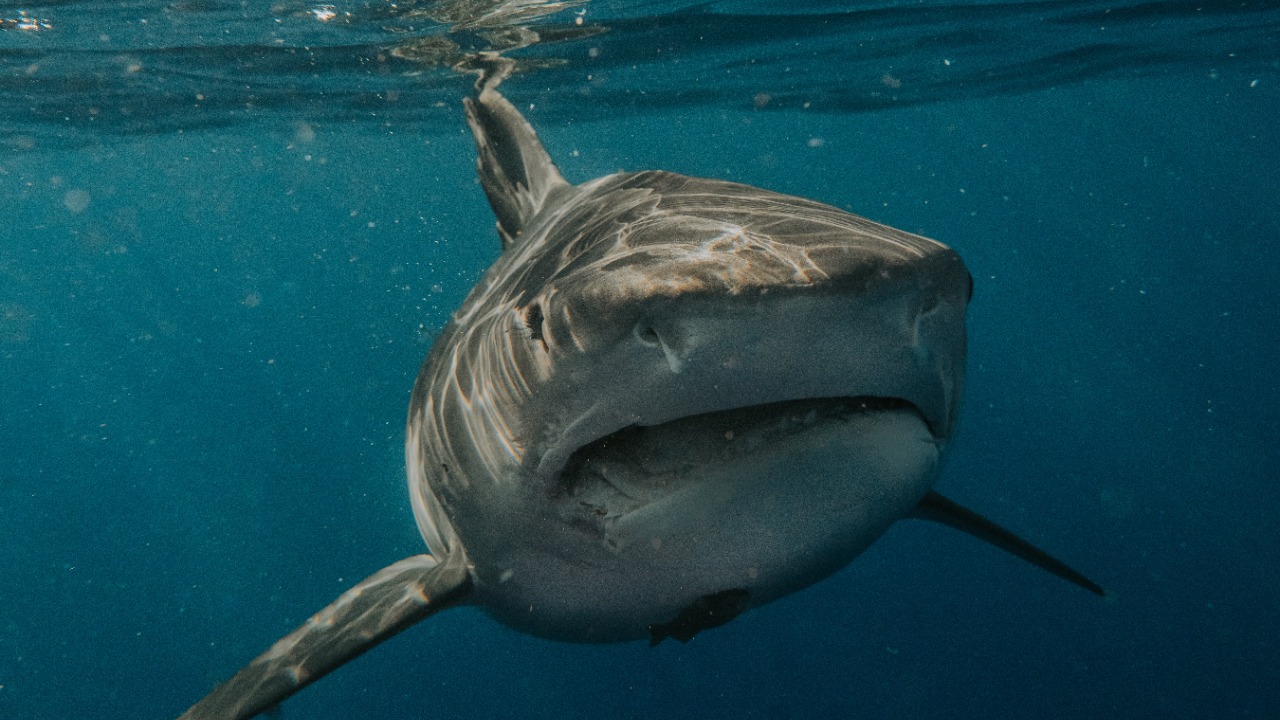
No one has persuaded a great white to bite a transducer, so its force comes from computer simulation. A finite-element study of great white shark anatomy reconstructed the skull and jaw muscles digitally and estimated something near 18,000 newtons for a very large individual around six metres long, with far smaller values for the mid-sized sharks people usually encounter.
A modelled estimate is not a measurement, and its output moves with the assumptions fed into it about muscle volume and cartilage stiffness. The serrated teeth also argue against the bone-crushing framing, since they saw through flesh on a shaking head rather than crush a skeleton in place.
8. Bengal tiger: Canines Built For The Neck
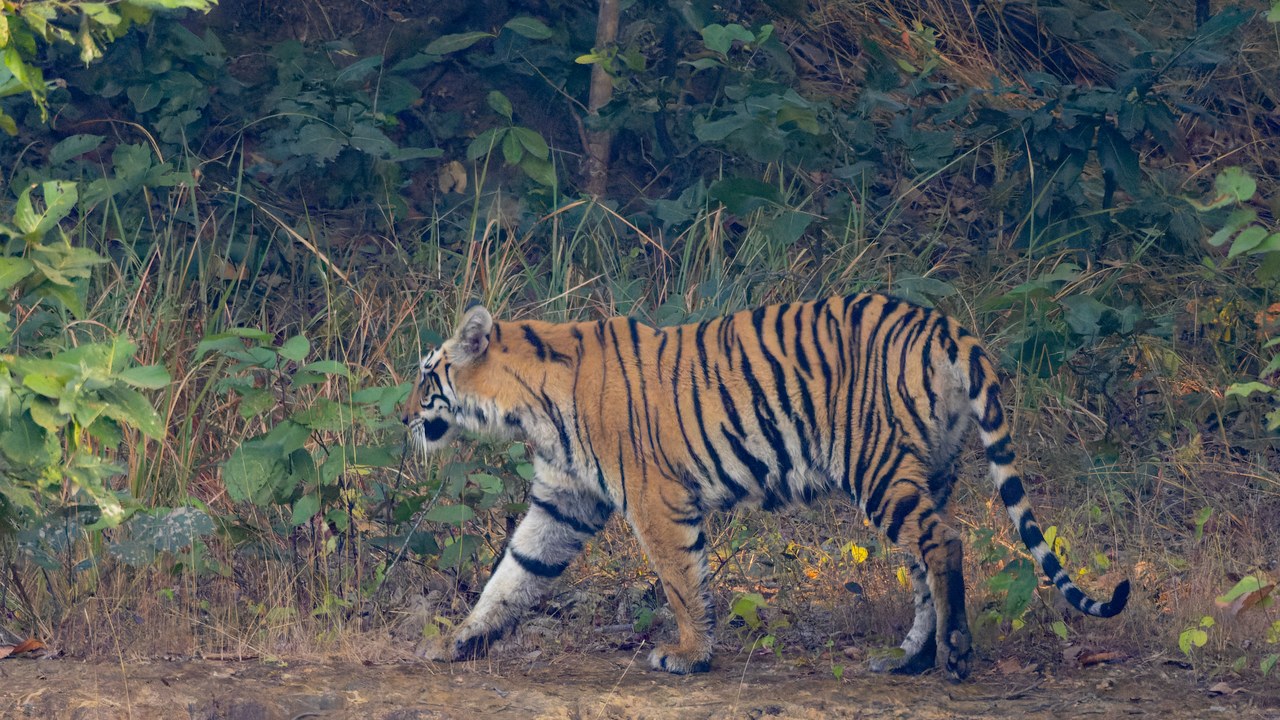
Length does the work in this jaw. Bengal tiger canines rank among the longest of any living cat, approaching ten centimetres in big males, and Bengal tiger hunting applies them two ways: a clamp across the throat that suffocates gaur and buffalo, or a bite to the nape that severs the spinal cord of smaller deer and pigs outright.
Both methods depend on holding a struggling animal several times heavier than the cat, which is where jaw force matters more than tooth length. Failed attempts are common, and a tiger that mistimes the grip on large prey is the one that risks serious injury.
9. Gorilla: Muscle Bolted To A Bony Crest
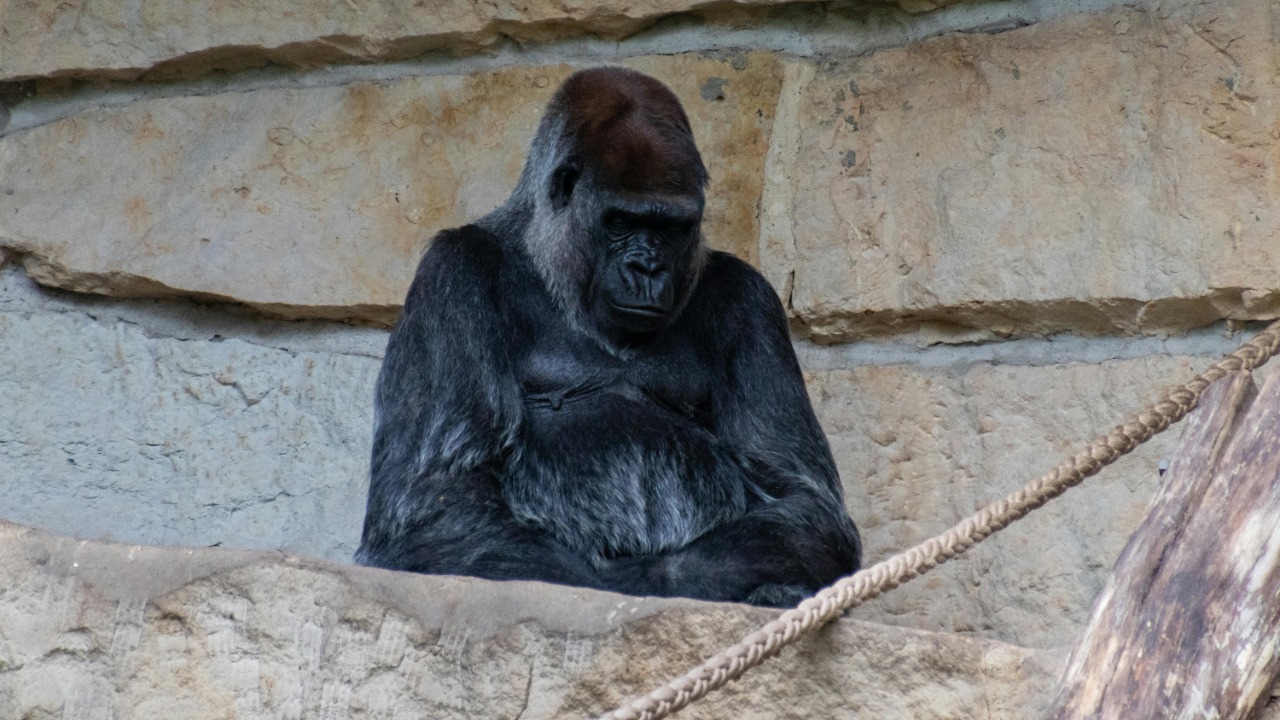
A gorilla skull carries a tall sagittal crest down the midline, and that ridge exists purely as an anchor for temporalis muscles large enough to chew through a daily volume of stems, pith, bark and leaves. Male gorilla skull anatomy adds long canines that flash during display and occasionally settle disputes between silverbacks.
The apparatus is a herbivore’s, tuned to grinding fibrous plants for hours rather than to breaking skeletons. Its inclusion rests on raw muscle power and on canines that inflict severe wounds in fights, not on anything the animal does at a carcass.
More from Morning Overview
- A handful of SUVs keep hitting 300,000 miles, and they share one engine trait
- Supplements now rank as the fifth-leading cause of death from liver disease.
- A study names the one SUV most likely to reach 250,000 miles
- More than 60,000 people flee the Spokane area as complex fires overrun 600 structures
