
Getting a rocket from the factory to the launch pad takes more than the rocket itself. Crawlers, barges, ships and modified aircraft have carried spacecraft, and at times astronauts, across the last mile between the ground and the sky. Here are nine machines that have moved NASA’s hardware and its people on Earth.
1. Crawler-transporter 2: Heaviest Vehicle On Earth
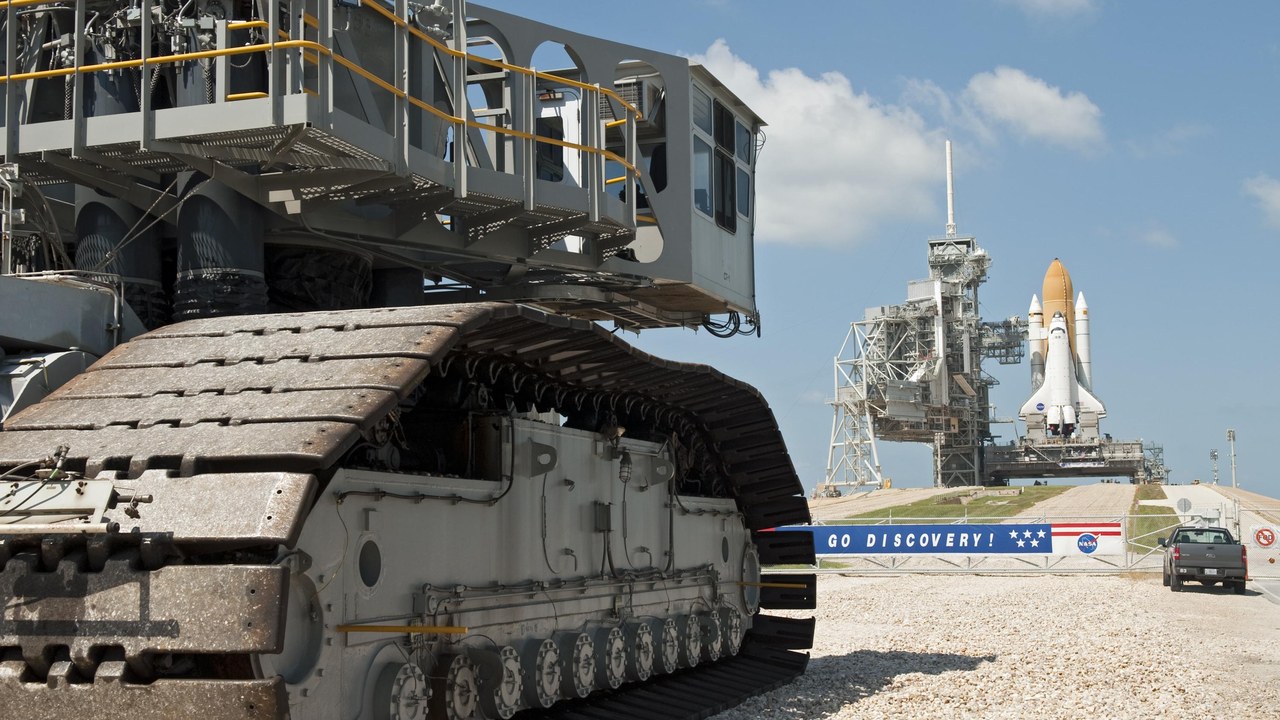
Guinness World Records recognized NASA’s Crawler-transporter 2 in 2023 as the heaviest self-powered vehicle ever built, a machine weighing about 6.65 million pounds that hauls the Space Launch System and Orion capsule out to Pad 39B, according to NASA’s record announcement.
It moves at roughly 1 mph, a crawl that matches its name, and that glacial pace lets ground crews watch closely for any sign of trouble while carrying hardware that costs far more than the crawler itself, a tradeoff NASA has accepted since the Apollo era.
2. Mobile Launcher 1: The Tower That Rides
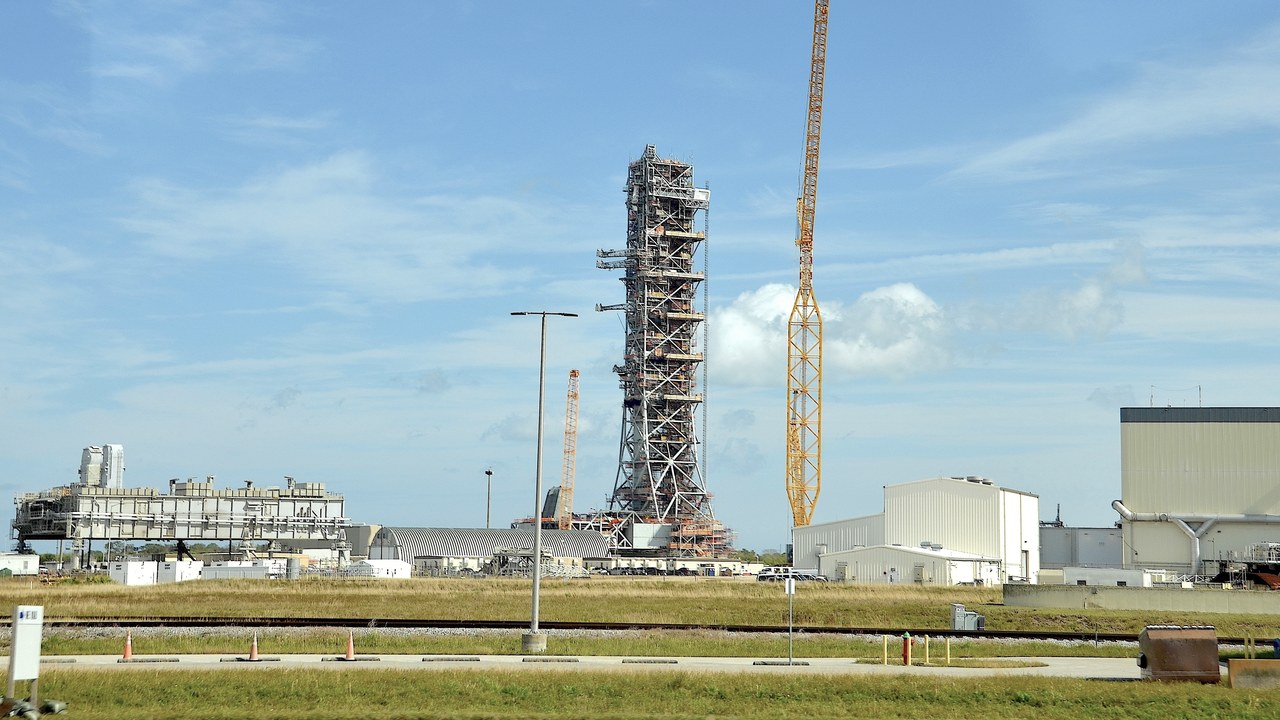
The crawler’s cargo on many trips is Mobile Launcher 1, a 380-foot tower weighing roughly 11.5 million pounds that carries the Space Launch System rocket upright as it rides out to the pad, per NASA’s Mobile Launcher sheet.
Rather than moving under its own power, the tower rides atop the crawler for the entire trip, functioning as both a transport cradle and the launch platform the rocket eventually lifts off from, a dual role that makes it as much a piece of launch infrastructure as a vehicle in its own right.
3. Super Guppy: A Whale-Shaped Cargo Plane
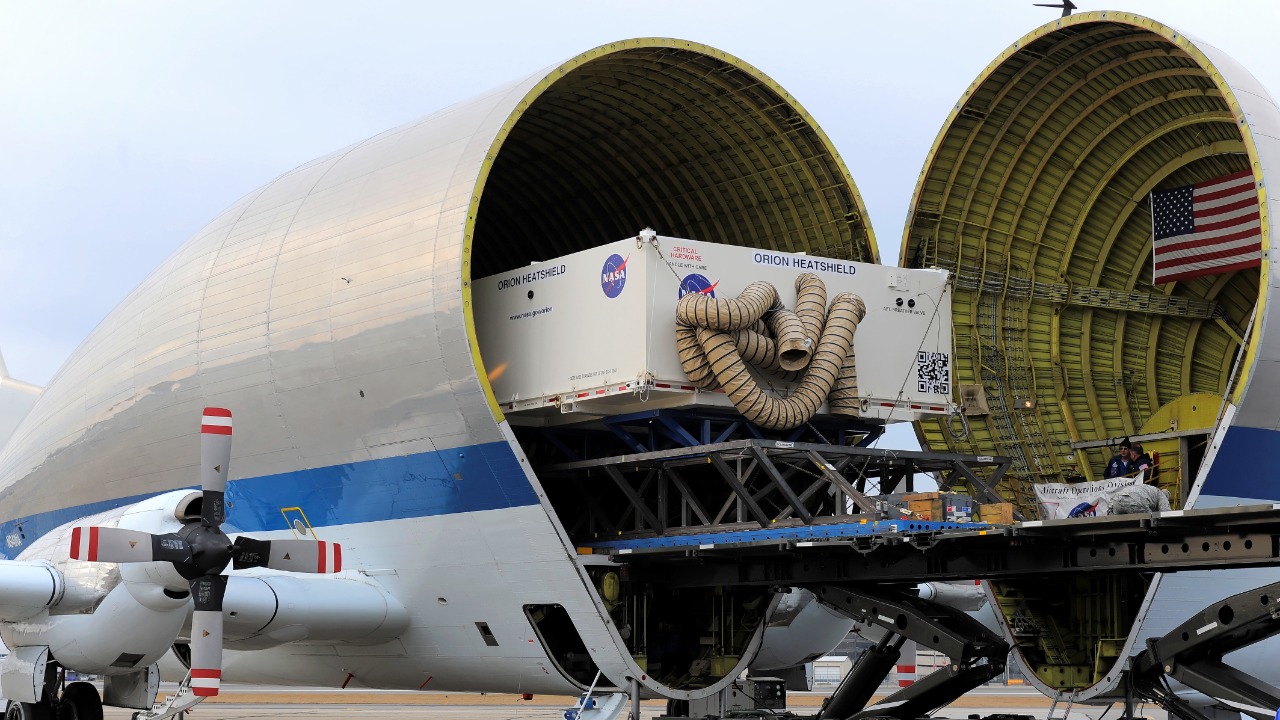
NASA’s Super Guppy, based out of Houston, carries oversized spacecraft components inside a cargo hold measuring 25 feet tall, 25 feet wide and 111 feet long, and its hinged nose swings open more than 200 degrees to load them, according to NASA’s own description.
That bulging fuselage lets the plane haul rocket stages and other structures too wide for ordinary cargo planes, and the swing-open nose means engineers can load an entire component through the front of the aircraft rather than squeezing it through a conventional side or rear door.
4. Pregnant Guppy: The Guppy’s Predecessor
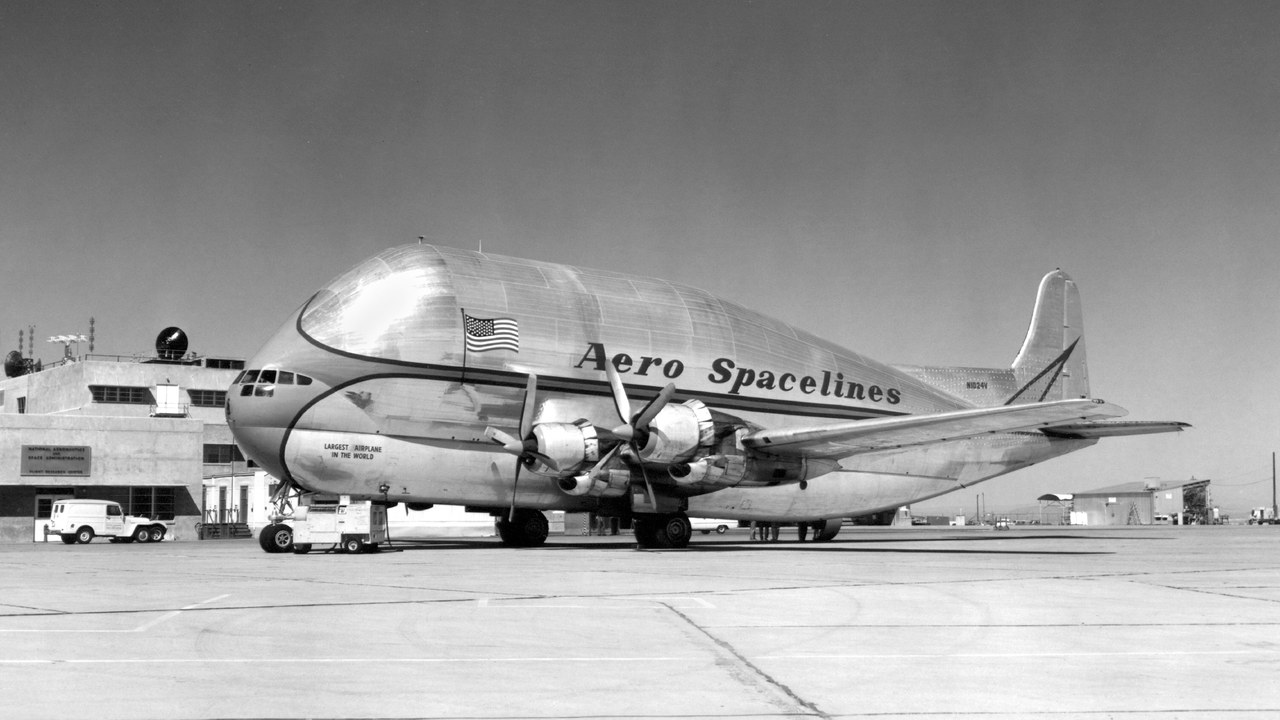
Before the Super Guppy came its predecessor, the Pregnant Guppy, which first flew on September 19, 1962, and went on to ferry Saturn S-IV rocket stages and Gemini-era Titan II stages before it was scrapped in 1979, a history detailed on its Wikipedia page.
Built from a modified Boeing Stratocruiser fuselage, the bulbous aircraft proved that an oversized cargo plane could actually work, and its success during the early Space Race paved the way for the larger Super Guppy that NASA still relies on decades later.
5. Shuttle Carrier Aircraft (NASA 905): Piggybacking Across America
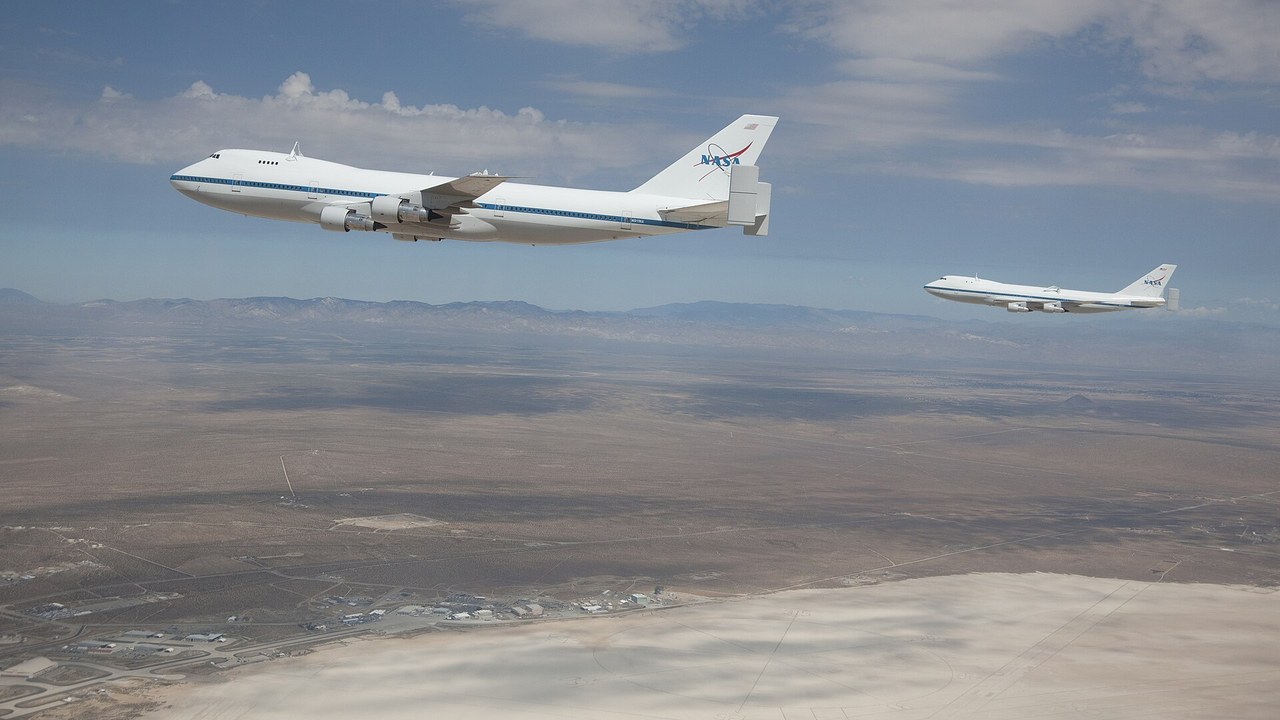
NASA converted a former American Airlines Boeing 747, tail number NASA 905, into the Shuttle Carrier Aircraft that flew 70 of the shuttle program’s 87 operational ferry missions with an orbiter mounted on its back, according to NASA’s Armstrong fact sheet.
Piggybacking a multi-ton orbiter on top of a commercial airliner design took extensive structural reinforcement, including added internal supports and vertical stabilizers, and the sight of a shuttle riding a jumbo jet across the country became one of the more recognizable images of the entire shuttle era, a slow flight that could stretch across days depending on weather and refueling stops along the route.
6. Pegasus barge: An Engineless Barge
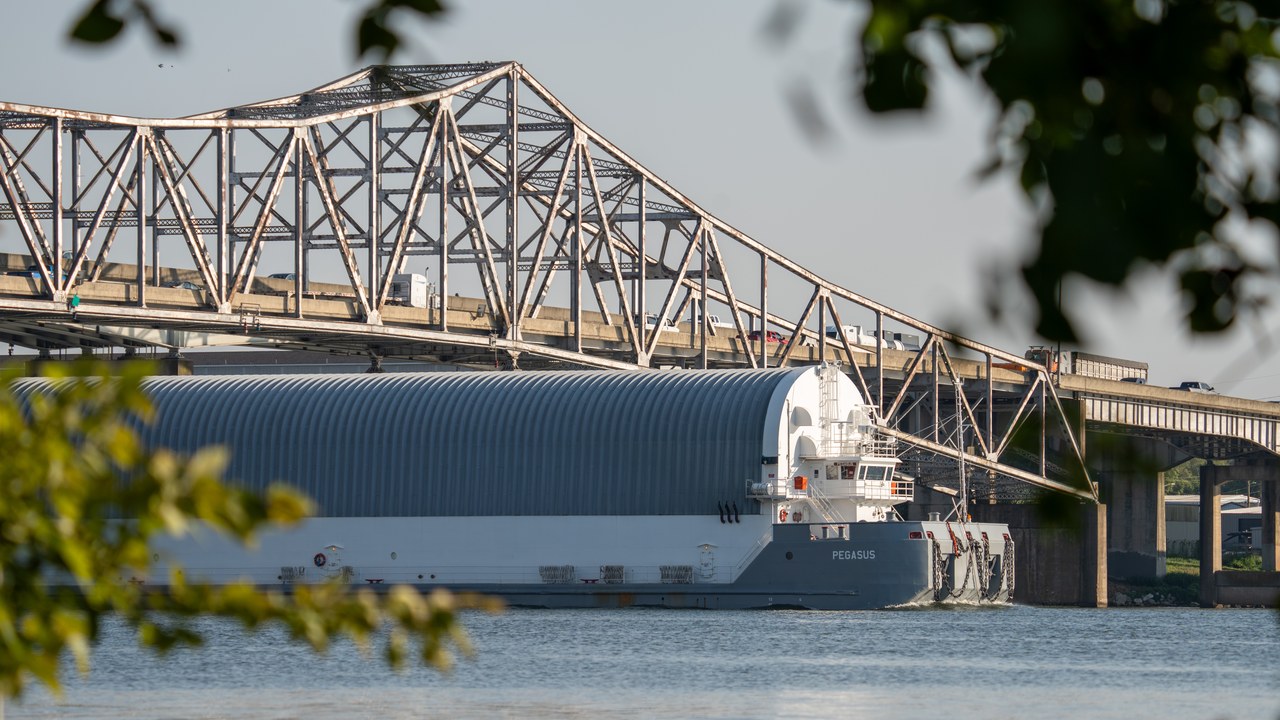
NASA’s Pegasus barge, an engineless vessel stretched from 260 feet to its current 310 feet, ferries the 212-foot core stage of the Space Launch System by water because the stage is too large to move by road, per NASA’s barge reference page.
With no engines of its own, Pegasus depends entirely on tugboats to push and steer it along rivers and coastal waterways, a low-tech solution to a problem that no highway or rail car could solve for a rocket stage that size. Moving something that large by water avoids the bridge clearances and weight limits that would make an overland trip nearly impossible, even though the barge still needs a tug to go anywhere at all.
7. MV Liberty Star: Fishing Boosters From The Sea
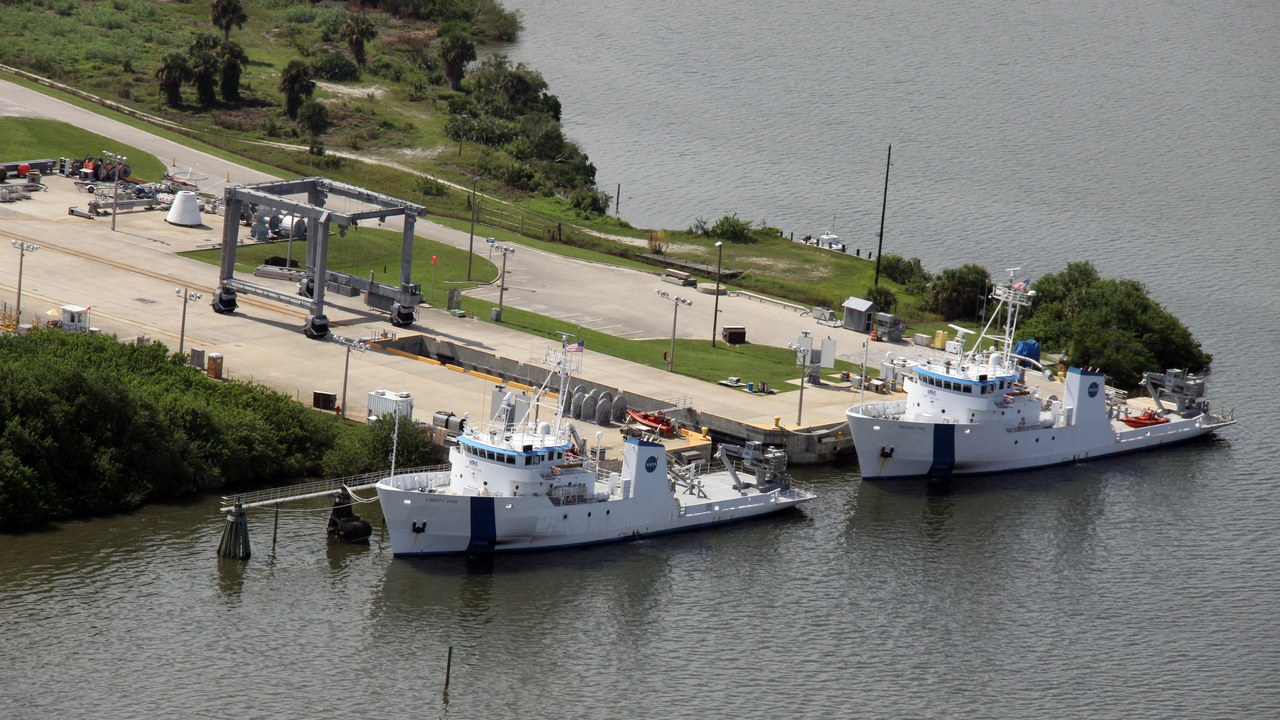
The MV Liberty Star, a 176-foot ship, was one of two vessels NASA used to fish spent shuttle solid rocket boosters out of the Atlantic roughly 140 nautical miles downrange from the launch pad, and it also towed external tanks from Louisiana, according to a NASA fact sheet on the recovery ships.
Recovering the boosters from the ocean let NASA refurbish and reuse hardware that would otherwise have been lost after every launch, and the same ship’s tank-towing duties show how much of the shuttle program’s logistics happened on the water rather than in the air.
8. Astrovan: A Van That Barely Drove
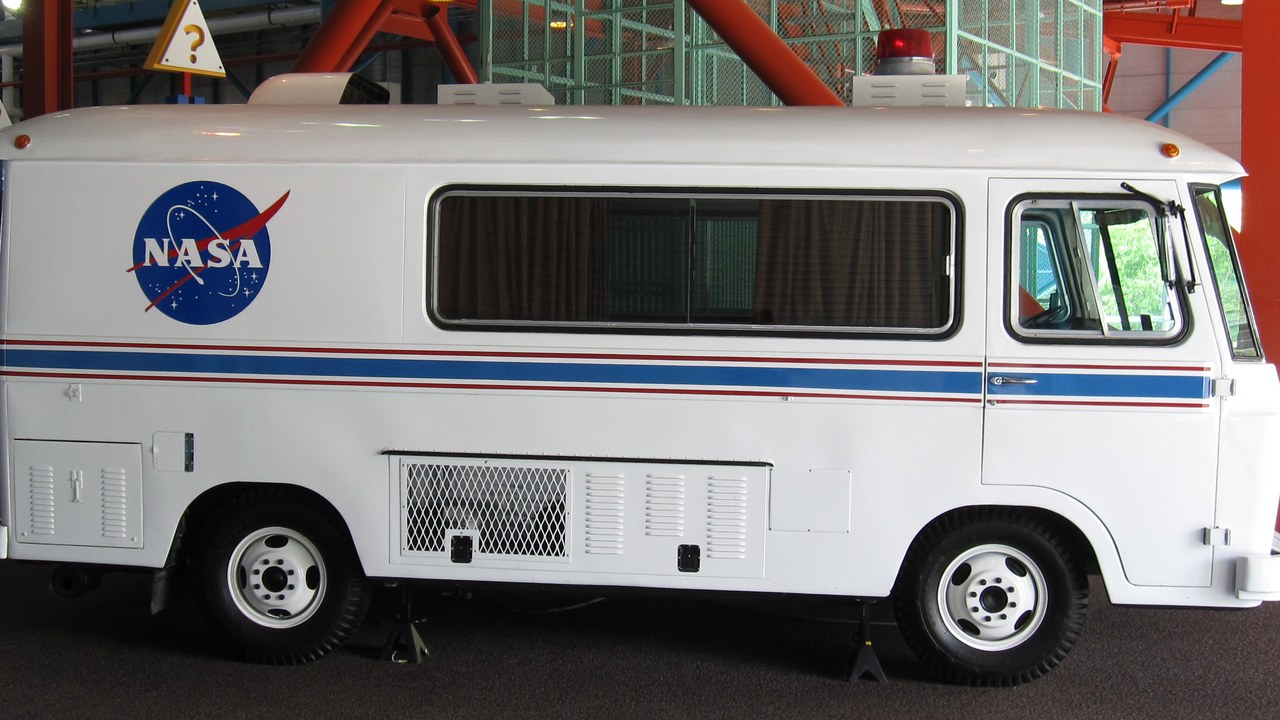
A modified Airstream motorhome, nicknamed the Astrovan, carried shuttle crews from crew quarters to the launch pad on every mission from STS-9 in 1983 through STS-135 in 2011, logging only about 26,500 miles in nearly three decades of service, according to Airstream’s vehicle history.
That tiny mileage total reflects just how short and infrequent its trips were, since the Astrovan only ever drove the few miles between the crew quarters and the pad, yet those short rides carried some of the most famous passengers of any vehicle on Earth.
9. Mobile Quarantine Facility: A Trailer For Astronauts
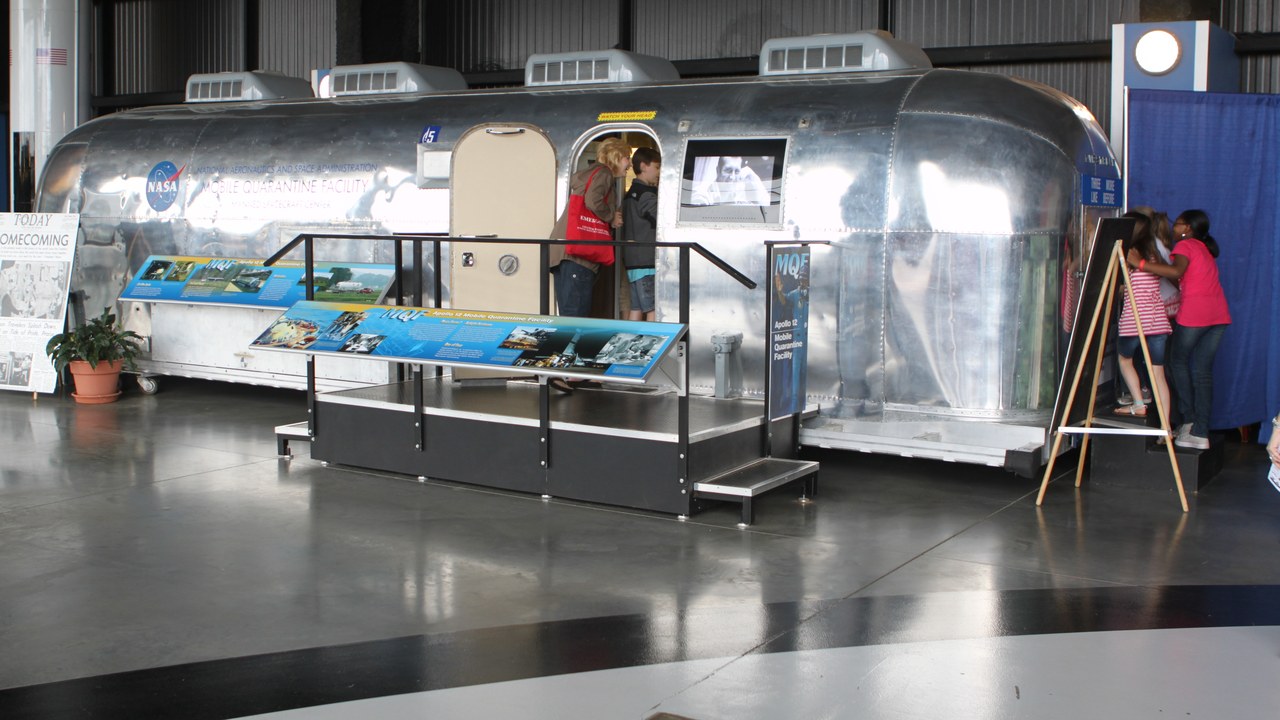
Airstream built four Mobile Quarantine Facilities, sealed trailers that held returning Apollo astronauts before doctors could confirm they hadn’t brought anything back from the moon, and the unit used after Apollo 11 now sits in the Smithsonian’s Udvar-Hazy Center, per the same Airstream company history.
Converting a travel trailer into a quarantine unit let NASA isolate its crews immediately after splashdown without building a dedicated facility from scratch, a practical, almost improvised solution to a genuinely unprecedented problem in the history of space exploration. Putting the finished unit in a museum turned a piece of quarantine equipment into an artifact of the Apollo program’s more anxious moments, when no one could be certain what a returning mission might bring back.
More from Morning Overview
- A handful of car engines are so tough mechanics say they almost never wear out
- The NSA is again telling phone owners to switch off one location setting
- Supplements now rank as the fifth-leading cause of death from liver disease.
- Herbal supplements are landing Americans in the hospital with liver damage, doctors warn
