
German luxury cars earn their reputation for engineering and refinement, yet that same sophistication tends to arrive with a steep bill once the warranty lapses. Drivers routinely point to intricate electronics, air suspension, turbocharged drivetrains, and dealer-level parts as the reasons upkeep stays expensive for years. These are nine German models owners most often warn cost a fortune to keep running.
1. BMW 7 Series: Flagship Repairs Add Up
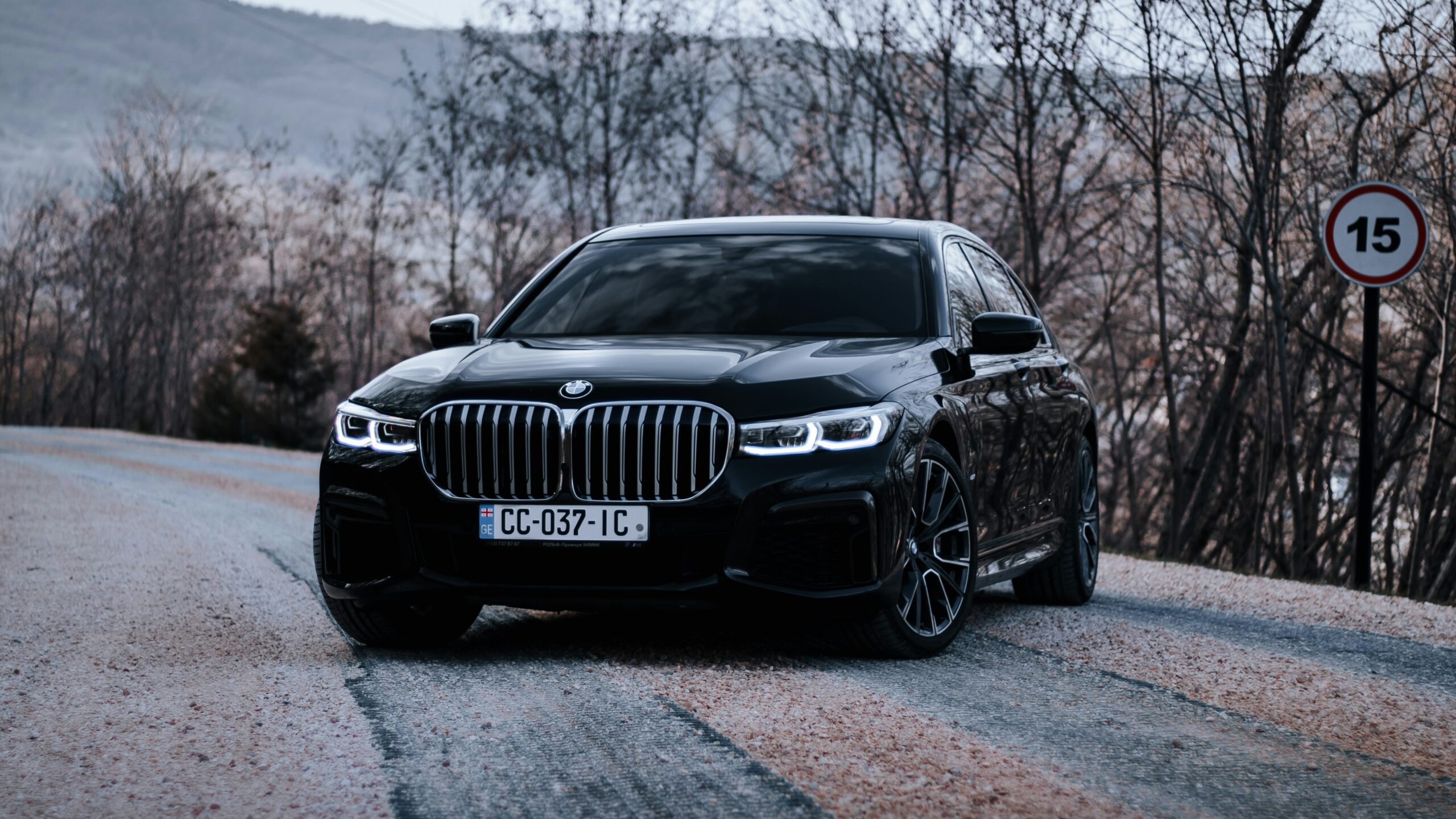
BMW’s largest sedan packs nearly every technology the brand offers, and that density becomes a liability as the miles climb. Air suspension components, twin-turbocharged engines, and layered electronics all carry premium replacement costs, and independent reliability rankings place full-size luxury sedans among the priciest vehicles to maintain.
Owners describe repair invoices that can rival a new economy-car payment when several systems age at once. Buyers chasing a used 7 Series for its tempting low sticker price often discover that the deferred maintenance is exactly where the real cost hides.
2. Mercedes-Benz S-Class: Loaded Tech, Loaded Bills
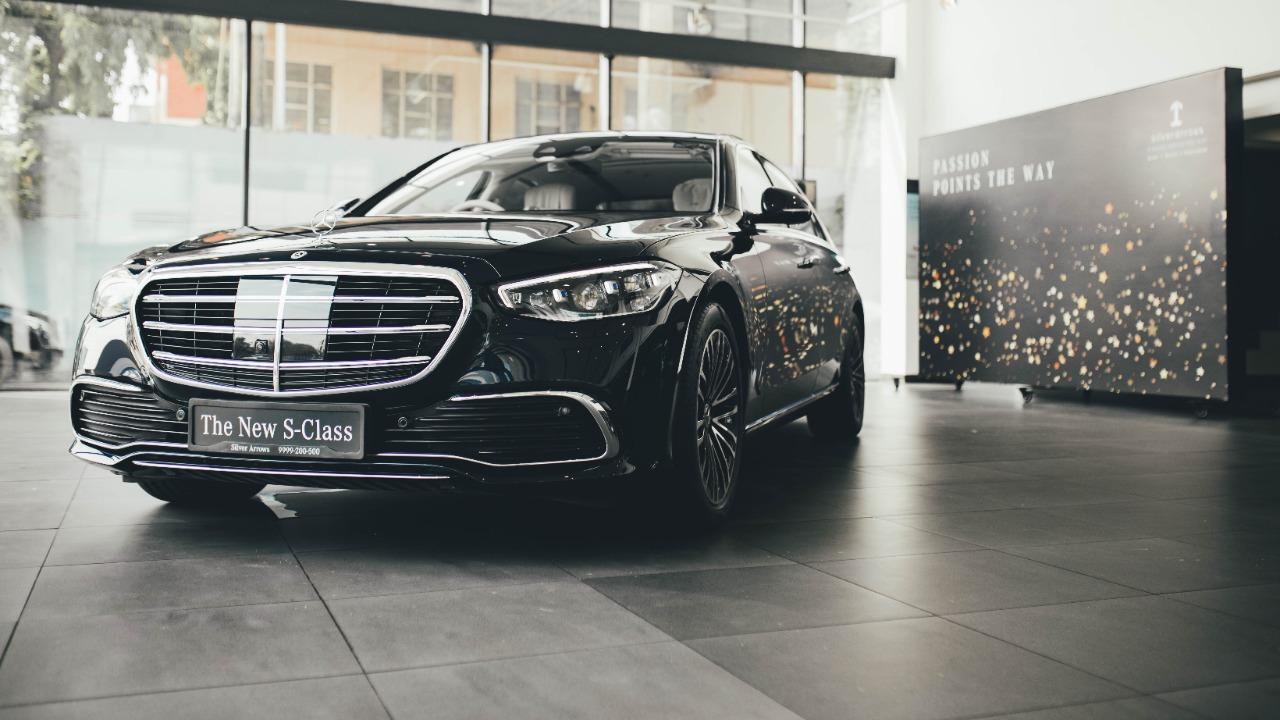
Mercedes-Benz has long used the S-Class as its technology flagship, debuting features years before they filter down to cheaper models. That pioneering hardware, from adaptive air suspension to elaborate infotainment and driver-assistance systems, becomes expensive to service as it ages, a pattern visible across the model’s long history.
Replacement parts carry flagship pricing, and specialist labor adds up quickly when multiple luxury systems need attention at the same time. A failing air-suspension strut or a glitchy control module can each cost four figures to put right. Owners frequently caution that a bargain-priced older S-Class can turn into a rolling repair project.
3. Audi A8: Advanced Systems, Steep Out Of Warranty
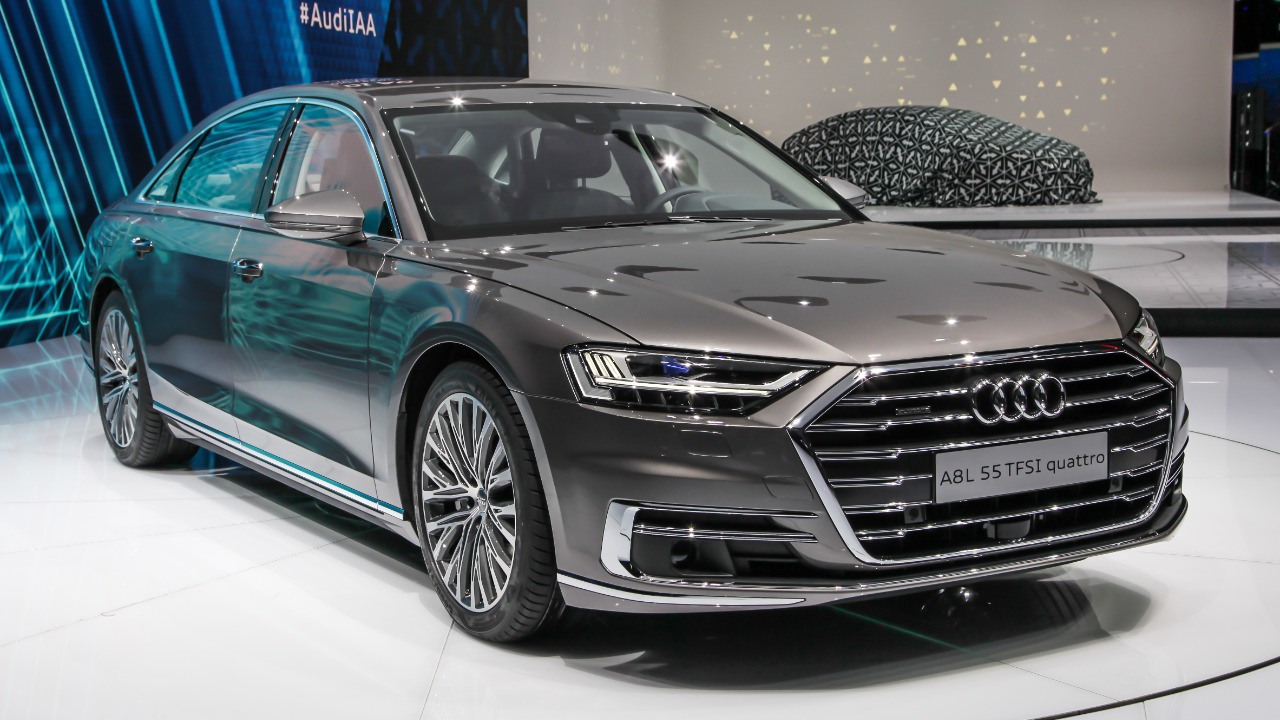
Audi’s flagship sedan built its identity around advanced engineering, from the aluminum space-frame body to quattro all-wheel drive and dense onboard electronics. Those systems perform beautifully under warranty, but the A8’s complex platform grows costly to keep running once factory coverage ends.
Repairs to the adaptive suspension, electrical architecture, or forced-induction engines often require dealer expertise and pricey components that few independent shops keep on the shelf. Shoppers drawn to steeply depreciated examples are repeatedly warned that the savings up front can vanish at the very first major service.
4. Porsche Cayenne: Performance SUV, Premium Upkeep
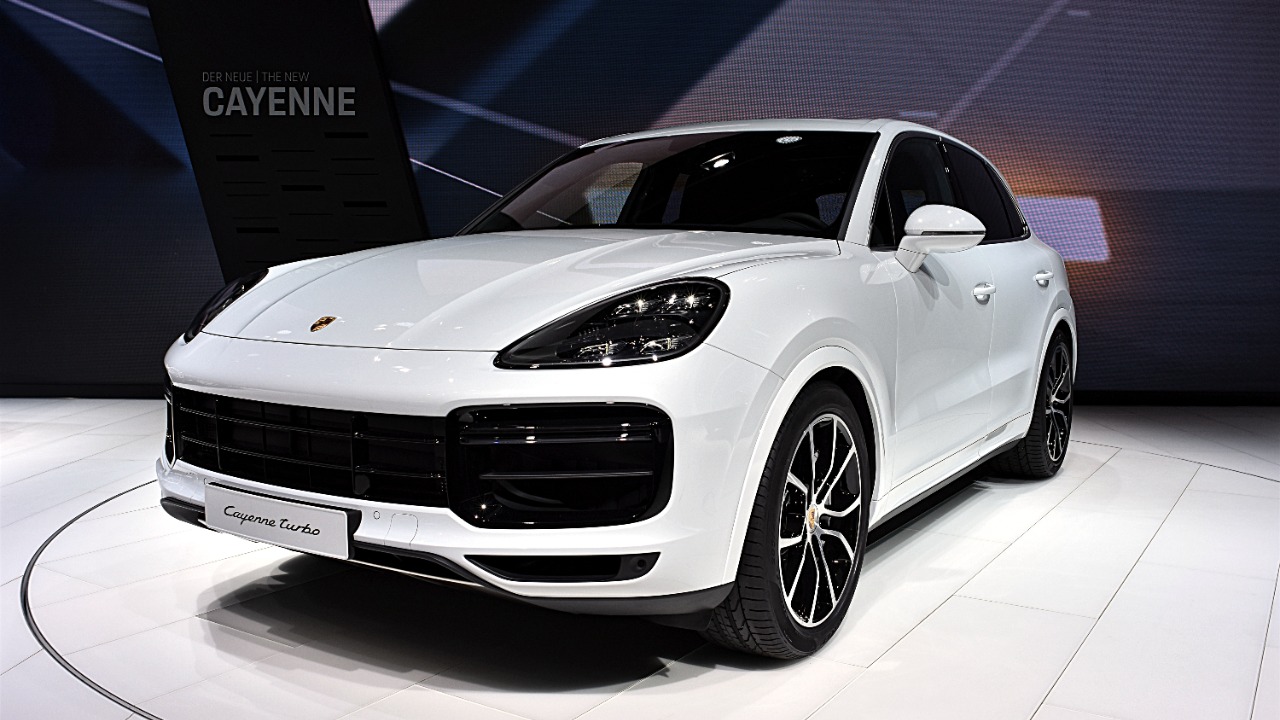
The Cayenne brought Porsche’s performance ethos to the SUV segment, pairing potent engines with sophisticated chassis hardware. Air suspension, high-performance braking, and turbocharged powertrains all demand costly service, and the Cayenne’s engineering reflects its sports-car lineage.
Owners cite substantial bills for routine and major maintenance alike, especially on older turbocharged variants where coolant pipes, drivetrain parts, and suspension components can each run well into the thousands. The SUV’s performance credentials are genuine, but so is the ongoing expense of preserving them over years of hard ownership.
5. BMW X5: Luxury SUV, Costly Upkeep
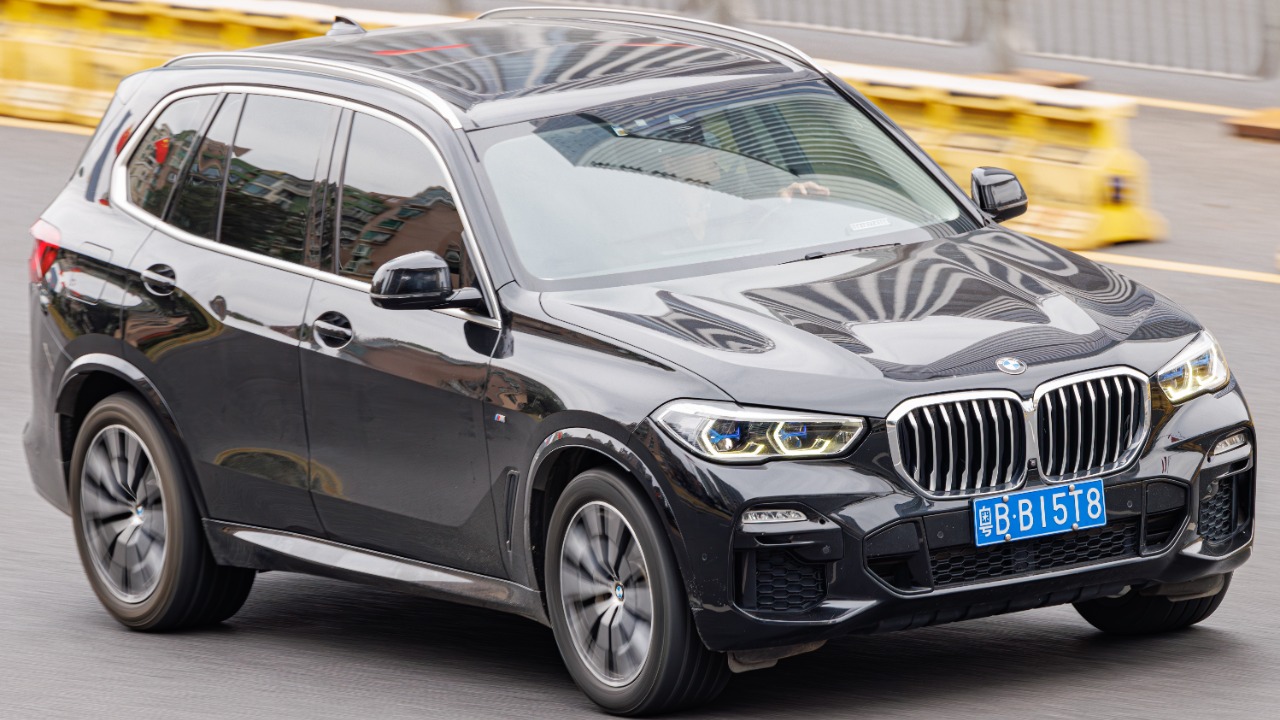
As BMW’s original luxury SUV, the X5 combines a broad range of powertrains with the brand’s signature electronics and available air suspension. Owners regularly flag the X5’s ownership costs, pointing to cooling-system, suspension, and electrical repairs that stack up as the odometer climbs.
The vehicle’s sheer size and complexity mean parts and labor lean toward the premium end of the scale, and the problems seldom arrive one at a time. Used examples can look genuinely affordable on the dealer lot until several deferred repairs all come due at once.
6. Audi Q7: Three-Row, Steep Maintenance
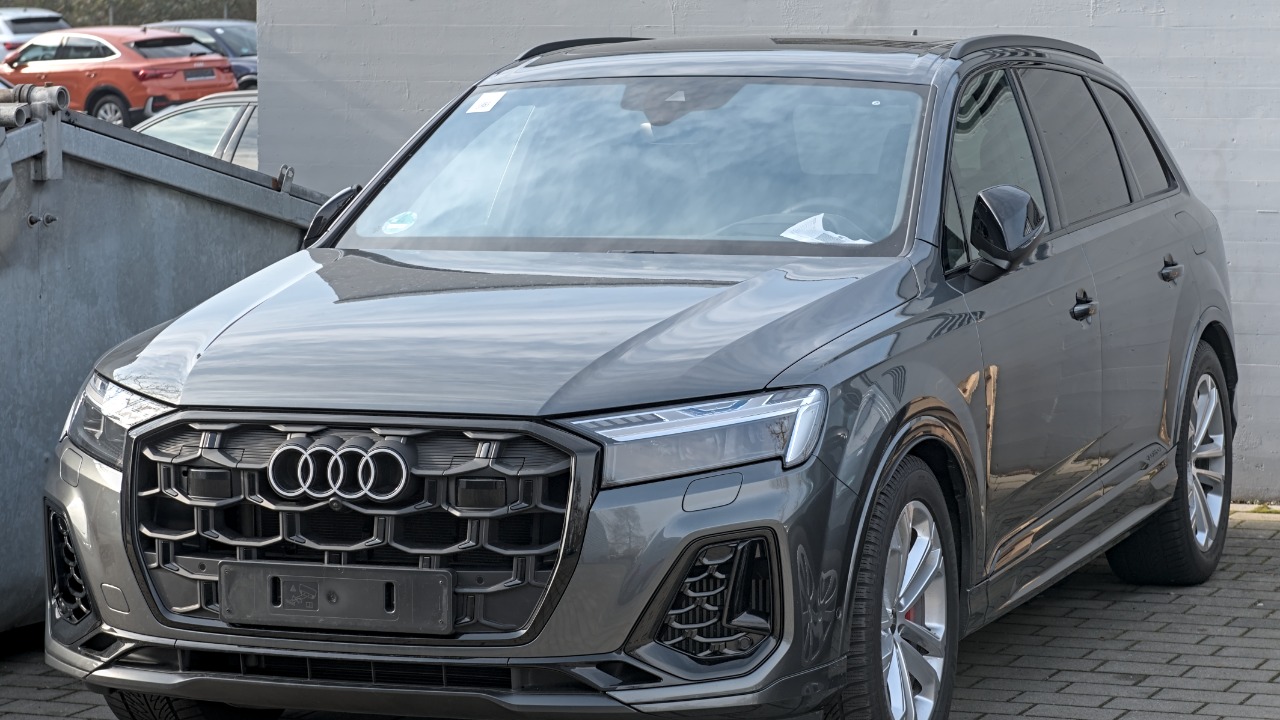
Seating three rows atop the same complex platform that underpins Audi’s other flagships, the Q7 pairs quattro drive with available air suspension. That capability comes with maintenance demands, and the Q7’s shared architecture means repairs draw on the same premium components as far pricier models.
Owners note that servicing the suspension, electronics, or forced-induction engines can be expensive once the warranty lapses, with dealer visits the norm rather than the exception. The family-hauler practicality is genuine, but the upkeep budget needs to match the ambition.
7. Mercedes-Benz GLE: Popular SUV, Above-Average Repairs
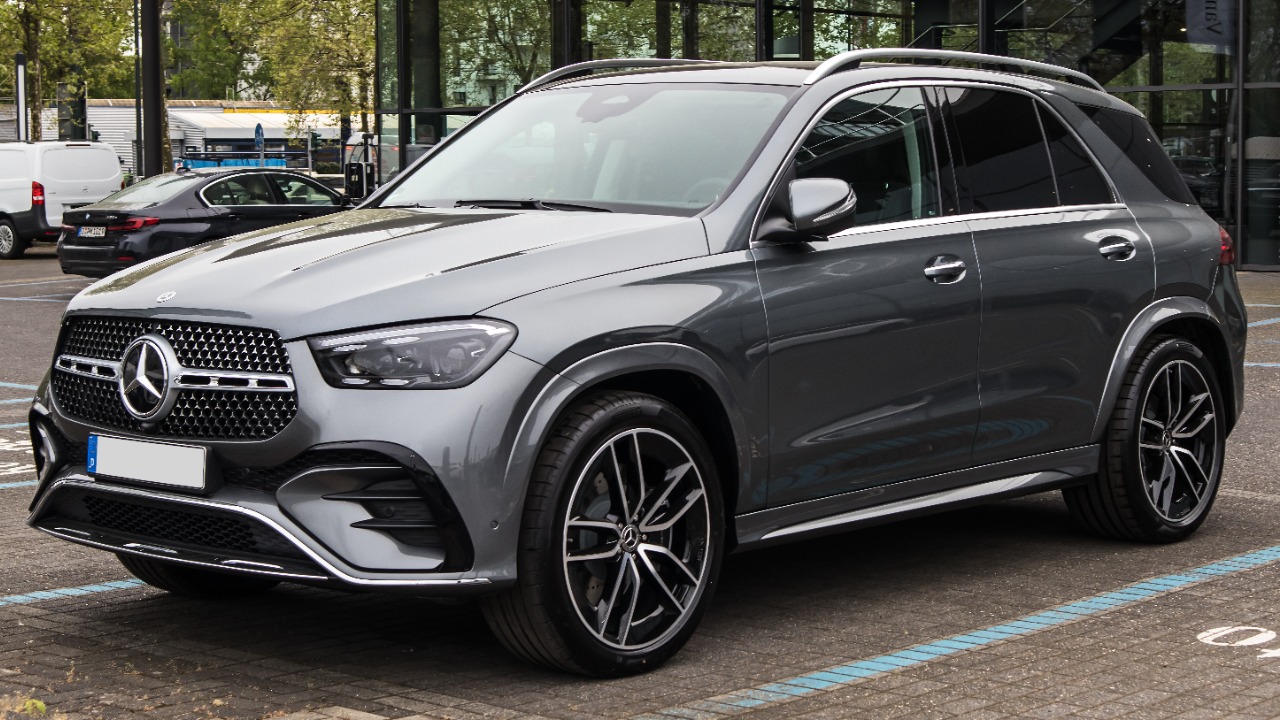
One of Mercedes-Benz’s best-selling SUVs, the GLE blends everyday comfort with the brand’s latest driver-assistance and suspension technology. Its popularity does not lower the cost of ownership, and the GLE’s luxury systems push repair costs above the segment average.
Air suspension and electronic control modules are among the most common sources of expensive fixes as the vehicle accumulates miles, and specialist labor rates only compound the total. Buyers are reminded that the badge’s prestige carries straight through to the service invoice long after the original purchase.
8. Volkswagen Touareg: Complex SUV, Costly To Own
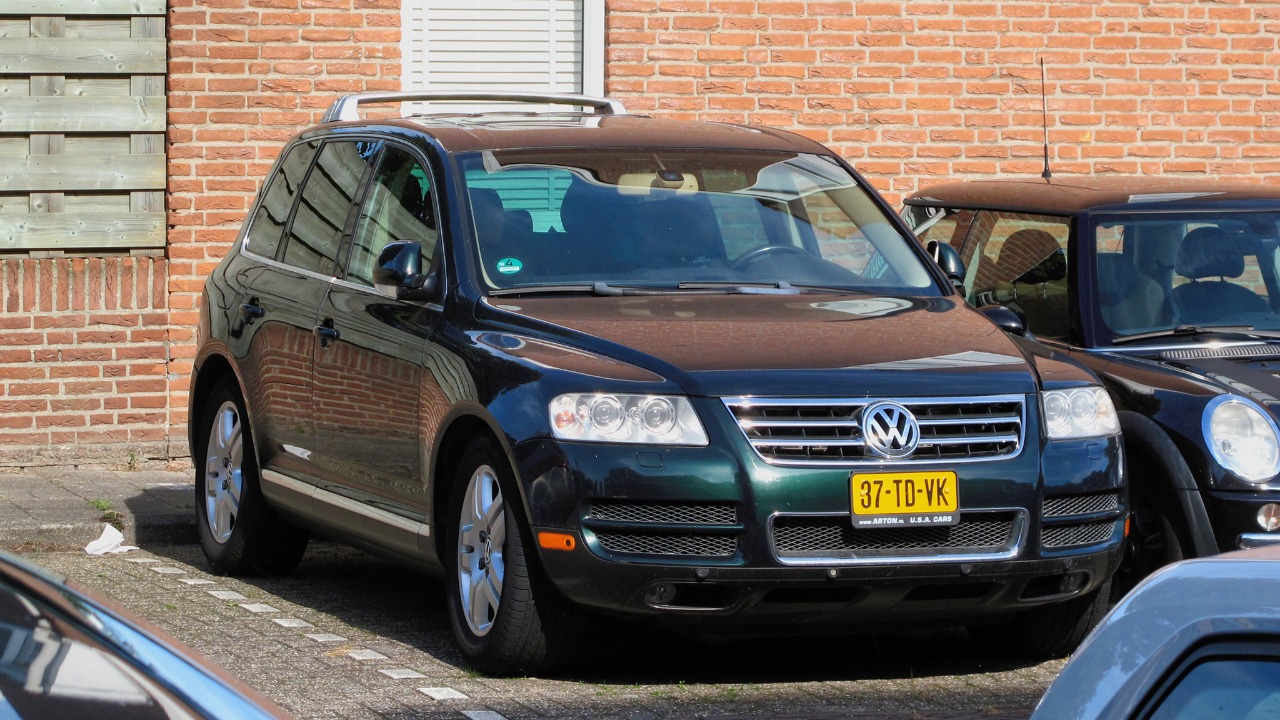
Though it wears a Volkswagen badge, the Touareg shares much of its sophisticated engineering with the Audi Q7 and Porsche Cayenne. That premium DNA gives the Touareg’s platform capabilities well beyond its mainstream image, along with the repair costs to match.
Owners often discover that parts and specialist labor price out closer to a luxury SUV than a typical Volkswagen, particularly on the air suspension and the V8 or diesel drivetrains. The result is a vehicle that can be surprisingly expensive to keep on the road.
9. BMW 5 Series: Midsize Luxury, Pricey Parts
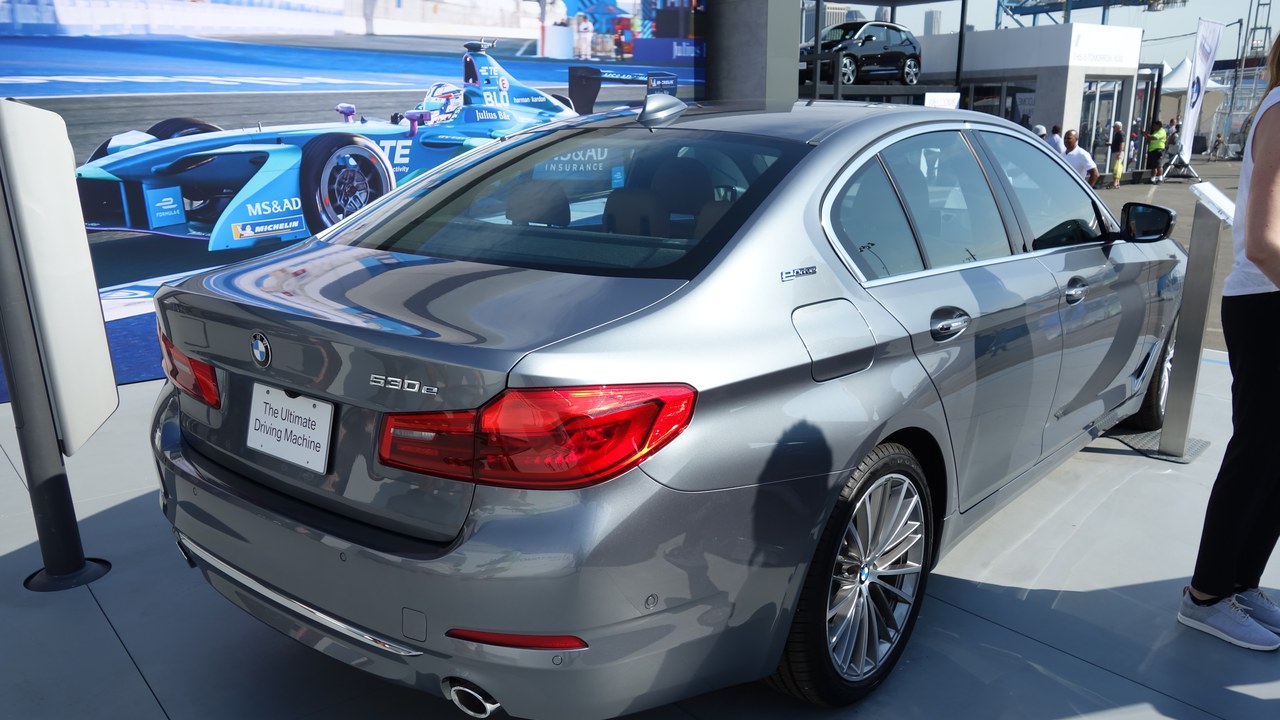
Anchoring BMW’s midsize lineup for decades, the 5 Series offers sporty driving dynamics alongside increasingly complex technology. Owners caution that the 5 Series’ components carry premium pricing, from cooling and electrical parts to suspension and turbocharged engine repairs.
Though noticeably smaller than the flagship 7 Series, it shares much of the same expensive engineering philosophy and the elevated parts costs that come with it. Used-car shoppers are repeatedly warned to budget for upkeep that reflects the luxury badge rather than the seemingly modest purchase price.
More from Morning Overview
