
Mars is too distant for easy fieldwork, so researchers turn to Earth settings that echo its dryness, cold, volcanoes and craters. NASA and its laboratories describe these spots as analogs, and each offers a different slice of the Martian puzzle. Here are ten of them, from deserts and ice to lava fields and salt flats.
Read next on Morning Overview: A handful of car transmissions are so tough that mechanics say they almost never die
1. Atacama Desert: The Driest Desert
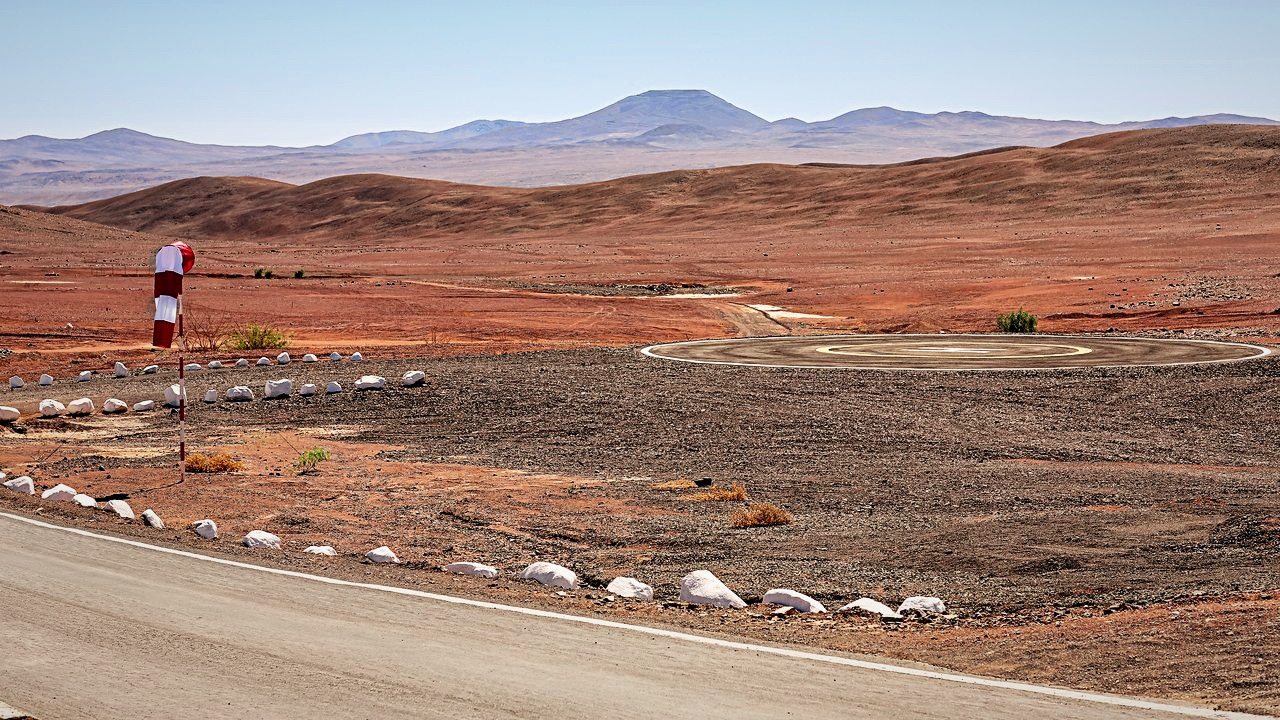
NASA calls the Atacama in Chile the driest non-polar desert on Earth, and NASA’s guide to planetary analogs says it serves as an analog for the dry, rugged terrain on Mars.
Dryness is the common thread: a landscape with so little moisture gives researchers ground to study before applying the same thinking to Martian terrain. The page frames the desert as an analog, meaning a stand-in for conditions rather than a duplicate of the red planet. Because NASA singles out both the dryness and the rugged ground, the Atacama is useful for more than one kind of comparison with Martian terrain.
2. Haughton crater: Arctic Isolation
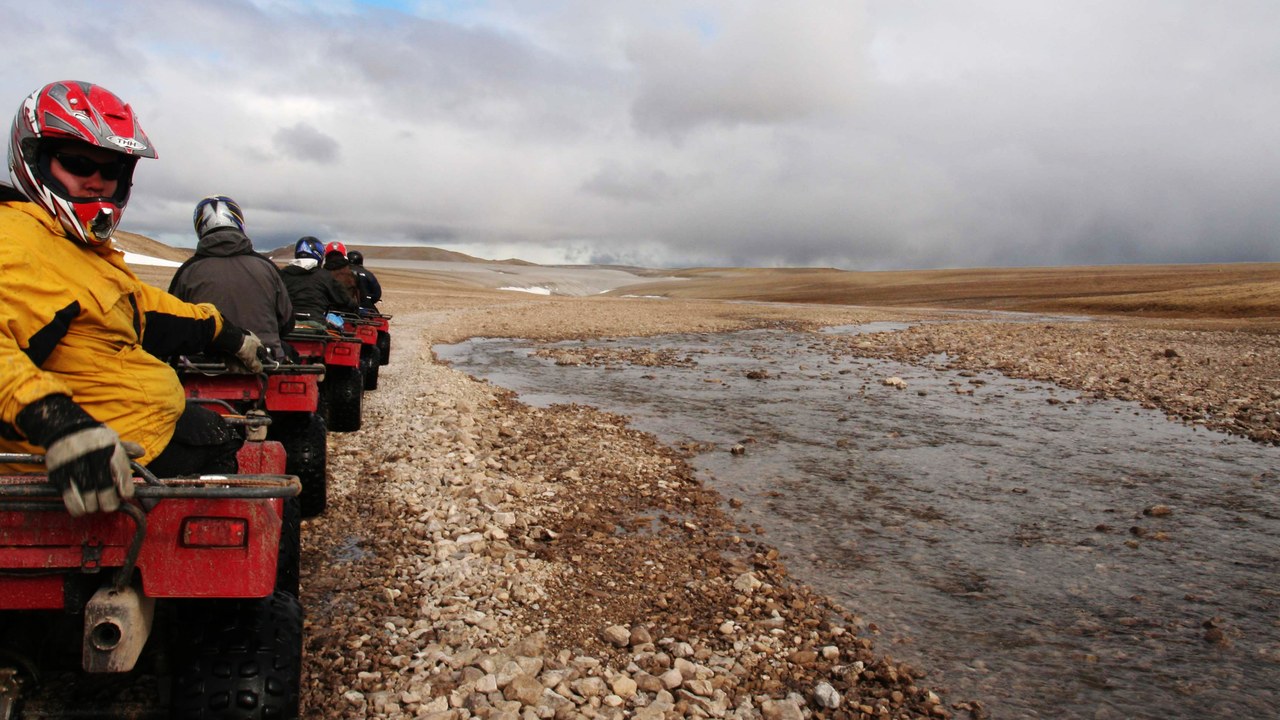
The Haughton Mars Project on Devon Island, the world’s largest uninhabited island, uses barren terrain, cold and isolation to mimic conditions on Mars, according to NASA’s analog overview.
Isolation is part of the appeal, because the project deliberately uses remoteness as one of its conditions. The site pairs a crater with a cold, empty setting, giving researchers a rehearsal space for fieldwork rather than a perfect copy of Mars. The Devon Island entry also shows that an analog can be about people and logistics as much as geology, since cold and isolation shape how teams live and work there.
3. Kilauea: Tunnels Made by Lava
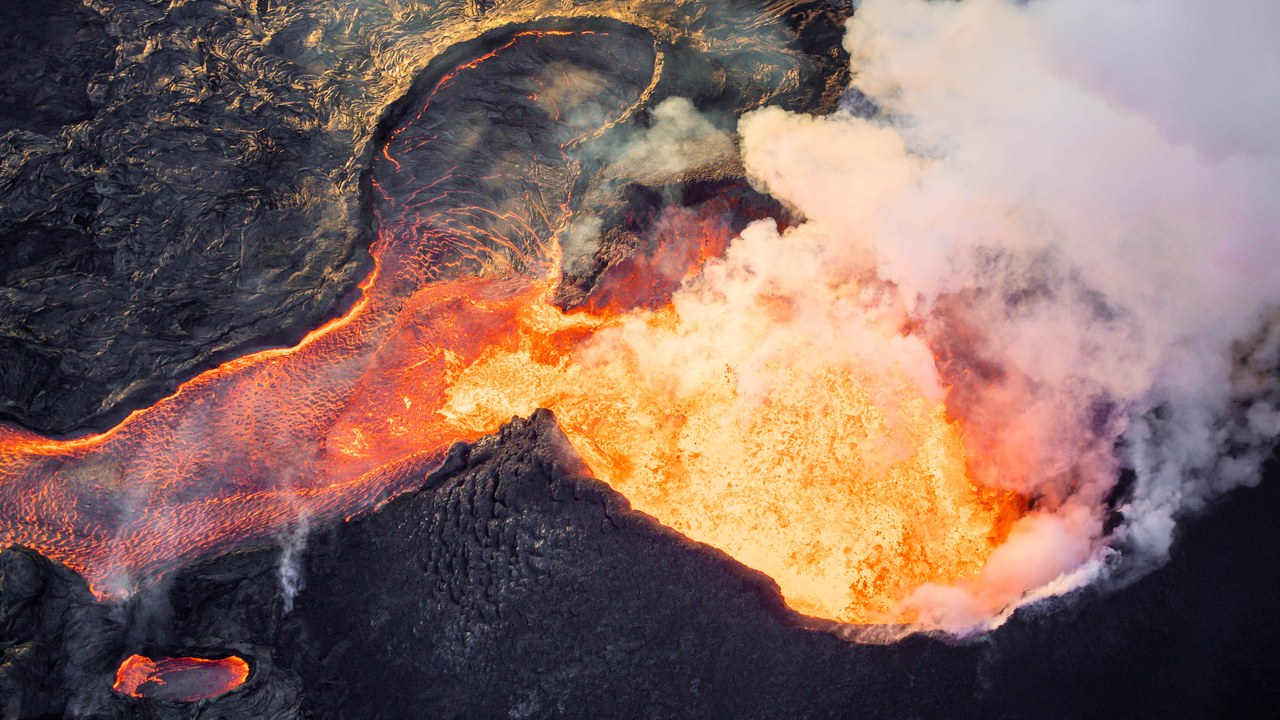
NASA astrobiologists study Kilauea’s lava tubes for insight into environments for life on Mars, where lava flows created similar features, as NASA Astrobiology’s locations list explains.
The focus is ancient Mars, and the tubes matter because lava flows created similar features on both worlds. The entry is short, so it points to a research idea rather than reporting specific findings. Lava tubes are an unusual choice of study site because they are underground features, and NASA’s interest is in what such spaces could reveal about conditions for life on Mars long ago.
4. Yellowstone National Park: A Geothermal Laboratory
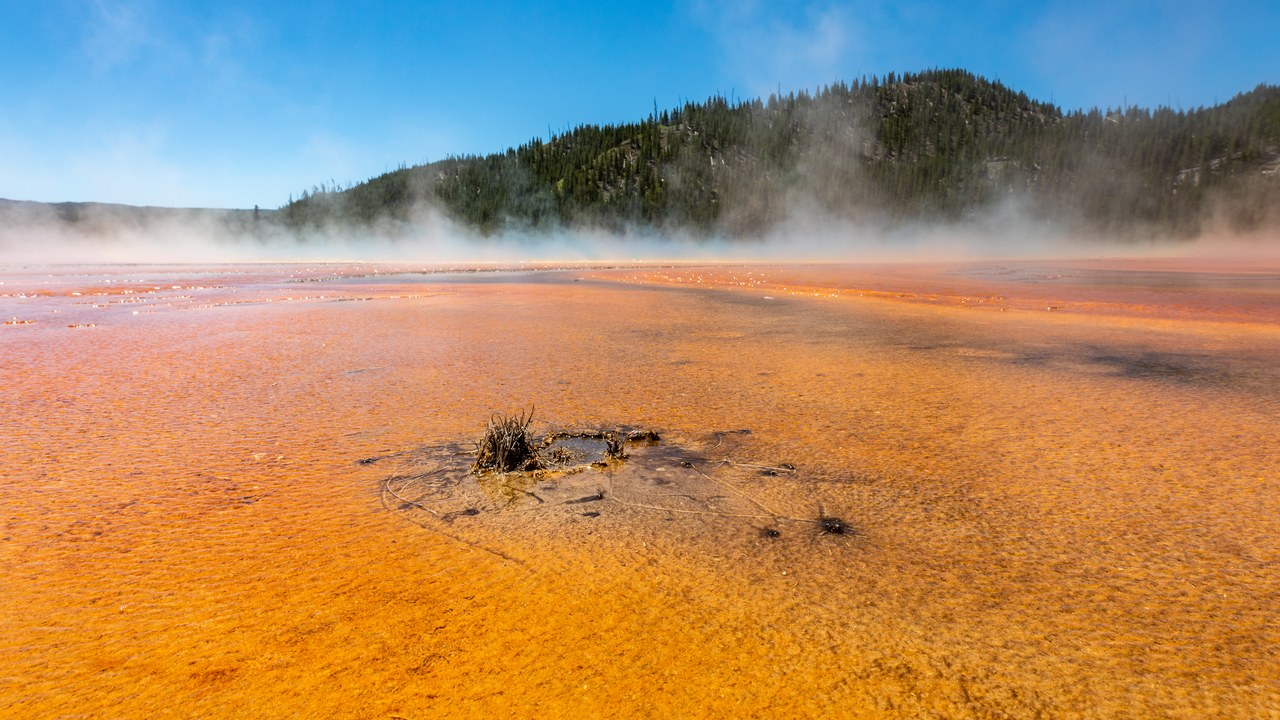
NASA lists Yellowstone, with more than 12,000 geothermal features, as an ideal natural laboratory for studying life in extreme environments like those that may exist on Mars, in its astrobiology locations page.
The draw is biology rather than landscape: extreme settings let scientists study how life copes where conditions are harsh. NASA’s wording is cautious, saying such environments may exist on Mars, so Yellowstone is a model for possibilities and not evidence of Martian life. The count of more than 12,000 geothermal features gives researchers a huge variety of settings within one park, which is why NASA treats it as a laboratory instead of a single study site.
5. Mojave Desert: Temperature Extremes
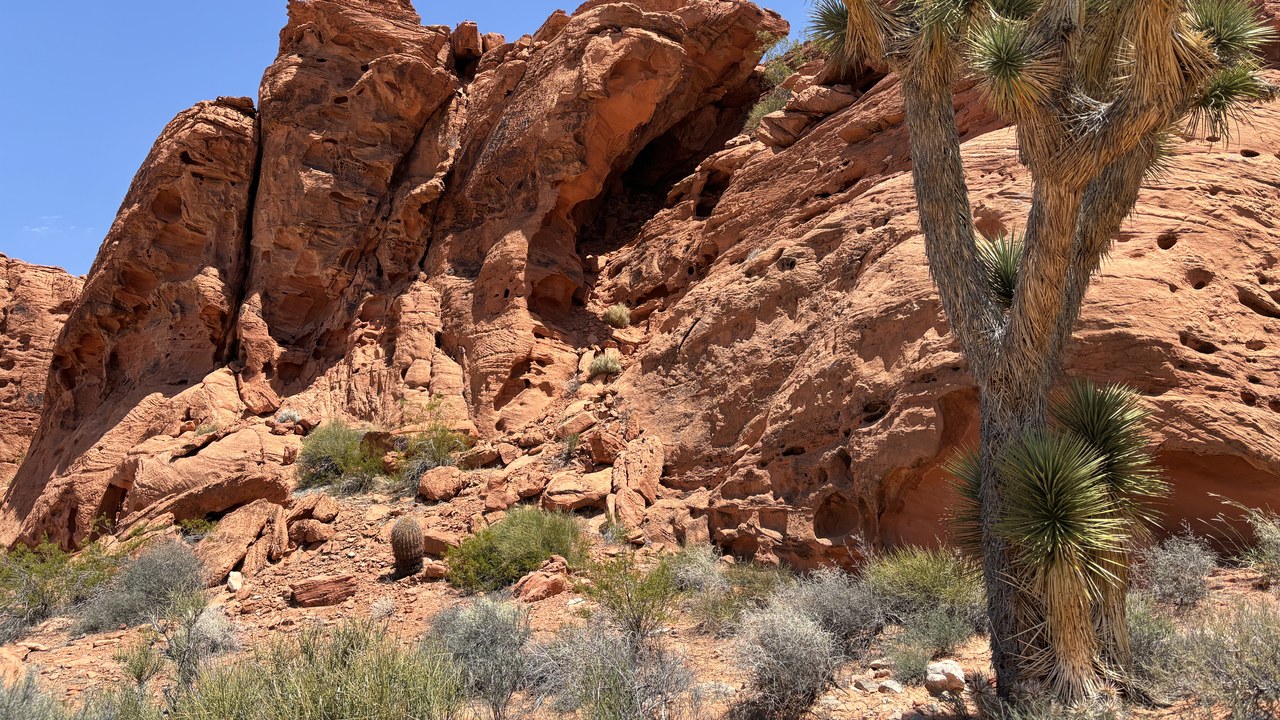
NASA says the temperature extremes of the Mojave make it a good analog for extraterrestrial environments such as Mars, in its astrobiology research locations list.
Temperature swings are the selling point here, not terrain or water. The entry is brief, with no detail on specific experiments, so the Mojave’s role is best understood as a general testing ground for harsh thermal conditions. Like several entries here, the Mojave comes from NASA’s list of research locations, which groups sites by the kind of Mars-like conditions each can offer scientists.
6. McMurdo Dry Valleys: Closest to Mars
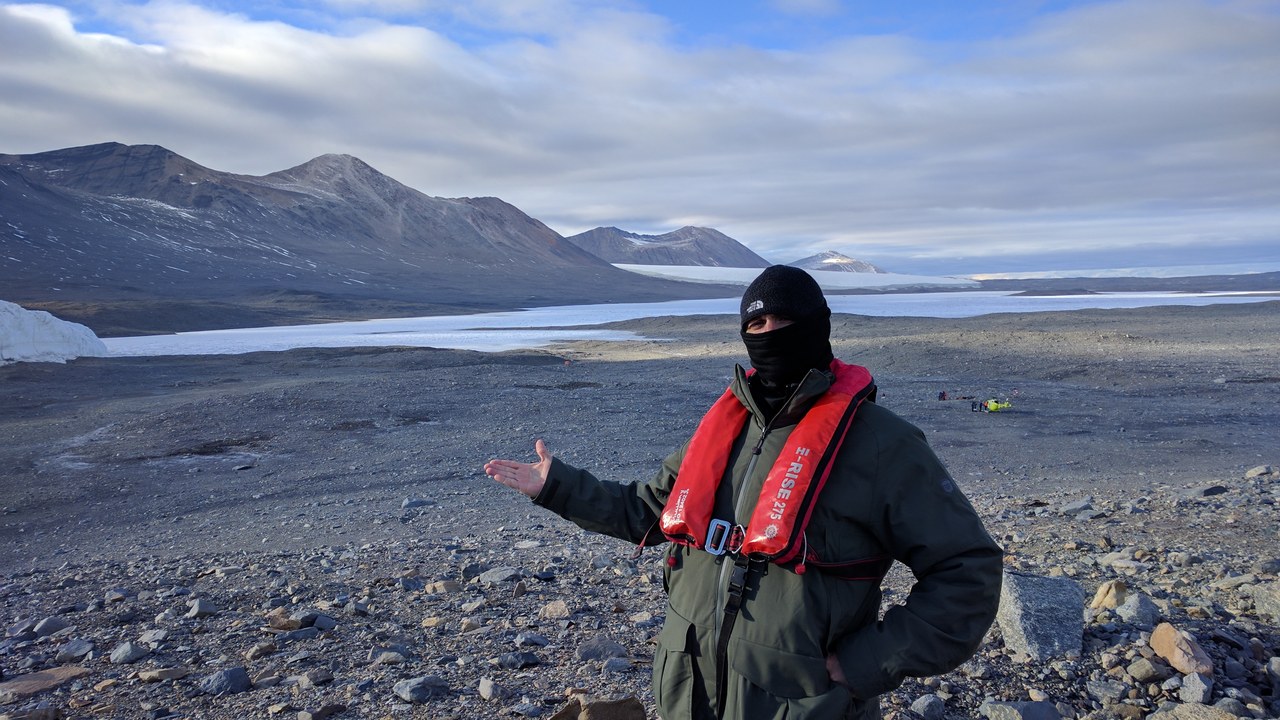
NASA Earth Observatory says Antarctica’s Dry Valleys ‘may be the most like Mars,’ and its Martian landscape feature notes that scientists compare images of them with images taken from orbit around Mars.
That comparison with orbital imagery is the practical link: researchers can set pictures of the valleys beside pictures of Mars and look for matching patterns. The wording is hedged with ‘may,’ so the claim is one of strong resemblance, not proof of equivalence. Using Earth Observatory imagery alongside pictures from Mars orbit gives the comparison a visual basis that anyone can inspect, which suits a place described as perhaps the most Mars-like of all.
7. Death Valley: Mars Hill
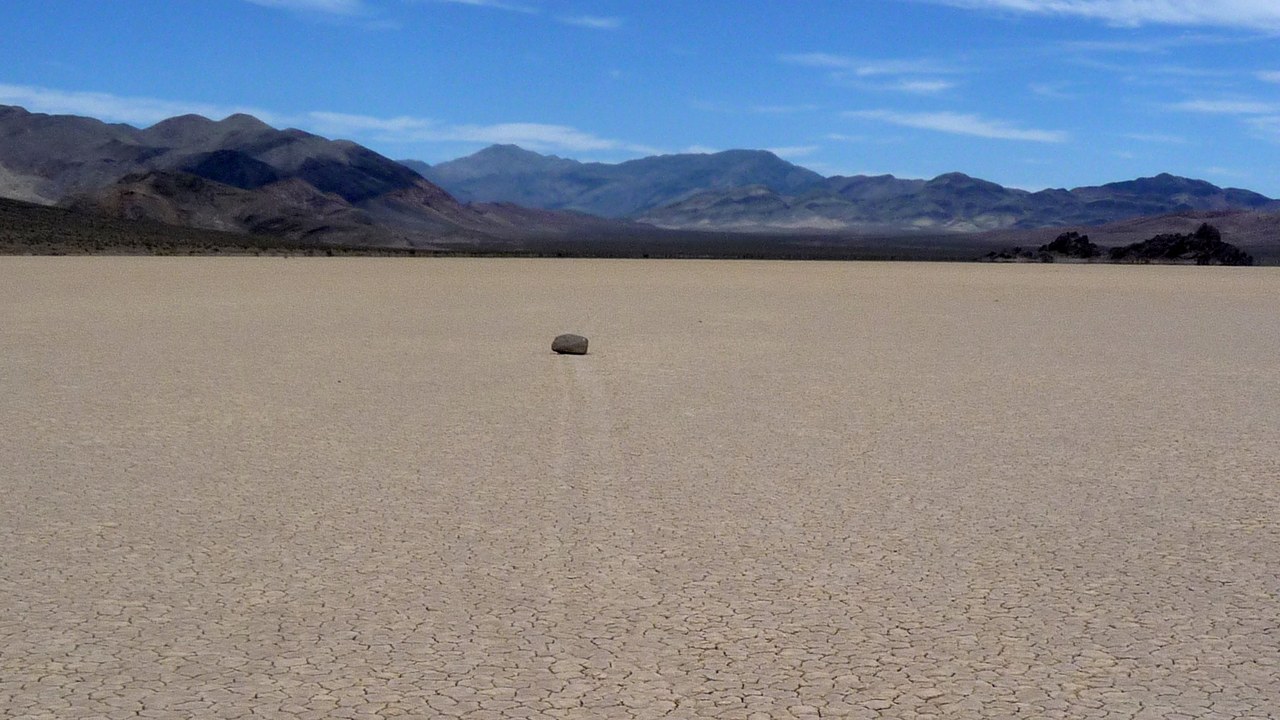
A 2002 JPL article quotes a scientist saying Death Valley is like Mars in its tectonic, erosional and sedimentation processes, in JPL’s Mars analog article.
The same piece points to a spot called Mars Hill, which resembles the Viking 2 Lander site. The article dates from 2002, so the comparison reflects the science of that moment, yet a resemblance to a real landing site shows how analogs are matched to specific Martian terrain. The mention of tectonic, erosional and sedimentation processes shows the comparison is about how landscapes form over time, not just how they look from above.
8. Meteor Crater: A Well-Kept Crater
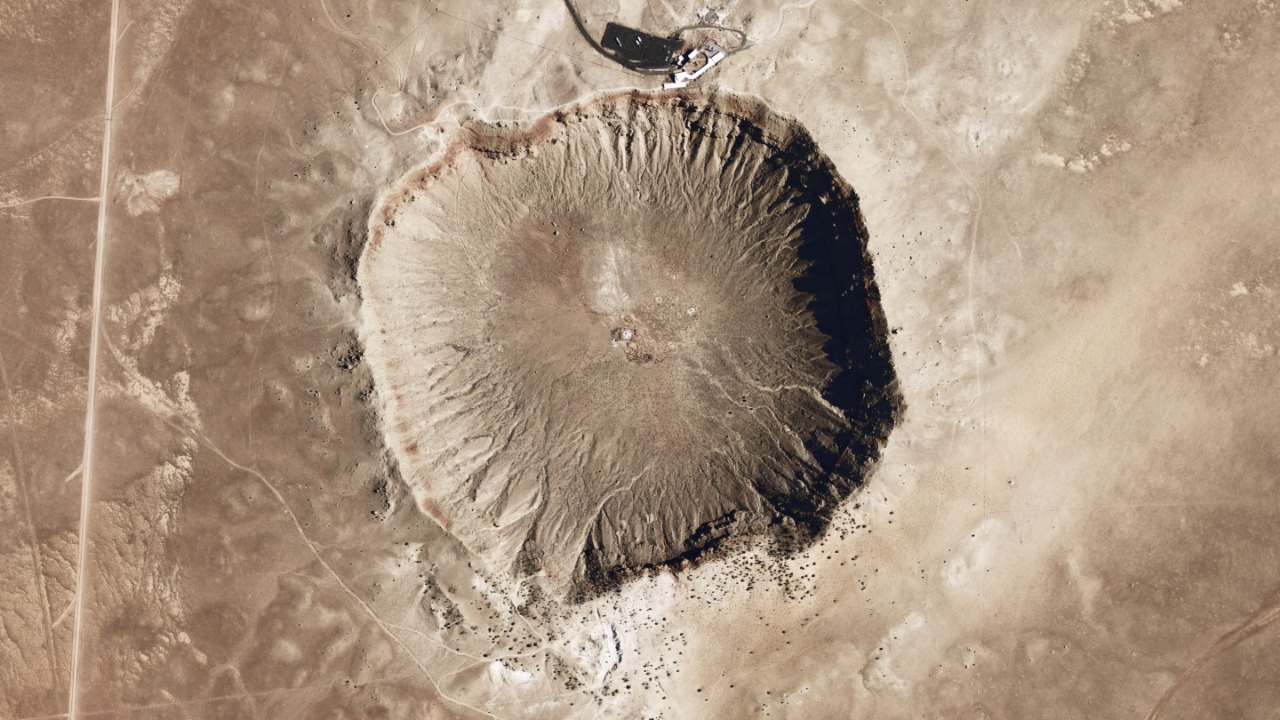
JPL’s 2002 article describes Meteor Crater near Winslow, Arizona as a well-preserved impact crater like many seen on Mars, according to the JPL feature.
Because the crater is well preserved, it offers a clear Earth example of a form that appears often on Mars. The source is a 2002 article and gives no measurements, so the entry rests on the resemblance alone. Meteor Crater’s location near Winslow, Arizona also makes it one of the easier Mars comparison sites to reach, compared with remote polar or island locations on the same list.
9. Bonneville Salt Flats: Salt and Ancient Floods
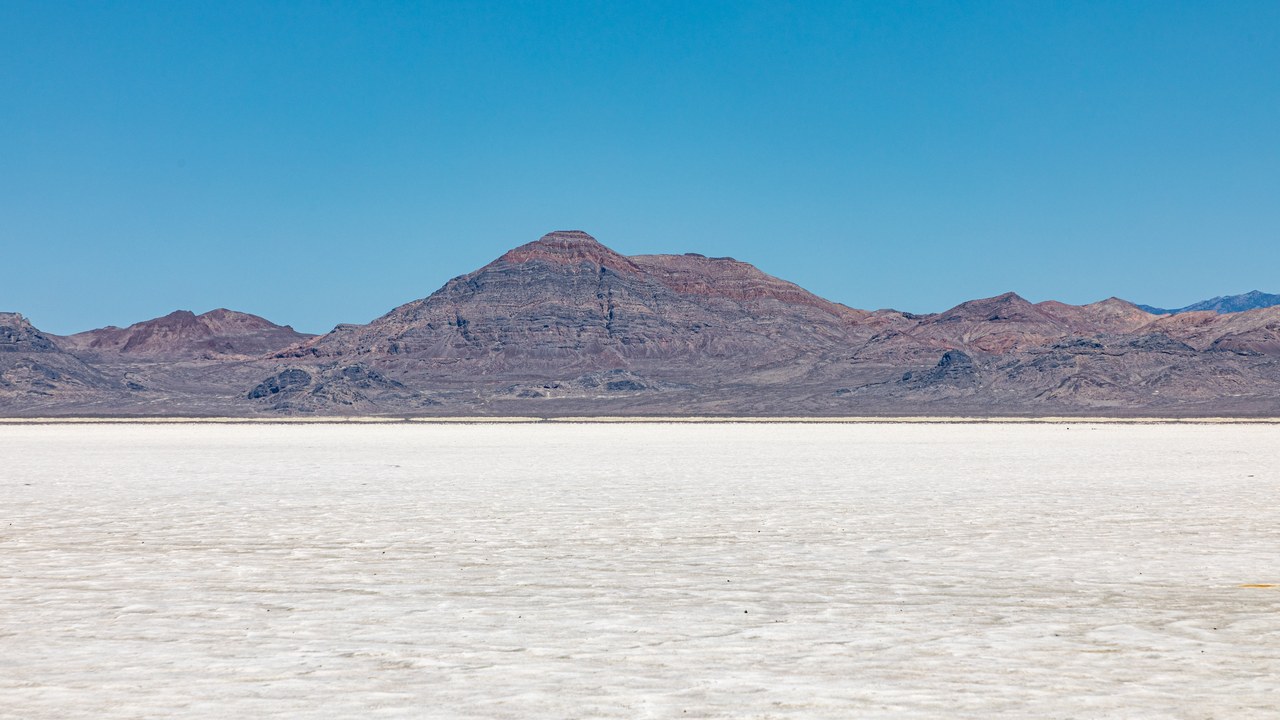
JPL’s 2002 article suggests the processes that formed Utah’s Bonneville Salt Flats may have shaped dry lakebeds on Mars, a point made in JPL’s analog survey.
It adds that Martian floods resembled the ice-age floods that took place in the Bonneville area. The language is tentative, using ‘may’ for the lakebeds, so the salt flats serve as a working comparison for water-shaped terrain on Mars rather than a settled match. Linking a Utah salt flat to Martian lakebeds and floods shows how a single Earth location can speak to several questions about the history of water on another planet.
10. Mount Etna: A Basaltic Volcano
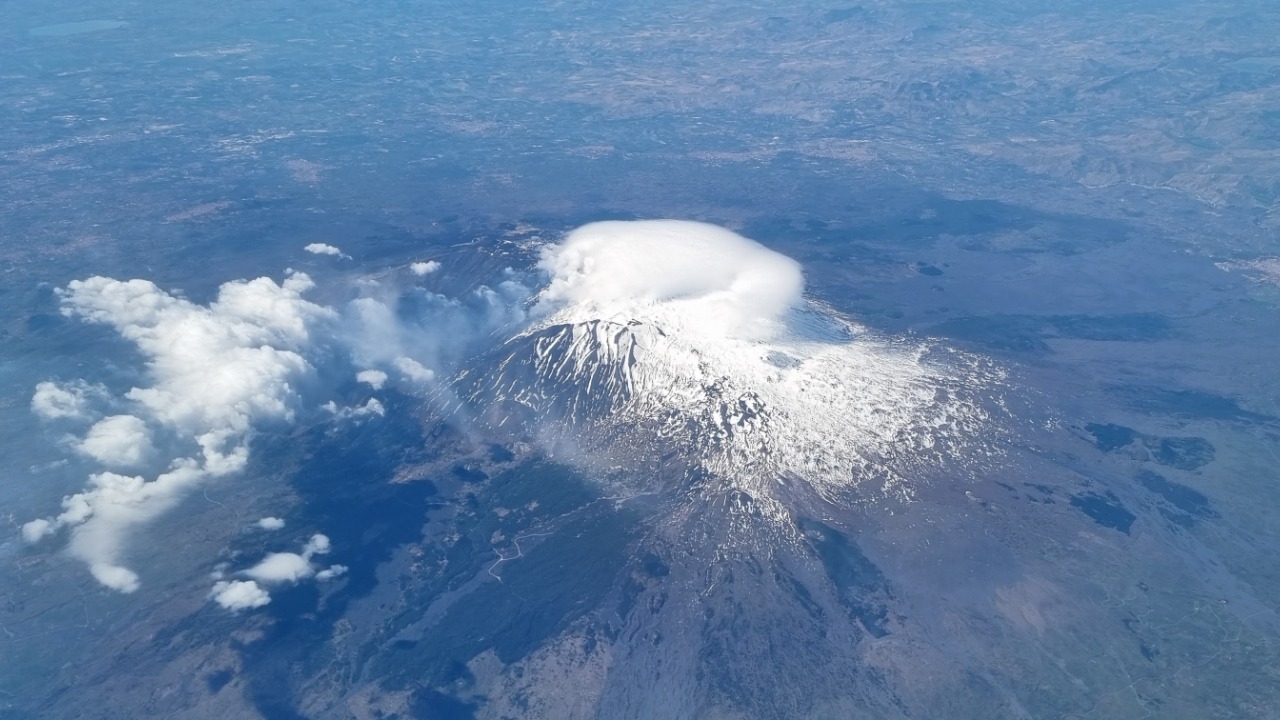
JPL notes that Etna, like the majority of volcanoes on Earth, is basaltic, as scientists believe Mars’ volcanoes are, in its 2002 analog article.
Etna also showed lava-formed channels that scientists had inferred on Mars. Matching rock type and matching channels give the volcano two lines of comparison with Martian volcanism, though the source is a single dated article and not a survey of current research. Etna’s inclusion shows that analog studies cover volcanoes as well as deserts, and that the same lava channels that form on Earth can help interpret landforms that scientists have only seen from far away.
More from Morning Overview
- The Justice Department asked courts to undo approvals for three offshore wind farms, one already making power
- Over 20 trillion gallons of rain fell on the Four Corners states and Nevada in two weeks
- 11 engines built to run well past 200,000 miles
- Two Kentucky residents died when a small plane crashed at Missouri’s Lake of the Ozarks, and the NTSB is investigating
