
Automakers spent the 2010s and early 2020s promising diesel power in everything from half-ton pickups to compact crossovers, then walked most of those engines back within a few model years. Regulatory costs, thin demand, and the industry’s pivot toward hybrids made a low-volume diesel variant hard to justify on any given nameplate. Here are nine diesel engines that quietly disappeared from showrooms.
1. Ram 1500 EcoDiesel: The Half-Ton Diesel That Disappeared
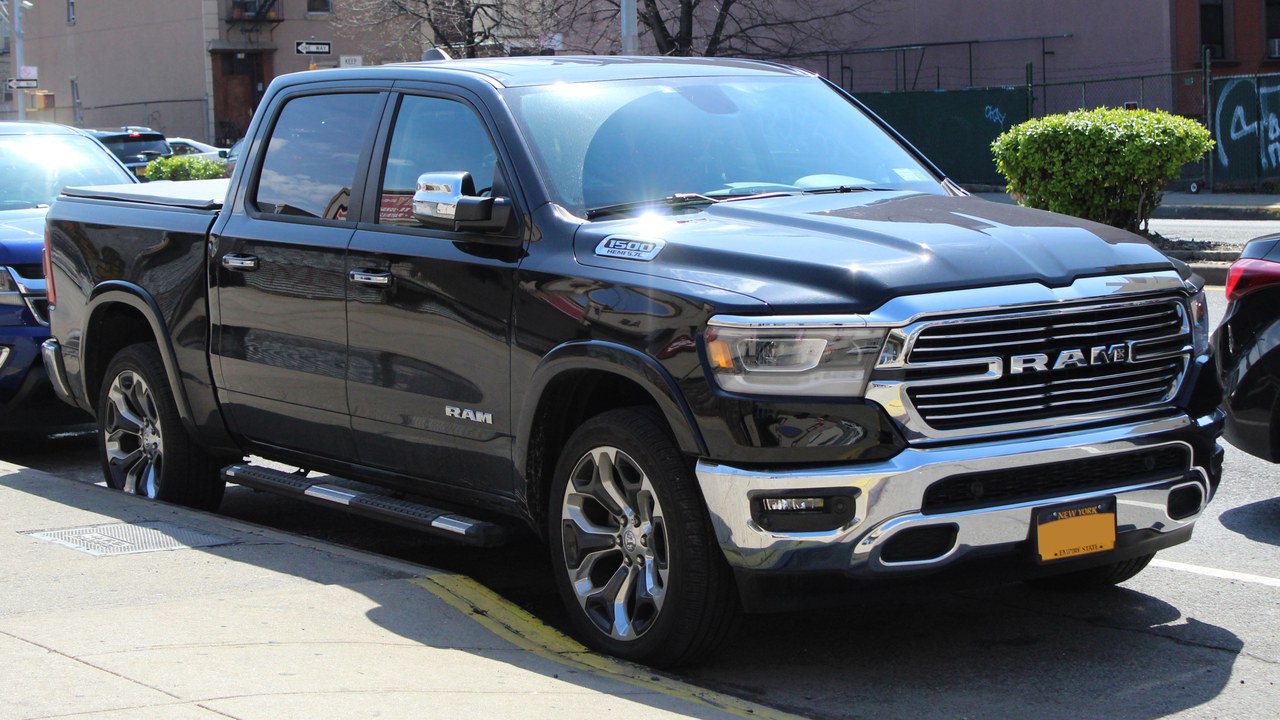
Ram’s 3.0L EcoDiesel V6 is gone for good. The current model year’s official specs list only a 3.6L V6 mild hybrid and a 5.7L V8 mild hybrid for the half-ton pickup, with no diesel option anywhere on the build sheet.
The EcoDiesel once drew buyers chasing highway fuel economy and towing range without stepping up to a heavy-duty truck. Its absence now pushes that crowd toward gas mild-hybrid power or a larger diesel-capable platform entirely. Both remaining engines lean on hybrid assistance rather than a torque-heavy diesel, a shift that mirrors how much of the half-ton segment is chasing emissions targets without keeping a low-volume diesel variant on the books.
2. Jeep Wrangler EcoDiesel: A Four-Year Diesel Experiment Ends
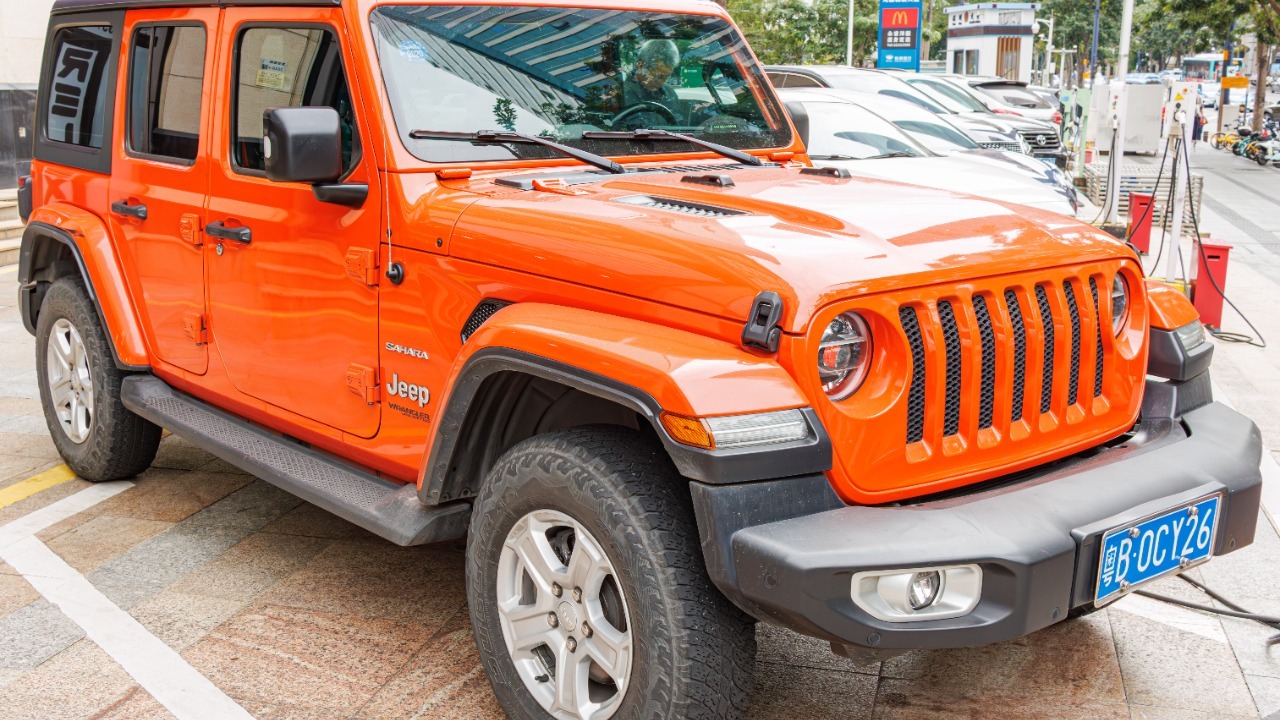
Jeep sold a 3.0L EcoDiesel V6 in the Wrangler for several years before quietly dropping the turbocharged engine from the lineup, leaving gas four- and six-cylinder options plus the plug-in hybrid 4xe to carry the model forward.
Demand for the diesel Wrangler never approached that of its gas siblings, and emissions compliance costs for a low-volume engine are steep to justify. Off-roaders who wanted extra low-end torque for crawling now lean on the 4xe’s electric motor instead, since a plug-in hybrid can meet stricter rules more cheaply than certifying a small-volume diesel every model year.
3. Jeep Grand Cherokee EcoDiesel: Pulled From the Lineup and Never Back
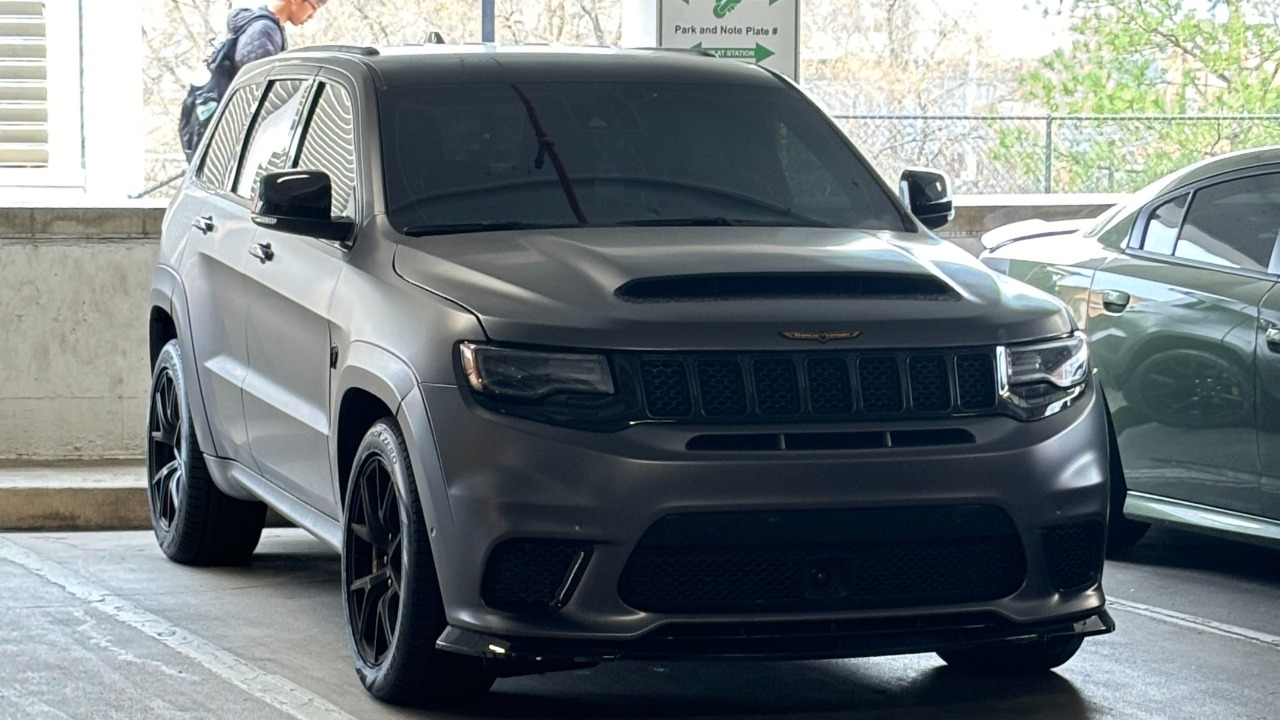
The EcoDiesel V6 powered top Grand Cherokee trims for several model years, delivering 240 horsepower and 420 pound-feet of torque to Limited, Overland and Summit buyers who wanted towing muscle without a V8’s thirst.
US availability ended after the 2019 model year and the engine never returned to the American lineup, even as the Grand Cherokee moved on to an all-new generation with gas and hybrid power only. Shoppers seeking that torque curve today have to look outside the Jeep badge entirely, since no factory diesel option has replaced it since.
4. Ford F-150 Power Stroke: No Diesel Left in the Half-Ton
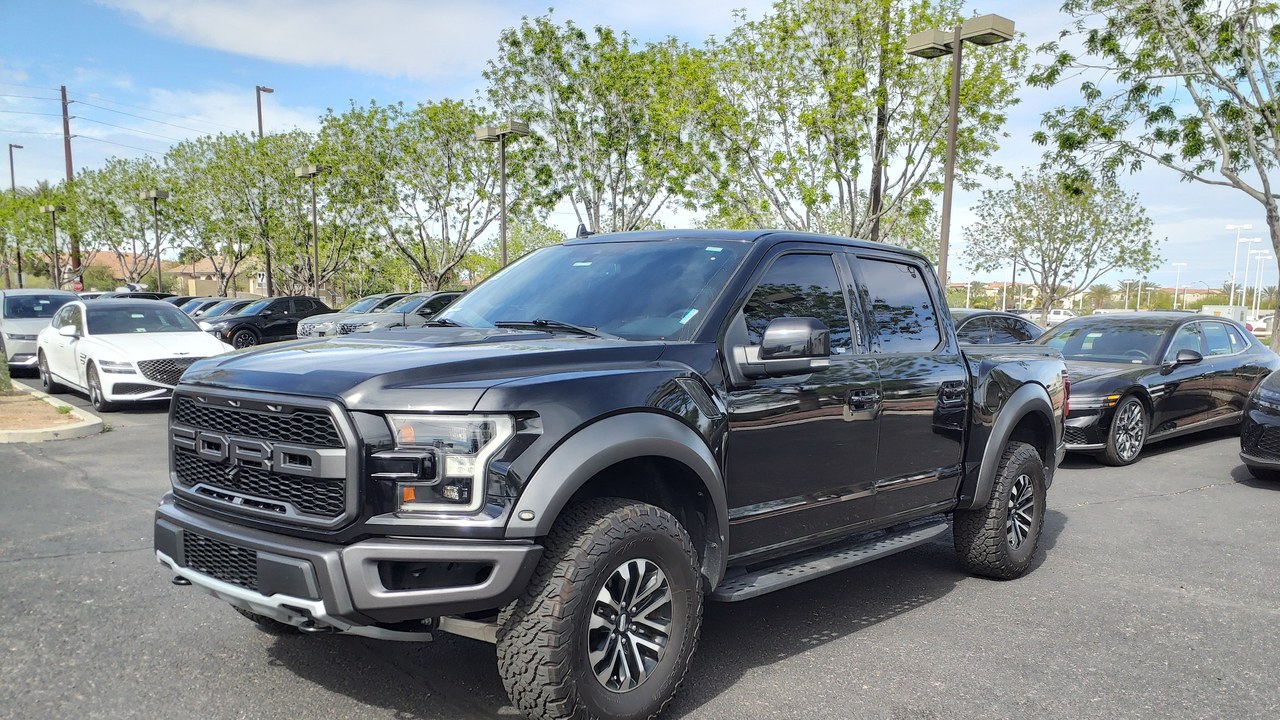
Ford’s 3.0L Power Stroke V6 no longer appears anywhere in the F-150’s official engine lineup, which now runs entirely on EcoBoost gas V6s, the PowerBoost hybrid V6 and a 5.0L V8.
The diesel once gave F-150 buyers a fuel-economy option without downsizing to a smaller truck or losing towing capability. That role has effectively passed to the PowerBoost hybrid, while genuine diesel torque now means stepping up to the heavier-duty Super Duty trucks instead of staying within the half-ton lineup. The change leaves the best-selling F-150 without a diesel choice for the first time in years, even as rival full-size trucks keep one on the order sheet.
5. Nissan Titan XD Cummins: The Heavy-Duty Engine Nissan Dropped
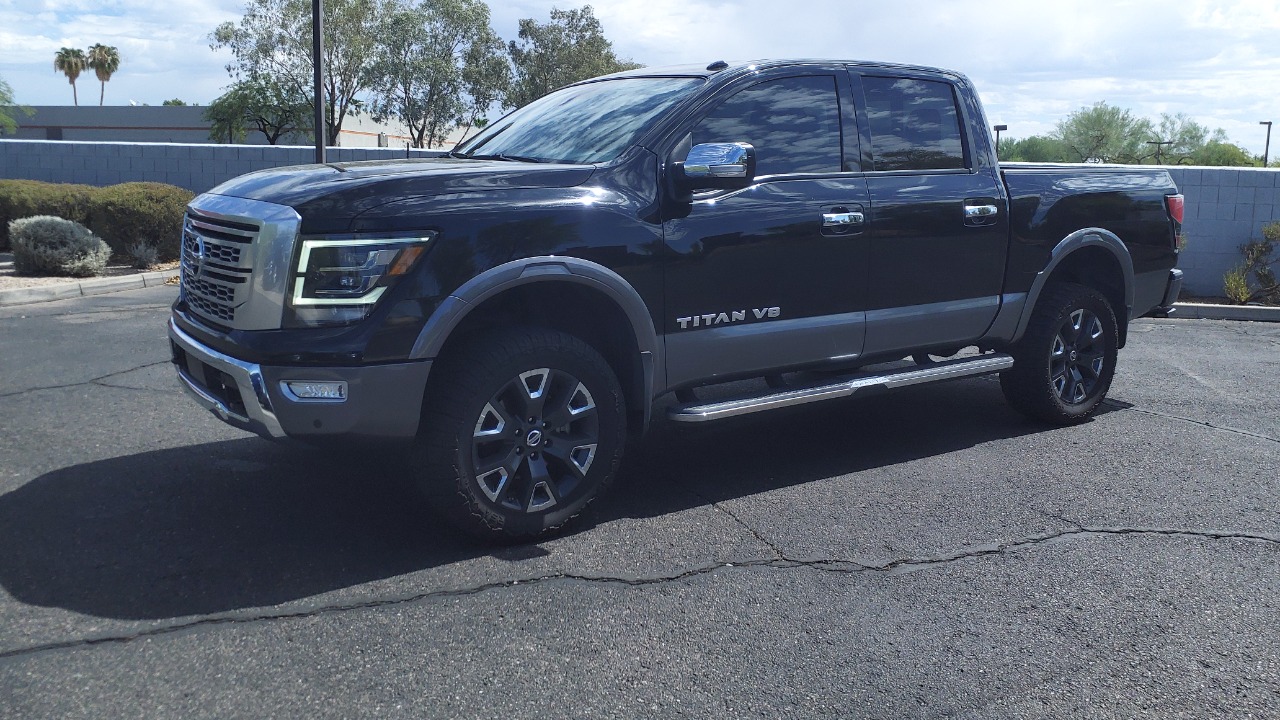
The heavier-duty Titan XD’s 310-horsepower Cummins turbodiesel V8 was eliminated from the lineup for the 2020 model year, closing out Nissan’s brief run at a mid-size-plus diesel pickup.
Nissan never brought a replacement diesel back for the Titan XD, leaving the model to compete solely on gas V8 power against a segment where rival heavy-duty pickups still offer diesel alternatives. Buyers wanting that torque profile in a Nissan no longer have the option, and no successor diesel has been announced for the nameplate since the cut.
6. Chevrolet Cruze Diesel: GM’s Passenger-Car Diesel Comeback, Cut Short
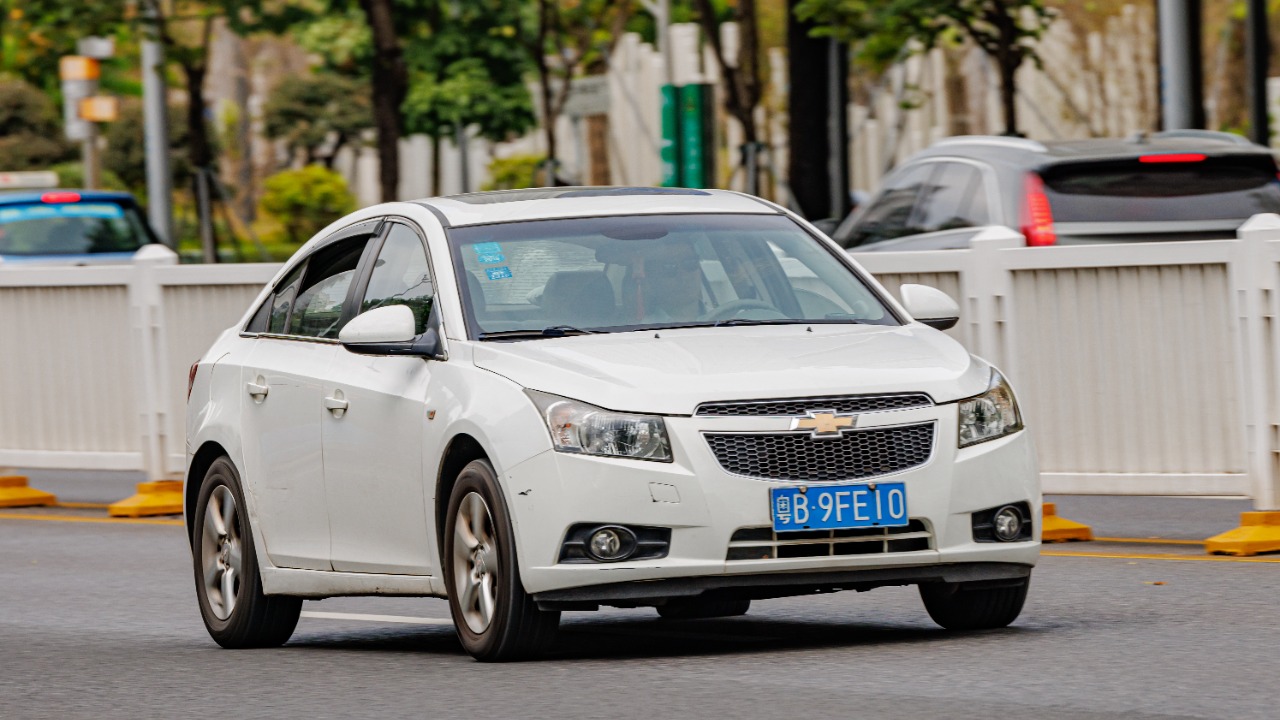
GM’s 1.6L Cruze diesel marked the automaker’s first US passenger-car diesel in 28 years, but the Eco and Diesel trim levels were both discontinued as GM wound the whole Cruze nameplate down in the American market.
The diesel Cruze targeted efficiency-minded commuters who wanted better highway mileage than a comparable gas compact could deliver. When the Cruze itself exited US showrooms, that engine disappeared along with the rest of the model line, and GM has not brought a diesel passenger car back to American dealerships since.
7. Chevrolet Equinox Diesel: Two Model Years and Gone
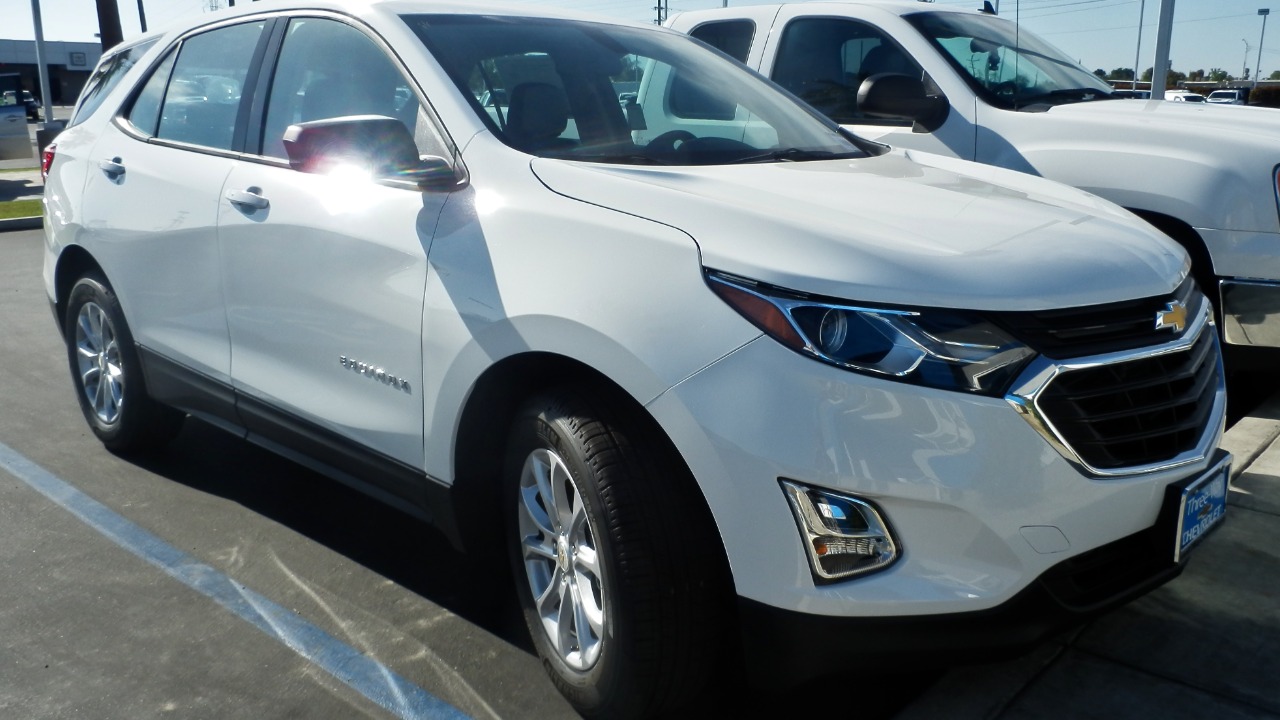
Chevy’s 1.6L turbo-diesel Equinox lasted only a couple of model years before the compact SUV’s engine lineup reverted to turbocharged 1.5L and 2.0L gas four-cylinders, with no diesel presented as available.
The diesel Equinox was pitched at highway-heavy commuters chasing better fuel economy than the standard turbo gas engines managed. Once it left the lineup, that same buyer had to look toward hybrid crossovers or a larger diesel SUV instead, since Chevrolet has not offered a diesel compact crossover since the Equinox’s brief run ended.
8. Mazda CX-5 Skyactiv-D: One Model Year, Then Silence
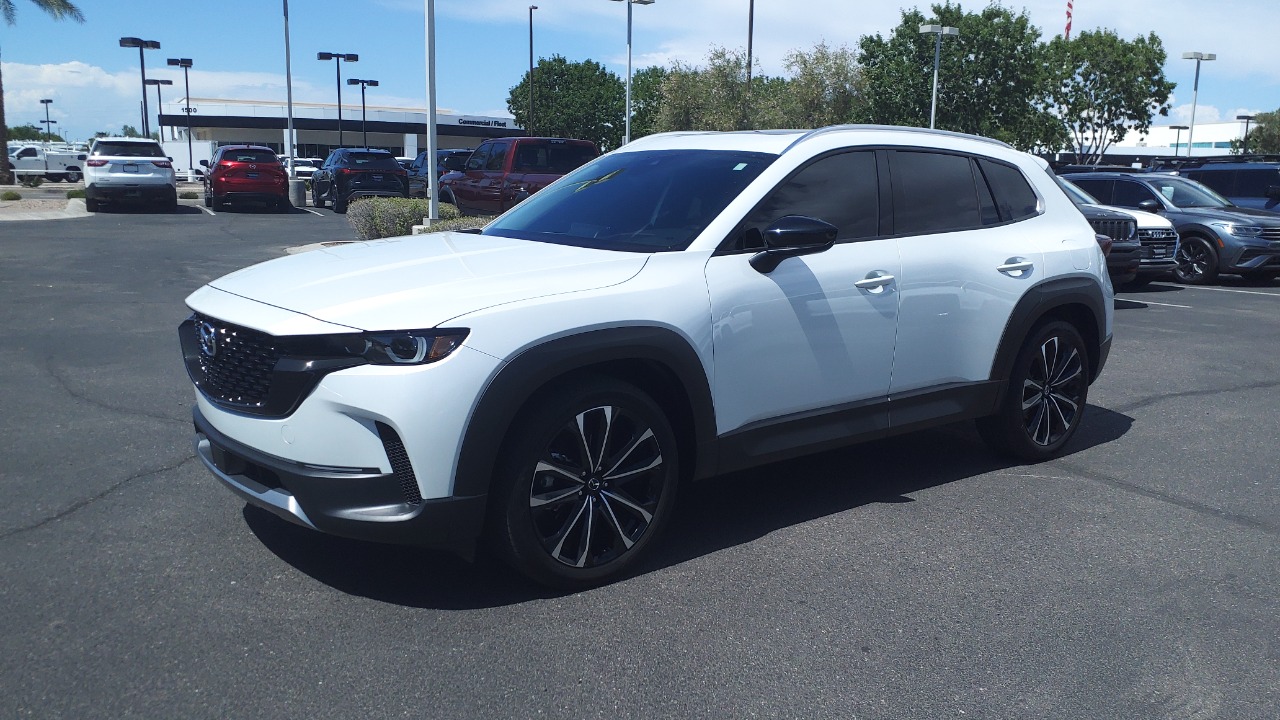
Mazda’s long-promised Skyactiv-D diesel finally reached the CX-5, only for the following model year’s specs to list solely a 2.5L gas inline-four making 187 horsepower, with the diesel nowhere in the lineup.
Mazda had spent years teasing Skyactiv-D for US buyers before it finally arrived, which made its swift exit sting more than a typical engine cut. Fuel-economy-minded CX-5 shoppers were left with gas power only afterward, and Mazda has not revived a diesel option for the crossover in any model year since. The brand’s US diesel ambitions effectively ended with that single model year.
9. Volvo XC90 D5: The Last Volvo Diesel Ever Built
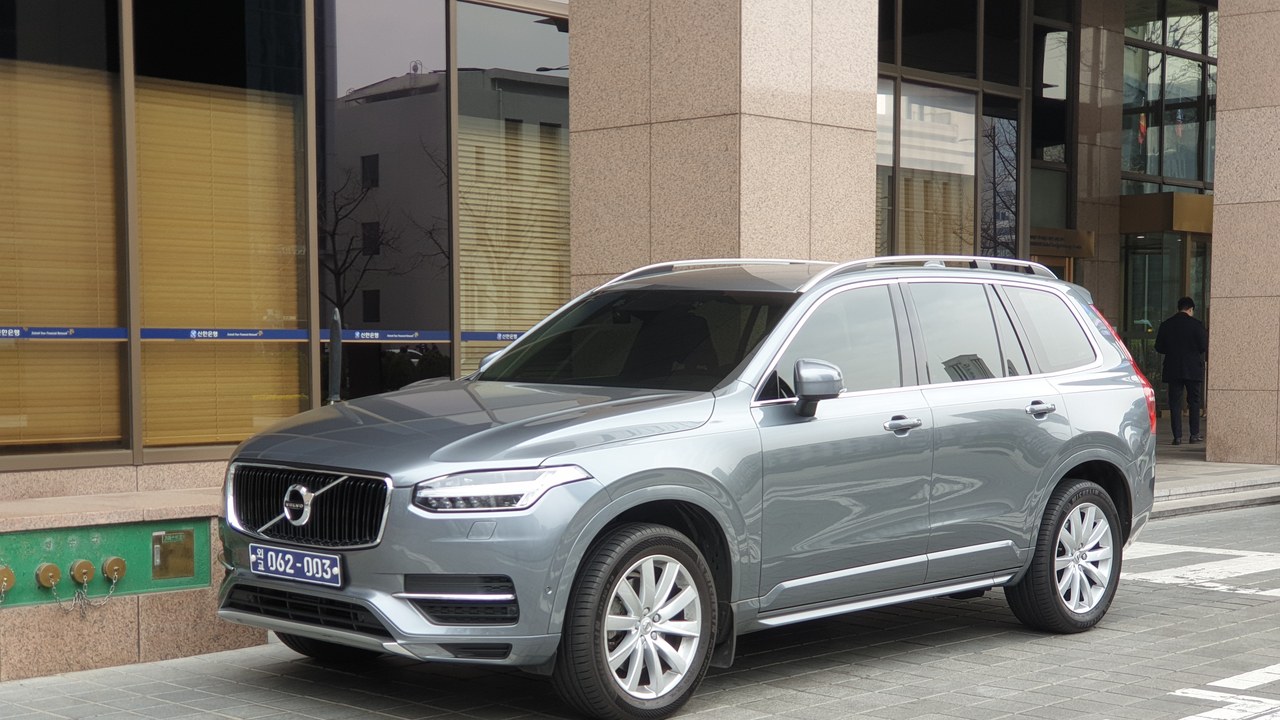
In March 2024, the XC90 D5 became the final Volvo car built anywhere with a diesel engine, closing out a chapter the brand had leaned on heavily in Europe for more than a decade.
Volvo’s shift away from diesel tracks its broader move toward hybrid and fully electric powertrains across the entire lineup, a transition the brand had signaled for years before the D5’s final build. Owners who valued the D5’s long-range highway efficiency now have to choose between the brand’s electrified options or a diesel from a rival automaker instead.
More from Morning Overview
- Herbal supplements are landing Americans in the hospital with liver damage, doctors warn
- General Motors is switching on cameras that record inside your vehicle by update
- A geomagnetic storm is forecast to hit Earth today, pushing the northern lights unusually far south
- A recalled pill hid a stimulant dose linked to heart attacks and death
