
Aircraft longevity depends on more than a rugged airframe; it also requires useful performance, repairable systems, steady parts support, and missions that newer designs cannot cheaply replace. A few machines have satisfied that demanding equation across generations of crews and technology. These nine classic aircraft remain active decades after their first flights.
1. Boeing B-52 Stratofortress: A 1952 Design With Decades Ahead
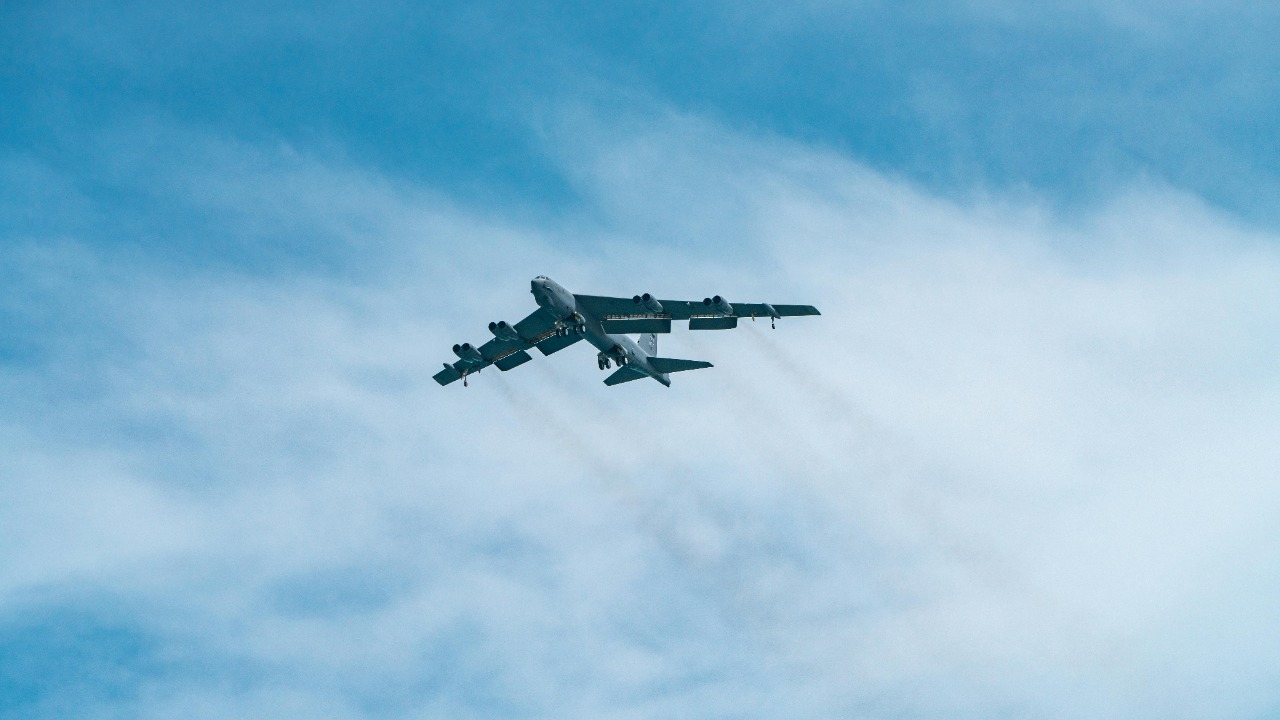
The B-52 first flew in 1952, yet its combination of long range, heavy payload, and adaptable weapons carriage continues to justify upgrades. The bomber’s service history spans the Cold War and later conventional operations, while current plans call for versions of the aircraft to remain in service into the 2050s. Few military designs bridge a century that way.
Longevity does not mean the aircraft has remained unchanged. Engines, radar, communications, defensive systems, and weapons interfaces have evolved around the durable airframe. That modular approach lets the Air Force modernize the capabilities that age fastest without discarding the structure and mission capacity that still work. The result is an old silhouette carrying systems its original designers could never have imagined.
2. Lockheed C-130 Hercules: One Airframe, an Astonishing Range of Missions
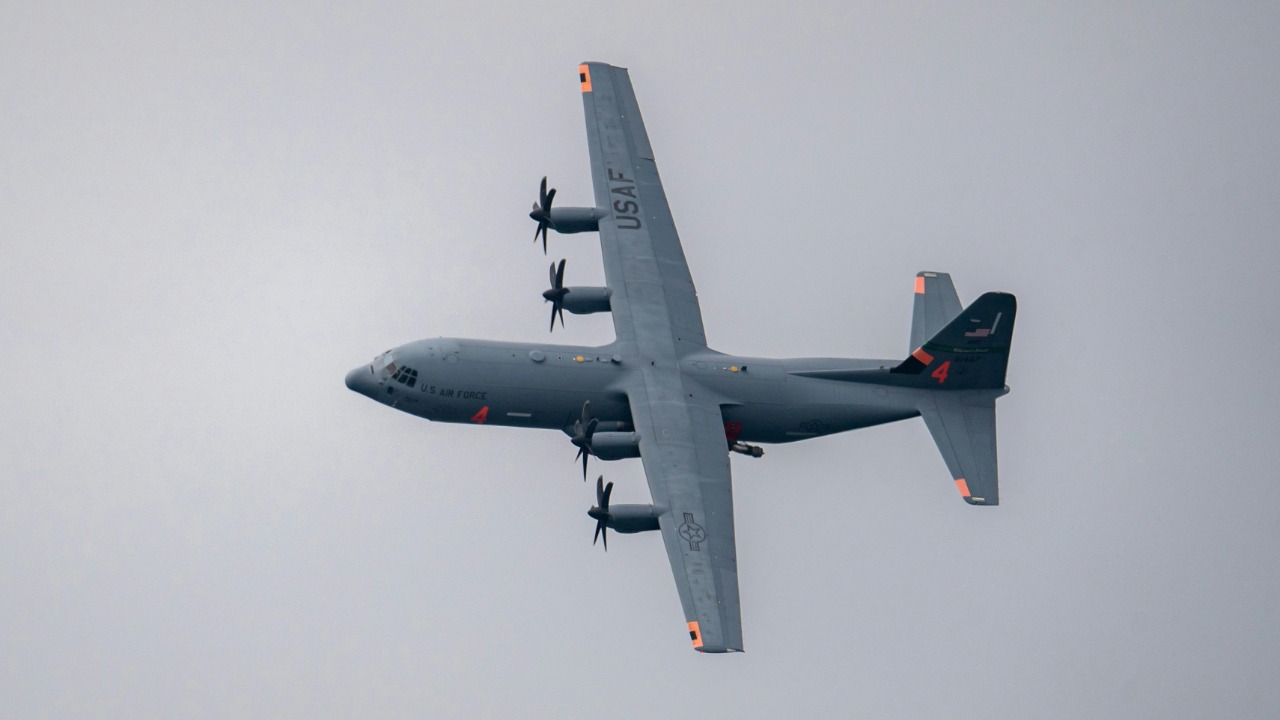
The C-130 Hercules has stayed relevant by combining a rear cargo ramp, rough-field capability, and a roomy fuselage with dependable turboprop power. Its long production record began in the 1950s and expanded into transport, search-and-rescue, firefighting, weather reconnaissance, gunship, tanker, and special-operations variants. That flexibility gives operators reasons to keep improving the basic design.
A Hercules can move people or machinery without requiring the long, polished runways expected by many large transports. Newer avionics and engines have extended the usefulness of later versions, while an enormous global fleet supports training, maintenance knowledge, and parts. Its endurance comes from solving practical logistical problems in places where speed and glamour matter less than access and reliability.
3. Douglas DC-3: The Airliner That Refused to Retire
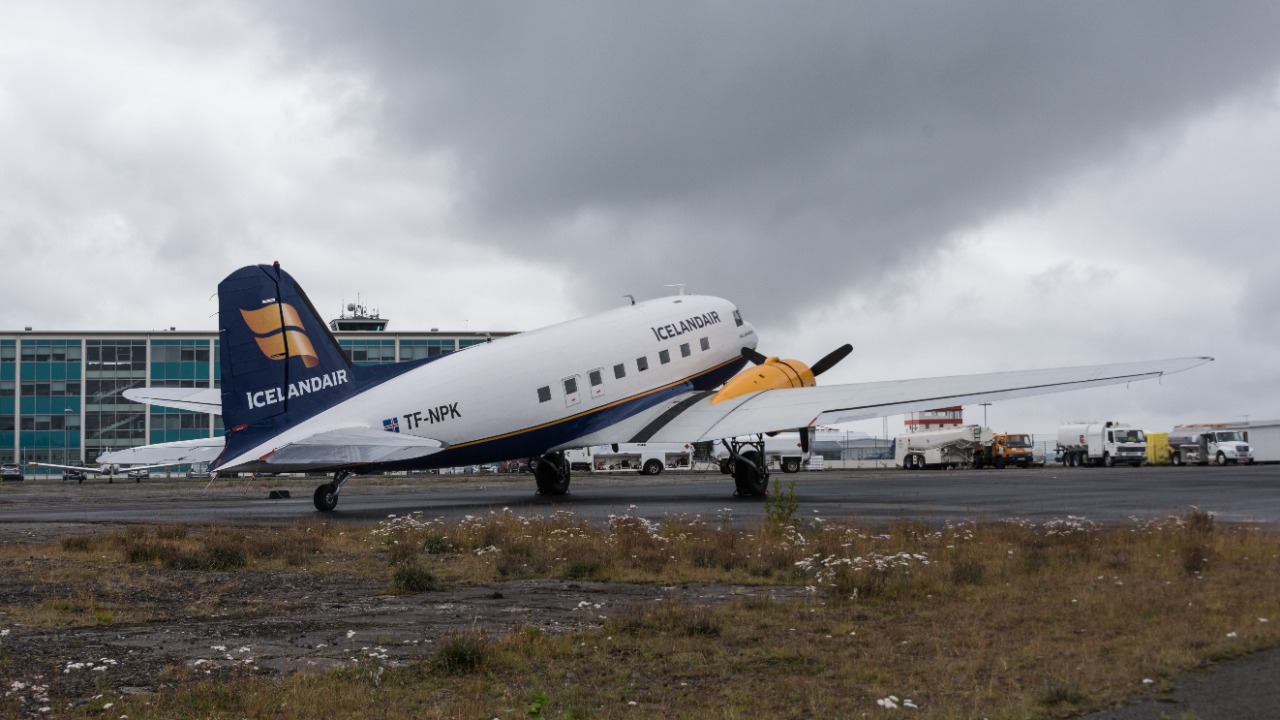
The DC-3 transformed aviation in the 1930s with a combination of useful range, passenger comfort, and operating economics that airlines could build schedules around. The aircraft’s documented history also covers the military derivatives that spread the design worldwide. Surviving examples continue to appear in cargo, heritage, charter, and remote-area operations long after contemporary airliners disappeared.
Its continued flight depends on maintenance and, in some cases, substantial modernization. Operators have fitted updated navigation equipment, replacement engines, and structural repairs while preserving the DC-3’s essential shape and low-speed utility. Modern aircraft are faster and more efficient for most routes, but the Douglas remains valuable where character, rugged field performance, or access to a specialized support network outweighs ordinary fleet economics.
4. Boeing KC-135 Stratotanker: The Tanker Extending Every Other Mission
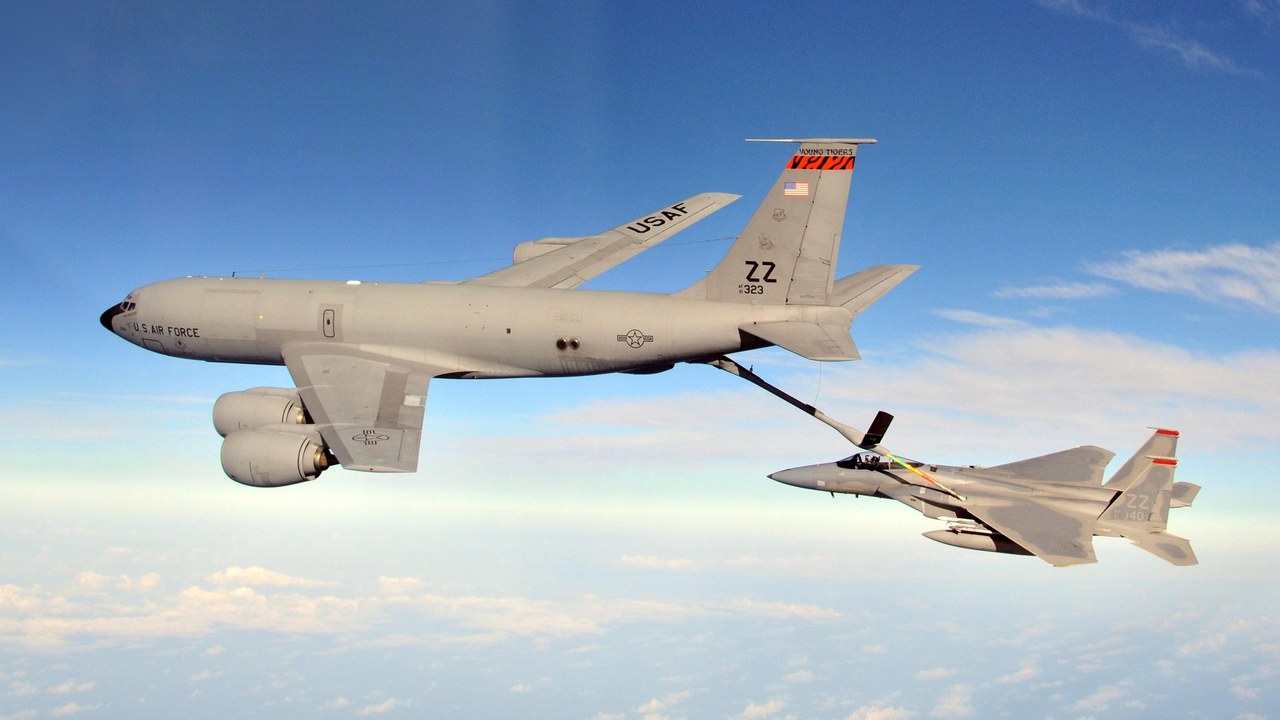
The KC-135 entered the jet age as an aerial tanker designed to transfer fuel to military aircraft in flight. Its operational record reaches back to the 1950s, and the type still supports fighters, bombers, and other aircraft far from their home bases. That mission remains essential even as the receiving aircraft become newer and more sophisticated.
Re-engining, avionics work, and structural maintenance have kept the fleet useful far beyond an ordinary transport career. The tanker does not need stealth or extreme speed to matter; it needs predictable handling, fuel capacity, and a reliable refueling system. Every successful transfer effectively expands another aircraft’s range, making the KC-135 a force multiplier whose value is larger than its familiar appearance suggests.
5. Antonov An-2: A Giant Biplane Built for Difficult Fields
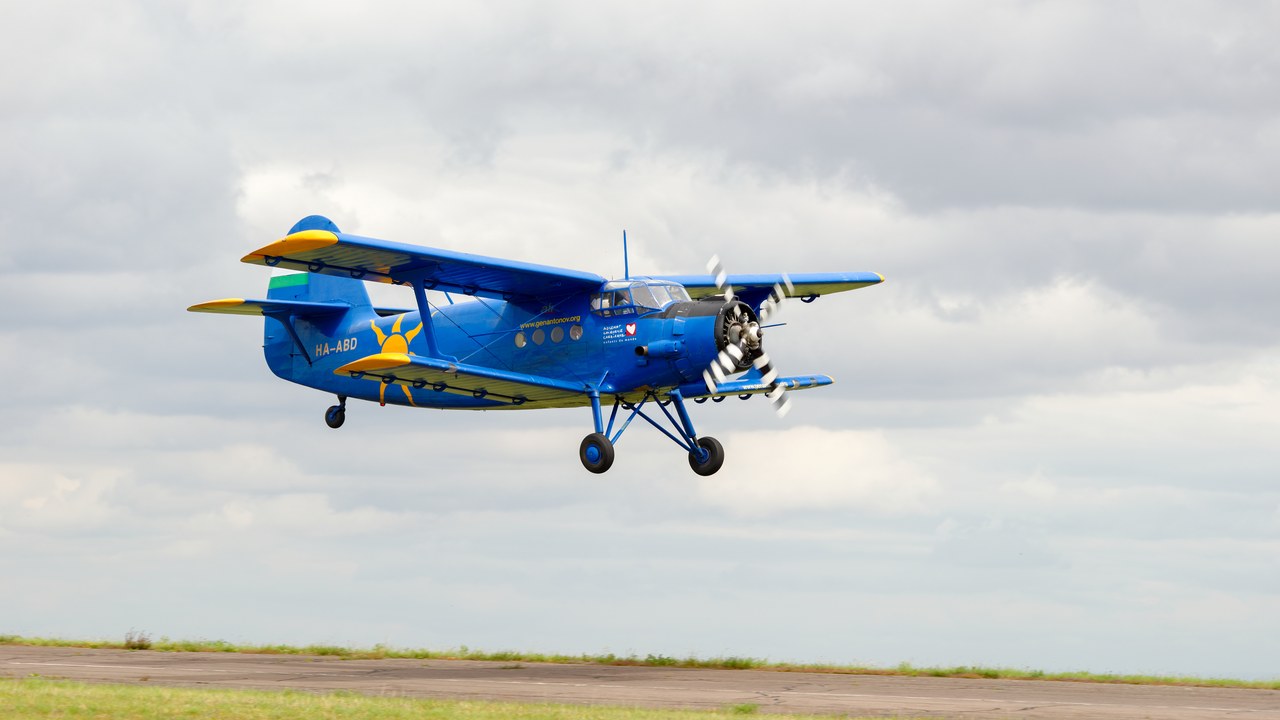
The An-2 looks like a survivor from an earlier aviation era because its large biplane wings and radial engine favor lift and simplicity over speed. Its production history began after World War II and stretched across decades and multiple countries. The design found work in agriculture, passenger transport, parachute operations, freight, and service from short or rough airstrips.
Slow flight and forgiving field performance remain useful in regions where paved runways and specialized ground equipment are scarce. The aircraft’s age brings real maintenance and fuel-efficiency tradeoffs, but straightforward systems can be supported by operators familiar with the type. The An-2 persists because it was optimized for access and utility, two qualities that technological sophistication does not automatically replace.
6. Cessna 172: The Training Standard That Keeps Evolving
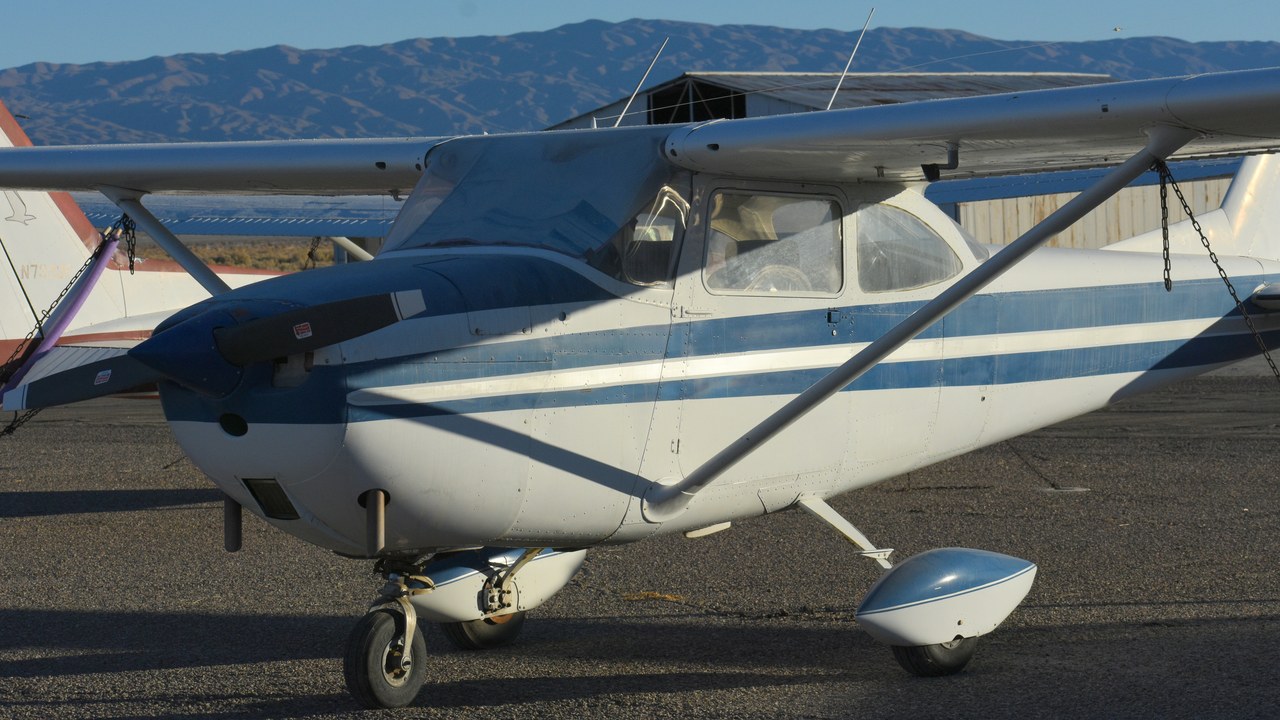
The Cessna 172 became aviation’s familiar classroom by pairing stable handling with four seats, a high wing, and systems that new pilots can understand. Its production history dates to the 1950s and identifies it as the most-produced aircraft in history. Continued manufacturing keeps the design present in both legacy fleets and newly equipped training operations.
A modern 172 carries avionics far beyond the instruments installed in early examples, but the underlying mission remains recognizable. Flight schools value consistency, visibility, predictable behavior, and a large maintenance base more than dramatic performance. Those traits also support private ownership and utility flying. The Skyhawk lasts because thousands of pilots, instructors, and mechanics already know how to operate and care for it.
7. Lockheed U-2: Extreme Altitude Still Has Strategic Value
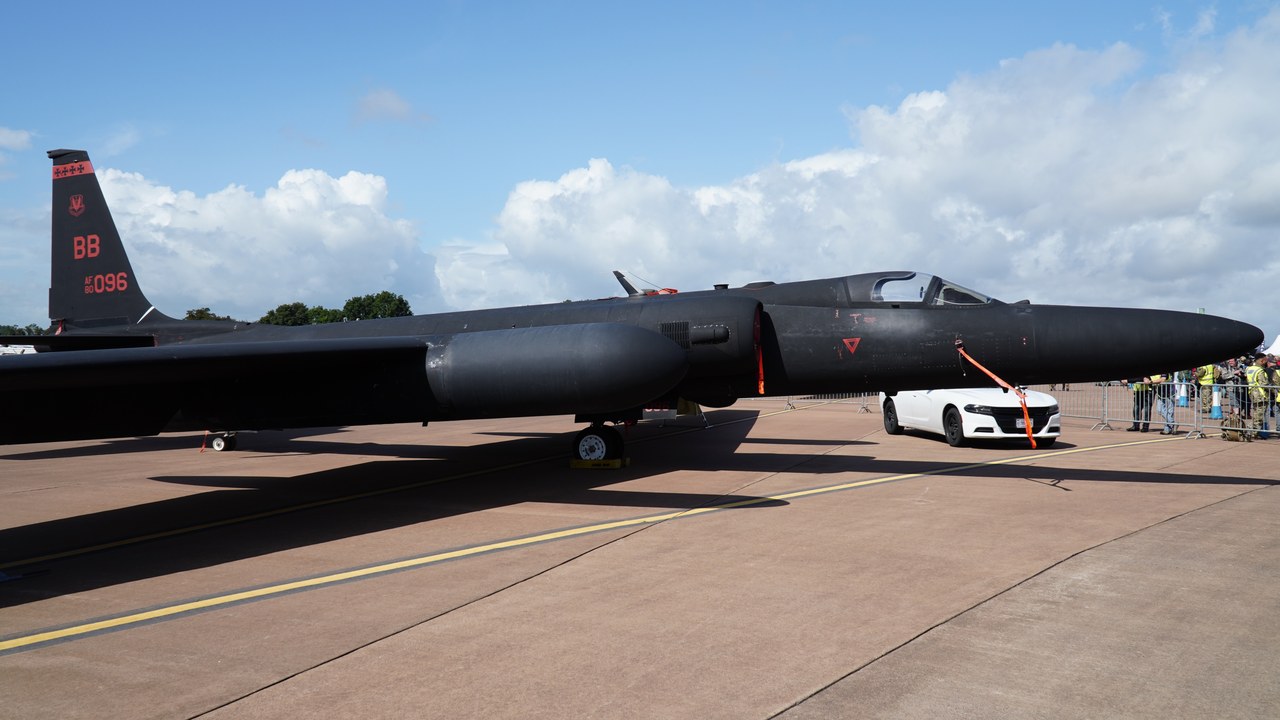
The U-2 was created for high-altitude intelligence work during the Cold War, using long glider-like wings to operate where ordinary aircraft could not. The type’s service record began in the 1950s and continues through upgraded reconnaissance variants. Its payloads can gather imagery, signals, and atmospheric data while crews operate at the edge of conventional flight.
Satellites and unmanned aircraft did not eliminate the value of a reusable platform that can be retasked, repositioned, and equipped with changing sensors. Flying it remains demanding because the narrow landing gear, pressure suit, and high-altitude environment require specialized crews and support. The U-2 endures because its unusual aerodynamic design still provides a vantage point that few other aircraft can match.
8. Boeing 747: The Jumbo Jet Found a Second Life in Freight
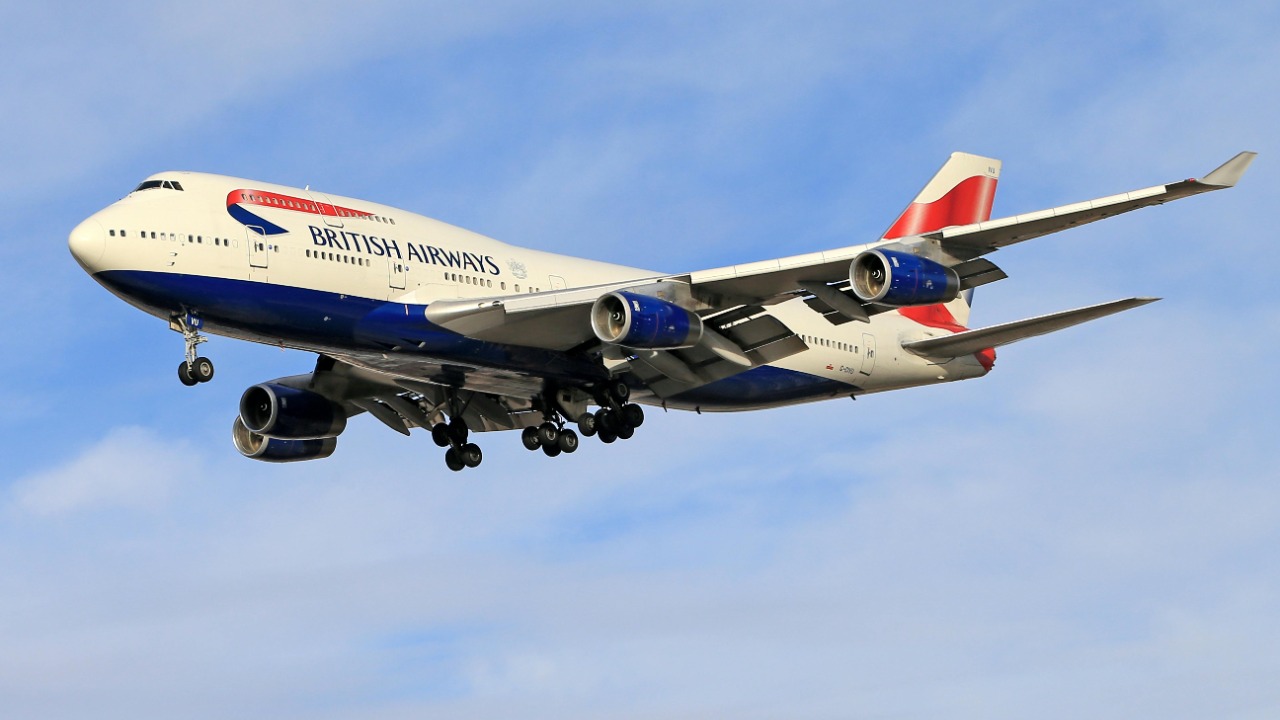
The 747 changed long-distance travel by combining a wide body, four engines, and unprecedented capacity beneath its distinctive upper-deck hump. A Britannica aircraft history traces the jumbo jet’s development and global impact. Passenger fleets have declined, but freighter versions still exploit the airplane’s volume, range, and nose-loading capability on major cargo routes.
Cargo work gives the design a mission in which size can matter more than fuel efficiency per passenger seat. The hinged nose on dedicated freighters allows long or bulky loads to enter without negotiating a side door, while established maintenance networks support worldwide operation. The 747 no longer defines every international terminal, yet its proportions and capabilities keep it useful where ordinary freighters cannot substitute easily.
9. Beechcraft King Air: Turboprop Practicality Across Six Decades
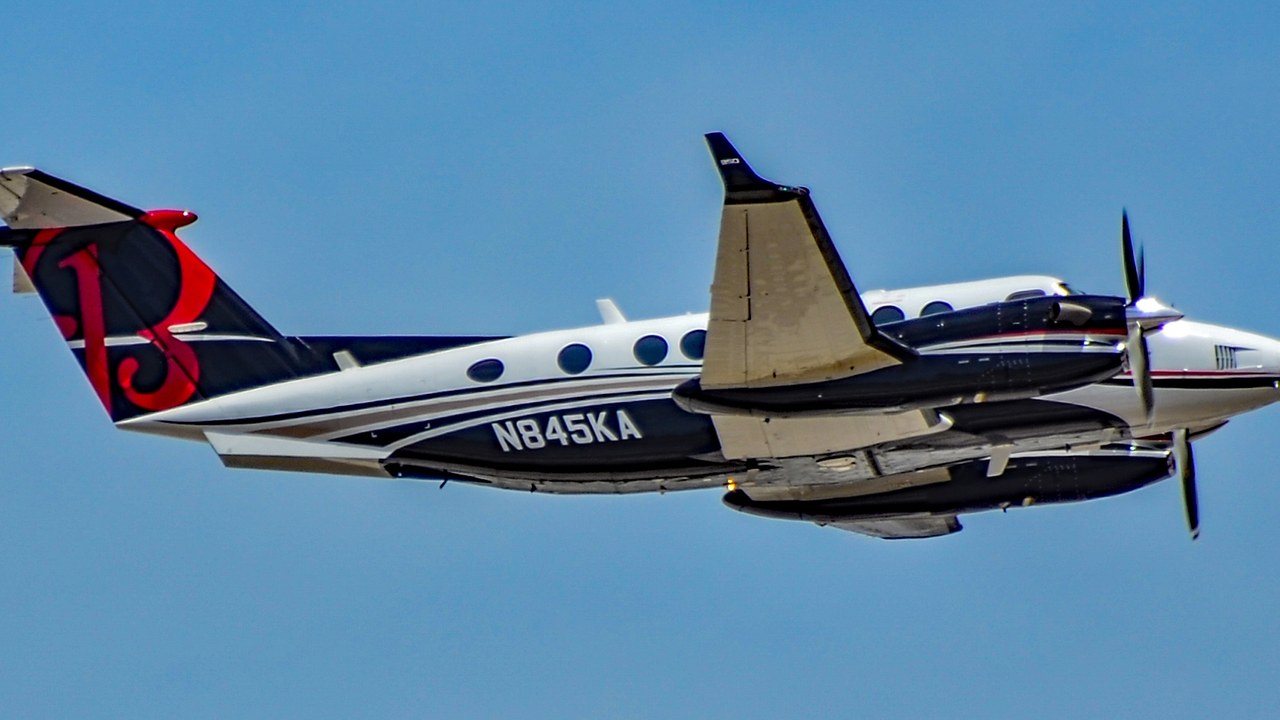
The King Air family has linked business-aircraft comfort with the runway flexibility and efficiency of twin turboprops since the 1960s. Its development history covers numerous versions used for corporate travel, military duties, medical transport, surveillance, and regional utility work. Continued production reflects a market that still values the balance between cabin capability and operating access.
A King Air can serve airports that are inconvenient for jets while offering pressurization, range, and a capable cabin. Later avionics and interior updates keep newer aircraft competitive, and upgrade programs extend older airframes. The design’s survival is less about nostalgia than mission fit: operators need more capacity than a piston aircraft but do not require the speed, runway demands, or expense of a jet.
More from Morning Overview
